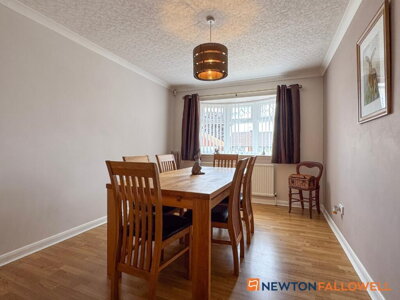
Browse 1 home for sale in Marnham, Bassetlaw from local estate agents.
The 2 bed house market features detached, semi-detached, and terraced properties with two separate bedrooms plus living spaces. Properties in Marnham range from Victorian and Edwardian period homes to modern new builds, with pricing varying across different neighbourhoods.
£0k
0
0
0
Source: home.co.uk
Showing 0 results for 2 Bedroom Houses for sale in Marnham, Bassetlaw.
The Marnham property market presents a distinctive picture shaped by its rural character and limited housing stock. Detached properties dominate the local market, accounting for approximately 67% of all transactions in the NG23 6SG postcode area, making them the clear preference for buyers seeking space and privacy in this countryside setting. The village sits within the broader Bassetlaw District, where current average prices for December 2025 show detached homes at £309,000, semi-detached properties at £184,000, terraced homes at £148,000, and flats and maisonettes at £91,000. These figures provide useful context when evaluating property values within Marnham itself, where the premium for the village location and river views pushes prices somewhat higher than the district average.
Recent price trends reveal strong upward momentum in the Marnham area. The NG23 6SG postcode has experienced a 5.2% increase over the past year, a 20.9% rise over five years, and a substantial 56.6% gain over the past decade. This long-term growth reflects the enduring appeal of rural Nottinghamshire villages and suggests continued capital appreciation potential for buyers. Transaction volumes remain extremely modest, with only nine property sales recorded in this postcode over the past 25 years, indicating limited availability and competitive conditions for those seeking to enter this exclusive market. By comparison, the wider Nottinghamshire county recorded 13,800 sales in the previous twelve months, representing a 17.3% drop in transaction volumes across the region.
New build opportunities exist at Hawthorn Meadows and The Hawthorns in High Marnham, both marketed by Savills. Hawthorn Meadows offers detached houses ranging from three to five bedrooms alongside four-bedroom detached bungalows, while The Hawthorns features five-bedroom detached homes. These developments appeal to families and retirees seeking modern construction methods and energy efficiency within a village setting, though pricing for these homes requires enquiry with the selling agents. The availability of new build stock provides an alternative to the older period properties that predominate in the village, each with distinct maintenance and survey considerations.

Life in Marnham revolves around the rhythm of the seasons and the gentle pace of rural English living. The village sits within the broader Bassetlaw District, an area of 117,800 residents known for its mix of agricultural heritage and emerging economic activity. Marnham itself maintains just 136 residents according to the 2021 Census, representing growth from 117 residents in 2011, creating an intimate community where neighbours know one another and local events bring people together. The parish encompasses both High Marnham and Low Marnham, with properties ranging from historic farmhouses and cottages to modern detached homes and park home sites. Three caravan and park home sites operate around High Marnham, contributing to the diverse housing landscape and providing more accessible entry points to village life.
The village landscape reflects centuries of agricultural use, with Marnham Hall from the 16th century and Skegby Manor from the 18th century standing as testament to the area's long history. St Wilfrid's Church, a Grade I listed building constructed in stone with slate roofs, serves as both a spiritual centre and architectural landmark. The River Trent flows through the area, shaping both the geography and character of the village, though this proximity to water brings important considerations for prospective buyers regarding flood risk and insurance implications. The agricultural character of the parish is reinforced by JG Pears, an animal feed and fertiliser manufacturing facility located south of Low Marnham, representing one of the key employers in the immediate area.
Local amenities in Marnham itself are limited, consistent with its small population, though surrounding villages and the market town of Retford provide everyday necessities. The Bassetlaw District supports a diverse economy employing 64,590 people across key sectors including Construction, Retail, and Professional Services, providing employment opportunities for residents willing to travel. Community spirit runs strong in villages like Marnham, with the village hall serving as a focal point for gatherings and events. According to the 2021 Census, 68.2% of Bassetlaw households own their home, 16.2% rent privately, and 15.0% live in socially rented housing, reflecting homeownership patterns typical of rural England. Buyers seeking a genuinely rural lifestyle with strong community bonds will find much to appreciate in this riverside parish.

Families considering a move to Marnham will find educational provision centred in nearby towns and larger villages within the Bassetlaw District. The district maintains a network of primary and secondary schools serving its communities, with schools in towns like Retford and Worksop offering broader curricula and facilities. The nearest secondary schools include The Elizabethan Academy in Retford and Retford Academy, both serving students from surrounding villages including those in the Marnham catchment area. Parents should research specific catchment areas and admission policies when evaluating schools, as rural catchments can span significant distances and competition for places at popular schools can be strong. The 2021 Census data showing population growth in the parish from 117 to 136 residents suggests that family buyers are among those attracted to Marnham's combination of rural charm and reasonable connectivity.
Secondary education options in the wider Bassetlaw area include several secondary schools and academies, some of which have received recognition for academic achievement and extracurricular provision. The Elizabethan Academy, located in the nearby market town of Retford approximately six miles from Marnham, offers secondary education with sixth form facilities, providing a comprehensive educational pathway for students from the village. For families requiring further education facilities, the nearby towns provide colleges and school sixth forms catering to a range of academic and vocational pathways. Given the rural nature of Marnham itself, transport arrangements to schools will be an important practical consideration, with many families relying on car travel or school transport services to reach educational facilities.
Early years and primary education is typically provided through village primary schools in the surrounding area, with class sizes often smaller than urban counterparts and strong community connections. Primary schools serving the Marnham area include those in nearby villages such as North and South Wheatley, which provide education for younger children within a short drive. Parents are advised to visit schools personally and speak with headteachers to understand each institution's ethos, recent Ofsted findings, and how they support children with different learning needs. The combination of village primary schooling and wider secondary options provides a balanced educational environment for families choosing to make Marnham their home, though planning for school transport should form part of any relocation assessment.
Marnham benefits from strategic positioning that balances rural tranquility with practical transport connections. The village sits within reach of major road infrastructure, with the A1 trunk road providing north-south connectivity to cities including Leeds, Newcastle, and Sheffield to the north, and Nottingham, Leicester, and London to the south. The nearby market town of Retford offers additional road connections and rail services via East Midlands Railway, making it a practical hub for residents needing to commute or access services. For those working in larger cities but seeking countryside living, Marnham presents a viable compromise between space and accessibility, with the journey to Nottingham taking approximately 45 minutes by car under normal traffic conditions.
Rail services from nearby stations connect residents to the wider rail network, with journey times to Nottingham and Lincoln providing options for commuters and day-trippers alike. Retford railway station offers regular services operated by East Midlands Railway, connecting passengers to destinations including London King's Cross via Grantham and Sheffield via Worksop. While Marnham itself lacks a railway station, the proximity to Retford station at approximately six miles distance means most destinations remain accessible with reasonable journey times. Car ownership is effectively essential for residents of Marnham, given the limited public transport serving the village itself and the dispersed nature of rural services.
Local bus services connect Marnham with surrounding villages and towns, though frequency is significantly lower than urban routes. The 45 and 45A bus services operated by Stagecoach provide connections between Retford and surrounding villages including Marnham, though passengers should verify current timetables as rural bus services can be subject to changes. Residents planning regular commutes or requiring frequent access to services should verify current timetables and consider whether driving to nearest stations is more practical. For leisure travel, the proximity to the River Trent offers opportunities for boating and riverside walks, while the wider Nottinghamshire countryside provides extensive walking and cycling routes through agricultural landscapes and nature reserves.
Begin by exploring property listings in Marnham through Homemove and understanding the local market dynamics. With prices averaging £295,268 in the NG23 6SG area and detached properties commanding premiums around £325,000 in High Marnham, establishing your budget and understanding what your money buys here differs significantly from urban markets. Given that only nine property sales have been recorded in this postcode over the past 25 years, buyers should be prepared for limited availability and potentially competitive situations when properties do come to market.
Before viewing properties, secure a mortgage agreement in principle from a lender. This demonstrates your buying capacity to sellers and agents, which is particularly valuable in a village market where competitive sales can arise quickly. With county average prices at £248,000 but village prices averaging higher, understanding your borrowing capacity against the specific Marnham market is essential. Our mortgage comparison tool helps you find competitive rates quickly.
Visit properties that match your criteria, paying attention to construction materials, flood risk considerations, and the condition of older properties. Marnham's historic buildings may require specific surveys, and new builds at Hawthorn Meadows offer alternative modern options with different maintenance considerations. Pay particular attention to foundation conditions given the shrink-swell clay soils prevalent in Nottinghamshire, and verify floor levels relative to flood risk data.
For any property you seriously consider, arrange a RICS Level 2 Survey to assess construction condition and identify any issues. Given clay soils in Nottinghamshire and Marnham's flood risk areas along the River Trent, a professional survey is essential for informed decision-making and negotiating repairs. Our inspectors understand local construction methods including stone with slate roofs and red brick with blue brick dressings, allowing them to identify defects common to these building traditions.
Once your offer is accepted, instruct a solicitor experienced in rural property transactions to handle legal work. They will check flood risk certificates, planning restrictions, and any conservation area requirements affecting your purchase. Given Marnham's position within an Environment Agency flood alert area and the presence of seven listed buildings, legal searches should thoroughly investigate these factors.
Work with your solicitor to complete all legal searches and satisfy any conditions before exchanging contracts. On completion day, you will receive your keys and officially become a Marnham resident. Budget for stamp duty Land Tax, which for a typical Marnham property priced around £295,000 would amount to approximately £2,263 at standard rates.
Buying property in Marnham requires careful attention to several factors unique to this riverside village and rural Nottinghamshire location. Flood risk stands as the most significant environmental consideration for any buyer. Marnham, including both High Marnham and Low Marnham, falls within the Environment Agency's River Trent at High Marnham and Low Marnham flood alert area, and the broader River Trent from Cromwell Weir to Gainsborough flood warning area. Recorded incidents of high river levels have affected properties and roads in the village, with the flood alert area indicating a greater than 1% annual risk of flooding, commonly referred to as a hundred year flood risk.
Surface water flooding presents additional concerns for Marnham buyers. Our research has identified extensive ponding across parts of the village, with depths ranging from 0.3 metres to over 1.2 metres in some areas. These surface water flood depths carry hazard ratings ranging from caution to dangerous for most, meaning prospective buyers should carefully consider property positioning, floor levels, and drainage arrangements when evaluating any property. Flood insurance availability and premium costs should be verified before committing to a purchase, as some properties in high-risk areas face significant insurance challenges.
The geological conditions in Nottinghamshire introduce additional property considerations beyond flood risk. The county sits within a region where clay-rich soils experience shrink-swell behaviour, which is the volume change in soil due to moisture fluctuations. This phenomenon is considered the most damaging geohazard in Britain, potentially causing heave or subsidence that can affect foundations and structural integrity. Older properties with shallow foundations are particularly vulnerable, especially when influenced by tree root systems that alter soil moisture content. The presence of trees within or near property boundaries should prompt careful foundation assessment during any survey.
Marnham's heritage status means many properties fall within or near conservation considerations, and seven listed buildings exist within the parish. These include St Wilfrid's Church (Grade I), Marnham Hall (Grade II), Skegby Manor (Grade II), a pigeoncote, village hall, farmhouse, and farm buildings (all Grade II). Buyers should verify whether any planning restrictions or conservation area controls affect their intended purchase, as these can influence permitted development rights and renovation options. The predominant construction materials in the area include stone with slate roofs for older buildings and red brick, sometimes with blue brick dressings and pantile roofs, for more recent historic properties. Nottinghamshire's traditional building stone is Magnesian Limestone, a pinkish-yellow stone, while Triassic sandstone (Skerry Sandstone) is also present in the local geology. Understanding these building traditions helps when assessing condition and budgeting for maintenance.
The estimated average property value in the NG23 6SG postcode area covering Marnham is £295,268, while the average price paid for properties in High Marnham specifically reached approximately £325,000 as of February 2026. Detached properties account for around 67% of sales in this postcode and command the highest prices, with the wider Bassetlaw District showing detached averages of £309,000, semi-detached at £184,000, terraced at £148,000, and flats at £91,000. The village has seen exceptional price growth with values rising 31.8% over the past year and 56.6% over the past decade, substantially outpacing the Nottinghamshire county average which has remained relatively flat.
Properties in Marnham fall under Bassetlaw District Council for council tax purposes. The council operates tax bands A through H based on property value, with most detached homes and historic properties in the village likely falling into bands D through F given typical valuations. Exact banding depends on property characteristics and the Valuation Office Agency's assessment, which buyers can verify through their website or their solicitor during conveyancing searches. The district collects council tax to fund local services including education, waste collection, and highway maintenance.
Marnham itself has limited school provision given its small population of 136 residents, with no schools located within the village itself. Primary education is provided through schools in surrounding villages including North and South Wheatley, while secondary education options in the wider Bassetlaw area include The Elizabethan Academy and Retford Academy in the nearby market town of Retford approximately six miles away. Parents should research specific catchment areas, visit schools personally, and check recent Ofsted reports when evaluating options, as rural catchments can span significant distances and competition for places at popular schools can be strong.
Marnham has limited public transport services, consistent with its rural village status. Local bus services including the 45 and 45A connect the village with surrounding communities and Retford, though frequencies are significantly lower than urban routes and passengers should verify current timetables. The nearest railway station is located in Retford, offering East Midlands Railway services to destinations including London King's Cross and Sheffield. Car ownership is effectively essential for most residents, particularly those needing regular access to employment, services, or schools. Road connectivity is good, with the A1 providing straightforward access to major cities including Nottingham to the south and Leeds to the north.
The Marnham property market has demonstrated exceptional performance with prices rising 31.8% in the past year and 56.6% over the past decade, substantially outpacing county averages. The village's rural character, heritage appeal with seven listed buildings, and position within commuting distance of major employment centres suggest continued demand from buyers seeking countryside living. However, low transaction volumes with only nine sales over 25 years and flood risk considerations along the River Trent mean buyers should approach investment decisions carefully, focusing on long-term holding periods and ensuring properties meet modern standards for insurance and energy efficiency.
Stamp Duty Land Tax applies to all property purchases in England, with current thresholds for 2024-25 being 0% on the first £250,000, 5% on the portion from £250,001 to £925,000, 10% on £925,001 to £1.5 million, and 12% above £1.5 million. First-time buyers benefit from increased thresholds with 0% on the first £425,000 and 5% between £425,001 and £625,000. Given Marnham's average property prices around £295,000 to £325,000, most buyers would pay stamp duty only on amounts above £250,000 at the standard rate, meaning approximately £2,263 on a typical village property priced at the average of £295,268.
From 3.84%
Compare rates from leading lenders to find the best mortgage for your Marnham property purchase
From £499
Expert solicitors handling your Marnham property purchase including local searches
From £350
Professional property survey covering Marnham homes including flood risk and construction assessment
From £60
Energy Performance Certificate for your Marnham property
Understanding the full cost of purchasing property in Marnham extends beyond the purchase price to include stamp duty, legal fees, surveys, and moving costs. The stamp duty Land Tax rates for 2024-25 apply a 0% rate on the first £250,000 of property value, with 5% charged on amounts between £250,001 and £925,000. For a typical Marnham property priced at the village average of £295,268, this means stamp duty of approximately £2,263 at standard rates. First-time buyers benefit from increased thresholds with no stamp duty on the first £425,000, making such purchases more affordable for those entering the property market.
Beyond stamp duty, buyers should budget for conveyancing costs typically ranging from £499 to £1,500 depending on complexity and whether the property is freehold or leasehold. Local searches including drainage and water searches, environmental searches assessing flood risk and ground conditions, and local authority searches typically cost between £250 and £400. Given Marnham's flood risk profile along the River Trent and the presence of shrink-swell clay soils, an environmental search is particularly important to fully understand the property's exposure to flooding and ground movement risks. Local authority searches will also reveal any planning permissions, building control approvals, or enforcement actions affecting the property.
A RICS Level 2 Survey costs from £350 depending on property size and complexity, while a full RICS Level 3 Building Survey for older or more complex properties may cost £600 or more. Given the age of many properties in Marnham, with buildings dating from the 16th to 19th centuries, a thorough survey is particularly valuable to assess structural condition, identify defects common to period properties, and evaluate foundation conditions affected by local clay soils. Removal costs vary based on distance and volume of belongings, while mortgage arrangement fees typically range from 0% to 1.5% of the loan amount. Buildings insurance must be in place from exchange of contracts, and life insurance or critical illness cover provides additional financial protection during the homeowning years. Careful budgeting for all these costs ensures buyers can proceed to completion without financial surprises.
Properties for Sale In London

Properties for Sale In Plymouth

Properties for Sale In Liverpool

Properties for Sale In Glasgow

Properties for Sale In Sheffield

Properties for Sale In Edinburgh

Properties for Sale In Coventry

Properties for Sale In Bradford

Properties for Sale In Manchester

Properties for Sale In Birmingham

Properties for Sale In Bristol

Properties for Sale In Oxford

Properties for Sale In Leicester

Properties for Sale In Newcastle

Properties for Sale In Leeds

Properties for Sale In Southampton

Properties for Sale In Cardiff

Properties for Sale In Nottingham

Properties for Sale In Norwich

Properties for Sale In Brighton

Properties for Sale In Derby

Properties for Sale In Portsmouth

Properties for Sale In Northampton

Properties for Sale In Milton Keynes

Properties for Sale In Bournemouth

Properties for Sale In Bolton

Properties for Sale In Swansea

Properties for Sale In Swindon

Properties for Sale In Peterborough

Properties for Sale In Wolverhampton

Enter your details to see if this property is within your budget.
Loans, cards, car finance
Estimated property budget
Borrowing + deposit
You could borrow between
Typical borrowing
Monthly repayment
Est. at 4.5%
Loan-to-value
This is an estimate only. Your actual budget may vary depending on interest rates, credit history, and personal circumstances. For an accurate affordability assessment, speak to one of our free mortgage advisors.
This calculator provides estimates for illustrative purposes only and does not constitute financial advice. Your home may be repossessed if you do not keep up repayments on your mortgage. Estimates based on 4.5% interest rate, repayment mortgage. Actual rates depend on your circumstances.
Homemove is a trading name of HM Haus Group Ltd (Company No. 13873779, registered in England & Wales). Homemove Mortgages Ltd (Company No. 15947693) is an Appointed Representative of TMG Direct Limited, trading as TMG Mortgage Network, which is authorised and regulated by the Financial Conduct Authority (FRN 786245). Homemove Mortgages Ltd is entered on the FCA Register as an Appointed Representative (FRN 1022429). You can check registrations at NewRegister or by calling 0800 111 6768.

We use cookies to show you personalised content and improve your experience of our website. Find out more in our Privacy policy and Cookie policy.