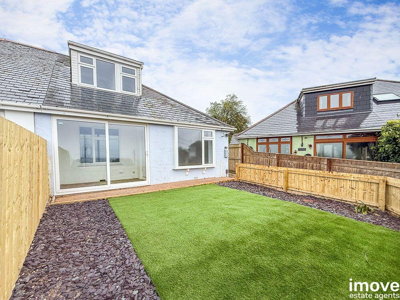
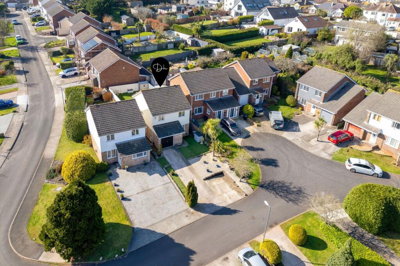
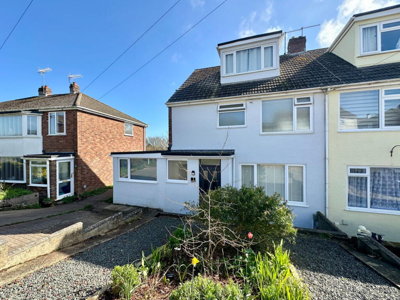
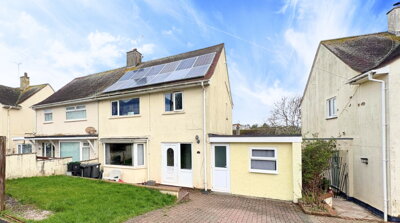
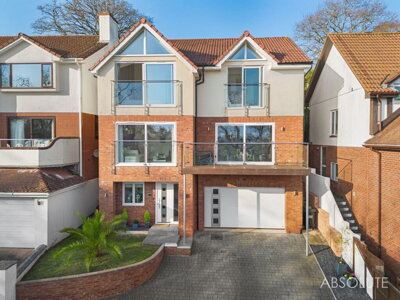
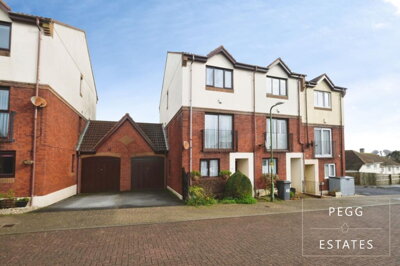
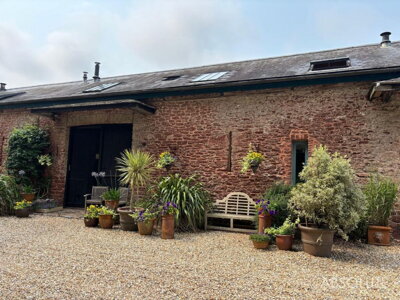
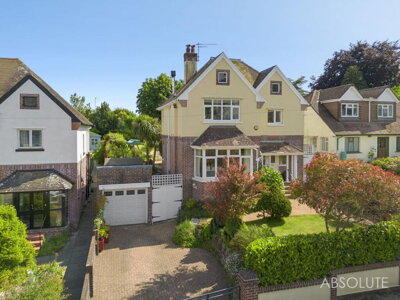
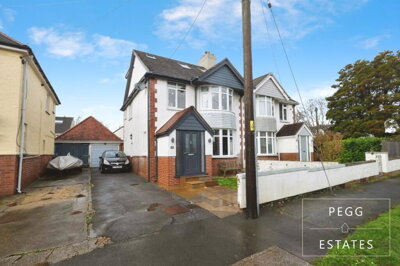
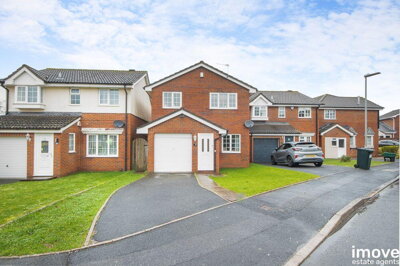
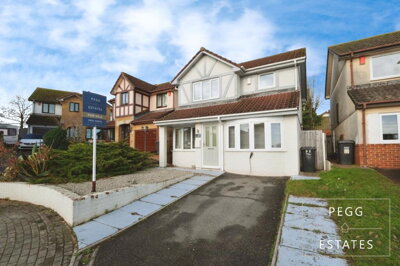
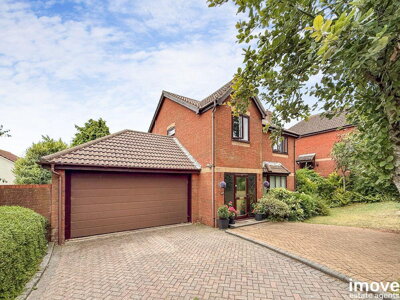
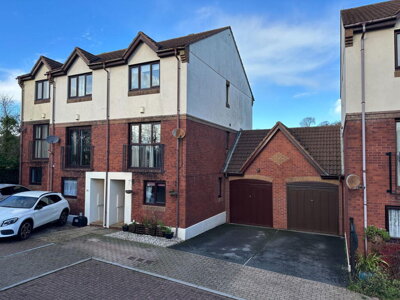
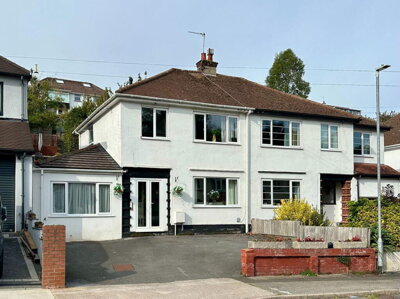
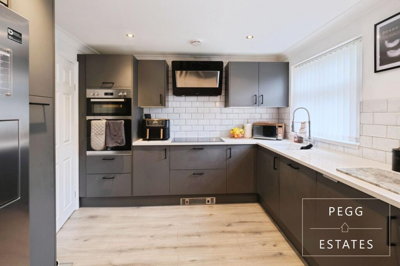
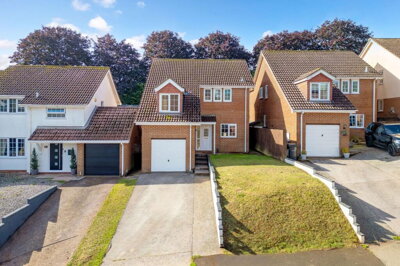
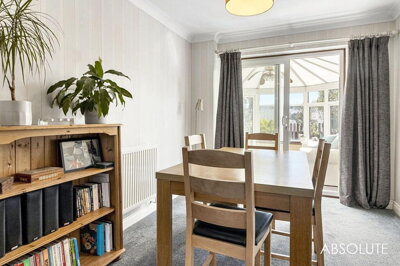
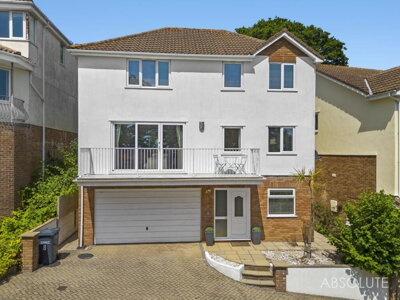
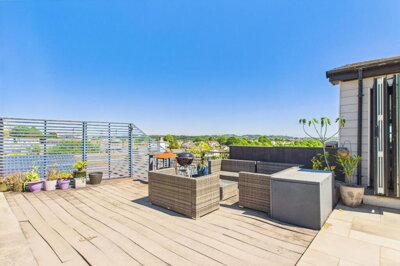
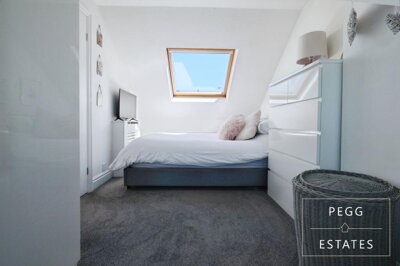
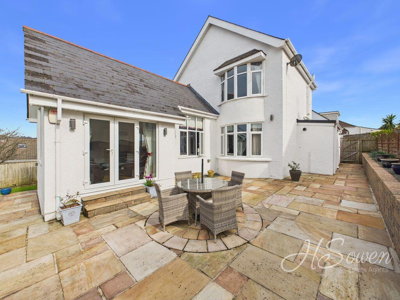
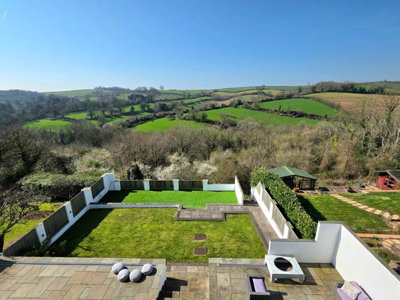
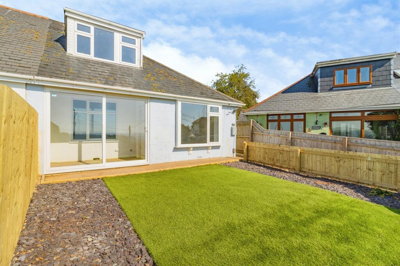
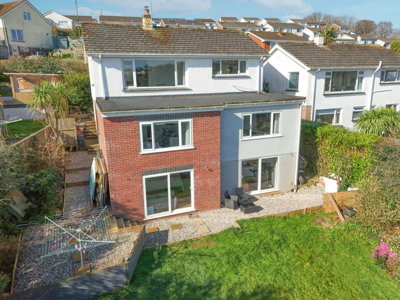
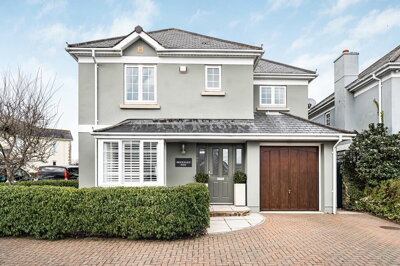
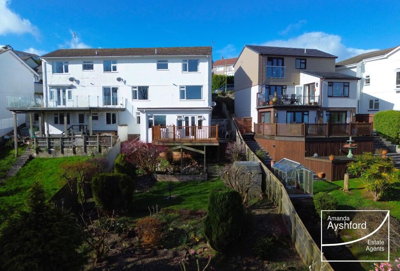
Browse 106 homes for sale in Marldon, South Hams from local estate agents.
The larger property sector typically features multiple bathrooms, substantial reception space, and private gardens or off-street parking. Four bedroom houses in Marldon span detached, semi-detached, and occasionally terraced configurations, with styles ranging from period properties to modern executive homes.
£450k
3
0
131
Source: home.co.uk
Showing 3 results for 4 Bedroom Houses for sale in Marldon, South Hams. The median asking price is £450,000.
Source: home.co.uk
Detached
2 listings
Avg £537,500
Semi-Detached
1 listings
Avg £390,000
Source: home.co.uk
Source: home.co.uk
The Marldon property market has demonstrated steady growth, with overall house prices increasing by 2.22% over the past twelve months. This consistent upward trajectory reflects sustained demand for homes in this desirable South Hams village. Detached properties command the highest prices, averaging £474,800, making them ideal for families seeking generous living space and proximity to the Devon countryside. Semi-detached homes average £315,600, offering excellent value for those looking for a balance between space and affordability in a village setting. The market has seen particular interest from buyers relocating from larger cities seeking more space and the Devon lifestyle, which has supported prices across all property types.
New build developments are bringing fresh options to the Marldon housing market. The Marldon Way development by Cavanna Homes offers 2, 3, and 4 bedroom homes ranging from £299,995 to £479,995, while the White Rock development by Linden Homes (Vistry Group) provides additional new build homes priced from £290,000 to £475,000. Both developments are located within the TQ3 1SP postcode area, providing modern specifications and energy-efficient designs for buyers seeking a brand-new property. These new homes typically feature contemporary construction methods including cavity wall insulation, uPVC windows, and modern heating systems, making them attractive options for buyers prioritising energy efficiency and low maintenance living.
Terraced properties average £255,100, while flats start from around £183,100, offering entry points into this attractive village market. Price growth has been strongest in the terraced sector at 2.72%, followed by semi-detached at 2.66%, suggesting strong demand for more affordable property types. The property type breakdown in Marldon shows detached homes comprising 45.4% of the housing stock, with semi-detached at 30.1%, terraced at 15.2%, and flats at 9.3%, indicating a market predominantly characterised by larger family homes in keeping with the village's residential character.

Marldon is home to approximately 3,800 residents across 1,600 households, creating a close-knit community feel that appeals to families and retirees alike. The village maintains a predominantly residential character, with many residents commuting to nearby towns for work while enjoying the peace and natural beauty of village life. Local amenities include a convenience store, post office, and The Mayburgh Arms pub, providing everyday essentials without requiring travel to larger towns. Community events throughout the year, including village fetes and seasonal celebrations, contribute to the strong sense of community that long-term residents often cite as a key attraction of Marldon living.
The housing stock in Marldon reflects its evolution from historic farming community to modern village. Detached properties comprise 45.4% of the housing mix, with semi-detached homes at 30.1%, terraced properties at 15.2%, and flats making up 9.3%. The property age distribution shows significant post-war development, with approximately 30-35% built between 1945 and 1980 and a further 30-40% constructed since 1980, including the recent new build developments at Marldon Way and White Rock. Properties often feature rendered exteriors, local stone, and brickwork, blending traditional Devon character with more contemporary construction.
The village's Conservation Area preserves the historic core around All Saints Church, with several Grade II listed buildings including Marldon House and various historic farmhouses and cottages adding architectural interest. Older properties in Marldon, particularly those built before 1945, typically feature traditional construction methods including solid wall construction with lime mortar, timber floors, and slate or clay tile roofing. Properties from the post-war period commonly use cavity wall construction with brick or block and render, while modern homes incorporate contemporary building materials designed for energy efficiency. The local economy benefits from tourism influence in the wider Torbay area, alongside retail, healthcare, and education employment opportunities in the surrounding towns. The combination of rural charm and practical accessibility makes Marldon an increasingly popular choice for buyers seeking the best of both worlds.
Families considering a move to Marldon will find a selection of educational options within the local area. The village sits within the catchment area for primary schools serving the Marldon and Compton communities, with several well-regarded primary schools located in nearby villages and towns. Kingskerswell Primary School and Stoke Primary School in the nearby town of Abbotskerswell serve families in the Marldon area, both offering good facilities and supportive learning environments. For secondary education, students typically attend schools in the surrounding towns of Paignton, Torquay, and Newton Abbot, which offer a range of GCSE and A-level programmes. Parents should research specific catchment areas and admissions criteria when considering properties, as school places can be competitive in popular village locations.
The wider Torbay and South Hams area hosts several secondary schools with strong academic reputations.,A-level,
Marldon is home to approximately 3,800 residents across 1,600 households, creating a close-knit community feel that appeals to families and retirees alike. The village maintains a predominantly residential character, with many residents commuting to nearby towns for work while enjoying the peace and natural beauty of village life. Local amenities include a convenience store, post office, and The Mayburgh Arms pub, providing everyday essentials without requiring travel to larger towns. Community events throughout the year, including village fetes and seasonal celebrations, contribute to the strong sense of community that residents value.
The housing stock in Marldon reflects its evolution from historic farming community to modern village. Detached properties comprise 45.4% of the housing mix, with semi-detached homes at 30.1%, terraced properties at 15.2%, and flats making up 9.3%. The property age distribution shows significant post-war development, with approximately 30-35% built between 1945 and 1980 and a further 30-40% constructed since 1980, including the recent new build developments. Properties often feature rendered exteriors, local stone, and brickwork, blending traditional Devon character with more contemporary construction.
The village's Conservation Area preserves the historic core around All Saints Church, with several Grade II listed buildings including Marldon House and various historic farmhouses and cottages adding architectural interest. Older properties in Marldon, particularly those built before 1945, typically feature traditional construction methods including solid wall construction with lime mortar, timber floors, and slate or clay tile roofing. Properties from the post-war period commonly use cavity wall construction with brick or block and render, while modern homes incorporate contemporary building materials designed for energy efficiency. The local economy benefits from tourism influence in the wider Torbay area, alongside retail, healthcare, and education employment opportunities in the surrounding towns. The combination of rural charm and practical accessibility makes Marldon an increasingly popular choice for buyers seeking the best of both worlds.
Families considering a move to Marldon will find a selection of educational options within the local area. The village sits within the catchment area for primary schools serving the Marldon and Compton communities, with several well-regarded primary schools located in nearby villages and towns. Kingskerswell Primary School and Stoke Primary School in the nearby town of Abbotskerswell serve families in the Marldon area, both offering good facilities and supportive learning environments. For secondary education, students typically attend schools in the surrounding towns of Paignton, Torquay, and Newton Abbot, which offer a range of GCSE and A-level programmes. Parents should research specific catchment areas and admissions criteria when considering properties, as school places can be competitive in popular village locations.
The wider Torbay and South Hams area hosts several secondary schools with strong academic reputations. Torquay Boys' Grammar School and Torquay Girls' Grammar School are accessible through the entrance examination process for academically selective options, while non-selective schools such as Paignton Academy and Churston Ferrers Grammar School and Humanities College provide comprehensive secondary education. For families seeking further education, sixth form colleges in Torquay and Exeter provide comprehensive A-level programmes, while Exeter College offers vocational courses and apprenticeships across a wide range of disciplines. The presence of quality educational options within reasonable travelling distance adds to Marldon's appeal for families, though prospective buyers should verify current school performance data and admission arrangements through official channels before committing to a property purchase.
Marldon benefits from convenient transport connections that link the village to the wider Devon area and beyond. The nearest railway stations are located in Paignton and Torquay, providing access to the national rail network via the Riviera Line connecting to Exeter, Bristol, and London Paddington. Journey times from Paignton to Exeter take approximately 40 minutes by train, while London Paddington is reachable in around three hours. For those travelling by car, the A380 provides direct access to Exeter and the M5 motorway network, connecting Marldon to the wider regional road infrastructure. The village's position on the edge of the South Hams means that residents enjoy straightforward access to both coastal attractions and Dartmoor National Park.
Local bus services operate routes connecting Marldon with Paignton, Torquay, and Newton Abbot, providing practical public transport options for daily commuting and leisure trips. The Number 12 bus service provides regular connections between Marldon and Paignton town centre, while services to Torquay and Newton Abbot offer additional transport options for those working or shopping in larger centres. Parking provision within the village is adequate for a settlement of its size, though visitors during peak summer months may find availability more limited. Cycling infrastructure varies, with some rural lanes suitable for confident cyclists while others require more caution, and many residents combine cycling with train travel for longer commutes. The village's proximity to the A380 makes car travel particularly convenient for those working in Exeter or travelling further afield, with the journey to Exeter city centre typically taking around 30-40 minutes outside peak traffic periods.
Explore current listings and recent sales data to understand price trends and property availability in the village. With an average property price of £380,300 and detached homes averaging £474,800, understanding the market helps you budget accurately and identify good value properties. Review the breakdown of prices by property type to focus your search on segments that match your requirements and financial capacity.
Before booking viewings, obtain a mortgage agreement in principle from a lender to understand your borrowing capacity and strengthen your position when making offers. This document demonstrates to sellers that you have financing secured, which is particularly important in a market where multiple offers are common. Our mortgage partners can help you find competitive rates suited to your circumstances and connect you with advisors who understand the local property market.
Visit properties that match your requirements, taking time to assess the neighbourhood, property condition, and proximity to local amenities. Consider factors like conservation area restrictions if purchasing an older property, and note any signs of deferred maintenance that might require attention after purchase. We recommend viewing properties at different times of day to understand noise levels, traffic patterns, and the general atmosphere of the area.
For most properties, particularly those over 50 years old which comprise a significant portion of the Marldon housing stock, a RICS Level 2 Survey provides essential information about condition and any defects. In Marldon, surveys typically cost £450-£900 depending on property size and type, with larger detached properties at the higher end of the range. This investment can reveal issues with foundations, roofing, damp, or electrical systems that might not be apparent during a viewing.
Once your offer is accepted, instruct a conveyancing solicitor to handle the legal aspects of your purchase. They will conduct local searches including drainage and environmental checks, handle contracts, and coordinate with the seller's representatives through to completion. Our conveyancing partners offer fixed-fee services with no hidden costs, providing transparent pricing for your legal requirements.
After satisfactory survey results and legal searches, you will exchange contracts and pay your deposit, typically 10% of the purchase price. Completion typically follows within 2-4 weeks, when you will receive your keys and take ownership of your new Marldon home. On the day of completion, your solicitor will transfer the remaining funds to the seller's solicitor and you can collect your keys from the estate agent.
Property buyers in Marldon should be aware of several area-specific factors that can affect their purchase. The local geology includes Devonian limestones and shales, with some areas featuring clay-rich superficial deposits that create a moderate to high shrink-swell potential for foundations. Properties with mature trees nearby should be carefully assessed, as root systems can interact with clay soils and affect building foundations over time. A thorough RICS Level 2 Survey is particularly valuable for identifying any subsidence or heave issues before you commit to purchase. Our inspectors regularly encounter foundation concerns in properties with established vegetation, particularly during periods of drought followed by wet weather when clay soils shrink and swell significantly.
The presence of a Conservation Area in Marldon means that certain properties may be subject to planning restrictions requiring consent for alterations, extensions, or significant changes to the exterior appearance. If you are considering a property within the Conservation Area, check with South Hams District Council whether your intended works would require planning permission. Listed buildings carry additional obligations for preservation and may require specialist surveys and Listed Building Consent for any works. For properties like Marldon House or historic farmhouses, our team can arrange a RICS Level 3 Building Survey that provides the detailed assessment required for historic and complex properties.
Surface water flooding can occur in localised low-lying areas during heavy rainfall, so buyers should check the Environment Agency flood maps and consider the drainage history of specific properties. Properties near the stream that runs through the lower areas of the village warrant particular attention regarding drainage and any history of flooding. For leasehold properties, understanding the terms of the lease, ground rent obligations, and any service charges is essential before proceeding. Many properties in Marldon are freehold, but if you are considering a leasehold property, our conveyancing partners can review the lease terms and flag any provisions that might affect your ownership or future saleability.
The average property price in Marldon is £380,300, based on recent sales data from Rightmove. Detached properties average £474,800, semi-detached homes cost around £315,600, terraced properties average £255,100, and flats start from approximately £183,100. Prices have increased by 2.22% over the past twelve months, indicating a stable and growing market with particular strength in the terraced and semi-detached segments which saw price growth of 2.72% and 2.66% respectively.
Properties in Marldon fall under South Hams District Council. Council tax bands vary by property depending on valuation, ranging from Band A for lower-value properties up to Band H for the most expensive homes. You can check the specific band for any property through the South Hams District Council website or the Valuation Office Agency. Band D properties in South Hams currently pay around £1,800-£2,000 annually, though this varies depending on the specific band and any applicable discounts.
Marldon is served by several primary schools in the surrounding area, with families also accessing schools in nearby Paignton, Torquay, and Newton Abbot for secondary education. Kingskerswell Primary School serves the local primary catchment area and maintains good Ofsted ratings, while secondary students often attend Paignton Academy or Churston Ferrers Grammar School and Humanities College depending on their academic pathway. The wider Torbay area includes grammar schools accessible through the entrance examination process. Parents should verify current catchments and admissions criteria through Devon County Council and individual school websites before purchasing.
Marldon has bus services connecting to Paignton, Torquay, and Newton Abbot, with the Number 12 service providing regular connections to Paignton town centre. The nearest railway stations are in Paignton and Torquay, providing access to the Riviera Line and connections to Exeter, Bristol, and London. Journey times from Paignton to London Paddington take approximately three hours. The A380 road provides direct access to Exeter and the M5 motorway, making car travel to larger centres straightforward with the journey to Exeter city centre taking around 30-40 minutes outside peak traffic.
Marldon offers solid investment potential due to its desirable village location, steady price growth of 2.22% annually, and ongoing new build development bringing fresh housing stock to the market. The village's proximity to the Torbay coastline and Dartmoor National Park maintains appeal for buyers seeking a Devon lifestyle. With approximately 50 sales completing annually, the market shows healthy activity and liquidity. The mix of period properties and modern homes provides options across different budget ranges, while the strong community feel supports long-term tenant demand for rental properties in the area.
Stamp Duty Land Tax rates for standard buyers start at 0% on the first £250,000 of property value, then 5% on values between £250,001 and £925,000, 10% on amounts between £925,001 and £1.5 million, and 12% on any value exceeding £1.5 million. For a typical Marldon property at the average price of £380,300, a standard buyer would pay £6,515 in SDLT. First-time buyers benefit from relief on the first £425,000 (0% rate), with 5% applying between £425,001 and £625,000. Our conveyancing partners can calculate your exact liability based on your circumstances and purchase price.
Properties in Marldon, particularly those over 50 years old which comprise a significant portion of the housing stock, commonly exhibit issues including damp (rising or penetrating damp in older solid-wall properties), roof condition concerns (slipped tiles, degraded flashing on period roofs), and potentially outdated electrical and plumbing systems in pre-1980s properties. The local clay geology can create shrink-swell foundation risks for some properties, especially those with mature trees nearby. Timber defects such as woodworm or rot can affect older timber elements if not properly maintained. A RICS Level 2 Survey typically costs £450-£900 in this area and provides essential information about these potential defects before you commit to purchase.
Understanding the full costs of buying property in Marldon helps you budget accurately for your purchase. Beyond the property price, Stamp Duty Land Tax (SDLT) is a significant consideration. Standard buyers pay 0% on the first £250,000, 5% on the portion between £250,001 and £925,000, 10% on amounts between £925,001 and £1.5 million, and 12% on any value exceeding £1.5 million. For a typical Marldon property at the average price of £380,300, a standard buyer would pay £6,515 in SDLT. First-time buyers benefit from increased relief, paying 0% on the first £425,000 and 5% on amounts between £425,001 and £625,000, which can significantly reduce costs for eligible purchasers.
Additional buying costs include solicitor conveyancing fees (typically £500-£1,500 depending on complexity), mortgage arrangement fees (often 0-0.5% of the loan amount), and valuation fees if required by your lender. RICS Level 2 Survey costs range from £450-£900 depending on property size, with most 3-bedroom semi-detached properties in Marldon falling between £450-£700 and larger detached homes potentially reaching £600-£900 or above. Search fees, Land Registry fees for registration and title transfer, and Stamp Duty Land Tax complete the purchase costs, making it prudent to budget for approximately 3-5% of the property price in addition to your deposit. Our conveyancing partners can provide detailed cost estimates tailored to your specific purchase circumstances, with transparent pricing and no hidden extras.
Properties for Sale In London

Properties for Sale In Plymouth

Properties for Sale In Liverpool

Properties for Sale In Glasgow

Properties for Sale In Sheffield

Properties for Sale In Edinburgh

Properties for Sale In Coventry

Properties for Sale In Bradford

Properties for Sale In Manchester

Properties for Sale In Birmingham

Properties for Sale In Bristol

Properties for Sale In Oxford

Properties for Sale In Leicester

Properties for Sale In Newcastle

Properties for Sale In Leeds

Properties for Sale In Southampton

Properties for Sale In Cardiff

Properties for Sale In Nottingham

Properties for Sale In Norwich

Properties for Sale In Brighton

Properties for Sale In Derby

Properties for Sale In Portsmouth

Properties for Sale In Northampton

Properties for Sale In Milton Keynes

Properties for Sale In Bournemouth

Properties for Sale In Bolton

Properties for Sale In Swansea

Properties for Sale In Swindon

Properties for Sale In Peterborough

Properties for Sale In Wolverhampton

Enter your details to see if this property is within your budget.
Loans, cards, car finance
Estimated property budget
Borrowing + deposit
You could borrow between
Typical borrowing
Monthly repayment
Est. at 4.5%
Loan-to-value
This is an estimate only. Your actual budget may vary depending on interest rates, credit history, and personal circumstances. For an accurate affordability assessment, speak to one of our free mortgage advisors.
This calculator provides estimates for illustrative purposes only and does not constitute financial advice. Your home may be repossessed if you do not keep up repayments on your mortgage. Estimates based on 4.5% interest rate, repayment mortgage. Actual rates depend on your circumstances.
Homemove is a trading name of HM Haus Group Ltd (Company No. 13873779, registered in England & Wales). Homemove Mortgages Ltd (Company No. 15947693) is an Appointed Representative of TMG Direct Limited, trading as TMG Mortgage Network, which is authorised and regulated by the Financial Conduct Authority (FRN 786245). Homemove Mortgages Ltd is entered on the FCA Register as an Appointed Representative (FRN 1022429). You can check registrations at NewRegister or by calling 0800 111 6768.

We use cookies to show you personalised content and improve your experience of our website. Find out more in our Privacy policy and Cookie policy.