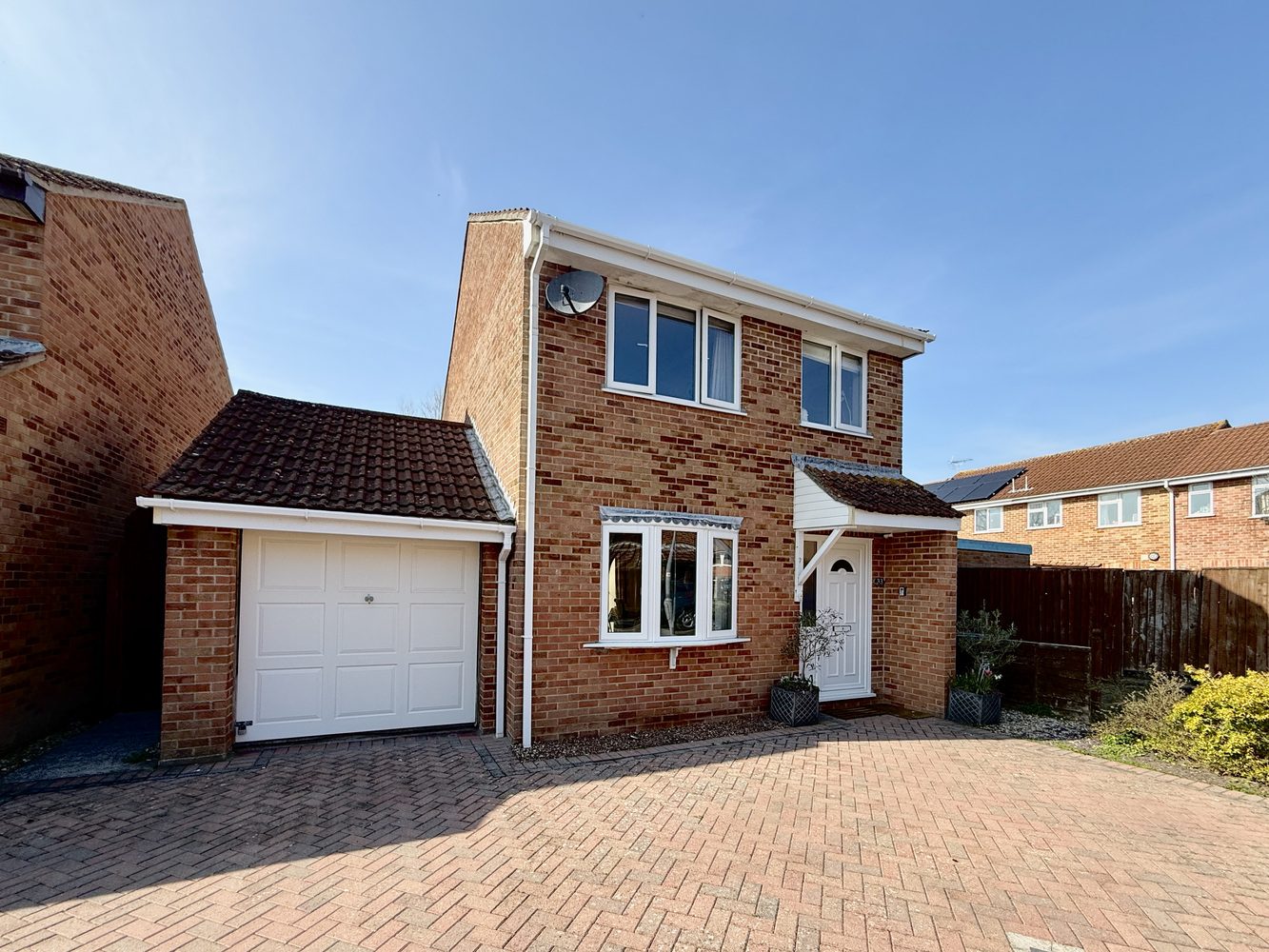
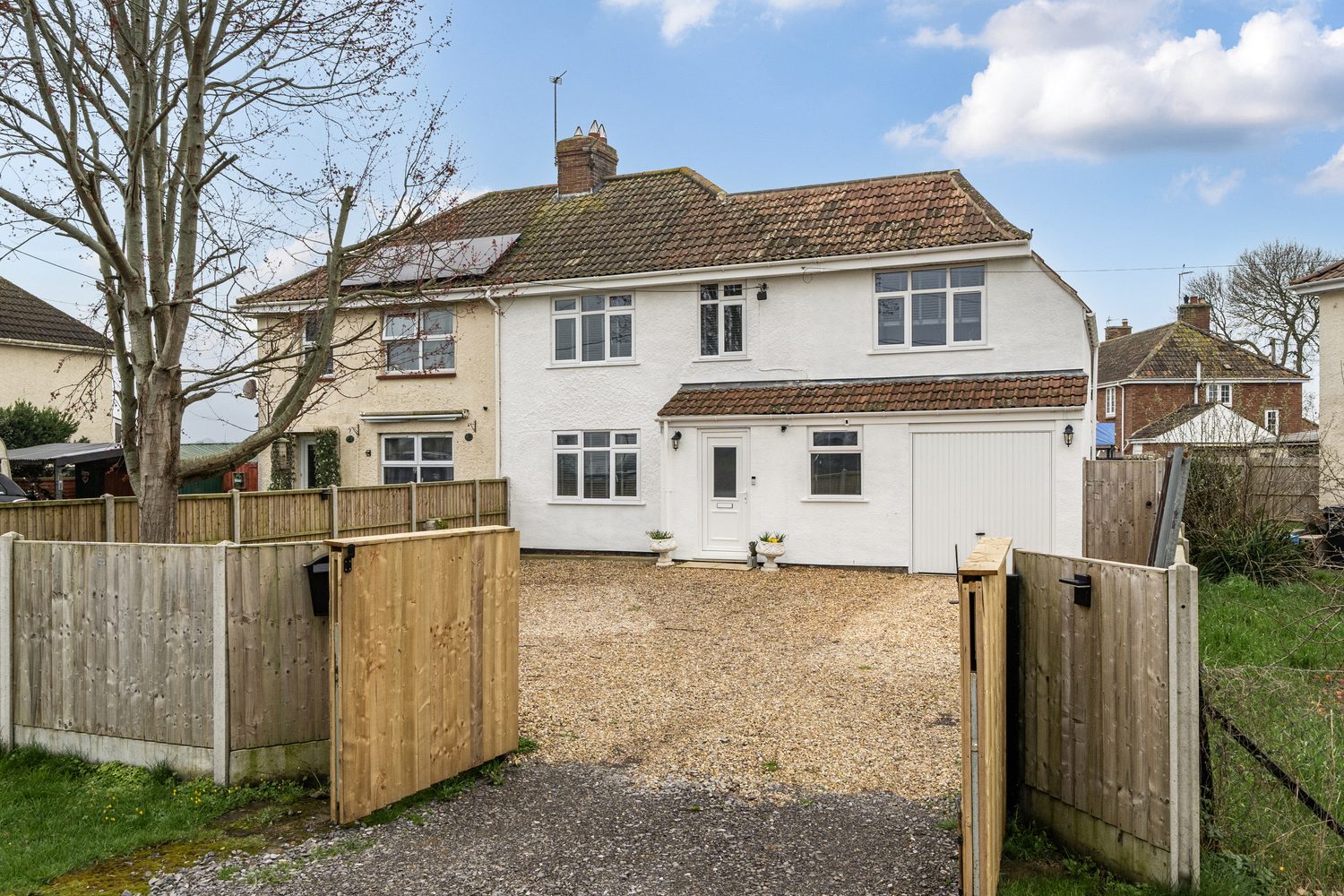
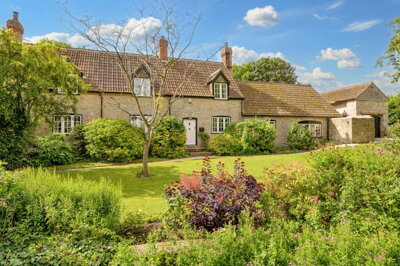
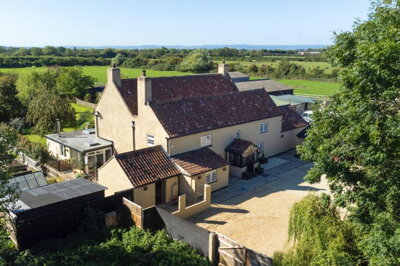
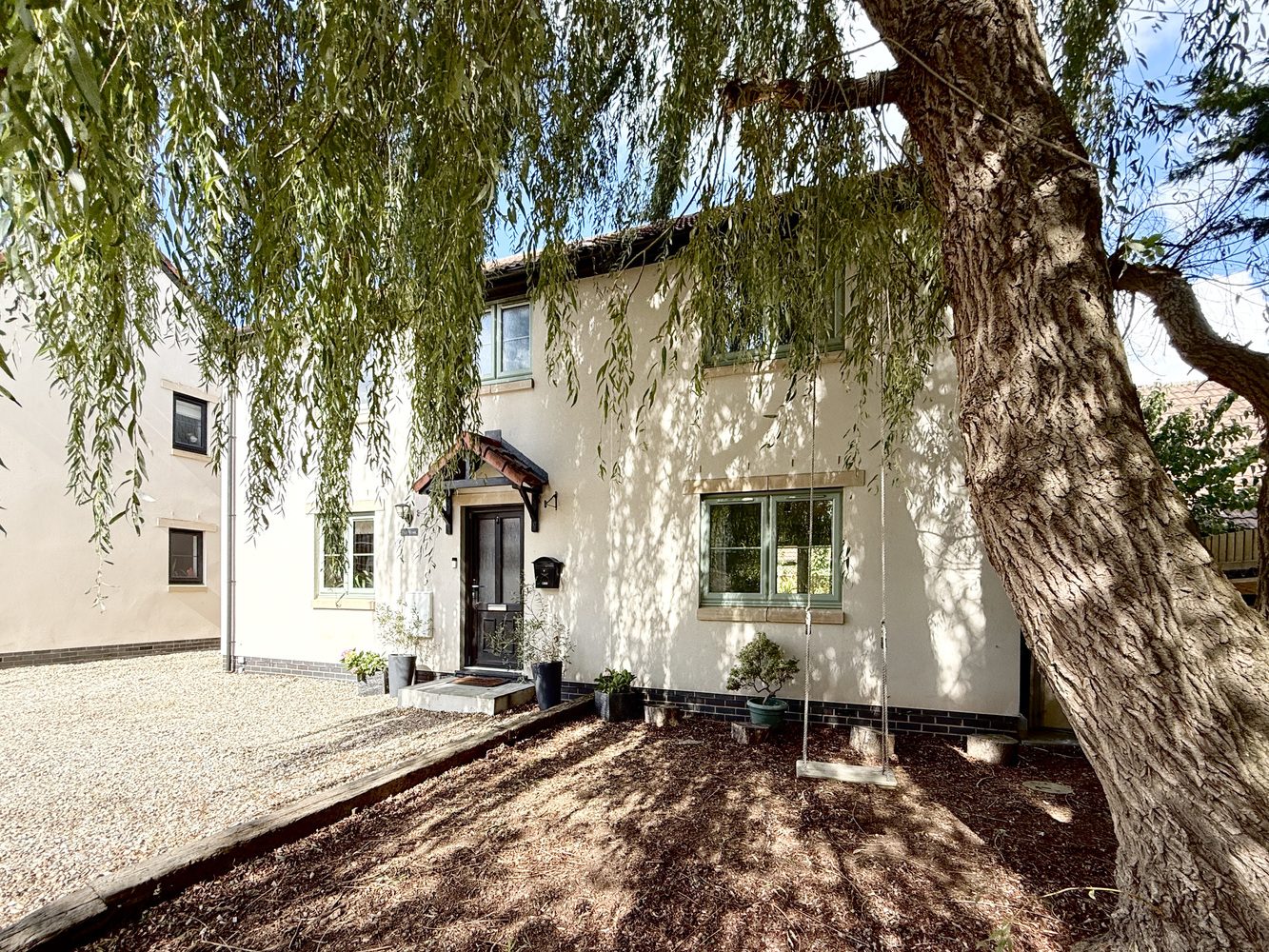
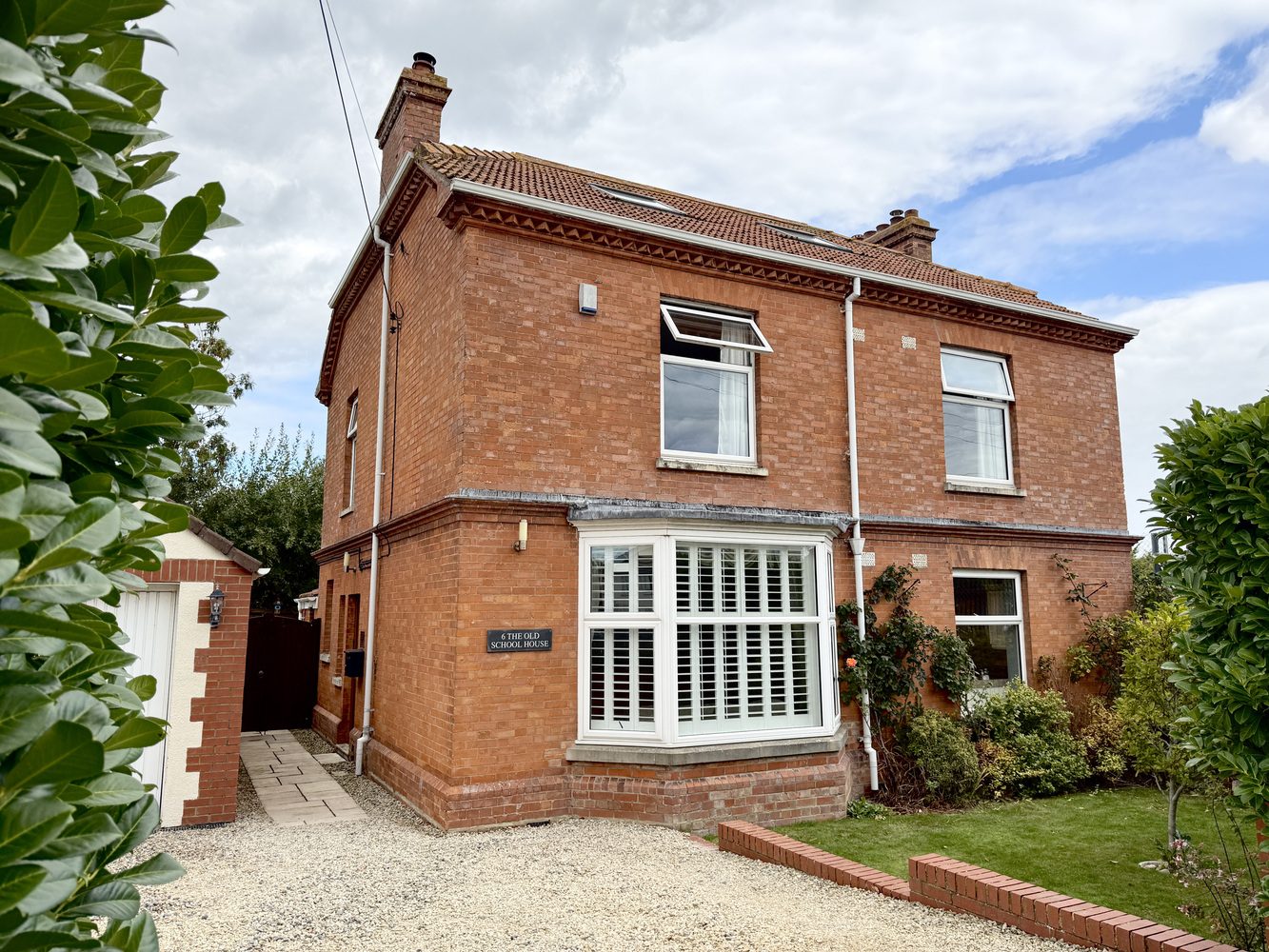
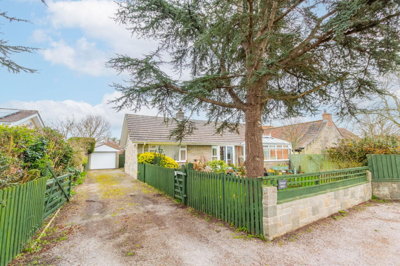
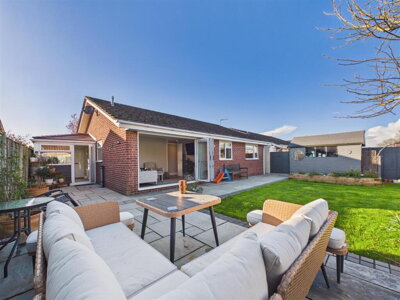
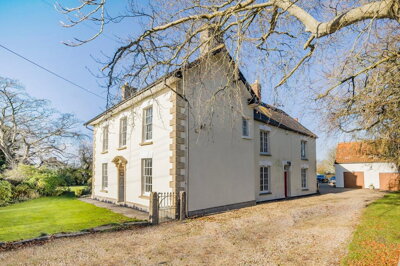
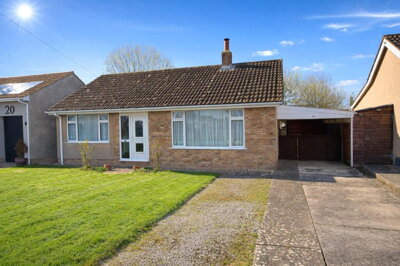
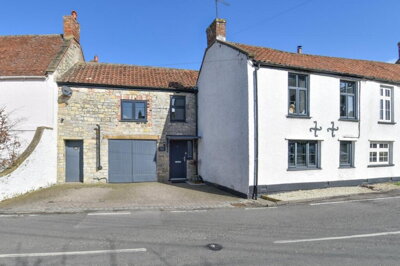
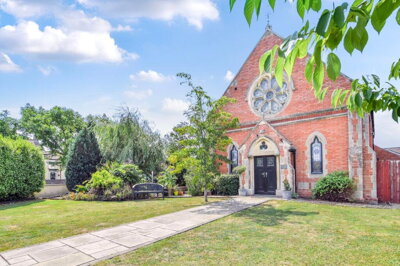
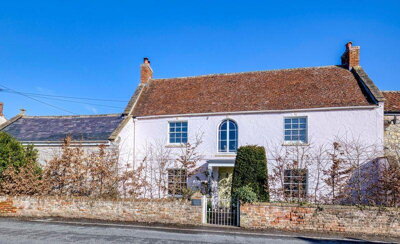
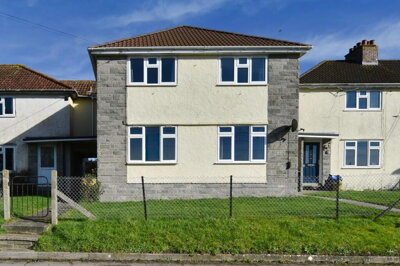
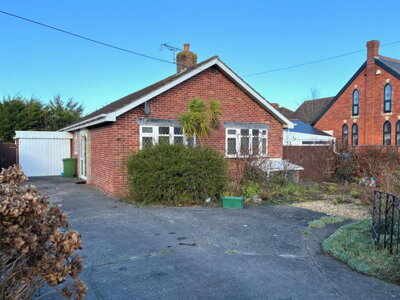
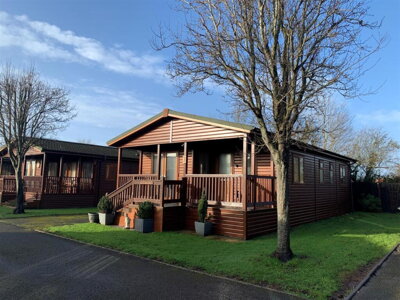
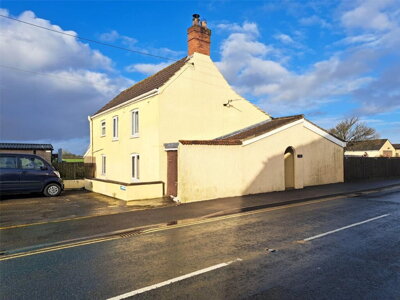
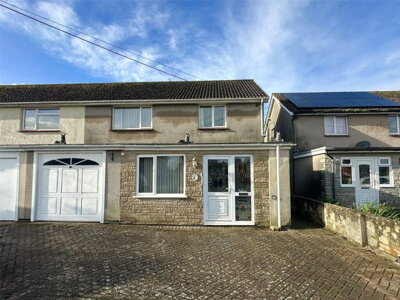
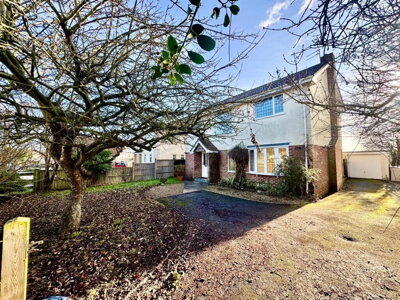
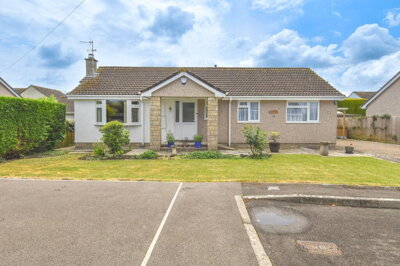
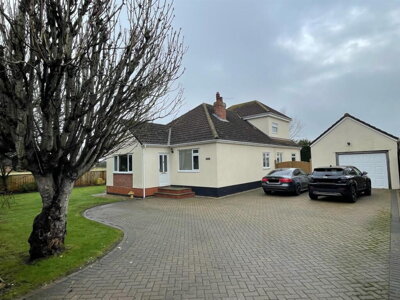
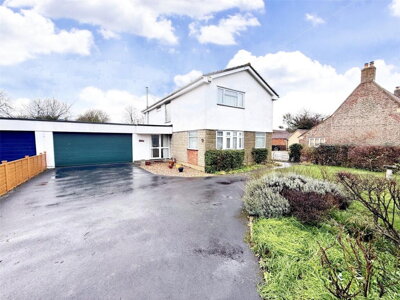
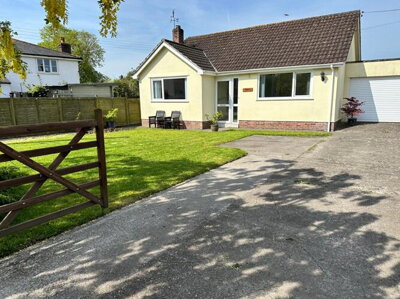
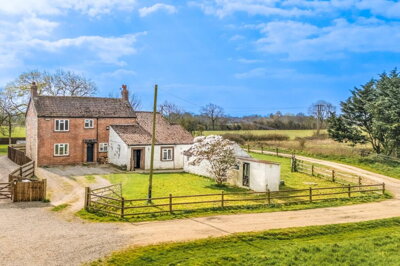
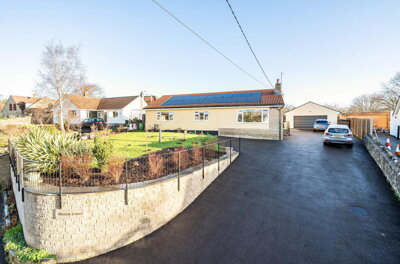
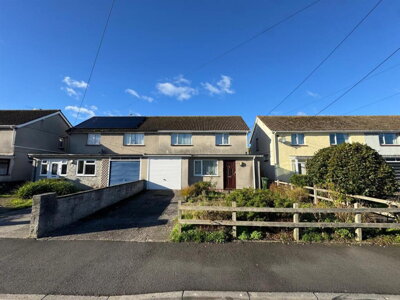
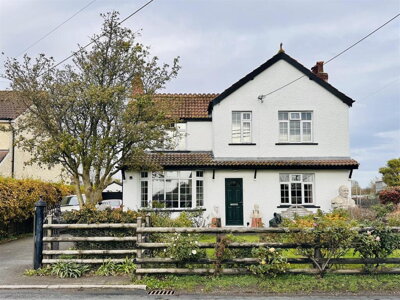
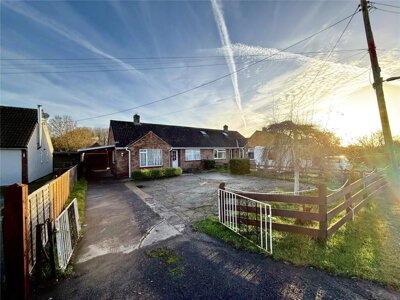
Browse 52 homes for sale in Mark, Somerset from local estate agents.
£460k
16
0
143
Source: home.co.uk
Source: home.co.uk
Detached
5 listings
Avg £802,000
Bungalow
4 listings
Avg £404,988
Cottage
2 listings
Avg £462,500
Semi-Detached
2 listings
Avg £419,600
Barn Conversion
1 listings
Avg £850,000
Character Property
1 listings
Avg £925,000
detached
1 listings
Avg £460,000
Source: home.co.uk
Source: home.co.uk
The Newton-on-the-Moor and Swarland property market has demonstrated consistent strength over the past year, with the average property price rising by £13,441 to reach £453,666. This growth reflects the enduring appeal of rural Northumberland living and the limited supply of quality homes in this sought-after area. Recent data shows 107 property sales completed in the Newton On The Moor area over the past twelve months, indicating healthy market activity despite the smaller scale of the villages themselves. Detached properties command the highest prices in the area, with the average detached home selling for £509,179, making them ideal for families seeking generous space and gardens.
Property types in Newton-on-the-Moor and Swarland reflect the traditional nature of the villages, with detached and semi-detached homes dominating the housing stock. Semi-detached properties offer excellent value at an average of £323,500, providing an accessible entry point to this desirable postcode area. Terraced properties, averaging £223,000, represent the most affordable option for buyers seeking character homes without the premium attached to larger detached houses. The market has seen particularly strong growth in Newton-on-the-Moor itself, where average prices increased by 14% over the last year, while Swarland recorded a more modest 3% rise, suggesting different value dynamics between the two villages. This price divergence may reflect varying stock availability and the different character of each settlement, with Newton-on-the-Moor perhaps attracting premium interest due to its position closer to Alnwick.
The housing stock across both villages predominantly features traditional construction methods common to rural Northumberland, with many properties built using local stone and brick techniques that reflect the area's building heritage. Properties dating from the 18th and 19th centuries are well represented in the local market, offering period features and solid construction that buyers prize. New build activity in the immediate area remains limited, with most available stock comprising existing properties that have changed hands over the years. This means buyers purchasing in Newton-on-the-Moor and Swarland are typically acquiring established homes with established gardens and mature surroundings, rather than brand-new developments.

Life in Newton-on-the-Moor and Swarland offers a compelling blend of rural tranquility and practical convenience that attracts buyers seeking escape from urban pressures. The villages are situated amidst the rolling farmland and countryside that characterise inland Northumberland, providing stunning views, extensive walking routes, and a pace of life that many find refreshingly different from town and city living. Historical properties dating back centuries can be found throughout the area, including homes believed to date from around 1720, reflecting the long-established nature of these settlements. The traditional stone and brick construction common to the area gives properties a timeless quality that blends harmoniously with the surrounding landscape.
The community spirit in Newton-on-the-Moor and Swarland remains strong, with local amenities serving the day-to-day needs of residents while maintaining the villages' intimate character. A village hall provides a focal point for community activities, while local businesses serve both residents and the agricultural community that forms an important part of the local economy. The rural economy is supported by farming enterprises, local services, and the tourism that flows through Northumberland towards attractions such as Alnwick Castle, the Alnwick Garden, and the stunning Northumberland coastline. The proximity to the coast at places like Amble and Alnmouth makes weekend trips to the beach straightforward, adding to the quality of life that residents enjoy.
Commuters and remote workers find the area well-suited to their needs, with the ability to enjoy genuine countryside living while maintaining access to employment centres and transport connections. The villages benefit from good road links to Alnwick and Morpeth, where larger employers and professional services can be found. Many residents work in the public sector, healthcare, education, and the service industries that serve the wider region. The combination of historical character, natural beauty, and community warmth makes this a special place to call home, with buyers often noting the friendly atmosphere and the sense of belonging that village life provides. For those seeking a slower pace without sacrificing connectivity, Newton-on-the-Moor and Swarland represent an excellent choice in the North East property market.

Families considering a move to Newton-on-the-Moor and Swarland will find a selection of educational options available within reasonable reach of the villages. Primary education is accessible through schools in the surrounding area, with the broader Northumberland local authority maintaining a network of village and town primary schools serving rural communities. Broughton Primary School and other local primaries serve the immediate catchment area, providing education for younger children within a reasonable distance from both villages. The quality of provision being a key consideration for families making their home-buying decisions, and Northumberland's rural schools often benefit from smaller class sizes and strong community involvement.
For secondary education, pupils typically travel to schools in nearby towns, with the Duchess's Community High School in Alnwick being a significant option for Newton-on-the-Moor families, while King Edward VI School in Morpeth serves families closer to that town. Parents should verify specific catchment areas as these can vary depending on exact property location within the villages. Research into specific school performance data, including Ofsted ratings and examination results, is recommended for buyers with school-age children to ensure alignment with educational expectations. The Northumberland local authority provides detailed information on school admissions and catchment areas through its website, and direct enquiry with schools can provide current information on capacity and admissions criteria.
The tradition of education in rural Northumberland extends to further and higher education opportunities available in the county's larger towns. Northumberland College and facilities in Morpeth provide vocational and further education options, while the proximity to Newcastle and Newcastle University opens doors to undergraduate and postgraduate study for older students. The peaceful environment of Newton-on-the-Moor and Swarland can provide an excellent backdrop for family life and children's development, with the surrounding countryside offering valuable outdoor learning opportunities that urban settings cannot match. Parents are encouraged to verify current school catchment areas and admission policies with Northumberland County Council before committing to a property purchase, as these can change and directly affect which schools children can attend.
Transport connectivity from Newton-on-the-Moor and Swarland centres on the road network that links these rural villages to surrounding towns and the wider region. The A1 runs nearby, providing direct access to Newcastle upon Tyne to the south and Edinburgh to the north, making long-distance travel straightforward for those who need to commute or travel regularly. Local roads connect the villages to Alnwick, Morpeth, and other market towns where additional amenities, healthcare facilities, and rail connections can be found. The rural character of the roads does mean some are narrow and winding, a feature common to much of inland Northumberland, so drivers should adjust their expectations accordingly when navigating the area.
Public transport options in this rural area are limited, as is typical for villages of this size, with bus services providing infrequent but useful connections to nearby towns. The X18 bus service connects Alnwick and Newcastle, stopping at intermediate villages and providing a public transport option for those without cars, though journey times are longer than by car. The rail network is accessible from Alnwick and Morpeth stations, offering services to Newcastle and the wider East Coast Main Line for longer journeys. Alnwick station provides access to the scenic Bittern Line, while Morpeth station offers direct services to Newcastle, Edinburgh, and London via the East Coast Main Line.
Many residents of Newton-on-the-Moor and Swarland are consequently car-dependent, making private vehicle ownership essential for most households. For commuters willing to travel, the ability to work from home for some or all of the week makes rural living more practical, and the peaceful environment supports productivity for remote workers. Cyclists and walkers benefit from the quiet country lanes and extensive public rights of way that criss-cross the surrounding countryside, with the Northumberland Coast Path and various local trails providing excellent recreational opportunities. For those working in Alnwick or Morpeth, the commute is generally straightforward by car, typically taking 15-30 minutes depending on the specific destination.
Before viewing any properties, obtain a mortgage agreement in principle from a lender. This confirms your budget and demonstrates to sellers that you are a serious buyer. In Newton-on-the-Moor and Swarland's competitive market, having finance in place gives you a significant advantage when making an offer. Contact a mortgage broker or your bank to discuss your options and get pre-approved before beginning your property search.
Explore current listings on Homemove to understand what properties are available at various price points. The average price of £453,666 provides a benchmark, but detached homes average £509,179 and terraced properties start around £223,000, so your budget will determine what is realistic. Spend time understanding the different villages and neighbourhoods, noting which areas have seen the strongest price growth recently.
Arrange viewings of homes that match your criteria. Newton-on-the-Moor and Swarland feature traditional stone properties, some dating back centuries, so pay attention to the condition of older homes and consider the potential maintenance requirements and renovation costs. Take notes during viewings and photograph properties to help remember details when comparing options.
Once you find your ideal property, submit a competitive offer through the estate agent. Given the limited supply of homes in this rural area, be prepared for negotiations and potentially competing interest from other buyers. Your offer should reflect current market conditions, the property's condition, and any work that may be needed.
Instruct a RICS Level 2 Homebuyer Report to assess the property's condition. This is particularly important for older properties in Newton-on-the-Moor and Swarland, where traditional construction methods may reveal issues such as damp, roof condition, or outdated services. Our team can connect you with qualified local surveyors who understand the specific construction types found in the area.
Work with a solicitor to handle the legal transfer of ownership. Exchange contracts, pay your deposit, and arrange completion. On average, the process takes 8-12 weeks from offer acceptance to keys in hand, though this can vary depending on the complexity of the transaction and the chain involved.
Purchasing a property in Newton-on-the-Moor and Swarland requires careful attention to factors specific to rural Northumberland that may not apply in urban areas. The age of properties in these historic villages means that many homes will have traditional construction using local stone and brick, often with slate or tiled roofs. Such properties offer tremendous character but may present maintenance challenges that buyers should budget for. A thorough survey is essential, particularly for older properties, to identify any structural issues, damp problems, or outdated electrical and plumbing systems that could require significant investment post-purchase.
Potential buyers should investigate whether properties fall within any planning constraints or conservation considerations that might affect future modifications or extensions. The rural location also means that broadband speeds and mobile phone coverage can vary, so checking connectivity before committing to a purchase is advisable for those who work from home. Our inspectors frequently note that rural properties may require upgrades to modern broadband infrastructure, and mobile signal can be patchy in some locations within the villages. Properties positioned on higher ground typically benefit from better mobile signal than those in valleys or sheltered positions.
Flood risk should be verified using government flood maps, and any history of flooding or drainage issues should be investigated thoroughly. While the area is generally inland and at lower risk from coastal flooding, properties near watercourses or in low-lying areas should be checked carefully. Properties with large gardens or land in Newton-on-the-Moor and Swarland can be highly desirable but bring additional maintenance responsibilities and costs that should not be underestimated. The local geology of Northumberland includes areas with clay soils that can be subject to shrink-swell movement, particularly in trees or hedgerows near properties, so foundations and subsidence risk should be considered during surveys.
For period properties, buyers should pay particular attention to the condition of original features such as windows, fireplaces, and floorboards. Many homes in the area retain their original character, which adds value but may also require ongoing maintenance. Double-check the condition of outbuildings and any attached structures, as these can reveal much about how the property has been maintained over the years. Speaking with neighbours can provide valuable insight into the property's history and any issues that may not be immediately apparent.
The average house price in Newton-on-the-Moor and Swarland is currently £453,666, based on recent sales data. Detached properties average £509,179, semi-detached homes cost around £323,500, and terraced properties are available from approximately £223,000. Prices have increased by 3.05% over the past year, with Newton-on-the-Moor itself seeing particularly strong growth at 14%, while Swarland prices rose by a more modest 3%. This price data reflects the healthy demand for rural properties in this part of Northumberland.
Properties in Newton-on-the-Moor and Swarland fall under Northumberland County Council's jurisdiction. Council tax bands vary by property and are based on the valuation assigned by the Valuation Office Agency. Bands typically range from A to H, with most family homes in rural Northumberland falling into bands B through E. The villages' older property stock means many period homes fall into higher bands due to their character and established value. Prospective buyers should check the specific band for any property they are considering through the Valuation Office Agency website.
Primary schools in the surrounding area serve Newton-on-the-Moor and Swarland, with the specific school assigned depending on the property's catchment area. Broughton Primary School and other local village schools serve younger children, while secondary pupils typically attend schools in nearby towns such as the Duchess's Community High School in Alnwick or King Edward VI School in Morpeth. The best approach is to verify current school performance data, Ofsted ratings, and catchment boundaries directly with Northumberland County Council and the schools themselves before finalising a purchase decision.
Public transport options are limited in this rural area, consistent with the village setting. Bus services provide infrequent connections to nearby towns, with the X18 service linking Alnwick and Newcastle via the villages. Rail services are available from Alnwick and Morpeth stations, with Morpeth offering direct access to the East Coast Main Line. Most residents rely on private vehicles for daily transport, making car ownership essential for life in these villages. Those who work remotely may find the area ideal, as the peaceful environment supports home working despite variable broadband speeds in some locations.
The Newton-on-the-Moor and Swarland property market has shown consistent growth, with prices rising 3.05% over the past year and 107 sales completed in the area recently. The combination of limited housing supply, strong demand for rural living, and proximity to the A1 corridor suggests potential for continued appreciation. Newton-on-the-Moor has seen particularly strong price growth at 14%, indicating active market conditions. However, investors should consider the slower pace of the local market, the importance of purchasing the right property at the right price, and the fact that rental demand may be more limited than in urban areas due to the rural location.
Stamp Duty Land Tax (SDLT) rates from April 2025 are 0% on the first £250,000 of residential property purchases, 5% on amounts between £250,001 and £925,000, 10% on amounts from £925,001 to £1.5 million, and 12% on any amount above £1.5 million. First-time buyers benefit from relief on the first £425,000, with 5% applying between £425,001 and £625,000. Given the average property price of £453,666, most buyers would pay SDLT of approximately £10,183 on the amount above the £250,000 threshold. First-time buyers would benefit from reduced rates on the first £425,000 of the purchase price.
From 4.5% APRC
Compare mortgage deals from leading lenders
From £499
Expert legal services for your property purchase
From £350
Professional homebuyer survey for Newton-on-the-Moor and Swarland properties
From £80
Energy performance certificate for your new home
Understanding the full costs of buying a property in Newton-on-the-Moor and Swarland is essential for budgeting effectively. Beyond the purchase price, buyers should budget for Stamp Duty Land Tax, which applies to all residential purchases above £250,000. For a typical property priced at the area average of £453,666, a standard buyer would pay SDLT of approximately £10,183 on the amount above the threshold. First-time buyers may benefit from relief, reducing this cost significantly for properties priced under £625,000. These calculations should be verified with a solicitor or use the HMRC SDLT calculator for precise figures based on your circumstances.
Additional buying costs include solicitor fees for conveyancing, typically ranging from £500 to £2,000 depending on complexity and whether a mortgage is involved. Survey costs should also be factored in, with a RICS Level 2 Homebuyer Report starting from around £350 for smaller properties and increasing for larger or more complex homes. Given the traditional construction and potential age of properties in Newton-on-the-Moor and Swarland, investing in a thorough survey is money well spent to identify any issues before completion. Our recommended surveyors understand local construction methods and can provide detailed assessments of period properties.
Other costs include removal expenses, which can vary significantly depending on distance and volume of belongings, mortgage arrangement fees typically ranging from £0 to £2,000, and potentially land registry fees. Home insurance should be arranged from the point of exchange, and buyers may also want to budget for immediate post-purchase items such as new keys, security changes, and any urgent repairs identified during survey. Getting a mortgage agreement in principle before searching for properties is strongly recommended, as it clarifies your budget and strengthens your position when making offers in what can be a competitive local market. Our team can connect you with trusted local professionals for mortgage advice, conveyancing, and surveying services.
Properties for Sale In London

Properties for Sale In Plymouth

Properties for Sale In Liverpool

Properties for Sale In Glasgow

Properties for Sale In Sheffield

Properties for Sale In Edinburgh

Properties for Sale In Coventry

Properties for Sale In Bradford

Properties for Sale In Manchester

Properties for Sale In Birmingham

Properties for Sale In Bristol

Properties for Sale In Oxford

Properties for Sale In Leicester

Properties for Sale In Newcastle

Properties for Sale In Leeds

Properties for Sale In Southampton

Properties for Sale In Cardiff

Properties for Sale In Nottingham

Properties for Sale In Norwich

Properties for Sale In Brighton

Properties for Sale In Derby

Properties for Sale In Portsmouth

Properties for Sale In Northampton

Properties for Sale In Milton Keynes

Properties for Sale In Bournemouth

Properties for Sale In Bolton

Properties for Sale In Swansea

Properties for Sale In Swindon

Properties for Sale In Peterborough

Properties for Sale In Wolverhampton

Enter your details to see if this property is within your budget.
Loans, cards, car finance
Estimated property budget
Borrowing + deposit
You could borrow between
Typical borrowing
Monthly repayment
Est. at 4.5%
Loan-to-value
This is an estimate only. Your actual budget may vary depending on interest rates, credit history, and personal circumstances. For an accurate affordability assessment, speak to one of our free mortgage advisors.
This calculator provides estimates for illustrative purposes only and does not constitute financial advice. Your home may be repossessed if you do not keep up repayments on your mortgage. Estimates based on 4.5% interest rate, repayment mortgage. Actual rates depend on your circumstances.
Homemove is a trading name of HM Haus Group Ltd (Company No. 13873779, registered in England & Wales). Homemove Mortgages Ltd (Company No. 15947693) is an Appointed Representative of TMG Direct Limited, trading as TMG Mortgage Network, which is authorised and regulated by the Financial Conduct Authority (FRN 786245). Homemove Mortgages Ltd is entered on the FCA Register as an Appointed Representative (FRN 1022429). You can check registrations at NewRegister or by calling 0800 111 6768.

We use cookies to show you personalised content and improve your experience of our website. Find out more in our Privacy policy and Cookie policy.