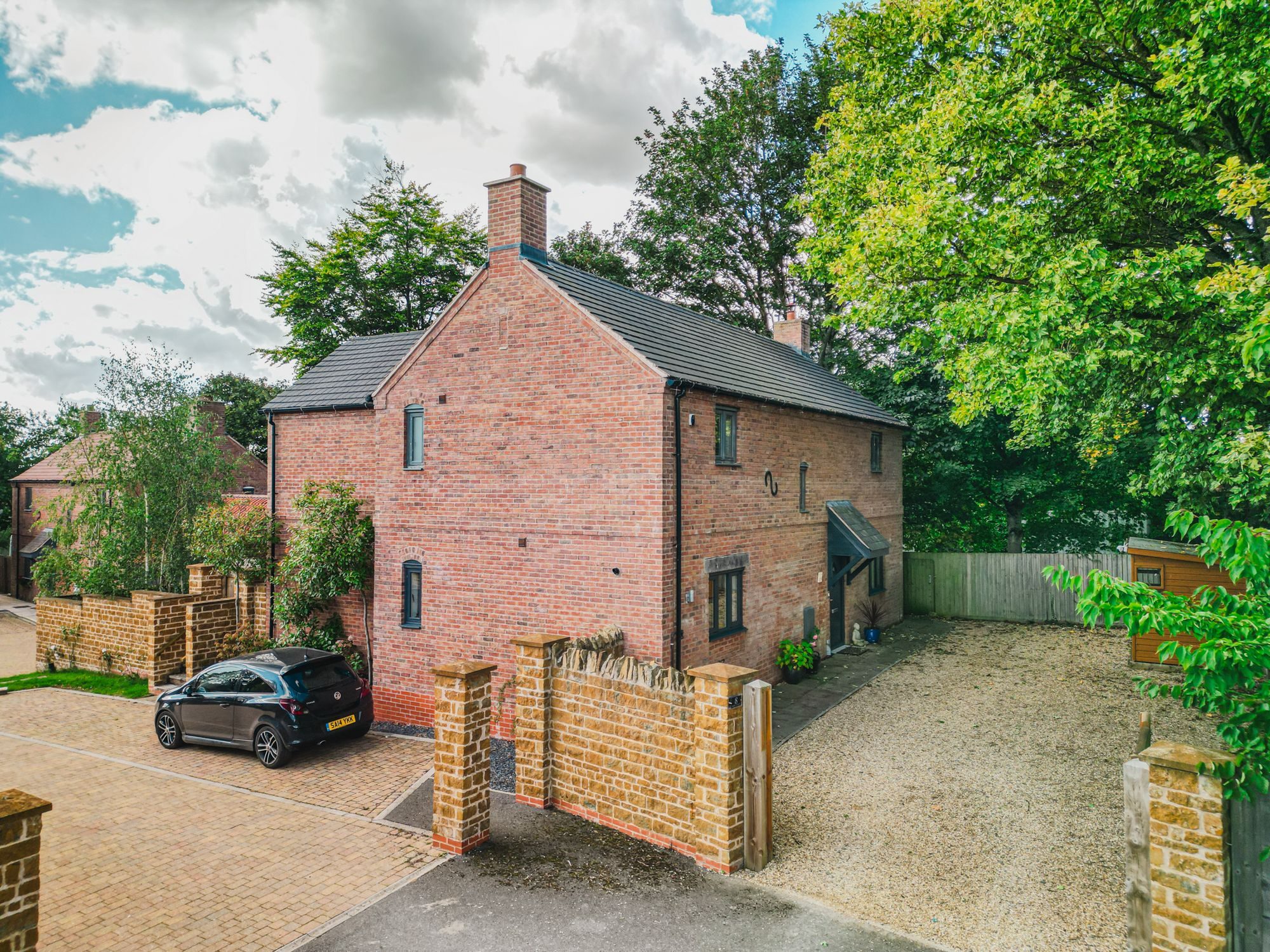
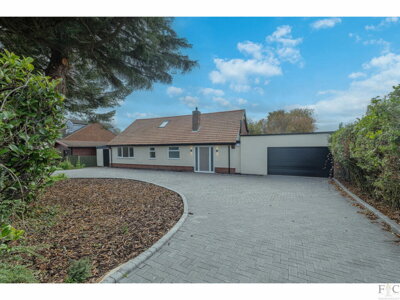
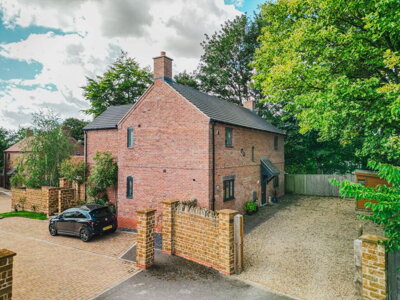
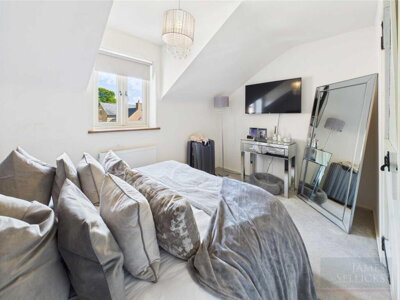
Browse 7 homes for sale in Marefield, Harborough from local estate agents.
£0k
0
0
0
Source: home.co.uk
The New Earswick property market has experienced notable price adjustments in recent years, with house prices declining approximately 25% from their previous levels over the last twelve months and standing some 37% below the 2023 peak of £328,743. This market correction has created interesting opportunities for buyers who may find better value in this historic village compared to surrounding areas of York. The average sold price recorded by Zoopla stands at £210,901, while our research indicates that property prices vary significantly across different property types, offering buyers a range of options depending on their budget and requirements.
Detached properties in New Earswick command the highest prices, with averages around £347,000, reflecting the scarcity of larger standalone homes within this tightly planned village. Semi-detached homes, which form a substantial part of the local housing stock, average approximately £297,683, while terraced properties offer more accessible entry points at around £224,625 to £247,242. Flats remain the most affordable category at approximately £136,365 to £158,594, making them particularly suitable for first-time buyers or those seeking a lower-maintenance lifestyle in this charming village setting.
Recent sales data from PropertyResearch.uk shows modest transaction volumes with 6 recorded sales in 2025 averaging £232,250 and 7 sales in 2024 averaging £240,571, indicating a relatively stable but quiet local market. The majority of properties sold in New Earswick Parish since 2018 have been semi-detached homes (51 sales), followed by terraced properties (45 sales), with fewer detached homes (7 sales) and flats (17 sales) changing hands. This sales pattern reflects the composition of the housing stock, where the planned layout created an abundance of family-sized semi-detached houses alongside characterful terraced streets such as those found on Western Terrace, Hawthorne Terrace, and Chestnut Grove.

New Earswick stands apart from ordinary York suburbs as a deliberate social experiment in community planning, established in 1902 by the Rowntree family alongside their cocoa works on Haxby Road. The village was designed by prominent garden city architects Parker and Unwin, who created a settlement where workers could enjoy wholesome living conditions with generous green spaces, community facilities, and architectural standards that elevated everyday homes into something special. This founding vision continues to shape the village today, with the Joseph Rowntree Housing Trust maintaining the heritage and character that makes New Earswick such a sought-after place to live. The conservation area designation protects the original design intent, ensuring that new developments respect the established materials of brick walls and clay roof tiles that define the village's character.
The local geology played a crucial role in shaping New Earswick's identity, as a clay pit and brickworks established south of the village in 1902 provided the materials for its construction, with the site now transformed into a nature reserve that reflects the village's ongoing commitment to environmental stewardship. The River Foss marks the eastern boundary of New Earswick, adding to the green corridor that threads through the village and connecting residents to attractive riverside walks. Local amenities include shops, a primary school, and community facilities that serve the village population, while the proximity to York city centre provides access to the extensive retail, cultural, and employment opportunities that make York one of the most desirable cities in the north of England.
The Nestlé factory grounds mark the southern border of the village, maintaining the historic connection to the food manufacturing industry that established this community. Our inspectors frequently note how the original construction using local bricks and clay tiles creates a cohesive streetscape that new buyers often find immediately appealing. Properties on Station Avenue, Sycamore Avenue, and Poplar Grove exemplify the traditional architecture that has been preserved throughout the village, with their characteristic proportions and materials requiring the careful assessment that a thorough survey provides.

Families considering a move to New Earswick will find educational provision that serves the village and its surrounding areas through a selection of primary and secondary schools within reasonable travelling distance. New Earswick itself is served by its own primary school, providing local education for younger children and maintaining the village's self-contained community character. The village's position near York means that secondary school options include both comprehensive schools within the City of York local authority and grammar schools accessible through the selective admissions process that operates in the area.
For secondary education, pupils from New Earswick typically access schools within the City of York system, with several well-regarded options available within a reasonable bus journey or car drive from the village. The selective admissions process means that grammar schools require students to pass the entrance examination, and parents should research specific school catchments and admission criteria with City of York Council, as catchment boundaries determine which schools children can attend. Several secondary schools in the wider York area have established reputations for academic achievement and extracurricular activities, providing families with genuine choices when selecting their preferred option.
The presence of the University of York and York St John University in the broader area contributes to an educational culture that permeates the region, making New Earswick attractive to families at all stages of their educational journey. Student populations from these universities frequent local shops and amenities, contributing to the village's lively atmosphere while also creating opportunities for those seeking lodgers or rented accommodation. Our inspectors often note that properties near good school catchments in New Earswick tend to retain their value well, making educational proximity a sound investment consideration for family buyers.
New Earswick benefits from its position on the northern edge of York, offering residents convenient access to the city's transport infrastructure while maintaining the village atmosphere that makes it distinctive. Local bus services connect New Earswick to York city centre, providing a practical commuting option for those working in the city without the need for car ownership. The journey to York railway station, where East Coast Main Line services provide fast connections to London, Edinburgh, and major northern cities, can be accomplished via these bus routes or a short drive, making New Earswick suitable for professionals who need to commute to other cities while enjoying village life.
For residents who drive, the village provides straightforward access to York's outer ring road and the A1237, which connects to the A64 and to the national motorway network heading towards Leeds and beyond. Parking within New Earswick is generally less problematic than in central York, with most properties benefiting from off-street parking or garage provision that reflects the planned nature of the village. The flat terrain and quiet residential streets make cycling a pleasant option for local journeys, while the Sustrans National Cycle Network routes in the area provide opportunities for longer recreational rides through the Yorkshire countryside.
Our inspectors travelling to New Earswick properties regularly comment on how straightforward the access is from the A1237, with clear signage and minimal congestion compared to more central York locations. The village's position means that residents can reach York Hospital, the University of York campus at Heslington, and the retail parks on the outskirts without navigating busy city centre roads. For those working in Leeds or travelling further afield, the connection to the A64 provides direct access to the motorway network, with Leeds city centre approximately one hour's drive away under normal traffic conditions.
The story of New Earswick is inseparable from the vision of Joseph Rowntree, the Quaker businessman who established his cocoa works on Haxby Road and created the village to provide decent homes for his workers at the turn of the twentieth century. Our inspectors find that properties in New Earswick often carry a sense of social purpose that buyers find deeply appealing, distinguishing this village from more ordinary residential areas. The garden village movement principles applied by Parker and Unwin created a settlement that remains remarkably intact, with its tree-lined avenues, generous garden plots, and thoughtfully designed community buildings continuing to define the village character over a century after their creation.
The Joseph Rowntree Housing Trust continues to manage much of the housing stock in New Earswick, maintaining the village's heritage while investing in new developments that respect the original aesthetic. We note that approximately 66 Grade II listed buildings are protected within the conservation area, spanning streets such as Western Terrace, Hawthorne Terrace, Chestnut Grove, Station Avenue, Sycamore Avenue, and Poplar Grove. Buyers considering listed properties should understand that any significant alterations or extensions will require listed building consent from City of York Council, adding complexity to renovation projects but also protecting the character that makes these homes distinctive.
The south-west quadrant of New Earswick was developed after the Second World War, providing a contrast to the earlier Edwardian architecture of the original village. These post-war properties offer different characteristics from their heritage-listed neighbours, often with larger internal spaces and more modern construction methods. Our team finds that understanding the phased development of New Earswick helps buyers appreciate why the village offers such variety within its relatively compact boundaries, from the compact terraces designed for workers to the more substantial semi-detached homes built for managers and families.
Before making an offer, explore New Earswick thoroughly to appreciate its unique character as a conservation area with 66 listed buildings. Consider the implications of listed status on any modifications you might wish to make, and familiarise yourself with the proximity of the River Foss when assessing flood risk for specific properties. Walk the streets at different times of day, visit the local shops, and speak to residents to understand what daily life in the village is really like.
View properties that match your requirements, paying particular attention to construction materials (brick and clay tile are characteristic), the condition of older properties, and any signs of the shrink-swell issues that clay geology can cause. A RICS Level 2 Survey provides essential insight into the condition of any property you seriously consider, identifying defects that may not be apparent during a standard viewing.
Speak to a mortgage broker to obtain an Agreement in Principle before making an offer. With average prices around £207,120, most buyers in New Earswick will require a mortgage, and having finance secured strengthens your position with sellers. A broker familiar with the York market can advise on the best products for your circumstances, including options for listed buildings if you are considering a heritage property.
Once you find your ideal home, make an offer through the estate agent and, upon acceptance, instruct a conveyancing solicitor immediately. Your solicitor will conduct searches specific to the New Earswick area, including flood risk assessments for properties near the River Foss and any planning constraints from City of York Council, and handle the legal transfer of ownership.
After all searches are satisfactory and surveys completed, you will exchange contracts and pay your deposit. Completion typically follows within weeks, after which you will receive the keys to your new home in New Earswick. Our recommended solicitors can guide you through the process, ensuring all necessary checks are completed for properties in this unique conservation village.
Properties in New Earswick require careful consideration of their heritage status, as the majority of pre-war houses carry Grade II listing that brings both obligations and protections. Listed building consent may be required for alterations, extensions, or significant external changes, which can affect renovation plans and should be factored into your purchase decision. The original construction using local bricks and clay tiles is characteristic of the village, and while this gives properties their distinctive appearance, older construction methods may present maintenance challenges that a thorough survey will identify. A RICS Level 2 Survey is particularly valuable in New Earswick given the age of much of the housing stock, providing expert assessment of the property condition and highlighting any issues that might require attention or negotiation with the seller.
The clay geology underlying New Earswick, evidenced by the former brickworks that supplied materials for the village, suggests potential for shrink-swell ground movement that can affect foundations over time. Our inspectors regularly check for signs of this type of movement in properties throughout the village, looking for cracks in walls, sticking doors, and other indicators that foundations may have been affected by seasonal moisture changes in clay soils. Buyers should ensure surveys investigate these risks, particularly for older properties with potentially shallow foundations.
Flood risk should also be considered given the proximity of the River Foss along the eastern boundary, and specific flood risk assessments for individual properties or postcodes should be reviewed. Service charges and leasehold arrangements may apply to some properties in the village, particularly flats, so understanding these ongoing costs is essential when comparing the true cost of different properties. Our team can recommend appropriate survey types for New Earswick properties based on their construction, age, and specific characteristics.
The average house price in New Earswick stands at approximately £207,120 according to recent market data, with Zoopla reporting a slightly higher average sold price of £210,901. Property prices vary significantly by type, with detached homes averaging around £347,000, semi-detached properties at approximately £297,683, terraced homes ranging from £224,625 to £247,242, and flats offering more accessible entry points at around £136,365 to £158,594. The market has experienced a 25% decline over the past year and sits 37% below the 2023 peak of £328,743, creating potential opportunities for buyers in this historic conservation village.
Properties in New Earswick fall under City of York Council's jurisdiction, and council tax bands range from A through to H depending on the property's assessed value. Given the variety of property types in the village, from modest terraced cottages to larger detached family homes, buyers should check the specific banding for any property they are considering, as this affects ongoing annual costs. City of York Council publishes current council tax rates on their website, and band information is included in property listing details.
New Earswick has its own primary school serving the local community, providing education for children in the village and immediate surrounding area. For secondary education, families can access schools within the City of York system, including both comprehensive schools and grammar schools that operate selective admissions. The presence of the University of York and York St John University in the wider area contributes to the region's strong educational reputation. Parents should research specific school catchments and admission criteria with City of York Council, as catchment boundaries determine which schools children can attend.
New Earswick is served by local bus routes that provide regular connections to York city centre, where the main railway station offers East Coast Main Line services to London, Edinburgh, Leeds, and other major destinations. The bus journey to central York is straightforward and practical for daily commuting, while the village's position on York's northern edge means that the railway station is accessible by car within approximately 15-20 minutes. For residents who travel further afield, York's outer ring road connects to the A64 and the broader motorway network, making New Earswick practical for those who need to travel to Leeds, Sheffield, or beyond.
New Earswick offers several factors that may appeal to property investors, including its conservation area status that helps preserve property values, the ongoing investment from the Joseph Rowntree Housing Trust in new affordable housing developments, and the village's proximity to York city centre and major employers. The unique character of this planned garden village, with its listed buildings and distinctive architecture, ensures continued demand from buyers and renters who value heritage and community atmosphere. However, the recent price correction of 25% over the past year and the predominantly affordable housing nature of the village may affect rental yields and capital growth expectations compared to other York suburbs.
Stamp duty rates for residential properties purchased in England start at 0% on the portion of the price up to £250,000, then 5% on the portion between £250,001 and £925,000. With average prices in New Earswick around £207,120, most properties would fall entirely within the 0% threshold, meaning no stamp duty would be payable. First-time buyers may benefit from relief on properties up to £625,000, with 0% applied up to £425,000 and 5% between £425,001 and £625,000. Properties above £925,000 attract higher rates, with 10% on the portion up to £1.5 million and 12% above that threshold.
New Earswick is seeing significant investment in affordable housing through the Joseph Rowntree Housing Trust, which is delivering several new developments that will add homes to the village over the coming years. The largest scheme, Land North of Willow Bank, will deliver 117 new affordable homes including one and two-bedroom apartments and two and three-bedroom houses, with 60% allocated for social rent and 40% through shared ownership. Planning permission has been approved with site preparation scheduled to begin later in 2025 and construction due to start in January 2026, reaching completion in May 2028. The design will respect the original village character using brick walls and clay tiles to blend harmoniously with the existing conservation area.
Additional smaller developments include Garthway West, which will bring 14 new affordable homes on former garage sites, with 8 homes for social rent and 6 offered through the JRHT Shared Ownership Programme. Planning was approved by City of York Council in November 2024, with construction expected to start in 2025. A scheme at Acacia Avenue will provide 6 affordable houses including a terrace of four three-bedroom homes and a pair of two-bedroom semi-detached homes, all approved as part of the wider 123 homes scheme with construction due to start in January 2026.
These developments, while primarily offering affordable tenures rather than open market sale, reflect the ongoing commitment to the village's social purpose and may influence the wider housing market dynamics in New Earswick. Our inspectors note that the new homes will add to the village's housing stock while maintaining the architectural integrity that makes New Earswick distinctive, though most open market buyers will be looking at the existing period properties that characterise the village. The careful attention to matching traditional materials ensures that even new construction contributes to the cohesive character that defines this conservation village.
Purchasing a property in New Earswick involves several costs beyond the purchase price, with stamp duty land tax being one of the most significant for many buyers. The current thresholds for residential properties in England mean that buyers purchasing properties with a price up to £250,000 will pay no stamp duty at all, making the majority of homes in New Earswick, where average prices sit around £207,120, potentially exempt from this tax. This represents meaningful savings compared to purchasing in more expensive areas and makes New Earswick particularly attractive to first-time buyers and those purchasing at the lower end of the local market.
First-time buyers benefit from enhanced relief, with no stamp duty payable on the first £425,000 of a property's purchase price, and 5% applied to the portion between £425,001 and £625,000. Given the average property price in New Earswick, most purchases by first-time buyers would fall entirely within the relief threshold. Beyond stamp duty, buyers should budget for solicitor conveyancing costs, typically ranging from £500 to £1,500 depending on complexity, survey fees such as a RICS Level 2 Survey from around £376 for properties under £200,000, and removal costs.
An Energy Performance Certificate is required before marketing a property, and mortgage arrangement fees may apply depending on the lender chosen. Our inspectors recommend budgeting for a thorough survey given the age of much of New Earswick's housing stock, with properties on streets like Western Terrace, Hawthorne Terrace, and Station Avenue potentially requiring additional investigation due to their listed status and traditional construction. Getting a mortgage Agreement in Principle before searching for properties is advisable, as it strengthens your position when making offers and helps establish realistic budgets.
Properties for Sale In London

Properties for Sale In Plymouth

Properties for Sale In Liverpool

Properties for Sale In Glasgow

Properties for Sale In Sheffield

Properties for Sale In Edinburgh

Properties for Sale In Coventry

Properties for Sale In Bradford

Properties for Sale In Manchester

Properties for Sale In Birmingham

Properties for Sale In Bristol

Properties for Sale In Oxford

Properties for Sale In Leicester

Properties for Sale In Newcastle

Properties for Sale In Leeds

Properties for Sale In Southampton

Properties for Sale In Cardiff

Properties for Sale In Nottingham

Properties for Sale In Norwich

Properties for Sale In Brighton

Properties for Sale In Derby

Properties for Sale In Portsmouth

Properties for Sale In Northampton

Properties for Sale In Milton Keynes

Properties for Sale In Bournemouth

Properties for Sale In Bolton

Properties for Sale In Swansea

Properties for Sale In Swindon

Properties for Sale In Peterborough

Properties for Sale In Wolverhampton

Enter your details to see if this property is within your budget.
Loans, cards, car finance
Estimated property budget
Borrowing + deposit
You could borrow between
Typical borrowing
Monthly repayment
Est. at 4.5%
Loan-to-value
This is an estimate only. Your actual budget may vary depending on interest rates, credit history, and personal circumstances. For an accurate affordability assessment, speak to one of our free mortgage advisors.
This calculator provides estimates for illustrative purposes only and does not constitute financial advice. Your home may be repossessed if you do not keep up repayments on your mortgage. Estimates based on 4.5% interest rate, repayment mortgage. Actual rates depend on your circumstances.
Homemove is a trading name of HM Haus Group Ltd (Company No. 13873779, registered in England & Wales). Homemove Mortgages Ltd (Company No. 15947693) is an Appointed Representative of TMG Direct Limited, trading as TMG Mortgage Network, which is authorised and regulated by the Financial Conduct Authority (FRN 786245). Homemove Mortgages Ltd is entered on the FCA Register as an Appointed Representative (FRN 1022429). You can check registrations at NewRegister or by calling 0800 111 6768.

We use cookies to show you personalised content and improve your experience of our website. Find out more in our Privacy policy and Cookie policy.