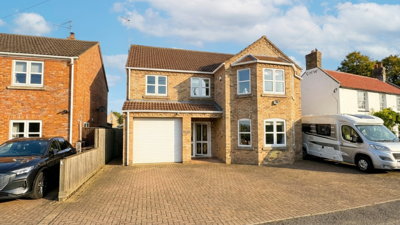
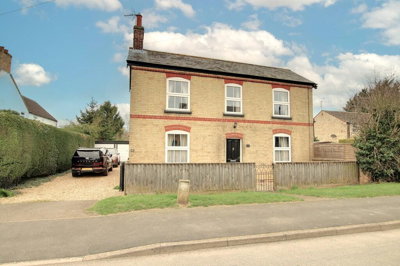
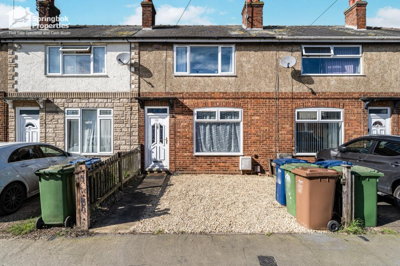
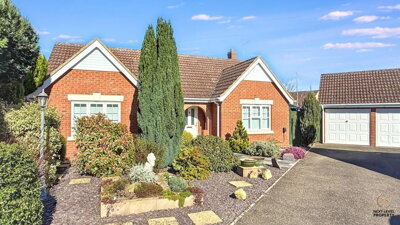
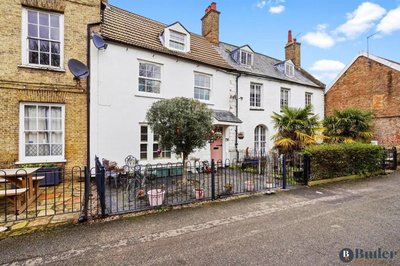
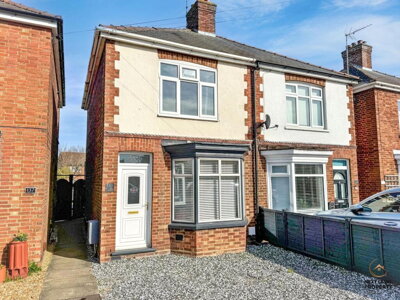
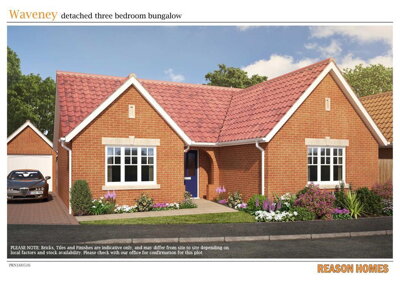
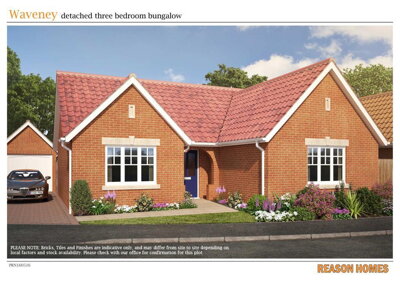
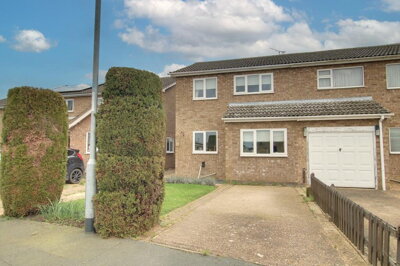
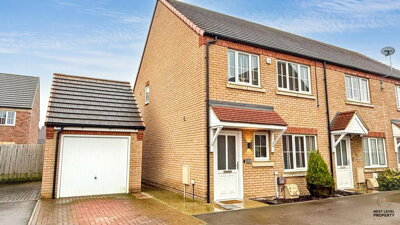
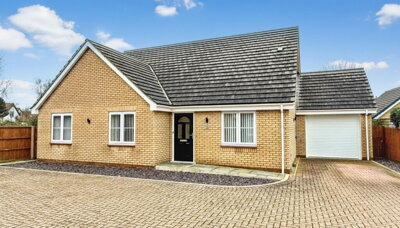
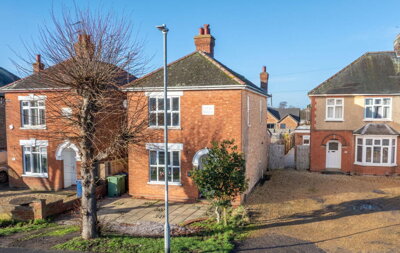
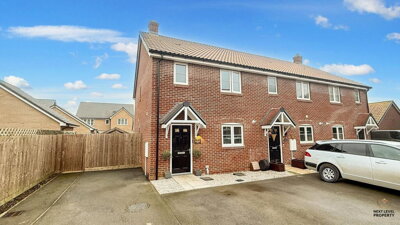
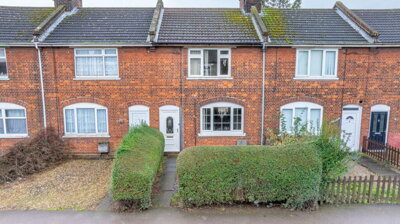
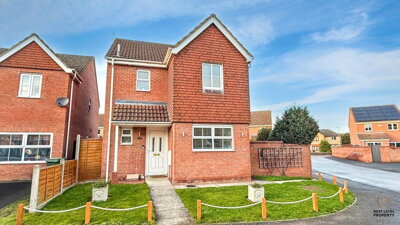
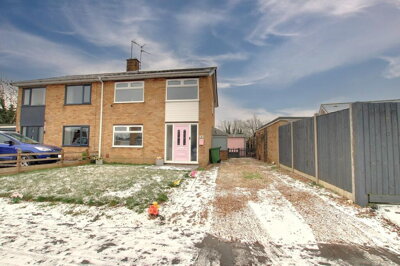
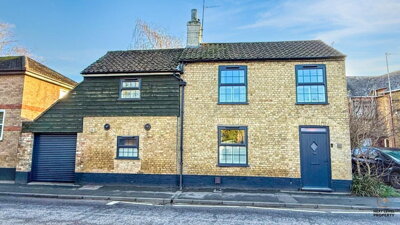
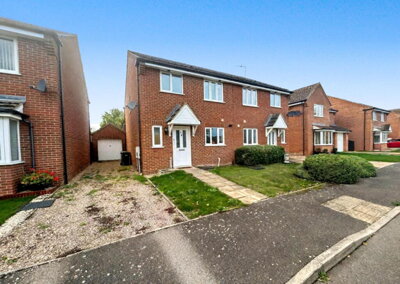
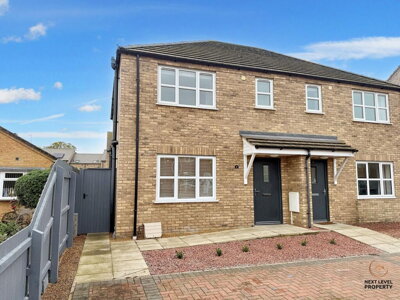
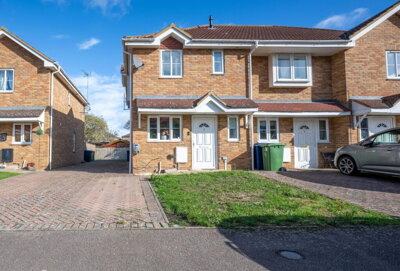
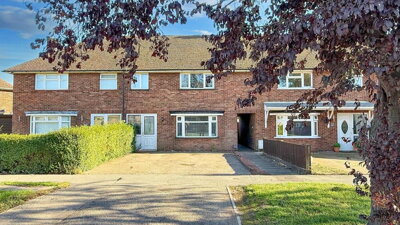
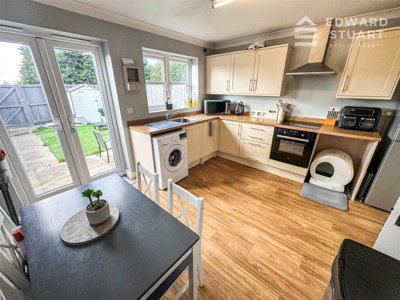
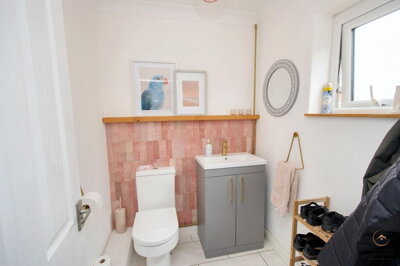
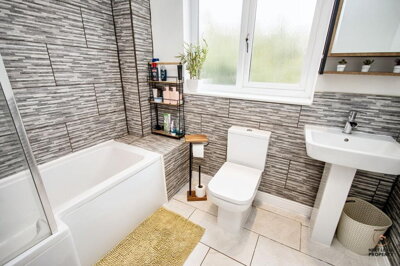
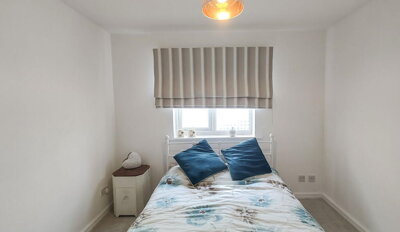
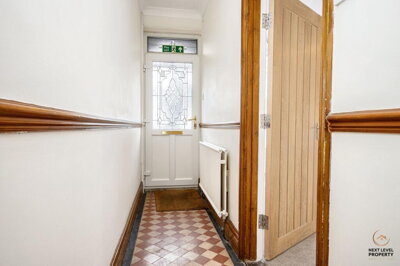
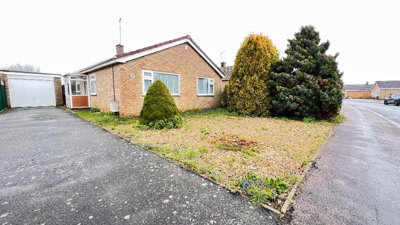
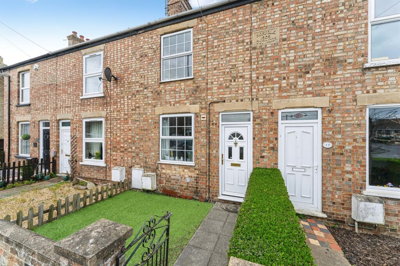
Browse 210 homes for sale in March, Fenland from local estate agents.
Three bedroom properties represent a significant portion of the March housing market, offering space for families with multiple reception rooms and gardens in many cases. Browse detached, semi-detached, and terraced options ranging from period character homes to contemporary developments.
£250k
83
2
160
Source: home.co.uk
Showing 83 results for 3 Bedroom Houses for sale in March, Fenland. 2 new listings added this week. The median asking price is £249,995.
Source: home.co.uk
Semi-Detached
37 listings
Avg £222,562
Detached
32 listings
Avg £298,906
Terraced
14 listings
Avg £206,286
Source: home.co.uk
Source: home.co.uk
The March property market demonstrates the characteristics of a stable Cambridgeshire market town, with property prices that have shown modest resilience despite broader national economic pressures. According to current data from major property portals, the average house price in March stands at approximately £242,572 to £243,000 depending on the source consulted. This represents a 1% increase on the previous year, though prices remain around 2% below the 2022 peak of £247,490. For buyers seeking value in Cambridgeshire, these figures position March as notably more affordable than Cambridge itself, where average prices frequently exceed £400,000.
Property types in March span a comprehensive range to accommodate different buyer requirements and budgets. Detached homes command the highest average prices at approximately £289,008, offering generous living space and gardens that appeal to families requiring room to grow. Semi-detached properties average £221,211, presenting an excellent middle-ground option for those seeking more space than a terraced home provides without the premium associated with detached living. Terraced homes in March average £175,779, representing perhaps the most accessible entry point into the local property market, while flats average £112,313, ideal for first-time buyers, downsizers, or investors seeking rental income potential.
The county-wide sales data from Cambridgeshire shows that detached properties account for 35.7% of all sales, semi-detached properties represent 29.2%, terraced homes make up 25.2%, and flats comprise 9.8% of transactions. These figures provide useful context for understanding the balance of property types available in the March market, though local variations within the PE15 postcode may differ from these county-wide averages. Recent asking price data from GetAgent shows average asking prices of approximately £287,523 in the area, with some variation between sold prices and asking prices reflecting typical negotiation dynamics.

March embodies the essence of a traditional English market town, offering residents a quality of life that combines rural tranquility with practical urban amenities. The town centre features a mix of independent shops, national retailers, and weekly markets that have traded from the historic market place for generations. The population of approximately 22,298 creates a close-knit community atmosphere where neighbours frequently know one another, yet the town remains large enough to support diverse social groups, sports clubs, and cultural activities that cater to all ages and interests.
The surrounding Cambridgeshire Fens represent one of Britain's most distinctive landscapes, a vast flat expanse of rich agricultural land that was drained and reclaimed from marshland over several centuries. This geography creates a unique character for March, with extensive views across open farmland that change dramatically with the seasons. Walking and cycling routes crisscross the surrounding countryside, offering residents peaceful outdoor recreation opportunities. The nearby nature reserves and waterways attract birdwatchers and wildlife enthusiasts, while the flat terrain makes cycling particularly popular for both commuting and leisure purposes.
Community facilities in March include a modern leisure centre with swimming pool and gym facilities, various parks and play areas for families with children, and a cinema that provides entertainment without requiring journeys to larger towns. The town's pubs and restaurants offer dining options ranging from traditional carveries to contemporary cuisine, while regular community events throughout the year, including the annual carnival and Christmas lights switch-on, reinforce the strong social fabric that makes March an appealing place to put down roots and raise a family. St Wendreda's Church stands as one of the town's most significant historical landmarks, reflecting March's heritage as a settlement with deep roots in the fenland landscape.
Education provision in March serves families well, with a comprehensive range of primary and secondary schools that have built solid reputations within the local community. The town hosts several primary schools catering to children from Reception through to Year 6, providing essential early years education within easy reach of residential areas across March. These schools typically serve specific catchment zones, meaning prospective buyers with school-age children should verify which primary school their potential new home would fall within before committing to a purchase.
Secondary education in March is served by established schools that offer a broad curriculum and various extracurricular activities. The schools in the area have developed particular strengths in certain subject areas, and parents are encouraged to research individual school performance data, including recent GCSE and A-Level results, Ofsted inspection reports, and any specialist subject designations that may influence their decision. Sixth form provision allows students to continue their education locally rather than travelling to larger towns for advanced qualifications, which represents a significant advantage for families considering longer-term residence in March.
Additional educational options in and around March include childcare facilities, after-school clubs, and tutoring services that supplement mainstream schooling. For families considering private education, the surrounding Cambridgeshire area offers several independent schools that, while requiring daily transportation, provide alternative educational philosophies and curricula. The proximity of March to both Cambridge and Peterborough also means that specialist educational provisions available in these larger cities remain accessible for families requiring specific support services or extracurricular programmes not available locally. Cambridgeshire County Council maintains school admission information and catchment boundary maps that prospective residents should consult when evaluating educational options in the area.
Transport connectivity from March positions the town as a practical base for commuters who work in larger cities but prefer the lifestyle benefits of town living. The railway station provides regular services connecting March to Cambridge, Peterborough, and London, with journey times to London Kings Cross typically taking around 90 minutes. This rail access makes day commuting to the capital entirely feasible for those with roles in finance, technology, or professional services, while the connections to Cambridge support employment in the city's renowned technology and research sectors.
Road transport from March benefits from the A141 bypass that routes traffic around the town centre, providing connections to the A14 trunk road that runs between Felixstowe and the M1 motorway. This road network links March to Peterborough to the north and Cambridge to the south, with typical journey times of around 30 minutes to either city under normal traffic conditions. The flat terrain of the Fens creates generally good driving conditions, and the road network is well-maintained by Cambridgeshire County Council. For those who commute by car to employment centres further afield, the accessibility of the A14 provides convenient access to the broader national motorway network.
Local public transport options include bus services that connect March with surrounding villages and market towns in the Fens, providing essential transport for those without access to private vehicles. These bus routes serve daily travel needs including shopping trips, medical appointments, and visits to friends and family in nearby communities. March also benefits from several car parking facilities in the town centre, which support those who prefer to combine car travel with train services for longer commutes. Cycling infrastructure in the town and surrounding areas continues to develop, with the flat Fens landscape making cycling an increasingly popular option for shorter local journeys.
Spend time exploring different neighbourhoods in March, from the town centre to residential estates on the outskirts. Consider proximity to schools, transport links, shops, and parks that matter most to your household.
Contact lenders or use our mortgage comparison service to obtain an agreement in principle before you start property viewings. This demonstrates your seriousness to sellers and helps you understand your realistic budget.
Browse listings on Homemove and arrange viewings with estate agents. We list properties from all major local agents, giving you comprehensive coverage of what is available in the March market.
Once you find a property you love, submit an offer through the estate agent. Be prepared to negotiate on price and terms, and ensure you have your finances firmly in place before committing.
Appoint a conveyancing solicitor to handle the legal aspects of your purchase. They will conduct searches, review contracts, and manage the transfer of ownership on your behalf.
Exchange contracts and set a completion date with your solicitor. On completion day, you will receive the keys to your new March home.
Purchasing property in March requires the same careful consideration as any property transaction, but certain local factors deserve particular attention from prospective buyers. The geology of the Fens means that ground conditions can vary significantly across different areas, and a thorough survey becomes especially valuable for properties in locations with historical drainage issues or where the underlying clay content may cause movement. Prospective buyers should review any local drainage records and consider the implications of the low-lying landscape, particularly for properties located near waterways or in areas that historically formed part of the fen drainage system.
The age profile of housing stock in March includes properties spanning several construction periods, from Victorian and Edwardian terraced homes in the town centre through to post-war semi-detached houses and more recent developments on the outskirts. Each era of construction brings its own characteristic features and potential maintenance issues. Older properties may require attention to roofing, damp proofing, and the condition of original windows, while even relatively modern homes benefit from thorough inspection to identify any construction defects or outstanding maintenance that could result in unexpected costs following purchase.
Planning considerations for March include awareness of any conservation areas that may restrict permitted development rights, as well as local planning policies that govern new development in the surrounding landscape. Cambridgeshire County Council maintains records of flood risk areas, and while March itself is not located in a high-risk flood zone, properties near drainage channels or low-lying land warrant careful evaluation. Buyers purchasing leasehold properties should examine the terms carefully, including ground rent obligations and service charge levels, as these ongoing costs can significantly affect the true affordability of a property purchase. The historical churches in March, including St Wendreda's, St Peter's, St John's, and St Mary's, indicate areas where listed building restrictions may apply, and specialist surveys may be required for period properties in these localities.
The average house price in March currently stands at approximately £242,572 to £243,000 depending on the data source consulted. Detached properties average around £289,008, semi-detached homes around £221,211, terraced properties approximately £175,779, and flats average £112,313. Prices have shown relative stability over the past year, with a modest 1% increase recorded, though they remain approximately 2% below the 2022 peak of £247,490.
Council tax bands in March are set by Fenland District Council, and the specific band for any property depends on its assessed value. Properties in March typically span bands A through E, with the majority of residential stock falling within bands A, B, and C for lower-value properties and terraced homes, while larger detached properties and family homes often occupy bands D and E. Prospective buyers can verify the council tax band for any specific property through the Valuation Office Agency website.
March offers a good selection of primary and secondary schools serving the local community. The town provides several primary schools with varying catchment areas, and secondary education is available through established schools offering GCSE and A-Level programmes. For the most current information on school performance, Ofsted ratings, and admission arrangements, parents should consult the Ofsted website and Cambridgeshire County Council's school admission pages, as this information is updated regularly and catchment boundaries can change from year to year.
March railway station provides regular services to Cambridge, Peterborough, and London Kings Cross, with journey times to the capital around 90 minutes. The A141 road provides connections to the A14 trunk road, linking March to major cities and the broader motorway network. Local bus services connect March with surrounding villages and market towns, while the flat terrain of the Fens makes cycling a practical option for local journeys. Car parking facilities in the town centre complement these transport options.
The March property market offers several characteristics that may appeal to property investors. The relatively affordable average prices compared to nearby Cambridge and Peterborough create opportunities for capital growth as transport improvements and regional economic development filter through to the Fens. The town's status as a service centre for surrounding villages maintains demand for rental properties from tenants who work locally or commute to larger employment centres. The PE15 8 postcode sector has recorded 358 transactions, indicating a liquid market where properties can be bought and sold reasonably efficiently.
Stamp Duty Land Tax (SDLT) rates from April 2025 are 0% on purchases up to £250,000, 5% on the portion from £250,001 to £925,000, 10% from £925,001 to £1,500,000, and 12% above £1,500,000. First-time buyers benefit from increased thresholds, paying 0% up to £425,000 and 5% between £425,001 and £625,000. Given that the average property price in March is around £243,000, many buyers purchasing at or near the average price would pay no stamp duty at all, representing a significant saving compared to purchasing in more expensive areas.
Understanding the full costs of purchasing property in March extends beyond simply saving for the deposit and securing a mortgage. The purchase price of your new home represents the largest single cost, but additional expenses including stamp duty, solicitor fees, survey costs, and various administrative charges accumulate to create a significant total outlay that buyers must budget for carefully. For most properties in the March market, these additional costs typically range from £3,000 to £8,000 depending on the purchase price and the specific services required.
Stamp Duty Land Tax represents the most substantial government levy on property purchases. For buyers purchasing at the current March average price of approximately £243,000, the SDLT calculation under standard rules would result in zero duty, as the first £250,000 of any purchase attracts 0% tax. This threshold means that many first-time buyers and those purchasing terraced homes or flats in March will complete their purchase without any stamp duty liability whatsoever. First-time buyers purchasing between £425,001 and £625,000 pay 5% on that portion, while those spending above this range lose first-time buyer relief entirely and fall back to standard rates.
Solicitors fees for conveyancing in March typically range from £500 to £1,500 depending on the complexity of the transaction and whether the property is freehold or leasehold. Additional costs include Land Registry fees for registering the change of ownership, search fees charged by local authorities for drainage and environmental searches, and bank transfer charges. Survey costs should also be factored into your budget, with a RICS Level 2 Homebuyer Report costing from £350 for a standard property and potentially more for larger homes or those requiring detailed structural assessment. Mortgage arrangement fees, valuation fees, and broker fees may also apply depending on your chosen lender and whether you use a mortgage broker.

Properties for Sale In London

Properties for Sale In Plymouth

Properties for Sale In Liverpool

Properties for Sale In Glasgow

Properties for Sale In Sheffield

Properties for Sale In Edinburgh

Properties for Sale In Coventry

Properties for Sale In Bradford

Properties for Sale In Manchester

Properties for Sale In Birmingham

Properties for Sale In Bristol

Properties for Sale In Oxford

Properties for Sale In Leicester

Properties for Sale In Newcastle

Properties for Sale In Leeds

Properties for Sale In Southampton

Properties for Sale In Cardiff

Properties for Sale In Nottingham

Properties for Sale In Norwich

Properties for Sale In Brighton

Properties for Sale In Derby

Properties for Sale In Portsmouth

Properties for Sale In Northampton

Properties for Sale In Milton Keynes

Properties for Sale In Bournemouth

Properties for Sale In Bolton

Properties for Sale In Swansea

Properties for Sale In Swindon

Properties for Sale In Peterborough

Properties for Sale In Wolverhampton

Enter your details to see if this property is within your budget.
Loans, cards, car finance
Estimated property budget
Borrowing + deposit
You could borrow between
Typical borrowing
Monthly repayment
Est. at 4.5%
Loan-to-value
This is an estimate only. Your actual budget may vary depending on interest rates, credit history, and personal circumstances. For an accurate affordability assessment, speak to one of our free mortgage advisors.
This calculator provides estimates for illustrative purposes only and does not constitute financial advice. Your home may be repossessed if you do not keep up repayments on your mortgage. Estimates based on 4.5% interest rate, repayment mortgage. Actual rates depend on your circumstances.
Homemove is a trading name of HM Haus Group Ltd (Company No. 13873779, registered in England & Wales). Homemove Mortgages Ltd (Company No. 15947693) is an Appointed Representative of TMG Direct Limited, trading as TMG Mortgage Network, which is authorised and regulated by the Financial Conduct Authority (FRN 786245). Homemove Mortgages Ltd is entered on the FCA Register as an Appointed Representative (FRN 1022429). You can check registrations at NewRegister or by calling 0800 111 6768.

We use cookies to show you personalised content and improve your experience of our website. Find out more in our Privacy policy and Cookie policy.