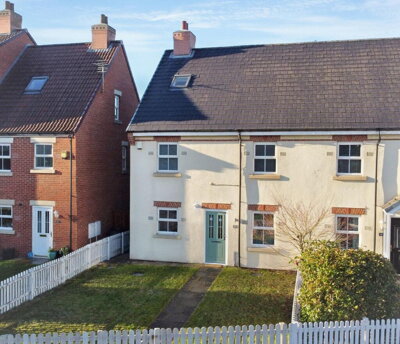
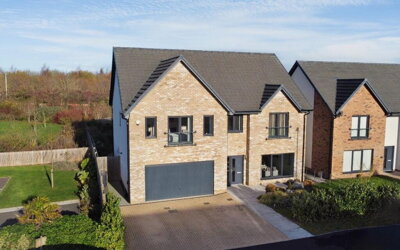
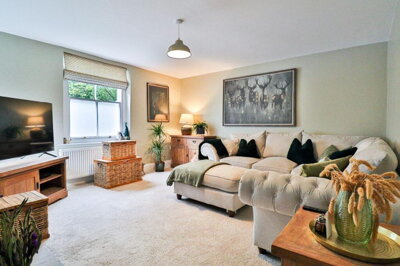
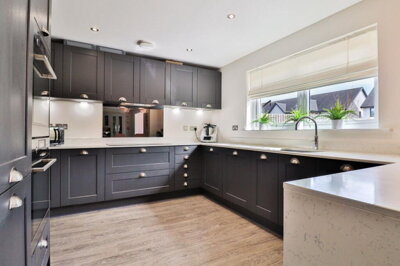
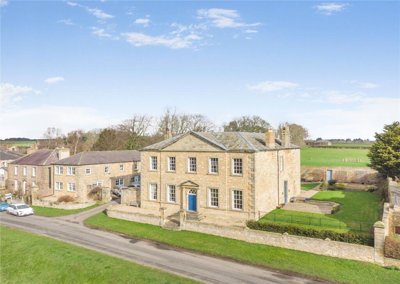
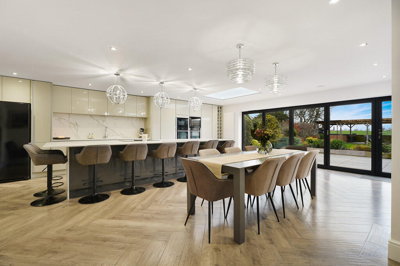
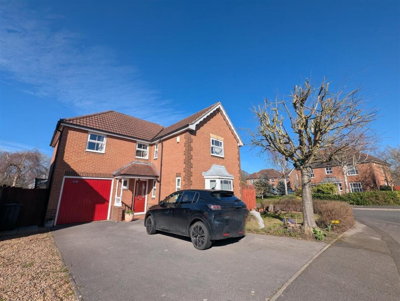
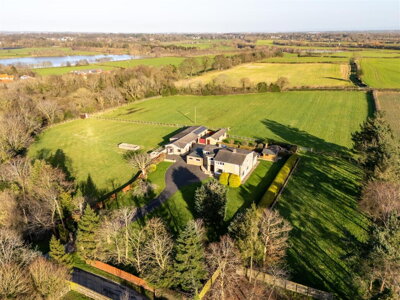
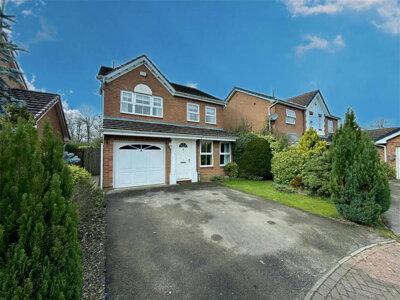
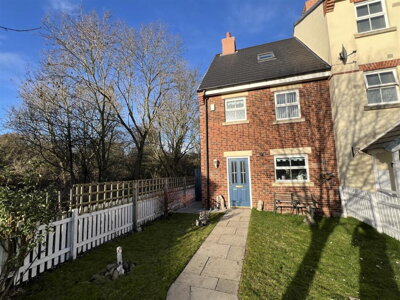
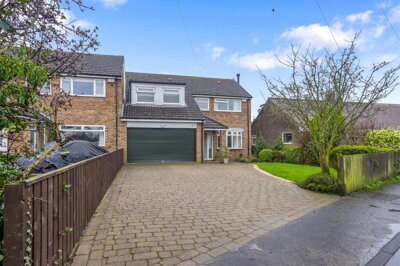
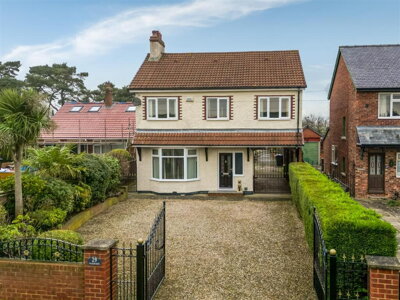
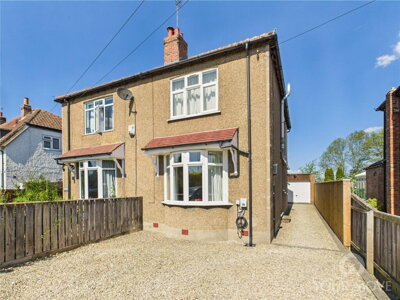
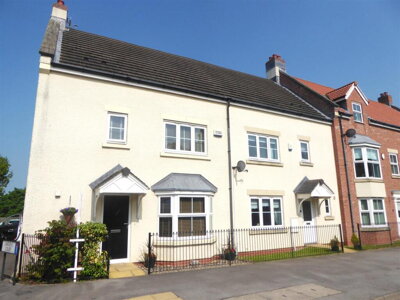
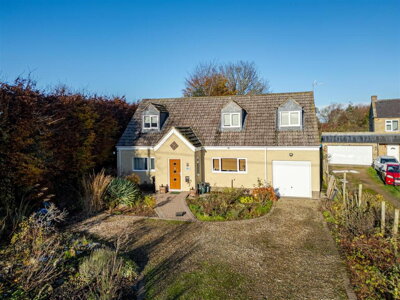
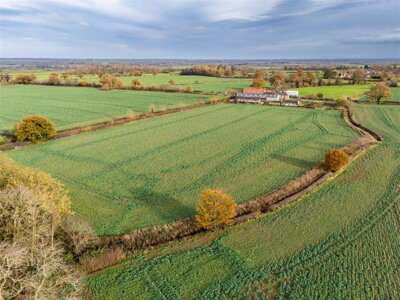
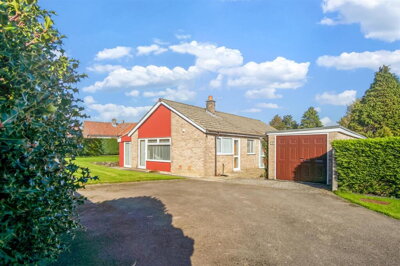
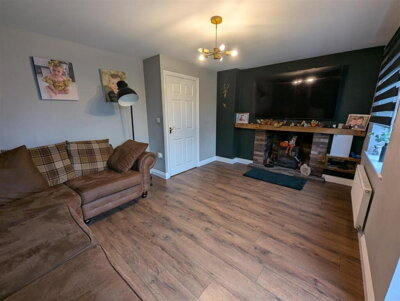
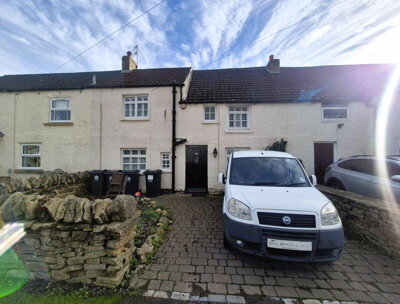
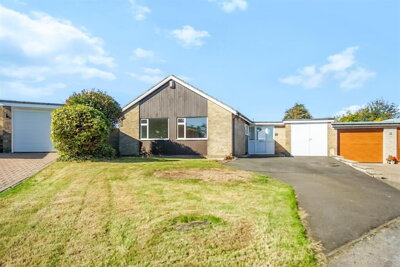
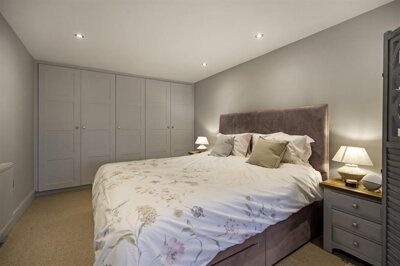
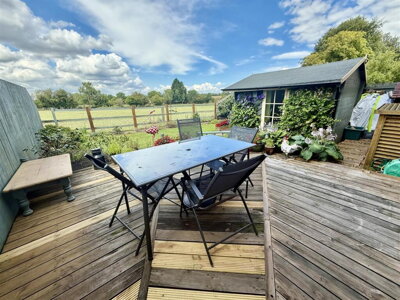
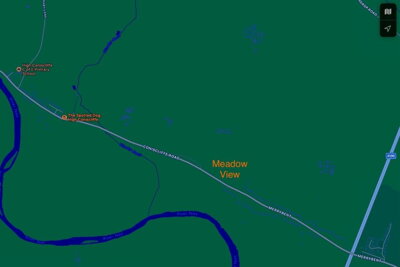
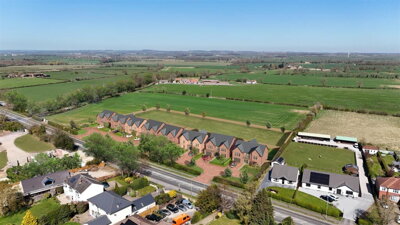
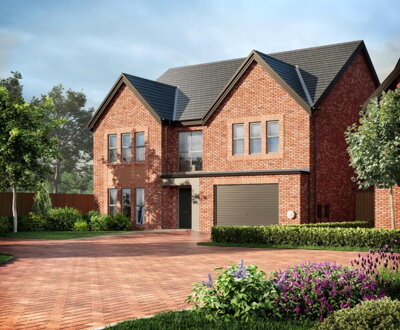
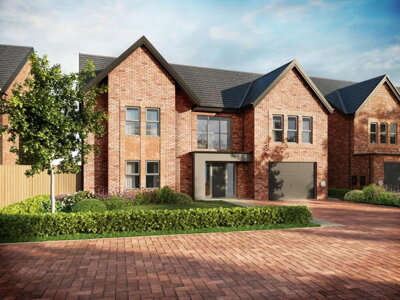
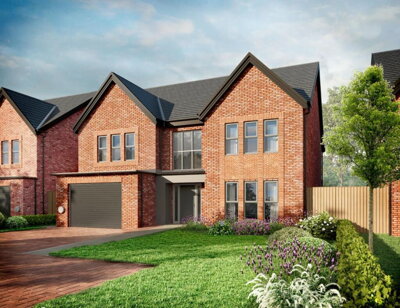
Browse 41 homes for sale in Manfield, North Yorkshire from local estate agents.
The Manfield property market offers detached, semi-detached, and terraced houses spanning various price ranges and neighbourhoods. Each listing includes detailed property information, photographs, and direct contact with the marketing agent.
£390k
2
0
500
Source: home.co.uk
Showing 2 results for Houses for sale in Manfield, North Yorkshire. The median asking price is £390,000.
Source: home.co.uk
Detached
1 listings
Avg £530,000
Semi-Detached
1 listings
Avg £250,000
Source: home.co.uk
Source: home.co.uk
The Manfield property market reflects its status as a small, historic North Yorkshire village with limited but desirable stock. According to available data from June 2021, the average property price in Manfield stood at £393,750, representing significant growth of 62% over the preceding twelve months. This surge reflects increasing demand for rural properties with good transport links, as more buyers seek the lifestyle benefits of village living while maintaining commute-ready access to employment centres like Darlington, Stockton-on-Tees, and Durham.
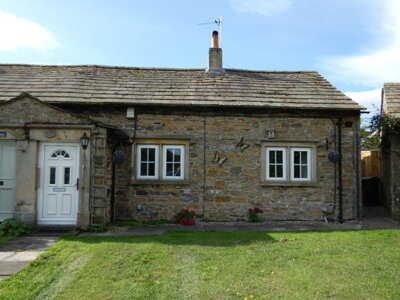
Property types in Manfield include traditional stone-built cottages, semi-detached family homes with 2-3 bedrooms, and larger detached properties featuring substantial gardens. The village's medieval heritage, evidenced by the Grade II listed All Saints' Church dating to the 12th century, contributes to the area's architectural character. Properties within or near the protected medieval settlement zone may be subject to planning considerations, and buyers should factor this into their research. New build activity within the village itself remains limited given Manfield's small scale and rural nature, meaning most available stock consists of established properties with character and history.
The predominance of sandstone construction throughout Manfield reflects the local geology, with many historic properties built using ashlar and rubble stone techniques similar to those used in the village church. These traditional building methods create distinctive homes with solid walls rather than cavity insulation, which affects both thermal performance and moisture management. Buyers should expect properties with thick walls, traditional timber windows, and original features that require different maintenance approaches compared to modern construction. Given the village's history dating to medieval times, a significant proportion of the housing stock predates 1900, bringing both character and specific maintenance considerations.

Manfield offers a quintessential North Yorkshire village lifestyle characterised by scenic countryside, strong community spirit, and easy access to essential amenities. The village sits within the DL2 postcode area and falls under North Yorkshire Council jurisdiction, spanning approximately 3,455 acres of predominantly agricultural land. Residents enjoy a peaceful environment where the rhythm of rural life prevails, yet the nearby city of Darlington provides comprehensive shopping, healthcare, and cultural facilities within a short drive. The village itself fosters a close-knit community atmosphere where neighbours know each other and local events bring residents together throughout the year.
The surrounding landscape forms one of Manfield's greatest assets. Positioned near the River Tees, the village benefits from beautiful riverside walks and natural scenery. The area provides excellent access to three national parks and designated landscapes: the North Pennines Area of Outstanding Natural Beauty lies to the west, the Yorkshire Dales National Park sits to the northwest, and the North York Moors National Park is reachable to the east. This exceptional positioning makes Manfield ideal for outdoor enthusiasts who enjoy hiking, cycling, and exploring Britain's most stunning natural environments. The village's historic character, including the protected medieval settlement with its ridge and furrow field systems, adds layers of cultural interest for those who appreciate living somewhere with genuine historical significance.
For daily amenities, residents typically travel to Darlington, which offers supermarkets, independent shops, restaurants, and healthcare facilities including Darlington Memorial Hospital. The historic market town provides a full range of services within approximately 15 minutes by car. Local village amenities include a traditional pub where residents gather for social occasions and community events. The village hall serves as a hub for various activities throughout the year, from craft groups to quiz nights, fostering the strong sense of belonging that makes Manfield special. Families appreciate the safe, traffic-light environment where children can play outdoors and explore the countryside on their doorstep.

Families considering a move to Manfield will find educational provision available within the village and the surrounding area. Primary education needs are typically served by schools in nearby villages and towns, with several well-regarded primary schools operating within reasonable commuting distance. The surrounding North Yorkshire area maintains a strong reputation for educational quality, with schools regularly performing above national averages in standardised assessments. For families prioritising academic excellence, the presence of grammar schools in nearby Darlington provides additional options for secondary-age children.
Primary schools in the surrounding villages cater to younger children, with several achieving good or outstanding Ofsted ratings in recent inspections. Parents should research specific catchment areas, as admission policies can significantly influence placement for families relocating to Manfield. The village's rural location means school transportation arrangements require consideration, with bus services operating to schools in Darlington and nearby towns. Journey times vary depending on the specific school and location within the catchment area, so families should factor these logistics into their house-hunting criteria.
Secondary education options include schools in Darlington, which offers a range of institutions catering to different academic and vocational pathways. Several secondary schools in the town have Sixth Form provision, while others feed into Darlington College for post-16 education. Sixth form and further education provision is well-established in Darlington, offering students a variety of A-level and vocational courses including A Levels, BTECs, and apprenticeships. For families with older children, the proximity to Durham and its universities adds further educational options for higher education, though these would require separate arrangements for older teenagers.
Manfield enjoys excellent connectivity despite its rural village setting, making it particularly attractive to commuters and those needing regular access to larger urban centres. The village sits approximately 3.5 miles east of Darlington, which provides comprehensive rail connections to major cities including Newcastle, York, Leeds, and London King's Cross via the East Coast Main Line. The journey time from Darlington to London is approximately two hours and forty minutes, positioning Manfield within comfortable reach of the capital for business or leisure travel. Regular bus services connect Manfield with Darlington and surrounding villages, providing public transport options for those without private vehicles.
Road connectivity from Manfield is equally strong, with the A1(M) motorway accessible via nearby junctions, providing seamless north-south travel throughout England. The A66 trunk road offers convenient access to Middlesbrough and connects to the A1(M) to the west. For those working in Durham (22 miles) or Stockton-on-Tees (17 miles), car journeys are straightforward via the regional road network. The village benefits from a relatively flat landscape around the River Tees corridor, making cycling a viable option for local journeys and leisure rides along scenic country lanes. Parking provision within the village accommodates residents and visitors, though the compact nature of the settlement means most amenities are within walking distance.
For commuters working in Darlington itself, the daily journey typically takes 10-15 minutes by car or approximately 30-40 minutes by bus. Those travelling further afield benefit from Darlington station's excellent connections, with direct trains to Newcastle taking around 35 minutes and Leeds reachable in approximately one hour. Business travellers appreciate the proximity to Newcastle International Airport (approximately 50 miles) and Leeds Bradford Airport (approximately 60 miles), both offering domestic and international flights. The village's position between major employment centres makes it practical for professionals working in various sectors across the region.
Spend time exploring Manfield at different times of day and week to understand the community atmosphere, noise levels, and neighbour dynamics. Visit local pubs, attend village events, and speak with residents to gain authentic insights into daily life here. Given the village's small population and close-knit community, first impressions of the neighbourhood often reflect long-term living conditions accurately.
Contact lenders or use Homemove's mortgage comparison tool to obtain an Agreement in Principle before viewing properties. This strengthens your offer position and demonstrates to sellers that you are a serious, finance-ready buyer. With Manfield property prices averaging around £393,750, understanding your borrowing capacity helps narrow your search to realistic options within your budget.
Work with local estate agents to arrange viewings of properties matching your criteria. Given Manfield's limited stock, be prepared to act quickly on suitable properties and view multiple times if considering a purchase. The village's small market means desirable homes can sell fast, so having your finances ready gives you a competitive edge over other buyers.
Before completing, arrange a RICS Level 2 Homebuyer Report to assess the property's condition. Given Manfield's historic housing stock, including stone cottages and older properties, a thorough survey is essential to identify any structural issues, damp problems, or maintenance needs. Older stone properties commonly exhibit defects including damp penetration, outdated electrics, and roof deterioration that a professional survey will identify before you commit.
Appoint a solicitor experienced in North Yorkshire property transactions to handle the legal aspects of your purchase, including local searches, title checks, and coordination with the seller's representatives. Your solicitor will conduct drainage and water searches, local authority checks, and environmental searches to identify any issues affecting the property.
Once all searches are satisfactory and finances are confirmed, your solicitor will exchange contracts and agree a completion date. On completion day, the property becomes yours and you can collect your keys. For properties in Manfield's protected medieval settlement area, ensure your solicitor has checked for any planning constraints or heritage considerations that may affect your use of the property.
Purchasing property in Manfield requires careful consideration of factors specific to this historic North Yorkshire village. The prevalence of traditional stone construction throughout the village means buyers should pay particular attention to the condition of stonework, pointing, and any signs of structural movement. Older properties, particularly those predating the 20th century, may have solid walls without cavity insulation, outdated electrical systems, and historic plumbing that could require upgrading. A thorough RICS Level 2 survey is strongly recommended for any property in Manfield to identify these common issues before commitment.
Flood risk deserves careful attention given Manfield's proximity to the River Tees. Buyers should consult Environment Agency flood maps and review the property's flood risk assessment as part of their due diligence. Properties within or near the protected medieval settlement area may face additional planning constraints or heritage considerations that affect renovation plans. The village's low-lying position along the river corridor means some properties may be more susceptible to flooding during periods of heavy rainfall, so reviewing historical flood records is advisable.
Those considering listed properties should understand that Listed Building Consent may be required for certain alterations, and specialist surveyors with historic building expertise might be necessary. Properties in Manfield's conservation-sensitive areas may have restrictions on external alterations to preserve the village's medieval character. Finally, verify the tenure of any property, as both freehold houses and leasehold arrangements exist in various forms across similar villages, each with distinct implications for ongoing costs and rights. Properties with large gardens or agricultural land may have additional considerations regarding maintenance responsibilities and rights of access.
Understanding the full costs of purchasing property in Manfield helps buyers budget accurately and avoid surprises during the transaction process. Stamp Duty Land Tax (SDLT) represents the most significant additional cost beyond the property purchase price. For most residential purchases in Manfield, the average property price of approximately £393,750 means standard buyers would pay SDLT at 5% on the amount above £250,000, equating to around £7,188. First-time buyers purchasing properties under £425,000 would benefit from full relief and pay no stamp duty on their purchase.
Beyond stamp duty, buyers should budget for solicitor fees averaging £500-£1,500 for conveyancing, including local searches, title registration, and transaction management. Survey costs for a RICS Level 2 Homebuyer Report typically start from around £350 for standard properties, though stone cottages and older buildings may require more detailed assessments. Mortgage arrangement fees vary by lender, commonly ranging from £500-£2,000, and can often be added to the mortgage loan. Removal costs, mortgage broker fees, and potential renovation or repair costs should also be factored into your overall budget.
For properties in Manfield specifically, buyers should consider potential additional costs related to the age and construction of the property. Stone-built properties may require specialist tradespeople for maintenance and repairs, which can be more expensive than standard brick construction. Properties with solid walls may need additional insulation work to meet modern energy efficiency standards, though grants may be available for certain improvements. Properties near the River Tees may require specialist flood resilience measures, which can add to renovation budgets for affected properties.
As of June 2021, the average property price in Manfield was approximately £393,750. The village offers a range of properties, from more affordable 2-3 bedroom terraced or semi-detached homes potentially available under £200,000, to larger detached family homes with prices exceeding £400,000. The property market saw significant growth of around 62% in the year prior to June 2021, reflecting increasing demand for rural properties with good connectivity. Given Manfield's limited stock and desirable location near Darlington, prices may have evolved since this data was collected.
Properties in Manfield fall under North Yorkshire Council's jurisdiction for council tax purposes. Bands range from A to H depending on the property's assessed value, with most traditional cottages and modest family homes likely falling into bands A through D. The specific band for any individual property can be confirmed through North Yorkshire Council's online council tax checker or property records. Given the village's mix of historic stone cottages and modern detached homes, council tax bands span a wide range reflecting the variety of property values in the area.
Manfield's small village setting means primary and secondary schools are located in surrounding towns and villages, primarily in Darlington which is approximately 3.5 miles away. The wider North Yorkshire area maintains good educational standards, with several primary schools serving nearby communities and secondary options including schools in Darlington offering comprehensive education. Parents should research specific catchment areas, as admission policies can affect placement for families relocating from other regions. For sixth form education, Darlington College and schools with sixth forms provide good options for post-16 students.
Manfield is served by local bus routes connecting the village to Darlington and surrounding communities, providing regular public transport options for residents. Darlington railway station, approximately 3.5 miles away, offers comprehensive national rail connections including direct services to London King's Cross (approximately 2 hours 40 minutes), Newcastle, Edinburgh, and major northern cities. The village's road connections are excellent, with easy access to the A1(M) for north-south travel and the A66 for routes to Middlesbrough and Teesside.
Manfield offers several characteristics that make it attractive to property investors. The village's proximity to Darlington (3.5 miles), combined with its rural charm and access to three national parks and Areas of Outstanding Natural Beauty, supports long-term demand from buyers seeking quality of life. The protected medieval settlement status preserves the village's character, which helps maintain property values in established areas. However, investors should note that limited local amenities and small population size may affect rental demand, and any significant developments remain constrained by planning policies protecting the village's historic character. The village's excellent transport connections to major employment centres support demand from commuters seeking rural lifestyles.
For standard residential purchases, stamp duty rates (SDLT) are 0% on the first £250,000, 5% on £250,001 to £925,000, 10% on £925,001 to £1.5 million, and 12% above £1.5 million. First-time buyers benefit from relief on the first £425,000 (0% rate), with 5% applying between £425,001 and £625,000. Given Manfield's average price of around £393,750, most properties would attract minimal or no stamp duty for first-time buyers, while additional SDLT would apply for higher-value properties or those purchased as second homes. Non-first-time buyers purchasing at the average price would pay approximately £7,188 in stamp duty.
The primary risks when buying in Manfield relate to the age and construction of the properties available. Traditional stone-built cottages and older properties may have issues with damp penetration, structural movement, outdated electrical systems, and roof deterioration that require ongoing maintenance investment. Flood risk should be assessed carefully given the village's proximity to the River Tees, with buyers advised to review Environment Agency flood maps and consider historical flood records. Properties in or near the protected medieval settlement area may face planning constraints affecting future renovations or extensions. The limited property stock in the village means buyers may face less competition than in larger markets, but also fewer choices when searching for specific property types.
Manfield contains the Grade II listed All Saints' Church, a significant historic building dating to the 12th century, while the medieval settlement itself including earthworks and ridge and furrow field systems is a protected monument. Any properties within these protected areas or those that are themselves listed buildings may require special considerations including Listed Building Consent for alterations and potentially more complex survey requirements. Buyers interested in listed properties should budget for potentially higher maintenance costs and understand that certain renovation works may be restricted to preserve the village's historic character. Specialist historic building surveyors may be required for detailed assessments of listed properties.
From 4.5% APR
Compare competitive mortgage deals from trusted lenders
From £499
Expert solicitors handling your Manfield property purchase
From £350
Thorough condition report ideal for Manfield's older properties
From £60
Energy performance certificate for your Manfield property
Properties for Sale In London

Properties for Sale In Plymouth

Properties for Sale In Liverpool

Properties for Sale In Glasgow

Properties for Sale In Sheffield

Properties for Sale In Edinburgh

Properties for Sale In Coventry

Properties for Sale In Bradford

Properties for Sale In Manchester

Properties for Sale In Birmingham

Properties for Sale In Bristol

Properties for Sale In Oxford

Properties for Sale In Leicester

Properties for Sale In Newcastle

Properties for Sale In Leeds

Properties for Sale In Southampton

Properties for Sale In Cardiff

Properties for Sale In Nottingham

Properties for Sale In Norwich

Properties for Sale In Brighton

Properties for Sale In Derby

Properties for Sale In Portsmouth

Properties for Sale In Northampton

Properties for Sale In Milton Keynes

Properties for Sale In Bournemouth

Properties for Sale In Bolton

Properties for Sale In Swansea

Properties for Sale In Swindon

Properties for Sale In Peterborough

Properties for Sale In Wolverhampton

Enter your details to see if this property is within your budget.
Loans, cards, car finance
Estimated property budget
Borrowing + deposit
You could borrow between
Typical borrowing
Monthly repayment
Est. at 4.5%
Loan-to-value
This is an estimate only. Your actual budget may vary depending on interest rates, credit history, and personal circumstances. For an accurate affordability assessment, speak to one of our free mortgage advisors.
This calculator provides estimates for illustrative purposes only and does not constitute financial advice. Your home may be repossessed if you do not keep up repayments on your mortgage. Estimates based on 4.5% interest rate, repayment mortgage. Actual rates depend on your circumstances.
Homemove is a trading name of HM Haus Group Ltd (Company No. 13873779, registered in England & Wales). Homemove Mortgages Ltd (Company No. 15947693) is an Appointed Representative of TMG Direct Limited, trading as TMG Mortgage Network, which is authorised and regulated by the Financial Conduct Authority (FRN 786245). Homemove Mortgages Ltd is entered on the FCA Register as an Appointed Representative (FRN 1022429). You can check registrations at NewRegister or by calling 0800 111 6768.

We use cookies to show you personalised content and improve your experience of our website. Find out more in our Privacy policy and Cookie policy.