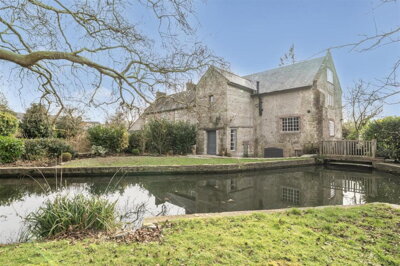
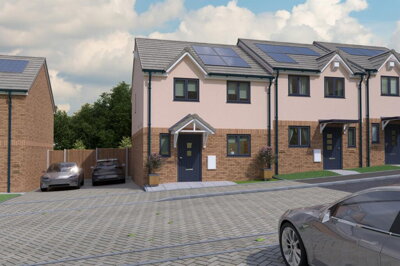
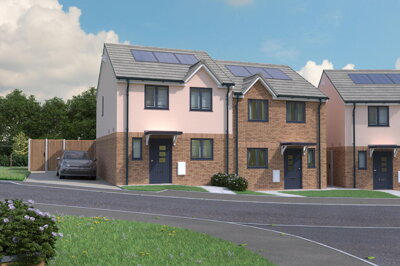
Browse 3 homes for sale in Maiden Newton from local estate agents.
Studio apartments feature open-plan living spaces without separate bedrooms, incorporating sleeping, living, kitchen, and bathroom facilities. The Maiden Newton studio market includes properties in modern apartment complexes, converted Victorian and Georgian buildings, and purpose-built developments.
The property market in St. Sampson reflects the broader trends across Cornwall, where demand consistently outstrips supply in popular village locations. Properties in St. Sampson typically range from traditional stone cottages dating back several generations to more recent detached family homes built to accommodate growing local interest in village living. The mix of housing stock means buyers can find everything from compact starter homes to substantial country residences, though inventory at any given time tends to be limited given the village's small scale.
Cornwall's property market has experienced sustained growth over recent years, driven by remote working flexibility, lifestyle buyers, and continued interest from investors seeking holiday let opportunities. St. Sampson itself offers relatively good value compared to coastal hotspots further west, while still providing that essential Cornish character buyers seek. Properties along the village's lanes and approaches frequently feature generous gardens, traditional outbuildings, and the kind of rural setting that defines the Cornish property dream. The A30 trunk road, Cornwall's main arterial route, provides convenient access to Truro, the county capital, and onward connections to the rest of the UK.

St. Sampson embodies the quintessential Cornish village experience, offering residents a pace of life that feels worlds away from the pressures of city living. The village centre typically features a traditional pub serving local ales and hearty pub grub, a place where the Friday evening crowd gathers to share news and catch up with neighbours. Community spirit runs strong here, with seasonal events drawing participation from households across the village and surrounding hamlets. The surrounding countryside comprises rolling farmland, hedgerow-lined lanes perfect for walking, and glimpses of the sea visible from higher vantage points.
The local area provides everyday amenities within a short drive, with nearby larger villages or small towns offering primary schools, convenience stores, GP surgeries, and post offices. St. Sampson's position in central Cornwall means the county's major attractions remain accessible without placing yourself directly in tourist hotspots. North Cornwall's dramatic coastline with its famous surfing beaches lies roughly 30 minutes to the north, while the maritime attractions of Falmouth and the sailing waters of the Carrick Roads are similarly convenient. The village attracts a diverse mix of residents, from families seeking space and good schools to retired couples downsizing from larger properties elsewhere.
Cornwall's economy extends beyond tourism to include agriculture, fishing, technology, and renewable energy sectors, providing employment opportunities that support sustainable communities. St. Sampson's residents benefit from the county's growing reputation as a hub for creative industries and remote workers who have chosen to base themselves in beautiful surroundings. The cost of living in Cornwall, while rising, remains competitive compared to southern England, and village properties often offer more space for your money than equivalent homes in commuter belt areas near London. Local planning restrictions in Cornwall typically seek to preserve the county's distinctive character, meaning new developments are thoughtfully integrated and often reflect traditional building styles.
Families considering a move to St. Sampson will find a reasonable selection of educational options within reach, though as with many Cornish villages, some travel may be necessary for secondary education. Primary school provision in the surrounding area typically includes well-regarded village schools serving smaller catchments, where children benefit from close relationships with teachers and a community feel that larger urban schools cannot replicate. Many primary schools in Cornwall have received good or outstanding Ofsted ratings in recent years, reflecting the dedication of staff working in these often challenging but rewarding environments. Schools serving the St. Sampson area include primary schools in nearby larger villages, which typically cater for Reception through to Year 6.
Secondary education options in Cornwall include a mix of academy schools, community schools, and faith schools, with schools in towns such as Truro, Camborne, Redruth, and Bodmin serving wider catchment areas. Truro School stands out as one of Cornwall's most prominent independent schools, offering secondary and sixth form education with a strong academic reputation. For families prioritising grammar school access, the nearby county of Devon operates a selective system, though Cornwall itself does not maintain grammar schools following their abolition in the 1960s. Schools in Truro such as Truro High School for Girls and Penair School serve wider catchments including families from village locations like St. Sampson.
Sixth form and further education provision is well-developed at Truro College and Penwith College in Penzance, both offering A-level programmes and vocational qualifications. Early years childcare and preschool facilities are available in surrounding villages and towns, with many operating from village halls or community centres. The Cornish early years sector has expanded significantly in recent years, though availability can be patchy in more rural locations. Parents moving to St. Sampson should register interest with local providers early to secure places, as village childcare can fill quickly with families moving into the area. Transport arrangements for schoolchildren in rural Cornwall are well-established, with dedicated school bus services operating across the county to ensure children can access education regardless of where they live.
St. Sampson's location in central Cornwall provides surprisingly good connectivity despite its village setting, with the A30 trunk road passing within easy driving distance and connecting the village to the rest of the county and beyond. The A30 offers dual carriageway sections for faster travel, providing access to Truro (approximately 20 minutes), Exeter (around 2 hours), and the M5 motorway network for journeys further afield. Daily commuting to major employment centres is feasible for those working in Truro or the surrounding towns, though longer commutes to Plymouth or Exeter become more challenging as regular journeys. The village's position on the eastern approach to the county means London is accessible as a day trip destination rather than a regular commute.
Rail connections serve Cornwall well, with mainline stations at Truro, St Austell, Camborne, and Penzance offering regular services to London Paddington, Birmingham, and other major destinations. The Cornish main line provides journey times of approximately 4.5 hours to London Paddington from Truro, with direct services operated by Great Western Railway. For air travel, Newquay Airport offers domestic flights and some European routes, while Bristol and Exeter airports provide broader international connections within reasonable driving distance. The village also benefits from local bus services connecting to nearby towns, though frequencies are limited compared to urban routes.
Local road infrastructure in the St. Sampson area comprises a mix of single-track lanes with passing places and more substantial A and B-class roads. Drivers should be prepared for narrower country lanes common throughout Cornwall, where hedgerows and banks can restrict visibility and require careful navigation. Cycling is popular in the area, with quiet lanes attracting recreational riders, though the hilly terrain requires reasonable fitness. Parking in village centres is typically unrestricted, though St. Sampson's small scale means parking pressures seen in larger towns are rarely encountered. For those considering electric vehicles, Cornwall has been expanding its charging network, though rural coverage remains an ongoing development.
Spend time exploring St. Sampson at different times of day and week to understand the community, traffic patterns, and noise levels. Visit local amenities, speak with residents, and check planning applications with Cornwall Council to understand any future developments that might affect the area. We recommend visiting at least twice and speaking with the local pub landlord or village shop keeper for authentic insights into daily life here.
Contact a mortgage broker or lender to obtain an agreement in principle before viewing properties. This demonstrates your serious intent to sellers and estate agents, and helps you understand your realistic budget given current interest rates and your financial situation. Cornwall-specific lenders may have experience with properties in remote locations that require specialist insurance or have unique construction types.
Work with local estate agents to arrange viewings of suitable properties. Take notes during viewings, ask about property history, previous owners, and any renovation work undertaken. Consider returning for a second viewing before making an offer. In a small village like St. Sampson, properties can sell quickly, so being prepared with your finances in order gives you a competitive edge.
Once your offer is accepted, we can arrange for a qualified RICS surveyor to conduct a Level 2 Homebuyer Report. This survey identifies structural issues, maintenance concerns, and potential problems that might affect your purchase decision or negotiation. For older Cornish properties with solid walls or traditional construction, this survey is particularly valuable.
Choose a conveyancing solicitor with experience in Cornish property transactions to handle the legal work. They will conduct searches with Cornwall Council, deal with the Land Registry, and manage contracts through to completion. Local knowledge of Cornish conveyancing can help navigate any issues specific to the county's property market.
Once all searches are satisfactory and finance is confirmed, your solicitor will exchange contracts and agree a completion date. On completion day, you will receive the keys and can move into your new St. Sampson home.
Property buyers considering St. Sampson should pay particular attention to the construction type and age of properties, as traditional Cornish cottages may feature solid stone walls, older electrical systems, and heating arrangements that differ from modern standards. Many older properties in the county were built before modern building regulations, which means features like insulation, damp proofing, and ventilation may require attention. A thorough RICS Level 2 survey becomes especially valuable for these properties, identifying issues that might not be immediately apparent during viewings.
Flood risk deserves consideration given Cornwall's coastal and riverine geography, though St. Sampson's inland village position generally places it at lower risk than properties directly on the coast. Prospective buyers should check Environment Agency flood maps and review any historical flood records held by Cornwall Council. Properties on hillsides or near watercourses require particular scrutiny, and insurance arrangements should be confirmed before committing to purchase. Roof condition is a common concern in older Cornish properties, where traditional slate or stone tile coverings can require significant maintenance.
Planning restrictions in Cornwall can affect what you can do with a property, so review any relevant planning history and restrictions with your solicitor. Conservation area status may apply to parts of St. Sampson, potentially limiting external alterations. Properties in rural Cornwall sometimes rely on private water supplies or septic tanks rather than mains connections, which carry additional responsibilities and costs. Understanding these factors before purchase helps avoid unexpected complications after you have moved in. The village's septic tank arrangements and private drainage systems require careful consideration, with new regulations affecting how these can be maintained and replaced.

The housing stock in St. Sampson reflects Cornwall's diverse architectural heritage, with properties ranging from traditional granite and stone cottages to more recent constructions from various periods. Many older village properties feature solid stone walls built using local materials, which provide excellent thermal mass but require different maintenance approaches compared to modern cavity wall construction. These traditional buildings often have thicker walls, smaller window openings, and original features such as exposed beams, inglenook fireplaces, and flagstone floors that appeal to buyers seeking character.
Mid-twentieth century properties in the village typically include semi-detached homes built during the post-war period, offering more conventional layouts and construction methods familiar to surveyors and renovators. More recent additions to the village include detached family homes constructed from the 1970s onwards, with varying levels of insulation and energy efficiency depending on their specific build date. The variety in construction ages means that St. Sampson's property stock spans a wide range of energy efficiency ratings, from period cottages that may require solid wall insulation to newer homes with modern double glazing and central heating already installed.
Understanding the specific construction type of any property you are considering is essential for budgeting maintenance and renovation costs. Properties with solid walls cannot be treated the same as cavity-walled homes insulation upgrades or damp treatment. Our surveyors are experienced in assessing traditional Cornish construction and can identify specific issues related to local building methods. When viewing properties, look for signs of previous maintenance work, ask about the age of heating systems, and check whether the property has been updated in recent years.
Specific median price data for St. Sampson village itself is not separately tracked by major indices due to the small number of annual transactions. Cornwall-wide data shows the county average has risen substantially over recent years, with detached properties typically commanding prices between £350,000 and £600,000 depending on size and location. Village properties in desirable Cornish locations like St. Sampson generally hold their value well, with period cottages and family homes attracting consistent interest from buyers seeking the rural lifestyle the county offers. A typical three-bedroom village property in Cornwall might range from £280,000 for a cottage requiring modernisation to over £450,000 for a well-presented family home.
Properties in St. Sampson fall under Cornwall Council's jurisdiction and are assigned council tax bands A through H based on property value. Most traditional cottages and smaller village homes typically fall into bands A through C, while larger detached properties and recent conversions may be placed in higher bands. Current Cornwall Council tax rates for a band D property are among the lower rates in England, making the county an attractive option for budget-conscious buyers. You can check the specific band for any property using the Valuation Office Agency's online tool, which allows searches by address or property location.
The surrounding area offers a good selection of schools, with primary schools in nearby villages serving the local community with good Ofsted ratings. For secondary education, schools in Truro such as Truro High School for Girls, Truro School (independent), and Penair School (academy) serve wider catchments including families from St. Sampson. Families should verify current catchment areas with Cornwall Council, as these can change and may affect which school your child can attend based on your specific St. Sampson address. Independent school options in Truro provide alternatives for families seeking private education, with Truro School being particularly well-established.
St. Sampson is served by local bus routes connecting to nearby towns and villages, though service frequencies are limited compared to urban areas. The nearest mainline railway stations are at Truro and Camborne, offering connections to London Paddington and other major destinations. The village's position near the A30 trunk road makes car travel the most practical option for most daily needs, though residents without vehicles can manage with careful planning of shopping trips and medical appointments. For commuters to Truro, the train station offers regular services, though most St. Sampson residents find a car essential for everyday convenience.
St. Sampson and Cornwall generally offer solid investment fundamentals, with strong demand from buyers seeking the Cornish lifestyle driving consistent transaction volumes. Holiday let potential exists given the county's tourism appeal, though recent changes to tax relief and mortgage interest rules have affected returns. Long-term capital growth in Cornwall has historically exceeded national averages, particularly for properties in coastal or village locations with limited new supply. Properties requiring renovation or with development potential may offer additional value opportunities for investors willing to undertake projects, though buyer demand for village properties means competition can be intense.
Stamp duty rates for England apply to St. Sampson, Cornwall. First-time buyers pay no stamp duty on properties up to £425,000, with 5% charged on the portion between £425,000 and £625,000. Standard buyers pay nothing on the first £250,000, then 5% on £250,001 to £925,000. A typical semi-detached cottage in St. Sampson priced around £350,000 would incur no stamp duty for first-time buyers, while a £450,000 property would attract £1,250 in stamp duty. Always verify current thresholds with HMRC or your solicitor, as rates can change with Budget announcements.
When viewing properties in St. Sampson, pay particular attention to the condition of the roof, the age and type of heating system, and whether the property has modern double glazing or retains original single-glazed windows. Many older Cornish properties were built with solid stone walls, which can be prone to damp if not properly maintained or ventilated. Ask the seller about any previous damp treatment, roof repairs, or electrical rewiring that has been carried out. Check whether the property is connected to mains drainage or relies on a private septic tank, as this affects ongoing maintenance costs and may require compliance with new regulations.
From 4.5%
Finding the right mortgage for your St. Sampson property purchase
From £499
Legal services for your property transaction in Cornwall
From £350
Professional survey for your St. Sampson property
From £80
Energy performance certificate for your property
Understanding the full costs of buying property in St. Sampson extends beyond the purchase price itself, with stamp duty land tax representing one of the largest additional expenses. For residential purchases in England, including Cornwall, buyers pay stamp duty according to thresholds that were revised in recent years. The standard rate applies 0% on the first £250,000 of property value, rising to 5% on the portion between £250,001 and £925,000. This means a typical Cornish village property priced at £400,000 would incur £7,500 in stamp duty for a non-first-time buyer.
First-time buyers benefit from raised thresholds, paying nothing on the first £425,000 and 5% only on the portion between £425,001 and £625,000. This relief can save first-time buyers purchasing typical St. Sampson properties several thousand pounds compared to previous thresholds. Properties priced above £625,000 do not receive first-time buyer relief on any portion of the purchase price. Your solicitor will handle stamp duty calculation and payment to HMRC on your behalf as part of the conveyancing process, usually adding the amount to your completion funds.
Beyond stamp duty, buyers should budget for solicitor conveyancing fees typically ranging from £800 to £2,000 depending on complexity, plus search fees of approximately £300 to £500 for Cornwall Council searches. Mortgage arrangement fees, if applicable, commonly range from £500 to £2,000, and a RICS Level 2 survey will cost from £350 depending on property size. Buildings insurance should be in place from exchange of contracts, and removals costs vary widely based on distance and volume. Altogether, buyers should anticipate additional costs of roughly 3% to 5% of the purchase price on top of the property value itself when planning their budget for moving to St. Sampson.
Properties for Sale In London

Properties for Sale In Plymouth

Properties for Sale In Liverpool

Properties for Sale In Glasgow

Properties for Sale In Sheffield

Properties for Sale In Edinburgh

Properties for Sale In Coventry

Properties for Sale In Bradford

Properties for Sale In Manchester

Properties for Sale In Birmingham

Properties for Sale In Bristol

Properties for Sale In Oxford

Properties for Sale In Leicester

Properties for Sale In Newcastle

Properties for Sale In Leeds

Properties for Sale In Southampton

Properties for Sale In Cardiff

Properties for Sale In Nottingham

Properties for Sale In Norwich

Properties for Sale In Brighton

Properties for Sale In Derby

Properties for Sale In Portsmouth

Properties for Sale In Northampton

Properties for Sale In Milton Keynes

Properties for Sale In Bournemouth

Properties for Sale In Bolton

Properties for Sale In Swansea

Properties for Sale In Swindon

Properties for Sale In Peterborough

Properties for Sale In Wolverhampton

Enter your details to see if this property is within your budget.
Loans, cards, car finance
Estimated property budget
Borrowing + deposit
You could borrow between
Typical borrowing
Monthly repayment
Est. at 4.5%
Loan-to-value
This is an estimate only. Your actual budget may vary depending on interest rates, credit history, and personal circumstances. For an accurate affordability assessment, speak to one of our free mortgage advisors.
This calculator provides estimates for illustrative purposes only and does not constitute financial advice. Your home may be repossessed if you do not keep up repayments on your mortgage. Estimates based on 4.5% interest rate, repayment mortgage. Actual rates depend on your circumstances.
Homemove is a trading name of HM Haus Group Ltd (Company No. 13873779, registered in England & Wales). Homemove Mortgages Ltd (Company No. 15947693) is an Appointed Representative of TMG Direct Limited, trading as TMG Mortgage Network, which is authorised and regulated by the Financial Conduct Authority (FRN 786245). Homemove Mortgages Ltd is entered on the FCA Register as an Appointed Representative (FRN 1022429). You can check registrations at NewRegister or by calling 0800 111 6768.

We use cookies to show you personalised content and improve your experience of our website. Find out more in our Privacy policy and Cookie policy.