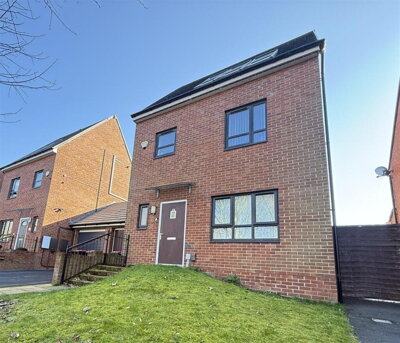
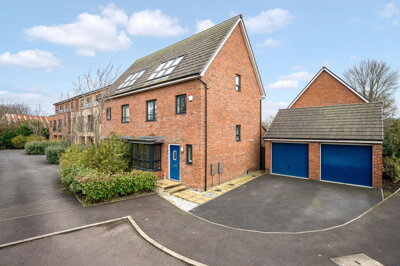
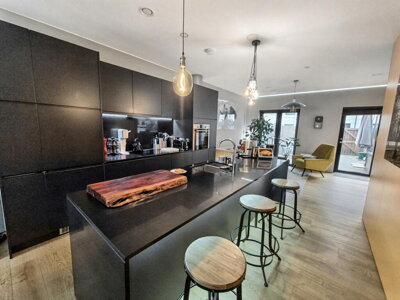
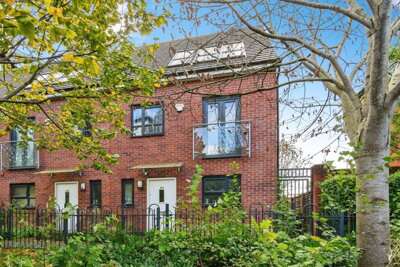
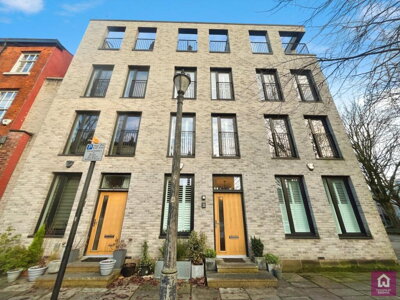
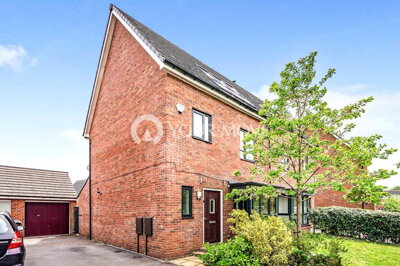
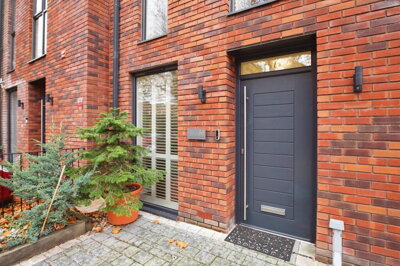
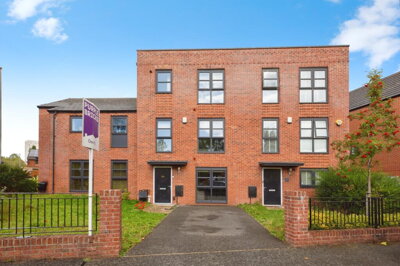
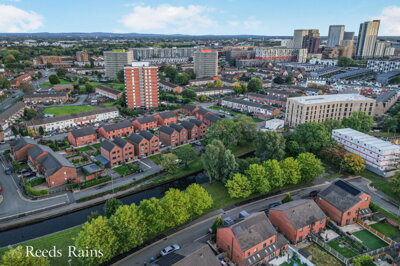
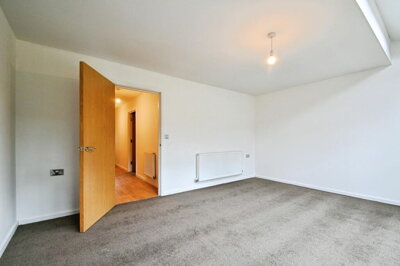
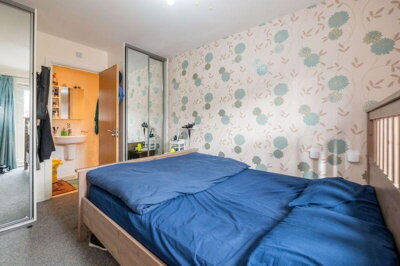
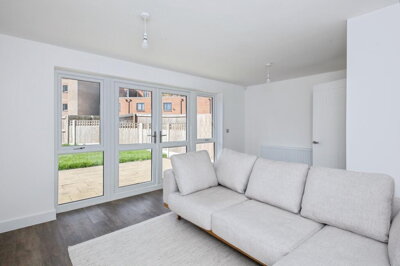
Browse 12 homes for sale in M99 from local estate agents.
The larger property sector typically features multiple bathrooms, substantial reception space, and private gardens or off-street parking. Four bedroom houses in M99 span detached, semi-detached, and occasionally terraced configurations, with styles ranging from period properties to modern executive homes.
£0k
0
0
0
Source: home.co.uk
Showing 0 results for 4 Bedroom Houses for sale in M99.
£150,000 - £350,000
Average City Centre Apartment
£300,000 - £600,000
Popular Suburban Houses
5% - 7%
Rental Yield Potential
8 routes across Greater Manchester
Metrolink Lines
Manchester's property market has demonstrated remarkable resilience and growth over the years, making it one of the strongest regional property markets in the UK. The city attracts young professionals drawn to its thriving business district in Spinningfields and Piccadilly, families seeking good state and private schools in areas like Altrincham and Hale, and investors looking for strong rental yields in the city centre and university quarters. Property values in popular Manchester neighbourhoods have increased significantly over the past decade, with areas like Didsbury, Chorlton, and Sale commanding premium prices due to their desirable character, excellent amenities, and strong transport connections via the Metrolink network.
The Manchester property market offers excellent variety for buyers, from period terraced houses in areas like Whalley Range, Victoria Park, and Longsight to contemporary apartments in Spinningfields, Ancoats, and the Green Quarter. Victorian and Edwardian properties throughout south Manchester retain strong appeal, with original features, bay windows, and generous room sizes that attract families and professionals alike. New build developments continue to spring up across the city, particularly in regeneration zones such as Northern Quarter, New Islington, and the Oxford Road Corridor, where former industrial buildings have been converted into stylish residential apartments.
First-time buyers will find opportunities in shared ownership schemes and government-backed initiatives designed to make property ownership more accessible in this competitive market. Help to Buy schemes have been available for new build properties, while the Lifetime ISA allows first-time buyers to save towards their deposit with a government bonus. Buy-to-let investors continue to be drawn to Manchester by strong tenant demand from students attending the University of Manchester and Manchester Metropolitan University, young professionals working in the city centre, and growing families relocating from London and the South East for a more affordable cost of living. Rental yields in Manchester city centre typically range from 5% to 7%, which is competitive compared to many other UK cities.
Manchester is a city that truly has something for everyone, combining rich industrial heritage with a modern, cosmopolitan lifestyle. The city centre buzzes with energy, offering an exceptional array of restaurants, bars, theatres, and museums, while surrounding neighbourhoods provide quieter residential environments with their own distinct characters. The Northern Quarter is known for its independent cafes, vintage shops, and creative studios, while Deansgate and Spinningfields offer upscale dining and entertainment options. The recently redeveloped Manchester Museum attracts hundreds of thousands of visitors annually, showcasing collections spanning natural history, archaeology, and world cultures.
Areas like Didsbury boast tree-lined streets on roads such as Burton Road and Wilmslow Road, independent boutiques, and popular cafes that make it particularly popular among families and professionals who appreciate a slower pace of life while remaining well-connected to the city centre via the East Didsbury Metrolink line. Chorlton has developed a reputation as one of Manchester's most vibrant neighbourhoods, known for its bohemian atmosphere, the popular Chorlton Green farmers market, organic food shops, and strong sense of community spirit that draws creative types and young families alike. Heaton Mersey and Stockport offer more suburban character with good primary schools and access to green spaces including Heaton Park, one of the largest municipal parks in Europe covering over 600 acres.
Sport plays a central role in the city's identity, with Manchester United and Manchester City football clubs attracting global attention and providing entertainment for residents and visitors at Old Trafford and the Etihad Stadium respectively. The city also benefits from extensive green spaces scattered throughout the metropolitan area, from the ornamental gardens of Alexandra Park to the nature trails of Chorlton Ees and the canal walks that connect many neighbourhoods. Healthcare facilities in Manchester are excellent, with the Manchester Royal Infirmary, Royal Manchester Children's Hospital, and other specialist hospitals serving the region, while everyday medical needs are well-served by GP surgeries and dental practices across all neighbourhoods from Wythenshawe to Prestwich.

Education is a major draw for families considering a move to Manchester, with the city offering access to a wide range of educational institutions at every level. At primary level, Manchester boasts numerous highly-rated schools, including the popular Manchester Grammar School for boys and associated primary schools, as well as excellent community primary schools in suburbs like Didsbury, Withington, and Chorlton. The Ofsted-rated Outstanding West Didsbury CE Primary School and St Mary's Catholic Primary School in the city centre serve diverse communities, while surrounding boroughs including Trafford and Stockport offer additional highly-performing primary schools that attract families willing to travel for the best education.
Many parents specifically target these areas when searching for property, as school catchment areas can significantly impact property values and demand. Properties within the catchment of sought-after schools in Hale, Altrincham, and Didsbury often command premiums of 10-15% compared to similar properties outside their boundaries. Secondary education in Manchester includes a mix of grammar schools, comprehensive schools, and academy converters, with institutions like Altrincham Grammar School for Girls, Sale Grammar School, and Manchester Grammar School consistently achieving strong academic results that place them among the best in Greater Manchester. The Trafford area in particular is renowned for its grammar school network, with students travelling from across the region to attend these highly-selective schools.
For older students, the city is home to two major universities: the University of Manchester, one of the UK's leading research institutions with over 50,000 students, and Manchester Metropolitan University, which offers an extensive range of vocational and academic courses. The presence of these universities contributes significantly to Manchester's youthful atmosphere and strong rental market, as thousands of students seek accommodation each year in areas like Fallowfield, Rusholme, and the city centre. Further education colleges such as Manchester College and Bury College also serve the wider Greater Manchester area, providing vocational training and A-level courses for school leavers seeking practical qualifications and career pathways.

Manchester offers excellent transport connections both within the city and to destinations across the UK, making it an attractive base for commuters and frequent travellers. The Metrolink tram network provides extensive coverage across Greater Manchester, with lines connecting the city centre to suburbs including Altrincham, Bury, Rochdale, East Didsbury, and Manchester Airport. This light rail system is particularly valued by residents who work in the city centre but prefer to live in quieter residential areas, offering a reliable alternative to driving with services typically running from early morning until midnight. The recently expanded Second City Crossing has improved capacity and frequency on city centre routes, reducing wait times during peak hours and making public transport an increasingly practical option for daily commuting.
Manchester's railway network centres on Manchester Piccadilly and Manchester Victoria stations, offering direct connections to major UK cities including London, Birmingham, Liverpool, Leeds, and Edinburgh. The fastest trains from Manchester Piccadilly to London Euston take approximately two hours, making day trips to the capital perfectly feasible for business or leisure. Leeds is reachable in under an hour, while Liverpool can be reached in little over 30 minutes, placing Manchester the Northern Powerhouse rail network. For those who drive, the M60 orbital motorway encircles Greater Manchester, providing connections to the M6, M62, and M67, while the A56 and A34 trunk roads offer routes into the city centre from the south and east.
Manchester Airport, located in Wythenshawe south of the city, is one of the UK's busiest airports with extensive domestic and international flight connections, serving over 27 million passengers annually and providing residents with direct access to destinations across Europe, North America, Asia, and the Middle East. The airport's Terminal 2 extension has significantly improved facilities and capacity, while the nearby Metrolink station provides a direct rail link from the city centre. For local travel, Manchester's extensive bus network operated by Stagecoach and other providers covers areas not served by the Metrolink, while cycling is increasingly popular with dedicated cycle lanes on key routes including the Fallowfield Loop and the Trans Pennine Trail connecting the city to surrounding towns and villages.
Buying property in Manchester requires careful consideration of several factors that are particularly relevant to this urban market. For those purchasing apartments, understanding the terms of the lease is essential, as many Manchester city centre developments have relatively short leases remaining or come with service charges and ground rents that can significantly impact ongoing costs. Before purchasing a leasehold apartment, we recommend requesting details of any upcoming major works, such as cladding replacement or lift refurbishment, which could result in unexpected bills running into thousands of pounds. Ground rent escalation clauses in older leases can also become problematic, and legal advice should be sought to understand any potential pitfalls before committing to a purchase.
Manchester's geology, typical of many northern English cities, means that properties may be built on clay subsoils which can be susceptible to shrink-swell movement depending on moisture levels. This makes obtaining a professional survey particularly important for older properties, as issues such as subsidence or movement may need to be assessed by a qualified structural engineer. Properties in certain areas may also be affected by historic mining activity, and buyers should check with the local authority about any mining reports or stability concerns before proceeding. The Coal Authority provides mining reports that can identify potential risks from historic coal mining, which is relevant for properties built on former colliery sites or in areas known for shallow mining.
Energy efficiency is another consideration, as some older Manchester properties may have higher heating costs due to solid walls, single glazing, or limited insulation, though many have been upgraded to improve their environmental performance. Victorian and Edwardian terraced houses in areas like Chorlton, Whalley Range, and Didsbury often have period features that add character but may require ongoing maintenance, including repointing of brickwork, renewal of sash windows, and attention to original fireplaces and decorative plasterwork. Many homeowners in these areas invest significantly in sympathetically restoring their properties while improving thermal performance through secondary glazing or internal insulation systems that preserve the external appearance.
Properties across Manchester's diverse housing stock share common defects that our team regularly identifies during surveys. Damp problems affect properties of all ages, manifesting as rising damp in buildings without effective damp-proof courses, penetrating damp resulting from damaged render or roof defects, and condensation issues particularly common in poorly-ventilated apartments. In Manchester's climate, with its relatively high rainfall and humidity, these issues can develop if properties lack adequate heating, ventilation, or maintenance. Our inspectors check moisture levels throughout properties and identify the source of any damp before recommending appropriate remedies.
Roof defects are among the most frequently identified issues, particularly in Victorian and Edwardian properties where original slate roofs may be approaching or past their expected lifespan. Missing or slipped tiles, damaged flashing around chimneys and valleys, and deteriorating felt beneath the tiles can all lead to water ingress and damage to ceiling timbers and plasterwork. Our inspectors access roof spaces where safely possible to assess the condition of structural timbers, insulation levels, and the presence of any signs of water staining or timber decay. Properties in areas like Didsbury and Hale with mature trees may also be affected by root growth affecting foundations or drainage systems.
Electrical wiring issues are common in properties built before the 1990s, as older systems may not meet current safety standards and often require complete rewiring to accommodate modern electrical demands. Our inspectors check consumer units, wiring conditions, and the presence of earth bonding, referring any concerns about electrical safety to qualified electricians for further investigation. Asbestos was widely used in building materials until the 1980s and may be found in properties built before 2000, particularly in boiler cupboards, textured ceiling finishes, and pipe insulation. A specialist asbestos survey may be recommended for older properties where renovation is planned, as disturbing asbestos-containing materials without proper precautions can pose serious health risks.
Explore different neighbourhoods to find the area that best matches your lifestyle requirements, budget, and priorities. Consider factors such as proximity to work, schools, transport links via the Metrolink network, and local amenities when narrowing down your search. Manchester offers diverse neighbourhoods ranging from vibrant city centre apartments in the Northern Quarter to family homes in suburbs like Hale, Altrincham, and Cheadle Hulme.
Before arranging viewings, obtain a mortgage agreement in principle from a lender to understand your budget and demonstrate your seriousness to sellers when you make an offer. Manchester's property market moves quickly, particularly in popular areas like Chorlton and Didsbury, so having your finances arranged gives you a competitive edge when you find the right property.
Visit multiple properties to compare condition, character, and value. Take notes and photographs to help you remember details and make an informed decision. Pay attention to the neighbourhood at different times of day, check parking availability, and speak to local residents about the area before making an offer.
Once you have had an offer accepted, arrange for a RICS Level 2 Survey to assess the property condition and identify any defects that may need addressing before completion. Given Manchester's mix of older properties and modern developments, a professional survey is essential to identify issues such as damp, structural movement, or roof defects that may not be visible during a standard viewing.
Appoint a solicitor to handle the legal aspects of your purchase, including searches, contracts, and registration of the title at HM Land Registry. Your solicitor will also check for any planning constraints, conservation area designations, or other factors that may affect your use or enjoyment of the property.
Your solicitor will exchange contracts once all searches are satisfactory and finances are confirmed, with completion typically taking place 2-4 weeks later when you receive the keys to your new home. On the day of completion, your solicitor will arrange for the transfer of funds and notify all relevant parties, including your mortgage lender and the estate agents, before you can collect your keys.
Property prices in Manchester vary significantly by neighbourhood and property type. City centre apartments in developments around Piccadilly, Deansgate, and the Northern Quarter typically range from £150,000 to £350,000, while Victorian terraced houses in popular areas like Chorlton, Didsbury, and West Didsbury can range from £350,000 to £600,000 depending on size, condition, and location. Semi-detached family homes in suburbs like Hale, Altrincham, and Cheadle Hulme commonly exceed £500,000, with premium properties in the most desirable locations commanding prices over £1 million. The overall average for Greater Manchester tends to sit below the national mean due to the significant proportion of affordable city centre apartments and the mix of property types across the metropolitan area.
Properties in Manchester are assigned council tax bands A through H by Manchester City Council, which manages the city council tax. Band A properties typically attract the lowest charges while Band H properties incur the highest rates. Exact figures change annually, but residents can expect to pay between approximately £1,300 and £2,600 per year depending on the band and any applicable discounts or exemptions. Properties in surrounding boroughs including Trafford, Stockport, and Bury are managed by their respective local authorities, each with slightly different banding schedules based on property values in their areas.
Manchester offers excellent educational options at all levels, with standout primary schools including St Mary's Catholic Primary School, Plymouth Grove Primary School, and West Didsbury CE Primary School. For secondary education, Altrincham Grammar School for Girls, Sale Grammar School, and Manchester Grammar School are among the most sought-after, while the Manchester High School for Girls provides strong academic outcomes. The Trafford grammar school system is particularly highly-regarded, with schools like Altrincham Grammar School for Boys consistently achieving outstanding results. The University of Manchester and Manchester Metropolitan University serve higher education needs, consistently ranking among the UK's leading institutions and attracting students from across the UK and internationally.
Manchester benefits from one of the most comprehensive public transport networks outside London, centred on the Metrolink tram system with eight lines spanning the entire Greater Manchester area from Altrincham to Bury and East Didsbury to Rochdale. Manchester Piccadilly and Victoria stations provide direct rail connections to London, Birmingham, Liverpool, Edinburgh, and numerous other destinations, with journey times of approximately two hours to the capital and under an hour to Leeds. The recently completed Northern Hub rail improvements have increased capacity and frequency on key routes. Manchester Airport offers extensive domestic and international flights, making Manchester one of the best-connected cities in the UK for business and leisure travel.
Manchester consistently ranks as one of the UK's strongest property investment destinations, driven by strong rental demand from students, young professionals, and growing families relocating from London. Rental yields in the city centre typically range from 5% to 7%, which is competitive compared to London and the South East where yields often struggle to exceed 3-4%. The ongoing regeneration of areas like Northern Quarter, Ancoats, and the Oxford Road Corridor continues to attract investment, while the Northern Powerhouse initiative is expected to drive continued economic growth and property value appreciation. Major infrastructure projects including HS2 and the Northern Powerhouse Rail improvements will further enhance Manchester's connectivity and attractiveness to investors.
As Manchester is located in England, standard SDLT rates apply to all property purchases. The rates are: 0% on the first £250,000 of the purchase price, 5% on the portion from £250,001 to £925,000, 10% on £925,001 to £1.5 million, and 12% above £1.5 million. First-time buyers purchasing properties up to £625,000 can claim relief on the first £425,000 at 0% and pay 5% on the portion between £425,000 and £625,000, though this relief does not apply above £625,000 or to additional properties purchased by existing homeowners. Second home buyers pay an additional 3% surcharge on all SDLT rates.
When purchasing property in Manchester, budget awareness extends beyond the purchase price to include several additional costs that every buyer should factor into their financial planning. Stamp Duty Land Tax represents the most significant upfront cost for most buyers, with standard rates ranging from 0% to 12% depending on the purchase price and your buyer status. First-time buyers purchasing properties up to £625,000 can benefit from SDLT relief, potentially saving thousands of pounds compared to those who do not qualify for the relief. The SDLT threshold changes periodically, so it is worth checking current rates with your solicitor or the HMRC website before budgeting for your purchase.
Additional costs include legal fees, typically ranging from £500 to £2,000 depending on the complexity of the transaction and whether the property is freehold or leasehold. Survey fees for a professional RICS Level 2 Survey typically range from £450 to £700 for a standard 3-bedroom property, though costs vary based on property value and size. Removal costs depend on the volume of belongings and distance moved, while mortgage arrangement fees can range from £0 to £2,000 depending on the lender and product chosen. Valuation fees to confirm the property value for your mortgage lender are often bundled with the arrangement fee, though some lenders charge these separately.
Buildings insurance must be in place from completion, and you may need to budget for contents insurance, mortgage protection insurance, and any immediate repairs or furnishings required for your new home. For leasehold properties, service charges and ground rent should be factored into ongoing monthly costs, with annual service charges in Manchester city centre apartments typically ranging from £1,000 to £3,000 depending on the development and facilities provided. Our platform provides access to recommended conveyancing solicitors and mortgage brokers who can help you navigate these costs efficiently, ensuring you have a complete picture of your financial commitments before proceeding to completion.
From 3.85%
From 3.85% fixed rates available for Manchester buyers
From £499
Expert solicitors handling your Manchester property purchase
From £450
Professional property survey for Manchester homes
From £85
Energy performance certificate for your new home
Properties for Sale In London

Properties for Sale In Plymouth

Properties for Sale In Liverpool

Properties for Sale In Glasgow

Properties for Sale In Sheffield

Properties for Sale In Edinburgh

Properties for Sale In Coventry

Properties for Sale In Bradford

Properties for Sale In Manchester

Properties for Sale In Birmingham

Properties for Sale In Bristol

Properties for Sale In Oxford

Properties for Sale In Leicester

Properties for Sale In Newcastle

Properties for Sale In Leeds

Properties for Sale In Southampton

Properties for Sale In Cardiff

Properties for Sale In Nottingham

Properties for Sale In Norwich

Properties for Sale In Brighton

Properties for Sale In Derby

Properties for Sale In Portsmouth

Properties for Sale In Northampton

Properties for Sale In Milton Keynes

Properties for Sale In Bournemouth

Properties for Sale In Bolton

Properties for Sale In Swansea

Properties for Sale In Swindon

Properties for Sale In Peterborough

Properties for Sale In Wolverhampton

Enter your details to see if this property is within your budget.
Loans, cards, car finance
Estimated property budget
Borrowing + deposit
You could borrow between
Typical borrowing
Monthly repayment
Est. at 4.5%
Loan-to-value
This is an estimate only. Your actual budget may vary depending on interest rates, credit history, and personal circumstances. For an accurate affordability assessment, speak to one of our free mortgage advisors.
This calculator provides estimates for illustrative purposes only and does not constitute financial advice. Your home may be repossessed if you do not keep up repayments on your mortgage. Estimates based on 4.5% interest rate, repayment mortgage. Actual rates depend on your circumstances.
Homemove is a trading name of HM Haus Group Ltd (Company No. 13873779, registered in England & Wales). Homemove Mortgages Ltd (Company No. 15947693) is an Appointed Representative of TMG Direct Limited, trading as TMG Mortgage Network, which is authorised and regulated by the Financial Conduct Authority (FRN 786245). Homemove Mortgages Ltd is entered on the FCA Register as an Appointed Representative (FRN 1022429). You can check registrations at NewRegister or by calling 0800 111 6768.

We use cookies to show you personalised content and improve your experience of our website. Find out more in our Privacy policy and Cookie policy.