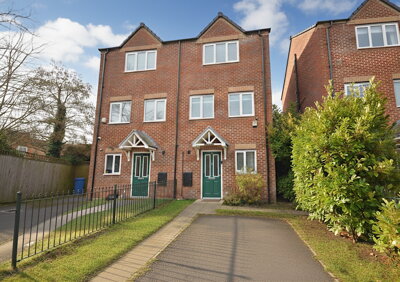
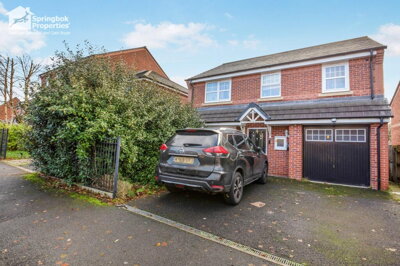
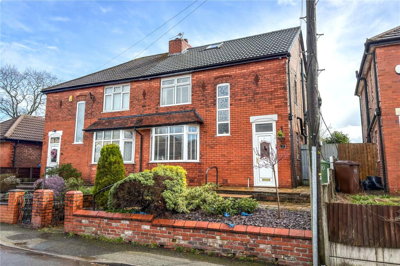
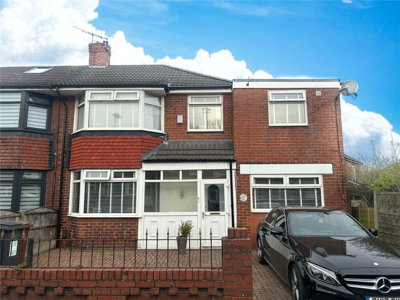
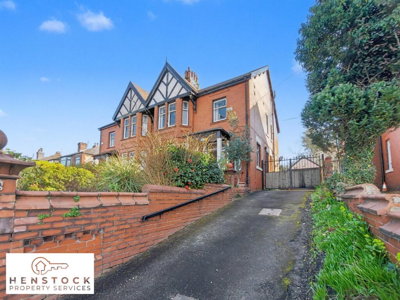
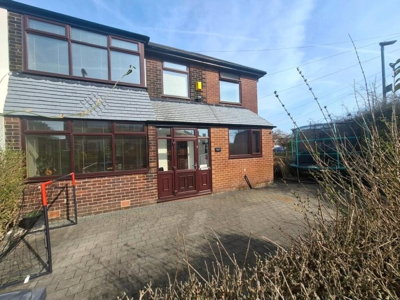
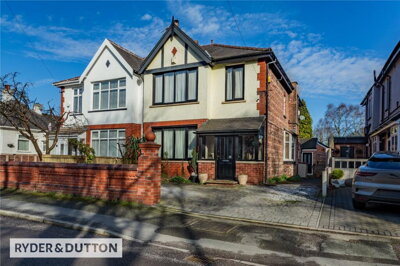
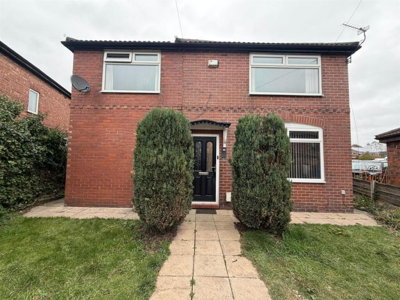
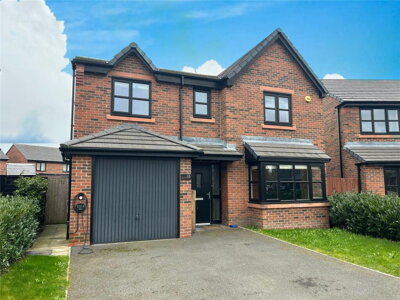
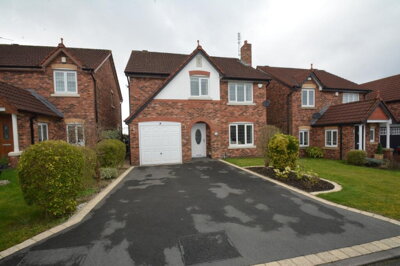
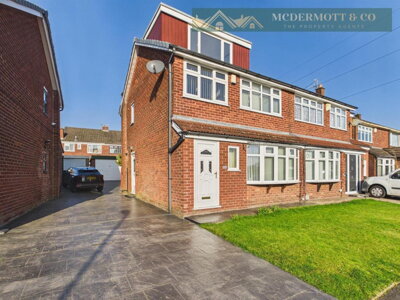
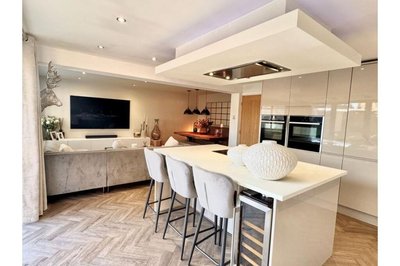
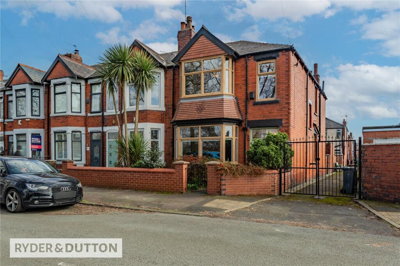
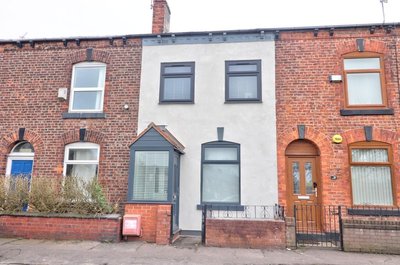
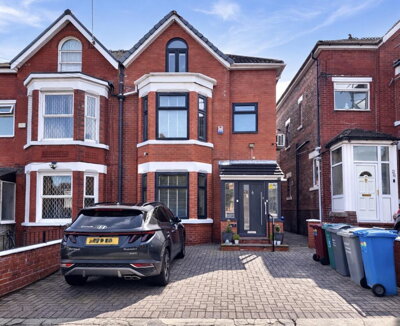
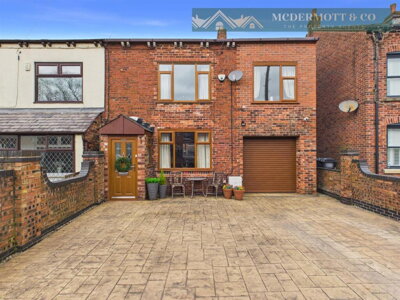
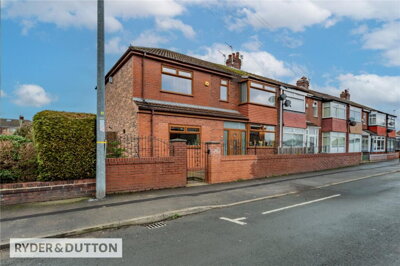
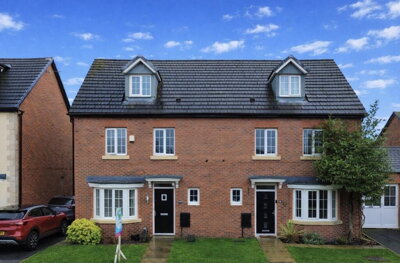
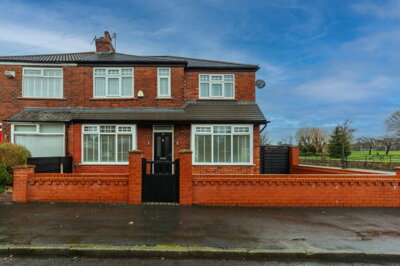
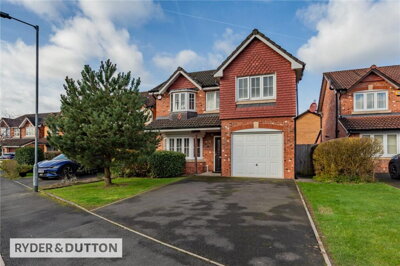
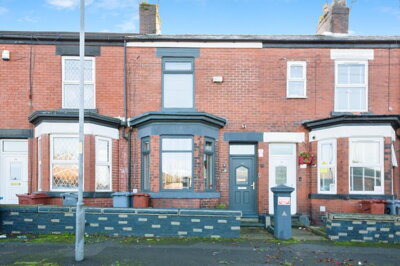
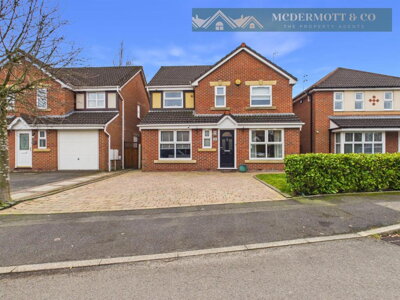
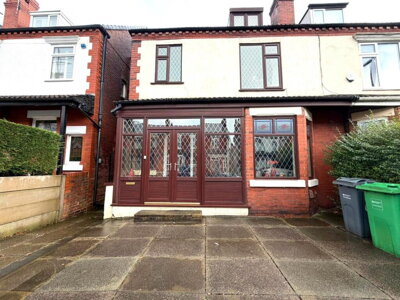
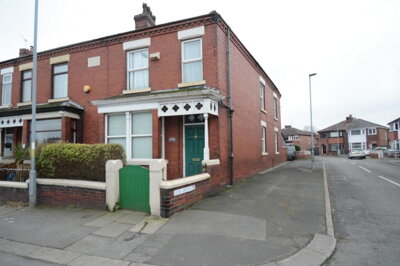
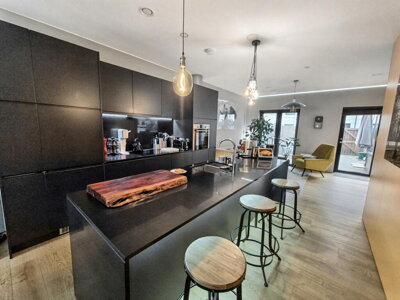
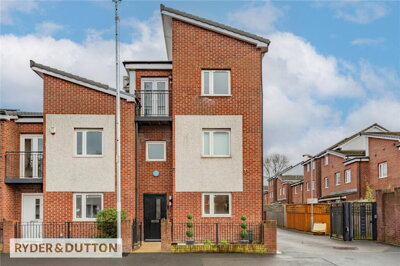
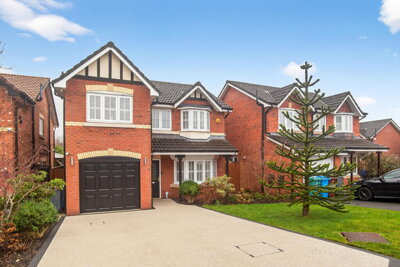
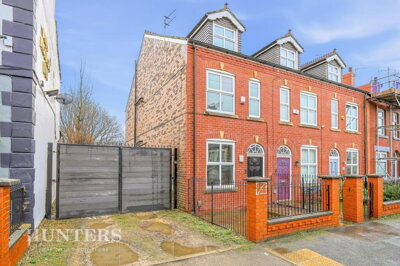
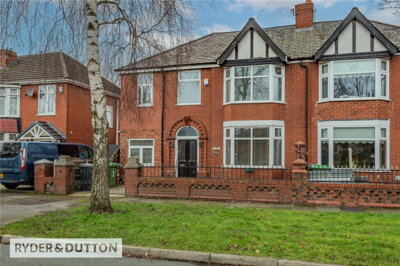
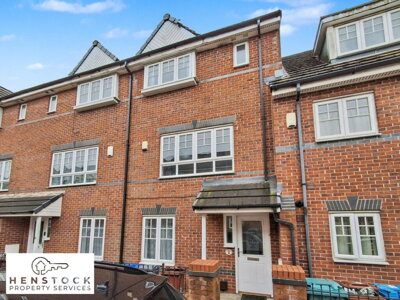
Browse 93 homes for sale in M40 from local estate agents.
The larger property sector typically features multiple bathrooms, substantial reception space, and private gardens or off-street parking. Four bedroom houses in M40 span detached, semi-detached, and occasionally terraced configurations, with styles ranging from period properties to modern executive homes.
£300k
15
1
139
Source: home.co.uk
Showing 15 results for 4 Bedroom Houses for sale in M40. 1 new listing added this week. The median asking price is £299,995.
Source: home.co.uk
Semi-Detached
7 listings
Avg £336,999
Detached
4 listings
Avg £374,999
Terraced
4 listings
Avg £301,000
Source: home.co.uk
Source: home.co.uk
The M40 property market reflects Manchester's broader appeal while maintaining its own distinct character. Recent data shows 257 residential property sales completed in the last twelve months, with the majority of transactions falling within the £168,000 to £206,000 price bracket. This concentration of sales activity indicates where buyer demand is strongest and helps you understand where your budget will stretch furthest in the current market. The area saw a 27% decrease in transaction volume compared to the previous year, suggesting reduced listings availability rather than weakening demand.
Property types in M40 span the full spectrum of Manchester living. Detached homes command the highest average prices at around £276,000 to £295,000, while semi-detached properties typically sell for approximately £210,000 to £244,000. Terraced homes, which form a significant portion of the area's Victorian and Edwardian housing stock, average between £166,000 and £207,000. Flats offer the most accessible entry point with average prices around £115,000 to £131,000, though this figure masks considerable variation, with some converted apartments in historic mill buildings commanding premium prices above the overall average.
The wider Manchester postcode area recorded 12,800 property sales in the previous twelve months, representing a drop of 19% or 3,300 transactions. Within this broader context, M40's 257 sales demonstrate resilient local demand. New builds accounted for 5.4% of Manchester-wide transactions, and the M40 area contributes to this figure through developments like Collyhurst Village and the ongoing regeneration of the former industrial zones that characterise this part of East Manchester.
New build activity in M40 brings fresh options for buyers seeking modern living standards within this established postcode. Collyhurst Village represents one of the most significant developments, featuring 3 and 4-bedroom townhouses priced from £370,000 to £374,995. This development by Homes By FEC occupies the M40 8JS postcode, offering contemporary family accommodation in an area undergoing significant regeneration. The specification of these new homes typically includes energy-efficient systems, modern kitchen and bathroom fittings, and the assurance that comes with remaining NHBC warranty coverage.
Victoria Mill on Lower Vickers Street showcases Manchester's commitment to preserving industrial heritage through sensitive conversion. This Grade II Listed building features 1-bedroom apartments starting from £140,850, presenting an attractive proposition for first-time buyers and investors seeking character properties at accessible price points. The conversion maintains original architectural features including exposed brickwork and high ceilings while delivering modern living spaces. Living in a converted mill carries specific considerations around noise transmission through solid walls and the maintenance responsibilities that come with listed building status, so prospective buyers should factor these into their decision-making process.
Pitsford Road development in M40 8QX offers additional new build options with 3 and 4-bedroom homes, further expanding choice for families seeking contemporary accommodation in the area. Daisy Bank development adds to the selection of stylish new homes available within M40, providing another option for buyers prioritising modern construction and energy efficiency. These developments contribute to the regeneration of East Manchester, with the area around Collyhurst specifically benefitting from investment in infrastructure and amenities alongside the housing stock.
Life in M40 centres on the unique position of having Manchester city centre amenities within easy reach while retaining the community feel of an established residential neighbourhood. The area sits on the eastern edge of Manchester, placing residents within convenient distance of the Arndale Centre, Northern Quarter's independent cafes and bars, and the cultural venues of the city centre. This balance between urban convenience and residential comfort makes M40 particularly appealing to professionals who commute but also value coming home to a distinct neighbourhood rather than a generic city apartment block.
The presence of the Etihad Stadium nearby shapes local life in several ways. For football fans, proximity to Manchester City's home ground is a significant draw, with match days bringing energy and community spirit to local pubs and eateries along Ashton Old Road and Grey Mare Lane. Beyond match days, the stadium complex hosts concerts and major events throughout the year that contribute to the area's vibrant atmosphere and provide entertainment options within walking distance of M40 homes.
Local parks and green spaces including the recreational areas around Collyhurst provide outdoor outlets for residents, while the shopping facilities along Rochdale Road and the nearby units serve everyday needs without requiring a trip into the city centre. The demographic mix includes young professionals renting apartments in mill conversions, families occupying terraced streets and new build townhouses, and long-term residents who remember when the area's manufacturing heritage was still active. This diversity creates a neighbourhood with genuine character rather than dormitory uniformity, with local traders, community groups, and established social networks contributing to an identifiable local identity.
The regeneration activity around Collyhurst Village and the ongoing transformation of former industrial sites suggest a neighbourhood in continued evolution rather than static decline. For buyers considering homes for sale in M40, this regeneration trajectory indicates potential for further property value appreciation as investment in the area continues. The combination of established community infrastructure and new development creates a balanced proposition for those seeking both immediate amenities and longer-term prospects.
Families considering M40 will find a range of educational options across all key stages. Primary schools in the surrounding area serve the local community, with several institutions within reasonable travelling distance of the postcode. The Manchester local education authority publishes annual admission information that parents should consult when assessing which schools their child might qualify for based on catchment area and sibling connections.
Secondary education options include both comprehensive schools and grammar schools, with Manchester's selective education system meaning that passing the 11-plus exam opens pathways to highly-regarded schools across the city. Schools such as Manchester Grammar School, Altrincham Grammar School for Boys, and Altrincham Grammar School for Girls attract students from across Greater Manchester, and families in M40 may find these viable options depending on transport arrangements and exam success. Parents should research specific school performance data, recent Ofsted reports, and admission arrangements well in advance of applications, as these factors directly influence which schools your child accesses.
For families with older children, the proximity to Manchester's further education institutions adds considerable value to M40 as a long-term family home. Manchester Metropolitan University, the University of Manchester, and the Manchester College offer sixth form and further education courses that older children can access via reliable public transport connections. The University of Manchester's main campus on Oxford Road is reachable within 30 minutes by bus from M40, making it practical for students who prefer to live at home during their studies rather than navigating student accommodation costs in the city centre.
Transport links from M40 are frequently described as fantastic, and for good reason. The area benefits from excellent connectivity to Manchester city centre, with multiple options for getting to work, shopping destinations, and leisure facilities. Bus services operated by Stagecoach and other providers run frequent routes along major roads including Rochdale Road, Ashton Old Road, and Manchester Road, connecting M40 to Manchester Piccadilly, Victoria Station, and the commercial centres of the city.
For those working in Manchester city centre, the commute from M40 typically takes under twenty minutes by public transport, making the area practical for daily commuting without the premium costs of living right in the centre. Major employment zones beyond the city centre, including areas around MediaCityUK at Salford Quays and the growing business district around Spinningfields, are easily reachable via the Metrolink tram network from nearby stops. The strategic position also provides straightforward access to the motorway network, with the M60 orbital motorway connecting M40 to surrounding towns and cities across Greater Manchester and beyond.
The cycling infrastructure in Manchester has improved significantly in recent years, with the area's relatively flat terrain making cycling a viable commuting option for those working in the city centre. National Cycle Route 6 passes through Greater Manchester, and local cycle lanes on main roads provide safer routes for commuters who prefer two wheels to four. This accessibility significantly influences property values in the area, with homes offering good transport links commanding premiums over less well-connected alternatives, and buyers searching for homes for sale in M40 frequently cite transport connectivity as a primary motivation.
Understanding the construction methods used in M40 properties helps buyers appreciate the characteristics and potential maintenance needs of different property types. The Victorian and Edwardian terraced houses that dominate much of the housing stock were typically built with traditional brick cavity walls, though many older Manchester properties have solid brick walls without cavities that require different approaches to insulation and damp treatment. The manufacturing heritage visible in converted mills like Victoria Mill demonstrates the industrial construction methods of the late 19th and early 20th centuries, with heavy timber floors, cast iron columns, and solid brick external walls that create the character buyers find appealing in converted apartments.
The geology of Greater Manchester includes areas of glacial till, commonly known as boulder clay, which can be susceptible to shrink-swell movement when soil moisture levels change. While specific geological data for the M40 postcode was not verified during research, buyers purchasing older properties should be aware that subsidence monitoring and insurance considerations apply across Manchester where clay soils are prevalent. Properties showing signs of movement, cracking, or uneven floors should be investigated by a qualified structural engineer before purchase.
The mix of older properties and new builds in M40 creates a varied landscape of construction standards and maintenance requirements. Victorian terraces may have original timber sash windows, cast iron gutters, and solid fuel fireplaces that require ongoing attention, while new builds at Collyhurst Village benefit from modern building regulations compliance, energy-efficient construction, and NHBC warranty protection. This variety means buyers should approach each property type with different expectations and should budget accordingly for maintenance and upgrades based on the age and construction of their chosen property.
Properties in M40 span several generations of Manchester's architectural history, each with specific considerations for buyers. Victorian and Edwardian terraced properties, common throughout the area, typically feature traditional brick construction and may have original features such as fireplaces, cornicing, and sash windows. These properties often require ongoing maintenance, and surveys should pay particular attention to roof condition, damp penetration, and the condition of timber elements given Manchester's damp climate. The age of these properties means that electrical systems and plumbing may require updating to meet modern standards.
Buyers considering converted apartments like those at Victoria Mill should understand the implications of owning a leasehold property in a Grade II Listed building. Service charges and ground rent terms should be examined carefully, as these ongoing costs vary significantly between developments. Listed building status imposes restrictions on alterations and renovations, which buyers should factor into their plans. The conversion process for buildings like Victoria Mill typically addresses structural issues during renovation, but remaining features of historic importance may require specialist maintenance that adds to ownership costs.
For freehold properties, particularly the newer townhouses at Collyhurst Village, buyers enjoy greater freedom but should still review any estate management charges that apply to shared spaces and communal facilities. New build properties benefit from modern construction standards and warranties, though buyers should conduct snagging inspections to identify any construction defects before the warranty period begins. Understanding the maintenance responsibilities for different property types helps buyers budget accurately for both immediate purchase costs and ongoing ownership expenses.

Before viewing properties, obtain a mortgage agreement in principle from a lender. This tells you exactly what you can borrow, demonstrates your seriousness to sellers, and streamlines the buying process when you find your ideal M40 home. Given the average property price in M40 sits around £208,000 to £220,000, most buyers will need a mortgage rather than cash purchase.
Explore different streets and developments within the postcode. Consider commute times to your workplace, proximity to schools if you have children, local amenities that matter to you, and future regeneration plans. Victoria Mill offers character living in a converted industrial building, Collyhurst Village provides modern townhouses with NHBC warranty, and traditional terraced streets on roads like Briscoe Lane offer different lifestyle propositions at various price points.
Once you have narrowed your search, arrange viewings through Homemove or directly with estate agents listing in M40. View multiple properties across different price points and property types to understand what your budget achieves in this specific market. Pay attention to the condition of properties during viewings and note any concerns that warrant further investigation via a professional survey.
Before completing your purchase, commission a RICS Level 2 Survey on any property you are seriously considering. Given M40's mix of older Victorian properties and converted industrial buildings, a professional survey identifies any structural issues, roof condition, damp problems, or electrical concerns that might require attention or price negotiation. For leasehold properties like those at Victoria Mill, ensure your solicitor reviews the lease terms alongside the survey.
Choose a conveyancing solicitor to handle the legal aspects of your purchase. They will conduct searches, handle exchange of contracts, and manage registration of your ownership at HM Land Registry. For leasehold properties, your solicitor should explain ground rent escalations, service charge budgets, and any planned major works that might affect your costs.
Once surveys are satisfactory and legal searches return acceptable results, you will exchange contracts and pay your deposit. Completion typically follows within weeks, handing you the keys to your new M40 home. The conveyancing timeline in Manchester usually runs 8-12 weeks from offer acceptance to completion, though leasehold transactions or properties with complex titles may take longer.
Average house prices in M40 currently sit around £208,000 to £220,000 according to major property portals. Detached properties average approximately £276,000 to £295,000, semi-detached homes around £210,000 to £244,000, terraced properties between £166,000 and £207,000, and flats from approximately £115,000 to £131,000. The market has shown consistent growth with prices rising 3-5% over the past year, and M40 1 specifically recorded 8.8% growth in recent months, indicating strong buyer demand in this part of East Manchester.
Council tax bands in Manchester vary by property, with bands A through H covering the range of values in M40. Most terraced properties and smaller flats typically fall into bands A to C, while larger semi-detached homes and new build properties like those at Collyhurst Village may be in bands D or E. You should check the specific band for any property you are considering, as this affects your ongoing annual costs and appears on all property listings. Current Manchester council tax rates for 2024-25 can be verified on Manchester City Council's website.
M40 is served by several primary and secondary schools within reasonable distance, with schools in the wider Manchester area including both community schools and faith schools across different denominations. Parents should research specific school catchments and admission criteria, as Manchester operates both comprehensive and grammar school systems. The presence of grammar schools means that passing the 11-plus exam provides access to selective schools across the city. Families should verify current Ofsted ratings and admission arrangements directly with schools, as these can change and catchments are subject to annual review. The proximity of M40 to Manchester's university campuses also means access to further education options for older students is straightforward via public transport.
M40 enjoys excellent public transport connections, with frequent bus services linking the area to Manchester city centre and surrounding neighbourhoods via routes along Rochdale Road, Ashton Old Road, and Manchester Road. The area's position provides good access to the regional rail network, with journey times to Manchester Piccadilly and Victoria stations typically under twenty minutes. The M60 orbital motorway is also accessible, connecting M40 to Greater Manchester's wider towns and cities including Bolton, Oldham, and Rochdale. These transport links significantly influence property values and make M40 practical for commuters working across the region.
M40 presents several factors that make it attractive for property investment. The area's 3-5% annual price growth demonstrates capital appreciation potential, while strong transport links maintain rental demand from commuters and young professionals seeking affordable access to Manchester city centre. The mix of traditional housing stock on streets like Briscoe Lane and Grey Mare Lane, combined with modern developments like Collyhurst Village, provides options across different investment strategies, from HMO conversions on Victorian terraced streets to apartment rentals in mill conversions at Victoria Mill. However, investors should factor in Manchester's broader market conditions, potential void periods between tenants, and ongoing maintenance requirements for older properties.
Stamp duty Land Tax rates for 2024-25 start at 0% on the first £250,000 of residential property purchases, rising to 5% on the portion between £250,001 and £925,000, 10% up to £1.5 million, and 12% above that threshold. First-time buyers benefit from increased thresholds, paying 0% up to £425,000 and 5% between £425,001 and £625,000. Given the average M40 property price falls well within the lower SDLT bands, most buyers will pay either nothing or a modest amount in stamp duty. First-time buyers purchasing at the average M40 price of around £208,000 would pay zero SDLT under the enhanced first-time buyer relief.
The Collyhurst Village development represents the most significant regeneration activity in M40, with Homes By FEC delivering new homes in the M40 8JS postcode as part of the ongoing transformation of this part of East Manchester. The regeneration extends beyond housing to include improved infrastructure and community facilities that benefit existing residents alongside new arrivals. For buyers considering homes for sale in M40, this regeneration activity suggests continued investment in the area that may support future property values as the neighbourhood evolves.
Understanding the full costs of buying in M40 helps you budget accurately and avoids surprises during the transaction process. The stamp duty Land Tax represents the most significant immediate cost beyond your property purchase price. For a typical M40 property priced at the area average of around £208,000, standard buyers would pay zero SDLT on the first £250,000, meaning no stamp duty at all on properties within this price range. This zero rate threshold provides meaningful savings compared to properties in higher-value areas where even average-priced homes attract SDLT charges.
First-time buyers purchasing in M40 benefit from the enhanced relief available up to £425,000, which means purchasing your first home at the average M40 price would result in zero SDLT liability. Beyond stamp duty, your buying costs include solicitor fees typically ranging from £500 to £1,500 for conveyancing, survey costs of £350 to £1,500 depending on property size and survey type, and mortgage arrangement fees that vary by lender but often range from £500 to £2,000. Search fees, Land Registry registration costs, and moving expenses add further amounts to your total budget. Obtaining a mortgage agreement in principle before you start viewing helps you understand exactly what you can afford and demonstrates serious intent to estate agents and sellers.
From 4.5% APR
Expert mortgage advice and competitive rates for M40 buyers
From £499
Specialist conveyancing solicitors for Manchester property purchases
From £350
Professional property survey identifying defects in M40 homes
From £450
Detailed structural survey for older properties and conversions
From £60
Energy performance certificate for M40 properties
Properties for Sale In London

Properties for Sale In Plymouth

Properties for Sale In Liverpool

Properties for Sale In Glasgow

Properties for Sale In Sheffield

Properties for Sale In Edinburgh

Properties for Sale In Coventry

Properties for Sale In Bradford

Properties for Sale In Manchester

Properties for Sale In Birmingham

Properties for Sale In Bristol

Properties for Sale In Oxford

Properties for Sale In Leicester

Properties for Sale In Newcastle

Properties for Sale In Leeds

Properties for Sale In Southampton

Properties for Sale In Cardiff

Properties for Sale In Nottingham

Properties for Sale In Norwich

Properties for Sale In Brighton

Properties for Sale In Derby

Properties for Sale In Portsmouth

Properties for Sale In Northampton

Properties for Sale In Milton Keynes

Properties for Sale In Bournemouth

Properties for Sale In Bolton

Properties for Sale In Swansea

Properties for Sale In Swindon

Properties for Sale In Peterborough

Properties for Sale In Wolverhampton

Enter your details to see if this property is within your budget.
Loans, cards, car finance
Estimated property budget
Borrowing + deposit
You could borrow between
Typical borrowing
Monthly repayment
Est. at 4.5%
Loan-to-value
This is an estimate only. Your actual budget may vary depending on interest rates, credit history, and personal circumstances. For an accurate affordability assessment, speak to one of our free mortgage advisors.
This calculator provides estimates for illustrative purposes only and does not constitute financial advice. Your home may be repossessed if you do not keep up repayments on your mortgage. Estimates based on 4.5% interest rate, repayment mortgage. Actual rates depend on your circumstances.
Homemove is a trading name of HM Haus Group Ltd (Company No. 13873779, registered in England & Wales). Homemove Mortgages Ltd (Company No. 15947693) is an Appointed Representative of TMG Direct Limited, trading as TMG Mortgage Network, which is authorised and regulated by the Financial Conduct Authority (FRN 786245). Homemove Mortgages Ltd is entered on the FCA Register as an Appointed Representative (FRN 1022429). You can check registrations at NewRegister or by calling 0800 111 6768.

We use cookies to show you personalised content and improve your experience of our website. Find out more in our Privacy policy and Cookie policy.