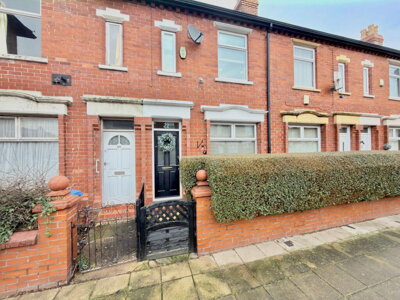
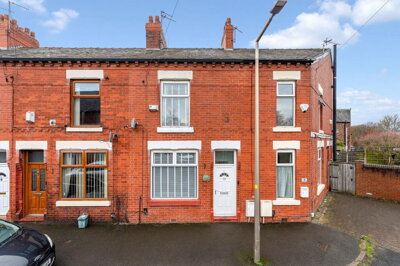
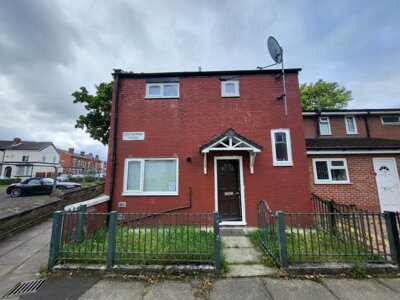
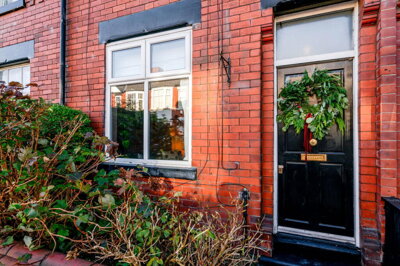
Browse 241 homes for sale in M18 from local estate agents.
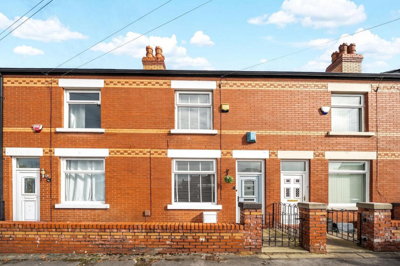
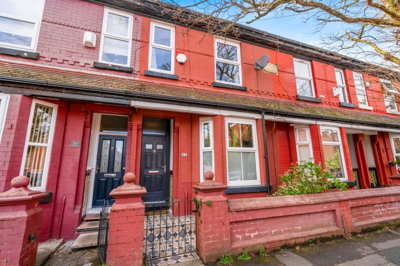
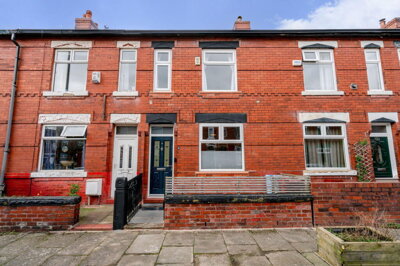
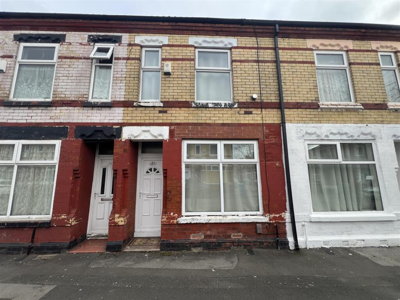
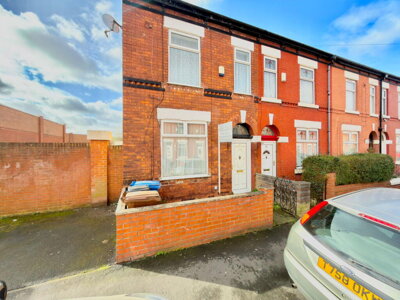
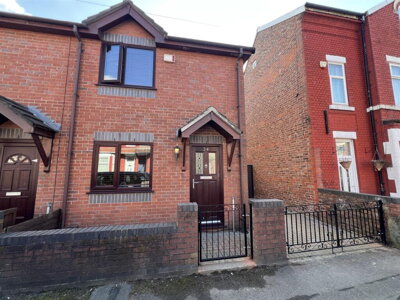
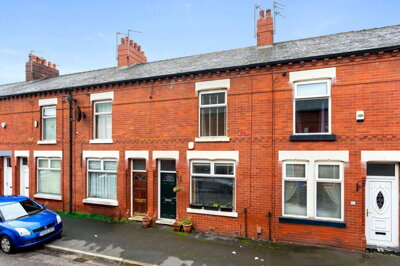
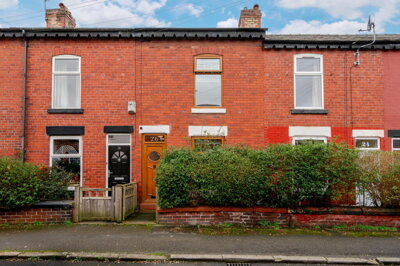
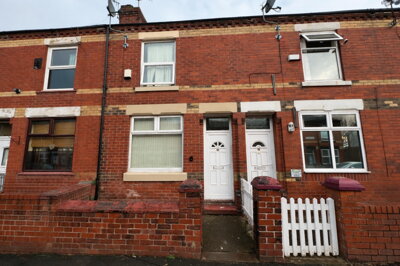
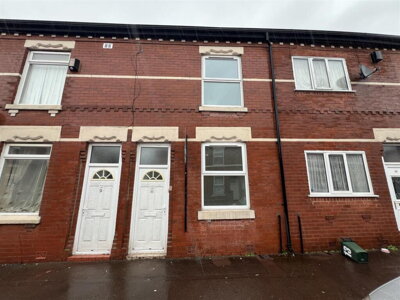
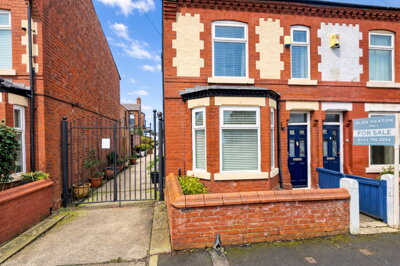
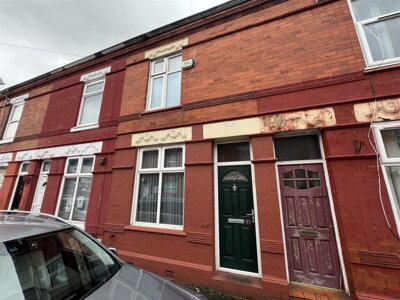
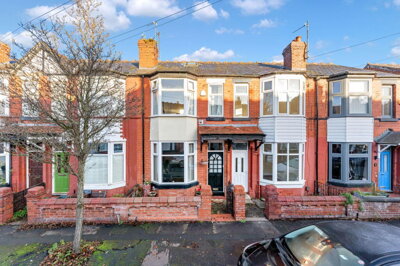
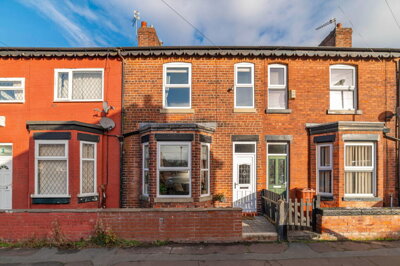
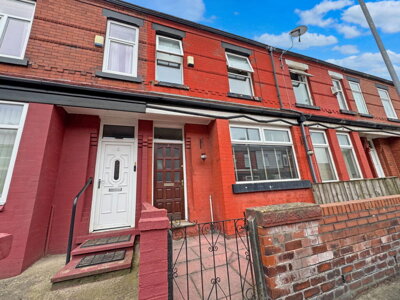
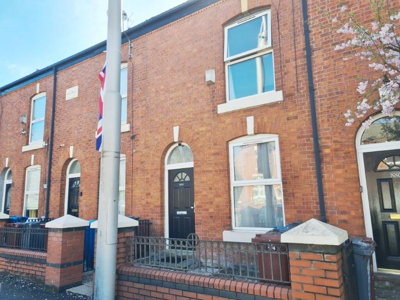
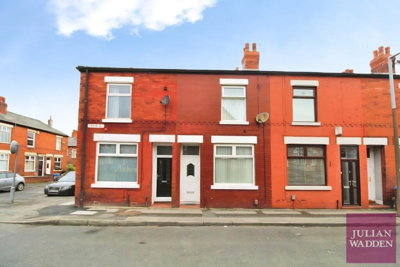
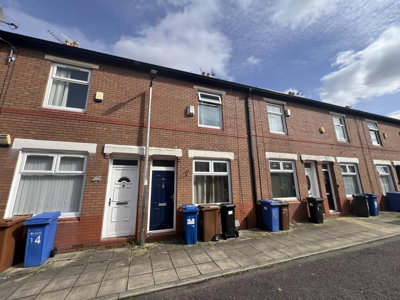
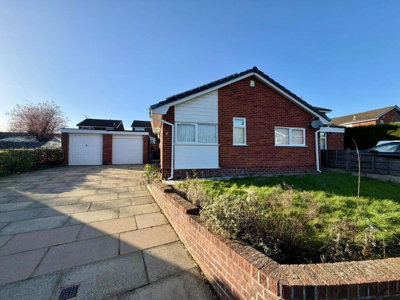
The 2 bed house market features detached, semi-detached, and terraced properties with two separate bedrooms plus living spaces. Properties in M18 range from Victorian and Edwardian period homes to modern new builds, with pricing varying across different neighbourhoods.
£170k
6
0
47
Source: home.co.uk
Showing 6 results for 2 Bedroom Houses for sale in M18. The median asking price is £170,000.
Source: home.co.uk
Terraced
6 listings
Avg £170,833
Source: home.co.uk
Source: home.co.uk
£196,552
Average Price
+7.92%
12-Month Price Growth
95
Properties Sold (12 Months)
£221,905
Average Semi-Detached
£177,682
Average Terraced
£128,167
Average Flat
The M18 property market reflects the broader growth of East Manchester as an increasingly desirable place to live. Recent data shows 95 residential property sales completed in the postcode over the last year, with terraced properties remaining the most prevalent type sold in the area. The overall average house price stands at £196,552 according to Rightmove, with Zoopla reporting a slightly lower average of £177,872 for properties sold in the past twelve months. Semi-detached homes command an average of around £221,905, while terraced properties average approximately £177,682.
Property prices in M18 have shown remarkable consistency, with values similar to the previous year and currently sitting around 8% below the 2023 peak of £212,893. This modest correction presents opportunities for buyers who may find slightly more negotiating power than in the peak market. Detached properties remain less common in M18 but achieve premium prices averaging around £365,000 when available, while flats provide the most accessible entry point at approximately £128,167. First-time buyers will find particular value in the terraced stock, which offers excellent square footage and the potential for future appreciation as neighbourhood regeneration continues.
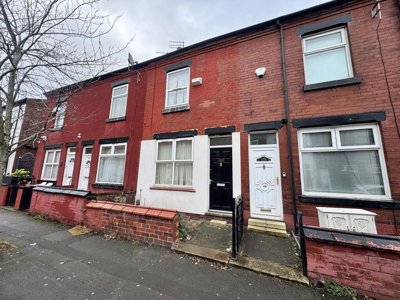
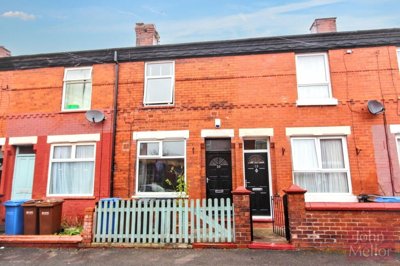
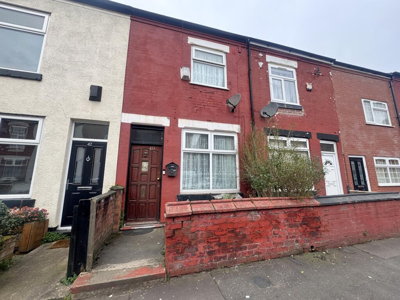
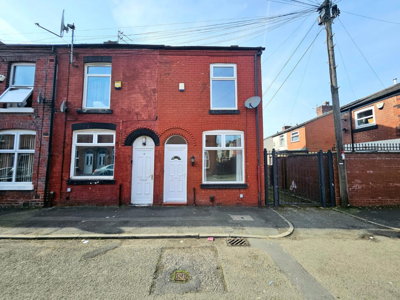
The housing stock in M18 predominantly consists of Victorian and Edwardian terraced properties built in traditional red brick, with significant additions from the inter-war period (1919-1945) and post-war development through the 1980s. This variety means buyers can choose between period properties with original features and later homes that may require less maintenance. Understanding the specific construction type and age of any property you are considering is essential, as older homes may require more investment in maintenance and upgrades to electrical systems, plumbing, and insulation.
New build activity within the M18 postcode itself remains limited, with most available stock consisting of existing properties. However, the surrounding East Manchester area has seen ongoing regeneration, which continues to positively influence property values across the postcode. Buyers seeking brand new homes may need to consider neighbouring postcodes or developments on the outskirts of the area.

Life in the M18 postcode area centres around well-established communities with strong local identities. Gorton, one of the main neighbourhoods within M18, offers a friendly atmosphere with independent shops, local cafes, and traditional pubs that line its high street. The area has evolved significantly over the years while retaining its community feel, making it particularly popular with families and young professionals who appreciate the balance between urban convenience and suburban tranquility. Residents often speak of the neighbourly spirit that characterises these streets, where community events and local initiatives bring people together.
Green spaces are readily accessible throughout M18, with several parks and open areas providing recreational opportunities for residents of all ages. These green corridors offer welcome relief from the urban environment and contribute to the quality of life that makes East Manchester an attractive place to call home. The area also benefits from proximity to broader Manchester amenities while maintaining its own distinct character. Local shops, supermarkets, and essential services are within easy walking distance for most residents, reducing the need for car journeys and supporting a more sustainable urban lifestyle.
The demographics of M18 reflect a diverse and working-class community with deep roots in Manchester's industrial heritage. Many families have lived in the area for generations, creating intergenerational connections and a strong sense of place. This stability contributes to the community atmosphere that new residents often cite as a major draw. The area also attracts newcomers drawn by the affordable property prices compared to central Manchester and the excellent transport links that connect M18 to employment opportunities throughout Greater Manchester.
M18 sits within Manchester City Council's jurisdiction, with local services including bin collection, parking permits, and council tax managed through the main council offices. The area falls across several electoral wards, each with its own local councillor representation and community engagement opportunities. Residents can access council services online or at local customer service centres throughout the area.

Families considering a move to M18 will find a reasonable selection of educational establishments serving the local community. The area contains several primary schools catering to children from reception through to Year 6, with many of these schools having established reputations within the local authority. Secondary schools in the surrounding area serve students progressing from primary education, with some offering specialist subjects or programmes that attract students from across East Manchester. Parents should research specific catchment areas and admission policies when considering properties, as school places can be competitive in popular areas.
The proximity of M18 to Manchester city centre also opens up access to a wider range of educational options including grammar schools, academy schools, and independent schools for those seeking alternative educational paths. Further and higher education institutions are readily accessible via the excellent transport connections, with Manchester Metropolitan University, The University of Manchester, and other major institutions within reasonable commuting distance. This makes M18 particularly suitable for families with older children pursuing further education or for parents working in academic roles.
When buying property in M18, parents should verify current school performance data through official Ofsted reports and consider how catchment areas might affect their options. Property prices can vary significantly near high-performing schools, so understanding the local education landscape is an important part of the house-hunting process. Many families find that the combination of affordable property prices and accessible schools makes M18 an attractive alternative to more expensive areas closer to the city centre.
For families with younger children, the area offers various nurseries and early years settings, with some operating full daycare hours and others providing part-time preschool education. These settings often have waiting lists, so prospective residents should register interest well in advance of any planned move.
Transport connectivity is one of M18's strongest assets, with excellent rail and road links connecting residents to Manchester city centre and beyond. The area is served by several railway stations providing regular services into Manchester Piccadilly and Manchester Victoria, with journey times typically ranging from 15 to 25 minutes depending on the specific station and destination. This makes M18 particularly attractive to commuters who work in the city centre but wish to enjoy more affordable property prices and greater living space than central Manchester offers.
Bus services throughout M18 provide additional public transport options, with routes connecting to neighbouring areas and offering connections to the wider Metrolink tram network. Road access is equally strong, with the M60 orbital motorway providing connections to the M6, M62, and other major routes throughout the North West. This makes travel by car convenient for those needing to reach destinations beyond the rail network, while Manchester Airport remains accessible for both business and leisure travellers. The excellent transport infrastructure has been a significant factor in the area's appeal to commuters and has supported property values over time.
For cyclists and pedestrians, ongoing improvements to cycling infrastructure throughout East Manchester have made active travel more practical for local journeys. Many residents find that cycling to local shops, railway stations, and nearby employment areas is a viable option, particularly given the relatively flat terrain throughout much of M18. Parking provision varies by specific location, with some areas offering permit parking schemes while newer developments often include allocated parking spaces.
Manchester Airport, located to the south of the city, is readily accessible from M18 via the M60 and M56, typically requiring around 30-40 minutes by car depending on traffic conditions. The airport offers domestic flights and extensive international routes, making it convenient for both business and leisure travellers. Regular train services from Manchester city centre stations also provide access to the airport, with journey times of approximately 20-30 minutes.
Before beginning your property search in M18, obtain a mortgage agreement in principle from a lender. This document confirms how much you can borrow and demonstrates to sellers that you are a serious, financially prepared buyer. Having this in place before viewing properties gives you a competitive edge when making offers. Many lenders offer online decisioning for agreement in principle within hours, though a full mortgage application comes later once your property has been identified.
Study recent sales data, price trends, and available properties in the specific neighbourhoods within M18 that interest you. Understanding the local market helps you identify fairly priced properties and recognize good opportunities. Consider factors such as proximity to schools, transport links, and local amenities when evaluating different streets and areas. Zoopla, Rightmove, and OnTheMarket all provide useful tools for tracking property prices and availability in the postcode.
Visit a selection of properties that match your criteria, paying attention to the condition of the building, the neighbourhood atmosphere, and any signs of potential issues. Take measurements and photographs to help you compare properties later. View properties at different times of day to assess noise levels, traffic, and general activity in the area. We recommend viewing at least three to five properties before making any offer.
Once your offer is accepted, arrange for a RICS Level 2 Survey (Homebuyer Report) on the property. Given that much of the housing stock in M18 dates from Victorian, Edwardian, and inter-war periods, this survey is particularly valuable for identifying defects such as damp, roof issues, structural movement, and outdated electrics. The survey typically costs from around £350 and can save you significant money by highlighting issues before you commit to the purchase.
Appoint a solicitor to handle the legal aspects of your purchase, including property searches, contract review, and registration with the Land Registry. Your solicitor will liaise with the seller's representatives and manage the complex paperwork involved in transferring property ownership. Conveyancing services typically start from around £499 for standard purchases.
Once all searches are satisfactory and financing is confirmed, you will exchange contracts and pay your deposit. The completion date is then set, and you will receive the keys to your new M18 home. On the day of completion, your solicitor transfers the remaining funds and you can collect your keys from the estate agent.
Buying property in M18 requires careful attention to several area-specific considerations that reflect the local housing stock and environmental conditions. Given the prevalence of Victorian and Edwardian terraced properties in the postcode, buyers should pay particular attention to signs of damp, which remains one of the most common defects in older properties of this age. Our inspectors frequently find evidence of rising damp where original damp-proof courses have failed or been bridged by external ground levels. Look for staining on walls at ground floor level, musty smells in enclosed spaces, and any signs of condensation around windows, and consider requesting a RICS Level 2 Survey that specifically addresses damp-proof courses and ventilation.
The underlying geology of East Manchester includes clay-rich soils that can pose shrink-swell risks to foundations, particularly for properties with trees nearby or those built on shallow foundations common in older construction. We check properties for signs of subsidence or structural movement, which may include cracks in walls (particularly above door frames and windows), doors that stick or fail to latch properly, and uneven or bouncing floors. While not all properties will have these issues, a thorough survey is essential for older homes in the area. Properties near watercourses such as Gore Brook may also have elevated surface water flood risk, and buyers should check Environment Agency data for specific locations before committing to a purchase.
Electrical and plumbing systems in older M18 properties may not meet current standards and could require upgrading. Many Victorian and Edwardian terraces we inspect still contain original or early wiring that would not cope with modern electrical demands. Look for evidence of recent rewiring or plumbing work, and check whether the property has modern circuit breakers rather than older fuse boards. Consumer units with residual current devices (RCDs) are now required under building regulations for any new electrical work. Properties with solid walls (rather than cavity walls) will require different insulation approaches, which is important to factor into any renovation plans.
Energy efficiency is another consideration, as many older terraced properties lack cavity wall insulation and may have single-glazed windows. These factors affect both your comfort and ongoing energy costs. Our surveyors note the energy performance certificate (EPC) rating where available and flag any recommendations for improvement. Properties with solid brick walls (common in pre-1919 construction) cannot have cavity wall insulation fitted, so alternative approaches such as internal or external wall insulation may be necessary. Some owners have already addressed these issues, so check for evidence of double glazing, modern heating systems, and loft insulation when viewing properties.
The average house price in M18 is currently around £196,552 according to Rightmove data, with Zoopla reporting a slightly lower average of £177,872 for properties sold in the past twelve months. Terraced properties average approximately £177,682, semi-detached homes around £221,905, and flats around £128,167. Detached properties command premium prices averaging approximately £365,000. Property prices in the area have shown consistent growth of around 7.92% over the past year, with values currently sitting approximately 8% below the 2023 peak of £212,893, which may present buying opportunities for those with longer-term investment horizons.
Properties in the M18 postcode fall within Manchester City Council's jurisdiction. Council tax bands in the area range from Band A (the lowest) through to Band H (the highest), with the majority of terraced properties typically falling into Bands A or B, semi-detached homes in Bands B or C, and larger detached properties in higher bands. You can check the specific council tax band for any property through the Manchester City Council website or the Valuation Office Agency. Band A properties in Manchester currently pay around £1,400-1,500 per year, while Band D properties typically pay around £2,100-2,200 annually.
M18 contains several primary schools serving the local community, with secondary schools located throughout the surrounding East Manchester area. The specific best school depends on your postcode and catchment area, so parents should research individual school performance through Ofsted reports and consider admission criteria when house hunting. Primary schools within the M18 area include various community schools and academy primaries, while secondary options within reasonable distance include Gorton Education Centre and other local secondary schools. The area's proximity to Manchester city centre also provides access to a wider selection of grammar schools, academies, and independent schools for families willing to commute. School catchment areas can change annually, so always verify current arrangements with the local education authority before committing to a property purchase.
M18 benefits from excellent public transport connections, with several railway stations providing regular services to Manchester Piccadilly and Manchester Victoria in 15-25 minutes. Bus services operate throughout the area, connecting to the wider Metrolink tram network and neighbouring districts. The M60 orbital motorway provides road access to the M6, M62, and destinations throughout the North West, making car travel convenient for those needing to reach areas beyond the rail network. Manchester Airport is readily accessible for both domestic and international travel, typically requiring around 30-40 minutes by car or 20-30 minutes by train from Manchester city centre stations.
M18 offers attractive investment potential for several reasons. Property prices remain more affordable than central Manchester while benefiting from the same economic drivers and transport connections. The ongoing regeneration of East Manchester continues to improve local amenities and infrastructure, supporting long-term property values. Rental demand is strong given the area's appeal to commuters and young professionals, with terraced properties and flats particularly sought after by tenants. The consistent price growth of around 7.92% over the past year demonstrates market resilience. First-time landlords should note that the predominantly terraced stock offers attractive yields, particularly for properties priced below the average of £196,552 that can command monthly rents of £800-1,100 for well-presented two and three-bedroom homes.
Stamp Duty Land Tax (SDLT) rates for standard buyers start at 0% on the first £250,000 of property value, then 5% on the portion between £250,001 and £925,000. For properties above £925,000, rates increase to 10% on the next band and 12% on the remainder. First-time buyers benefit from relief on the first £425,000 (0% rate), with 5% applying between £425,001 and £625,000. Given that the average property price in M18 of around £196,552 falls entirely within the zero-rate threshold for both standard buyers and first-time buyers, most purchasers in the area pay no stamp duty at all. This represents a significant saving compared to areas with higher average property prices and makes M18 particularly attractive for those entering the property market.
M18 is situated inland, so coastal flooding is not a concern for this postcode. However, surface water flooding and river flooding from local watercourses such as Gore Brook, which runs through parts of Gorton, could present risks in certain low-lying areas during periods of heavy rainfall. The Environment Agency provides detailed flood risk mapping that potential buyers should consult for any specific property address. Our surveyors check for evidence of previous flooding during inspections, including water marks, damp patterns, and any flood resilience measures that may have been installed. Properties in higher-risk areas may require specialist insurance or flood prevention measures, so this is worth investigating before committing to a purchase.
Given that much of the housing stock in M18 dates from the Victorian, Edwardian, and inter-war periods, several common defects recur in our surveys of local properties. Rising damp is frequently encountered where original damp-proof courses have failed, particularly in properties where external ground levels have been raised over the years. Roof conditions often require attention, with missing or slipped tiles, deteriorated pointing, and faulty guttering causing penetrating damp in ceiling voids. Our inspectors also regularly identify outdated electrical installations that would not comply with current regulations, and many older properties lack adequate insulation, resulting in higher energy costs. Properties with suspended timber ground floors may show signs of rot or woodworm, particularly where ventilation has been restricted by modern flooring or solid extensions.
From £350
A detailed survey of the property condition, ideal for M18's Victorian and Edwardian housing stock. Identifies defects like damp, structural movement, and roof issues.
From £500
A comprehensive building survey recommended for older, larger, or unconventional properties in M18. Provides in-depth analysis of construction and defects.
From £499
Solicitors handle the legal transfer of property ownership, including searches, contracts, and Land Registry registration.
From 3.84% APR
Competitive mortgage rates available for M18 property purchases. Compare deals from multiple lenders.
Understanding the full costs of buying property in M18 is essential for budgeting effectively. For standard buyers, Stamp Duty Land Tax applies at 0% on the first £250,000 of purchase price, 5% on amounts between £250,001 and £925,000, 10% on the next band up to £1.5 million, and 12% on any amount above that. Given that the average property price in M18 is approximately £196,552, many buyers purchasing at or near the average price would pay zero stamp duty. This makes the area particularly attractive for first-time buyers and those purchasing modestly priced properties.
First-time buyers enjoy enhanced SDLT relief, paying nothing on the first £425,000 and 5% on the portion between £425,001 and £625,000. This relief is available to all buyers who have never owned property anywhere in the world, provided the property price does not exceed £625,000. For first-time buyers in M18 purchasing at the average price of £196,552, stamp duty would not apply, effectively saving thousands of pounds compared to previous thresholds. This relief represents a significant financial advantage for those entering the property market.
Beyond stamp duty, buyers should budget for additional costs including conveyancing fees (typically from £499 for standard purchases), mortgage arrangement fees (which vary by lender and deal), survey costs (RICS Level 2 surveys from around £350), and removal expenses. Property searches conducted by your solicitor typically cost between £200-400 depending on the local authority and any additional searches required. Life insurance and buildings insurance should also be factored in, with buildings insurance costing from around £15-30 per month for a typical M18 terraced property. Being fully prepared with your budget ensures a smoother transaction when you find your ideal home.
Additional one-off costs to budget for include land registry registration fees (approximately £20-150 depending on property value), bankruptcy searches (£15-30 per person), and electronic money transfer fees charged by solicitors (typically £20-50). If the property you are buying is leasehold, you may also need to pay a notice fee to the freeholder and contribution towards their legal costs. Our recommended conveyancing solicitors can provide a detailed breakdown of all costs before you proceed.
Properties for Sale In London

Properties for Sale In Plymouth

Properties for Sale In Liverpool

Properties for Sale In Glasgow

Properties for Sale In Sheffield

Properties for Sale In Edinburgh

Properties for Sale In Coventry

Properties for Sale In Bradford

Properties for Sale In Manchester

Properties for Sale In Birmingham

Properties for Sale In Bristol

Properties for Sale In Oxford

Properties for Sale In Leicester

Properties for Sale In Newcastle

Properties for Sale In Leeds

Properties for Sale In Southampton

Properties for Sale In Cardiff

Properties for Sale In Nottingham

Properties for Sale In Norwich

Properties for Sale In Brighton

Properties for Sale In Derby

Properties for Sale In Portsmouth

Properties for Sale In Northampton

Properties for Sale In Milton Keynes

Properties for Sale In Bournemouth

Properties for Sale In Bolton

Properties for Sale In Swansea

Properties for Sale In Swindon

Properties for Sale In Peterborough

Properties for Sale In Wolverhampton

Enter your details to see if this property is within your budget.
Loans, cards, car finance
Estimated property budget
Borrowing + deposit
You could borrow between
Typical borrowing
Monthly repayment
Est. at 4.5%
Loan-to-value
This is an estimate only. Your actual budget may vary depending on interest rates, credit history, and personal circumstances. For an accurate affordability assessment, speak to one of our free mortgage advisors.
This calculator provides estimates for illustrative purposes only and does not constitute financial advice. Your home may be repossessed if you do not keep up repayments on your mortgage. Estimates based on 4.5% interest rate, repayment mortgage. Actual rates depend on your circumstances.
Homemove is a trading name of HM Haus Group Ltd (Company No. 13873779, registered in England & Wales). Homemove Mortgages Ltd (Company No. 15947693) is an Appointed Representative of TMG Direct Limited, trading as TMG Mortgage Network, which is authorised and regulated by the Financial Conduct Authority (FRN 786245). Homemove Mortgages Ltd is entered on the FCA Register as an Appointed Representative (FRN 1022429). You can check registrations at NewRegister or by calling 0800 111 6768.

We use cookies to show you personalised content and improve your experience of our website. Find out more in our Privacy policy and Cookie policy.