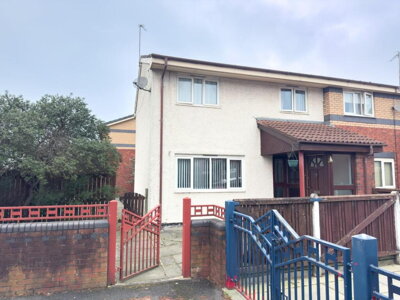
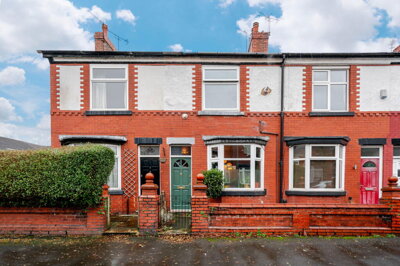
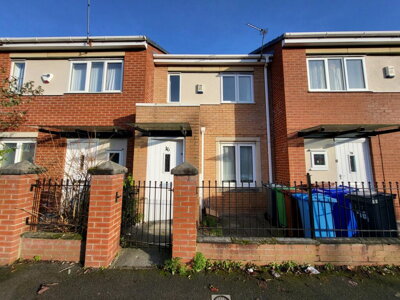
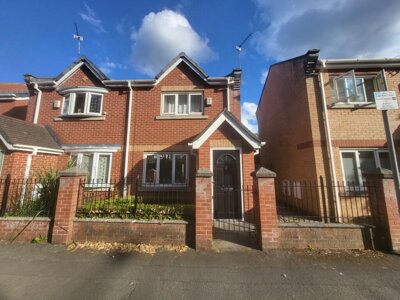
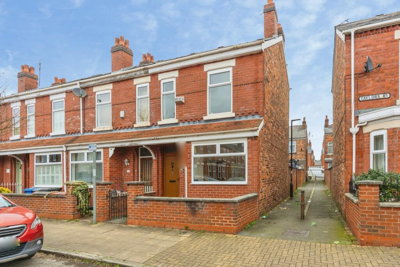
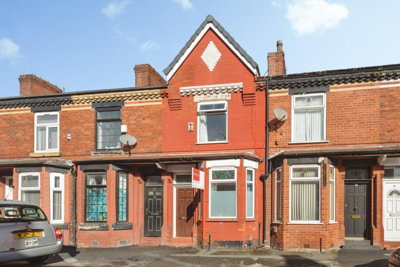
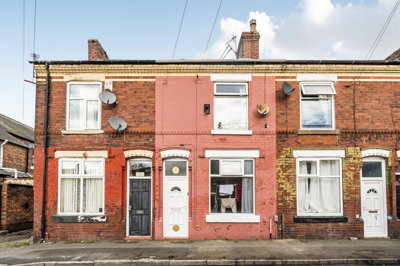
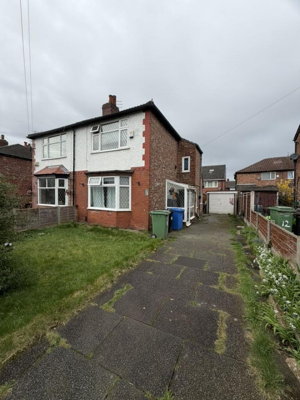
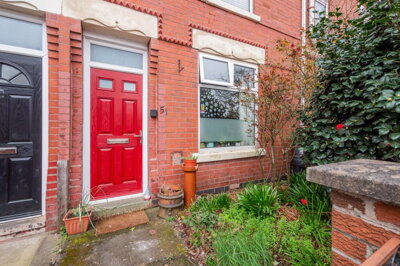
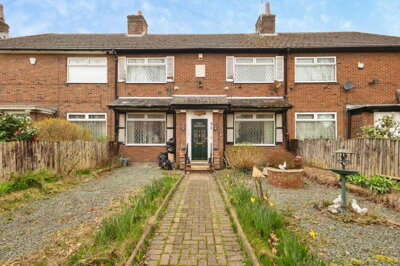
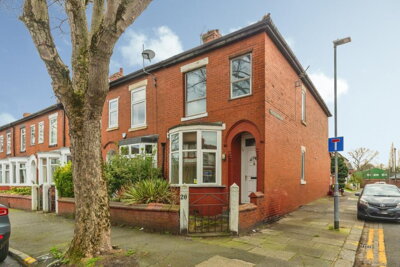
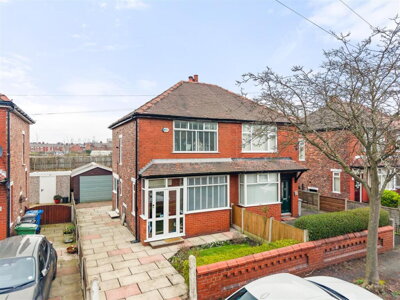
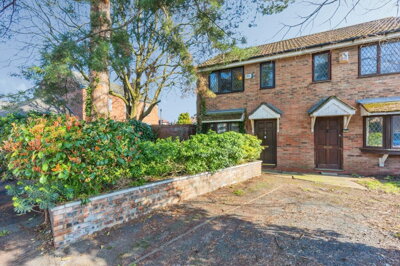
Browse 133 homes for sale in M16 from local estate agents.
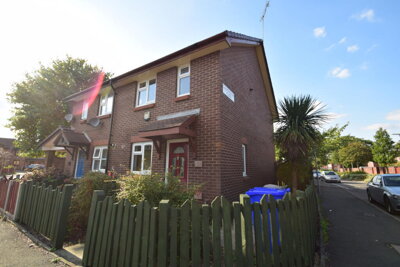
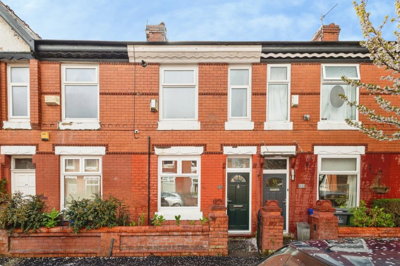
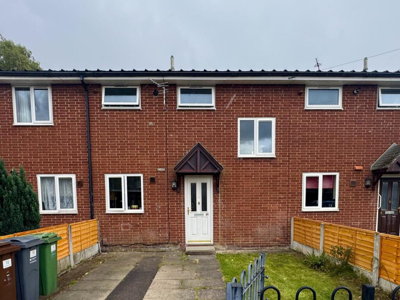
The 2 bed house market features detached, semi-detached, and terraced properties with two separate bedrooms plus living spaces. Properties in M16 range from Victorian and Edwardian period homes to modern new builds, with pricing varying across different neighbourhoods.
£295k
2
0
86
Source: home.co.uk
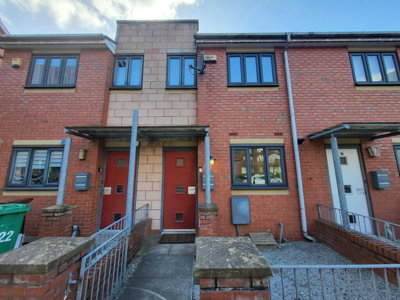
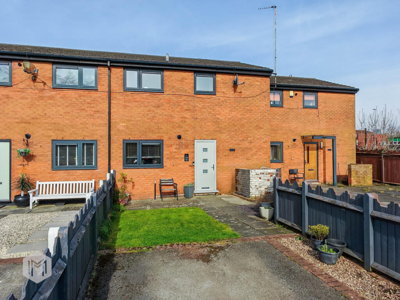
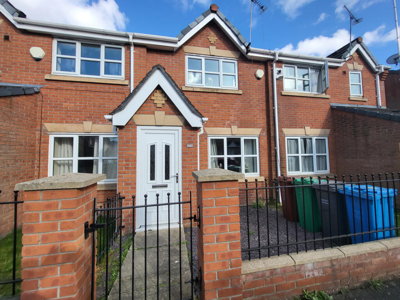
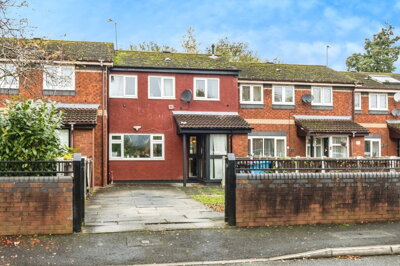
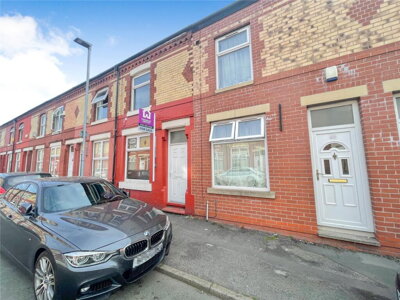
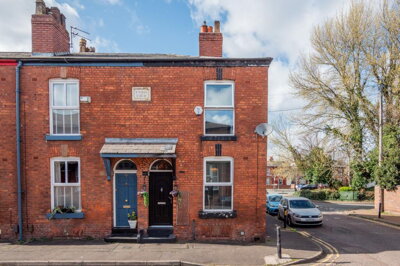
Showing 2 results for 2 Bedroom Houses for sale in M16. The median asking price is £295,000.
Source: home.co.uk
Terraced
2 listings
Avg £295,000
Source: home.co.uk
Source: home.co.uk
The M16 property market has demonstrated remarkable resilience and growth over the past twelve months. According to Rightmove data, the average sold price in M16 stands at £327,330, representing a 19% increase compared to the previous year and an impressive 18% rise above the 2022 peak of £276,875. This sustained upward trajectory reflects strong demand from buyers who recognise the value proposition offered by this well-connected Manchester postcode. Zoopla records slightly higher figures at £332,521 for the same period, with other sources citing averages ranging from £321,071 to £362,255 depending on methodology and data sources.
Property types in M16 span a diverse range to suit different budgets and preferences. Flats in the area command an average price of £185,383, making them an accessible entry point for first-time buyers or investors seeking rental income. Terraced properties, which form a significant portion of the housing stock given the Victorian and Edwardian heritage of areas like Whalley Range, average £327,825. Semi-detached homes average £463,073, while detached properties have sold for around £420,000 based on recent transactions. The current average listing price sits at £266,002, with some variation from asking to achieved prices reflecting the competitive nature of negotiations in this active market.
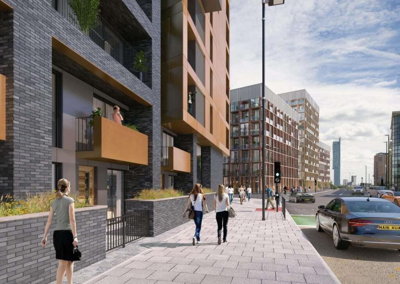
New build developments continue to shape the M16 landscape, with several apartment schemes targeting both owner-occupiers and investors. One-bedroom apartments start from around £120,000 for older stock, rising to £219,950 for modern units in developments like those on Brindley Road. The Talbot Road development offers 116 luxury apartments including three-bedroom units priced at £424,750, appealing to families seeking contemporary living within the M16 postcode. These new build options complement the traditional housing stock and provide choice for buyers with different priorities regarding property age, maintenance requirements, and specification.
The majority of properties sold in M16 during the last year were flats, though terraced and semi-detached properties also represent substantial portions of the market. The sub-area of M16 7 experienced particularly strong growth at 20.6% in the last year, outpacing the broader postcode average. While sale values have decreased marginally by 0.1% according to some sources over the past twelve months, the long-term trend remains firmly upward, with asking prices having fallen 12.54% from their peak six months ago before stabilising at current levels.

The M16 postcode encompasses several distinctive neighbourhoods, each with its own character and appeal. Whalley Range, developed during the mid-19th century, retains much of its Victorian and Edwardian grandeur with elegant end-of-terrace properties and traditional semi-detached houses lining tree-lined streets. The area features 13 listed buildings recorded in the National Heritage List for England, including the Grade II* British Muslim Heritage Centre, a striking Gothic-style building originally constructed as a Nonconformist seminary with sandstone and brick elevations under slate roofs. These architectural treasures contribute to the visual richness of the area and its sense of historical identity.
Old Trafford forms the northern portion of M16 and has undergone substantial transformation in recent years as part of the regeneration zone designation. The neighbourhood attracts young professionals seeking high-quality accommodation with excellent transport connections and local amenities. Everyday shopping needs are well-served by local facilities along key thoroughfares, while the proximity to the football stadium creates a lively atmosphere on match days and contributes to the area's national and international profile. The nearby Trafford Park industrial and commercial area provides significant employment, reducing the need for lengthy commutes into Manchester city centre.
Stretford, which encompasses parts of the M16 postcode, had a population of 46,910 according to the 2011 Census, and this figure has grown substantially as the area's popularity has increased. The community benefits from a diverse demographic mix, with families, professionals, and long-term residents contributing to a vibrant local atmosphere. Parks and green spaces provide recreational opportunities, while the cultural heritage reflected in the area's architecture and community facilities adds depth to everyday life. The combination of historic character, modern regeneration, and strong community spirit makes M16 an attractive destination for those seeking an authentic Manchester experience away from the city centre bustle.
The area also contains notable historic structures beyond the primary listed buildings, including the Grade II listed cenotaph in Stretford and the entrance gates to the former Longford Cinema complex. These heritage elements, alongside the former Longford Cinema building itself, add to the architectural diversity of the postcode. Buyers interested in period properties will find that many homes in conservation-adjacent areas benefit from thoughtful streetscapes and mature tree planting that enhances the residential character of the neighbourhood.

Families considering a move to M16 will find a range of educational options spanning all key stages. The area hosts several primary schools serving the local community, with many institutions benefiting from recent investment in facilities and teaching resources. Trafford as a borough consistently performs well in educational attainment metrics across Greater Manchester, making it an attractive location for families prioritising academic outcomes. The proximity of M16 to several secondary schools with strong Ofsted ratings provides flexibility for families to find suitable placements within reasonable travelling distance.
For older students, further and higher education opportunities are readily accessible thanks to M16's excellent transport connections. Manchester's renowned universities, including the University of Manchester and Manchester Metropolitan University, are within easy reach via public transport or short car journeys. Sixth form provision in the area allows students to continue their studies locally before pursuing higher education or vocational pathways. Parents should research individual school performance data and admission criteria, as catchment areas can influence placement availability at popular schools.
The area also features several colleges and schools of historical significance that contribute to its architectural character. These educational institutions often occupy handsome period buildings that form part of the local heritage landscape, with some schools and colleges themselves listed buildings within the M16 postcode. When purchasing property in M16, families should verify current school admission arrangements and consider how catchment boundaries might affect their options. Our property listings include detailed information about nearby schools to help families make informed decisions about their next home, including travel times and transport options from each neighbourhood within M16.
M16 enjoys exceptional connectivity that makes it ideal for commuters working in Manchester city centre or the wider North West region. The postcode sits just moments from key employment hubs including Deansgate, MediaCityUK, and Manchester city centre itself. The Metrolink tram network serves the area through nearby stops, providing fast and reliable access to destinations across Greater Manchester including Manchester Piccadilly, Manchester Victoria, and Altrincham. Residents can typically reach Manchester city centre within approximately 20 minutes by public transport, making M16 particularly attractive for professionals working in the city or surrounding employment hubs.
For those travelling further afield, the motorway network is easily accessible from M16. The proximity to major roads connects the area to the wider regional transport network, facilitating journeys throughout Greater Manchester and beyond. Manchester Airport, serving destinations across the UK and internationally, is within reasonable driving distance for business travellers and holidaymakers alike. Daily commuters particularly value the time savings achieved through the area's strategic position, reducing the stress and cost associated with lengthy journeys to work.
Cycling infrastructure continues to improve in the area, with dedicated routes and quieter streets making cycling a viable option for shorter journeys. The flat terrain of the M16 area suits cyclists of varying abilities, while improved cycle storage facilities at transport hubs encourage multi-modal commuting. For residents who prefer to drive, parking availability varies across the postcode, with newer developments typically offering allocated spaces while older properties may require street parking arrangements. Understanding the transport options available from different parts of M16 helps buyers choose a location that aligns with their commuting requirements and lifestyle preferences.
Bus services provide additional connectivity throughout the M16 postcode, linking residents to surrounding areas including Chorlton, Didsbury, and the wider Trafford district. The proximity to Trafford Park, located just 1.8 miles from the postcode centre, opens up employment opportunities at major distribution centres and commercial facilities without requiring a commute into central Manchester. This local employment option adds to the appeal of M16 for buyers who work in the broader Trafford area.
Before you start viewing properties, obtain a mortgage agreement in principle from a lender. This strengthens your position when making offers and demonstrates to sellers that you have financing arranged. Given the average property price of £327,330 in M16, most buyers will require a mortgage to proceed, and having your agreement in place before searching will streamline the purchase process considerably.
Explore the different areas within M16, from the Victorian streets of Whalley Range to the regenerated neighbourhoods of Old Trafford and parts of Stretford. Consider proximity to schools, transport links, and amenities that matter most to your household. Each neighbourhood within M16 offers distinct advantages, whether you prioritse period character, access to green spaces, or proximity to major employers.
Use Homemove to browse available properties and schedule viewings. Take time to visit properties at different times of day to assess noise levels, lighting, and the local atmosphere. Given the diversity of housing stock in M16, from Victorian terraces to modern apartments, viewing multiple properties helps you understand what represents good value in the current market.
Once you have an offer accepted, book a RICS Level 2 survey to assess the property condition. Given M16's prevalence of Victorian and Edwardian properties built with solid wall construction and slate roofs, this survey is particularly important to identify any structural issues, damp, or outdated electrics that may not be apparent during viewings. Our survey partners offer competitive rates for properties across the M16 postcode.
Choose a conveyancing solicitor to handle the legal aspects of your purchase. They will conduct searches, handle contracts, and coordinate with the seller's legal team through to completion. For leasehold properties common in M16, your solicitor will review the lease terms, ground rent arrangements, and service charge provisions to ensure you understand the full cost of ownership.
After all searches are satisfactory and financing is confirmed, you will exchange contracts and pay your deposit. Completion typically follows within weeks, when you will receive your keys and take ownership of your new M16 home.
Purchasing property in M16 requires attention to several area-specific considerations that reflect the postcode's unique characteristics. The prevalence of Victorian and Edwardian properties, particularly in areas like Whalley Range, means buyers should pay close attention to the condition of original features such as sash windows, timber floors, and period fireplaces. These character features require ongoing maintenance, and understanding the condition of these elements helps buyers budget appropriately for any necessary restoration work or repairs.
Common defects in older M16 properties include damp affecting solid walls, roof condition issues particularly with slate tiles, and electrical systems that may not meet current standards. Properties built with solid wall construction can be more susceptible to penetrating damp than modern cavity-wall properties, and a thorough survey will assess the effectiveness of any existing damp proof course. Given that much of the M16 housing stock is well over 50 years old, budgeting for inevitable maintenance and upgrades forms an essential part of any purchase decision.
The area contains 13 listed buildings, with one Grade II* structure among them. If you are considering a listed property or one within proximity to listed structures, be aware that planning restrictions may limit the alterations and improvements you can make. Listed building consent is required for external and significant internal changes, which can affect renovation plans and costs. Specialist surveys are recommended for such properties, and our survey partners can provide tailored assessments that account for the unique requirements of historically significant buildings.
For buyers considering flats in M16, understanding the terms of any leasehold arrangement is essential. Ground rent clauses, service charge levels, and the remaining lease term all impact the long-term cost and enjoyment of an apartment purchase. Newer developments may offer different maintenance arrangements compared to converted period properties, so clarifying these details before proceeding helps avoid unexpected costs. Our conveyancing partners can review lease documentation and flag any clauses that warrant particular attention or negotiation with the seller.
First-time buyers considering M16 will find the postcode offers a compelling combination of affordability and accessibility compared to closer city centre locations. Flats averaging £185,383 provide an accessible entry point for those without substantial deposits, while terraced properties at £327,825 on average offer the space and character that many first-time buyers seek when moving beyond apartment living. The variety of property types means first-time buyers can choose between low-maintenance modern flats and period properties requiring some modernisation.
Stamp duty relief significantly benefits first-time buyers purchasing in M16. Properties priced up to £425,000 attract zero stamp duty for qualifying first-time buyers, which covers the majority of flats and many terraced properties in the postcode. For properties between £425,001 and £625,000, a 5% rate applies only to the portion above £425,000. Given that the average property price of £327,330 falls comfortably within the relief threshold, most first-time buyers in M16 can benefit from substantial savings on purchase costs.
Mortgage options for first-time buyers in M16 are broadly available through high street lenders and specialist mortgage brokers. The area's strong rental demand also makes buy-to-let an attractive option for first-time buyers with sufficient deposit, though this requires a different mortgage product and different financial considerations. Our mortgage partners can provide guidance on the most suitable products for your circumstances, whether you are purchasing as an owner-occupier or as an investment.
The average sold house price in M16 is approximately £327,330 according to Rightmove data for the last year, with Zoopla reporting similar figures around £332,521. Property prices have risen 19% year-on-year, making M16 a strong performer in the Manchester property market. Prices vary significantly by property type, with flats averaging £185,383, terraced properties at £327,825, and semi-detached homes reaching £463,073 on average. The sub-area of M16 7 has shown even stronger growth at 20.6% over the same period.
Council tax bands in M16 are set by Trafford Metropolitan Borough Council and range from Band A for lower-value properties up to Band H for the most expensive homes. Most standard terraced and semi-detached properties in the area fall within Bands B to D, which determines the annual council tax payable. You can verify the specific band for any property through the Trafford Council website or by requesting this information during your conveyancing process.
M16 offers a range of educational options for families, with several primary schools serving the local community and secondary schools within reasonable travelling distance. The area features schools with good Ofsted ratings, and Trafford generally performs well in educational attainment metrics across Greater Manchester. Parents should research individual school performance data, admission criteria, and catchment area boundaries, as these factors influence placement availability at popular schools.
M16 benefits from excellent public transport links, with bus services connecting the area to Manchester city centre and surrounding districts. The nearby Metrolink tram network provides fast access to key destinations including Deansgate, MediaCityUK, and Manchester Piccadilly station. Residents can reach Manchester city centre within approximately 20 minutes by public transport, making M16 particularly attractive for commuters working in the city or surrounding employment hubs. The area also benefits from good access to Trafford Park for those working locally.
M16 offers compelling investment prospects given its 19% annual price growth and position within the Old Trafford Regeneration Zone. The area attracts young professionals seeking quality accommodation near major employment centres, supporting strong rental demand. Average rents for one-bedroom apartments in new developments reach approximately £1,053 per month at developments like Urban Green on Seymour Grove. The combination of capital growth potential, rental yields, and ongoing regeneration investment makes M16 attractive to property investors seeking exposure to Manchester's expanding economy.
Stamp duty land tax rates from April 2024 apply 0% duty on the first £250,000 of residential property purchases, 5% on the portion from £250,001 to £925,000, 10% on the amount from £925,001 to £1.5 million, and 12% above £1.5 million. First-time buyers benefit from relief on the first £425,000, with 5% applied between £425,001 and £625,000. For a typical terraced property in M16 at £327,825, a first-time buyer would pay zero stamp duty, while a non-first-time buyer would pay approximately £3,891.
Given M16's prevalence of Victorian and Edwardian properties, buyers should arrange a thorough building survey to assess the condition of original features including roofs, damp courses, and electrical systems. Common issues in period properties include damp affecting solid walls, potential structural movement, and outdated electrics that may require updating to meet current standards. The area's 13 listed buildings require additional consideration regarding planning restrictions and consent requirements for any works. We recommend a RICS Level 2 survey for standard older properties and a Level 3 survey for listed buildings or properties requiring more detailed assessment.
Flood risk information for specific properties in M16 should be verified through your conveyancing searches, which will include environmental searches covering flood risk from rivers, coastal sources, and surface water. While the postcode sits inland in Greater Manchester, local topography and drainage patterns can affect individual properties. Your solicitor will arrange appropriate searches to identify any flood risk that may affect the property you are purchasing.
Several new build developments operate within the M16 postcode, offering modern apartments for buyers seeking newer construction. The Talbot Road development provides 116 luxury apartments including three-bedroom units priced at £424,750. Brindley Road developments offer one-bedroom apartments from £219,950, while older stock on the same road starts from around £120,000. Urban Green on Seymour Grove provides rental options at £1,053 per month for one-bedroom flats. New build properties typically offer lower maintenance requirements and modern energy efficiency compared to period stock, though often at a premium purchase price.
Service charges for flats in M16 vary significantly depending on the development type and management arrangements. Modern apartment developments typically charge between £1,000 and £2,500 per year for service and maintenance, covering building insurance, communal area upkeep, and external maintenance reserves. Converted period properties may have different arrangements, and freehold houses naturally avoid service charge costs entirely. When considering any flat purchase, reviewing the service charge history and future maintenance plans helps avoid unexpected cost increases after purchase.
From £455
Professional survey to assess property condition before purchase. Ideal for Victorian and Edwardian properties common in M16.
From £600
Comprehensive building survey for older, larger, or listed properties. Recommended for period properties requiring detailed assessment.
From 3.99%
Competitive mortgage rates for M16 property purchases. Expert advice on financing your Manchester home.
From £499
Specialist solicitors handling M16 property purchases, including lease review for flats and listed building considerations.
Understanding the full costs of buying property in M16 helps you budget accurately and avoid financial surprises during the purchase process. The purchase price represents the largest expense, but additional costs including stamp duty, solicitor fees, survey charges, and moving expenses can add several thousand pounds to your budget. For a typical semi-detached property in M16 at around £463,000, you would pay stamp duty of £10,650 if you are not a first-time buyer, or £1,900 as a first-time buyer claiming full relief on the first £425,000.
Solicitor fees for conveyancing typically range from £500 to £1,500 depending on the complexity of the transaction and whether you choose a fixed-fee or hourly-rate arrangement. Local searches conducted by your solicitor, including drainage and water searches, environmental searches, and local authority checks, usually cost between £250 and £400. Mortgage arrangement fees vary by lender but typically range from zero to £2,000, though many buyers choose to add these to their mortgage rather than pay upfront.
A RICS Level 2 survey costs approximately £455 to £639 on average, with prices at the higher end for larger properties or those in poor condition. Given that much of the M16 housing stock dates from the Victorian and Edwardian periods, this survey provides valuable protection by identifying defects such as damp, structural movement, or roof condition issues before you commit to the purchase. Survey costs increase with property value, so homes priced above £500,000 may cost around £586 on average for a Level 2 survey, while properties under £200,000 may be around £384. Budgeting for these costs alongside your deposit ensures you can proceed confidently when you find your ideal M16 property.
Properties for Sale In London

Properties for Sale In Plymouth

Properties for Sale In Liverpool

Properties for Sale In Glasgow

Properties for Sale In Sheffield

Properties for Sale In Edinburgh

Properties for Sale In Coventry

Properties for Sale In Bradford

Properties for Sale In Manchester

Properties for Sale In Birmingham

Properties for Sale In Bristol

Properties for Sale In Oxford

Properties for Sale In Leicester

Properties for Sale In Newcastle

Properties for Sale In Leeds

Properties for Sale In Southampton

Properties for Sale In Cardiff

Properties for Sale In Nottingham

Properties for Sale In Norwich

Properties for Sale In Brighton

Properties for Sale In Derby

Properties for Sale In Portsmouth

Properties for Sale In Northampton

Properties for Sale In Milton Keynes

Properties for Sale In Bournemouth

Properties for Sale In Bolton

Properties for Sale In Swansea

Properties for Sale In Swindon

Properties for Sale In Peterborough

Properties for Sale In Wolverhampton

Enter your details to see if this property is within your budget.
Loans, cards, car finance
Estimated property budget
Borrowing + deposit
You could borrow between
Typical borrowing
Monthly repayment
Est. at 4.5%
Loan-to-value
This is an estimate only. Your actual budget may vary depending on interest rates, credit history, and personal circumstances. For an accurate affordability assessment, speak to one of our free mortgage advisors.
This calculator provides estimates for illustrative purposes only and does not constitute financial advice. Your home may be repossessed if you do not keep up repayments on your mortgage. Estimates based on 4.5% interest rate, repayment mortgage. Actual rates depend on your circumstances.
Homemove is a trading name of HM Haus Group Ltd (Company No. 13873779, registered in England & Wales). Homemove Mortgages Ltd (Company No. 15947693) is an Appointed Representative of TMG Direct Limited, trading as TMG Mortgage Network, which is authorised and regulated by the Financial Conduct Authority (FRN 786245). Homemove Mortgages Ltd is entered on the FCA Register as an Appointed Representative (FRN 1022429). You can check registrations at NewRegister or by calling 0800 111 6768.

We use cookies to show you personalised content and improve your experience of our website. Find out more in our Privacy policy and Cookie policy.