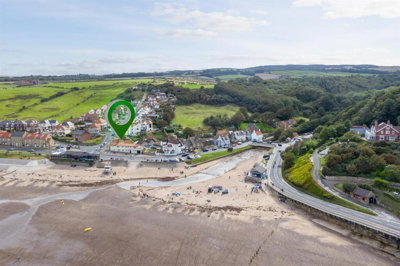
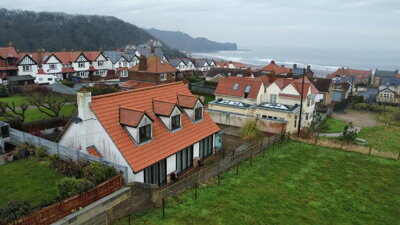
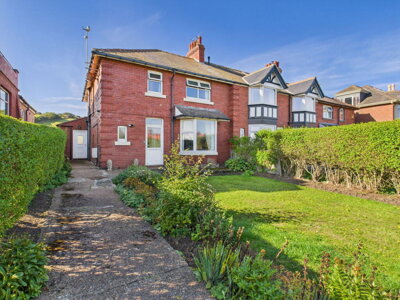
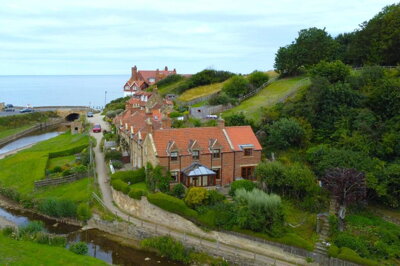
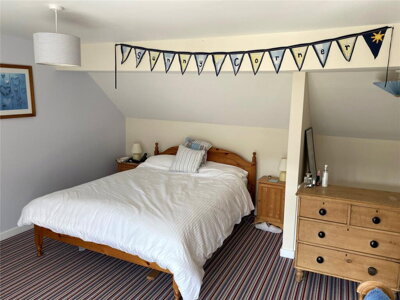
Browse 5 homes for sale in Lythe, North Yorkshire from local estate agents.
The larger property sector typically features multiple bathrooms, substantial reception space, and private gardens or off-street parking. Four bedroom houses in Lythe span detached, semi-detached, and occasionally terraced configurations, with styles ranging from period properties to modern executive homes.
£795k
1
0
64
Source: home.co.uk
Showing 1 results for 4 Bedroom Houses for sale in Lythe, North Yorkshire. The median asking price is £795,000.
Source: home.co.uk
Detached
1 listings
Avg £795,000
Source: home.co.uk
Source: home.co.uk
The Lythe property market reflects its status as a desirable coastal village within North Yorkshire's scenic landscape. Detached properties command the highest prices, averaging around £425,000, with these homes typically featuring generous gardens, sea views, and the traditional sandstone construction that characterises the area. Semi-detached homes average £275,000, offering excellent value for families seeking space without the premium attached to larger detached properties. The market has seen modest price adjustments over the past twelve months, with overall values declining by approximately 2.5%, making this an opportune time for buyers to enter a market that historically holds its value well.
Terraced properties in Lythe average £220,000, with these homes often being traditional stone cottages located within the village centre or along quiet country lanes. Flats remain relatively scarce in the village, averaging around £150,000, though the limited supply reflects the predominantly residential character of the local housing stock rather than lack of demand. Our data shows approximately 35 property sales completed in Lythe and its immediate surroundings over the past year, a figure that demonstrates the steady interest in this coastal location despite its rural nature.
New build developments remain limited within the YO21 3 postcode area, with most property activity centred on existing stock. Larger nearby towns such as Whitby and Scarborough offer more new build options for buyers who specifically require brand new construction. The absence of new developments in Lythe itself helps preserve the village's character and ensures that properties here retain their traditional appeal, though buyers seeking modern specifications may need to consider renovation projects or look to neighbouring settlements for recently constructed homes.

Lythe embodies the classic North Yorkshire coastal village experience, with a housing stock dominated by traditional stone properties built from local sandstone and limestone materials. Approximately 45% of homes are detached, reflecting the generous plot sizes and spacious gardens that characterise the area. A further 30% are semi-detached properties, often dating from the post-war period when modest infill development expanded the village beyond its historic core. Terraced properties comprise around 20% of the housing stock, typically being traditional workers' cottages or farmworker accommodation built centuries ago. Flats represent only 5% of available housing, making rental options and smaller owner-occupied units relatively scarce.
The age profile of Lythe's housing stock reveals a village deeply rooted in history, with an estimated 40% of properties constructed before 1919. These pre-war homes include traditional stone farmhouses, historic cottages, and agricultural buildings converted for residential use. Properties from the 1919-1945 period account for approximately 15% of the housing stock, while the 1945-1980 era contributes around 25% through post-war development and modest estate expansion. Only 20% of properties date from 1980 onwards, meaning the vast majority of homes in Lythe require buyers to appreciate period features and traditional construction methods.
The local economy centres on tourism, agriculture, and fishing, industries that have shaped the village for generations. The presence of holiday lets and second homes in the area influences the housing market, sometimes driving prices upward and reducing availability for permanent residents. Residents enjoy access to coastal walks, proximity to the North York Moors National Park, and the practical amenities of nearby Whitby. The community spirit in Lythe remains strong despite its small population, with local events, traditional pubs, and scenic walking routes forming the foundation of daily life.
Families considering a move to Lythe will find educational provision primarily located in surrounding towns and villages within North Yorkshire. The village itself falls within the catchment area for primary schools in nearby coastal communities, with these schools serving families from Lythe and surrounding parishes. Secondary education options include schools in Whitby and the surrounding area, with families typically travelling to access Key Stage 3 and GCSE provision. North Yorkshire Council maintains detailed information about school catchments, and prospective buyers should confirm current arrangements with the local education authority before committing to a purchase.
The quality of education in North Yorkshire reflects the county's strong track record in school performance, with several primary and secondary schools in the region achieving above-average Ofsted ratings. Parents should research individual school performance data and consider admission criteria, particularly for popular schools in nearby towns where competition for places can be intense during certain year groups. Sixth form provision is available in Whitby and Scarborough, offering A-level courses and vocational qualifications for students completing their secondary education.
For families seeking alternative educational approaches, the wider North Yorkshire area offers access to faith schools, independent schools, and specialist provision for children with additional needs. Transport arrangements for pupils attending schools outside the immediate village are typically managed through county council school transport services, though availability and eligibility criteria vary depending on distance and individual circumstances. Planning a school run alongside property viewings can help families understand the practical implications of education choices within the Lythe area.
Transport connections from Lythe reflect its status as a rural coastal village, with residents relying primarily on road travel and limited public transport options for daily commuting. The A171 road provides the main route connecting Lythe to Whitby and to the broader North Yorkshire road network, with this coastal road offering scenic but sometimes challenging driving conditions during adverse weather. The journey to Whitby takes approximately 15-20 minutes by car, while Scarborough lies around 30 miles to the south via the coastal route. For longer distances, the A64 provides connections to York and the motorway network beyond.
Public transport options from Lythe include bus services connecting the village to Whitby and other coastal settlements, though frequencies are limited compared to urban areas. Train services are available in Whitby, with the Esk Valley line providing connections to Middlesbrough and the wider rail network. The nearest major railway station with intercity connections is in York, approximately 50 miles from Lythe, requiring a drive or bus journey to reach. Residents working in larger cities often find car travel essential for their daily commute, though home working has become increasingly viable for many professionals.
Local cycling infrastructure has improved in recent years, with the North York Moors and coastal areas attracting cyclists throughout the year. The terrain in and around Lythe varies from flat coastal paths to challenging moorland hills, offering routes suitable for different fitness levels and preferences. Parking within the village is generally adequate for residential needs, though the summer tourist season can increase demand for spaces as visitors explore the coastline. Understanding your transport requirements and how they align with Lythe's connectivity should form an important part of your property search considerations.
Start by exploring current property listings in Lythe using Homemove. Understand the price ranges for different property types, from terraced cottages around £220,000 to detached homes reaching £425,000. Consider how the local market trends, including the modest 2.5% price decline over twelve months, affect your purchasing strategy.
Before viewing properties, obtain a mortgage agreement in principle from a lender. This strengthens your position when making offers and demonstrates to sellers that you have financing secured. Local brokers understand North Yorkshire property values and can provide tailored advice for your budget.
Schedule viewings of properties matching your criteria. Take time to assess the condition of traditional stone properties, checking for signs of damp, roof issues, and the quality of original features. Older properties in Lythe often have unique characteristics that require careful evaluation.
Given that 60-70% of properties in Lythe are over 50 years old, a thorough survey is essential. For a typical 3-bedroom property, expect to pay £500-£750 for a comprehensive RICS Level 2 Survey that identifies structural issues, damp problems, and any coastal erosion concerns.
Once your offer is accepted, instruct a solicitor to handle the legal aspects of your purchase. They will conduct searches, review the title, and manage the exchange and completion process. Local solicitors familiar with North Yorkshire properties can provide efficient service.
Your solicitor will arrange for contracts to be signed and deposit to be paid at exchange. Completion typically follows within weeks, at which point you receive the keys to your new Lythe home. Register your ownership with HM Land Registry and update your address records.
Purchasing property in Lythe requires careful attention to local factors that may not affect buyers in urban areas. The coastal location means that flood risk and coastal erosion require particular consideration, especially for properties closer to the cliff edge or in low-lying areas near streams and becks. While the main village sits back from the immediate coastline, buyers should review Environment Agency flood maps and consider the long-term implications of coastal erosion on property values and insurance costs. Surface water flooding can also occur during heavy rainfall, so checking drainage patterns and the property's position relative to watercourses is advisable.
The prevalence of traditional sandstone and limestone construction in Lythe brings both charm and maintenance considerations. Many older properties were built without modern damp-proof courses, making rising damp and penetrating damp common issues that require professional assessment. Roof conditions on slate and pantile roofs warrant close inspection, as slipped tiles, degraded pointing, and timber decay in roof structures frequently affect period properties. Electrical and plumbing systems in pre-1980s properties may not meet current standards and could require updating before or shortly after purchase.
Several properties in Lythe fall within or near concentrations of listed buildings, including St Oswald's Church and various historic farmhouses and cottages. Listed building status imposes restrictions on alterations, renovations, and even maintenance work, requiring Listed Building Consent for many changes that would be permitted on unlisted properties. Buyers considering listed properties should factor the additional costs and requirements of historic building ownership into their decision. The village benefits from planning policies that protect its character, which can limit certain types of development but also helps preserve property values by maintaining the area's distinctive appearance.
The current average house price in Lythe stands at approximately £328,000, based on data from the past twelve months. Detached properties average around £425,000, while semi-detached homes typically sell for approximately £275,000. Terraced properties average £220,000 and flats around £150,000. The market has experienced a modest decline of 2.5% over the past year, making this an interesting time for buyers looking to enter the Lythe property market. Prices can vary significantly based on property condition, location within the village, and the presence of period features or sea views.
Properties in Lythe fall under North Yorkshire Council's jurisdiction for council tax purposes. Bands range from A through to H, with the specific band depending on the property's valuation as of April 1991. Traditional stone cottages and smaller properties typically fall into bands A to C, while larger detached homes and period farmhouses may be in bands D through F. Prospective buyers should check the council tax band for any specific property through the Valuation Office Agency website before completing a purchase.
Lythe itself has limited schooling provision, with primary and secondary schools located in nearby communities. Families typically access primary education at schools in surrounding villages and towns, with travel arrangements managed through North Yorkshire Council school transport services. Secondary schools in Whitby and the wider area serve the village, with several achieving good or outstanding Ofsted ratings. Parents should verify current catchment areas and admission arrangements with North Yorkshire Council, as these can affect which schools your children can attend.
Public transport connections from Lythe are limited compared to urban areas, with bus services providing the main public transport option for accessing nearby towns and villages. Bus routes connect Lythe to Whitby, where train services on the Esk Valley line provide connections to Middlesbrough and the wider rail network. The nearest major station with intercity services is in York, approximately 50 miles away. Most residents find car travel essential for daily commuting and accessing services, though home working has become increasingly feasible for many professionals in recent years.
Lythe offers several attractive features for property investment, including its scenic coastal location, proximity to the North York Moors National Park, and the limited supply of properties in a small village setting. The tourism economy supports short-term rental opportunities, while the area's popularity with retirees and those seeking rural lifestyles creates ongoing demand. However, buyers should be aware of potential challenges including the impact of holiday lets on the local housing market, the need for maintenance on older properties, and the effects of coastal erosion in certain locations. As with any property investment, thorough research and professional advice are essential before committing to a purchase.
Stamp Duty Land Tax rates for 2024-25 start at 0% on the first £250,000 of residential property purchases, rising to 5% on the portion between £250,001 and £925,000. Higher rates apply for properties priced above £925,000, with the top rate of 12% applying to portions above £1.5 million. First-time buyers may qualify for relief on the first £425,000 of a purchase, with 5% applying between £425,001 and £625,000. Given the average property price in Lythe of £328,000, most purchases would attract stamp duty only on the portion above £250,000, resulting in a charge of around £3,900 for a property at the average price.
From 4.5%
Compare mortgage rates and find the best deal
From £499
Expert solicitors to handle your purchase
From £500
Homebuyer report for your new property
From £80
Energy performance certificate for your property
Understanding the full costs of buying property in Lythe helps you budget accurately and avoid unexpected expenses during the transaction. Stamp Duty Land Tax represents the largest upfront cost for most buyers, though the modest prices in Lythe compared to major cities mean this charge is generally more manageable. For a property at the current average price of £328,000, standard SDLT rates would apply around £3,900 in stamp duty. First-time buyers purchasing properties under £625,000 may qualify for relief that reduces this cost significantly, making the purchase more affordable for those entering the property market for the first time.
RICS Level 2 Survey costs for properties in Lythe typically range from £500 to £750, depending on property size and complexity. Given that most properties in the village exceed 50 years of age and feature traditional construction, this investment in a professional survey is particularly valuable. A thorough survey can identify issues such as damp in stone walls, roof defects, timber decay, and potential problems related to the local geology that might not be apparent during a standard viewing. The cost of a survey represents a small fraction of the property price but can save thousands of pounds by highlighting problems before completion.
Conveyancing costs for buying property in North Yorkshire typically start from around £499 for basic legal work, rising depending on the complexity of the transaction. Additional costs include local authority searches, which cover matters such as planning permissions, road schemes, and environmental factors relevant to Lythe's coastal location. Land Registry fees, mortgage arrangement fees, and moving costs complete the picture of expenses beyond the property price itself. Setting aside a contingency fund of around 5% of the purchase price for these additional costs ensures you complete your Lythe purchase without financial stress.
Properties for Sale In London

Properties for Sale In Plymouth

Properties for Sale In Liverpool

Properties for Sale In Glasgow

Properties for Sale In Sheffield

Properties for Sale In Edinburgh

Properties for Sale In Coventry

Properties for Sale In Bradford

Properties for Sale In Manchester

Properties for Sale In Birmingham

Properties for Sale In Bristol

Properties for Sale In Oxford

Properties for Sale In Leicester

Properties for Sale In Newcastle

Properties for Sale In Leeds

Properties for Sale In Southampton

Properties for Sale In Cardiff

Properties for Sale In Nottingham

Properties for Sale In Norwich

Properties for Sale In Brighton

Properties for Sale In Derby

Properties for Sale In Portsmouth

Properties for Sale In Northampton

Properties for Sale In Milton Keynes

Properties for Sale In Bournemouth

Properties for Sale In Bolton

Properties for Sale In Swansea

Properties for Sale In Swindon

Properties for Sale In Peterborough

Properties for Sale In Wolverhampton

Enter your details to see if this property is within your budget.
Loans, cards, car finance
Estimated property budget
Borrowing + deposit
You could borrow between
Typical borrowing
Monthly repayment
Est. at 4.5%
Loan-to-value
This is an estimate only. Your actual budget may vary depending on interest rates, credit history, and personal circumstances. For an accurate affordability assessment, speak to one of our free mortgage advisors.
This calculator provides estimates for illustrative purposes only and does not constitute financial advice. Your home may be repossessed if you do not keep up repayments on your mortgage. Estimates based on 4.5% interest rate, repayment mortgage. Actual rates depend on your circumstances.
Homemove is a trading name of HM Haus Group Ltd (Company No. 13873779, registered in England & Wales). Homemove Mortgages Ltd (Company No. 15947693) is an Appointed Representative of TMG Direct Limited, trading as TMG Mortgage Network, which is authorised and regulated by the Financial Conduct Authority (FRN 786245). Homemove Mortgages Ltd is entered on the FCA Register as an Appointed Representative (FRN 1022429). You can check registrations at NewRegister or by calling 0800 111 6768.

We use cookies to show you personalised content and improve your experience of our website. Find out more in our Privacy policy and Cookie policy.