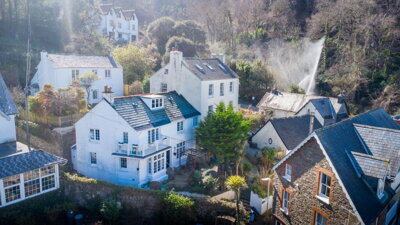
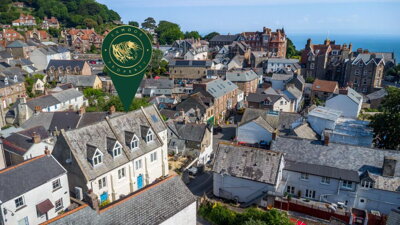
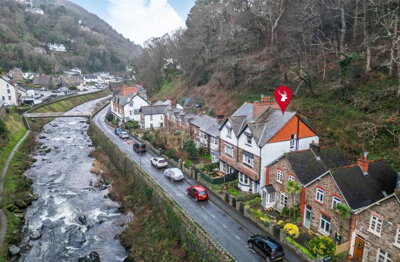
Browse 3 homes for sale in Lynton and Lynmouth from local estate agents.
The larger property sector typically features multiple bathrooms, substantial reception space, and private gardens or off-street parking. Four bedroom houses in Lynton And Lynmouth span detached, semi-detached, and occasionally terraced configurations, with styles ranging from period properties to modern executive homes.
The Lynton and Lynmouth property market offers a distinctive selection of homes that reflect the area's Victorian heritage and coastal character. Detached properties form a significant portion of the local housing stock, with recent sales averaging £433,200 for standalone homes with generous gardens and views across the valley or towards the sea. Over the past year, 8 detached homes have sold in Lynton, representing the most active segment of the market alongside flats with 7 transactions. Semi-detached homes in the village provide more accessible entry points to the local market, with average prices around £195,000, making them attractive options for first-time buyers or those seeking a smaller footprint without sacrificing the village atmosphere.
Terraced properties in Lynton and Lynmouth average approximately £265,500, offering characterful homes often dating from the Victorian era with original features such as fireplaces, sash windows, and stone walls. Four terraced properties changed hands in 2025, demonstrating continued interest in this segment. Flats in the area average £242,786 and frequently appear in converted Victorian buildings that have been sensitively updated to provide modern living accommodation while retaining period charm. The market has experienced a cooling period recently, with house prices approximately 15% down on the previous year and around 21% below the 2023 peak of £376,488, suggesting that motivated sellers may be open to negotiation on current listings.

Lynton and Lynmouth form a unique partnership of villages that have captivated visitors and residents alike since the Victorian era when tourism first flourished along this stretch of the North Devon coast. Lynton sits proudly atop the 500-foot cliff, offering sweeping views across the Bristol Channel and a compact village centre with a traditional town hall, convenience store, and local garage. The village also features a cinema, health centre, and selection of hotels and traditional pubs that serve both locals and the significant tourist population that visits throughout the year. The area has historically attracted artists, writers, and those seeking a slower pace of life, with notable visitors including the author RD Blackmore who drew inspiration from the surrounding Doone Valley for his novel Lorna Doone.
Lynmouth spreads along the waterfront below, centred around its small harbour where fishing boats still operate and the East and West Lyn rivers meet before crossing the stony beach to the sea. The village is perhaps best remembered for the devastating flood of 1952, when heavy rainfall caused the rivers to burst their banks with catastrophic effect, fundamentally changing the landscape and community. Today, modern flood defences and warning systems protect the village, though prospective buyers should be aware of this history when considering properties in lower Lynmouth. The contrast between these two villages, connected by the remarkable water-powered cliff railway built in 1890, creates a sense of place unlike anywhere else in Britain. The surrounding landscape provides endless opportunities for outdoor pursuits, including spectacular coastal walks along the South West Coast Path, visits to the famous Watersmeet Gorge owned by the National Trust, and exploration of the heather-covered heights of Exmoor.
The 2011 census recorded a usually resident population of 1,441 people across 871 households, creating an intimate community where neighbours know one another and newcomers are warmly welcomed into village life. Over the past decade, 379 properties have changed hands across the twin villages, demonstrating sustained interest in this distinctive location despite its relative remoteness. The local economy revolves significantly around tourism, with the villages offering an enviable array of hotels, traditional pubs, welcoming bed and breakfasts, and independent shops catering to visitors throughout the year. Many properties in Lynton and Lynmouth serve dual purposes as both primary residences and holiday lets, particularly those with sea views or proximity to the cliff railway.

Families considering a move to Lynton and Lynmouth will find that the area provides essential educational facilities within the village community itself. Lynton Primary School serves the local catchment area, providing education for children from Reception through to Year 6 and playing a central role in the tight-knit village community. The school maintains strong links with the surrounding landscape, offering children opportunities to learn about their unique environment, local wildlife, and the area's rich history through first-hand experiences rather than simply from textbooks. Small class sizes at the primary level mean teachers can provide individual attention, and the school regularly incorporates outdoor learning activities taking advantage of the stunning moorland and coastal environments on the doorstep.
Secondary education options for families in Lynton and Lynmouth typically involve travelling to nearby towns such as Barnstaple, which hosts several secondary schools and sixth form colleges offering a wider range of academic and vocational courses. The journey from Lynton to Barnstaple takes approximately 50 minutes by car along the A39, passing through the picturesque villages of Blackmoor Gate and Fenny Bridges. Parents should research specific school catchments and admission arrangements carefully when planning a move, as places can be competitive in popular areas. For families prioritising grammar school education, the nearest grammar schools are located in the wider North Devon area, and transport arrangements should be factored into any decision regarding secondary education.
Early years childcare facilities are available in the village, supporting working parents who need flexible care arrangements close to home. The local playgroup operates from the village hall, providing morning and afternoon sessions for pre-school children. For secondary-aged children, there are bus services operating from Lynton to schools in Barnstaple, though parents should check current routes and timings as these can vary seasonally. Some families choose to board locally during the week, particularly during the winter months when road conditions can make the daily journey more challenging.
Transport connections from Lynton and Lynmouth reflect the area's remote and beautiful positioning, requiring some consideration for those who need to commute regularly to larger employment centres. The nearest mainline railway station is Barnstaple, approximately 40 miles away, which provides connections to Exeter St Davids and onwards to London Paddington with journey times of around three hours to the capital. From Exeter, direct services to Bristol, Birmingham, and beyond open up broader employment opportunities for residents willing to commute part of the journey. For international travel, Exeter Airport offers flights to European destinations including seasonal routes to holiday hotspots, while Bristol Airport provides a broader range of international routes and is approximately two hours' drive from Lynton.
Within the village, the Lynton and Lynmouth Cliff Railway provides a unique and convenient connection between the two villages, transporting passengers up and down the cliff face in glass-sided carriages with panoramic views across the Bristol Channel towards Wales. This remarkable piece of Victorian engineering, powered by water counterweights from the local waterworks, has operated since 1890 and remains the most distinctive local transport option. Local bus services operate routes connecting Lynton with surrounding towns and villages on Exmoor, though frequencies are limited to typically two or three services per day, making car ownership practically essential for most residents who need to commute or access a wider range of services.
The A39 road runs through Lynton, providing access to the wider North Devon road network and connecting the area to Barnstaple to the west and Minehead to the east. This scenic route passes through the heart of Exmoor National Park, offering spectacular views but also requiring careful driving on narrow sections, particularly during summer when tourist traffic increases significantly. For cyclists and walkers, the South West Coast Path and numerous bridleways offer spectacular routes for both recreation and practical local travel, with the surrounding moorland providing miles of traffic-free exploration. The Tarka Trail also passes nearby, offering further options for cyclists and walkers seeking longer distance routes through North Devon.
Begin by exploring current property listings in Lynton and Lynmouth through Homemove, comparing prices against recent sales data which shows the average property selling for approximately £297,474 according to Rightmove. Consider engaging with local estate agents who have specialist knowledge of the Exmoor National Park area and understand the unique factors affecting property values here. With 379 properties having sold over the past decade, there is sufficient transaction history to understand pricing patterns in this distinctive market.
Obtain a mortgage agreement in principle before viewing properties, demonstrating to sellers that you are a serious buyer in what can be a competitive market for well-priced homes. With average detached prices around £433,200 and terraced homes at £265,500, understanding your budget helps narrow your search effectively. Speak to a broker familiar with rural and coastal properties, as some lenders have specific products for properties in National Parks or remote locations that may offer favourable terms.
Spend time in Lynton and Lynmouth at different times of year to experience the seasonal rhythm of village life, from busy summer tourist periods when the population swells significantly to the peaceful winter months when the community truly belongs to its residents. Walk the coastal paths, visit Watersmeet Gorge, and take a ride on the cliff railway to understand what daily life would be like. Speak to local residents and business owners to gain insight into the practical realities of living in this dramatic coastal location.
Current market conditions with prices down approximately 16.6% year-on-year may create room for negotiation on asking prices. Present your offer through the selling agent, keeping in mind any special considerations for properties within Exmoor National Park including planning restrictions and conservation requirements that may affect future plans. Be prepared to act quickly on well-priced properties, as the tight-knit nature of the local market means that desirable homes can attract multiple enquiries.
Given the age of many properties in Lynton and Lynmouth, with significant Victorian and Edwardian housing stock dating from the 1860s onwards, arrange a thorough RICS Level 2 survey before committing to purchase. Instruct a conveyancing solicitor experienced with National Park properties to handle the legal process, as the presence of conservation areas, listed buildings, and flood risk considerations require specialist knowledge. Your solicitor should conduct thorough searches including drainage and water searches specific to the coastal and riverine location.
Once all surveys, searches, and legal work are satisfactory, proceed to exchange contracts and set a completion date that allows time for your move. On completion, collect your keys and begin your new life in this remarkable corner of North Devon where moorland meets the sea, joining a community that has welcomed newcomers for over a century of Victorian tourism and beyond.
Purchasing property in Lynton and Lynmouth requires careful attention to several area-specific considerations that differ from more urban property markets. The villages' position within Exmoor National Park means that all properties may be subject to planning restrictions designed to preserve the natural beauty and character of the landscape. Anyone considering renovations, extensions, or significant changes to a property should consult with Exmoor National Park Authority planning department before committing to purchase, as consent requirements may be more stringent than in standard local authority areas. The Authority's strict design policies mean that contemporary materials or designs may face resistance, with preference given to traditional construction methods and materials that reflect the local vernacular.
The age of the local housing stock means that many properties will be Victorian or Edwardian in origin, with some historic cottages dating from the 1860s or earlier. These period properties offer tremendous charm and character but require understanding of potential issues including damp penetration in stone walls, the condition of original roofs, outdated electrical systems, and the presence of listed building status that restricts permitted alterations. Our inspectors regularly identify damp as a concern in these older properties, particularly in ground floor rooms where stone walls meet damp ground levels. Original timber sash windows, while characterful, often require maintenance to ensure they operate correctly and remain weather-tight. We recommend that buyers budget accordingly for any necessary renovation work and obtain thorough building surveys before completing.
Grade II listed properties require particular attention, as any external or significant internal works will require Listed Building Consent from the local planning authority. The internal or external removal of original features such as fireplaces, skirtings, or doors may constitute works requiring consent, and owners have faced enforcement action for unapproved alterations. Our team has experience surveying numerous listed properties in the area and can advise on the specific implications of listed status during the survey process. Beyond listed status, many properties fall within conservation areas with their own additional controls over demolition, extensions, and certain types of development.
Flood risk deserves careful consideration given Lynmouth's position at sea level where the East and West Lyn rivers converge before entering the sea. The village's history includes the catastrophic flood of 1952, which fundamentally reshaped the community and led to significant changes in how the rivers are managed. While major flood events are rare, the geography of the area means that properties in lower Lynmouth, particularly those near the harbour or along the riverbanks, warrant careful evaluation of their flood history and any flood prevention measures already in place. Property searches will reveal whether the property falls within any designated flood zones, and buildings insurance costs may reflect the coastal and riverine position. We strongly recommend discussing these factors openly with your surveyors and insurance providers before completing any purchase.
The average house price in Lynton stands at approximately £317,000 according to recent data, though figures from different sources vary slightly with Rightmove reporting around £297,474 and other sources showing around £300,667 for the last twelve months. Detached properties average £433,200, terraced homes around £265,500, and flats approximately £242,786. The market has seen prices fall by around 16.6% over the past twelve months, creating potential opportunities for buyers entering at a more accessible price point. Semi-detached properties offer more accessible entry points at around £195,000 on average, and one semi-detached property sold in Lynton during 2025.
New build activity in Lynton and Lynmouth is extremely limited, with no major development sites currently active within the villages themselves. The strict planning controls within Exmoor National Park and the historic character of the villages mean that new build opportunities are rare. Most housing stock consists of Victorian, Edwardian, and older properties, with new housing development typically confined to small-scale conversions or very occasional new builds that meet stringent National Park design requirements. The EX35 postcode area has seen limited new development in recent years, with the housing stock remaining largely unchanged in character from previous generations.
Lynton Primary School serves the local community for children aged 5-11, providing education within the village itself and maintaining strong links with the surrounding Exmoor landscape. The school serves a small catchment area given the dispersed nature of the population, resulting in smaller class sizes than many urban primary schools. Secondary school options require travel to nearby towns, with several schools available in Barnstaple including primary and secondary schools, and the surrounding North Devon area offering additional choices. Parents should research specific school catchments, admission policies, and transport arrangements when considering a move with school-age children, as journey times to secondary schools can be significant at around 50 minutes by car along the A39.
Public transport connections from Lynton and Lynmouth are limited, reflecting the rural nature of the area. Local bus services operate routes to surrounding towns and villages on Exmoor, though frequencies are low at typically two or three services per day, making car ownership practically essential for most residents who need to commute or access a wider range of services. The nearest mainline railway station is Barnstaple, approximately 40 miles away, providing connections to Exeter St Davids and onwards to London Paddington with journey times of around three hours to the capital. The famous Lynton and Lynmouth Cliff Railway provides an excellent connection between the two villages for passengers, with glass-sided carriages offering panoramic views across the Bristol Channel.
Lynton and Lynmouth offers potential for property investment, particularly for holiday lets given the area's strong tourism appeal and the popularity of the twin villages with visitors seeking coastal and moorland breaks. The dramatic coastline, proximity to Exmoor National Park, and unique character of the twin villages attract visitors throughout the year, though numbers increase significantly during summer months. The recent price adjustment, with values down around 16.6%, may present buying opportunities for investors looking at longer-term prospects. However, investors should consider the seasonal nature of tourism income, the potential impact of National Park planning restrictions on holiday let operations, and the limited rental market given the small local population of around 1,441 residents according to the 2011 census.
Properties in Lynton and Lynmouth fall under North Devon District Council for council tax purposes. Bands vary according to property value and type, with the majority of Victorian and Edwardian homes across all bands depending on their specific valuation. Prospective buyers should check specific bandings with the Valuation Office Agency or on the North Devon District Council website, as band D typically represents the median position for many standard family homes in the area. Given the prevalence of period properties ranging from Victorian cottages to substantial Edwardian houses, council tax bands can vary significantly within the same street depending on the size and character of individual properties.
Stamp duty Land Tax applies at standard rates for purchases in Lynton and Lynmouth as there is no local SDLT relief applicable in this part of North Devon. For residential purchases, you pay nothing on the first £250,000 of the property value, then 5% on the portion between £250,001 and £925,000. First-time buyers benefit from relief on the first £425,000, with 5% charged between £425,001 and £625,000. Given the average property price around £317,000, a typical home may attract SDLT of approximately £3,350 for non-first-time buyers. Your solicitor or conveyancer will calculate the exact amount due based on your specific purchase price and circumstances.
Understanding the full costs of purchasing property in Lynton and Lynmouth helps buyers budget accurately and avoid surprises during the transaction process. Stamp duty Land Tax represents the most significant upfront cost beyond the property price itself, with standard rates applying to purchases in this North Devon location. For a typical property priced around the current average of £317,000, a non-first-time buyer would expect to pay approximately £3,350 in SDLT, calculated at 5% on the amount exceeding £250,000. First-time buyers purchasing properties up to £425,000 would pay no stamp duty at all under current thresholds, though this threshold may not cover many detached properties in the area at average prices.
Beyond stamp duty, buyers should budget for solicitor conveyancing costs which typically start from around £499 for straightforward transactions but may increase for more complex purchases such as listed buildings or properties with planning complications within Exmoor National Park. Survey costs warrant particular attention in Lynton and Lynmouth given the prevalence of older properties, with a RICS Level 2 survey costing from £350 depending on property size and type. This survey provides detailed assessment of the property condition, identifying any structural issues, damp, roof problems, or other defects common in Victorian and Edwardian properties that are prevalent in the area. We recommend that buyers in this area specifically request thorough investigation of damp penetration in stone walls, roof conditions, and the condition of original windows and doors.
Mortgage arrangement fees, valuation fees, and broker charges should also be factored into your budget, along with search fees, land registry fees, and moving costs once the transaction completes. For properties in the EX35 postcode area, additional searches may include drainage and water searches specific to the coastal and flood risk location, while properties near the rivers may require specific flood risk searches. Buildings insurance should be arranged before completion, and premiums may be higher for older properties, those near water, or listed buildings. We recommend obtaining quotes from insurers familiar with rural and coastal properties before finalising your budget.
Properties for Sale In London

Properties for Sale In Plymouth

Properties for Sale In Liverpool

Properties for Sale In Glasgow

Properties for Sale In Sheffield

Properties for Sale In Edinburgh

Properties for Sale In Coventry

Properties for Sale In Bradford

Properties for Sale In Manchester

Properties for Sale In Birmingham

Properties for Sale In Bristol

Properties for Sale In Oxford

Properties for Sale In Leicester

Properties for Sale In Newcastle

Properties for Sale In Leeds

Properties for Sale In Southampton

Properties for Sale In Cardiff

Properties for Sale In Nottingham

Properties for Sale In Norwich

Properties for Sale In Brighton

Properties for Sale In Derby

Properties for Sale In Portsmouth

Properties for Sale In Northampton

Properties for Sale In Milton Keynes

Properties for Sale In Bournemouth

Properties for Sale In Bolton

Properties for Sale In Swansea

Properties for Sale In Swindon

Properties for Sale In Peterborough

Properties for Sale In Wolverhampton

Enter your details to see if this property is within your budget.
Loans, cards, car finance
Estimated property budget
Borrowing + deposit
You could borrow between
Typical borrowing
Monthly repayment
Est. at 4.5%
Loan-to-value
This is an estimate only. Your actual budget may vary depending on interest rates, credit history, and personal circumstances. For an accurate affordability assessment, speak to one of our free mortgage advisors.
This calculator provides estimates for illustrative purposes only and does not constitute financial advice. Your home may be repossessed if you do not keep up repayments on your mortgage. Estimates based on 4.5% interest rate, repayment mortgage. Actual rates depend on your circumstances.
Homemove is a trading name of HM Haus Group Ltd (Company No. 13873779, registered in England & Wales). Homemove Mortgages Ltd (Company No. 15947693) is an Appointed Representative of TMG Direct Limited, trading as TMG Mortgage Network, which is authorised and regulated by the Financial Conduct Authority (FRN 786245). Homemove Mortgages Ltd is entered on the FCA Register as an Appointed Representative (FRN 1022429). You can check registrations at NewRegister or by calling 0800 111 6768.

We use cookies to show you personalised content and improve your experience of our website. Find out more in our Privacy policy and Cookie policy.