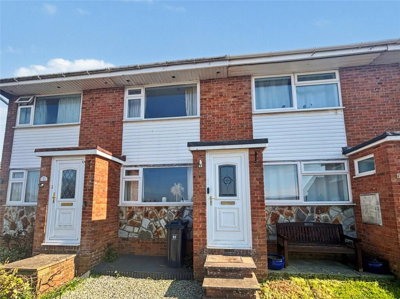
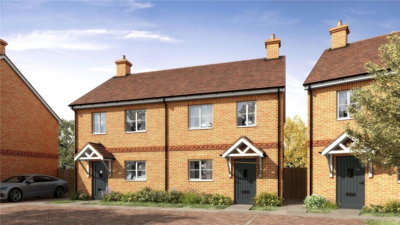
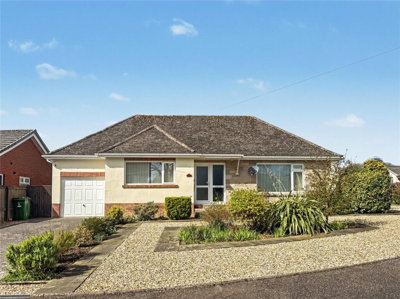
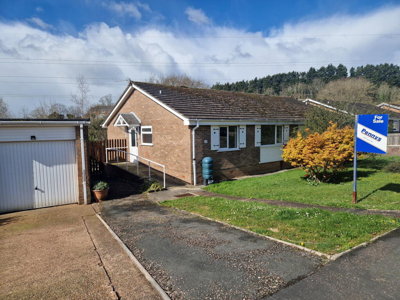
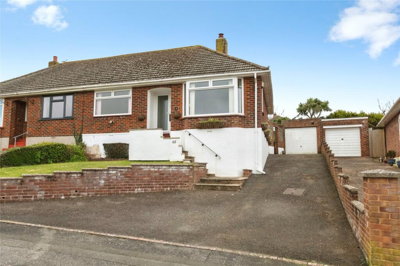
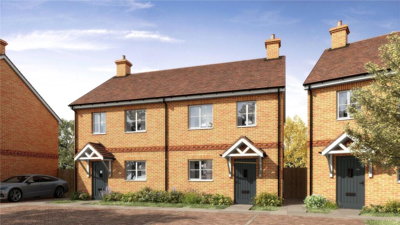
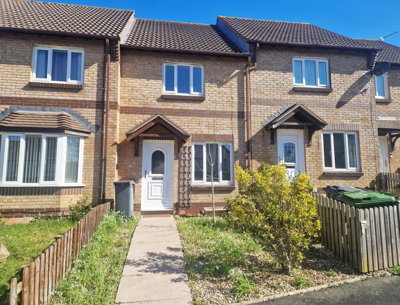
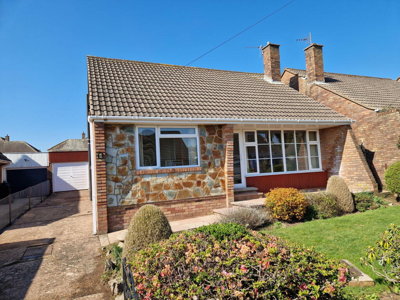
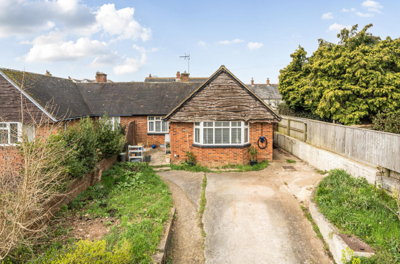
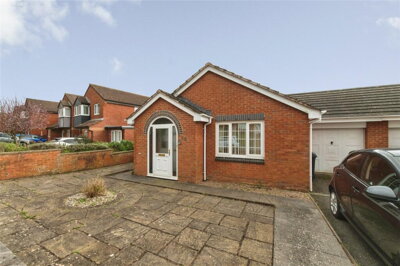
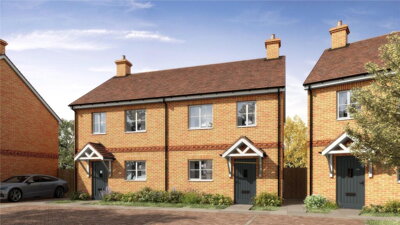
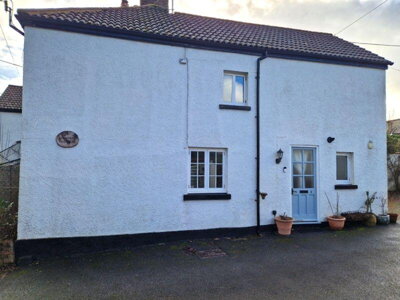
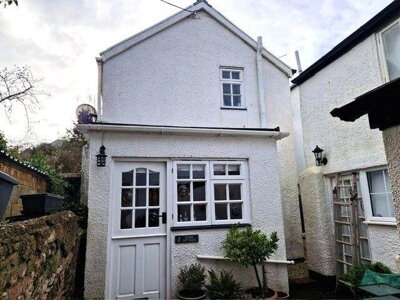
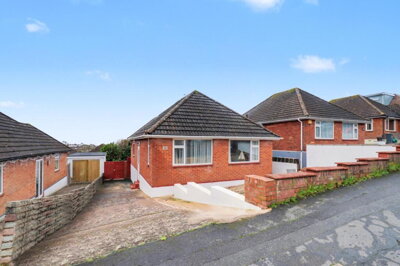
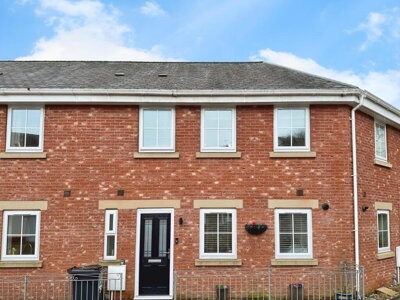
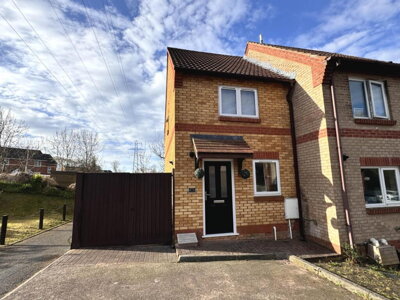
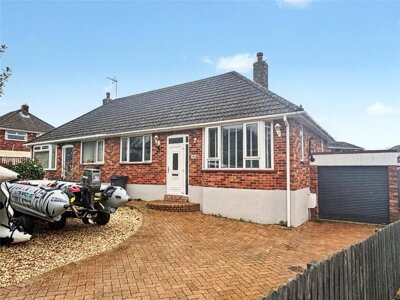
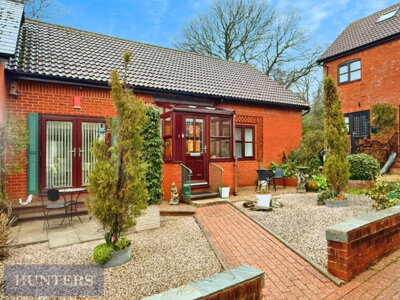
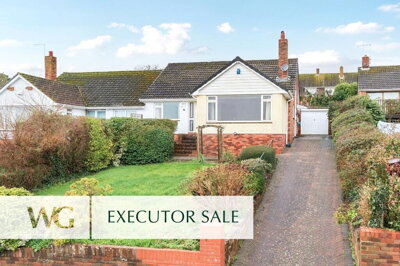
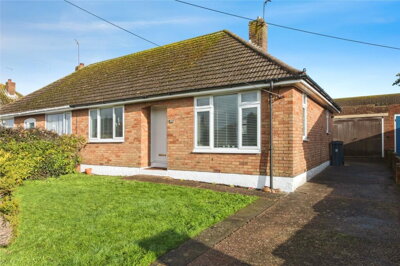
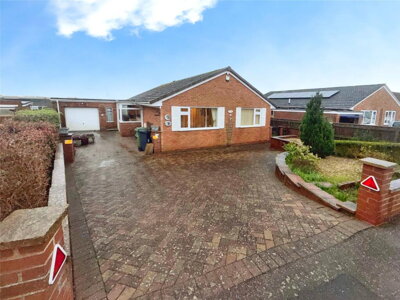
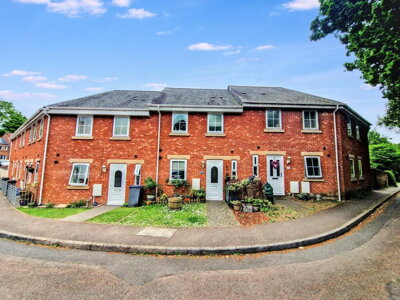
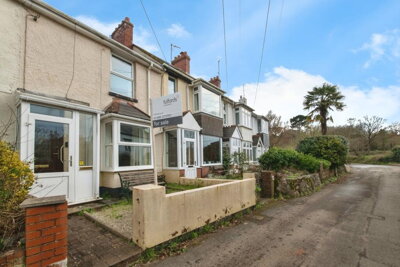
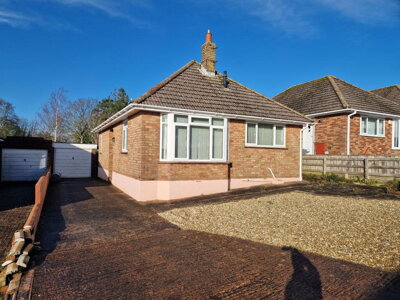
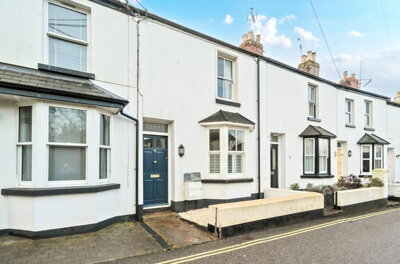
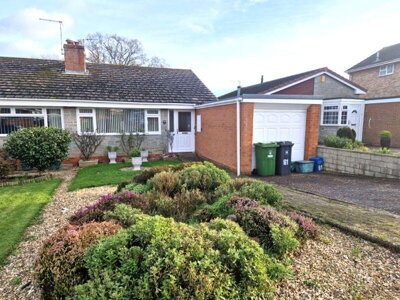
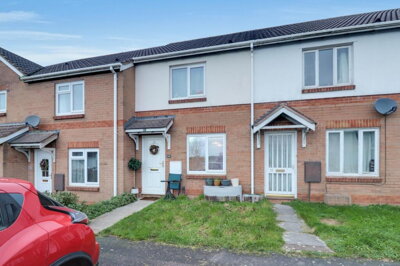
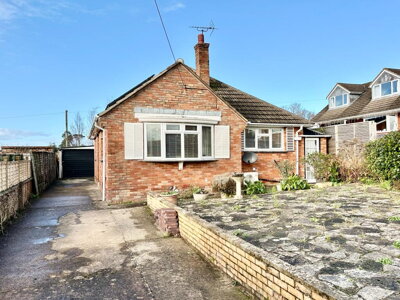
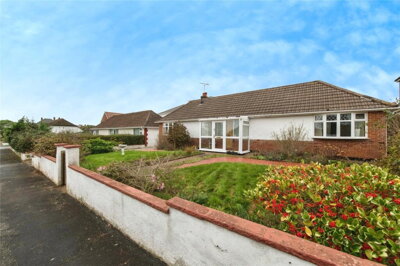
Browse 67 homes for sale in Lympstone, East Devon from local estate agents.
The 2 bed house market features detached, semi-detached, and terraced properties with two separate bedrooms plus living spaces. Properties in Lympstone range from Victorian and Edwardian period homes to modern new builds, with pricing varying across different neighbourhoods.
£274k
8
2
83
Source: home.co.uk
Showing 8 results for 2 Bedroom Houses for sale in Lympstone, East Devon. 2 new listings added this week. The median asking price is £273,500.
Source: home.co.uk
Semi-Detached
4 listings
Avg £207,750
Terraced
4 listings
Avg £289,250
Source: home.co.uk
Source: home.co.uk
The Lympstone property market reflects both the village's premium coastal location and its restricted supply of available homes. Our data shows 34 property sales completed in the last twelve months, with 15 detached houses commanding the highest prices at an average of £673,333. Semi-detached properties average £420,000 based on 10 sales, while terraced houses typically sell for around £385,000 across 8 transactions. Flats in Lympstone remain more affordable at an average of £215,000, though these represent only a small portion of available stock with just one flat sale recorded in the past year.
Price trends over the past year indicate a modest market correction, with overall values decreasing by 2.9% across all property types. Detached houses experienced the largest decline at 3.8%, though this follows years of strong growth in this segment as buyers continue to prioritise family homes with gardens in village locations. Semi-detached properties proved resilient with a slight increase of 0.2%, suggesting sustained demand from families seeking good-sized homes without the premium attached to detached properties. Terraced houses saw a 5.5% decrease, while flats dropped by 1.2%, indicating buyer preference is shifting towards family homes with gardens in this village setting.
The restricted supply of available properties in Lympstone, combined with strong demand from buyers seeking estuary village living, means that well-priced homes can still attract multiple enquiries quickly. Properties near the harbour, those with estuary views, and homes within easy walking distance of the train station typically command premiums in this market. For buyers, understanding current market conditions and having financing in place before making offers can provide a competitive advantage in this sought-after location.

Lympstone offers a quality of life that few villages can match, combining the tranquility of estuary living with excellent connections to nearby Exeter and Exmouth. The 2021 Census recorded a population of 2,049 residents across 905 households, creating a close-knit community where neighbours often know each other by name. The village attracts a diverse demographic, from young families drawn by the excellent schools to retirees seeking a peaceful retirement by the water. The presence of CTCRM brings service personnel and their families into the community, adding to the vibrant mix of residents who call Lympstone home.
The local economy centres on tourism, hospitality, and services, with many residents commuting to Exeter for employment in sectors including healthcare, education, and professional services. The village supports a range of amenities including a primary school, convenience shops, pubs, and restaurants, while the nearby towns of Exmouth and Exeter provide comprehensive retail and leisure facilities. Community life revolves around the harbour area, where sailing clubs and watersports facilities attract enthusiasts, and regular events throughout the year bring residents together in celebration of village traditions.
The village benefits from a strong sense of community spirit, with events such as the annual regatta and summer fete bringing residents together throughout the year. The local pub culture remains an important social hub, with several establishments offering food and regular entertainment. For families, the combination of safe streets, access to countryside, and the educational environment makes Lympstone particularly attractive. The harbour area transforms during summer months, with visiting boats increasing activity and creating a lively atmosphere that residents thoroughly enjoy.

Education provision in Lympstone centres on Lympstone Primary School, a community school serving children from Reception through to Year 6. The school provides a solid foundation for young learners, with the village's family-friendly atmosphere making it an attractive location for parents with children of all ages. The school serves approximately 200 pupils and maintains good relationships with families in the village, contributing to the community's appeal for young families. For secondary education, pupils typically travel to nearby Exmouth, where several secondary schools serve the wider area including Exmouth Community College, a large secondary school and sixth form providing comprehensive education for students aged 11 to 18.
Parents considering properties in Lympstone should research current catchment areas and admissions criteria, as these can influence school placement decisions significantly. School performance data and Ofsted ratings should be factored into property searches, as proximity to good schools often influences both rental yields and long-term capital growth in residential areas. The village's proximity to Exeter opens access to a wider choice of educational institutions, including grammar schools such as St Peter's School and Exeter School, independent schools including The Maynard School and Exeter Cathedral School, and further education colleges.
Exeter College provides vocational and academic courses for students aged 16 and above, offering pathways into higher education or direct employment. The University of Exeter attracts students from across the country and contributes significantly to the city's economy and cultural life. Families moving to Lympstone should note that school performance and availability can influence property values in specific streets and neighbourhoods, making this an important factor to consider when searching for your new home. Properties within the catchment area of highly-performing primary schools often command premiums in this village setting.
Transport connections from Lympstone benefit from the village's position on the Exeter to Exmouth branch line, with regular train services running throughout the day. The train station, located near the harbour, provides direct access to Exeter St James's and Exeter Central stations in approximately 15 minutes, making Lympstone particularly attractive to commuters who work in the city but prefer village living. The train line continues to Exmouth, where passengers can connect to regional bus services or enjoy the seaside town's amenities. Car travel to Exeter takes around 20 minutes via the A376, while access to the M5 motorway at Exeter provides connections to Bristol, Plymouth, and the national motorway network.
Local bus services operated by Stagecoach and other providers connect Lympstone with Exmouth, Exeter, and surrounding villages, providing an alternative to car travel for daily commutes and leisure trips. The Route 57 bus provides regular connections to Exeter, while services to Exmouth allow residents to access additional rail services and ferry connections. The village itself is compact enough for walking and cycling, with dedicated pathways along parts of the estuary providing scenic routes for commuters and recreational users alike. Cycling is popular among residents, with the flat terrain around the harbour making cycling practical for daily errands.
Parking in Lympstone can be limited during peak summer months when visitors flock to the harbour and beaches, though residents generally find on-street parking adequate for their needs. Properties with dedicated parking command premiums, particularly those with driveways or garages near the village centre. For commuters working in Exeter, the combination of the train service and village amenities makes Lympstone an increasingly popular choice, with the 15-minute journey time comparable to many suburban locations but with the benefit of village living and estuary access.
Start by exploring our current listings for homes for sale in Lympstone, paying attention to price trends and property types available. With 34 sales in the past year and an average price of £495,123, understanding the local market will help you set realistic expectations and identify good value when it arises. Consider factors such as proximity to the train station, harbour views, and flood risk when evaluating individual properties.
Before scheduling viewings, approach a lender to obtain an Agreement in Principle for your mortgage. This demonstrates to sellers that you are a serious buyer with financing in place, giving you a competitive edge when making offers on desirable properties in this sought-after village. Given that detached properties average £673,333 in Lympstone, understanding your borrowing capacity early will help you focus your search on realistic options.
Visit properties that match your criteria, taking time to assess not just the property condition but also the neighbourhood character, proximity to schools and transport, and exposure to any flood risk areas. Ask the seller or estate agent about the property's history, previous works, and any issues they are aware of. For properties in the Conservation Area, enquire about any planning permissions or listed building consents that may have been granted.
Once your offer is accepted, instruct a qualified surveyor to conduct a RICS Level 2 Survey. Given Lympstone's many older properties with traditional construction including red sandstone, brick, and cob, this survey will identify any structural issues, damp problems, or roof defects before you commit to the purchase. Properties near the estuary may also show signs of salt contamination that our inspectors will check during the survey.
Your conveyancing solicitor will handle the legal aspects of the purchase, including searches with East Devon District Council, flood risk enquiries with the Environment Agency, and coordination with the seller's solicitor to progress your transaction through to completion. Given Lympstone's Conservation Area status, your solicitor will also confirm whether the property is listed and advise on any planning restrictions that apply.
Once all enquiries are satisfactory and your mortgage offer is confirmed, you will exchange contracts and pay your deposit. Completion typically follows within 28 days, at which point you will receive the keys to your new Lympstone home. Our team can recommend local solicitors and removal firms to help make your move as smooth as possible.
Understanding the construction methods used in Lympstone properties is essential for any buyer considering a purchase in this historic village. Many older properties in the Conservation Area around The Strand, Church Road, and Sowden Lane are constructed from local red sandstone, a distinctive building material that has been used in East Devon for centuries. This sandstone, often with brick or render applied, creates attractive but sometimes challenging walls that require understanding of traditional building techniques. Properties built from this material may show different characteristics to modern cavity wall construction, and our inspectors are experienced in assessing these traditional building methods.
Some of the oldest cottages in Lympstone incorporate cob construction, a traditional Devon building material made from earth, straw, and water. Cob buildings are typically solid-walled with excellent thermal mass, but they can be susceptible to damp and erosion at the base if not properly maintained. Roofs in older Lympstone properties are typically finished with slate or clay tiles, both of which are common in this part of East Devon. Our inspectors check the condition of these roof coverings carefully, as deterioration of slate and tile roofs is a common issue we find in older village properties during our surveys.
The underlying geology of Lympstone presents specific considerations for property buyers. The Mercia Mudstone Group, formerly known as Keuper Marl, forms the bedrock beneath much of the village. This geology creates a moderate to high shrink-swell risk, meaning that clay in the ground can expand when wet and contract during dry periods. Properties built on this geology may experience foundation movement, particularly those with shallow foundations or those affected by trees that draw moisture from the soil. Our inspectors assess foundations and look for signs of subsidence or heave damage during every survey.
Properties very close to the Exe Estuary may also be affected by alluvium deposits, river-carried sediments that create low-lying ground near the water's edge. These deposits can create variable ground conditions that affect foundation performance. Areas of alluvium are often associated with higher flood risk, which our inspectors consider when evaluating properties near the harbour and lower-lying areas of the village. Understanding these local geological factors helps our team provide accurate assessments of the properties we survey.
Properties in Lympstone require careful inspection due to the prevalence of older construction methods and the village's unique geological and environmental characteristics. The underlying Mercia Mudstone geology presents a moderate to high shrink-swell risk, meaning foundations can be affected by seasonal moisture changes. Buyers should look for signs of cracking, subsidence, or uneven floors, particularly in older properties with shallow foundations. Our inspectors routinely check foundation conditions and note any signs of movement or cracking that may indicate structural concerns requiring further investigation.
Flood risk is a genuine consideration for properties near the Exe Estuary, with the Environment Agency mapping showing areas susceptible to river and tidal flooding. While major flooding events are relatively rare, buyers should verify the flood risk classification of any property and consider the potential impact on insurance costs and future saleability. Properties in low-lying areas near The Strand and the harbour deserve particular attention during the survey process. Our inspectors check for evidence of previous flooding, damp penetration from below ground level, and the condition of any existing flood mitigation measures.
The extensive Conservation Area coverage means many Lympstone properties are subject to planning restrictions that limit alterations and improvements. Buyers considering works to listed buildings or properties within the conservation zone should obtain specialist advice before purchase, as consent requirements can be stringent. Salt contamination from the nearby estuary can also affect older properties, manifesting as damp issues in external walls, so ventilation and damp-proof course status should be checked thoroughly. Our inspectors examine all damp evidence and will advise on whether salt contamination may be affecting the property.
Common defects found during our surveys of Lympstone properties include timber defects such as woodworm and wet or dry rot, which can affect structural timbers, floorboards, and roof structures in older properties. Electrical wiring and plumbing systems in pre-1919 properties often require updating to meet current standards, a point our inspectors cover in detail during surveys. We also commonly find roofing issues including deteriorated slate or tile, defective lead flashing, and blocked gutters that can lead to penetrating damp. These defects are typically rectifiable but buyers should factor remediation costs into their offers when identified during survey.
The average property price in Lympstone currently stands at £495,123 according to recent market data. Detached houses average £673,333, semi-detached properties £420,000, terraced houses £385,000, and flats £215,000. The market has seen a modest 2.9% decrease over the past twelve months, though semi-detached properties bucked this trend with a 0.2% increase, indicating continued demand for family homes in the village. With only 34 sales recorded in the past year, stock levels remain relatively low, which helps support values despite the modest price correction.
Properties in Lympstone fall under East Devon District Council's jurisdiction for council tax purposes. Bands range from A to H depending on the property's assessed value, with many period cottages and smaller homes in lower bands, while larger detached properties and converted period houses often fall into bands D through F. Prospective buyers should verify the specific band with East Devon District Council or check the Valuation Office Agency website. Council tax bands can affect the overall cost of ownership and are worth confirming before proceeding with a purchase.
Lympstone Primary School serves the village for children aged 5 to 11, providing education from Reception through Year 6. For secondary education, pupils typically attend schools in nearby Exmouth, with several options available including Exmouth Community College, which also offers sixth form provision. The village's proximity to Exeter also provides access to grammar schools such as St Peter's School and independent schools for families seeking alternative educational pathways. School performance data and Ofsted reports should be reviewed as part of your property search, as catchment areas can influence placement decisions.
Lympstone has excellent train connections via the Exeter to Exmouth branch line, with regular services taking approximately 15 minutes to reach Exeter St James's or Exeter Central. The train station near the harbour provides convenient access for residents, making commuting highly practical for workers who need access to the city while enjoying village life. Bus services operated by Stagecoach connect the village with Exmouth, Exeter, and surrounding communities, providing additional travel options for those without cars. The A376 provides road access to both Exeter and Exmouth for car travel.
Lympstone's combination of limited housing supply, excellent transport links, and desirable village character makes it attractive to investors seeking long-term capital growth. The presence of CTCRM ensures consistent demand from service personnel seeking rental accommodation, while the restricted development opportunities within the Conservation Area help maintain property values. However, buyers should be aware of potential flood risk in certain areas, particularly near the harbour and lower-lying areas along The Strand, and factor this into investment calculations. Properties with estuary views and proximity to the train station tend to command premiums in this village market.
For standard purchases, stamp duty (SDLT) applies at 0% on the first £250,000, 5% on £250,001 to £925,000, and 10% on the portion between £925,001 and £1.5 million. First-time buyers benefit from relief on properties up to £625,000, paying 0% on the first £425,000 and 5% on the remainder. At Lympstone's average price of £495,123, a first-time buyer would pay approximately £3,506 in stamp duty after relief, while a standard buyer would pay approximately £12,256. These calculations assume residential purchases without additional properties or non-residency surcharges.
Given the age of many Lympstone properties, common defects include damp issues particularly in properties with solid walls or those near the estuary affected by salt contamination. Timber defects such as woodworm and rot are frequently identified in older properties, affecting floorboards, structural timbers, and roof structures. Roof deterioration including slipped tiles, defective lead flashing, and blocked gutters are common issues our inspectors find during surveys. The Mercia Mudstone geology can also contribute to subsidence or heave issues, particularly during prolonged dry spells or in properties with trees near foundations. A RICS Level 2 Survey will identify these concerns before you commit to your purchase.
Properties near the Exe Estuary, particularly in low-lying areas around The Strand and the harbour, face elevated flood risk from both river and tidal sources according to Environment Agency mapping. Surface water flooding can also occur in low-lying areas during heavy rainfall events. While major flooding events are relatively infrequent, buyers should verify the flood risk classification of specific properties and consider the potential impact on insurance premiums, which may be higher for properties in flood zones. Our inspectors check for evidence of previous flooding and assess the property's vulnerability during surveys.
Budgeting for stamp duty is an essential part of any property purchase in Lympstone, and the amounts involved depend on your purchase price and eligibility for reliefs. For a property at the village average of £495,123, a standard buyer would pay stamp duty calculated at 0% on £250,000 and 5% on the remaining £245,123, totalling approximately £12,256. First-time buyers benefit from more generous thresholds, paying 0% on the first £425,000 and 5% on the balance, resulting in a reduced bill of approximately £3,506. These calculations assume residential purchases without additional properties or non-residency surcharges that would attract higher rates.
Beyond stamp duty, buyers should budget for solicitor fees, survey costs, mortgage arrangement fees, and moving expenses. Conveyancing costs in East Devon typically start from around £499 for basic transactions, rising depending on complexity, whether the property is leasehold, or if there are unusual terms requiring additional legal work. A RICS Level 2 Survey for a typical 3-bedroom Lympstone property ranges from £450 to £800 depending on size, age, and construction type, with larger detached properties commanding higher fees due to the additional time required for thorough inspection.
Mortgage arrangement fees vary by lender but commonly range from £0 to £2,000, though many deals offer cashback or fee-free options that can reduce upfront costs. At Lympstone's average price of £495,123, mortgage arrangement fees on a typical residential mortgage would be in this range. Building insurance should be arranged before completion, with quotes obtained for properties in flood risk zones given Lympstone's proximity to the Exe Estuary. Removal costs, disconnection and reconnection of utilities, and potential redecoration or renovation costs should also be factored into your overall moving budget.
From 4.5%
From 4.5% APR - Secure your financing before making offers on Lympstone properties
From £499
Expert conveyancing for Lympstone property purchases including local searches
From £450
Detailed survey identifying defects in Lympstone properties
From £80
Energy performance certificate for your new home
Properties for Sale In London

Properties for Sale In Plymouth

Properties for Sale In Liverpool

Properties for Sale In Glasgow

Properties for Sale In Sheffield

Properties for Sale In Edinburgh

Properties for Sale In Coventry

Properties for Sale In Bradford

Properties for Sale In Manchester

Properties for Sale In Birmingham

Properties for Sale In Bristol

Properties for Sale In Oxford

Properties for Sale In Leicester

Properties for Sale In Newcastle

Properties for Sale In Leeds

Properties for Sale In Southampton

Properties for Sale In Cardiff

Properties for Sale In Nottingham

Properties for Sale In Norwich

Properties for Sale In Brighton

Properties for Sale In Derby

Properties for Sale In Portsmouth

Properties for Sale In Northampton

Properties for Sale In Milton Keynes

Properties for Sale In Bournemouth

Properties for Sale In Bolton

Properties for Sale In Swansea

Properties for Sale In Swindon

Properties for Sale In Peterborough

Properties for Sale In Wolverhampton

Enter your details to see if this property is within your budget.
Loans, cards, car finance
Estimated property budget
Borrowing + deposit
You could borrow between
Typical borrowing
Monthly repayment
Est. at 4.5%
Loan-to-value
This is an estimate only. Your actual budget may vary depending on interest rates, credit history, and personal circumstances. For an accurate affordability assessment, speak to one of our free mortgage advisors.
This calculator provides estimates for illustrative purposes only and does not constitute financial advice. Your home may be repossessed if you do not keep up repayments on your mortgage. Estimates based on 4.5% interest rate, repayment mortgage. Actual rates depend on your circumstances.
Homemove is a trading name of HM Haus Group Ltd (Company No. 13873779, registered in England & Wales). Homemove Mortgages Ltd (Company No. 15947693) is an Appointed Representative of TMG Direct Limited, trading as TMG Mortgage Network, which is authorised and regulated by the Financial Conduct Authority (FRN 786245). Homemove Mortgages Ltd is entered on the FCA Register as an Appointed Representative (FRN 1022429). You can check registrations at NewRegister or by calling 0800 111 6768.

We use cookies to show you personalised content and improve your experience of our website. Find out more in our Privacy policy and Cookie policy.