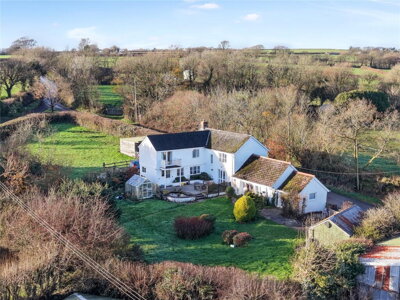
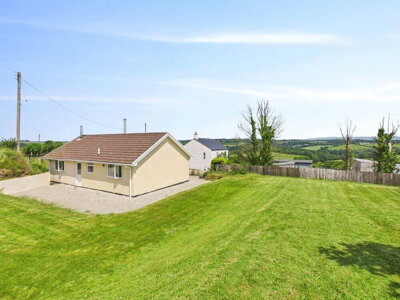
Browse 2 homes for sale in Luffincott, Torridge from local estate agents.
£0k
0
0
0
Source: home.co.uk
The Sedgefield property market presents a diverse range of options for buyers seeking quality homes at realistic price points. Our data shows approximately 86 residential property sales completed in the area over the past year, indicating steady market activity in this sought-after village location. Detached properties command the highest prices, with averages ranging from £334,827 to £390,793 depending on the source, offering generous living space and gardens that appeal to families and those seeking more room to spread out.
Semi-detached homes represent the backbone of the Sedgefield housing stock, with prices typically ranging from £189,393 to £199,728. These properties provide an excellent balance of affordability and practicality, making them particularly popular among first-time buyers and growing families. Terraced properties in Sedgefield, averaging between £172,326 and £192,626, offer an affordable entry point into this desirable village location, while flats provide the most budget-friendly options at around £73,885 on average.
Recent market trends show some variation in price movement data, with certain sources reporting modest increases of around 6.2% year-on-year, while others indicate a slight softening of approximately 5% to 5.7% from previous peaks. The overall picture suggests a stable market where properties are selling, and prices remain accessible for buyers who act decisively. This balanced conditions make Sedgefield an attractive proposition for both owner-occupiers and property investors looking for genuine value in the North East.

Sedgefield rewards residents with a distinctive blend of rural charm and practical convenience that few villages can match. The historic village centre clusters around its traditional high street, where local businesses, artisan shops, and characterful pubs create a genuine sense of community that newcomers quickly come to appreciate. The village preserves its heritage through architecture dating back to the Edwardian era and earlier, with period properties sitting comfortably alongside more recent developments that have expanded the residential footprint over the decades.
The surrounding County Durham countryside offers miles of scenic walking and cycling routes, with the Durham dales and coastline within easy reach for weekend adventures. Local amenities include convenience stores, a post office, primary healthcare facilities, and a selection of cafes and restaurants that serve the community throughout the week. The village hosts regular community events and farmers markets that bring residents together, fostering the neighbourly atmosphere that makes Sedgefield particularly appealing to families and those seeking a slower pace of life without sacrificing essential services.
Demographically, Sedgefield attracts a mix of young families, professionals working in the nearby Tees Valley and Durham City, and longer-term residents who have put down deep roots in the community. The village appeals to those who appreciate heritage and character in their living environment, with traditional brick-built properties and stone features adding visual interest to the streetscape. Residents benefit from the village sense of belonging while having access to broader urban amenities within a short drive, including shopping centres, healthcare facilities, and entertainment venues.
The local economy benefits from proximity to major employers across the North East, with the Tees Valley hosting significant manufacturing, logistics, and service sector businesses. Major automotive manufacturing operations in the region provide employment for thousands of workers, while the broader Durham economy offers roles in education, healthcare, and public services. This economic diversity supports stable housing demand in Sedgefield as residents can access varied employment without necessarily relocating to larger urban centres.
Families considering a move to Sedgefield will find a range of educational options available within and nearby the village. Sedgefield Community College serves secondary-age pupils from the surrounding area, providing comprehensive education and extracurricular activities that support student development across academic and creative pursuits. Primary education is well-catered for with local primary schools serving the immediate community, ensuring younger children can access quality schooling without lengthy daily commutes.
The wider County Durham area offers additional educational opportunities, including grammar schools in neighbouring towns that serve academically selective pupils from Sedgefield and surrounding villages. Parents should research specific catchment areas and admission policies for their preferred schools, as these can significantly impact educational placement for their children. The presence of Durham University and further education colleges in the broader region means families with older children have access to higher education options within reasonable travelling distance.
Early years provision is well-established in the Sedgefield area, with nurseries and preschool facilities providing childcare options for working parents. The village community spirit extends to educational settings, with schools benefitting from active parent associations and local support networks. For families prioritising education in their property search, Sedgefield offers a solid foundation with schools serving the community and surrounding villages, complemented by the broader range of educational institutions available across County Durham.
Sedgefield enjoys strategic positioning within County Durham that makes commuting practical for residents working across the North East region. The village sits within comfortable reach of major road corridors including the A1(M), providing direct connections to Newcastle upon Tyne to the north and York and Leeds to the south. This motorway access significantly expands employment opportunities for residents, with many commuting to larger urban centres while enjoying village-level living costs and quality of life.
The A688 road provides direct connectivity to Bishop Auckland and the surrounding Wear Valley, opening additional commuting routes for residents working in public services, retail, and healthcare sectors in that direction. The broader Tees Valley area, including Middlesbrough, Stockton-on-Tees, and Hartlepool, is accessible from Sedgefield for those working in manufacturing, logistics, and service sectors that form the regional economic base. Public transport options connect Sedgefield to surrounding towns and cities through bus services, while railway stations in nearby towns provide access to the national rail network.
Durham railway station offers direct services to major cities including London, Edinburgh, and Birmingham, making Sedgefield viable for longer-distance commuters who occasionally need to travel further afield. Local bus services provide practical options for those who prefer not to drive, connecting Sedgefield with neighbouring villages and town centres throughout the day. For residents working from home or seeking to reduce their carbon footprint, the village offers sufficient local amenities to minimise unnecessary car journeys.
Understanding the construction methods prevalent in Sedgefield helps buyers appreciate the character of local properties and anticipate potential maintenance considerations. The village features a significant proportion of traditional brick-built homes dating from the Edwardian period through to post-war construction, reflecting the building practices of those eras. These older properties typically feature solid wall construction without the cavity insulation found in more modern homes, which affects both their thermal performance and their susceptibility to condensation issues.
Many semi-detached and terraced properties in Sedgefield follow the traditional pattern of the region, with red brick facades, pitch slate or tile roofs, and original timber windows that contribute to the village aesthetic. Extensions and alterations over the decades have introduced various construction styles, from single-storey rear additions built during the mid-twentieth century to more recent conservatories and loft conversions. When evaluating older properties, our inspectors pay particular attention to the condition of original features, the integrity of load-bearing walls, and any signs of past structural alterations that may require attention.
Newer residential development in and around Sedgefield follows contemporary building standards with cavity wall insulation, uPVC windows, and modern heating systems. These properties typically offer better energy efficiency than their older counterparts but may lack the character and solid construction quality of traditional homes. The mix of construction ages throughout the village means buyers should consider whether they prioritise period features and heritage character or prefer the practical advantages of more recently built properties.
Our inspectors regularly identify several recurring issues when surveying properties throughout Sedgefield, and understanding these helps buyers prioritise their inspections effectively. Traditional brick properties in the village often exhibit signs of rising damp, particularly where original damp-proof courses have deteriorated or where ground levels have been raised over the years, allowing moisture to penetrate ground-floor walls and skirting boards.
Roof conditions frequently require attention in older Sedgefield homes, with slipped or missing tiles, deteriorated felt underlay, and aging ridge tiles representing common findings that our surveyors document during inspections. The timber roof structures in period properties can also show signs of rot or insect damage where ventilation has been inadequate or where roof coverings have allowed water penetration over extended periods. Addressing roof issues promptly proves essential for protecting the overall structural integrity of these homes.
Electrical systems in properties of certain ages may fall short of current standards, with original wiring still present in some older terraced and semi-detached homes throughout the village. Consumer unit upgrades, additional socket outlets, and earth bonding improvements represent typical recommendations our inspectors make for properties where electrical installations date from previous decades. Given County Durham's mining heritage, we also assess properties for any signs of ground movement or subsidence that might relate to historical mining activity in the broader region, though Sedgefield itself does not sit within a designated high-risk mining area.
Explore current property listings on Homemove and understand price trends in the village. With average prices around £210,000 to £240,000, knowing what your budget buys in different property types helps narrow your search effectively. Consider attending local property viewings and reviewing recent sales data to understand how properties in specific neighbourhoods compare.
Contact lenders or use Homemove mortgage comparison tools to secure your agreement in principle before viewing properties. This strengthens your position when making offers and demonstrates to sellers that you are a serious buyer with financing in place. Having your mortgage arranged also helps you understand your true budget and avoids disappointment later in the process.
Schedule viewings of properties matching your criteria, taking time to assess the property condition, neighbourhood character, and proximity to schools and transport links that matter to your household. Take photographs during viewings and prepare questions about the property age, previous renovations, and any issues the current owners are aware of before making an offer.
Once your offer is accepted, instruct a qualified surveyor to conduct a Level 2 Homebuyer Report. Given Sedgefield's mix of older properties ranging from Edwardian terraces to more recent builds, this survey checks for defects common in properties of this age, including damp, roof condition, and any potential structural concerns. The survey also assesses electrical and heating systems, providing you with a clear picture of what maintenance may be needed.
Appoint a solicitor to handle the legal aspects of your purchase, including searches, contracts, and registration of your ownership with HM Land Registry. Your solicitor will conduct local authority searches to check for planning proposals, environmental concerns, and any charges affecting the property. They will coordinate with the seller's solicitor throughout the transaction and keep you informed at each stage.
Once all legal checks are satisfactory and your mortgage is finalised, contracts are exchanged and a completion date is agreed. On completion day, you receive the keys and can move into your new Sedgefield home. We recommend arranging building insurance to be in place from the moment contracts are exchanged, as liability for the property transfers at that point.
Property buyers considering Sedgefield should factor in several location-specific considerations that can affect their purchase decision and long-term satisfaction. Given the village's historic character, some properties may fall within conservation areas or carry listed building status, which brings planning restrictions on alterations and maintenance requirements that buyers should understand before proceeding. These properties can offer exceptional character but require commitment to preservation standards that may increase maintenance costs.
The County Durham region has a mining heritage that buyers should be aware of when assessing properties, particularly older homes in the area. While Sedgefield itself does not sit within a designated high-risk mining zone, the broader regional geology means that surveys should carefully consider potential ground stability issues. A thorough RICS Level 2 Survey provides valuable reassurance about property condition and can identify any concerns that warrant further investigation by structural engineers.
Flood risk in Sedgefield appears generally low based on available information, though buyers should request flood risk reports for specific properties and locations within the village. Surface water flooding can occur in any area during exceptional weather events, so understanding the property's position relative to watercourses and drainage patterns provides useful context. Building materials in the area predominantly use traditional brick construction, with older properties potentially requiring updates to electrical systems, insulation, and heating efficiency to meet modern living standards.

The average house price in Sedgefield varies between £203,000 and £240,000 depending on the data source consulted. Zoopla reports around £230,943 while Rightmove indicates £210,725 over the past year. Property types show distinct pricing bands, with detached homes averaging £334,827 to £390,793, semi-detached properties around £189,393 to £199,728, and terraced homes ranging from £172,326 to £192,626. Flats represent the most affordable option at approximately £73,885 on average. The price variation between sources reflects different measurement periods and methodologies, so we recommend comparing multiple sources when assessing property values.
Properties in Sedgefield fall under Durham County Council administration, with council tax bands ranging from A through to H depending on property value and size. Most standard family homes in the village typically fall within bands A to C, which correspond to lower annual charges. The current Durham County Council rates for band A properties are among the lowest in the region, making Sedgefield an attractive option for budget-conscious buyers. Prospective buyers should check the specific council tax band for any property they are considering, as this forms part of the ongoing cost of homeownership alongside mortgage payments and utility bills.
Sedgefield Community College serves secondary pupils from the village and surrounding area, providing a comprehensive educational environment with a range of GCSE and A-level courses. Primary education is available through local primary schools that serve the immediate community, with good reputations for pastoral care and academic achievement. The wider County Durham area offers additional options including grammar schools in nearby towns for academically selective pupils, with catchment areas extending to families living in Sedgefield. Parents should verify current school performance data, Ofsted ratings, and catchment area boundaries when considering educational provision for their children, as these can change over time and significantly impact schooling options.
Sedgefield has bus connections linking the village to surrounding towns and villages throughout the day, with services running to Durham, Bishop Auckland, and the Tees Valley towns of Stockton-on-Tees and Middlesbrough. The strategic location near the A1(M) provides excellent road connectivity to Newcastle, approximately 30 miles to the north, and to Durham City within easy driving distance. Rail services are accessible from nearby railway stations, with Durham station offering direct trains to major cities including London, Edinburgh, Birmingham, and Leeds. This connectivity makes Sedgefield practical for commuters who work in larger urban centres while preferring village living.
Sedgefield offers several factors that may appeal to property investors, including relatively accessible purchase prices compared to larger regional centres and stable demand from local buyers and renters. The village attracts families seeking village character, professionals commuting to nearby employment centres, and older residents downsizing within the community. Rental demand in the village appears steady, supported by workers employed in the Tees Valley industrial sector and public services across County Durham. The mix of property types from flats through to detached family homes provides options across different investor strategies, though buyers should carefully calculate expected rental yields and factor in void periods between tenancies when modelling their investment returns.
Stamp Duty Land Tax rates for standard buyers start at 0% on the first £250,000 of property value, then 5% on the portion from £250,001 to £925,000. For a typical Sedgefield property averaging £210,000, no stamp duty would be payable as the purchase price falls entirely within the nil-rate threshold. First-time buyers can claim relief on the first £425,000, meaning properties up to this value incur no stamp duty at all. Above £425,000, first-time buyer relief applies to 5% on amounts between £425,001 and £625,000. Most Sedgefield properties fall comfortably within these thresholds, making the village particularly cost-effective for buyers at typical price points.
Older properties in Sedgefield, particularly those dating from the Edwardian period through to mid-twentieth century construction, commonly exhibit issues that warrant careful inspection during the buying process. Rising damp affects many traditional brick properties where original damp-proof courses have deteriorated over decades of service, manifesting as tide marks on ground-floor walls and deterioration of skirting boards and floor timbers. Roof conditions in period properties frequently require attention, with aging roof tiles, perished felt, and timber rot representing findings our inspectors regularly document in older Sedgefield homes. Electrical installations in properties of certain ages may still feature older wiring systems that fall short of current standards and require upgrading for safety compliance.
Broadband connectivity in Sedgefield has improved significantly in recent years as part of regional digital infrastructure upgrades, with most village properties now able to access superfast broadband services. Full fibre connectivity continues to expand throughout County Durham, though availability can vary between specific locations within the village and surrounding areas. Residents working from home or with high bandwidth requirements should verify broadband speeds available at any property they are considering, as this has become an increasingly important factor in property valuation and desirability. Mobile phone coverage from major networks is generally good throughout the village, though signal strength can vary in certain areas and properties.
Understanding the full costs of buying a property in Sedgefield helps you budget accurately and avoid surprises as you progress through your purchase. The purchase price represents the largest cost, but additional expenses including stamp duty, legal fees, survey costs, and moving expenses can add several thousand pounds to your budget. For most Sedgefield properties priced around the village average of £210,000, buyers benefit from favourable stamp duty treatment that keeps this particular cost minimal or non-existent.
For standard buyers in 2024-25, Stamp Duty Land Tax applies at 0% on the first £250,000 of property value, meaning properties at or below this threshold incur no stamp duty whatsoever. This threshold covers the majority of Sedgefield properties, making the village particularly attractive for first-time buyers and those purchasing at more accessible price points. Properties priced above £250,000 incur 5% on the amount between £250,001 and £925,000, with higher rates applying for more expensive purchases.
First-time buyer relief provides additional benefit, raising the nil-rate threshold to £425,000 for qualifying purchasers and reducing the 5% rate to the portion between £425,001 and £625,000. Most Sedgefield properties fall comfortably within these thresholds, meaning first-time buyers purchasing typical village homes pay no stamp duty at all. Beyond stamp duty, budget for solicitor fees typically ranging from £500 to £1,500, a RICS Level 2 Survey at £350 to £800 depending on property value, and removal costs that vary based on distance and volume of belongings. First-time buyers should also consider valuation fees if requiring a mortgage, as lenders will arrange their own valuation of the property before approving loan funds.
Properties for Sale In London

Properties for Sale In Plymouth

Properties for Sale In Liverpool

Properties for Sale In Glasgow

Properties for Sale In Sheffield

Properties for Sale In Edinburgh

Properties for Sale In Coventry

Properties for Sale In Bradford

Properties for Sale In Manchester

Properties for Sale In Birmingham

Properties for Sale In Bristol

Properties for Sale In Oxford

Properties for Sale In Leicester

Properties for Sale In Newcastle

Properties for Sale In Leeds

Properties for Sale In Southampton

Properties for Sale In Cardiff

Properties for Sale In Nottingham

Properties for Sale In Norwich

Properties for Sale In Brighton

Properties for Sale In Derby

Properties for Sale In Portsmouth

Properties for Sale In Northampton

Properties for Sale In Milton Keynes

Properties for Sale In Bournemouth

Properties for Sale In Bolton

Properties for Sale In Swansea

Properties for Sale In Swindon

Properties for Sale In Peterborough

Properties for Sale In Wolverhampton

Enter your details to see if this property is within your budget.
Loans, cards, car finance
Estimated property budget
Borrowing + deposit
You could borrow between
Typical borrowing
Monthly repayment
Est. at 4.5%
Loan-to-value
This is an estimate only. Your actual budget may vary depending on interest rates, credit history, and personal circumstances. For an accurate affordability assessment, speak to one of our free mortgage advisors.
This calculator provides estimates for illustrative purposes only and does not constitute financial advice. Your home may be repossessed if you do not keep up repayments on your mortgage. Estimates based on 4.5% interest rate, repayment mortgage. Actual rates depend on your circumstances.
Homemove is a trading name of HM Haus Group Ltd (Company No. 13873779, registered in England & Wales). Homemove Mortgages Ltd (Company No. 15947693) is an Appointed Representative of TMG Direct Limited, trading as TMG Mortgage Network, which is authorised and regulated by the Financial Conduct Authority (FRN 786245). Homemove Mortgages Ltd is entered on the FCA Register as an Appointed Representative (FRN 1022429). You can check registrations at NewRegister or by calling 0800 111 6768.

We use cookies to show you personalised content and improve your experience of our website. Find out more in our Privacy policy and Cookie policy.