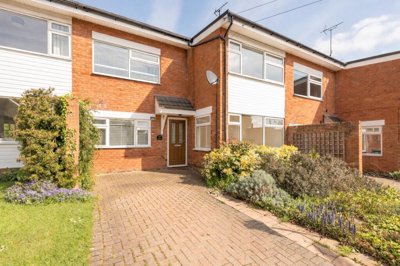
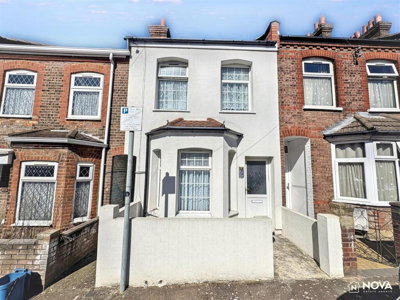
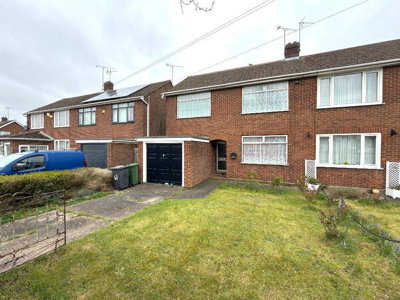
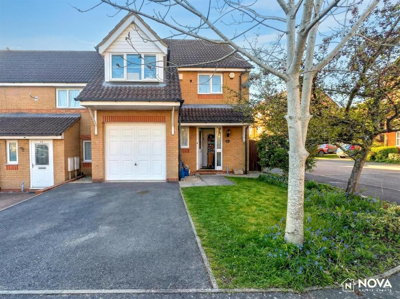
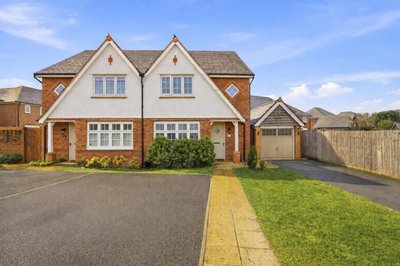
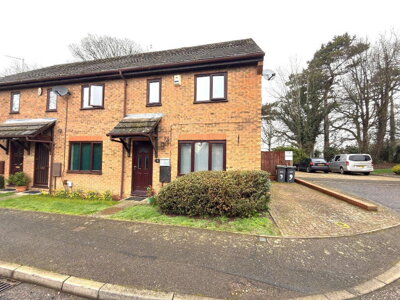
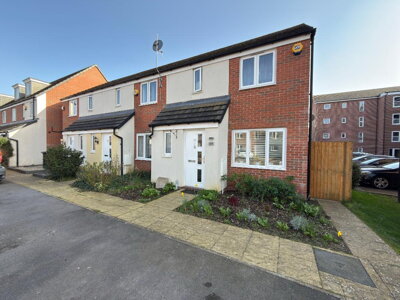
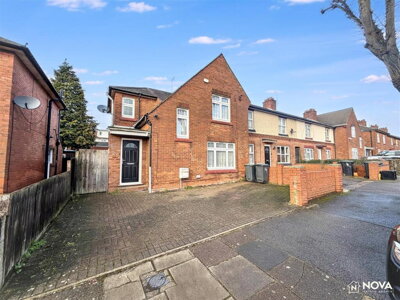
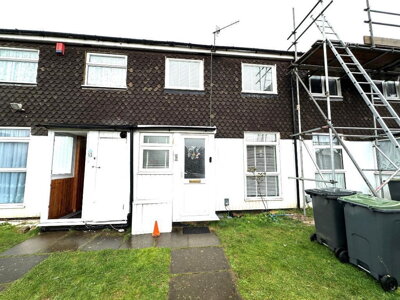
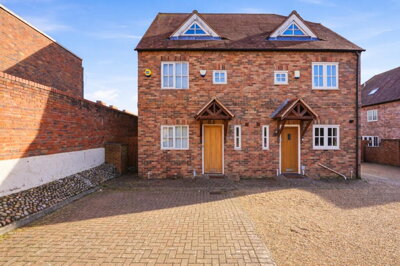
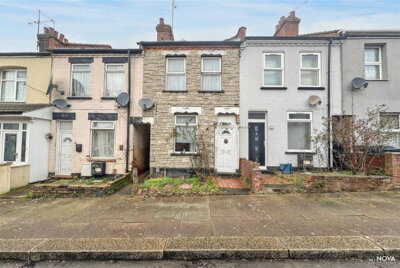
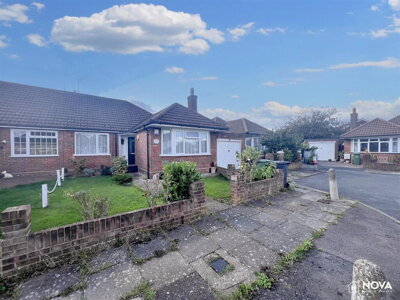
Browse 651 homes for sale in LU1 from local estate agents.
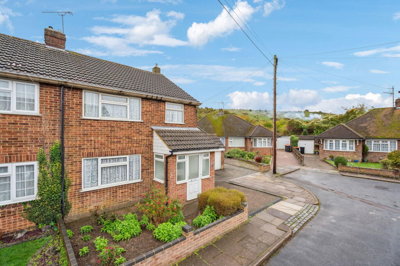
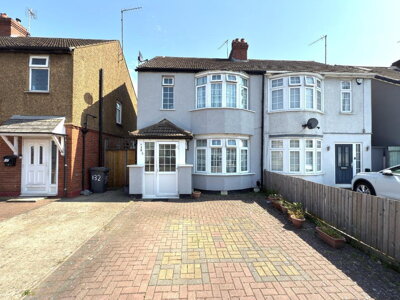
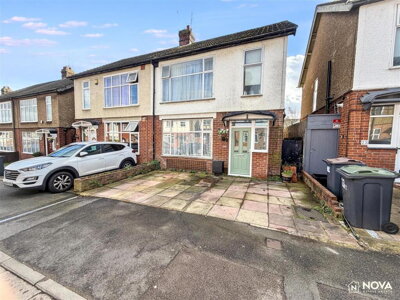
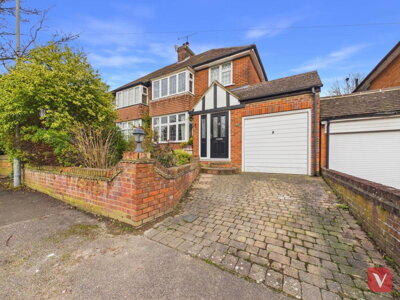
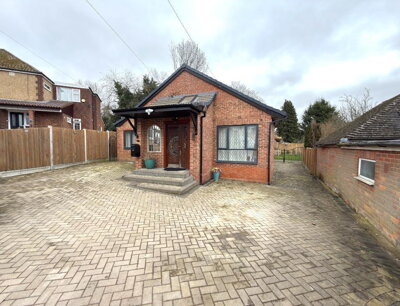
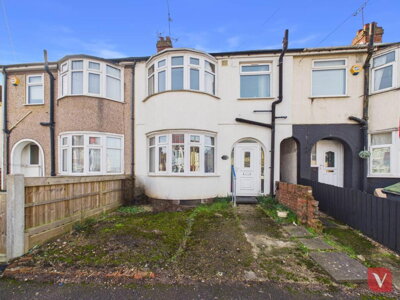
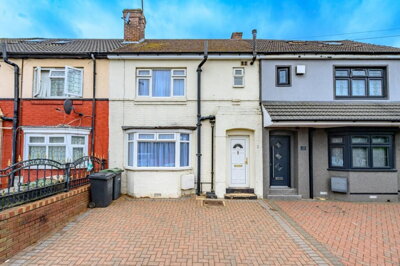
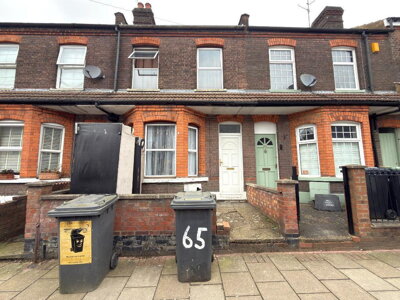
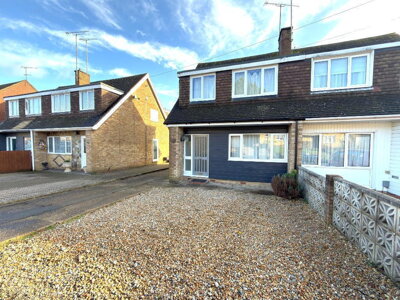
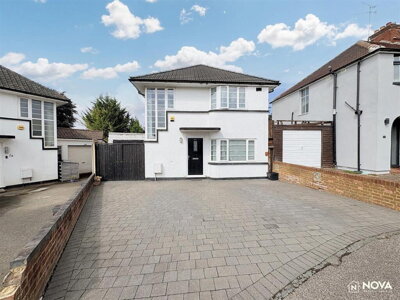
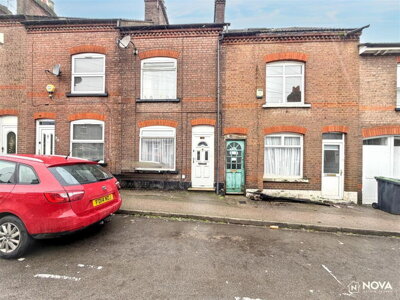
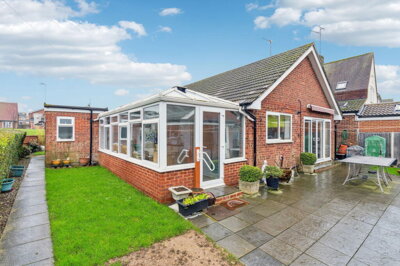
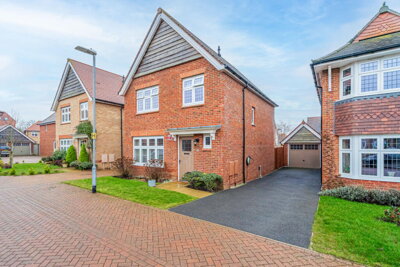
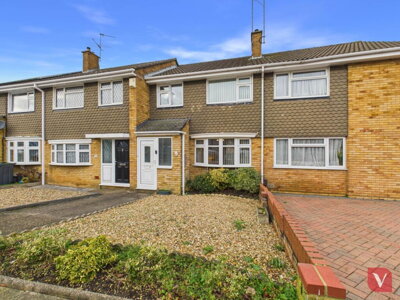
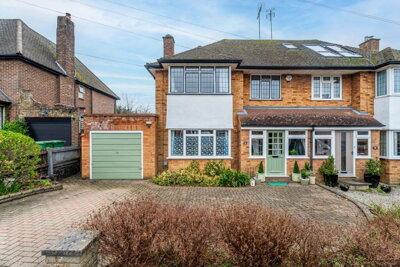
Three bedroom properties represent a significant portion of the LU1 housing market, offering space for families with multiple reception rooms and gardens in many cases. Browse detached, semi-detached, and terraced options ranging from period character homes to contemporary developments.
£340k
68
5
98
Source: home.co.uk
Showing 68 results for 3 Bedroom Houses for sale in LU1. 5 new listings added this week. The median asking price is £340,000.
Source: home.co.uk
Semi-Detached
31 listings
Avg £368,226
Terraced
29 listings
Avg £304,552
Detached
8 listings
Avg £592,500
Source: home.co.uk
Source: home.co.uk
The LU1 property market offers exceptional variety across all price brackets, with terraced properties averaging £255,200, semi-detached homes at £328,735, and detached houses reaching £474,904. Flats remain the most accessible entry point at an average of £169,458, making LU1 particularly attractive for first-time buyers seeking to establish themselves in a well-connected Bedfordshire location. The market has seen 336 property transactions over the past twelve months, indicating healthy activity levels despite the slight price correction of 1.62%.
New-build developments continue to reshape the LU1 landscape, with The Printworks offering one and two-bedroom apartments from £199,995, while Biscot Mill presents two, three, and four-bedroom homes starting from £334,995. Taylor Wimpey's Kingsland Fields development features two-bedroom homes from £330,000, three-bedroom properties from £360,000, and four-bedroom family homes from £430,000. These developments provide modern specifications and energy-efficient designs that appeal to buyers seeking low-maintenance living without compromising on space or quality.
Property price trends across different segments show slight variations, with detached properties experiencing the largest decrease at 1.74% over twelve months, followed by flats at 1.77% and terraced properties at 1.63%. Semi-detached homes showed the most resilient performance with a 1.45% decline. These modest corrections reflect broader national trends while maintaining LU1's position as an affordable option compared to neighbouring Hertfordshire and Greater London.

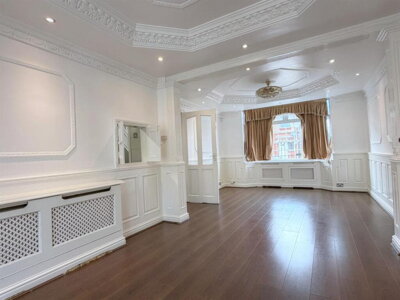
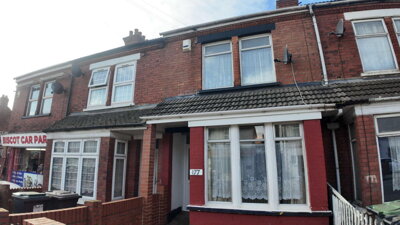
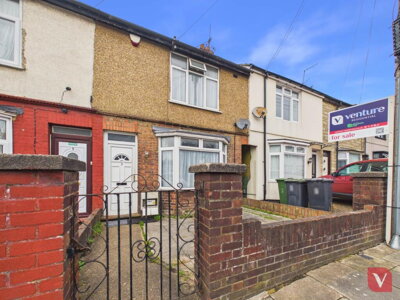
LU1 encompasses some of Luton's most characterful neighbourhoods, with High Town standing out as a designated conservation area featuring distinctive architecture from the Victorian and Edwardian periods. The housing stock reflects Luton's industrial heritage, predominantly built between 1900 and 1980 using traditional brick construction with pitched roofs covered in clay or concrete tiles. Many properties closer to the town centre retain original features including fireplaces, ceiling roses, and wide timber floorboards that appeal to those seeking period character.
The Wardown Park area offers generous green space alongside residential streets popular with families, while the neighbourhood around London Luton Airport balances employment accessibility with residential amenity. Luton's population of 225,262 creates a vibrant community atmosphere, supported by diverse local businesses, restaurants, and cultural venues. The town centre provides comprehensive retail facilities at The Mall Luton and Kingsway Retail Park, while the University of Bedfordshire campus on Kimpton Road contributes to the area's academic and cultural life.
Residential character varies significantly across LU1's neighbourhoods, from the quieter suburban streets near Sundon Park Road to the more urban environment closer to the railway station. The area around Bury Park features a rich mix of cultures and cuisines, reflecting Luton's diverse community. Meanwhile, the streets near Old Bedford Road offer older properties with larger gardens, appealing to families requiring outdoor space. Community facilities include numerous parks, leisure centres, and local shopping parades serving everyday needs.

Education provision in LU1 serves students across all age groups, with primary schools including Hillborough Infants and Juniors, which serve the local community with good Ofsted ratings. Secondary education options include Luton Sixth Form College, providing post-16 academic and vocational courses, and Cardinal Newman Catholic School which maintains strong academic standards. Parents should research specific catchment areas as school admission policies significantly impact property values and family relocation decisions in this part of Luton.
The University of Bedfordshire's Luton campus provides higher education opportunities within easy reach of LU1 residential areas, contributing to the local economy and cultural diversity. Further education is available at Barnfield College, offering vocational qualifications and apprenticeships relevant to local employment sectors. Families considering LU1 should verify current school performance data and admission criteria, as popularity means certain schools operate oversubscribed admission policies that affect catchment boundaries annually.
Primary school options in LU1 include Lea Wood Primary School and Someries Infant Academy and Early Years Centre, serving families in the eastern parts of the postcode. Secondary schools such as Putteridge High School and Stopsley High School serve different catchment areas within LU1, with admission determined by proximity and sibling connections. Independent schooling options exist in the wider Luton area, though these require separate application processes and tuition fees.
LU1 boasts excellent transport connectivity, with Luton Airport Parkway station providing Thameslink services to London St Pancras International in approximately 25 minutes. The station also offers direct connections to Brighton and other southern destinations, making LU1 attractive for commuters working in the capital or seeking coastal leisure access. The M1 motorway junction 10a provides swift road access to Milton Keynes, Northampton, and London, while connections north toward Sheffield and Leeds are straightforward via the M1 corridor.
Local bus services operated by Arriva and other providers connect LU1 neighbourhoods with Luton town centre and surrounding Bedfordshire communities. Key bus routes serve the airport, town centre, and nearby settlements including Dunstable and Houghton Regis. The Luton DART (Direct Air-Rail Transit) system now provides a rapid connection between Luton Airport and Luton Airport Parkway station, improving airport access for residents and enhancing the area's connectivity credentials.
London Luton Airport handles millions of passengers annually, offering European and international destinations and contributing to strong employment in logistics, hospitality, and aviation sectors. Cycling infrastructure has improved in recent years with dedicated routes connecting residential areas to major employment zones, while car ownership remains high given the area's suburban character and motorway accessibility. For those working in London but seeking more affordable housing, LU1 represents an increasingly popular choice with the convenience of fast rail access.
Understanding local construction methods helps buyers appreciate the properties they view and identify potential issues during purchase. The majority of housing in LU1 was built between 1900 and 1980, with Victorian and Edwardian properties featuring solid brick walls and traditional timber construction. These older homes typically have pitched roofs covered with clay or concrete tiles, often with original sash windows and timber floor structures that require ongoing maintenance.
Properties built during the mid-twentieth century expansion feature cavity wall construction, which provides better insulation than solid walls but can still suffer from issues including cold bridging and damp penetration if not properly maintained. Many post-war properties in LU1 use concrete tile roofs and may have been constructed with non-traditional methods that require specialist assessment. The transition to modern building standards occurred gradually, meaning neighbouring properties may have significantly different construction characteristics.
Contemporary new-build properties at developments including The Printworks, Biscot Mill, and Kingsland Fields incorporate current building regulations including enhanced insulation, double glazing, and energy-efficient heating systems. These modern specifications typically result in lower running costs and reduced maintenance requirements compared to older stock. However, new-build buyers should still commission appropriate surveys to identify any construction defects or snagging issues that may not be apparent during developer demonstrations.
Properties in LU1 require careful inspection given the significant proportion of homes built before 1980, when building standards differed considerably from current requirements. Common defects to watch for include rising and penetrating damp, particularly in solid-walled Victorian and Edwardian properties that may lack adequate damp-proof courses. The underlying geology featuring clay deposits creates shrink-swell risks that can manifest as cracking to walls and foundations, especially in properties with mature trees or those affected by recent dry summers.
Roof conditions warrant close attention as many properties exceed fifty years old, with tile deterioration, defective flashings, and blocked gutters representing frequent issues identified during surveys. Water penetration through deteriorated roof coverings can cause extensive damage to timbers, insulation, and internal decorations. Chimney stacks on period properties often show signs of weathering and may require repointing or structural repair. Flat roof sections on extensions and outbuildings typically have limited lifespans and should be assessed for replacement requirements.
Electrical wiring and plumbing systems in pre-1980s properties often require updating to meet modern standards, so factor potential remediation costs into your budget calculations. Consumer unit replacements, additional socket outlets, and complete re-wiring represent common requirements identified during surveys. Similarly, plumbing systems may feature galvanised steel or lead pipes requiring replacement. Timber defects including woodworm and wet rot can affect structural elements and floorboards, particularly in properties with damp issues or inadequate ventilation. A comprehensive survey before purchase helps identify these issues and provides negotiating leverage.
The geology of LU1 and surrounding Luton comprises primarily chalk with superficial clay-with-flints deposits in certain areas, creating moderate to high shrink-swell potential for foundations. Properties with mature trees nearby face particular risk during prolonged dry periods when clay soils contract, potentially causing subsidence damage. Insurance claims data shows Luton properties experience subsidence-related issues more frequently than some neighbouring areas, making thorough foundation assessment essential during property surveys.
Surface water flooding affects certain urban areas of LU1 during heavy rainfall due to impermeable surfaces and drainage capacity constraints. Properties near the River Lea corridor require particular vigilance regarding flood history and any flood resilience measures installed by previous owners. While major flooding events are uncommon, climate change has increased the frequency of intense rainfall episodes that can overwhelm local drainage systems. Buyers should review Environment Agency flood maps and ask vendors about any historical flooding incidents.
Air quality around London Luton Airport and major road corridors including the M1 motorway may be considerations for some buyers. Properties within close proximity to flight paths experience aircraft noise that varies depending on wind direction and operational patterns. The airport publishes noise contour maps showing areas affected by different noise levels. Transport planning has included noise mitigation measures for newer developments, while older properties may benefit from secondary glazing or other acoustic improvements. Air quality monitoring data is available from Luton Borough Council for those requiring detailed information.
Before scheduling viewings in LU1, obtain a mortgage agreement in principle from a lender to understand your budget and demonstrate your seriousness to estate agents and sellers. This document confirms how much you can borrow based on your financial circumstances and provides confidence when making offers on properties ranging from £169,000 flats to £475,000 detached homes.
Explore different areas within LU1 including High Town Conservation Area, Wardown Park, and the new-build developments around Biscot Mill and Kingsland Fields to find the neighbourhood that matches your lifestyle requirements. Consider proximity to schools, transport links, and employment when evaluating different streets and property types available in this diverse postcode.
Book viewings through Homemove's platform or directly with estate agents listing properties in LU1, taking notes on condition, nearby amenities, and any concerns requiring further investigation. View multiple properties across different price points to understand value variations and identify features that matter most in your search.
Given the age of much of LU1's housing stock, arrange a comprehensive survey to identify defects including potential damp issues, roof condition, and subsidence risks associated with local clay geology. Survey costs in LU1 typically range from £400 to £700 depending on property size and value, providing essential information for negotiations or purchase decisions.
Choose a solicitor experienced in Luton property transactions to handle legal work, searches, and contract exchange while you focus on finalising your mortgage arrangements. Local knowledge helps identify issues specific to LU1 properties including conservation area restrictions and any historic planning concerns.
Once mortgage offer is confirmed and surveys satisfactory, coordinate with your solicitor to exchange contracts and set a completion date for moving into your new LU1 home. Properties in this postcode typically complete within 4-8 weeks of offer acceptance, though chain-free transactions can sometimes proceed more quickly.
The average house price in LU1 stands at £277,329 according to recent data, with terraced properties averaging £255,200, semi-detached homes at £328,735, and detached houses reaching £474,904. Flats represent the most affordable option at approximately £169,458. Prices have decreased slightly by 1.62% over the past twelve months, creating balanced market conditions for buyers negotiating purchases in this Luton postcode area. This modest correction follows national trends while maintaining LU1's position as significantly more affordable than neighbouring Hertfordshire locations.
Council tax bands in Luton are set by Luton Borough Council and range from Band A for the lowest-value properties through to Band H for the most expensive homes. Most terraced properties and smaller flats fall into Bands A through C, while larger semi-detached and detached family homes typically occupy Bands D through F. Prospective buyers should check specific property bands via Luton Borough Council's online portal as bands directly affect annual running costs. Properties can be reassessed following extensions or improvements, so verify the current banding before budgeting.
LU1 offers education options across all levels, with primary schools including Hillborough Infants and Juniors and Lea Wood Primary School serving local families with good Ofsted ratings. Secondary options include Luton Sixth Form College and Cardinal Newman Catholic School, with parents advised to verify current Ofsted reports and admission catchment boundaries. The University of Bedfordshire provides higher education within easy reach, making LU1 suitable for families at all educational stages. Catchment areas can change annually based on demand, so early research is advisable.
LU1 enjoys excellent transport connectivity through Luton Airport Parkway station, offering Thameslink services to London St Pancras in approximately 25 minutes with frequent daily departures. Local bus services operated by Arriva connect LU1 neighbourhoods with Luton town centre and surrounding Bedfordshire, while the new Luton DART provides rapid airport access. The M1 motorway provides road access to London and the Midlands, while London Luton Airport offers extensive European and international flight options for international commuters and frequent travellers.
LU1 presents solid investment fundamentals driven by strong employment from London Luton Airport, the University of Bedfordshire, Vauxhall manufacturing operations, and extensive logistics sectors. Excellent M1 motorway and Thameslink rail connections support commuter demand from London workers seeking more affordable housing. The average property price of £277,329 remains accessible compared to London and other Bedfordshire locations, while ongoing new-build development activity at The Printworks, Biscot Mill, and Kingsland Fields indicates sustained developer confidence. Rental demand benefits from airport workers, university students, and commuters seeking alternatives to the capital.
Standard stamp duty rates start at zero percent for properties up to £250,000, with five percent on the portion between £250,001 and £925,000. Properties priced between £925,001 and £1.5 million incur ten percent, while those exceeding £1.5 million pay twelve percent. First-time buyers purchasing properties up to £625,000 benefit from relief that increases the nil-rate threshold to £425,000, paying five percent only on amounts between £425,001 and £625,000. For a typical LU1 flat at £169,458, no stamp duty would be payable, while a £328,735 semi-detached would attract approximately £3,937 in SDLT charges at standard rates.
Given LU1's significant older housing stock built primarily between 1900 and 1980, buyers should watch for damp issues including rising and penetrating damp in Victorian and Edwardian properties with solid walls lacking adequate damp-proof courses. Roof deterioration on homes over fifty years old commonly includes tile damage, defective flashings, and blocked gutters allowing water penetration. The underlying clay geology creates subsidence and heave risks especially for properties with mature trees nearby. Electrical wiring and plumbing in pre-1980s properties often requires complete updating, while timber defects including woodworm and rot can affect structural elements. A RICS Level 2 Survey is strongly recommended before purchasing any property in LU1.
Yes, LU1 includes designated conservation areas including High Town Conservation Area, which features distinctive Victorian and Edwardian architecture with period details requiring preservation. Parts of the Old Bedford Road Conservation Area also fall within the postcode. Properties within these designated zones face planning restrictions on alterations and extensions, requiring consultation with Luton Borough Council planning department before any works. Listed buildings in Luton, typically older historical structures, require specialist surveys and adherence to strict conservation guidelines for any works. These designations can preserve property character but limit renovation options.
Understanding the full costs of purchasing property in LU1 helps you budget accurately and avoid financial surprises during your transaction. Stamp Duty Land Tax applies to all purchases above £250,000 at standard rates, starting at zero percent for the first £250,000, rising to five percent on the portion up to £925,000. For a typical terraced property in LU1 averaging £255,200, stamp duty would amount to £260, while a semi-detached at £328,735 would incur approximately £3,937 in SDLT charges.
First-time buyers purchasing properties up to £625,000 benefit from relief that increases the nil-rate threshold to £425,000, paying five percent only on amounts between £425,001 and £625,000. Beyond the purchase price and stamp duty, budget for solicitor fees typically ranging from £500 to £1,500 depending on transaction complexity, survey costs of £400 to £700 for a RICS Level 2 Survey on a standard LU1 property, and removal expenses which vary based on distance and volume of belongings.
Additional costs to factor include mortgage arrangement fees which can range from zero to £2,000 depending on lender deals, property valuation fees typically £150 to £500, and land registry charges of approximately £200. Buildings insurance should be in place from completion, while survey reports and legal documentation require careful review. Sellers in a chain may introduce delays and additional risks, so chain-free purchases can offer smoother transactions for motivated buyers.
From 4.5%
Compare rates from leading lenders to find the best deal for your LU1 purchase
From £499
Expert legal services for your LU1 property transaction
From £400
Comprehensive condition survey for LU1 properties
From £85
Energy performance certificate for LU1 properties
Properties for Sale In London

Properties for Sale In Plymouth

Properties for Sale In Liverpool

Properties for Sale In Glasgow

Properties for Sale In Sheffield

Properties for Sale In Edinburgh

Properties for Sale In Coventry

Properties for Sale In Bradford

Properties for Sale In Manchester

Properties for Sale In Birmingham

Properties for Sale In Bristol

Properties for Sale In Oxford

Properties for Sale In Leicester

Properties for Sale In Newcastle

Properties for Sale In Leeds

Properties for Sale In Southampton

Properties for Sale In Cardiff

Properties for Sale In Nottingham

Properties for Sale In Norwich

Properties for Sale In Brighton

Properties for Sale In Derby

Properties for Sale In Portsmouth

Properties for Sale In Northampton

Properties for Sale In Milton Keynes

Properties for Sale In Bournemouth

Properties for Sale In Bolton

Properties for Sale In Swansea

Properties for Sale In Swindon

Properties for Sale In Peterborough

Properties for Sale In Wolverhampton

Enter your details to see if this property is within your budget.
Loans, cards, car finance
Estimated property budget
Borrowing + deposit
You could borrow between
Typical borrowing
Monthly repayment
Est. at 4.5%
Loan-to-value
This is an estimate only. Your actual budget may vary depending on interest rates, credit history, and personal circumstances. For an accurate affordability assessment, speak to one of our free mortgage advisors.
This calculator provides estimates for illustrative purposes only and does not constitute financial advice. Your home may be repossessed if you do not keep up repayments on your mortgage. Estimates based on 4.5% interest rate, repayment mortgage. Actual rates depend on your circumstances.
Homemove is a trading name of HM Haus Group Ltd (Company No. 13873779, registered in England & Wales). Homemove Mortgages Ltd (Company No. 15947693) is an Appointed Representative of TMG Direct Limited, trading as TMG Mortgage Network, which is authorised and regulated by the Financial Conduct Authority (FRN 786245). Homemove Mortgages Ltd is entered on the FCA Register as an Appointed Representative (FRN 1022429). You can check registrations at NewRegister or by calling 0800 111 6768.

We use cookies to show you personalised content and improve your experience of our website. Find out more in our Privacy policy and Cookie policy.