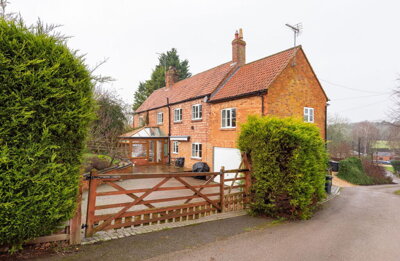
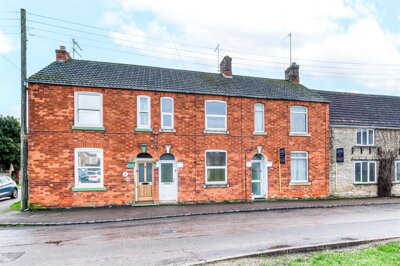
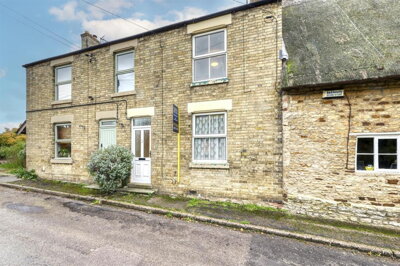
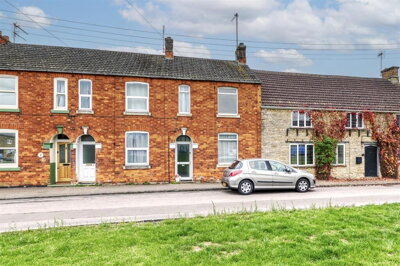
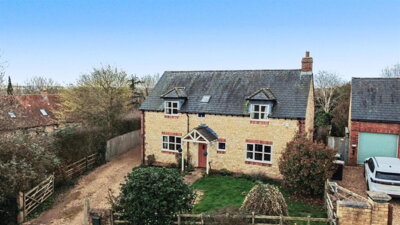
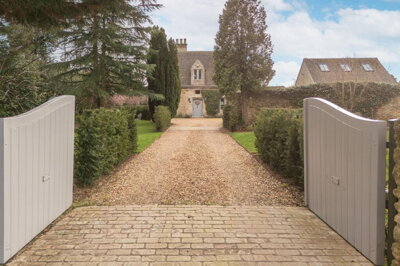
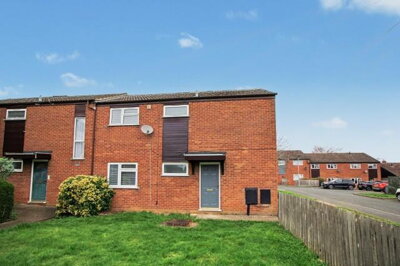
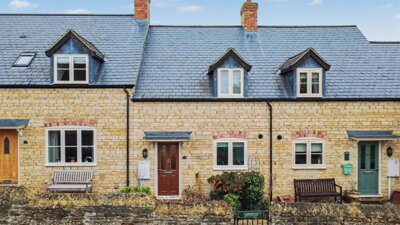
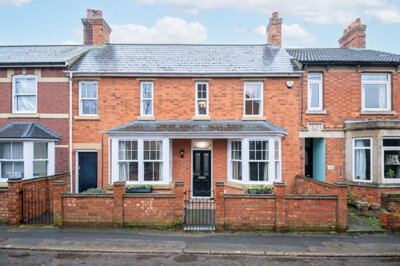
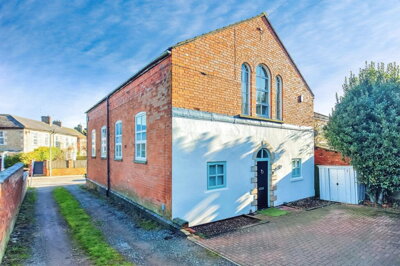
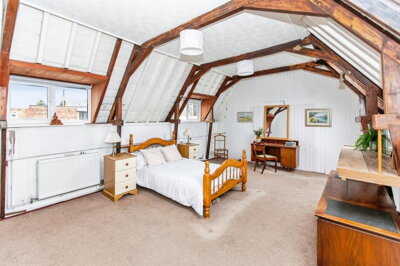
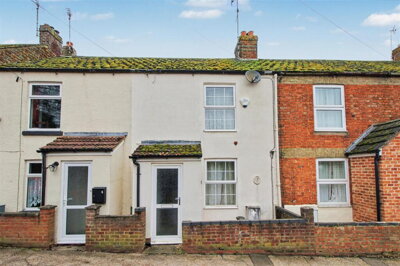
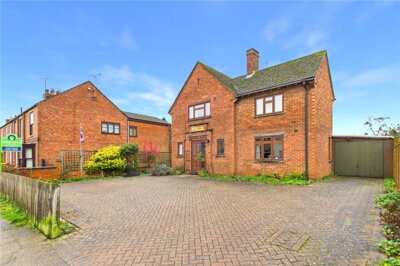
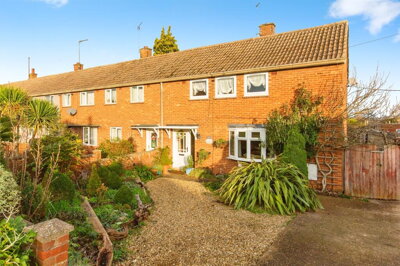
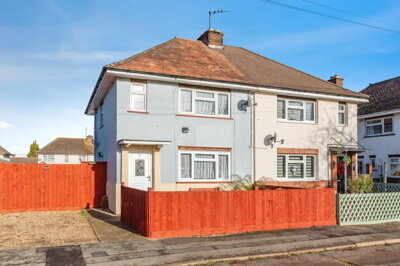
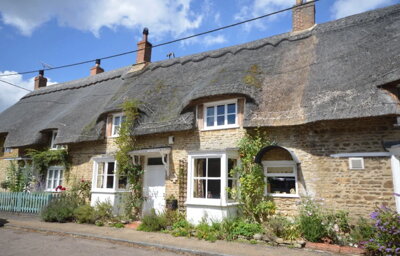
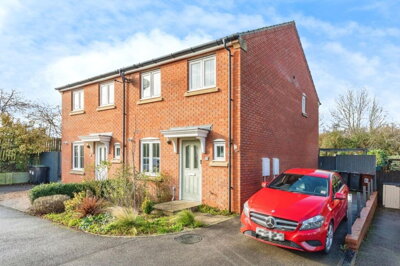
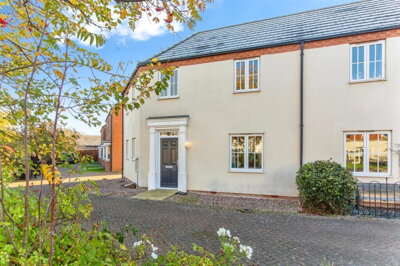
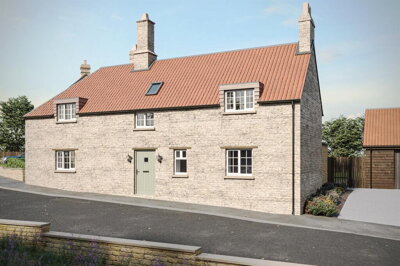
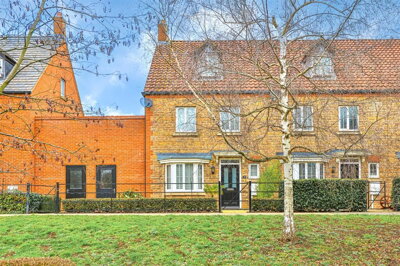
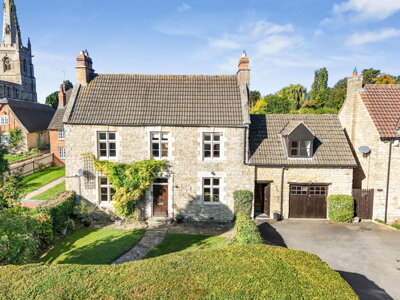
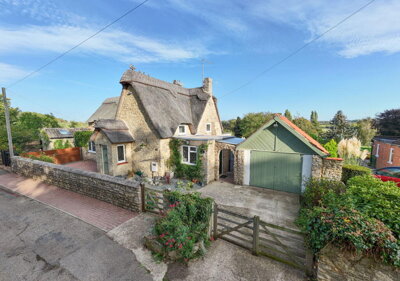
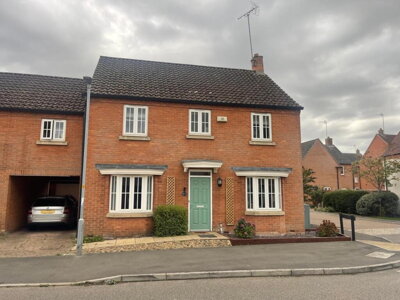
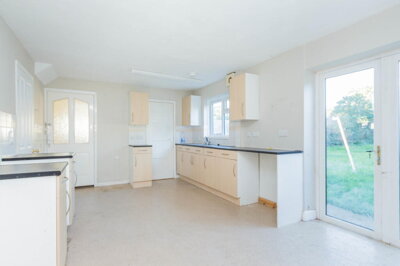
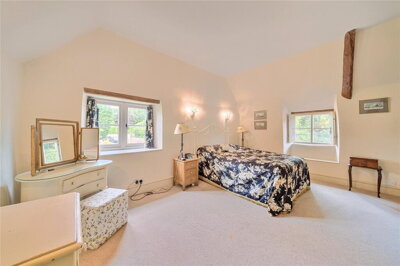
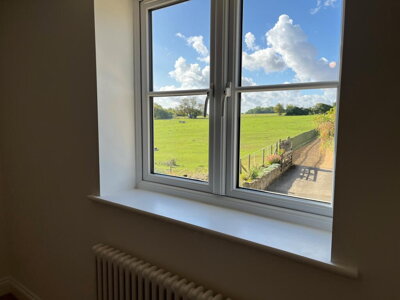
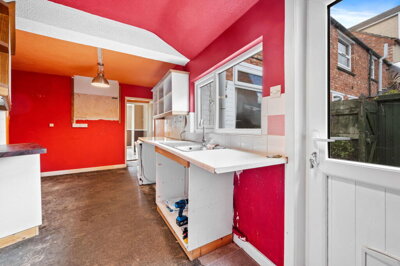
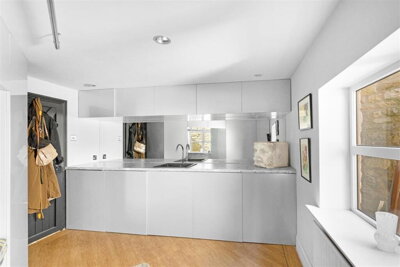
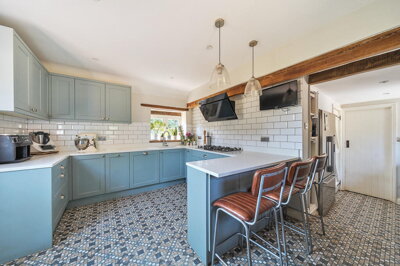
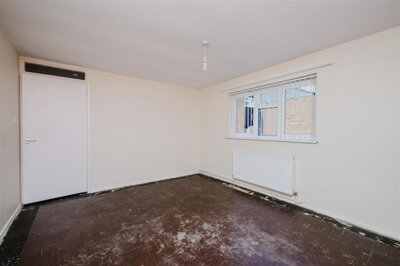
Browse 35 homes for sale in Lowick from local estate agents.
The property market in Sitlington reflects the character of the area itself, offering a mix of period properties and more recent constructions that appeal to a variety of buyer preferences. While specific aggregated price data for the civil parish is not published by major property indices, properties in this part of West Yorkshire generally offer competitive pricing compared to nearby Leeds or Sheffield. The villages within Sitlington feature diverse housing stock, from traditional stone cottages that speak to the area's mining heritage to semi-detached family homes built during various periods of expansion. This pricing advantage makes Sitlington particularly attractive to buyers priced out of the Leeds market but who need good transport connections to the city.
Buyers searching in Sitlington will find predominantly semi-detached and terraced properties, with detached homes typically commanding higher prices due to their relative scarcity in village settings. The historic nature of the area means that many properties date from the late 19th and early 20th centuries, constructed during the height of local coal and ironstone mining operations. These period properties often feature characteristic architectural details including stone facades, bay windows and fireplaces that reflect the building materials and craftsmanship of the era. Many were built using local sandstone from the Coal Measures geology that underlies the area, giving properties a distinctive appearance that buyers find appealing.
The geology of Sitlington, part of the South Yorkshire Coalfield, means that some properties may have foundations affected by historical mining activity. Properties constructed during the mining era typically have solid traditional construction using local brick and stone, with solid floor construction rather than suspended timber floors in many cases. Understanding the construction type and age of a property is important when assessing potential maintenance requirements or renovation possibilities. We recommend booking a property survey to identify any issues specific to the construction type before committing to a purchase.
Recent planning activity in villages such as Middlestown and Netherton suggests continued organic growth within the parish, with applications for home extensions, conservatories and changes of use reflecting the ongoing demand for housing in the area. A recent proposal for a solar farm on 158 acres of green belt land at New Hall Farm in Overton received planning permission, though this is not a residential development. The absence of large-scale new build developments helps preserve the established character of Sitlington's villages, though it also means that buyers seeking brand new homes may need to look elsewhere or consider properties that have undergone recent renovation.

Life in Sitlington centres on the five distinct villages that make up the civil parish, each offering its own character while sharing the strong community spirit that defines West Yorkshire village life. Middlestown serves as one of the larger settlements, providing essential local amenities including shops, pubs and community facilities. Netherton and Overton similarly offer local services, while the smaller hamlets of Midgley and Coxley provide quieter residential settings for those prioritising peace and privacy. The villages are connected by country lanes and public footpaths, making it easy to explore on foot or by bicycle.
The area's history as part of the South Yorkshire Coalfield has left an indelible mark on its character. The National Coal Mining Museum for England, located in Overton, stands as this heritage and serves as a significant local attraction. The museum occupies the former Caphouse Colliery, with two Grade II listed buildings forming part of the museum complex. Visitors and residents can explore the preserved colliery buildings and learn about the industry that shaped not only the local economy but the very fabric of community life in these villages. The museum provides educational programmes and events throughout the year, contributing to the cultural life of the parish. Several other listed structures in the area, including buildings at Netherton Hall and various farm buildings, reflect the agricultural and industrial heritage of the parish.
Green spaces abound in Sitlington, with Coxley Woods offering walking opportunities and the chance to see the geological features documented in the area. The disused quarry within Coxley Woods is cut into the Thornhill Rock, a sandstone formation that dates back approximately 300 million years to the Carboniferous period. Walking trails through the woods reveal glimpses of this ancient geology, with rock exposures and woodland flora creating an attractive environment for outdoor enthusiasts. The River Calder, which forms the north-eastern boundary of the parish, provides scenic walks and occasional wildlife spotting opportunities, though buyers should be aware of potential flood risk in areas adjacent to the river. Properties near the river or its tributaries should be researched carefully for flood history before purchase.
The combination of accessible countryside, local amenities and strong community networks makes Sitlington an attractive place to call home for families, retirees and professionals alike. Local pubs serve as community hubs, hosting events and providing meeting spaces for residents. Village halls in several settlements offer venues for clubs, classes and community activities throughout the year. This strong community fabric, combined with the physical beauty of the surrounding countryside, creates a living environment that many find preferable to urban alternatives.

Families considering a move to Sitlington will find a selection of educational establishments within and close to the civil parish. The villages host primary schools serving the local community, providing education for children from Reception through to Year 6. These schools typically draw from their immediate catchment areas, meaning property location within specific villages may influence school allocation. Parents are advised to verify current catchment boundaries and admission policies with Wakefield Council before committing to a property purchase, as these can change and directly affect your ability to secure a place at your preferred school.
Middlestown and Netherton each have their own primary schools serving their respective village populations, with Midgley, Coxley and Overton families typically accessing schools in the larger neighbouring villages. The proximity of schools to your potential new home is worth considering not just for admissions purposes but also for daily logistics. Morning and afternoon school runs on country lanes require careful driving, particularly during winter months when visibility may be reduced. Some families choose properties based partly on school bus routes and their proximity to established bus stops.
Secondary education options in the surrounding area include schools in nearby towns that serve the Sitlington catchment. The transition from primary to secondary school is an important consideration for families, and researching school performance data, Ofsted ratings and admission criteria well in advance of a move is strongly recommended. Secondary schools in the wider Wakefield area offer various curricula and extracurricular programmes, with some having specialist status in areas such as arts, sports or vocational subjects. Many students from Sitlington travel to schools in Wakefield, with school transport arrangements available for those living beyond walking distance.
For families requiring childcare facilities, the villages within Sitlington generally have nurseries and preschool groups operating from community venues and church halls. These provide early years education and care for younger children, helping families establish local connections before their children start formal schooling. Higher education options are readily accessible via the excellent transport links to Wakefield, Leeds and Sheffield, where universities and further education colleges offer a comprehensive range of degree and vocational courses. Students can commute to higher education or travel to university cities for term-time accommodation, returning to the family home during breaks.
Transport connectivity ranks among Sitlington's significant advantages, offering residents the ability to commute efficiently while enjoying village living. The area's position within West Yorkshire provides access to multiple transport options. The nearest railway stations are located in nearby towns, with regular services connecting to Leeds, Wakefield, Sheffield and beyond. These rail links make Sitlington particularly attractive to commuters who work in the larger urban centres but prefer to reside in a more rural setting. Journey times to Leeds take approximately 30 to 40 minutes by train from nearby stations, making it feasible for daily commuting.
Bus services operate within and connecting the villages of Sitlington, providing local transport for those without cars or preferring public transport for shorter journeys. Routes typically connect to Wakefield city centre and surrounding villages, offering convenient access to shopping, healthcare and leisure facilities. The frequency of bus services varies by route and time of day, so prospective residents should research current timetables if reliance on public transport is planned. Evening and weekend services may be less frequent than weekday schedules, which is worth considering for those with irregular working patterns.
For those travelling by car, Sitlington benefits from proximity to major road networks. The M1 motorway is accessible within reasonable driving distance, providing connections to Leeds, Sheffield and the wider national motorway network. The A638 corridor runs through the area, connecting to Wakefield and offering routes toward Doncaster. Local road conditions include some narrow country lanes between villages, which require careful navigation, particularly for larger vehicles. Parking provision varies by village and property type, with terraced properties potentially offering on-street parking arrangements rather than dedicated drives. Many period properties in the village centres have limited off-street parking, which is worth noting for those with multiple vehicles.
Explore Sitlington's villages to understand which best suits your lifestyle. Consider proximity to schools, transport links and local amenities. Visit the villages at different times of day and week to get a feel for the community atmosphere. Our platform provides detailed listings and area information to support your research, and we can connect you with local estate agents who know the villages well.
Before arranging viewings, obtain a mortgage agreement in principle from a lender. This strengthens your position when making offers and demonstrates your readiness to proceed to estate agents and sellers. Having your finances arranged also helps you set realistic budget expectations when browsing properties in Sitlington, where prices can vary significantly between different property types and villages.
Contact local estate agents to arrange viewings on properties that match your requirements. View multiple properties to compare condition, character and value before deciding. When viewing period properties in Sitlington, pay attention to signs of damp, structural movement or maintenance issues that may be present in older properties. Take photographs and notes to help compare properties later.
Once you have agreed a purchase, book a RICS Level 2 Survey to assess the property's condition. This identifies any structural issues or repairs needed before you commit fully. Given the age of many properties in Sitlington and the potential for mining-related ground conditions, a thorough survey is particularly important in this area. Our survey team can arrange inspection at a time that suits you.
Appoint a conveyancing solicitor to handle the legal aspects of your purchase. They will conduct searches, handle contracts and coordinate with the seller's legal team through to completion. Your solicitor should be experienced with properties in West Yorkshire and familiar with local issues that may arise during conveyancing, including any rights of way or easements that affect the property.
After searches are satisfactory and contracts are signed, your solicitor will arrange exchange of contracts and set a completion date. On completion day, you receive the keys and become the official owner. We recommend arranging buildings insurance to take effect from the completion date and organising removal logistics well in advance of moving day.
Purchasing a property in Sitlington requires careful attention to factors specific to this part of West Yorkshire. The geological composition of the area, featuring the Coal Measures of the South Yorkshire Coalfield, means that buyers should be alert to potential ground conditions. The local geology includes sandstone formations, coal seams and Millstone Grit, with ironstone historically mined from the Tankersley ironstone seam. While specific shrink-swell risk data for Sitlington was not identified in searches, properties in former mining areas may be affected by historical mining activity. A thorough survey can identify any structural concerns related to ground stability.
When viewing properties, look for signs of movement or cracking that might indicate foundation issues. Doors and windows that stick or fail to close properly can sometimes indicate subsidence or ground movement beneath the property. External cracks in brickwork, particularly diagonal cracks extending from window and door frames, may suggest structural movement. Our inspectors are experienced in identifying these issues and can advise on whether further investigation is needed. Properties with apparent signs of movement should be surveyed by a structural engineer before proceeding with a purchase.
Flood risk deserves consideration when evaluating properties in Sitlington. The River Calder forms the north-eastern boundary of the parish, and properties in areas adjacent to watercourses carry some degree of flood risk. The valley areas and low-lying ground near the river are more susceptible to flooding during periods of heavy rainfall. Property surveys can identify signs of previous flooding or damp issues, while buyers should also enquire with the estate agent and review any available flood risk assessments for the specific location. The Environment Agency provides flood risk maps that can help identify properties in flood zones.
The presence of listed buildings within the civil parish indicates the historical significance of certain properties and areas. If you are considering purchasing a listed property, be aware that permitted development rights may be more restricted, requiring planning permission for alterations that would not need consent on unlisted properties. The National Heritage List for England identifies ten listed structures within Sitlington, including Netherton Hall and buildings associated with the former Caphouse Colliery. Conservation area restrictions may also apply in specific locations, limiting external alterations to preserve character. Listed building consent is required for any alterations that affect the character of the building, which can limit renovation options and add costs to any future works.
Specific aggregated price data for Sitlington civil parish is not published by major property indices, making it difficult to cite a precise average. However, properties in this part of West Yorkshire generally offer competitive pricing compared to nearby Leeds and Sheffield. The mix of period terraces, semis and detached homes across the villages creates a diverse price range. Terraced properties in the mining-era terraces of Middlestown or Netherton typically represent the most affordable entry point, while detached homes in more secluded locations command premium prices. We recommend searching our listings to see current asking prices for properties available in the WF12 and WF14 postcode areas, which cover the villages of Sitlington.
Properties in Sitlington fall under Wakefield Council administration for council tax purposes. Council tax bands range from A to H, with the band assigned depending on the property's assessed value. Period properties in the village centres, many built from local sandstone and dating from the late 19th or early 20th century, may fall into lower bands due to their age and original construction cost. More modern detached homes or recently extended properties could be in higher bands due to their current market value. You can check the specific band for any property on the Valuation Office Agency website using the property address.
Sitlington hosts several primary schools serving the local villages, with catchment areas generally aligned to specific settlements. Parents should verify current school admissions criteria and catchments with Wakefield Council, as these can change from year to year. The primary schools serving Sitlington communities include those in Middlestown and Netherton, with Midgley, Coxley and Overton families typically accessing schools in neighbouring villages. For secondary education, schools in the wider Wakefield area serve the Sitlington catchment. Reviewing Ofsted reports and performance data for individual schools before purchasing is advisable, as school quality can influence both educational outcomes and property values in the area.
Bus services connect the villages of Sitlington to Wakefield city centre and surrounding towns, with routes serving Middlestown, Netherton and Overton most frequently. The bus routes provide access to local shops, healthcare facilities and leisure opportunities, though service frequency varies by route and time of day. Railway stations in nearby towns provide access to the rail network, with regular services to Leeds, Wakefield, Sheffield and other destinations. The proximity to major road networks including the M1 motorway also supports car-based commuting to the major employment centres in West and South Yorkshire. Public transport frequency varies by route, so checking current timetables for your specific location is recommended.
Sitlington offers several factors that may appeal to property investors. The area's competitive pricing relative to nearby Leeds and strong community characteristics make it attractive for owner-occupiers, which in turn supports rental demand. The proximity to Wakefield and good transport links support connectivity for tenants working in the city or surrounding areas. Families renting in the area often appreciate the village lifestyle, good schools and access to countryside, creating demand for family-sized properties. However, investors should carefully consider factors including void periods, maintenance costs for older period properties and local rental yields before committing to a purchase.
Stamp Duty Land Tax (SDLT) applies to property purchases in England. For residential purchases, the rates are 0% on the first 250,000 pounds of value, 5% on the portion from 250,001 to 925,000 pounds, 10% on the portion from 925,001 to 1.5 million pounds, and 12% on any amount above 1.5 million pounds. First-time buyers may qualify for relief, paying 0% on the first 425,000 pounds and 5% on the portion from 425,001 to 625,000 pounds. Properties above 625,000 pounds do not qualify for first-time buyer relief. Given the typical price points in Sitlington, many properties fall within the lower SDLT bands, potentially saving buyers several thousand pounds compared to purchasing in more expensive areas like Leeds city centre.
While specific conservation areas within Sitlington civil parish were not identified in searches, the area contains ten listed buildings on the National Heritage List for England, including two Grade II* listed structures and eight Grade II listed buildings. Notable listed buildings include Netherton Hall and its associated buildings, two buildings at the former Caphouse Colliery (now the National Coal Mining Museum), various farm buildings, a wagonway tunnel, a row of cottages, a milepost and a church. These designations provide protection for individual historic properties but differ from conservation area status, which would impose additional restrictions on development across a wider area. If you are considering a property with historic listing, discuss any implications for renovations or alterations with your solicitor before proceeding.
Understanding the full costs of purchasing a property in Sitlington helps buyers budget accurately and avoid surprises. Beyond the property purchase price, the main upfront cost is Stamp Duty Land Tax (SDLT), which applies to all property purchases in England. For properties in Sitlington, as in the rest of the country, SDLT rates depend on the purchase price and whether you qualify as a first-time buyer. The standard residential rates apply 0% tax on the first 250,000 pounds of value, 5% between 250,001 and 925,000 pounds, 10% between 925,001 and 1.5 million pounds, and 12% on any portion exceeding 1.5 million pounds.
First-time buyers benefit from increased thresholds under current SDLT relief. Qualifying first-time buyers pay 0% on the first 425,000 pounds and 5% on the portion between 425,001 and 625,000 pounds. Properties purchased for more than 625,000 pounds do not qualify for first-time buyer relief, meaning standard rates apply. This relief can result in significant savings for buyers purchasing at typical Sitlington price points, making village property more accessible for those entering the market for the first time. Given that most properties in the area fall well below the 625,000 pound threshold, first-time buyers frequently qualify for relief.
Additional buying costs include solicitor fees for conveyancing, which typically range from 500 to 1,500 pounds depending on complexity and whether the property is freehold or leasehold. In Sitlington, the vast majority of properties are freehold, which generally simplifies the conveyancing process compared to leasehold properties. Survey costs should also be factored in, with a RICS Level 2 Survey generally ranging from 350 to 600 pounds depending on property size and the level of detail required. For larger or older properties, a RICS Level 3 Building Survey may be more appropriate, though this comes at higher cost. Searches including local authority, drainage and environmental searches typically cost between 200 and 400 pounds. These searches are important in Sitlington given the mining history of the area, as environmental searches may reveal past industrial uses that affect the property. Mortgage arrangement fees, valuation fees and insurance costs complete the picture of upfront purchasing expenses. Budgeting for removals and any immediate repairs or furnishings adds further to the total moving cost.
Properties for Sale In London

Properties for Sale In Plymouth

Properties for Sale In Liverpool

Properties for Sale In Glasgow

Properties for Sale In Sheffield

Properties for Sale In Edinburgh

Properties for Sale In Coventry

Properties for Sale In Bradford

Properties for Sale In Manchester

Properties for Sale In Birmingham

Properties for Sale In Bristol

Properties for Sale In Oxford

Properties for Sale In Leicester

Properties for Sale In Newcastle

Properties for Sale In Leeds

Properties for Sale In Southampton

Properties for Sale In Cardiff

Properties for Sale In Nottingham

Properties for Sale In Norwich

Properties for Sale In Brighton

Properties for Sale In Derby

Properties for Sale In Portsmouth

Properties for Sale In Northampton

Properties for Sale In Milton Keynes

Properties for Sale In Bournemouth

Properties for Sale In Bolton

Properties for Sale In Swansea

Properties for Sale In Swindon

Properties for Sale In Peterborough

Properties for Sale In Wolverhampton

Enter your details to see if this property is within your budget.
Loans, cards, car finance
Estimated property budget
Borrowing + deposit
You could borrow between
Typical borrowing
Monthly repayment
Est. at 4.5%
Loan-to-value
This is an estimate only. Your actual budget may vary depending on interest rates, credit history, and personal circumstances. For an accurate affordability assessment, speak to one of our free mortgage advisors.
This calculator provides estimates for illustrative purposes only and does not constitute financial advice. Your home may be repossessed if you do not keep up repayments on your mortgage. Estimates based on 4.5% interest rate, repayment mortgage. Actual rates depend on your circumstances.
Homemove is a trading name of HM Haus Group Ltd (Company No. 13873779, registered in England & Wales). Homemove Mortgages Ltd (Company No. 15947693) is an Appointed Representative of TMG Direct Limited, trading as TMG Mortgage Network, which is authorised and regulated by the Financial Conduct Authority (FRN 786245). Homemove Mortgages Ltd is entered on the FCA Register as an Appointed Representative (FRN 1022429). You can check registrations at NewRegister or by calling 0800 111 6768.

We use cookies to show you personalised content and improve your experience of our website. Find out more in our Privacy policy and Cookie policy.