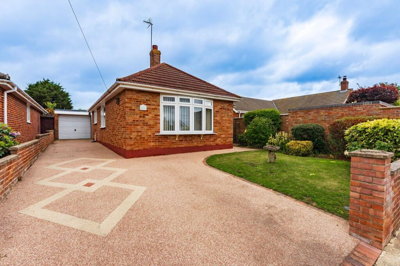
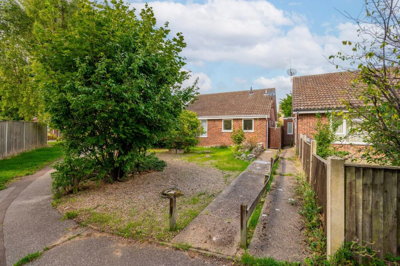
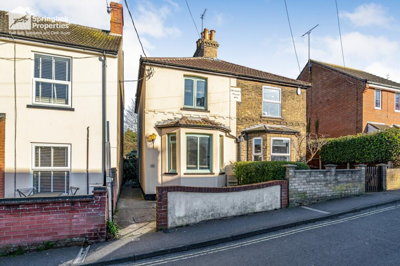
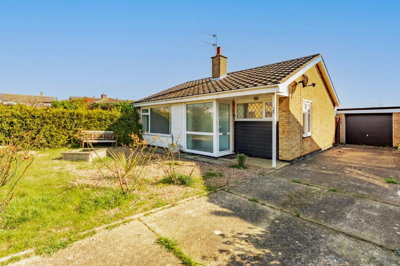
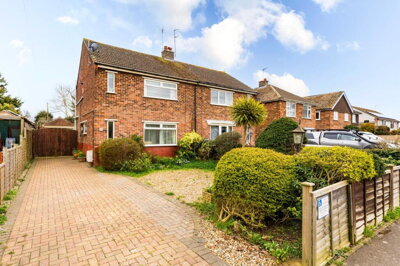
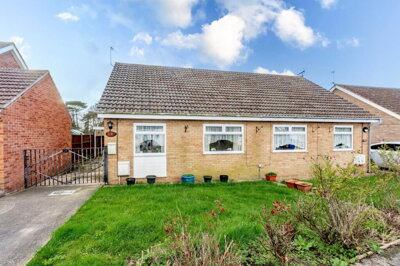
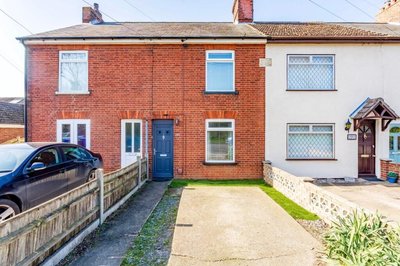
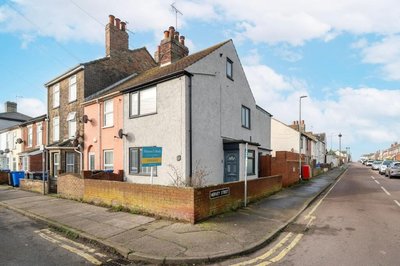
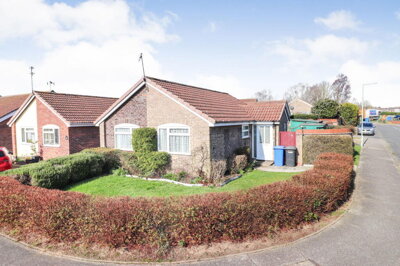
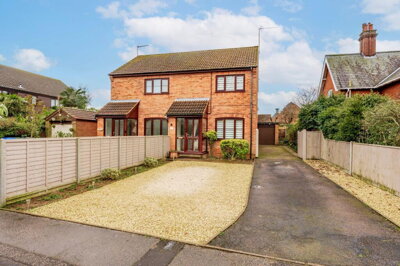
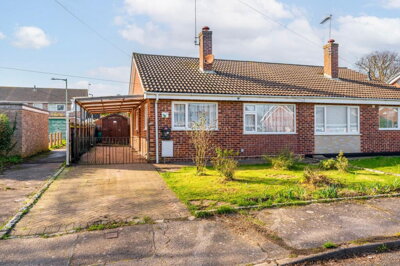
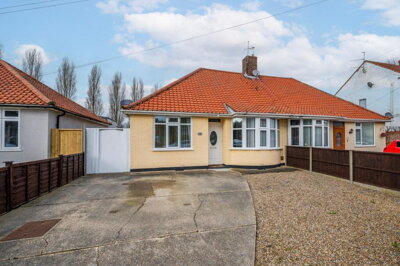
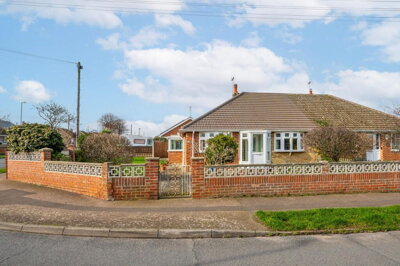
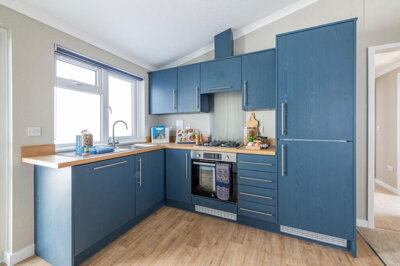
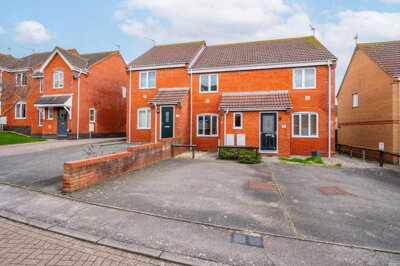
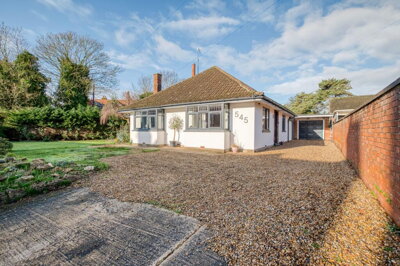
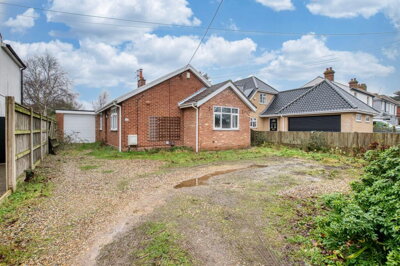
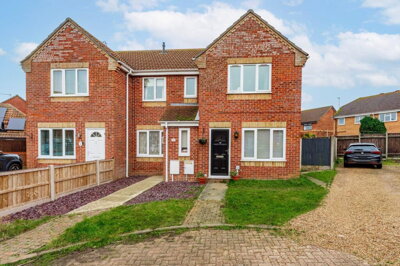
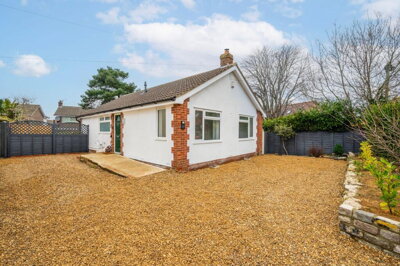
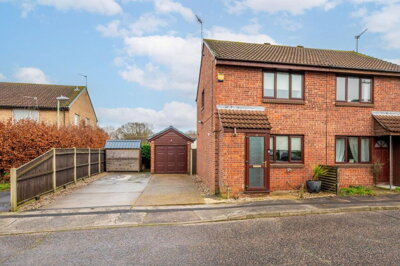
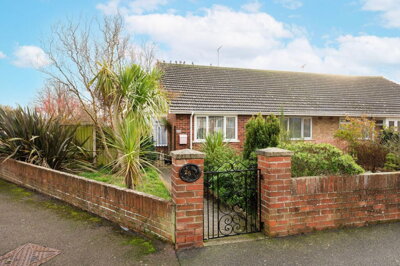
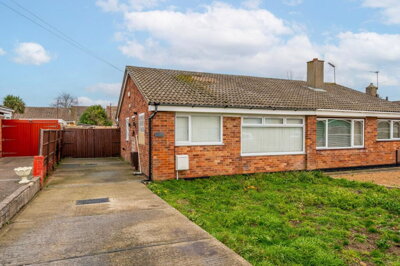
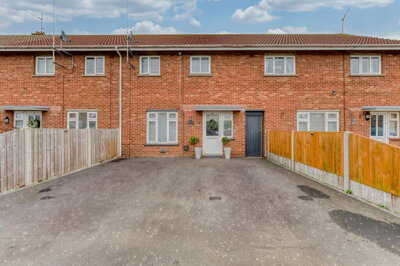
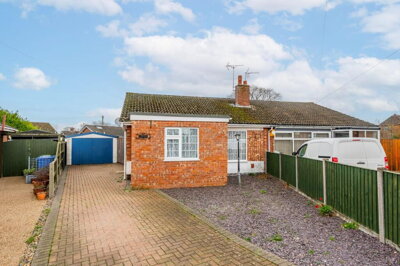
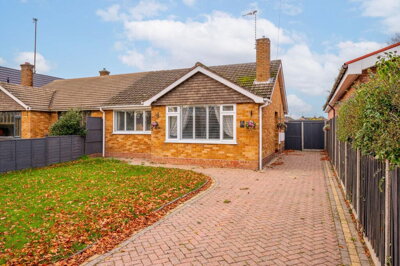
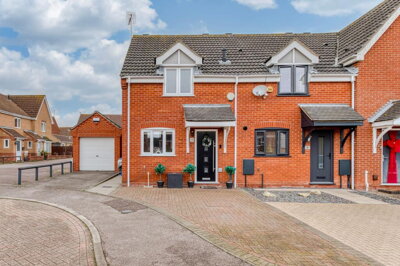
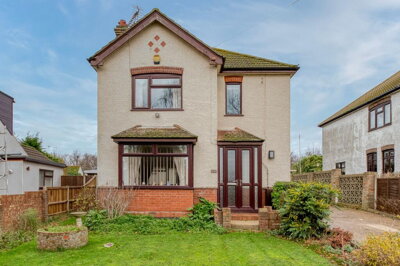
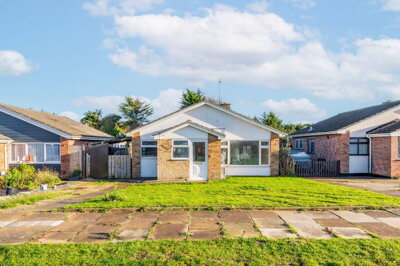
Browse 246 homes for sale in Lowestoft, East Suffolk from local estate agents.
The 2 bed house market features detached, semi-detached, and terraced properties with two separate bedrooms plus living spaces. Properties in Lowestoft range from Victorian and Edwardian period homes to modern new builds, with pricing varying across different neighbourhoods.
£170k
35
0
135
Source: home.co.uk
Showing 35 results for 2 Bedroom Houses for sale in Lowestoft, East Suffolk. The median asking price is £170,000.
Source: home.co.uk
Terraced
23 listings
Avg £152,391
Semi-Detached
9 listings
Avg £196,667
Detached
3 listings
Avg £155,000
Source: home.co.uk
Source: home.co.uk
The Lowestoft property market has demonstrated steady resilience over the past year, with overall average house prices increasing by approximately 2% according to Rightmove data. The current average sold price sits around £234,255, though this figure varies slightly depending on the data source, with some reports placing it between £223,780 and £256,404. This modest growth reflects a stable market that has not experienced the dramatic price swings seen in some other UK regions, making it an attractive option for buyers seeking value and predictability in their property investment. The Lowestoft End area, covering the NR32 1 postcode sector, has shown particularly strong performance with prices up 5% on the previous year, outpacing the town average.
Property prices vary considerably by type in Lowestoft. Detached properties command the highest prices, averaging between £314,938 and £336,218 depending on the source, reflecting the premium space and privacy they offer. Semi-detached homes, which form a substantial portion of the local housing stock, typically sell for around £222,000 to £245,000. Terraced properties provide the most affordable entry point, with average prices ranging from £172,500 to £181,500, making them particularly popular among first-time buyers. Flats remain the most affordable option, averaging between £107,500 and £149,000, though availability can be more limited in certain areas of town.
The NR32 1 postcode sector of Lowestoft has shown particularly strong performance, with house prices growing by 9.9% in the last year according to property analytics. This postcode recorded 128 property transactions in the past twelve months, indicating healthy market activity. Asking prices in the broader Lowestoft area have shown some fluctuation, with a decrease of 3.3% in the past six months, potentially creating opportunities for buyers who act quickly to secure properties before the market adjusts. The broader Suffolk county saw approximately 9,700 property sales in the previous twelve months, though this represented a 14.1% decline in transaction volumes compared to the previous year.
Looking at the composition of recent sales, terraced properties have dominated transactions across most of Lowestoft, while detached homes have been the most common sale type in Lowestoft End. This pattern reflects the different character of neighbourhoods across the town, with inner areas featuring higher densities of traditional terraced housing built for workers in the maritime and fishing industries, while outlying areas developed more recently with larger detached family homes on spacious plots. Understanding these patterns can help buyers identify which neighbourhoods match their preferred property type and lifestyle.

Lowestoft offers a distinctive coastal lifestyle shaped by its unique position as Britain's most easterly town. The town centre features a mix of independent shops, cafes, and restaurants clustered around the historic High Street and the charming Scores area, where steep pathways once led fishermen down to the beach. The seafront promenade stretches along the North Sea coast, providing residents with panoramic views and direct access to two miles of sandy beaches that have attracted visitors since the Victorian era. Cultural attractions include the delightful Neptune Park, the historic lighthouse that marks the easternmost point of England, and the picturesque Oulton Broad, a stunning stretch of inland waterway perfect for sailing, kayaking, and peaceful riverside walks.
The local economy has evolved significantly in recent years, with the offshore wind industry becoming a major driver of employment and investment. Lowestoft's port facilities support operations for numerous renewable energy companies, creating skilled jobs in engineering, maintenance, and logistics that attract workers from across the region. Traditional industries including fishing, maritime services, and tourism continue to play important roles in the local economy. Healthcare and education represent significant employers through the town's hospital, GP surgeries, schools, and further education colleges, providing stable employment for local residents across various skill levels.
The town features several conservation areas that preserve its architectural heritage, particularly around the historic High Street and Scores neighbourhoods. These areas contain numerous listed buildings ranging from Grade I to Grade II, reflecting Lowestoft's importance as a historic trading port. Properties in these areas are subject to stricter planning controls designed to maintain their character, which can affect renovation options but also helps preserve the unique atmosphere that makes these neighbourhoods so desirable. The housing stock throughout Lowestoft includes Victorian and Edwardian terraced homes, interwar semi-detached houses, and more modern developments built on the outskirts since the 1980s, providing a diverse range of properties to suit different tastes and budgets.
The area around Oulton Broad offers a particularly desirable residential environment, with properties benefiting from waterway views and proximity to watersports facilities. The broad itself, one of the most southerly of the Norfolk Broads, provides a tranquil backdrop for riverside living while remaining within easy reach of the town centre. Properties in this area tend to command premiums reflecting their sought-after location, with detached homes along the broad's edges particularly prized by buyers seeking a combination of space and scenic outlook.

Lowestoft provides educational opportunities across all levels, making it a practical choice for families with children of various ages. The town offers numerous primary schools serving different neighbourhoods, with Ofsted-rated good and outstanding options available throughout the area. Primary schools in Lowestoft generally serve their local communities, meaning catchment areas can significantly influence school placement for younger children. Parents researching properties should verify current school catchments and admissions criteria, as these can change and may affect their property choice. Early years education is well catered for through a network of nurseries and preschool settings offering flexible childcare arrangements for working parents.
Secondary education in Lowestoft includes several options providing education for students aged 11 to 16 or 18, with further education provision available at nearby colleges. The town has invested in educational facilities over the years, with ongoing improvements to infrastructure and resources at various schools. For families considering sixth form options, the town offers pathways through both school sixth forms and dedicated further education colleges. Researching exam results, Ofsted ratings, and extracurricular provision can help parents make informed decisions about which school areas best suit their children's needs and aspirations.
For parents moving to Lowestoft from elsewhere, it is worth noting that popular schools can have competitive admissions, particularly in certain catchments. Planning your property search around school catchments requires careful research, as properties may sit on the boundary of different school areas. The local authority publishes school admissions information and catchment maps that can help buyers identify which schools serve specific addresses. Additionally, some families may wish to explore faith schools or specialist provision depending on their children's individual requirements, with transport implications potentially affecting property choices. The East Suffolk Council website provides comprehensive information on school admissions, including details of oversubscription criteria and how catchment boundaries are determined.
Transport connectivity from Lowestoft has improved significantly in recent years, making the town increasingly attractive to commuters who need to travel to larger employment centres. The town is served by Lowestoft railway station, which provides regular train services connecting to Norwich, with onward connections to Cambridge, London Liverpool Street, and the wider National Rail network. Journey times to Norwich typically take around 15-20 minutes by train, opening up access to the city for work, shopping, and leisure without the need for car travel. The direct rail link to Norwich is particularly valuable for residents who work in the city but prefer the lower cost of living offered by a coastal location.
Road connections from Lowestoft are centred on the A12, which runs through the town and provides a direct route north to Great Yarmouth and south towards Ipswich and beyond. The A146 provides an alternative route connecting Lowestoft to the Norfolk Broads and Norwich to the west. For residents who need to travel further afield, the A14 is accessible via the A12 and connects to Felixstowe port and the Midlands. Norwich International Airport is located approximately 35 miles from Lowestoft, offering domestic flights and some European destinations, while London Stansted is accessible via road and rail for international travel.
Local bus services operated by various providers connect Lowestoft with surrounding villages and towns in East Suffolk, providing essential connectivity for those without cars. The town has invested in cycling infrastructure in recent years, with several routes making cycling a viable option for shorter journeys, particularly along the seafront and towards Oulton Broad. Parking in the town centre can be challenging during peak periods, though various car parks are available for shoppers and visitors. For residents considering commuting to London, the train journey via Norwich takes approximately 2 hours to London Liverpool Street, making it feasible for those who work remotely part of the week or have flexible working arrangements. The relatively straightforward commute to Norwich, combined with Lower property prices compared to the capital, makes Lowestoft an increasingly popular choice for workers seeking to balance career opportunities with quality of life.
Obtain a mortgage agreement in principle before viewing properties. This strengthens your position when making offers and demonstrates to sellers that you are a serious buyer. In Lowestoft's competitive market, having finance arranged can make the difference between securing your ideal home and missing out to another buyer. Most mortgage lenders offer online agreement in principle calculators that can give you an initial indication of your borrowing capacity within minutes, though a full mortgage application will require more detailed documentation including proof of income, employment status, and credit history.
Explore different neighbourhoods in Lowestoft to understand which areas match your lifestyle needs and budget. Consider proximity to schools, transport links, amenities, and the character of various districts. Properties near the seafront and Oulton Broad typically command premiums, while areas further inland often offer better value for money. Each neighbourhood in Lowestoft has its own distinct character, from the historic terraces around the High Street to the more modern developments on the town's outskirts.
Contact estate agents in Lowestoft to arrange viewings of properties that meet your criteria. Take time to view multiple properties to compare condition, maintenance requirements, and potential. Pay attention to signs of damp, roof condition, and any maintenance issues that might affect your decision or negotiating position. When viewing period properties, look closely at the condition of original features such as windows, fireplaces, and timber floors, as restoration costs can add significantly to your purchase budget.
Commission a RICS Level 2 Survey before completing your purchase. Given Lowestoft's diverse housing stock including many older properties, a professional survey can identify structural issues, damp problems, or defects that may not be visible during viewings. This information is crucial for negotiating the price or requesting repairs before completion. Common issues found in Lowestoft's older properties include rising damp, deteriorating roof coverings, and outdated electrical systems that require upgrading to meet current standards.
Choose a conveyancing solicitor to handle the legal aspects of your purchase. They will conduct searches, review contracts, and manage the transfer of ownership. Using a solicitor with experience in Lowestoft properties can help navigate any local issues such as conservation area restrictions or flood risk assessments. Your solicitor will typically order drainage and water searches, local authority searches, and environmental searches that can reveal issues affecting the property.
Once all searches are satisfactory and your mortgage is finalized, you will exchange contracts and pay your deposit. Completion typically follows shortly after, when the remaining funds are transferred and you receive the keys to your new Lowestoft home. On completion day, you can collect your keys from the estate agent and begin moving into your new property.
Several area-specific factors deserve careful consideration when purchasing property in Lowestoft. Flood risk is an important consideration given the town's coastal position and proximity to the River Waveney and Oulton Broad. Properties in areas adjacent to waterways or low-lying coastal zones may face elevated flood risk, which can affect insurance costs and mortgage eligibility. Prospective buyers should consult Environment Agency flood risk maps and discuss any concerns with their conveyancing solicitor, who will typically carry out relevant drainage and flood risk searches as part of the conveyancing process. While flood risk affects certain areas, many neighbourhoods in Lowestoft face no significant flood risk, and specialist insurers can often provide coverage for properties in higher-risk zones.
The presence of conservation areas and listed buildings requires careful attention for buyers interested in renovation or alteration projects. Properties within Lowestoft's conservation areas, particularly around the historic High Street and Scores, are subject to stricter planning controls that may restrict permitted development rights. Listed buildings require special consent from the local authority for any alterations that might affect their character or structure. While these restrictions help preserve the town's unique architectural heritage, they can add complexity and cost to renovation projects that buyers should factor into their planning. Properties in conservation areas may also face additional requirements for replacement windows and doors that must match the original character of the building.
Given the age of much of Lowestoft's housing stock, prospective buyers should pay particular attention to potential issues common in older properties. Rising damp, penetrating damp, and condensation are frequently encountered in Victorian and Edwardian buildings, particularly those that have not been well maintained or adequately ventilated. Roof conditions on older properties should be inspected carefully, as deteriorating tiles, slates, and flashing can lead to water ingress and costly repairs. Electrical wiring and plumbing in older homes may not meet current standards and could require upgrading. Timber defects including wet rot, dry rot, and woodworm can affect structural elements and finishes, especially in properties where damp has been present. A comprehensive RICS Level 2 Survey can identify these issues and help you make an informed decision about the property's condition and true cost of ownership.
Coastal erosion represents a long-term consideration for properties located close to vulnerable stretches of the Lowestoft coastline. While most residential areas are well protected, properties near the cliff edges or in exposed coastal positions may face ongoing erosion risk that could affect future values and insurance availability. Buyers should research the specific location of any coastal property and consider the long-term implications for their investment. Properties built with traditional red brick construction, common throughout Lowestoft's older neighbourhoods, generally prove durable but may require attention to pointing and weathering details that protect the fabric of the building from moisture ingress.
The average house price in Lowestoft currently sits around £234,255 according to recent market data, though figures vary slightly between sources, ranging from £223,780 to £256,404 depending on the data source and time period. Property prices by type vary considerably, with detached homes averaging £314,000 to £336,000, semi-detached properties around £222,000 to £245,000, terraced homes from £172,000 to £181,500, and flats typically between £107,000 and £149,000. The market has shown modest growth of approximately 2% over the past year, with the NR32 1 postcode sector showing particularly strong performance at nearly 10% growth. Properties in Lowestoft End have demonstrated price growth of 5% year-on-year, reflecting strong demand in that particular neighbourhood.
Council tax bands in Lowestoft are set by East Suffolk Council, with bands ranging from A through to H depending on the property's assessed value. Most terraced properties and smaller flats typically fall into bands A to C, while larger semi-detached and detached homes often occupy bands D to F. Prospective buyers can check the specific band of any property through the Valuation Office Agency website before making a purchase decision, as this affects the ongoing cost of ownership alongside other household bills. For budgeting purposes, it is worth noting that East Suffolk Council sets council tax rates annually, and bands can be reviewed if the property has undergone significant alterations.
Lowestoft offers a range of educational options across all levels, with several primary and secondary schools rated good or outstanding by Ofsted. Parents should research current Ofsted ratings, exam performance data, and extracurricular provision when evaluating schools. Catchment areas can significantly influence school placement, so buyers with children should verify which schools serve specific addresses through the East Suffolk Council school admissions portal. Popular schools in the area can be competitive, and properties near school boundaries may fall into different catchment areas, making verification essential before committing to a purchase.
Lowestoft is connected by rail services from Lowestoft railway station, with regular trains to Norwich taking approximately 15-20 minutes. From Norwich, passengers can access broader rail connections including direct services to London Liverpool Street, Cambridge, and the East Anglian region. Local bus services operated by various providers connect the town with surrounding villages and towns in East Suffolk. The A12 provides road connections to Great Yarmouth to the north and Ipswich to the south, while Norwich International Airport is approximately 35 miles away. For London commuters, the approximately 2-hour rail journey to Liverpool Street via Norwich makes day commuting feasible with flexible or remote working arrangements.
Lowestoft offers several factors that make it attractive for property investment. The town's position as a hub for the offshore wind industry has brought new employment and investment, potentially supporting future property values as the renewable energy sector continues to expand. Average prices remain significantly lower than many coastal towns in the Southeast, potentially offering better value and room for growth. The rental market benefits from workers in the energy sector, maritime industries, healthcare, and local services, providing demand from tenants across various income levels. However, as with any investment, prospective buyers should carefully consider local market conditions, potential rental yields, and any plans for development or regeneration that might affect property values.
Stamp Duty Land Tax rates for residential properties purchased in England start at 0% on the portion of price up to £250,000. The rate increases to 5% on the portion between £250,001 and £925,000, 10% between £925,001 and £1.5 million, and 12% on any amount above £1.5 million. First-time buyers benefit from increased thresholds, paying 0% up to £425,000 with relief on the portion between £425,001 and £625,000. For most properties in Lowestoft, which typically sell below the £425,000 first-time buyer threshold, stamp duty costs may be minimal or zero depending on buyer status and purchase price. The average property price of £234,255 falls well within the zero-rate threshold for all buyers.
Lowestoft's coastal location and proximity to the River Waveney and Oulton Broad mean that certain areas face elevated flood risk from tidal, river, and surface water sources. Properties in low-lying areas near waterways or close to the coast may be more susceptible to flooding, which can affect insurance premiums and mortgage availability. Prospective buyers should consult Environment Agency flood maps and discuss any flood risk considerations with their solicitor, who will typically arrange appropriate searches as part of the conveyancing process. Many areas of Lowestoft are not subject to significant flood risk, and insurance is typically available for properties across the town through appropriate providers. Your conveyancing solicitor can explain the specific flood risk designation of any property you are considering purchasing.
From 3.5% APR
Expert mortgage advice and competitive rates for your Lowestoft property purchase
From £499
Specialist conveyancing solicitors for property transactions in Lowestoft
From £400
Professional property surveys by qualified RICS inspectors
From £80
Energy performance certificates for Lowestoft properties
Understanding the full cost of purchasing a property in Lowestoft requires consideration of several expenses beyond the purchase price itself. Stamp Duty Land Tax represents a significant cost for many buyers, though properties in Lowestoft frequently fall within lower price brackets that attract reduced rates or no stamp duty at all. Standard rates apply 0% duty on the first £250,000 of a property's purchase price, 5% on the portion between £250,001 and £925,000, 10% on the portion between £925,001 and £1.5 million, and 12% on any amount exceeding £1.5 million. Given that the average property price in Lowestoft is approximately £234,255, many buyers purchasing at or near the average price would pay no stamp duty whatsoever.
First-time buyers in Lowestoft benefit from enhanced stamp duty relief that further reduces or eliminates this cost. Under first-time buyer relief, no stamp duty is payable on the first £425,000 of a property, with 5% charged on the portion between £425,001 and £625,000. This means that the majority of properties available in Lowestoft's market, including most terraced homes, flats, and many semi-detached properties, would qualify for first-time buyer relief with zero stamp duty payable. The relief does not apply to properties priced above £625,000, so buyers purchasing more expensive detached properties would need to account for standard rates on the portion exceeding this threshold.
Beyond stamp duty, buyers should budget for solicitor conveyancing costs, which typically range from £500 to £1,500 depending on the complexity of the transaction and whether the property is freehold or leasehold. Local search fees, land registry fees, and mortgage arrangement fees add further costs, typically totaling several hundred pounds. If the property requires a mortgage, arrangement fees from lenders can range from £0 to £1,500 or more, though many deals are available without arrangement fees. A RICS Level 2 Survey, strongly recommended given the age of much of Lowestoft's housing stock, typically costs between £400 and £900 depending on the property size and value. Factor in moving costs, potential repairs or renovations, and initial utility setup to arrive at a realistic total budget for your Lowestoft property purchase.
Properties for Sale In London

Properties for Sale In Plymouth

Properties for Sale In Liverpool

Properties for Sale In Glasgow

Properties for Sale In Sheffield

Properties for Sale In Edinburgh

Properties for Sale In Coventry

Properties for Sale In Bradford

Properties for Sale In Manchester

Properties for Sale In Birmingham

Properties for Sale In Bristol

Properties for Sale In Oxford

Properties for Sale In Leicester

Properties for Sale In Newcastle

Properties for Sale In Leeds

Properties for Sale In Southampton

Properties for Sale In Cardiff

Properties for Sale In Nottingham

Properties for Sale In Norwich

Properties for Sale In Brighton

Properties for Sale In Derby

Properties for Sale In Portsmouth

Properties for Sale In Northampton

Properties for Sale In Milton Keynes

Properties for Sale In Bournemouth

Properties for Sale In Bolton

Properties for Sale In Swansea

Properties for Sale In Swindon

Properties for Sale In Peterborough

Properties for Sale In Wolverhampton

Enter your details to see if this property is within your budget.
Loans, cards, car finance
Estimated property budget
Borrowing + deposit
You could borrow between
Typical borrowing
Monthly repayment
Est. at 4.5%
Loan-to-value
This is an estimate only. Your actual budget may vary depending on interest rates, credit history, and personal circumstances. For an accurate affordability assessment, speak to one of our free mortgage advisors.
This calculator provides estimates for illustrative purposes only and does not constitute financial advice. Your home may be repossessed if you do not keep up repayments on your mortgage. Estimates based on 4.5% interest rate, repayment mortgage. Actual rates depend on your circumstances.
Homemove is a trading name of HM Haus Group Ltd (Company No. 13873779, registered in England & Wales). Homemove Mortgages Ltd (Company No. 15947693) is an Appointed Representative of TMG Direct Limited, trading as TMG Mortgage Network, which is authorised and regulated by the Financial Conduct Authority (FRN 786245). Homemove Mortgages Ltd is entered on the FCA Register as an Appointed Representative (FRN 1022429). You can check registrations at NewRegister or by calling 0800 111 6768.

We use cookies to show you personalised content and improve your experience of our website. Find out more in our Privacy policy and Cookie policy.