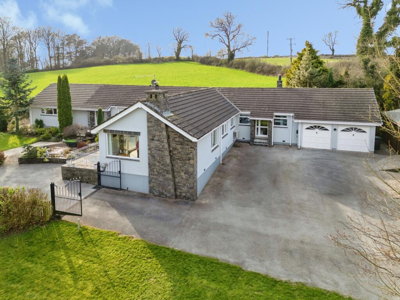
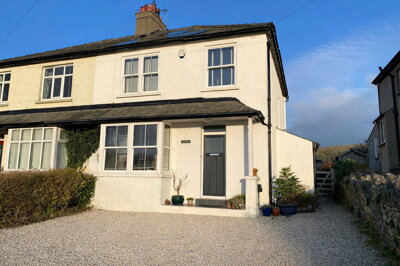
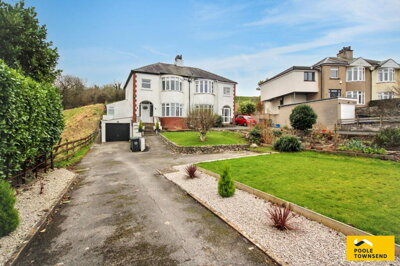
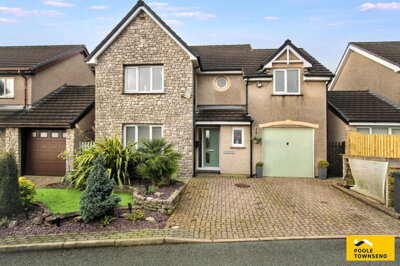
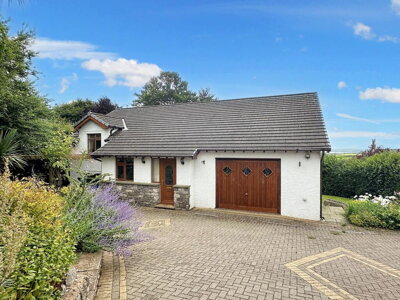
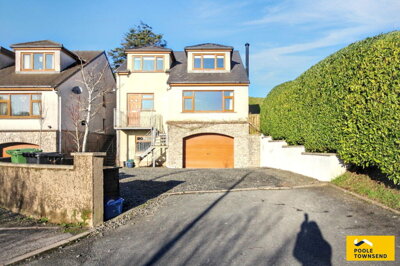
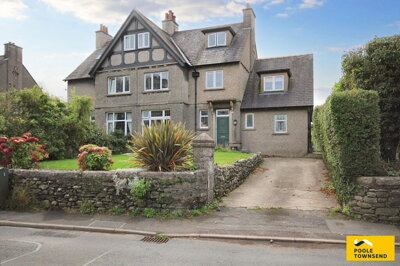
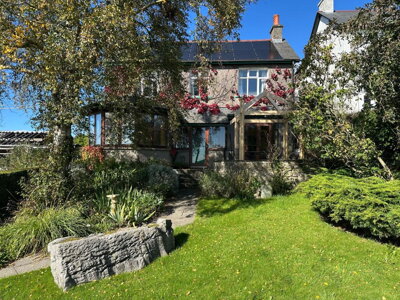
Browse 8 homes for sale in Lower Holker from local estate agents.
The larger property sector typically features multiple bathrooms, substantial reception space, and private gardens or off-street parking. Four bedroom houses in Lower Holker span detached, semi-detached, and occasionally terraced configurations, with styles ranging from period properties to modern executive homes.
The property market in Lower Holker operates within the broader context of Westmorland and Furness, where average house prices typically range from £200,000 to £400,000 depending on property type, condition, and specific location within the parish. Detached family homes with generous gardens and period features command premium prices, while cottages and terraced properties offer more accessible entry points to this desirable area. The housing stock reflects the parish's heritage, with stone construction being prevalent throughout the villages of Flookburgh and Cark. Properties with estuary views or proximity to Holker Hall often attract additional premium interest from buyers seeking the prestige associated with this corner of South Lakeland.
The housing stock in Lower Holker appears mixed, including detached homes, bungalows, terraced properties, and apartments to suit various buyer requirements. Stone construction dominates the older properties, typically featuring roughcast or ashlar dressings with slate roofs designed to withstand the coastal weather conditions that affect the Morecambe Bay area. Many properties in the parish's villages carry listed building status, which affects what alterations and maintenance works can be undertaken without planning permission from Westmorland and Furness Council. Understanding the implications of listed building status before purchasing is essential, as these restrictions form a significant part of owning heritage property in the area.
New build activity in the area is limited but notable, with a proposed development of 29 houses at the former Garden Centre on Allithwaite Road in Flookburgh currently progressing through the planning system. This resubmission follows previous applications and reflects ongoing demand for new homes in the locality. The parish council has expressed concerns about the scale of development, citing the allocated limit of 24 dwellings for the site, which indicates careful management of growth in this sensitive rural area. Properties in Lower Holker benefit from the area's strong historical character, with 62 listed buildings recorded in the National Heritage List for England, including notable structures such as Holker Hall and its grounds. The concentration of historic properties throughout the parish creates a consistently attractive environment that supports long-term property values.

Lower Holker presents a lifestyle defined by its extraordinary natural setting and rich heritage. The parish spans diverse terrain, from the low-lying marshy plains that extend toward Morecambe Bay in the south to a hilly, wooded ridge in the northern reaches of the parish. This varied landscape creates distinct habitats and views, with the River Leven estuary forming the western boundary and creating a natural corridor for wildlife and recreational walkers. The village of Cark sits along the River Eea, adding another watery dimension to the local geography and providing pleasant waterside walks for residents.
The area's heritage is tangible in its architecture and community spirit. With five Grade II* listed buildings and numerous Grade II structures, the villages of Flookburgh and Cark showcase centuries of Cumbrian building tradition. The listed building stock includes not only grand properties but also vernacular structures such as farmhouses, bridges, a public house, a former school building, and parish churches that demonstrate the everyday architectural heritage of the area. Properties here typically feature stone construction, often with roughcast or ashlar dressings, and slate roofs that withstand the coastal weather patterns influenced by Morecambe Bay.
The community supports several traditional pubs where locals gather, a parish church village life, and the former school building that now serves community functions. This close-knit atmosphere means neighbours often know one another, creating a friendly environment particularly valued by families and those relocating from busier urban areas. Local amenities in nearby Grange-Over-Sands are easily accessible, providing shops, cafes, and services for daily needs. The promenade at Grange-Over-Sands offers a scenic seafront walk with views across the bay, while the town provides a range of independent shops and the Ornamental Gardens for leisurely afternoons.
Walking opportunities in Lower Holker are exceptional, with the Cumbria Coastal Way and various public footpaths traversing the parish. The marshy terrain and estuary edges attract birdwatchers and nature enthusiasts, with Morecambe Bay renowned for its bird populations and dramatic tidal movements. The proximity to the Lake District National Park, approximately 30 minutes by car, adds another dimension to outdoor recreation, though the immediate Lower Holker landscape offers its own distinctive beauty without the tourist traffic of the more famous destinations.

Families considering a move to Lower Holker will find educational provision available within the local area and the surrounding South Lakeland district. Primary education is served by schools in the nearby villages, with several outstanding and good-rated primary schools within a short drive of the parish including establishments in Grange-Over-Sands, Cartmel, and Ulverston. The rural nature of the area means class sizes are often smaller than in urban settings, allowing for more individual attention and a strong community feel within school communities. Parents should note that catchment areas can be competitive in popular villages, so early enquiry about school placements is advisable when planning a move to the area.
Several primary schools within reasonable driving distance of Lower Holker have achieved good or outstanding Ofsted ratings, providing parents with options across different educational approaches. Schools in the surrounding villages often have strong links to their communities, with events and activities that help new families integrate quickly. The small scale of rural schools means teachers typically develop good relationships with pupils and parents, facilitating clear communication about each child's progress and wellbeing throughout their primary education.
Secondary education in the area typically involves travel to larger settlements such as Kendal or Ulverston, where secondary schools serve wider catchment areas spanning multiple villages. Several grammar schools in the region provide academic pathways for families seeking selective education, with entrance determined by the 11-plus examination and catchment arrangements that parents should investigate carefully before purchasing property. Schools in Kendal, approximately 20 miles from Lower Holker, serve as a common destination for secondary education, with several establishments offering strong academic records and extensive extracurricular programmes.
For sixth form and further education, the excellent colleges in Kendal and Barrow-in-Furness offer extensive A-level and vocational programmes to suit various career pathways. Kendal College provides a wide range of courses from vocational qualifications to access programmes, while the Furness College campus in Barrow offers further education alongside degree-level programmes in partnership with local universities. The proximity of Lancaster and its universities extends higher education options further afield, with the University of Lancaster and University of Cumbria both accessible for students remaining in the area for undergraduate study. Lower Holker thus provides suitable educational progression from primary through to higher education without necessarily requiring relocation to larger cities.
Transport connections from Lower Holker balance rural tranquility with practical accessibility to regional centres. The area lies within easy reach of the A590, which provides direct access to the M6 motorway at junction 36 near Kendal, connecting residents to Manchester, Liverpool, and the wider national motorway network. The M6 is approximately 20 miles distant at the nearest junction, making longer-distance commuting feasible for those who split their working week between home and office or require regular access to major business centres in the North West.
The A590 provides the primary road route through the area, running between Barrow-in-Furness and the M6 motorway corridor. This road passes through the heart of the Lower Holker parish, providing access to the villages of Flookburgh and Cark, and continues westward to connect with the Furness peninsula and Barrow-in-Furness itself. For daily commuting, many residents travel to Kendal for work and services, while others commute further to Lancaster, Manchester, or even Liverpool for professional roles that cannot be filled locally. The journey time to Manchester city centre by car is approximately 90 minutes under normal traffic conditions.
Public transport options include bus services connecting the villages of Lower Holker to Grange-Over-Sands and Kendal, providing essential access for those without private vehicles. The 40 service and connecting routes serve the local villages, though rural bus frequencies mean careful planning is advisable for those relying on public transport for daily commuting. The nearest railway stations are at Grange-Over-Sands and Cark, offering connections along the Furness line to Barrow-in-Furness and onward to the west coast main line at Lancaster. These stations provide scenic routes through the Morecambe Bay area, though direct services to major cities require connection changes at Lancaster.
For air travel, Manchester Airport and Liverpool John Lennon Airport are accessible via the motorway network, offering international destinations from approximately two hours travel time by car. Edinburgh and Newcastle airports provide northern alternatives for longer-haul flights, while Leeds Bradford Airport offers another regional option within reasonable driving distance. Many residents of Lower Holker find that the accessibility of Manchester Airport for international travel balances the rural lifestyle benefits of living in this corner of Cumbria, making the location practical for both domestic and overseas travel requirements.
Explore our property listings for Lower Holker and familiarise yourself with the area's character, property types, and price ranges. Understanding the difference between a stone cottage in Flookburgh and a modern home near Cark will help you refine your search criteria. The parish encompasses varied terrain from the marshy southern areas near Morecambe Bay to the more elevated northern ridge, and each village within the parish has its own distinct character and amenities that influence property appeal and pricing.
Contact local estate agents to arrange viewings of properties that match your requirements. We recommend viewing properties in different villages within the parish to compare amenities, transport links, and community atmosphere before making your decision. Pay particular attention to flood risk indicators during viewings, such as water marks on external walls, recent damp-proof course installations, and the age and condition of drainage systems, particularly for properties on the lower-lying terrain.
Obtain a mortgage agreement in principle before making offers. Contact our mortgage partners to compare rates and find the best deal for your circumstances, whether you are a first-time buyer or moving from an existing property. Given that many properties in Lower Holker are period homes with stone construction and traditional features, lenders may have specific requirements or may require a more detailed valuation, so discussing your mortgage options with specialists familiar with rural Cumbrian properties is advisable.
Before completing your purchase, arrange a RICS Level 2 Survey to assess the condition of the property. Given the age of many properties in Lower Holker and the prevalence of listed buildings, a thorough survey is essential to identify any structural issues, damp, or required maintenance that may be associated with traditional construction methods. The survey will examine the roof structure, pointing, damp-proof course, and overall condition of stone walls, providing you with a comprehensive understanding of the property's condition before you commit to purchase.
Our conveyancing partners can handle the legal aspects of your purchase, including local searches with Westmorland and Furness Council, title verification, and coordination with the seller's solicitors to ensure a smooth transaction. Local searches in Lower Holker may reveal information about flood risk, planning history, and any conservation area or listed building implications that affect the property. Your solicitor will investigate these matters thoroughly before you proceed to exchange contracts.
Once all searches are satisfactory and finances are confirmed, your solicitor will coordinate the exchange of contracts and set a completion date that suits your moving arrangements. In Lower Holker, where many properties are older or have heritage status, allowing additional time for any survey findings or legal queries to be addressed is often prudent. Your solicitor will notify you when completion is scheduled, and you can then arrange removal services and begin planning your move to your new Cumbrian home.
Purchasing property in Lower Holker requires attention to several area-specific considerations that may not apply in more urban markets. Flood risk is a significant factor given the parish's geography, with the southern marshy plains, proximity to Morecambe Bay, and the presence of the River Leven estuary and River Eea all creating potential flooding concerns during periods of heavy rainfall or high tides. The Environment Agency designates certain areas within the parish as having elevated flood risk, and properties in these zones may face higher insurance premiums or require specific flood resilience measures.
Prospective buyers should review Environment Agency flood maps for the specific property location, check the property's flood history with vendors or their agents, and consider the flood resilience measures already in place such as flood doors, raised electrical sockets, or hard flooring in ground-floor rooms. Properties elevated on the northern hilly ridge within the parish may offer lower flood risk but could command premium prices as a result of their more favourable position and views across the surrounding landscape. When evaluating flood risk, consider not only the property itself but also access routes during potential flood events, as your ability to enter and exit the property safely during extreme weather is an important practical consideration.
The high concentration of listed buildings throughout the parish means many properties carry listed building status, imposing restrictions on alterations, extensions, and even maintenance works. Grade II listed properties form the majority, but five structures hold the higher Grade II* status, indicating their greater architectural or historical significance. Prospective buyers should establish whether their intended purchase is listed before proceeding, as this affects what changes can be made without seeking planning permission from Westmorland and Furness Council. Listed building consent is required for any alterations that might affect the character of the building, and this can extend to matters that might seem like routine maintenance in non-listed properties, such as replacing windows or doors.
Similarly, the likely presence of conservation areas in the historic village centres of Flookburgh and Cark means planning controls may be more stringent than in non-designated areas. Properties within conservation areas have additional requirements regarding external alterations, demolition of structures, or tree work that may affect the character of the area. A thorough RICS Level 2 Survey will identify any structural issues common to older stone properties in the area, including roof condition, pointing deterioration, and potential damp penetration through traditional construction methods that rely on breathability rather than modern damp-proof courses. Setting aside funds for immediate maintenance or repairs following purchase is prudent, as older properties may require attention to roofs, pointing, or damp-proofing shortly after the change of ownership.
Specific average sold prices for Lower Holker itself are not published separately by the major property price databases, but properties in the wider Westmorland and Furness area typically range from £200,000 for cottages and terraced homes to over £400,000 for substantial detached period properties with gardens and character features. Premium properties near Holker Hall or those with attractive estuary views can exceed these ranges significantly. New homes in the proposed Flookburgh development at Allithwaite Road would likely command prices comparable to similar new build properties in South Lakeland, though specific pricing has not been announced as the planning application remains under consideration.
Council tax in Lower Holker is administered by Westmorland and Furness Council, which merged the former South Lakeland and Barrow-in-Furness authorities. Most properties in the parish fall within bands A through D, reflecting the mix of property values in the area. Band A properties may attract charges around £1,200-1,400 annually, while higher-valued detached homes with multiple bedrooms and generous gardens could fall into bands C or D. You should verify the specific band with the council before budgeting for ongoing costs, and note that some period properties with recent improvements may have been rebanded following valuation reviews.
Primary schools in the surrounding villages, including establishments in Grange-Over-Sands and the Cartmel peninsula, have good reputations with several achieving outstanding Ofsted ratings in recent inspections. For secondary education, schools in Kendal and Ulverston serve the wider catchment area, with several providing strong academic records and extensive extracurricular programmes. Grammar schools in the region admit pupils based on 11-plus results, and families should check current catchment arrangements and admission policies with individual schools, as these can change annually and may affect placement for children at any stage of their education.
Bus services connect Lower Holker's villages to Grange-Over-Sands and Kendal, with the X6 service providing the primary route through the area. The nearest railway stations at Grange-Over-Sands and Cark offer connections on the Furness line to Barrow-in-Furness and the west coast main line at Lancaster, though direct services to major cities require changing trains. The A590 provides road access to the M6 motorway at junction 36 approximately 20 miles away, making daily commuting to major cities feasible only with car travel to reach faster rail connections at Lancaster or Oxenholme.
Lower Holker benefits from limited supply of properties for sale, strong demand from buyers seeking rural Cumbrian lifestyles, and the prestige associated with the area's heritage and natural setting near Morecambe Bay. The proposed new development at Allithwaite Road in Flookburgh indicates some growth in housing stock, but the sensitive nature of the landscape and the 62 listed buildings within the parish mean large-scale development is unlikely to threaten property values. Properties with character, good condition, sensible flood resilience measures, and appropriate listed building compliance tend to hold their value well in this market, making Lower Holker attractive for both long-term owner occupation and investment purposes.
Stamp duty land tax for England applies at standard rates: 0% on the first £250,000 of purchase price, 5% on £250,001 to £925,000, 10% on £925,001 to £1.5 million, and 12% above £1.5 million. First-time buyers benefit from relief on the first £425,000, paying 5% between £425,001 and £625,000. Most properties in Lower Holker priced between £200,000 and £400,000 will fall within the lower tax bands, meaning a property at £280,000 would incur £1,500 in stamp duty for a standard buyer, or £0 for qualifying first-time buyers under current thresholds.
Lower Holker has significant flood risk due to its proximity to Morecambe Bay, the River Leven estuary, and low-lying marshy terrain in the southern parish. Properties in Flookburgh and Cark, particularly those near watercourses including the River Eea through Cark, may face elevated flood risk from multiple sources including tidal surge, river flooding, and surface water accumulation. We strongly recommend reviewing Environment Agency flood maps for the specific property location, obtaining a detailed RICS survey that assesses flood resilience measures, and checking the property's flood history with vendors or their agents before purchasing. Insurance costs may reflect the flood risk profile, and properties with known flood events may face challenges when securing cover or at point of sale.
Lower Holker civil parish contains 62 listed buildings recorded in the National Heritage List for England, with five of these holding Grade II* status indicating their special architectural or historical importance. The listed buildings include grand structures such as Holker Hall and its grounds, alongside vernacular buildings such as farmhouses, bridges, a public house, and parish churches that reflect everyday heritage. The concentration of listed properties means that many homes within the parish carry some form of listed status, affecting permitted development rights and requiring listed building consent for certain works. Buyers should establish the listed status of any property they are considering and budget accordingly for any specialist requirements that heritage ownership may entail.
From 4.5%
Compare rates from multiple lenders to find the best mortgage deal for your Lower Holker purchase
From £499
Expert conveyancers to handle your legal work including local searches with Westmorland and Furness Council
From £350
Essential condition survey for any property in Lower Holker, identifying issues common to period stone construction
From £80
Energy Performance Certificate required for all property sales in England
Understanding the full costs of buying property in Lower Holker helps you budget accurately for your move and avoid unexpected expenses during the transaction process. Stamp duty land tax applies to all purchases in England, with current thresholds set at 0% for the first £250,000 of purchase price. For a typical property in Lower Holker priced at £280,000, this means stamp duty would be charged at 5% on the £30,000 above the threshold, totalling £1,500 for a standard buyer. First-time buyers purchasing properties up to £425,000 can benefit from increased relief, paying no stamp duty on the first £425,000 of their purchase under the current first-time buyer exemption.
Beyond stamp duty, buyers should budget for solicitor fees averaging £800-1,500 for conveyancing that includes local searches with Westmorland and Furness Council, title investigation, and contract work. Survey costs for a RICS Level 2 Survey typically range from £350-600 depending on the size and complexity of the property, with larger detached homes or those with unusual construction requiring more detailed assessment. Removal expenses vary based on distance moved and volume of belongings, though many buyers moving to Lower Holker from urban areas find that the quantity of possessions often reduces as properties tend to be more generously proportioned with less need for compact storage solutions.
Search fees from Westmorland and Furness Council typically amount to £200-300 for the standard package of local authority searches covering planning history, building regulations, and various administrative matters. Environmental searches add further cost, and for properties in Lower Holker's flood risk areas, additional specialist searches regarding flood risk and drainage may be recommended. Mortgage arrangement fees if applicable can add £500-2,000 to costs depending on the lender and deal chosen, though many borrowers opt for products without arrangement fees in exchange for slightly higher interest rates.
For properties in Lower Holker's historic housing stock, setting aside funds for immediate maintenance or repairs following purchase is prudent and advisable. Older stone properties may require attention to roofs, pointing, or damp-proofing shortly after purchase, and the costs of these works can accumulate quickly. Budgeting a contingency of at least £2,000-5,000 for unexpected works discovered during the survey or required shortly after moving in is sensible for period property purchases. Properties with listed building status may require specialist contractors for any works, adding premium costs that should be factored into your overall budget when considering older properties in the parish.
Properties for Sale In London

Properties for Sale In Plymouth

Properties for Sale In Liverpool

Properties for Sale In Glasgow

Properties for Sale In Sheffield

Properties for Sale In Edinburgh

Properties for Sale In Coventry

Properties for Sale In Bradford

Properties for Sale In Manchester

Properties for Sale In Birmingham

Properties for Sale In Bristol

Properties for Sale In Oxford

Properties for Sale In Leicester

Properties for Sale In Newcastle

Properties for Sale In Leeds

Properties for Sale In Southampton

Properties for Sale In Cardiff

Properties for Sale In Nottingham

Properties for Sale In Norwich

Properties for Sale In Brighton

Properties for Sale In Derby

Properties for Sale In Portsmouth

Properties for Sale In Northampton

Properties for Sale In Milton Keynes

Properties for Sale In Bournemouth

Properties for Sale In Bolton

Properties for Sale In Swansea

Properties for Sale In Swindon

Properties for Sale In Peterborough

Properties for Sale In Wolverhampton

Enter your details to see if this property is within your budget.
Loans, cards, car finance
Estimated property budget
Borrowing + deposit
You could borrow between
Typical borrowing
Monthly repayment
Est. at 4.5%
Loan-to-value
This is an estimate only. Your actual budget may vary depending on interest rates, credit history, and personal circumstances. For an accurate affordability assessment, speak to one of our free mortgage advisors.
This calculator provides estimates for illustrative purposes only and does not constitute financial advice. Your home may be repossessed if you do not keep up repayments on your mortgage. Estimates based on 4.5% interest rate, repayment mortgage. Actual rates depend on your circumstances.
Homemove is a trading name of HM Haus Group Ltd (Company No. 13873779, registered in England & Wales). Homemove Mortgages Ltd (Company No. 15947693) is an Appointed Representative of TMG Direct Limited, trading as TMG Mortgage Network, which is authorised and regulated by the Financial Conduct Authority (FRN 786245). Homemove Mortgages Ltd is entered on the FCA Register as an Appointed Representative (FRN 1022429). You can check registrations at NewRegister or by calling 0800 111 6768.

We use cookies to show you personalised content and improve your experience of our website. Find out more in our Privacy policy and Cookie policy.