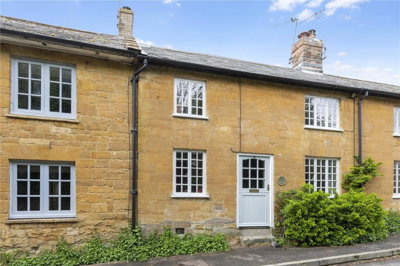
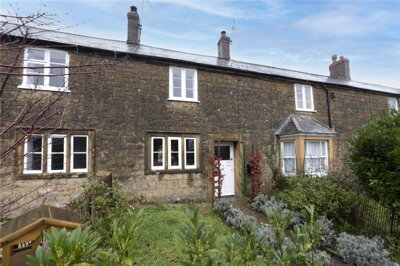
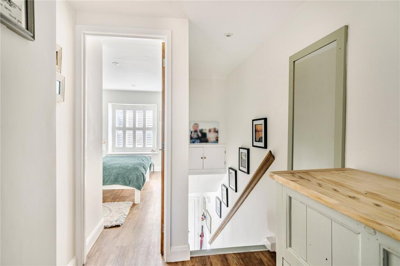
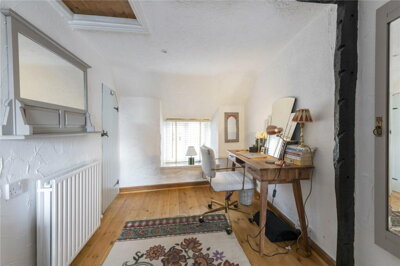
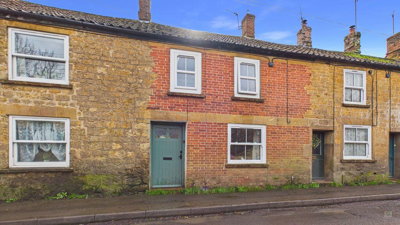
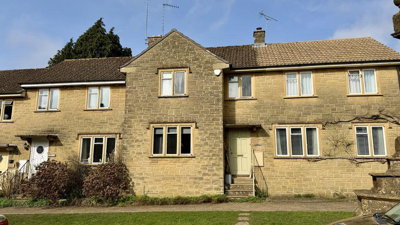
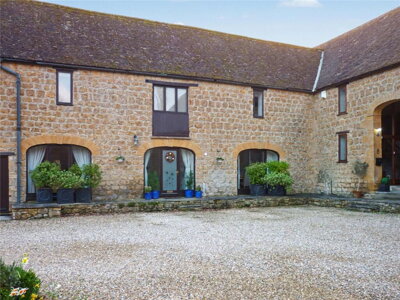
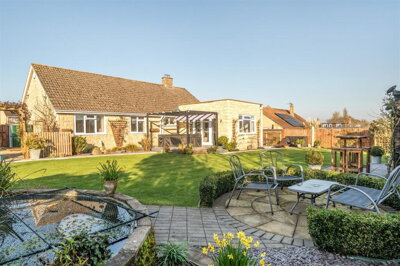
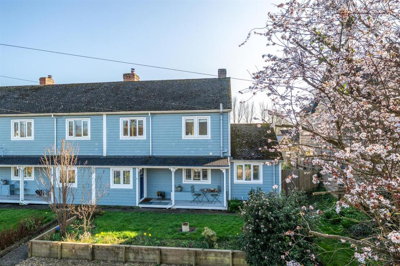
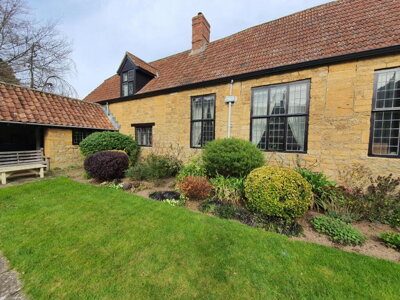
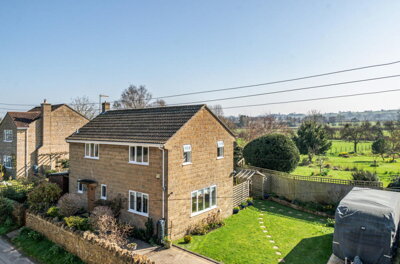
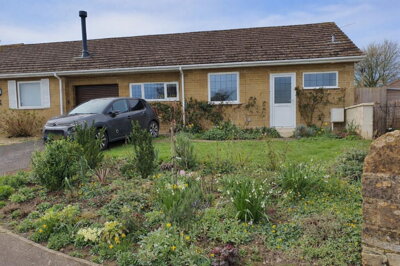
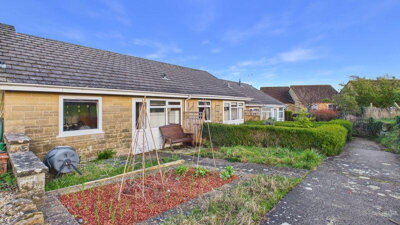
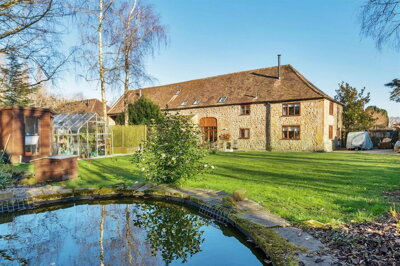
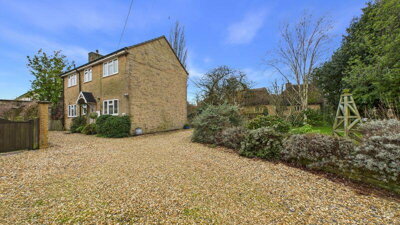
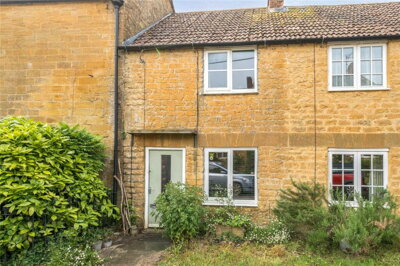
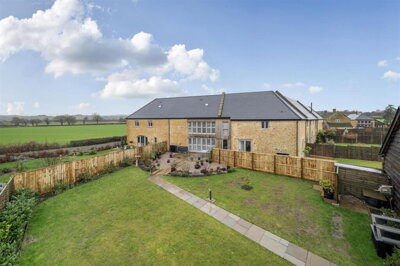
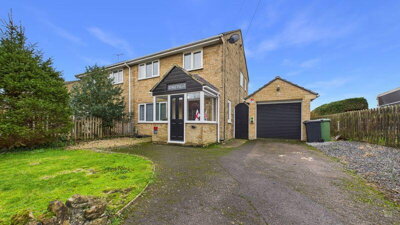
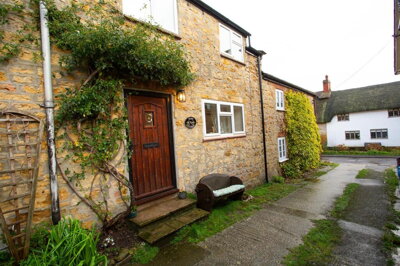
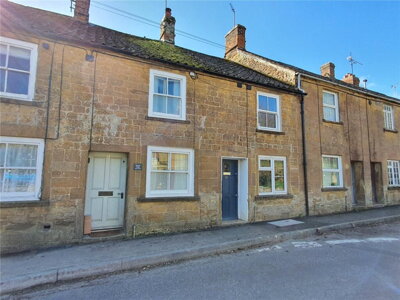
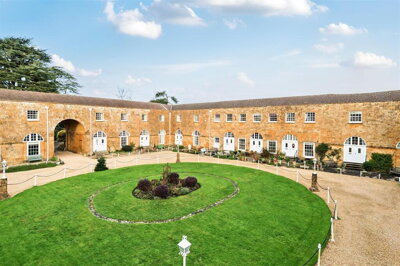
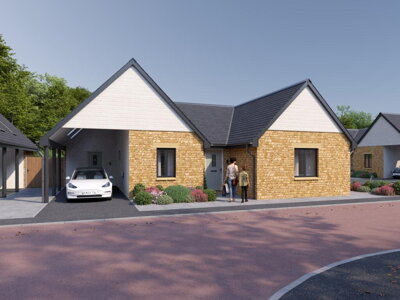
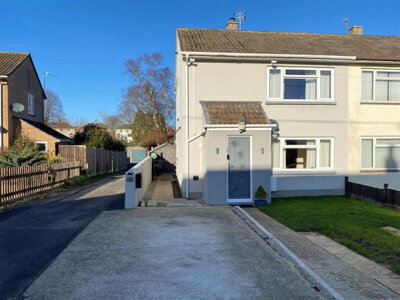
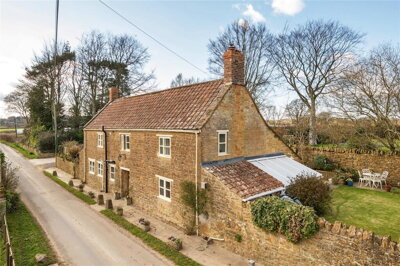
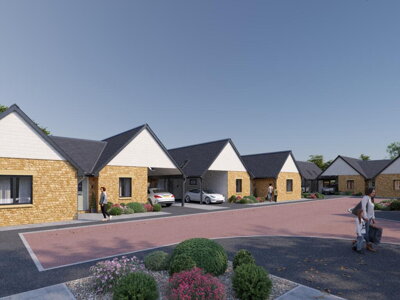
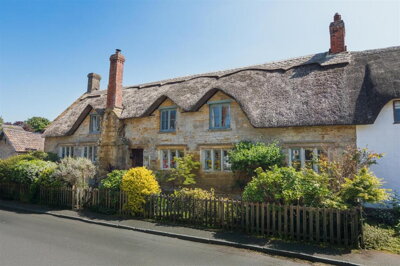
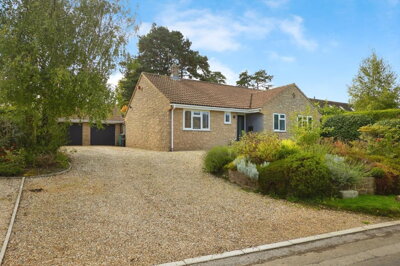
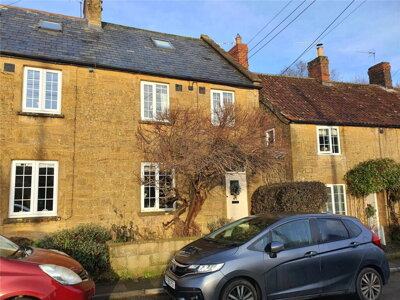
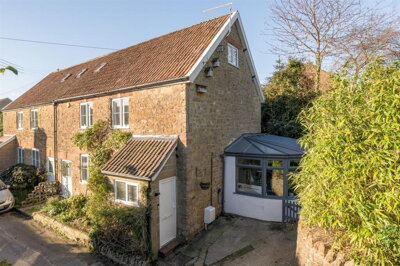
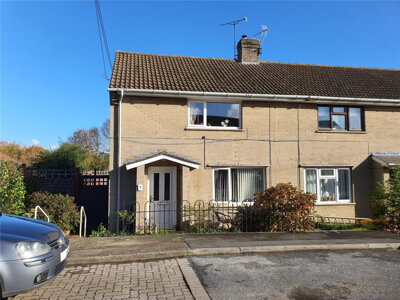
Browse 60 homes for sale in Lopen, Somerset from local estate agents.
The Lopen property market offers detached, semi-detached, and terraced houses spanning various price ranges and neighbourhoods. Each listing includes detailed property information, photographs, and direct contact with the marketing agent.
£547k
2
0
137
Source: home.co.uk
Showing 2 results for Houses for sale in Lopen, Somerset. The median asking price is £547,475.
Source: home.co.uk
Detached
2 listings
Avg £547,475
Source: home.co.uk
Source: home.co.uk
The Lake District property market presents a diverse range of opportunities for buyers, with detached properties commanding the highest prices at an average of £608,983. These substantial family homes often feature traditional stone construction, generous gardens, and stunning views across the fells. Semi-detached properties average £347,750, offering excellent value for families seeking that perfect balance between space and accessibility. The market recorded approximately 1,000 property sales over the past twelve months, indicating healthy transaction volumes despite the area's unique geographic constraints and planning considerations inherent to its National Park status.
Terraced properties in the area average £290,000, with many featuring the characteristic slate facades and thick stone walls that define traditional Lakeland architecture. Flats average around £200,000, though these can vary significantly depending on location and whether the property is a purpose-built apartment or a conversion within one of the many conservation areas. The predominant housing stock across Westmorland and Furness shows that 36.6% of properties date from before 1919, with a further 11.2% built between 1919 and 1945, meaning traditional construction methods and period features are the norm rather than the exception.
New build developments are relatively scarce within the National Park due to strict planning controls designed to protect the landscape. Notable exceptions include Hawkshead Gardens in Hawkshead, where Genesis Homes offers 2, 3, 4, and 5-bedroom homes from £325,000, representing one of the few opportunities to purchase a brand-new property within the park boundaries. Just outside the National Park boundary, The Heathers in Kendal offers 3, 4, and 5-bedroom homes from £319,995 from developer Story Homes, while The Meadows in Burneside provides 2, 3, and 4-bedroom options from £249,950 through Russell Armer Homes. For buyers prioritising new build, these gateway locations offer modern construction with the benefit of Lake District access.

Understanding the predominant housing stock helps buyers set realistic expectations when searching for property in the Lake District. Detached properties comprise approximately 28.5% of the local housing mix, with many of these being substantial stone-built family homes in villages like Grasmere, Coniston, and the towns surrounding Windermere. These homes typically feature four or more bedrooms, original stone fireplaces, and gardens that take advantage of the dramatic surrounding landscape. Some of the grander detached properties include historic country houses and farmhouses that have been converted into elegant family homes over the centuries.
Semi-detached properties account for around 28.1% of housing stock and represent excellent value for families seeking a balance between period character and modern convenience. Many of these were built during the Victorian and Edwardian periods, featuring high ceilings, original sash windows, and the characteristic stone construction that defines the Lakeland aesthetic. Towns like Penrith, Kendal, and Ambleside offer particularly good selections of semi-detached period properties at various price points, with proximity to local schools and amenities varying by location.
Terraced properties at 24.5% of stock include both traditional Lakeland workers' cottages in historic villages and Victorian terraces in the market towns. These properties often offer the most affordable entry point to the local market, with prices for character cottages in villages like Cartmel, Hawkshead, and Buttermere frequently starting below the area average. The characteristic features of traditional Lakeland cottages include thick stone walls, flagstone floors, exposed beams, and small gardens, all designed to withstand the area's notoriously wet weather while maximising the available interior space.
Flats and apartments comprise 18.2% of the housing stock and range from contemporary apartments in converted barns to Victorian conversions in conservation areas. Purpose-built developments are less common than in urban areas, but residential conversions of historic buildings provide character-filled options for buyers seeking lower maintenance properties or buy-to-let opportunities. Properties in designated conservation areas such as Ambleside, Grasmere, Keswick, and Windermere/Bowness-on-Windermere require adherence to strict planning guidelines for any alterations, which affects both renovation potential and ongoing maintenance obligations.
Life in the Lake District, Westmorland and Furness, offers an unparalleled quality of life that draws visitors from across the globe and inspires residents to put down permanent roots. The area is home to approximately 42,000 permanent residents across 18,000 households, though the population swells significantly during peak tourist seasons when holidaymakers descend to explore the fells, lakes, and picturesque villages. The local economy revolves primarily around tourism, hospitality, and agriculture, with traditional sheep and cattle farming still visible across the dramatic landscape. Small businesses thrive here, from artisanal food producers to outdoor activity providers, creating a vibrant community spirit that belies the rural setting.
The predominant housing stock reflects centuries of building tradition, with over 36% of properties dating from before 1919. Local builders traditionally used Westmorland green slate and Burlington slate for roofing, complemented by greywacke, granite, and sandstone for walls, creating the distinctive appearance that defines Lakeland villages. Traditional cottages feature thick walls designed to withstand the notoriously wet Cumbrian weather, with many incorporating original features such as exposed beams, stone fireplaces, and flagstone floors. The landscape itself is characterised by ancient volcanic rocks, slates, and grits, interspersed with areas of Carboniferous Limestone on the park's fringes.
The geology of the Lake District has significant implications for property owners and buyers to consider. The ancient volcanic bedrock that forms the core of the National Park means that shrink-swell subsidence risk from clay soils is generally low across much of the area, as clay content is not the predominant surface geology. However, localised areas of glacial till with higher clay content exist in valley bottoms and lower-lying areas, where moderate risk might be present. Properties built on these specific deposits could be susceptible to ground movement during periods of drought or heavy rainfall, making a thorough property survey particularly valuable for older properties in these locations.
Broadband connectivity varies significantly across the National Park, with urban centres like Penrith, Kendal, and Windermere offering superfast services, while more remote villages may only have basic coverage. The shift toward remote working has increased demand for properties with reliable internet connections, and buyers should verify current broadband speeds at any property under consideration. Mobile phone coverage also varies, with some rural valleys experiencing poor signal strength for all networks, an important consideration for those dependent on mobile connectivity for work or emergencies.

Families considering a move to the Lake District will find a range of educational options across the Westmorland and Furness area. Primary education is well served through numerous village schools, many of which are rated Good or Outstanding by Ofsted. Schools in settlements such as Ambleside, Keswick, and Penrith provide excellent foundations for younger children, often benefiting from strong community involvement and smaller class sizes that allow for personalised attention. The traditional primary school in the heart of Grasmere serves not only local families but also children from surrounding dales, while dedicated primary schools in Hawkshead and Coniston offer small-scale education with excellent outdoor learning opportunities that take full advantage of the National Park setting.
Secondary education options include well-established grammar schools in nearby Penrith, along with comprehensive schools in larger towns that offer broad curricula and strong extracurricular programmes including outdoor education, reflecting the local landscape. Penrith's grammar school system provides selective education from age eleven, with strong academic results at GCSE and A-Level that see many students progressing to Russell Group universities. Non-selective options include Ullswater Community College in Penrith and Keswick School, both of which offer comprehensive education with good facilities and experienced teaching staff.
For families prioritising academic excellence, the grammar school system in Westmorland and Furness provides access to selective education from age eleven. Schools in the area consistently achieve strong results at GCSE and A-Level, with many students progressing to Russell Group universities. Sixth form provision is available at secondary schools in market towns, while Kendal College and other further education providers offer vocational pathways and adult learning opportunities. The presence of reputable schools significantly influences property values in catchment areas, making proximity to good schools an important consideration for families budgeting their property search in this desirable corner of Cumbria.
Independent schools in the region provide additional educational choices for families seeking alternatives to the state system. Schools such as St. Bees School on the western edge of the area and various preparatory schools in the region offer independent education with strong academic and extracurricular programmes. Many families choosing independent education factor school locations into their property search, with proximity to these establishments influencing decisions in communities like Penrith, Keswick, and the Windermere area.
The Lake District benefits from increasingly convenient transport connections that make commuting feasible for remote workers and those maintaining city careers. The West Coast Main Line serves Penrith, providing direct rail access to London Euston in around three hours, while Carlisle offers connections to Edinburgh and Glasgow. Local stations at Windermere, Oxenholme, and others connect communities within the region, with the scenic Furness Line linking Barrow-in-Furness with the wider rail network. For those travelling by car, the M6 motorway passes through the eastern margins of the area, providing straightforward access to Manchester, Liverpool, and the national motorway network.
Local bus services operated by Stagecoach and others connect Lakeland towns and villages, with popular routes including the 555 Lancaster to Keswick service and various seasonal tourist routes. The 555 service provides a vital link through the heart of the National Park, connecting major visitor destinations while serving local residents who rely on public transport for daily commuting and access to services. The A591 links Kendal with Windermere and Ambleside, while the A66 provides an important east-west crossing through the northern Lake District, connecting Penrith with Workington and the Cumbrian coast.
Cycling infrastructure has improved in recent years, with traffic-free routes like the Keswick to Whinlatter Forest trail and the bay cycle path offering safe options for recreational and commuter cycling. The Sustrans National Cycle Network passes through the area, providing routes for both experienced cyclists and families seeking traffic-free days out. Parking can be challenging in popular tourist destinations during peak season, making proximity to public transport an advantage for residents navigating the area without a car. Many residents in Windermere and Ambleside find that car ownership is optional rather than essential, with the train station at Windermere providing convenient access to the wider rail network.
Purchasing property in the Lake District National Park requires careful consideration of several factors unique to this protected landscape. Flood risk is a primary concern, with the area's mountainous terrain, high rainfall, and numerous rivers creating significant potential for both river flooding and surface water flooding. Towns and villages such as Keswick, Cockermouth, Kendal, and Glenridding have experienced severe flooding events, so investigating a property's flood history and elevation is essential. Properties in valley bottoms and near lake shores face particular exposure, and comprehensive insurance should be factored into ongoing ownership costs. The Environment Agency maintains flood risk maps that provide detailed information about flood zones across the National Park.
The geology of the Lake District creates particular flooding dynamics that buyers should understand. The ancient volcanic rocks and steep slopes mean that rainfall runs off quickly into rivers and streams, with limited natural absorption into the ground. During periods of heavy rainfall, this can lead to rapid water level rises in rivers like the Derwent, Eden, Kent, and Lune, with flooding affecting properties in floodplains and low-lying areas. Surface water flooding can occur even in locations distant from rivers, as heavy rain overwhelms drainage systems on steep hillsides. Properties on elevated ground away from watercourses generally face lower flood risk, though proximity to the fells brings other considerations such as access during winter conditions.
The prevalence of conservation areas and listed buildings throughout the Lake District means that many properties are subject to planning restrictions beyond standard requirements. Properties with listed building status offer exceptional character but require adherence to strict guidelines for any alterations or improvements. The Lake District National Park Authority enforces regulations designed to preserve the landscape's special character, affecting permitted development rights, exterior materials, and even the maintenance of traditional features. Always verify planning permissions and building regulation compliance for any work previously carried out on older properties, as non-compliant conversions or extensions can cause significant complications during future sales.
Before committing to a purchase, spend time exploring different villages and towns within the Lake District National Park. Consider factors such as flood risk (properties near rivers like the Derwent, Eden, Kent, and Lune face elevated risk), access to amenities, mobile signal coverage, and proximity to your workplace. The area's 42,000 permanent residents are spread across varied terrain, so understanding which community suits your lifestyle is essential. Visit during different seasons, as the character of villages changes significantly between summer tourist season and the quieter winter months.
Speak to a mortgage broker or lender to obtain an agreement in principle before viewing properties. With average prices around £388,485 and a competitive market for desirable properties, having your finances arranged demonstrates seriousness to sellers and speeds up the purchase process once you find your ideal home. Local mortgage brokers familiar with the Lake District market can provide valuable guidance on options available for properties in conservation areas or those requiring renovation, as these may have different lending criteria than standard residential properties.
Work with local estate agents to arrange viewings of properties matching your criteria. Given the National Park's planning restrictions and the prevalence of older properties (36% pre-1919), consider viewing a range of property types including traditional stone cottages, Victorian terraces, and any available new builds like Hawkshead Gardens. When viewing period properties, pay particular attention to the condition of stone walls, slate roofing, and any signs of damp or structural movement that might indicate underlying issues requiring attention.
Before completing your purchase, arrange a professional property survey to assess the property's condition. For Lake District properties, expect to pay £450-900 depending on property size and age, with older stone buildings potentially requiring more detailed inspection. This survey identifies defects common to traditional Lakeland construction, including potential issues with slate roofing, stone wall condition, and damp penetration. Given the prevalence of listed buildings and conservation area properties, a thorough survey is particularly important to identify any works that may have been carried out without necessary permissions.
Appoint a conveyancing solicitor with experience in Lake District property transactions, particularly for properties within conservation areas or those with listed building status. Your solicitor will handle searches related to flooding, planning restrictions, and any environmental protections applicable to National Park properties. Local solicitors familiar with the Westmorland and Furness council area and the Lake District National Park Authority planning system can navigate these additional complexities more efficiently than those without specific experience in the area.
Once surveys and searches are satisfactory, your solicitor will coordinate the exchange of contracts and final registration of ownership. For properties near lakes or rivers, ensure buildings insurance accounts for flood risk, and confirm that any necessary permits for modifications to traditional properties have been obtained from the Lake District National Park Authority. Budget for additional costs associated with listed building consent if applicable, and ensure that any pre-existing alterations have appropriate documentation for future sales.
Understanding council tax bands is an important part of budgeting for your Lake District property purchase. Council tax bands in the Westmorland and Furness local authority area vary by property, with most traditional Lakeland cottages and Victorian terraces falling into bands A through D. Larger detached properties and country houses may be in higher bands, with some substantial period properties in premium locations falling into bands E through H. The specific band affects not only your monthly council tax payments but also your eligibility for certain schemes and reliefs available to residents.
You can check the specific council tax band for any property through the Valuation Office Agency website or by contacting Westmorland and Furness Council directly. When budgeting for your purchase, factor in the annual council tax charge alongside your mortgage payments, buildings insurance, and ongoing maintenance costs for period properties. Properties in the lower bands typically pay around £1,200-1,500 annually, while higher band properties can pay significantly more. Some properties may also be subject to additional charges for services like refuse collection or parking depending on the specific arrangements in your parish.
First-time buyers and those purchasing lower-value properties may be eligible for council tax support schemes administered by Westmorland and Furness Council. Students and certain other groups may be exempt from council tax altogether, while single-person households receive a 25% discount. Understanding these potential savings can affect the overall affordability calculation when comparing different properties or areas within the Lake District.
Beyond the property price, purchasing a home in the Lake District involves several additional costs that buyers should budget for carefully. Stamp duty land tax (SDLT) rates for 2024-25 apply at 0% on the first £250,000 of purchase price, 5% on amounts between £250,001 and £925,000, 10% on the next portion up to £1.5 million, and 12% on any amount exceeding £1.5 million. For a typical Lake District property at the current average price of £388,485, SDLT would amount to £6,924.25. First-time buyers purchasing properties up to £425,000 pay no stamp duty, with 5% applied between £425,001 and £625,000, offering meaningful savings for eligible purchasers.
Survey costs for properties in the Lake District typically range from £450 to £900 or more, depending on property size, age, and complexity. Given that over 36% of properties in the area pre-date 1919, older stone-built homes may require more detailed inspection, potentially pushing costs toward the higher end of this range. For a typical 3-bedroom semi-detached property, expect survey costs in the £550-750 range, while larger or more complex period properties may exceed £800-900. Properties in remote locations may incur additional travel costs for surveyors, so factor this into your budget when comparing quotes.
Conveyancing fees generally start from £499 for straightforward transactions, rising for leasehold properties, those in conservation areas, or listed buildings where additional searches and documentation are required. Solicitors experienced in Lake District transactions will understand the specific requirements for National Park properties, including the need for additional planning searches and the documentation required for listed building consent. Buildings insurance is essential for all purchases, and properties near rivers or in flood-prone valleys should account for potentially higher premiums reflecting the area's flood risk profile. Budget around £1,500-3,000 annually for buildings insurance on a typical Lake District property, though this can vary significantly based on property type, location, and flood risk assessment.
The average house price in the Lake District National Park area is £388,485, according to recent market data. Detached properties average £608,983, semi-detached homes £347,750, terraced properties £290,000, and flats £200,000. Prices have increased by 1.35% over the past twelve months, reflecting sustained demand for properties in this UNESCO World Heritage Site and National Park. The market has shown particular strength in villages with good commuter links, such as those near Penrith with its West Coast Main Line station, where demand from remote workers has driven prices upward.
Council tax bands in the Westmorland and Furness local authority area vary by property, with most traditional Lakeland cottages and Victorian terraces falling into bands A through D. Larger detached properties and country houses may be in higher bands E through H depending on their value and location. You can check the specific band for any property through the Valuation Office Agency website or by contacting Westmorland and Furness Council directly. Properties in premium locations near Windermere or with significant views across the fells often fall into higher bands due to their elevated market values.
The Lake District offers strong educational provision, with primary schools in towns like Ambleside, Keswick, and Penrith frequently rated Good or Outstanding by Ofsted. Secondary options include grammar schools in Penrith and comprehensive schools in larger settlements. The area's outdoor education provision is particularly strong, reflecting the landscape's potential for fell running, climbing, and water sports as part of the curriculum. Families should verify current Ofsted ratings and consider whether grammar school entrance requirements align with their children's educational pathways when selecting a property location.
The Lake District is increasingly well-connected, with the West Coast Main Line serving Penrith for direct trains to London (approximately 3 hours) and major northern cities. Local stations at Windermere, Oxenholme, and others connect communities within the region. Bus services operated by Stagecoach provide routes between major towns, while the M6 motorway passes near the eastern boundary, making car travel convenient for those with longer-distance commutes. However, public transport options in more remote villages are limited, making car ownership essential for many residents unless you live within walking distance of a main transport corridor.
The Lake District property market has demonstrated consistent growth, with prices rising 1.35% over the past year. The area's status as a UNESCO World Heritage Site and National Park, combined with limited new build supply due to planning restrictions, supports long-term property values. However, buyers should note that the market includes a significant proportion of second homes and holiday lets, which can affect rental availability and local housing affordability for permanent residents. Investment properties in popular tourist locations can generate strong rental yields through holiday letting platforms, though this market segment has become increasingly regulated in recent years.
Stamp duty rates for 2024-25 start at 0% on the first £250,000 of residential property purchases, rising to 5% on the portion between £250,001 and £925,000. For properties priced above £925,000, rates increase to 10% up to £1.5 million and 12% above that threshold. First-time buyers benefit from relief on the first £425,000, with 5% applied between £425,001 and £625,000. Always verify current thresholds with HMRC or your solicitor, as rates are subject to change. For the average Lake District property priced around £388,485, a standard buyer would pay £6,924.25 in stamp duty, while a first-time buyer would pay £0 if purchasing below £425,000.
Properties within the Lake District National Park are subject to additional planning controls administered by the Lake District National Park Authority. These controls affect permitted development rights, meaning that extensions, outbuildings, and other modifications that might be permitted under national permitted development rights may require formal planning permission within the National Park. Properties in conservation areas face additional restrictions designed to preserve the architectural character of villages and towns. Listed buildings require consent from Cumbria County Council for any alterations affecting their character or fabric. These factors can limit renovation potential and affect future saleability, so buyers should understand the implications for their specific property before completing a purchase.
From 4.5%
Finding the right mortgage for your Lake District property purchase
From £499
Legal services for your Lake District property purchase
From £450
Professional property survey for Lake District homes
From £80
Energy performance certificate for your property
Properties for Sale In London

Properties for Sale In Plymouth

Properties for Sale In Liverpool

Properties for Sale In Glasgow

Properties for Sale In Sheffield

Properties for Sale In Edinburgh

Properties for Sale In Coventry

Properties for Sale In Bradford

Properties for Sale In Manchester

Properties for Sale In Birmingham

Properties for Sale In Bristol

Properties for Sale In Oxford

Properties for Sale In Leicester

Properties for Sale In Newcastle

Properties for Sale In Leeds

Properties for Sale In Southampton

Properties for Sale In Cardiff

Properties for Sale In Nottingham

Properties for Sale In Norwich

Properties for Sale In Brighton

Properties for Sale In Derby

Properties for Sale In Portsmouth

Properties for Sale In Northampton

Properties for Sale In Milton Keynes

Properties for Sale In Bournemouth

Properties for Sale In Bolton

Properties for Sale In Swansea

Properties for Sale In Swindon

Properties for Sale In Peterborough

Properties for Sale In Wolverhampton

Enter your details to see if this property is within your budget.
Loans, cards, car finance
Estimated property budget
Borrowing + deposit
You could borrow between
Typical borrowing
Monthly repayment
Est. at 4.5%
Loan-to-value
This is an estimate only. Your actual budget may vary depending on interest rates, credit history, and personal circumstances. For an accurate affordability assessment, speak to one of our free mortgage advisors.
This calculator provides estimates for illustrative purposes only and does not constitute financial advice. Your home may be repossessed if you do not keep up repayments on your mortgage. Estimates based on 4.5% interest rate, repayment mortgage. Actual rates depend on your circumstances.
Homemove is a trading name of HM Haus Group Ltd (Company No. 13873779, registered in England & Wales). Homemove Mortgages Ltd (Company No. 15947693) is an Appointed Representative of TMG Direct Limited, trading as TMG Mortgage Network, which is authorised and regulated by the Financial Conduct Authority (FRN 786245). Homemove Mortgages Ltd is entered on the FCA Register as an Appointed Representative (FRN 1022429). You can check registrations at NewRegister or by calling 0800 111 6768.

We use cookies to show you personalised content and improve your experience of our website. Find out more in our Privacy policy and Cookie policy.