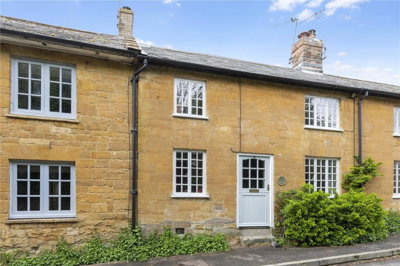
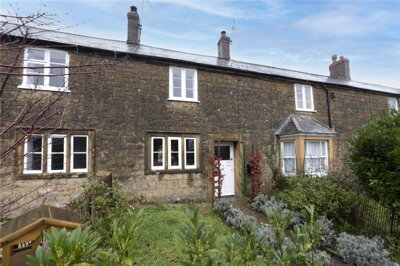
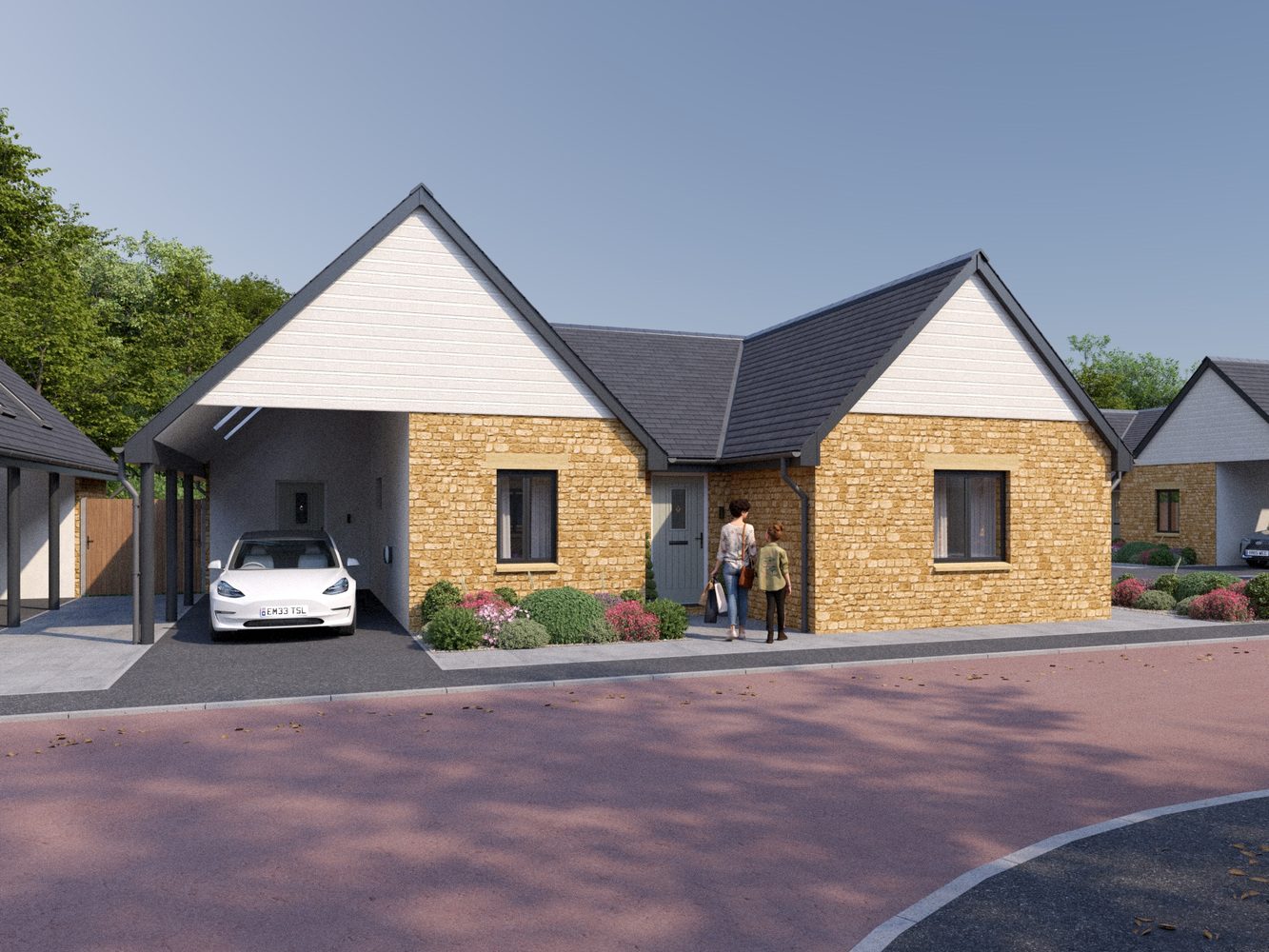
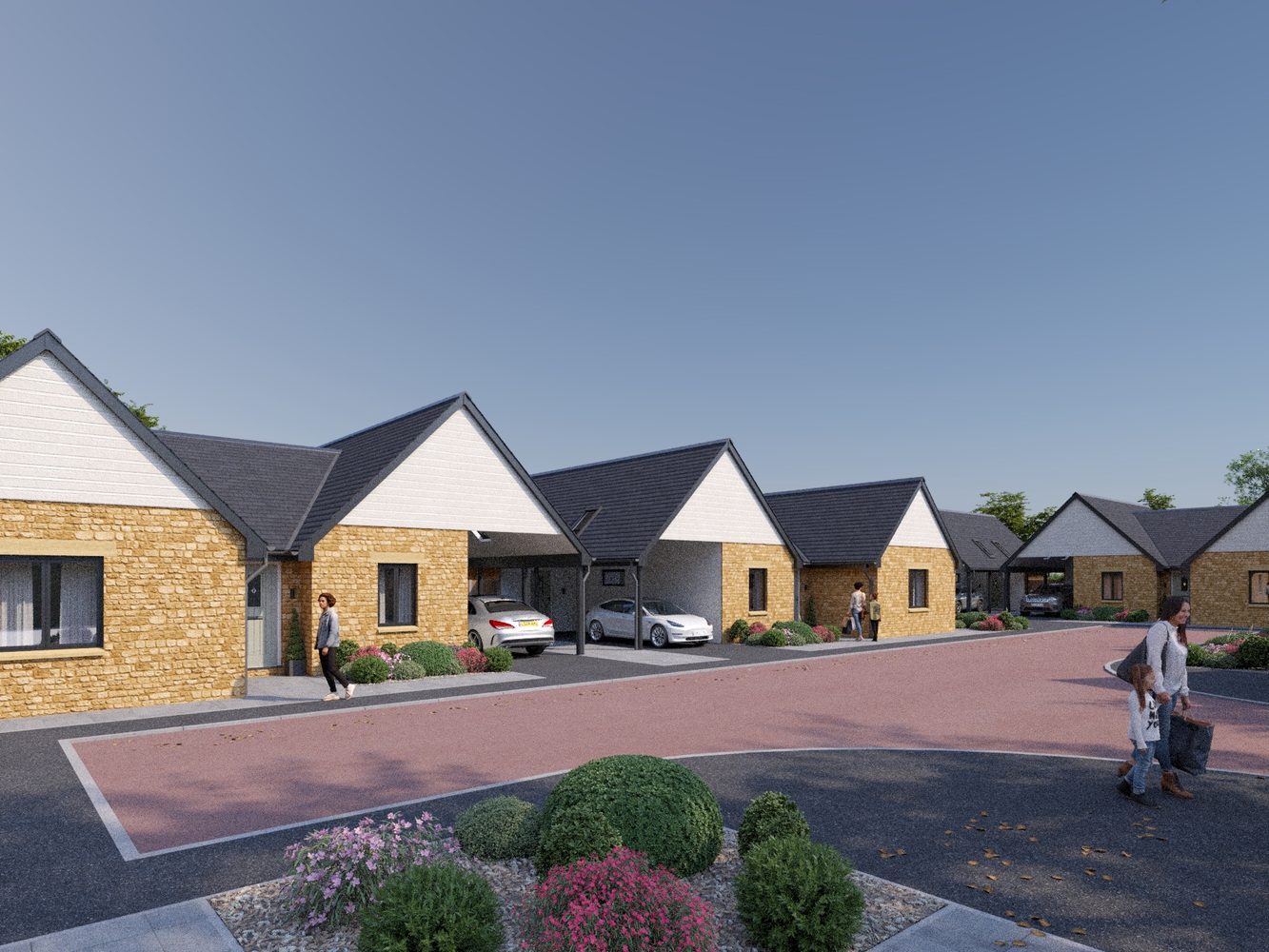
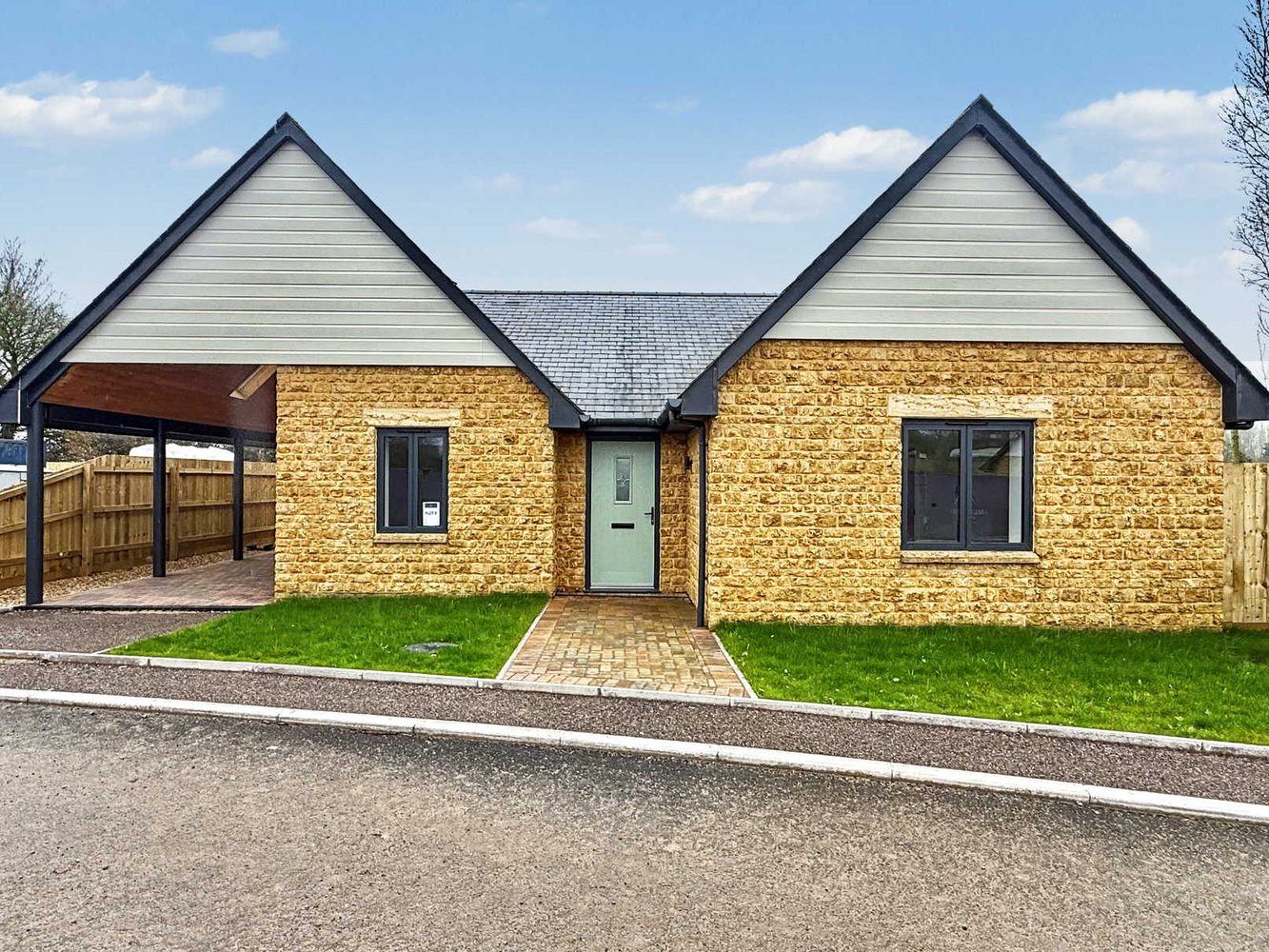
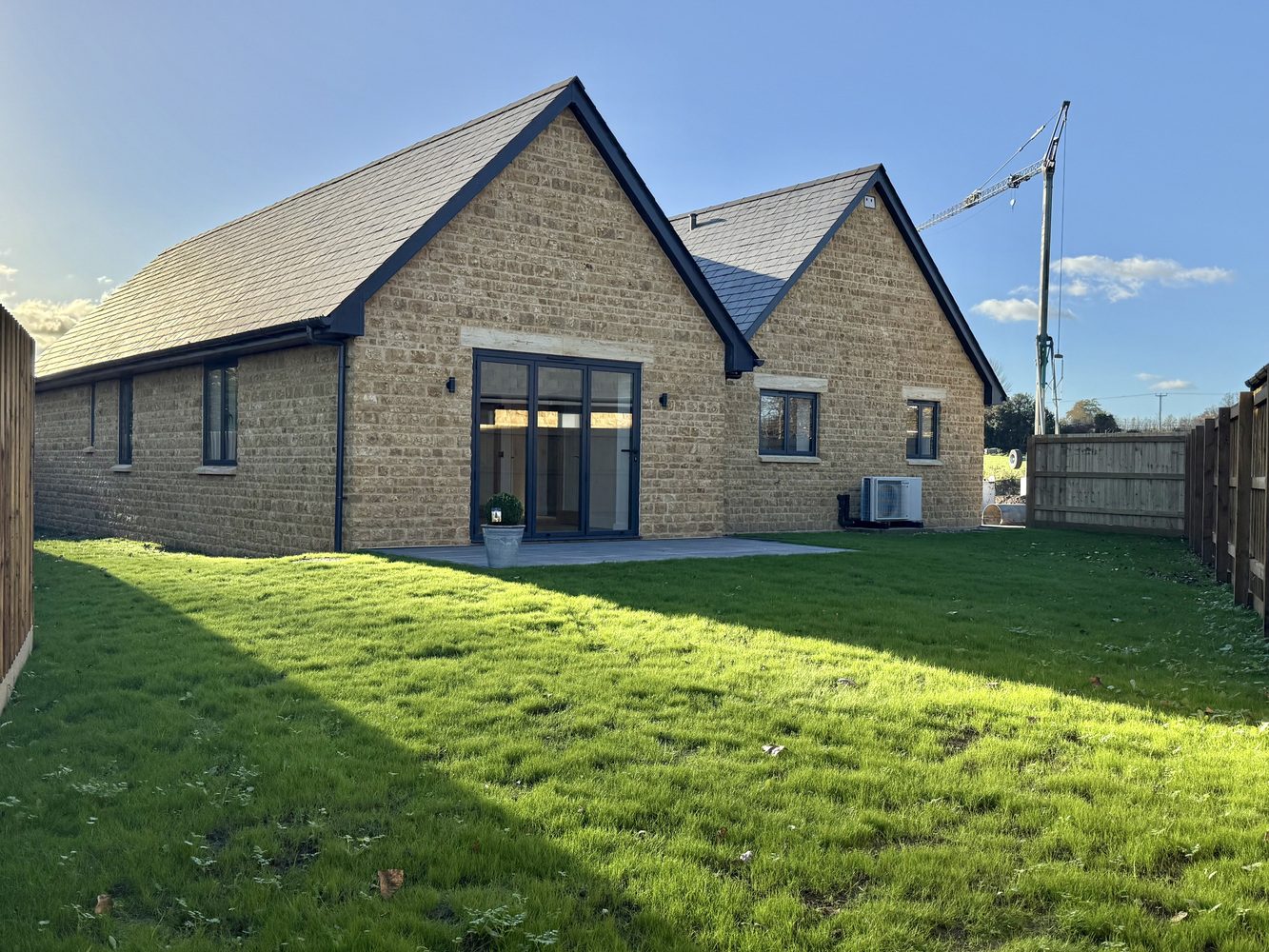
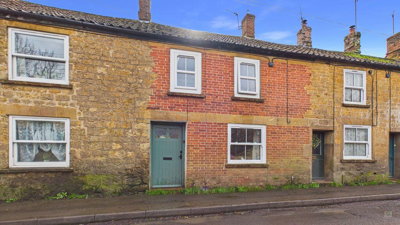
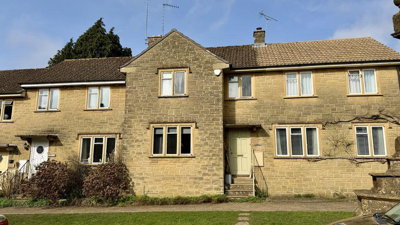
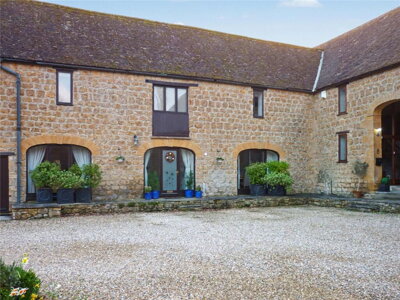
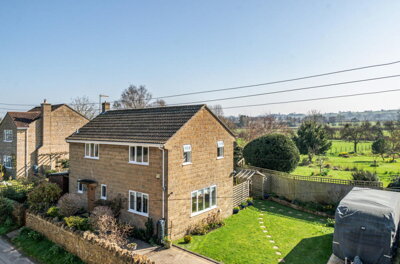
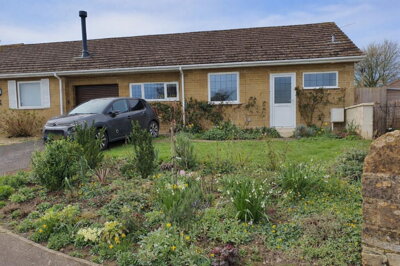
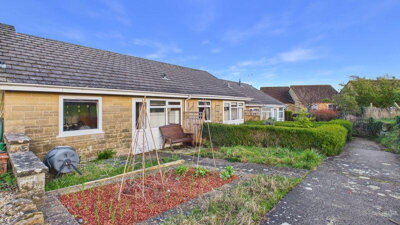
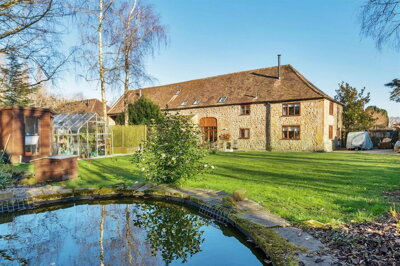
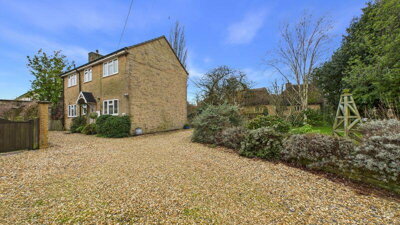
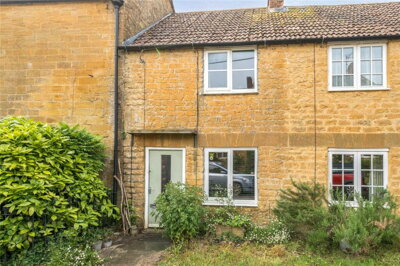
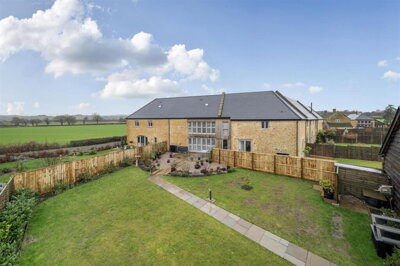
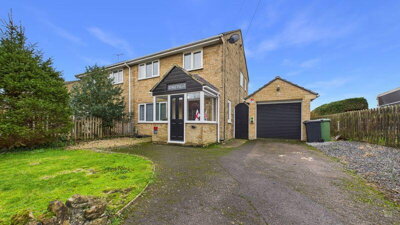
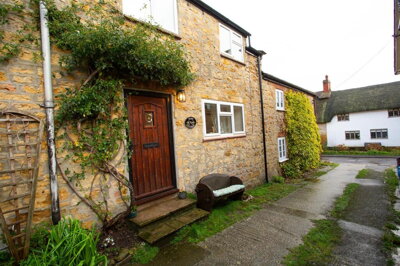
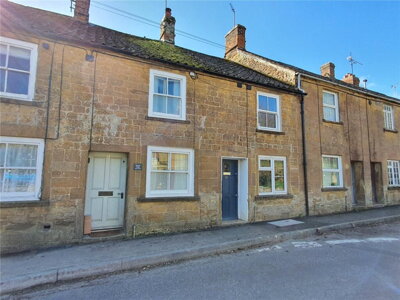
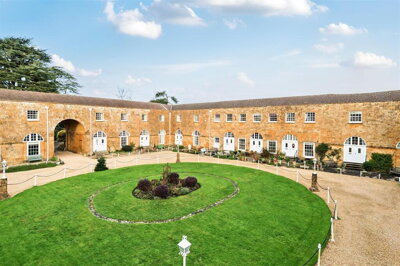
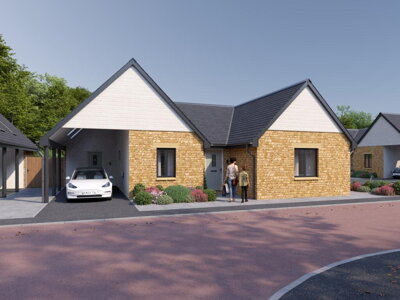
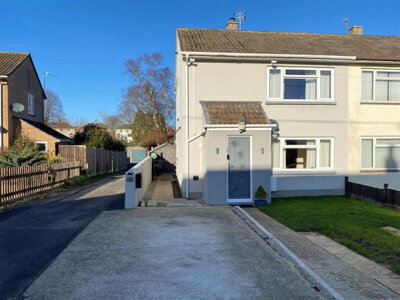
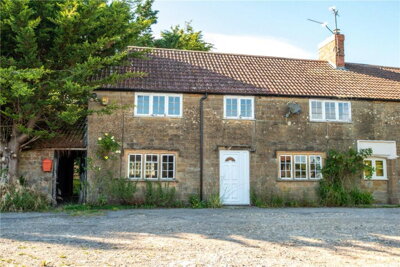
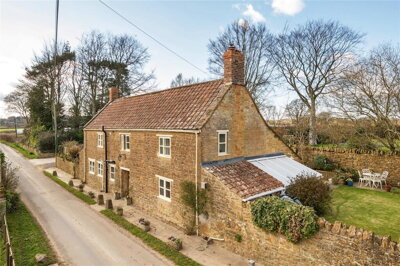
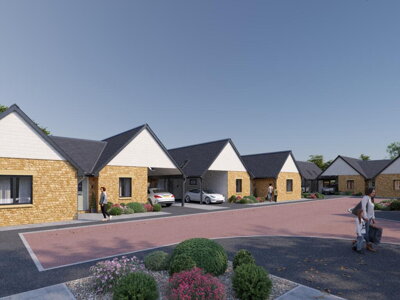
Browse 69 homes for sale in Lopen, Somerset from local estate agents.
£547k
2
0
137
Source: home.co.uk
Source: home.co.uk
Detached
2 listings
Avg £547,475
Source: home.co.uk
Source: home.co.uk
The Lakes property market offers a diverse range of property types to suit various buyer requirements and price points. Detached homes in desirable locations command premium prices averaging around £609,000, reflecting the generous space, stunning views, and lifestyle these properties provide. Semi-detached properties, which represent a significant portion of the local housing stock, typically sell for around £348,000, offering excellent value for families seeking good-sized homes in this highly desirable area. The market also includes traditional terraced cottages averaging £290,000, which often feature the characteristic stone construction and charming features that define Lake District architecture.
Property values in the Lake District have shown steady growth over the past twelve months, with overall prices increasing by approximately 1.35% across all property types. This consistent upward trend reflects sustained demand from buyers seeking to relocate to the area, whether for lifestyle reasons, remote working opportunities, or retirement. Around 1,000 properties have changed hands in the Lake District area over the past year, indicating a healthy level of market activity despite the unique challenges of buying property in a National Park environment. New build developments are relatively limited within the core National Park boundaries due to strict planning protections, but some options exist, such as Hawkshead Gardens offering 2 to 5-bedroom homes from £325,000, and The Meadows in Burneside providing 2 to 4-bedroom homes from £249,950.
The local housing stock reflects the Lake District's historic character, with Census data indicating that over 36% of properties in the wider Cumbria area predate 1919. This means many homes are constructed from traditional stone and slate using techniques passed down through generations, with materials sourced from local quarries including Westmorland green slate and Burlington slate. Properties in Conservation Areas such as Ambleside, Grasmere, Hawkshead, Keswick, Coniston, and Windermere are subject to additional planning controls designed to preserve their special character. Cumbria contains over 6,000 listed buildings, many within the Lake District, meaning that buyers purchasing older properties should be prepared for the responsibilities and restrictions that come with owning historically significant homes.

The Lakes, set within the Westmorland and Furness district of Cumbria, offers an unparalleled quality of life that attracts visitors from across the globe and increasingly tempts those seeking to make it their permanent home. With approximately 42,000 permanent residents spread across the National Park and around 18,000 households, the area manages to balance a sense of peaceful isolation with access to excellent local amenities in towns like Ambleside, Keswick, and Kendal. The local economy revolves primarily around tourism, hospitality, and outdoor recreation, creating a vibrant community atmosphere that celebrates the stunning natural environment surrounding every village and hamlet. Second homes and holiday lets form a significant part of the local property landscape, which has led to ongoing discussions about housing affordability for permanent residents.
The architectural character of the Lakes is defined by its traditional stone buildings, constructed using locally-sourced materials including Westmorland green slate, Burlington slate, and various types of regional stone. These traditional properties, many dating back centuries, give villages like Hawkshead, Grasmere, and Coniston their unmistakable charm and character. The underlying geology of the Lake District consists predominantly of ancient volcanic rocks, slates, and grits, with areas of Carboniferous Limestone on the fringes. Glacial deposits are widespread, including till, sands, and gravels, though the shrink-swell subsidence risk from clay soils is generally low across much of the National Park, with only localised areas in valley bottoms presenting moderate risk.
The area appeals to families, retirees, remote workers, and anyone who values access to countryside walks, water sports, climbing, and the restorative power of living within a UNESCO World Heritage Site and National Park. Key employers in the region include tourism and hospitality businesses, agriculture (particularly sheep and cattle farming), public sector roles with the National Park Authority and local councils, and a growing number of remote workers drawn by the inspiring environment. The community spirit in villages like Grasmere, Hawkshead, and Langdale remains strong despite the influx of visitors, with local events, farmers markets, and traditional pubs serving as social hubs for residents throughout the year.

Education provision in the Lakes area caters to children of all ages, with primary schools serving local communities across the National Park and surrounding areas. Ambleside Primary School serves the town of Ambleside and its surrounding villages, providing education for children from Reception through to Year 6. Hawkshead Esthwaite Primary School offers education for younger children in the Hawkshead area, while smaller village schools in locations like Coniston, Grasmere, and Langdale ensure that even more rural communities have access to primary education. These schools benefit from their stunning natural settings and strong community connections, though parents should be aware that some rural schools have smaller class sizes and may have specific catchment area requirements.
Secondary education is available at schools in the surrounding market towns, with children typically progressing to secondary schools in Keswick, Kendal, or other larger settlements depending on their home address. Keswick School serves the northern Lake District, while children from the southern areas often attend schools in Kendal. For families considering secondary education options, we recommend researching specific school catchments, as these can span considerable distances in rural areas. The area also benefits from excellent further education opportunities, with colleges in Kendal and Carlisle providing vocational and academic courses for older students.
Outdoor education is a particular strength of schools in this region, with many taking full advantage of the mountains, lakes, and fells to provide exceptional physical education and environmental learning experiences that urban schools simply cannot match. Children benefit from regular access to activities including fell walking, sailing, climbing, and environmental studies, which form an integral part of the curriculum rather than optional extras. This focus on outdoor learning aligns with the area's strong traditions of mountaineering and conservation, dating back to the founding of the first rescue teams and environmental organisations in the Victorian era.
Transport connectivity in the Lakes reflects its rural National Park location, with road travel forming the backbone of local transportation networks. The A591 connects Windermere to Kendal and Lancaster, while the A66 provides an important east-west route through the northern Lake District to Penrith and the M6 motorway. Journey times to major cities include approximately 30 minutes to Penrith, 90 minutes to Carlisle, and around 2 hours to Manchester, making the Lakes accessible for those who need to commute occasionally for work while enjoying a rural lifestyle. Private vehicle ownership is generally essential for residents, though public transport options do exist for local journeys and recreational trips.
Rail services connect Windermere station to Oxenholme and Lancaster, providing access to the West Coast Main Line and onward connections to London Euston, Birmingham, Glasgow, and other major destinations. From Oxenholme, express trains to London take around 3 hours, making day trips to the capital feasible for those working in the capital on an occasional basis. The Lakeside and Haverthwaite railway offers a heritage rail experience that also serves as a practical link for residents and visitors wanting to explore the southern lakes. Bus services operated by Stagecoach and other providers connect many towns and villages within the National Park, including the 555 and 599 routes that are popular with visitors and residents alike, though frequency can be limited on less popular routes.
For commuters working remotely, the stunning environment and improved broadband infrastructure in many areas has made the Lakes an increasingly popular choice for professionals who can divide their working time between home and occasional office visits. Parking in popular tourist areas during peak seasons can be challenging, so residents often develop strategies for avoiding the busiest times. Many residents take advantage of the quieter winter months when the roads are clearer and the fells are at their most dramatic, reserving summer weekends for exploring lesser-known corners of the National Park.
Before purchasing in the Lakes, take time to understand the specific character of different villages and towns within the area. Consider factors such as distance to local shops, schools, and transport links, as well as the presence of flood risk zones given the area's mountainous terrain and proximity to rivers and lakes. The National Park planning restrictions will affect what you can do with any property you purchase, so familiarise yourself with these requirements early in your search. Pay particular attention to the distinction between properties within the National Park boundary and those in surrounding areas, as planning rules differ significantly.
Speak to a mortgage broker or lender to obtain an Agreement in Principle before you start viewing properties. This strengthens your position when making offers and demonstrates to sellers that you are a serious buyer with financing in place. Properties in desirable Lake District locations can attract competitive interest, so having your finances arranged gives you an advantage in the purchasing process. Given that average property prices in the area are around £388,000, most buyers will need substantial mortgages, so it is worth exploring all options including specialist rural mortgage providers.
Work with local estate agents to arrange viewings of properties that match your requirements. Take time to examine the condition of properties carefully, paying particular attention to signs of damp, the condition of roofs given the harsh mountain weather, and any evidence of past flooding. Traditional stone properties may require different maintenance approaches compared to modern construction, so consider how this might affect your budget. Our inspectors often find that older properties in the Lakes require more regular maintenance than modern equivalents, particularly for roofs and external stonework.
Once you have had an offer accepted, arrange for a RICS Level 2 Survey to assess the property's condition thoroughly. Given that much of the housing stock in the Lakes is older, often pre-dating 1919, a comprehensive survey is particularly valuable. Survey costs for properties in this area typically range from £450 to £900 depending on size and complexity. Our team of qualified surveyors understand the specific challenges of Lake District properties, from traditional construction methods to the effects of the local climate on building materials.
Choose a solicitor with experience in Lake District property transactions to handle the legal aspects of your purchase. They will conduct searches including drainage and water checks, planning history verification, and any other Local Authority searches relevant to the property. Given the National Park status and potential for environmental sensitivities, thorough searches are essential. Our recommended solicitors understand the implications of Conservation Area designations and Listed Building status, ensuring nothing is overlooked in your purchase.
Once all searches are satisfactory and your mortgage offer is confirmed, you can proceed to exchange contracts and set a completion date. On completion day, your solicitor will transfer the remaining funds and you will receive the keys to your new home in the Lakes. Register with local services and enjoy settling into your new community.
Buying property in the Lakes requires awareness of several area-specific considerations that may not apply in more urban locations. Flood risk is a significant factor, as the mountainous terrain, high rainfall, and numerous rivers and lakes mean that certain properties, particularly those in valley bottoms or close to watercourses, may be at risk during extreme weather events. The major rivers including the Derwent, Eden, Kent, and Lune, along with their tributaries, pose significant flood risks, particularly in valley bottoms and floodplains. Towns like Keswick and Glenridding have experienced severe flooding in recent years, so it is essential to check Environment Agency flood risk data and consider the property's position carefully. Properties on hillsides or elevated positions generally offer better protection, though they may present different challenges regarding access and garden maintenance.
The National Park designation brings significant planning restrictions that affect what owners can do with their properties. Any modifications, extensions, or significant changes to Listed Buildings require consent from the Local Planning Authority, and even properties outside Conservation Areas may face constraints designed to protect the natural landscape. Building materials should ideally match the original construction when repairs are undertaken, and permitted development rights may be more limited than in non-National Park areas. With over 6,000 listed buildings in Cumbria, many of them within the Lake District, buyers should understand that owning a Listed Building brings both responsibilities for preservation and restrictions on alterations.
Properties constructed from traditional stone, slate, and timber require ongoing maintenance and specialist knowledge, so factor this into your budget and consider the age and condition of the property carefully. The local geology, comprising ancient volcanic rocks, slates, and grits with areas of glacial deposits, means that foundations and ground conditions can vary significantly across short distances. Our surveyors are experienced in identifying the common defects associated with traditional Lake District construction, including weathering of stonework, slate degradation on roofs, and timber decay in structural elements. Service charges and maintenance fees for communal areas in apartment developments should also be verified before committing to a purchase.
The average house price in the Lake District region stands at approximately £388,485, with significant variation depending on property type and location. Detached properties average around £609,000, semi-detached homes around £348,000, terraced properties approximately £290,000, and flats around £200,000. Properties with stunning views, proximity to water, or located in particularly desirable villages like Grasmere, Hawkshead, or Coniston can command substantial premiums above these averages. The market has shown steady growth with prices increasing approximately 1.35% over the past twelve months, reflecting sustained demand from buyers seeking to relocate to this special area.
Properties in the Lakes area fall under Westmorland and Furness Council, formed from the 2023 local government reorganisation that consolidated the former South Lakeland, Eden, and Barrow-in-Furness councils. Council tax bands range from A to H and are determined by property value, with typical bands for the area varying based on the type and location of the property. Traditional stone cottages in villages may have different valuations compared to modern properties of similar size, so you should check specific bands via the Valuation Office Agency website using the property address. The area has seen some variation in council tax rates following the reorganisation, so it is worth verifying current rates with the local authority.
The Lakes and surrounding Westmorland and Furness area offer good primary schools including Ambleside Primary School, Hawkshead Esthwaite Primary School, and various village schools serving rural communities such as Coniston, Grasmere, and Langdale. Secondary education options include schools in nearby towns such as Keswick School, which serves the northern Lake District, and options in Kendal for southern areas. For the most current school performance data and Ofsted ratings, parents should consult the Ofsted website and compare options based on their specific location and children's needs. Many schools in the area benefit from exceptional outdoor education facilities, taking advantage of the mountains and lakes that surround them.
Public transport options in the Lakes are more limited than in urban areas, reflecting its rural National Park location. Windermere railway station provides connections to the West Coast Main Line via Oxenholme, with direct services to London taking approximately 3 hours. Bus services operated by Stagecoach connect major towns and villages, including the popular 555 and 599 tourist routes, though frequencies on some routes can be infrequent, particularly in evenings and on weekends. A car is generally considered essential for most residents, particularly those living in more isolated villages like Langdale or Little Langdale, where services are limited and the terrain makes cycling challenging.
The Lakes property market has shown consistent growth with prices increasing approximately 1.35% over the past twelve months, and around 1,000 properties have changed hands in the area over the past year. The area's UNESCO World Heritage Site and National Park status, combined with limited supply due to planning restrictions, tends to support long-term property values. Tourism ensures consistent demand for holiday lettings, though this is balanced by regulations on short-term rentals and ongoing debates about the impact of second homes on housing affordability for permanent residents. Buyers should be aware of the significant number of second homes in the area, which currently exceeds 20% of properties in some villages, and potential impacts on community character.
Stamp Duty Land Tax rates for England apply to all purchases in the Lakes. Standard rates are 0% on the first £250,000, 5% on £250,001 to £925,000, 10% on £925,001 to £1.5 million, and 12% on amounts above £1.5 million. Given that average property prices in the Lake District are around £388,000, most buyers would expect to pay SDLT at the 5% rate on the portion of their purchase above £250,000, which would amount to approximately £6,900 on an average property. First-time buyers benefit from relief on the first £425,000 with 5% applied between £425,001 and £625,000, though this relief phases out completely for purchases above £625,000.
Competitive rates for Lake District properties
From 4.5% APRC
Specialist local solicitors familiar with National Park transactions
From £499
Thorough inspection of Lake District properties
From £450
Energy performance certificates for all property types
From £80
Understanding the full costs of purchasing property in the Lakes is essential for budgeting effectively, particularly given that property prices in this desirable area often exceed national averages. Stamp Duty Land Tax (SDLT) applies to all purchases in England, with standard thresholds set at 0% for the first £250,000 of the purchase price, 5% between £250,001 and £925,000, 10% between £925,001 and £1.5 million, and 12% on any amount exceeding £1.5 million. Given that the average property price in the Lake District is around £388,000, most buyers would expect to pay SDLT at the 5% rate on the portion of their purchase above £250,000, which would be approximately £6,900 on an average-priced property.
First-time buyers purchasing residential property benefit from increased thresholds, paying 0% on the first £425,000 and 5% on amounts between £425,001 and £625,000, with no relief available for purchases above £625,000. This relief can result in significant savings for first-time buyers, though the high average property prices in the Lakes may still push some purchases into the 5% bracket. Beyond SDLT, buyers should budget for solicitor fees typically ranging from £500 to £2,000 depending on complexity, survey costs of £450 to £900 for a RICS Level 2 Survey, and potentially mortgage arrangement fees of 0% to 2% of the loan amount.
Additional costs to factor into your budget include removal expenses, which can vary significantly depending on the distance and volume of belongings being moved, valuation fees if required by your lender, and Land Registry registration fees of approximately £200 to £500. For properties in Conservation Areas or Listed Buildings, additional legal work may be required, potentially increasing solicitor fees. Our team can connect you with recommended conveyancers who understand the specific requirements of Lake District property transactions and can ensure a smooth purchase process from start to finish.
Properties for Sale In London

Properties for Sale In Plymouth

Properties for Sale In Liverpool

Properties for Sale In Glasgow

Properties for Sale In Sheffield

Properties for Sale In Edinburgh

Properties for Sale In Coventry

Properties for Sale In Bradford

Properties for Sale In Manchester

Properties for Sale In Birmingham

Properties for Sale In Bristol

Properties for Sale In Oxford

Properties for Sale In Leicester

Properties for Sale In Newcastle

Properties for Sale In Leeds

Properties for Sale In Southampton

Properties for Sale In Cardiff

Properties for Sale In Nottingham

Properties for Sale In Norwich

Properties for Sale In Brighton

Properties for Sale In Derby

Properties for Sale In Portsmouth

Properties for Sale In Northampton

Properties for Sale In Milton Keynes

Properties for Sale In Bournemouth

Properties for Sale In Bolton

Properties for Sale In Swansea

Properties for Sale In Swindon

Properties for Sale In Peterborough

Properties for Sale In Wolverhampton

Enter your details to see if this property is within your budget.
Loans, cards, car finance
Estimated property budget
Borrowing + deposit
You could borrow between
Typical borrowing
Monthly repayment
Est. at 4.5%
Loan-to-value
This is an estimate only. Your actual budget may vary depending on interest rates, credit history, and personal circumstances. For an accurate affordability assessment, speak to one of our free mortgage advisors.
This calculator provides estimates for illustrative purposes only and does not constitute financial advice. Your home may be repossessed if you do not keep up repayments on your mortgage. Estimates based on 4.5% interest rate, repayment mortgage. Actual rates depend on your circumstances.
Homemove is a trading name of HM Haus Group Ltd (Company No. 13873779, registered in England & Wales). Homemove Mortgages Ltd (Company No. 15947693) is an Appointed Representative of TMG Direct Limited, trading as TMG Mortgage Network, which is authorised and regulated by the Financial Conduct Authority (FRN 786245). Homemove Mortgages Ltd is entered on the FCA Register as an Appointed Representative (FRN 1022429). You can check registrations at NewRegister or by calling 0800 111 6768.

We use cookies to show you personalised content and improve your experience of our website. Find out more in our Privacy policy and Cookie policy.