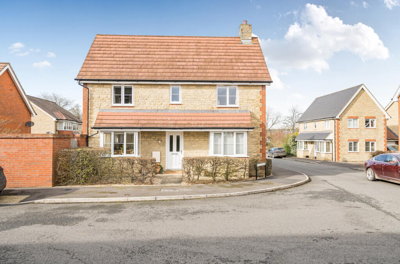
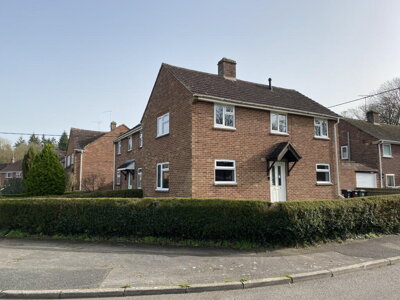
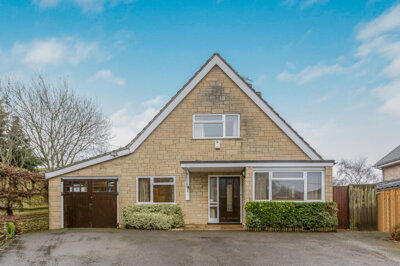
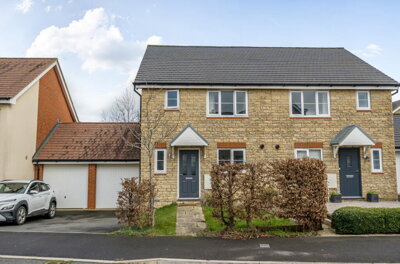
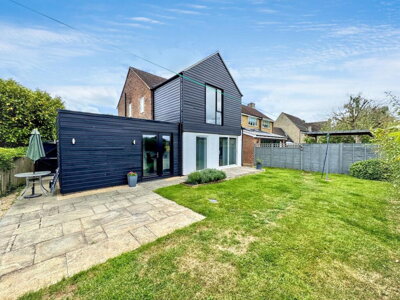
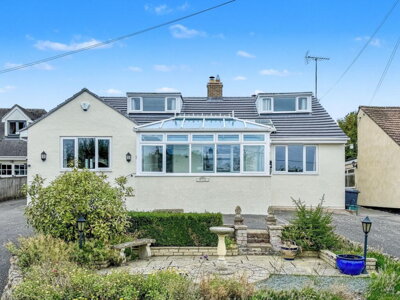
Browse 8 homes for sale in Longcot, Vale of White Horse from local estate agents.
Three bedroom properties represent a significant portion of the Longcot housing market, offering space for families with multiple reception rooms and gardens in many cases. Browse detached, semi-detached, and terraced options ranging from period character homes to contemporary developments.
£0k
0
0
0
Source: home.co.uk
Showing 0 results for 3 Bedroom Houses for sale in Longcot, Vale of White Horse.
Our property search covers a diverse range of options to suit different buyer requirements and budgets. Detached properties dominate the upper end of the market, with an average price of £701,667 reflecting the generous plot sizes and spacious accommodation these homes provide. For those working with a more modest budget, terraced properties present an accessible entry point at around £300,000. The most commonly available property types are 4-bedroom detached houses and 3-bedroom semi-detached homes, catering to families seeking additional space without compromising on the village lifestyle.
New build activity in Longcot remains limited but notable, with Kings Farm Close representing the primary development opportunity in the village itself. This small collection of detached eco-homes, built by Greencore Construction, sets a new standard for sustainable living in the area. Properties feature underfloor heating, triple glazing, and dedicated electric vehicle charging wiring. These high-performance homes demonstrate how contemporary construction methods can complement rather than detract from Longcot's traditional character. Other nearby developments in surrounding villages offer additional options for buyers willing to consider slightly wider search parameters.

Longcot offers a quality of life that increasingly appeals to buyers seeking refuge from urban pressures while maintaining access to essential amenities. The village features an attractively interesting mix of old and 20th-century houses and cottages, creating a streetscape that tells the story of English rural development across several centuries. Historical properties showcase traditional materials including Coral Rag limestone, rubble stone, and thatched roofs, while newer additions respect the established architectural language of the community. The presence of 13 listed buildings ensures that the village's heritage remains protected for future generations to appreciate.
The community spirit in Longcot is evident in its well-maintained facilities and active local involvement. Longcot House, a Grade II* listed building dating from circa 1703, stands as testament to the village's historical significance, while the Church of St Mary the Virgin provides a focal point for both spiritual and social gatherings. The village's proximity to the River Ock and its tributaries shapes the local landscape, though buyers should be aware of potential flood risk in low-lying areas adjacent to watercourses. The heavy Kimmeridge clay soil that characterises the area has historically supported local brickworks, contributing to the distinctive building traditions that define Longcot's architectural identity.
Historically, Longcot was an agricultural community that experienced population growth in the early 19th century following the construction of the Wilts and Berks Canal and Longcot Wharf. When the canal declined after the arrival of the Great Western Railway, local dairy farmers adapted by using the railway to transport milk to London. This agricultural heritage is still visible in the surrounding countryside and the traditional farm buildings that form part of the village's built environment.

Education provision in Longcot centres on the Longcot Church of England Primary School, which serves as the educational heartbeat of this small community. The school received an Outstanding rating from Ofsted in 2009, with the high standards maintained by staff and the strong support from parents within the village. For a community of just 613 residents, having such a well-regarded primary school within easy walking distance represents a significant advantage for families with young children. The school catchment area encompasses the village itself and surrounding hamlets, creating a natural gathering point for young families.
Secondary education options in the surrounding area include schools in Swindon and further afield in Oxfordshire, with transport arrangements typically handled by the local authority for eligible pupils. Families seeking faith-based education will find the Church of England connection at primary level a strong foundation, with secondary options available through faith schools in nearby towns. The presence of a thriving primary school rated Outstanding contributes substantially to property values in Longcot and represents a key consideration for buyers with children or those planning to start a family. Parents should verify current catchment areas and admission arrangements directly with Oxfordshire County Council as these can change.
Longcot functions primarily as a commuter village, with many residents travelling to work in surrounding employment centres including Swindon and Oxford. The village benefits from good road connections, with the A420 providing access to Swindon to the north and Oxford to the west. The nearby M4 motorway, accessible via the A420, opens up the greater Bristol and London corridor for those requiring longer-distance commuting options. For daily necessities, residents typically travel to nearby villages or make the short journey to Swindon for broader shopping and leisure facilities.
Rail connections from surrounding stations provide access to the national rail network, with Swindon station offering regular services to London Paddington in approximately one hour. Oxford station provides additional options for reaching the capital and other destinations via cross-country routes. Bus services connect Longcot with surrounding villages and towns, though private transport remains the preferred option for most residents given the rural nature of the area. Cycling infrastructure varies, with country lanes providing scenic but sometimes challenging routes for less experienced cyclists, particularly during winter months when daylight hours are limited.
Understanding the housing stock in Longcot helps buyers identify properties that match their requirements and anticipate potential survey concerns. The village's architectural heritage spans several centuries, from the 13th-century Church of St Mary the Virgin to the late 20th-century developments that have expanded the settlement. Detached properties command the highest prices, averaging £701,667, reflecting the generous plot sizes and spacious accommodation typical of homes built for prosperous agricultural workers and local gentry. Many of these larger properties feature traditional stone construction using locally quarried Coral Rag limestone, which gives the village its distinctive golden-grey appearance.
Semi-detached and terraced properties provide more accessible entry points to the Longcot market, with terraced homes averaging around £300,000. These smaller properties often date from the Victorian and Edwardian periods, built to accommodate agricultural workers and their families. Traditional construction features include solid brick walls without cavity insulation, original timber windows, and slate or clay tile roofs that may require ongoing maintenance. The age of much of this housing stock means that buyers should anticipate the need for updates to insulation, wiring, and plumbing systems when purchasing older properties.
The buildings in Longcot reflect centuries of construction tradition using locally sourced materials. Coral Rag limestone, a product of the Corallian limestone formations that run through this part of Oxfordshire, features prominently in the village's older properties. This distinctive stone gives many buildings their characteristic warm grey appearance and has been used for everything from humble cottages to substantial farmhouses. Some listed buildings in Longcot feature limewashed rubble stone and brick with thatched roofs, demonstrating the variety of traditional building techniques employed in the village.
Longcot House, a Grade II* listed building dating from circa 1703, exemplifies traditional construction with its rubble stone walls, courses of squared and dressed chalk, and brick dressings. The chalk quoins at building corners show the resourceful use of materials readily available in the local area. The heavy clay of Longcot was historically an important raw material for brickworks associated with the Wiltshire and Berkshire Canal, explaining the presence of brick-built structures alongside the more common stone construction. Water wells in the area often penetrate chalk, which historically provided a reliable water source for the village.
Longcot sits on very heavy clayey soil, specifically the blue-black Kimmeridge clay that stretches from Abingdon to Longcot. This geological feature plays a significant role in the village's development and presents important considerations for property buyers. Clay soils are prone to shrink-swell movement, expanding when wet and contracting during dry periods. This movement can affect building foundations over time, potentially leading to subsidence or structural movement that may require professional assessment.
The River Ock and its tributaries form the natural drainage system for the area, with the river skirting the northern perimeter and western edge of Longcot before returning eastward. Properties in low-lying positions adjacent to watercourses face elevated flood risk during periods of heavy rainfall. The heavy clay soil also affects surface water drainage, with rainwater percolating more slowly through clay than through free-draining soils. Garden drainage and the condition of land drains are worth investigating when purchasing properties with larger gardens or those situated at lower elevations within the village.
Spend time exploring Longcot at different times of day and week before committing to a purchase. Visit local amenities, speak to residents, and understand the commute implications to your workplace. The village's character as a commuter settlement means peak traffic times can affect journey durations significantly. Walking the village also reveals details about property conditions, garden sizes, and neighbourhood character that photographs cannot capture.
Before viewing properties, obtain a mortgage agreement in principle from a lender. This demonstrates your financial credibility to estate agents and sellers, giving you a competitive edge when making an offer. Given the average property price of £601,250, most buyers will require substantial mortgage facilities. Having your finances arranged also helps you set realistic budgets and avoid disappointment when viewing properties outside your price range.
Attend viewings with specific criteria in mind. Consider the age of properties you are viewing, as many homes in Longcot pre-date 1919 and may require more maintenance or specialist surveys. Note the construction materials used, as traditional stone and thatched properties have different maintenance requirements to modern builds. Pay attention to signs of structural movement, damp, or roof condition during viewings.
Before completing your purchase, arrange a thorough survey of the property. Given Longcot's heavy clay soil and the age of much of the housing stock, a Level 2 survey is essential to identify any subsidence risk, damp issues, or structural concerns. Budget approximately £455-£639 for this professional assessment. For older or more complex properties, particularly listed buildings, a RICS Level 3 Building Survey may be more appropriate despite the higher cost.
Once your offer is accepted, instruct a solicitor to handle the legal aspects of your purchase. They will conduct searches, check title deeds, and manage the exchange of contracts. Allow approximately 8-12 weeks for the conveyancing process in a typical transaction. Your solicitor should investigate local mining activity and ground conditions as part of the standard searches for Longcot properties.
Your solicitor will coordinate with the seller's legal team to exchange contracts, at which point the transaction becomes legally binding. Completion typically follows within 1-2 weeks, after which you will receive the keys to your new Longcot home. Ensure that buildings insurance is arranged from the point of exchange, as you become legally responsible for the property at this stage.
Properties in Longcot present several area-specific considerations that prospective buyers should carefully evaluate before purchasing. The heavy Kimmeridge clay soil underlying much of the village creates potential for shrink-swell movement, which can affect foundations and lead to subsidence issues. Our inspectors frequently identify cracking to walls, particularly diagonal fractures around door and window openings, as indicators of ground movement in properties built on clay soils. Uneven floors, sticking doors, and gaps between walls and ceilings can all signal structural movement that warrants closer investigation.
The prevalence of listed buildings throughout Longcot means that buyers purchasing period properties should understand the implications for future renovations and maintenance. Listed building consent may be required for certain alterations, and works must often use appropriate traditional materials and methods. The age of many properties also means that original features such as lime mortar, thatched roofs, and traditional timber construction may require specialist maintenance knowledge. Factor these considerations into your overall budget and timeline expectations before committing to a purchase.
Flood risk assessment is advisable for properties near the River Ock, which skirts the northern and western edges of the village. While not all properties are affected, those in low-lying positions adjacent to watercourses face elevated risk during periods of heavy rainfall. Insurance costs may be higher for properties in flood risk zones, and buyers should confirm that appropriate coverage is available before completing a purchase. Given the heavy clay soil, surface water drainage can also be slower following heavy rain, potentially affecting gardens and access routes.
Understanding the full cost of purchasing property in Longcot requires careful budgeting beyond the advertised asking price. Stamp Duty Land Tax represents the most significant additional cost for most buyers. For properties purchased at the current average price of £601,250, standard buyers will pay approximately £17,562 in stamp duty, calculated at 0% on the first £250,000 and 5% on the balance. First-time buyers purchasing properties up to £625,000 pay no stamp duty on the first £425,000, making Longcot an accessible option for those taking their first step onto the property ladder.
Professional survey costs are particularly important in Longcot given the age and construction of many properties. A RICS Level 2 survey, essential for assessing properties with potential defects, typically costs between £416 and £639 depending on property value and size. For higher-value homes above £500,000, budget approximately £586 for a comprehensive survey. Given the heavy clay soil conditions and prevalence of period properties, the investment in a thorough survey is money well spent to identify any structural concerns before commitment.
Legal fees for conveyancing typically start from £499 for straightforward transactions, though complexity varies considerably. Properties in Longcot may require additional searches related to local mining or ground conditions, potentially adding to costs. Factor in mortgage arrangement fees, which can range from free to 1.5% of the loan amount depending on the product chosen. Buildings insurance must be in place from the point of exchange, and removals costs should not be overlooked when setting your overall budget. By accounting for these costs from the outset, you can approach your Longcot purchase with confidence and clarity.
The average house price in Longcot over the past 12 months is £601,250, according to sales data from major property portals. Detached properties average £701,667, while terraced properties average around £300,000. The market has shown strong growth, with prices rising 34% over the past year, matching the previous 2021 peak of £600,676. This positions Longcot as a premium village location within the Vale of White Horse, reflecting both the desirable rural character and the excellent transport connections to major employment centres. The village has seen 129 property sales in the past year according to Rightmove data, with some sales recorded as recently as September 2025.
Properties in Longcot fall under Vale of White Horse District Council and Oxfordshire County Council for council tax purposes. Specific band distributions in Longcot vary by property, with newer properties and smaller homes typically falling into Bands A-D, while larger detached period properties and converted buildings often attract higher bands due to their size and value. Longcot House, as a substantial Grade II* listed property dating from circa 1703, would likely fall into one of the higher bands given its historic significance and scale. Buyers should check individual property details on the Valuation Office Agency website to confirm the exact band before budgeting for ongoing costs.
Longcot Church of England Primary School is the main educational facility in the village and received an Outstanding rating from Ofsted in 2009. This small village primary school serves families from Longcot and surrounding hamlets, providing education for children from Reception through to Year 6. The school was originally a schoolhouse erected in 1717, reflecting the long-standing educational tradition in the village. Secondary education options in the area include schools in Swindon and Oxfordshire, with specific placement depending on catchment areas and admission criteria. Parents should verify current catchment boundaries and admission arrangements directly with Oxfordshire County Council as these can change annually.
Longcot is served by local bus services connecting the village to surrounding towns and villages, though private transport remains essential for most daily needs. The village sits on the A420 road, providing direct access to Swindon approximately 8 miles north and Oxford approximately 20 miles west. Rail services are available from Swindon and Oxford stations, with Swindon offering regular trains to London Paddington in approximately one hour. The M4 motorway is accessible via the A420, providing connections to Bristol and London. For commuters working in Swindon's growing commercial sector, the relatively short journey time makes Longcot an attractive residential option.
Longcot offers several characteristics that appeal to property investors and buyers seeking long-term value. The village benefits from excellent transport connections to major employment centres, making it attractive to commuters working in Swindon or Oxford. The Outstanding-rated primary school draws families to the area, supporting consistent demand for family homes. Historical property prices have shown resilience and growth, with a 34% increase over the past year demonstrating market strength. However, the relatively small size of the village means the rental market may be more limited than in larger towns, and any investment should account for local demand factors. Properties requiring renovation may offer opportunities for value-add investments, particularly older cottages that could benefit from modern insulation and updated systems.
Stamp Duty Land Tax rates for standard purchases in England start at 0% for the first £250,000 of property value, rising to 5% on the portion between £250,001 and £925,000. For a property priced at the Longcot average of £601,250, a non-first-time buyer would pay approximately £17,562 in stamp duty, calculated at 0% on the first £250,000 and 5% on the remaining £351,250. First-time buyers benefit from relief on properties up to £625,000, paying 0% on the first £425,000 and 5% on the remainder, resulting in approximately £8,812 in stamp duty for an average-priced Longcot property.
Given that Longcot has 13 listed buildings and many properties dating from the 17th, 18th, and 19th centuries, buyers should pay particular attention to signs of structural movement, damp, and roof condition. The heavy Kimmeridge clay soil means that properties may show cracking or other signs of ground movement, particularly following periods of drought or heavy rainfall. We recommend commissioning a thorough RICS Level 2 survey for any property, with a Level 3 Building Survey recommended for listed buildings or properties in poor condition. Pay attention to the condition of lime mortar pointing, thatched or slate roofs, and original timber windows when viewing period properties in the village.
Properties near the River Ock, which skirts the northern and western edges of Longcot, may face elevated flood risk during periods of heavy rainfall. The River Ock and its tributaries form the natural drainage system for the area, and low-lying positions adjacent to watercourses can experience flooding. The heavy clay soil also means that surface water drains slowly following heavy rain, potentially affecting gardens and access routes. We recommend checking the Environment Agency flood risk maps for specific properties and ensuring that buildings insurance covers flood damage before completing any purchase in the village.
From £350
A detailed assessment of property condition, essential for Longcot's older housing stock
From £600
Comprehensive survey recommended for listed buildings and period properties
From £60
Energy performance certificate required for all property sales
From £499
Legal services for your property purchase
From 4.5%
Finance arranged for your Longcot home
Properties for Sale In London

Properties for Sale In Plymouth

Properties for Sale In Liverpool

Properties for Sale In Glasgow

Properties for Sale In Sheffield

Properties for Sale In Edinburgh

Properties for Sale In Coventry

Properties for Sale In Bradford

Properties for Sale In Manchester

Properties for Sale In Birmingham

Properties for Sale In Bristol

Properties for Sale In Oxford

Properties for Sale In Leicester

Properties for Sale In Newcastle

Properties for Sale In Leeds

Properties for Sale In Southampton

Properties for Sale In Cardiff

Properties for Sale In Nottingham

Properties for Sale In Norwich

Properties for Sale In Brighton

Properties for Sale In Derby

Properties for Sale In Portsmouth

Properties for Sale In Northampton

Properties for Sale In Milton Keynes

Properties for Sale In Bournemouth

Properties for Sale In Bolton

Properties for Sale In Swansea

Properties for Sale In Swindon

Properties for Sale In Peterborough

Properties for Sale In Wolverhampton

Enter your details to see if this property is within your budget.
Loans, cards, car finance
Estimated property budget
Borrowing + deposit
You could borrow between
Typical borrowing
Monthly repayment
Est. at 4.5%
Loan-to-value
This is an estimate only. Your actual budget may vary depending on interest rates, credit history, and personal circumstances. For an accurate affordability assessment, speak to one of our free mortgage advisors.
This calculator provides estimates for illustrative purposes only and does not constitute financial advice. Your home may be repossessed if you do not keep up repayments on your mortgage. Estimates based on 4.5% interest rate, repayment mortgage. Actual rates depend on your circumstances.
Homemove is a trading name of HM Haus Group Ltd (Company No. 13873779, registered in England & Wales). Homemove Mortgages Ltd (Company No. 15947693) is an Appointed Representative of TMG Direct Limited, trading as TMG Mortgage Network, which is authorised and regulated by the Financial Conduct Authority (FRN 786245). Homemove Mortgages Ltd is entered on the FCA Register as an Appointed Representative (FRN 1022429). You can check registrations at NewRegister or by calling 0800 111 6768.

We use cookies to show you personalised content and improve your experience of our website. Find out more in our Privacy policy and Cookie policy.