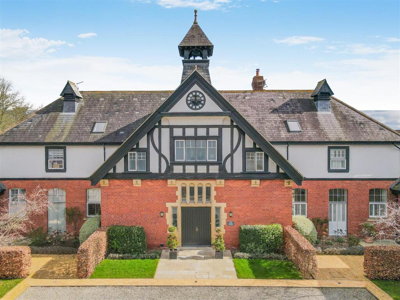
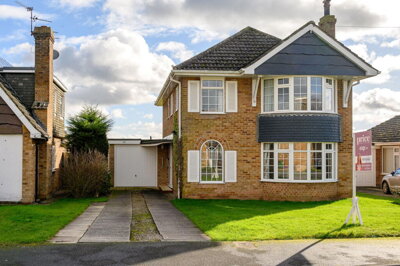
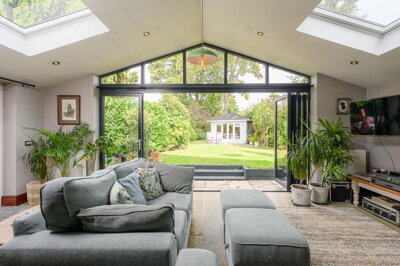
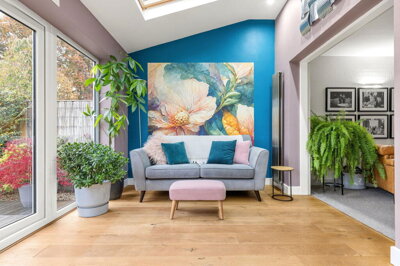
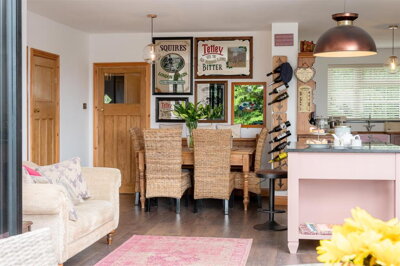
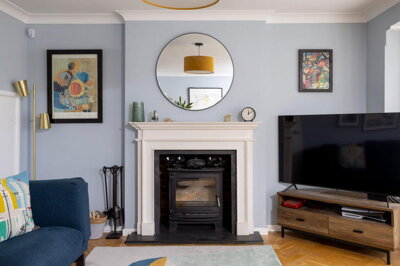
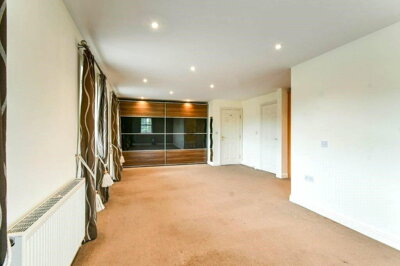
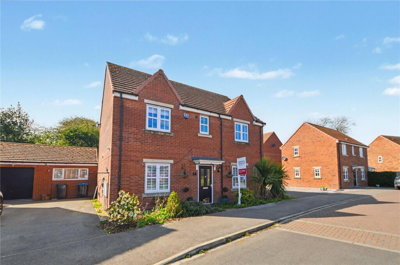
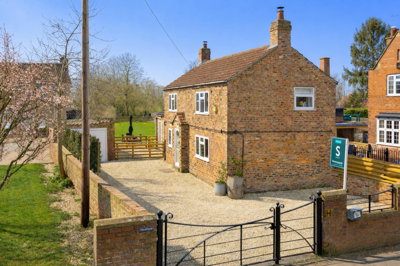
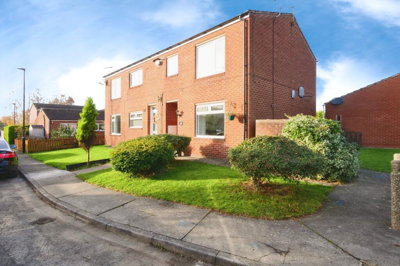
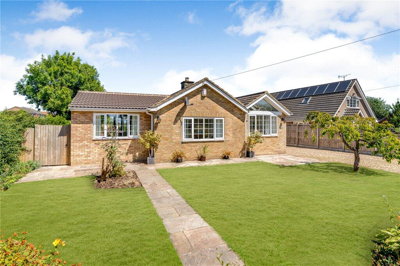
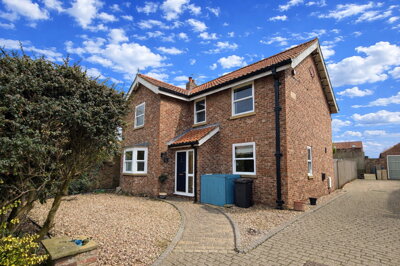
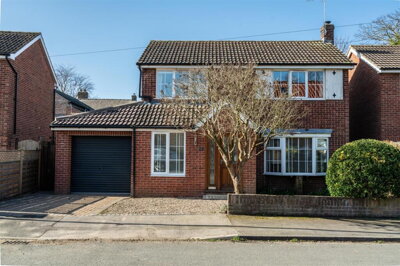
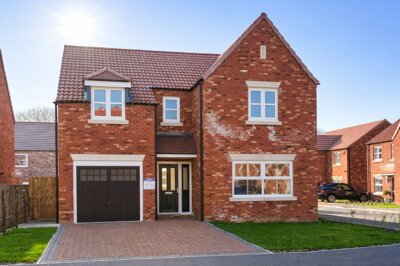
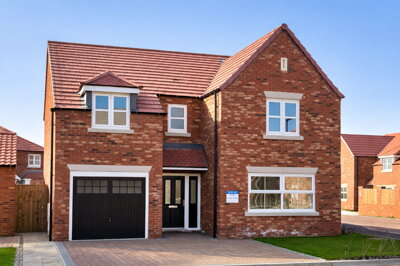
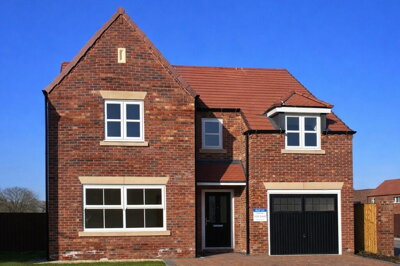
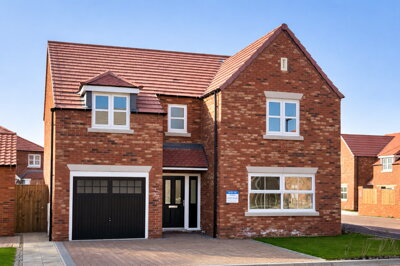
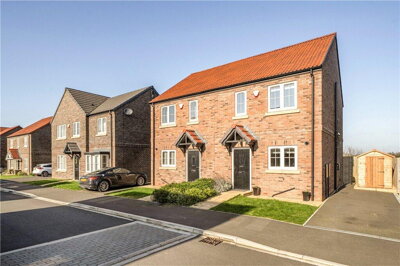
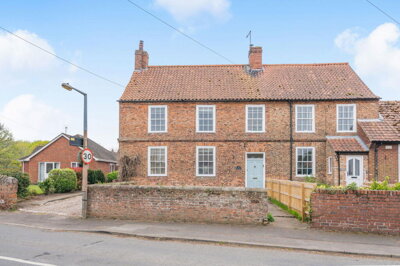
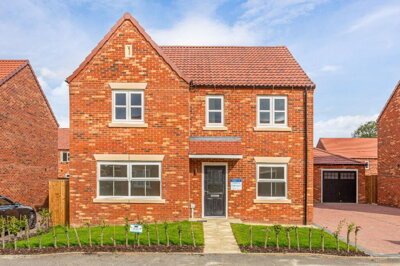
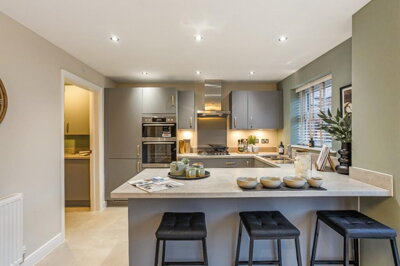
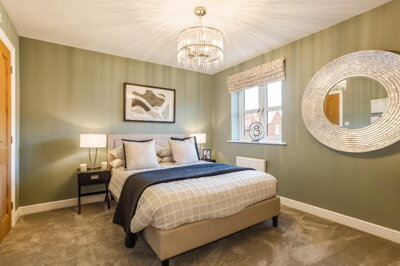
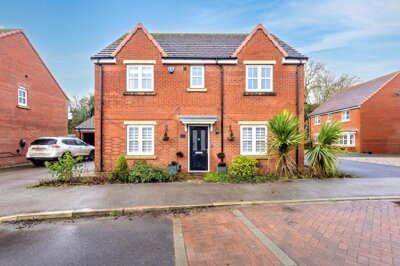
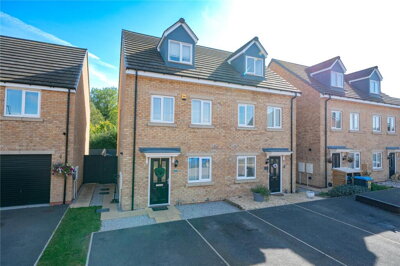
Browse 69 homes for sale in Long Marston from local estate agents.
The Long Marston property market has experienced significant growth, with average house prices currently standing around 609,000 pounds according to Zoopla data, though other sources indicate averages closer to 741,000 pounds over the past year. Rightmove records show that sold prices in the HP23 postcode area have risen 78% over the last twelve months compared to the previous year, and are now 3% above the 2023 peak of 718,615 pounds. This upward trajectory reflects the continued demand for village properties in accessible locations, particularly from buyers seeking more space and better quality of life than metropolitan areas can offer. The market attracts affluent households drawn to Hertfordshire's strong economic performance along the Cambridge-London Innovation Corridor.
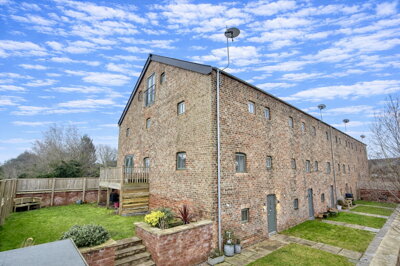
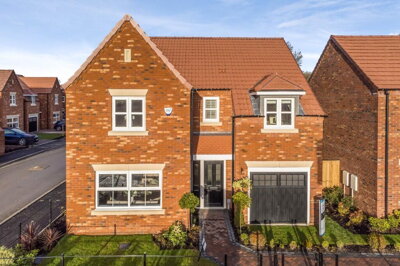
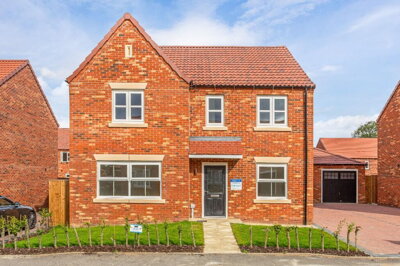
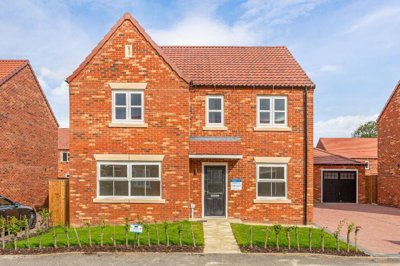
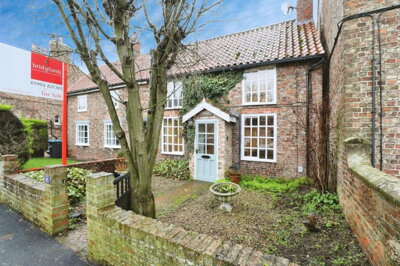
Property types in Long Marston reflect its historic character and recent development. Detached properties command the highest prices, with averages around 1,200,000 pounds according to Rightmove data. Semi-detached homes average approximately 780,000 pounds, while terraced properties offer more accessible entry points at around 423,000 pounds. The village contains a fascinating mix of architectural periods, from timber-framed cottages with weatherboard cladding to red-brick farmhouses and 20th-century houses built using traditional materials. A significant proportion of the housing stock predates 1919, given the village's origins in the 16th century. New build activity includes Chandlers Court by developer Nash, featuring modern detached homes designed to complement the conservation area setting.
The conservation area designation has shaped how properties here hold their value, with historic buildings commanding premiums for their character and craftsmanship. Properties along Tring Road and the historic core around the village centre represent the most sought-after locations, where original features such as inglenook fireplaces, exposed beams, and period sash windows add tangible value. The limited supply of available properties, combined with strong demand from London commuters and families seeking village life, creates competitive market conditions where well-presented homes sell quickly.

Long Marston sits within the Tring Rural civil parish, which recorded a population of 1,999 usual residents according to the 2021 Census. The village itself maintains an intimate scale, with the conservation area encompassing most of the built environment and protecting the historic character that makes the location so appealing. The village's historical economy relied heavily on agriculture, with straw plaiters also playing a significant role in the 19th century. Dean Bros, later known as Deans Farm Eggs, once employed over 100 people, demonstrating the village's former role as a local employment centre. Today, improved transport links enable residents to access employment across Hertfordshire and beyond, contributing to the area's continued popularity among professional households.
The village offers essential local amenities, though improved car ownership has led to the decline of some traditional services over the decades. One public house remains open, providing a valuable community hub for residents and visitors alike. The conservation area designation ensures that new development respects the traditional materials and scale of existing buildings, with red bricks, clay tiles, and weatherboarding featuring prominently in the streetscape. The local geology contributes to the village's character, with Cretaceous Gault clay and Upper Greensand formations creating the distinctive landscape at the foot of the Chiltern Hills. Outdoor enthusiasts appreciate the proximity to extensive countryside, with footpaths and bridleways providing recreational opportunities throughout the surrounding agricultural land.
The character of Long Marston stems largely from the distinctive building materials used throughout its history. Properties in the conservation area showcase traditional Chiltern craftsmanship, including red bricks with grey headers laid in Flemish bond, clay peg tiles on steeply pitched roofs, and weatherboarding applied to timber-framed structures. Three notable 16th-century cottages retain their original thatched roofs, representing some of the oldest domestic architecture in the village. The mix of painted render on visible timber frames and tile-hung elevations on later buildings creates the varied roofscape that defines the village's historic appearance.

Families considering a move to Long Marston will find educational provision available in the surrounding area, with primary schools serving the village and nearby market towns offering broader options. The village school was originally built in 1951, reflecting the post-war expansion of educational facilities in rural areas. Parents should research current Ofsted ratings and admission arrangements, as catchment areas can significantly influence school placement. The nearby town of Tring provides additional primary school options, while surrounding towns offer secondary education including grammar school provision where applicable.
Secondary education in the region includes a mix of comprehensive and grammar schools, with selective admission in certain areas based on academic ability. Parents should verify current performance data and consider travel implications when selecting schools, as some secondary options may require longer journeys from Long Marston. The A41 trunk route facilitates travel to schools in surrounding towns, though families should factor in journey times during morning and evening peaks. Several secondary schools in the broader Dacorum district serve the area, with some families choosing independent education options available in nearby towns.
Sixth form provision is available in nearby towns, offering A-level courses and vocational qualifications to students completing their secondary education. The broader Hertfordshire area hosts several well-regarded independent schools, providing additional educational choices for families with the means to pursue private education. Transport arrangements to schools across the region warrant careful consideration during property searches, particularly for families with multiple children attending different educational stages. The village's position relative to school catchment boundaries can significantly affect which institutions children access, making this an important factor when evaluating specific properties.
Long Marston benefits from connections to the wider transport network despite its village setting, enabling residents to access employment centres across the region. The village sits within reasonable reach of major road routes, facilitating car travel to surrounding towns and cities. Commuters to London can access the capital via stations in nearby towns, with journey times varying depending on the chosen route and destination within London. The A41 trunk route passes through the vicinity, connecting Long Marston to Tring and to Milton Keynes and the north, while also providing access to the M25 motorway for broader national connections.
Local bus services operate in the area, though frequency may be limited compared to urban routes, making car ownership practically essential for many residents. The village's rural location means that bus stops may be a short walk from many properties, but service frequency may not suit those dependent on public transport for daily commuting. Cycling infrastructure varies throughout the region, with country lanes providing both opportunities and challenges for cyclists depending on experience and confidence. The Chiltern Hills present both opportunities and obstacles for outdoor recreation, with challenging terrain for casual cyclists but rewarding routes for the more adventurous.
Parking provision within the village reflects its historic layout, with limited on-street parking in some areas offset by private driveways and garages serving newer properties. Properties along Station Road and Chapel Lane may face parking constraints, particularly during weekends when visitors use local countryside routes. Residents working from home increasingly value the village setting, combining countryside living with digital connectivity for remote work opportunities. The availability of fast broadband has become a significant factor for buyers, with many households requiring reliable connections for professional commitments.
Begin by exploring Long Marston's conservation area status and understanding what restrictions may apply to property modifications. The village's position on clay soils means that ground conditions warrant investigation before purchase, particularly for older properties with potentially shallow foundations.
Arrange a mortgage agreement in principle before viewings to understand your budget and demonstrate your seriousness to sellers. Average prices around 600,000 to 740,000 pounds mean that most buyers will require substantial lending, and having finance arranged gives you an advantage in competitive situations.
View multiple properties to compare the range available, from period cottages to modern homes. Note the different construction materials and their implications for maintenance requirements. Pay particular attention to the condition of thatched roofs on older properties and the standard of any extensions or alterations.
Commission a RICS Level 2 Home Survey for any property you seriously consider, particularly given the prevalence of older properties and clay soil conditions. Budget approximately 400 to 600 pounds for this essential due diligence. Our inspectors will check for signs of subsidence, timber defects, and other issues common in properties of this age and construction type.
Choose a conveyancing solicitor to handle the legal aspects of your purchase, including local searches that will reveal flood risk and planning history specific to Long Marston. Your solicitor will also investigate any rights of way or easements affecting the property.
Finalise your purchase with support from your solicitor and mortgage lender, then collect your keys for your new home in Long Marston. Ensure buildings insurance is in place from the point of exchange to protect your investment.
Properties in Long Marston require careful inspection due to the combination of historic building stock and local environmental conditions. Clay-rich soils dominate the area, classified as part of the Wicken series containing scattered flints and chalk fragments, creating significant shrink-swell behaviour that can cause subsidence when moisture levels fluctuate. These conditions make thorough surveys particularly valuable, as foundations on reactive clay soils may show movement over time. The presence of timber-framed buildings, many now hidden beneath later brick refacing or weatherboarding, adds complexity to property condition assessment. Thatched roofs on certain 16th-century cottages, while charming, require specialist maintenance knowledge and insurance considerations.
Flood risk deserves attention in Long Marston, with surface water flooding historically affecting Station Road and Chapel Lane during periods of intense rainfall. The Tring Rural Parish Council maintains a Flooding Working Party that has undertaken river maintenance projects, but buyers should investigate individual property history and drainage arrangements. Properties within the conservation area face additional considerations regarding permitted development rights and material choices for any alterations or extensions. The standard of electrical and plumbing installations varies considerably across older properties, with original wiring and lead pipework potentially requiring upgrades to meet modern safety standards.
Our inspectors frequently identify issues related to damp in Long Marston properties, where the age of many buildings means that original construction features may have deteriorated over decades. Rising damp occurs where ground levels have been raised above the original damp-proof course, while penetrating damp may affect brickwork that has suffered from frost damage or mortar deterioration. Properties with timber frames require careful inspection for evidence of wet rot or woodworm activity, particularly in areas where ventilation has been compromised by modern alterations. The combination of age and traditional construction methods means that buyers should budget for potential maintenance costs when evaluating purchase prices.
Average house prices in Long Marston, Hertfordshire, currently range from approximately 609,000 to 741,000 pounds depending on the data source consulted. Rightmove records show that prices have risen 78% over the past twelve months and sit 3% above the 2023 peak of 718,615 pounds. Detached properties average around 1,200,000 pounds, semi-detached homes approximately 780,000 pounds, and terraced properties offer relatively more accessible entry points at around 423,000 pounds.
Properties in Long Marston fall under Dacorum Borough Council jurisdiction for council tax purposes. Bands range from A through to H, with the majority of period properties likely falling into bands C to E depending on their assessed value. Prospective buyers should verify the specific band with the local authority or check current listings for band information.
Long Marston has a village school originally built in 1951, serving primary age children. The surrounding area offers additional primary schools in nearby towns, with secondary education options including both comprehensive and grammar schools depending on specific catchment areas. Families should research current Ofsted ratings and admission policies, as school places can be competitive in popular village locations.
Public transport options in Long Marston reflect its rural village status, with local bus services providing limited frequency. The nearest railway stations are located in nearby towns, offering connections to London and regional destinations. Most residents rely on private car ownership for daily transport needs, though the village's position relative to major road routes including the A41 facilitates car travel to surrounding employment centres.
Long Marston offers several factors that appeal to property investors, including its conservation area status that protects property values, proximity to the Cambridge-London Innovation Corridor, and strong demand for village properties with character. The housing market has demonstrated robust price growth, though buyers should factor in potential maintenance costs for older properties and consider flood risk in certain locations. Rental demand may be moderate given the village's limited local employment and amenities.
Stamp duty rates from April 2025 start with 0% on the first 250,000 pounds of property value, rising to 5% on the portion between 250,001 and 925,000 pounds. Properties priced above 925,000 pounds incur 10% on the next portion up to 1.5 million, with 12% on any remaining value above that threshold. First-time buyers benefit from relief on the first 425,000 pounds, with 5% charged between 425,001 and 625,000 pounds, though this relief does not apply above 625,000 pounds.
Key risks include the presence of clay soils that create subsidence potential through shrink-swell behaviour, surface water flooding affecting certain roads and properties, and the additional constraints imposed by conservation area designation. Older properties may require investment in outdated electrical systems, plumbing, or insulation. Our surveyors recommend commissioning thorough inspections and reviewing local search results carefully before committing to a purchase.
Chandlers Court by developer Nash offers new detached properties in Long Marston, marketed as stylish new homes with contemporary features including electric vehicle charging points. Additional small-scale planning applications for new dwellings have been approved in the area, indicating continued development interest. New builds offer the advantage of modern construction standards, warranties, and energy efficiency compared to older period properties.
Get a mortgage quote for your Long Marston purchase
From 4.5%
Professional conveyancing services for your property purchase
From 499 pounds
Essential survey for Long Marston properties
From 400 pounds
Energy performance certificate for your new home
From 60 pounds
Budgeting for property purchase in Long Marston requires careful consideration of all costs beyond the purchase price itself. Stamp Duty Land Tax applies according to the current threshold structure, with the first 250,000 pounds attracting zero duty, the next portion up to 925,000 pounds at 5%, and higher rates applying above that threshold. First-time buyers may benefit from increased thresholds up to 425,000 pounds with 5% on the next 200,000 pounds, though this relief phases out for properties above 625,000 pounds. Given average prices around 600,000 to 740,000 pounds, most buyers should budget approximately 17,500 to 24,500 pounds in stamp duty assuming standard rates apply.
Additional purchasing costs include solicitor fees typically ranging from 500 to 2,000 pounds depending on complexity, plus disbursements for local searches, land registry fees, and mortgage arrangement fees that vary by lender. A RICS Level 2 Home Survey costs approximately 400 to 600 pounds depending on property size, with larger or more complex properties potentially requiring higher-grade surveys. Removal costs, valuation fees if required by your mortgage lender, and buildings insurance commencing from exchange all add to the total expenditure. Survey costs for 3-bedroom properties average around 420 pounds, rising to approximately 495 pounds for 5-bedroom homes in the current market.
The total cost of purchasing a property in Long Marston typically ranges from 3% to 5% of the purchase price when accounting for all associated fees and taxes. For a typical detached property at around 1,200,000 pounds, buyers should budget approximately 60,000 pounds in additional costs, including stamp duty of 47,500 pounds at standard rates. Those purchasing terraced properties at the more accessible price point of 423,000 pounds would face stamp duty of approximately 8,650 pounds, with total additional costs likely to fall between 15,000 and 20,000 pounds.
Properties for Sale In London

Properties for Sale In Plymouth

Properties for Sale In Liverpool

Properties for Sale In Glasgow

Properties for Sale In Sheffield

Properties for Sale In Edinburgh

Properties for Sale In Coventry

Properties for Sale In Bradford

Properties for Sale In Manchester

Properties for Sale In Birmingham

Properties for Sale In Bristol

Properties for Sale In Oxford

Properties for Sale In Leicester

Properties for Sale In Newcastle

Properties for Sale In Leeds

Properties for Sale In Southampton

Properties for Sale In Cardiff

Properties for Sale In Nottingham

Properties for Sale In Norwich

Properties for Sale In Brighton

Properties for Sale In Derby

Properties for Sale In Portsmouth

Properties for Sale In Northampton

Properties for Sale In Milton Keynes

Properties for Sale In Bournemouth

Properties for Sale In Bolton

Properties for Sale In Swansea

Properties for Sale In Swindon

Properties for Sale In Peterborough

Properties for Sale In Wolverhampton

Enter your details to see if this property is within your budget.
Loans, cards, car finance
Estimated property budget
Borrowing + deposit
You could borrow between
Typical borrowing
Monthly repayment
Est. at 4.5%
Loan-to-value
This is an estimate only. Your actual budget may vary depending on interest rates, credit history, and personal circumstances. For an accurate affordability assessment, speak to one of our free mortgage advisors.
This calculator provides estimates for illustrative purposes only and does not constitute financial advice. Your home may be repossessed if you do not keep up repayments on your mortgage. Estimates based on 4.5% interest rate, repayment mortgage. Actual rates depend on your circumstances.
Homemove is a trading name of HM Haus Group Ltd (Company No. 13873779, registered in England & Wales). Homemove Mortgages Ltd (Company No. 15947693) is an Appointed Representative of TMG Direct Limited, trading as TMG Mortgage Network, which is authorised and regulated by the Financial Conduct Authority (FRN 786245). Homemove Mortgages Ltd is entered on the FCA Register as an Appointed Representative (FRN 1022429). You can check registrations at NewRegister or by calling 0800 111 6768.

We use cookies to show you personalised content and improve your experience of our website. Find out more in our Privacy policy and Cookie policy.