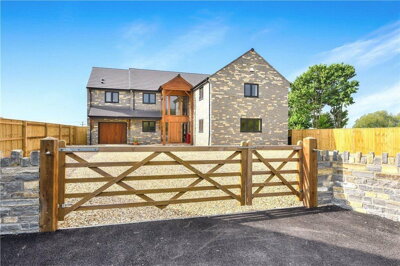
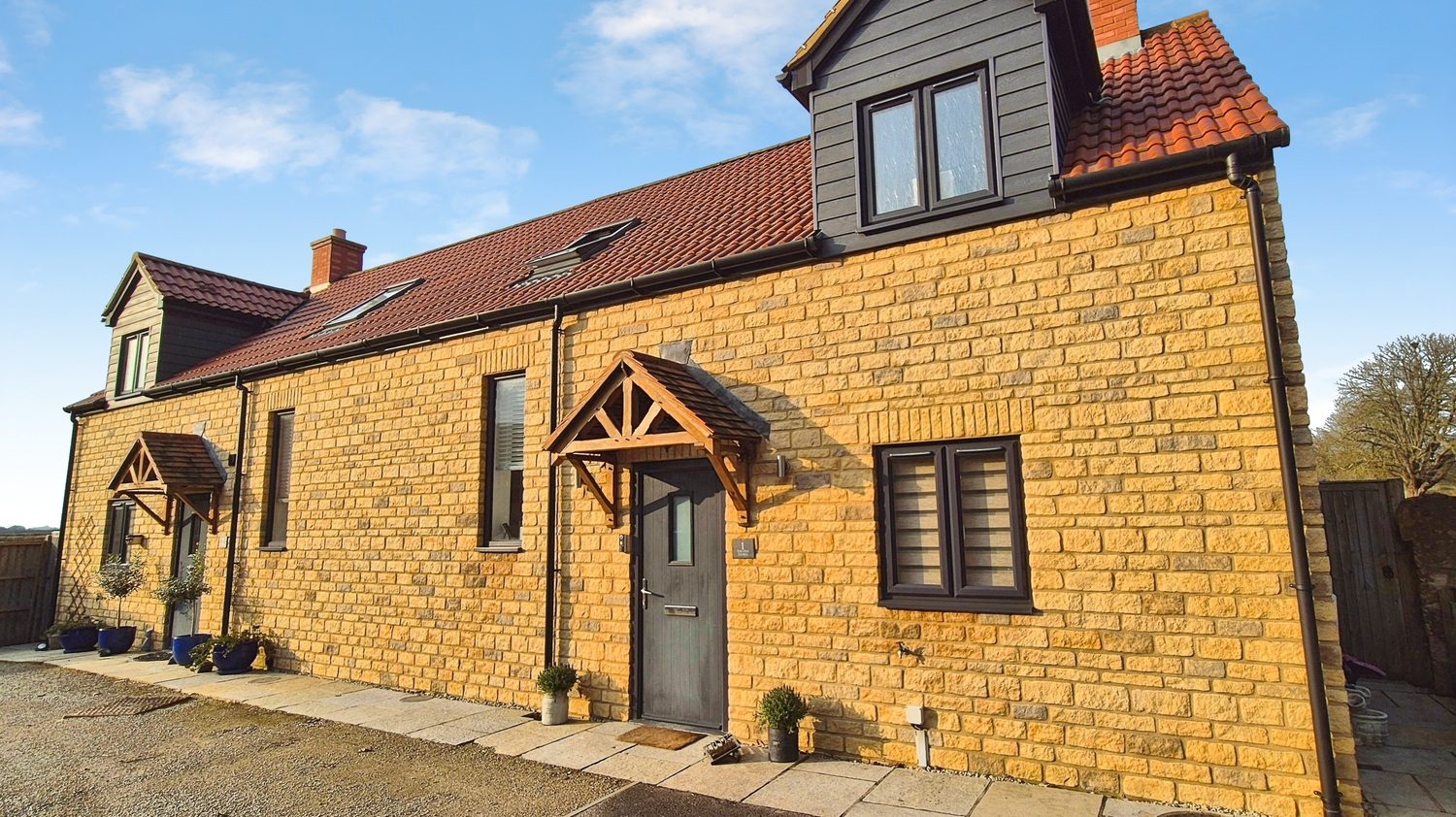
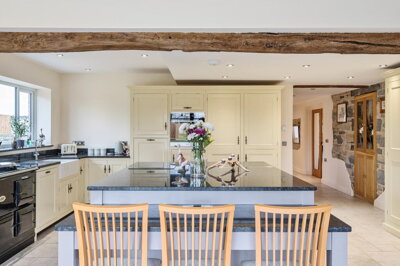
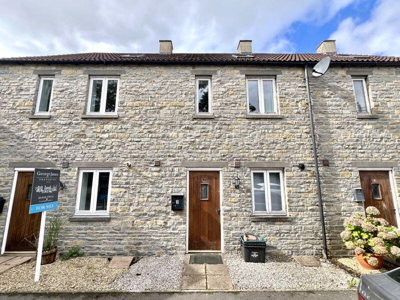
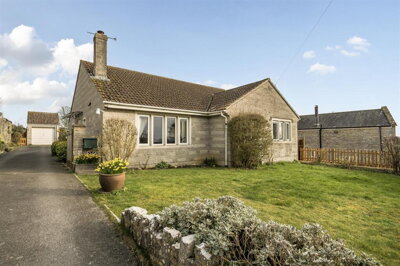
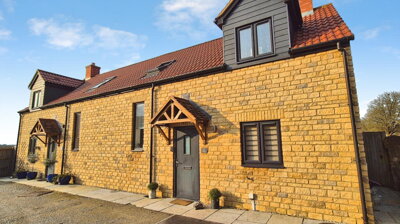
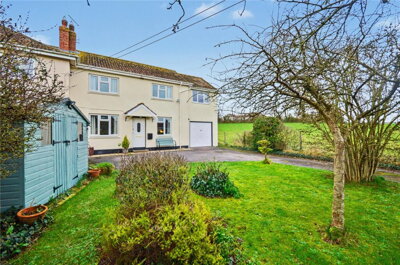
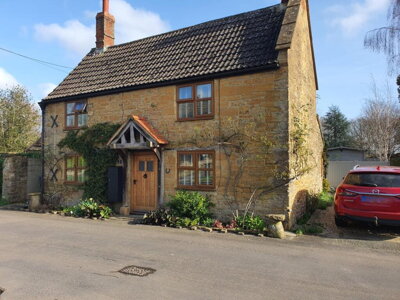
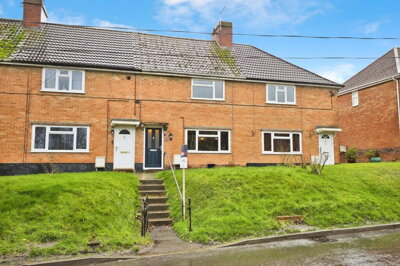
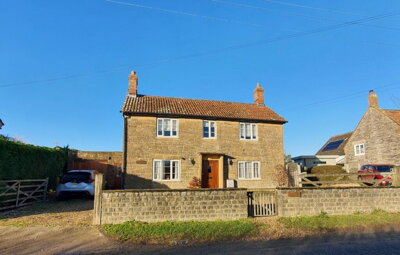
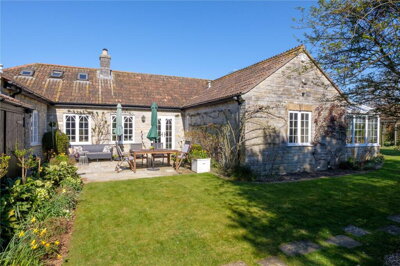
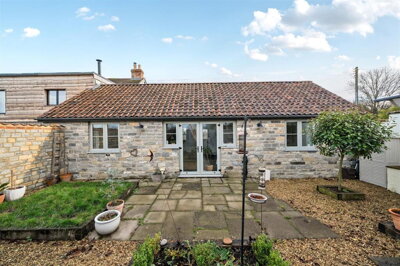
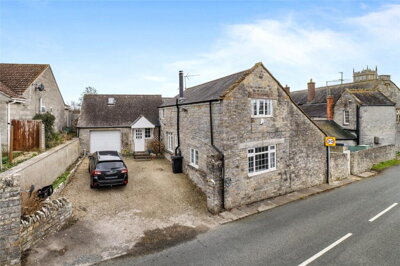
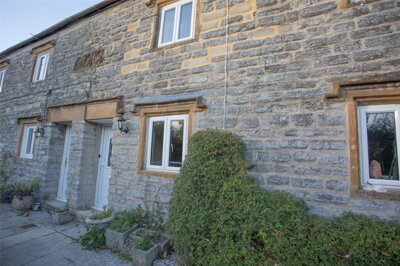
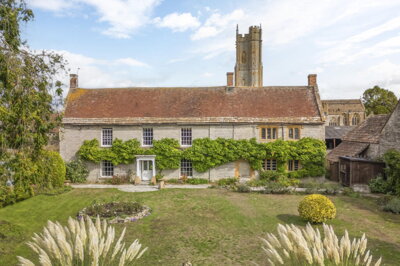
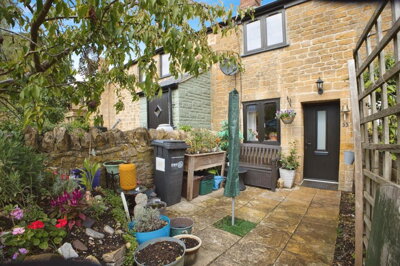
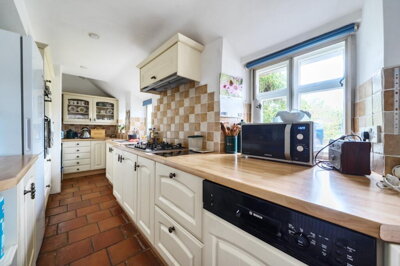
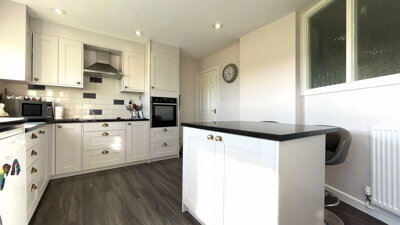
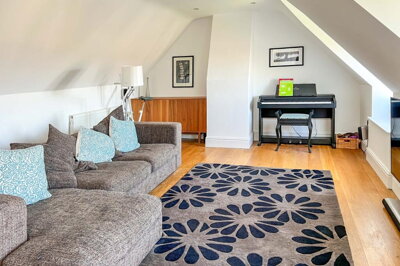
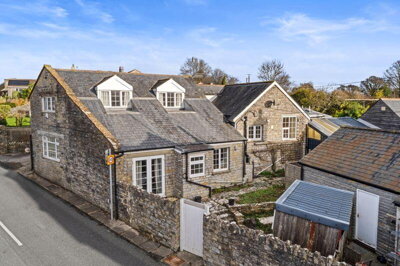
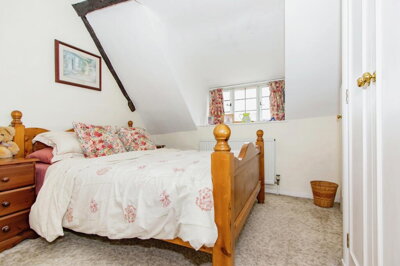
Browse 29 homes for sale in Long Load from local estate agents.
The property market in Inner and Middle Temples operates quite differently from typical London residential areas. The Zoopla recorded average sold price in the broader Temple area stands at approximately £588,866, though this figure encompasses a wider postcode zone beyond the historic Temples themselves. Recent sales within the EC4Y postcode area illustrate the nature of the available stock: a flat at 6 Friar Street sold for £430,000 in February 2025, while a property at 58 Upper Thames Street changed hands for £445,000 in January 2025. These transactions reflect the predominantly flat-based character of residential accommodation in this specialised district.
Unlike conventional residential neighbourhoods, Inner and Middle Temples offer no detached, semi-detached, or terraced houses. The available properties consist entirely of flats and apartments, many situated within historic chambers buildings that have been converted to residential use alongside their continued function as working barristers' premises. A recent transaction at 77 Carter Lane illustrates the typical price points, with Flat 4 selling for £474,579 in September 2024, while higher-value properties have reached around £878,580. The area shows no evidence of new-build development activity, as the historic fabric and listed building status of virtually all structures precludes significant new construction. Properties here represent a rare opportunity to acquire accommodation within one of London's most prestigious and protected environments.

The character of Inner and Middle Temples is fundamentally shaped by its role as the heart of the English legal profession. Two of the four Inns of Court are situated here: the Inner Temple and the Middle Temple, each dating back to medieval times and retaining their autonomous governance structures within the City of London. The atmosphere is one of scholarly quietude, with residents sharing their neighbourhood with barristers, judges, law students, and the various professionals who support the legal system. The grounds include formal gardens, centuries-old trees, and open spaces that create an unexpected sense of calm in the middle of central London.
The architecture throughout the area reflects its long and complex history. Most surviving buildings date from the late seventeenth to mid nineteenth centuries, though many were rebuilt following wartime destruction or earlier fires that periodically ravaged this densely-built quarter. Red brick and Portland stone are prominent materials, creating the warm amber and grey tones that characterise the lanes and courtyards. Purbeck stone paths wind through spaces like Hare Court, while historic gatehouses mark the entrances to these self-contained precincts. The Temple Church, a Royal Peculiar dating from the twelfth century, stands as one of the most remarkable ecclesiastical buildings in London, its round nave reflecting the Crusader origins of the Knights Templar.
The Inns of Court themselves contain numerous notable buildings worth understanding as a resident. Inner Temple Hall dates from the fifteenth century with significant Victorian restoration, while the Middle Temple Hall is considered one of the finest Elizabethan halls in England. Buildings such as Plowden Buildings and Nos. 2-3 Inner Temple Lane showcase the architectural quality expected throughout the area, with their gault brick and Portland stone facades exemplifying the craftsmanship of their respective periods. Understanding this built environment helps appreciate why the area commands such premium values and why any modifications to properties require careful consideration of their historic context.

Inner and Middle Temples enjoy exceptional connectivity within central London and beyond. The Temple underground station sits on the District and Circle lines, providing direct access to Westminster, South Kensington, and the wider underground network. Blackfriars station offers Thameslink services connecting the area to stations across south London and beyond, while the City Thameslink station provides additional rail connections. The proximity to the Strand and Fleet Street means numerous bus routes pass nearby, ensuring comprehensive public transport coverage for residents without private vehicles.
For those commuting further afield, the area provides excellent access to the rail network. King's Cross St Pancras, accessible via the Circle or Metropolitan lines, connects to the East Coast Main Line for journeys to Cambridge, Peterborough, and the north. The Thameslink services from Blackfriars reach Brighton and Gatwick Airport without changing lines, making this area particularly convenient for frequent travellers. Cyclists benefit from the riverside cycle paths along the Thames Embankment, which provide traffic-free routes east and west. The City's congestion charge zone and Ultra Low Emission Zone both cover this area, making car ownership less attractive, while the excellent pedestrian environment makes walking an attractive option for daily needs.

Given the limited availability of properties in Inner and Middle Temples, early research is essential. Register with Homemove to receive alerts when new listings appear, and consider expanding your search to adjacent areas like Fleet Street, the Strand, or Blackfriars if flexibility is needed. Understanding the unique nature of this historic district will help set realistic expectations about available property types and the premium that location commands.
Before arranging viewings, secure a mortgage agreement in principle from a qualified lender. Properties in central London command significant prices, and having your financing confirmed demonstrates your seriousness to sellers. Contact Homemove to compare mortgage rates and find competitive deals suited to your circumstances.
Once suitable properties become available, arrange viewings through the listed estate agents. Pay particular attention to the condition of historic buildings, noting that many date from the seventeenth to nineteenth centuries and may require ongoing maintenance. Ask about service charges, lease terms, and any planned maintenance to the building.
Given the age of properties in Inner and Middle Temples, a thorough survey is essential. The RICS Level 2 HomeBuyer Report provides a detailed assessment of condition and identifies any defects requiring attention. Properties in conservation areas or listed buildings may benefit from the more comprehensive RICS Level 3 Building Survey. Older properties in this area commonly present issues including damp, outdated electrics, and potential timber defects that a professional survey will identify.
Engage a conveyancing solicitor with experience of central London property transactions. They will conduct searches, handle legal documentation, and coordinate with the seller's representatives. Homemove can connect you with experienced conveyancers familiar with the unique aspects of property ownership in this area.
Once all surveys and searches are satisfactory, your solicitor will exchange contracts and agree a completion date. On completion day, the remaining funds are transferred and you receive the keys to your new home in Inner and Middle Temples.
Purchasing property in Inner and Middle Temples requires attention to several area-specific considerations. The entire district falls within the Temples Conservation Area and contains one of the largest concentrations of Grade I listed buildings in London. This designation means that any alterations to the exterior or structure of a property may require consent from the City of London planning authority, and works must respect the historic character of the buildings. Prospective buyers should understand these constraints before committing to a purchase, particularly if they anticipate making changes to the property.
The underlying geology of the area consists of London Clay Formation, which can present shrink-swell risks affecting property foundations over time. While specific instances of subsidence in the Temples are not widely recorded, the clay soil conditions that affect much of London are relevant here. The drift geology features coarse natural gravel overlaying the bedrock, which was later covered by clayey silt deposits. A thorough survey will identify any signs of movement or foundation issues. Additionally, the proximity to the River Thames means flood risk should be considered, though the nineteenth-century Embankment construction provides significant protection against tidal flooding.
Most residential properties in the area are flats within chambers buildings, making leasehold ownership the norm rather than freehold. Prospective buyers should examine the length of the lease remaining, the terms of the lease, and any provisions for service charges and maintenance contributions. Buildings of this age may have historic maintenance issues, and understanding the condition of the communal areas, roof, and structure is essential before purchase. The legal profession's presence in the area means that many buildings are well-maintained, but independent assessment through a professional survey remains advisable.
The construction materials used in these historic buildings deserve particular attention during survey and purchase processes. Red brick, gault brick, and Portland stone are the primary external materials, with timber historically used for internal columns, beams, roofs, and staircases. Many buildings were reconstructed following wartime destruction in the 1950s, including Inner Temple Hall (1952-55), the Inner Temple Library (1958), Crown Office Row (1953-55), and Middle Temple Library (1956-58). Understanding whether a property dates from the original construction period or the post-war rebuild helps contextualise its condition and likely maintenance requirements.
Properties in Inner and Middle Temples were typically constructed using traditional masonry techniques that differ significantly from modern building methods. Buildings were often constructed from hewn blocks of stone, joined "dry" or with fine lime mortar rather than cement. Most follow a collegiate plan with four floors of uniform sets of rooms flanking a central staircase. This construction style creates distinctive architectural features but also presents specific maintenance challenges that prospective buyers should understand.
Common defects found in properties of this age include structural issues such as cracks in walls or ceilings, uneven floors, and doors that do not close properly. Damp represents a significant concern in older properties, arising from different building regulations and construction methods that preceded modern damp-proof courses. Water penetration through walls and roofs, as well as rising damp, commonly affect historic buildings and can lead to timber decay if left unaddressed. A RICS Level 2 survey will identify these issues and assess their severity.
Roofing problems frequently affect historic properties in the area. Broken or missing tiles, sagging roof lines, leaks, and inadequate insulation are all commonly encountered. Roof materials like slate and traditional tiles deteriorate over time, and the maintenance of these elements falls under the responsibility of leaseholders in most chamber buildings. Electrical systems in older properties often fail to meet modern safety standards, posing fire risks and providing insufficient capacity for contemporary appliances. The Inner Temple has undertaken upgrades to heating and wiring when commercial chambers become vacant, but residential flats may retain outdated systems. Plumbing systems using lead or galvanised steel pipes can corrode, leading to leaks, low water pressure, or water quality issues.
Buying property in Inner and Middle Temples involves several costs beyond the purchase price itself. Stamp Duty Land Tax is calculated on a tiered basis, with standard rates of 0% up to £250,000, rising to 5% on the portion between £250,001 and £925,000, 10% on the next slice up to £1,500,000, and 12% on any amount exceeding £1,500,000. Given the typical prices for central London property, most purchases in this area will attract SDLT at the 5% or higher bands. First-time buyers purchasing properties up to £625,000 may qualify for relief, which raises the nil-rate threshold to £425,000.
Additional costs include solicitor or conveyancer fees, typically ranging from £500 to £1,500 depending on the complexity of the transaction and the property value. Survey costs should also be budgeted, with RICS Level 2 surveys averaging around £455 to £600 for London properties, while the more detailed Level 3 Building Survey for older historic properties may cost £600 to £1,000 or more. Search fees, land registry fees, and mortgage arrangement fees add further amounts to the total cost of purchase. It is prudent to budget for these expenses alongside your deposit and mortgage to ensure a clear understanding of the full financial commitment involved in acquiring property in this distinguished central London location.

Comprehensive house price data specifically for Inner and Middle Temples is limited due to the unique nature of this legal district. The broader Temple area shows an average sold price of approximately £588,866 according to Zoopla records. Recent sales of flats in the EC4Y postcode have ranged from £430,000 to around £878,580, reflecting the variety of property types available. Given the exceptional scarcity of properties in this historic district and the unique character of the accommodation, prices tend to reflect the prestige of the location as much as the physical attributes of individual properties.
Inner and Middle Temples fall under the jurisdiction of the City of London Corporation for council tax purposes. The City of London maintains its own council tax banding system, which applies to residential properties within its boundaries. This governance structure is distinct from typical London boroughs, as the City of London operates as both a financial district and a local authority. Exact banding depends on the property value and type, with bands ranging from A through H. Prospective buyers should verify the specific banding for any property they are considering, as the City Corporation handles council tax matters directly rather than through a standard London borough arrangement.
The immediate Inner and Middle Temples area is primarily commercial and legal, with few residential families, meaning local school provision is limited. For primary education, parents typically look to schools in surrounding boroughs such as the City of London Academy, Southwark, or Westminster. Secondary options include the City of London School for Girls and the City of London School for Boys, both of which have excellent academic reputations and histories dating back centuries. Several highly-regarded independent schools in central London, including Westminster Under School and St Paul's School, are within reasonable travelling distance for families residing in this area.
Inner and Middle Temples offers excellent public transport connectivity. Temple underground station on the District and Circle lines is within the area, providing direct connections to central London and the wider underground network. Blackfriars and City Thameslink stations offer National Rail services via Thameslink, with direct routes to south London destinations including Brighton and Gatwick Airport without changing trains. Numerous bus routes run along the Strand and Fleet Street, providing additional options for travel across the capital. The area is exceptionally well-served for commuting to the financial district, the West End, and beyond. Cycling infrastructure along the Embankment provides an attractive alternative for shorter journeys, with traffic-free paths running east and west along the river.
Property in Inner and Middle Temples represents a genuinely rare investment opportunity due to the unique combination of central London location, historic character, and limited supply. The area's association with the legal profession ensures consistent demand from barristers, judges, and legal workers seeking convenient accommodation near their chambers. However, the market operates differently from typical residential areas, with very few properties coming to market in any given year. The conservation area and listed building status of virtually all properties may limit certain development opportunities but also protects property values by preserving the distinctive character of the neighbourhood. Investors should note that properties here tend to be flats rather than houses, and rental yields may be moderated by the premium commanded by the location.
Stamp Duty Land Tax applies to all property purchases in England, including Inner and Middle Temples. For standard residential purchases, the rates are 0% on the first £250,000, 5% on the portion from £250,001 to £925,000, 10% on the portion from £925,001 to £1,500,000, and 12% on any amount exceeding £1,500,000. First-time buyers benefit from relief on the first £425,000 for properties up to £625,000. Given the price points typical for this area, most purchases will fall into the higher tax brackets. Your solicitor will calculate the exact amount due based on the purchase price and your circumstances at the time of completion.
We strongly recommend arranging a professional survey before purchasing any property in Inner and Middle Temples. The properties here are predominantly old, many dating from the seventeenth to nineteenth centuries, and they frequently exhibit defects common to historic buildings. These include damp, structural movement, outdated electrical and plumbing systems, and potential timber defects such as woodworm. A RICS Level 2 HomeBuyer Report provides a thorough assessment suitable for most flats in the area. For listed buildings or properties showing signs of significant deterioration, the more comprehensive RICS Level 3 Building Survey offers additional detail on structural issues and recommended repairs.
The entire Inner and Middle Temples area falls within the Temples Conservation Area, and virtually all buildings carry listed status at Grade I, Grade II*, or Grade II. Any external alterations, structural works, or modifications to the appearance of a property require consent from the City of London planning authority. Interior modifications may also be restricted if they affect the character of the building. These constraints are significant for investors planning changes to properties, but they equally protect the value of investments by preserving the historic environment. Your solicitor should investigate any planning restrictions attached to the specific property before completion.
From 4.5%
Compare competitive mortgage rates for your Inner and Middle Temples property purchase
From £499
Expert property solicitors familiar with central London transactions
From £400
Comprehensive condition report ideal for flats in historic buildings
From £600
Detailed structural survey recommended for listed buildings
Properties for Sale In London

Properties for Sale In Plymouth

Properties for Sale In Liverpool

Properties for Sale In Glasgow

Properties for Sale In Sheffield

Properties for Sale In Edinburgh

Properties for Sale In Coventry

Properties for Sale In Bradford

Properties for Sale In Manchester

Properties for Sale In Birmingham

Properties for Sale In Bristol

Properties for Sale In Oxford

Properties for Sale In Leicester

Properties for Sale In Newcastle

Properties for Sale In Leeds

Properties for Sale In Southampton

Properties for Sale In Cardiff

Properties for Sale In Nottingham

Properties for Sale In Norwich

Properties for Sale In Brighton

Properties for Sale In Derby

Properties for Sale In Portsmouth

Properties for Sale In Northampton

Properties for Sale In Milton Keynes

Properties for Sale In Bournemouth

Properties for Sale In Bolton

Properties for Sale In Swansea

Properties for Sale In Swindon

Properties for Sale In Peterborough

Properties for Sale In Wolverhampton

Enter your details to see if this property is within your budget.
Loans, cards, car finance
Estimated property budget
Borrowing + deposit
You could borrow between
Typical borrowing
Monthly repayment
Est. at 4.5%
Loan-to-value
This is an estimate only. Your actual budget may vary depending on interest rates, credit history, and personal circumstances. For an accurate affordability assessment, speak to one of our free mortgage advisors.
This calculator provides estimates for illustrative purposes only and does not constitute financial advice. Your home may be repossessed if you do not keep up repayments on your mortgage. Estimates based on 4.5% interest rate, repayment mortgage. Actual rates depend on your circumstances.
Homemove is a trading name of HM Haus Group Ltd (Company No. 13873779, registered in England & Wales). Homemove Mortgages Ltd (Company No. 15947693) is an Appointed Representative of TMG Direct Limited, trading as TMG Mortgage Network, which is authorised and regulated by the Financial Conduct Authority (FRN 786245). Homemove Mortgages Ltd is entered on the FCA Register as an Appointed Representative (FRN 1022429). You can check registrations at NewRegister or by calling 0800 111 6768.

We use cookies to show you personalised content and improve your experience of our website. Find out more in our Privacy policy and Cookie policy.