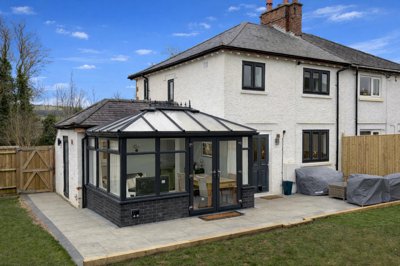
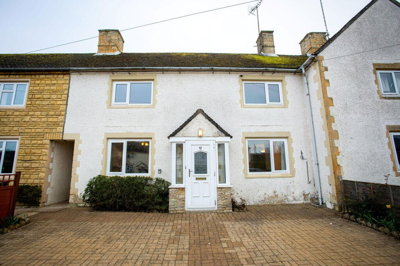
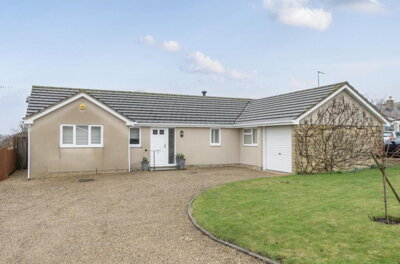
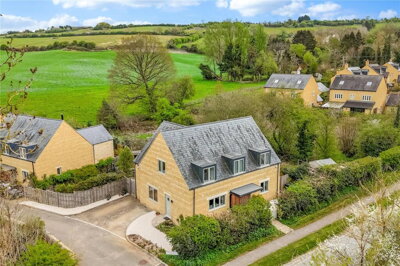
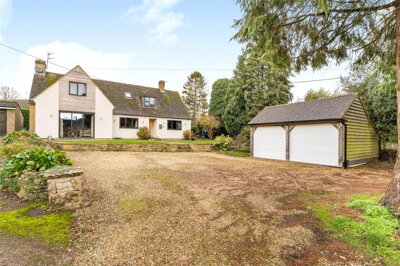
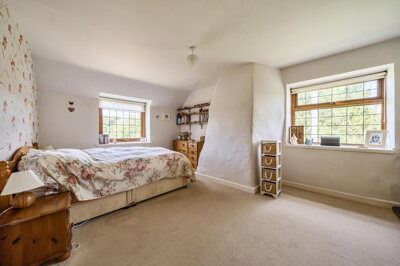
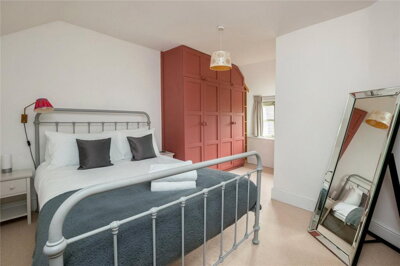
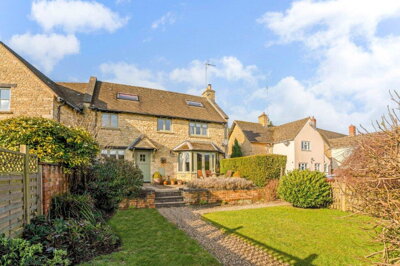
Browse 8 homes for sale in Long Compton from local estate agents.
Three bedroom properties represent a significant portion of the Long Compton housing market, offering space for families with multiple reception rooms and gardens in many cases. Browse detached, semi-detached, and terraced options ranging from period character homes to contemporary developments.
We have observed that the Long Compton property market reflects the broader trends of Cotswold village life, where demand consistently outstrips supply given the area's exceptional natural beauty and convenient access to major employment centres. Detached properties command the highest prices in the village, with recent sales data indicating average values of approximately £537,500 for this property type. These substantial family homes often feature generous plots, traditional Cotswold stone construction, and countryside views that are increasingly sought after by buyers seeking respite from urban living. The village's most prestigious properties benefit from large gardens and proximity to open farmland, offering the kind of rural lifestyle that metropolitan areas simply cannot replicate.
Semi-detached properties in Long Compton present more accessible entry points to the village market, with average prices around £203,500 according to Rightmove data. We find that these homes typically offer excellent value for first-time buyers or those seeking a manageable property in a highly desirable location. Terraced cottages, many of which feature the characteristic Cotswold oolitic limestone construction that defines the village's architectural identity, average approximately £373,000. The market has shown some volatility in recent months, with sources reporting variations in price trends ranging from significant corrections to modest growth. Prospective buyers should note that discrepancies between reporting sources reflect the relatively low transaction volumes typical of smaller villages, making individual sales more impactful on average figures.
New build activity within Long Compton itself remains limited, with no active developments currently under construction within the village boundaries. We have seen that the historic "Long Compton Residential Development" by Avoncroft Homes, which created five substantial dwellings on former farm buildings, has long since completed. Nearby developments in surrounding villages such as Whatcote and Shipston-on-Stour offer alternative options for buyers specifically seeking brand new properties in the broader area. The Paddocks in nearby Whatcote offers three, four, and five-bedroom bespoke homes, while Idlicote Park provides additional new build options within the CV36 postcode area. This scarcity of new supply means that buyers interested in period properties will find the market dominated by characterful older homes requiring varying degrees of modernisation, presenting both challenges and opportunities depending on your renovation appetite and budget.
Price trends in the CV36 5 postcode area have shown notable variation between reporting sources, with Plumplot indicating growth of 10.7% in the last year while Rightmove reports figures 48% down on the previous year. Such discrepancies arise from the low transaction volumes in villages like Long Compton, where individual high-value sales can significantly skew annual averages. We advise buyers to focus on specific comparable properties rather than headline averages when assessing value in this market.

Life in Long Compton centres around the village's timeless character and the strong sense of community that defines successful rural English villages. The population of approximately 874 residents enjoys regular social interaction through village institutions including the historic village hall, the welcoming Red Lion Inn established in 1748, and various community events throughout the year. The village post office and general store serves as an essential daily hub, complemented by a well-regarded local butcher providing quality local produce. Five working farms continue to operate in the surrounding countryside, maintaining the agricultural heritage that shaped Long Compton over centuries and contributing to the distinctive landscape that attracts buyers to the area.
The architectural character of Long Compton is defined by its exceptional concentration of historic buildings, with 31 listed structures including the Grade I listed Church of St Peter and St Paul. We have documented that the village's Conservation Area encompasses 82 additional buildings considered to be of local architectural and historic value, creating an exceptionally well-preserved environment that differs markedly from the rapid modernisation found in many English villages. Construction using locally quarried Cotswold oolitic limestone gives the village its characteristic honey-coloured appearance, with older properties featuring traditional thatched or stone-tiled roofs that contribute to the timeless aesthetic. Nineteen original thatched properties survive in the village, representing an increasingly rare example of traditional English vernacular architecture maintained in a living village context.
The natural environment surrounding Long Compton offers exceptional recreational opportunities, with direct access to public footpaths crossing the rolling Cotswold hills and farmland. The village nestles in a valley where a tributary of the River Stour rises, creating pleasant walking routes along the valley bottom and towards surrounding villages. The Cotswolds Area of Outstanding Natural Beauty designation ensures that the surrounding landscape will remain protected from inappropriate development, preserving the rural character that makes Long Compton so appealing to residents and maintaining property values over the long term. Community life is further enriched by the village school, which serves local families and contributes to the self-sustaining nature of village life.
The local economy retains strong connections to agriculture despite Long Compton's increasingly commuter-village status. We have observed that five working dairy, arable, and sheep farms continue to operate in the surrounding countryside, influencing both the character of the landscape and the rhythm of village life. Early morning farm traffic, seasonal agricultural activity, and the presence of livestock on nearby lanes are aspects of daily life that prospective residents should expect when joining this rural community.

Education provision in Long Compton centres on the village's own Primary School, which serves children from reception through to Year 6 and benefits from its intimate scale and strong community connections. The Long Compton Church of England Primary School provides local families with the convenience of quality education within walking distance, eliminating the need for lengthy school runs that characterise life in larger towns and cities. Parents choosing properties in Long Compton frequently cite the village school as a significant factor in their decision, appreciating the combination of academic provision and the pastoral care that smaller class sizes enable. The school maintains active relationships with the wider community, including the historic parish church, enriching the educational experience through links with local heritage and traditions.
Secondary education options for Long Compton residents include schools in nearby market towns, with the journey typically managed by school transport or parental arrangement. Families should research current catchment areas and admission arrangements carefully when purchasing property, as these can change and significantly impact which schools pupils can access. The nearest secondary schools are located in Shipston-on-Stour, Banbury, and Stratford-upon-Avon, each offering different academic specialisms and extracurricular programmes. For families prioritising grammar school education, careful consideration of selective school access and examination entry requirements in Warwickshire should form part of the property search process, particularly for those new to the area who may be unfamiliar with local educational pathways.
Further education provision is readily accessible through colleges in Stratford-upon-Avon and Banbury, both of which offer A-level programmes and vocational qualifications accessible to students completing their secondary education. The proximity to Stratford-upon-Avon, world-renowned for its educational and cultural resources, provides additional opportunities for families seeking academic enrichment beyond the standard curriculum. Music, drama, and arts education particularly benefit from the town's connection to Shakespeare and its vibrant cultural scene. Parents viewing properties in Long Compton should schedule discussions with the local education authority regarding current school capacities and any planned expansions that might affect future admission policies, as these factors can influence both family quality of life and long-term property values.
Transport connectivity from Long Compton reflects its position as a rural Cotswold village, with car travel remaining essential for most daily activities despite proximity to larger towns and cities. The village is situated on the A3400 road, which provides the main route connecting Long Compton to Shipston-on-Stour to the north and Stratford-upon-Avon to the north-east. This scenic route passes through rolling Cotswold countryside and serves as the artery linking the village to surrounding communities and their amenities. For residents working in Birmingham, Oxford, or London, the road network provides access to major motorways and trunk routes, though journey times reflect the rural nature of surrounding roads rather than the faster connections available from more urban locations.
Rail connections from the broader area centre on Stratford-upon-Avon station, which offers regular services to Birmingham Snow Hill and Moor Street, making day commuting to the West Midlands conurbation feasible for those with flexible working arrangements. Marylebone station in London is accessible via Banbury, which provides a more direct route to the capital for those commuting regularly to the city. The journey time from Banbury to London Marylebone is approximately one hour, placing Long Compton within reasonable reach of the capital for those prepared to make the short drive to the station. Local bus services connect Long Compton with surrounding villages and market towns, though frequencies reflect the rural nature of the area and may not suit those requiring daily commuting options.
Cycling infrastructure in the Cotswolds has developed significantly in recent years, with quiet country lanes and designated routes making cycling a viable option for recreational purposes and shorter local journeys. The Cotswold Way long-distance footpath passes nearby, as do numerous bridleways and public footpaths connecting the village to surrounding countryside. For residents working from home, which has become increasingly common, Long Compton offers an enviable combination of natural beauty and connectivity that supports both professional productivity and quality of life. The village's position within the Cotswolds Area of Outstanding Natural Beauty does mean that road speeds are necessarily lower than on major routes, and prospective residents should factor this into journey time calculations when considering commuting viability.
Before viewing properties in Long Compton, spend time exploring the village at different times of day and week to understand the community atmosphere, noise levels from local farms, and the availability of amenities. The proximity to the River Stour tributary valley means some properties may have views or gardens affected by local topography, so physical exploration helps identify preferences.
Contact a mortgage broker to obtain an agreement in principle before viewing properties. With average prices around £388,950, most buyers will require mortgage finance, and having this arranged demonstrates seriousness to sellers while clarifying your true budget in the Long Compton market where detached properties can exceed £500,000.
View multiple properties in Long Compton to understand the variation in construction quality, maintenance standards, and price reflectiveness. Given the prevalence of period properties, pay particular attention to the condition of Cotswold stone walls, thatched roofs, and any signs of damp or structural movement that may require remediation.
Commission a RICS Home Survey Level 2 before proceeding, particularly for older properties where construction defects are more likely. With 31 listed buildings and 82 buildings of local historic interest, specialist attention to construction materials and methods used in Cotswold properties is advisable given the prevalence of traditional building techniques.
Choose a solicitor with experience in rural Warwickshire property transactions to handle legal matters including drainage searches, local authority enquiries, and any planning constraints applicable to properties within the Long Compton Conservation Area.
Once mortgage offers are confirmed and searches returned satisfactory results, proceed to exchange contracts with a deposit payment, typically 10% of the purchase price, before completing on the agreed date when the remaining funds are transferred and keys are released.
Properties in Long Compton require careful inspection due to the prevalence of traditional construction methods and the age of much of the housing stock. We have found that Cotswold oolitic limestone walls, while beautiful, require specific maintenance approaches that differ from modern brick or cavity wall construction. Solid wall properties lack the cavity insulation that prevents damp penetration in newer homes, making thorough damp assessments essential before purchase. The use of lime mortars rather than cement in historic properties means that repointing or repairs should always use appropriate traditional materials, and any inappropriate modern interventions can accelerate deterioration rather than prevent it. Prospective buyers should understand that period properties in conservation areas often require Listed Building Consent for significant alterations, adding complexity and cost to any planned renovations.
Thatched roofs, found on nineteen original properties in the village, represent both a significant charm factor and a maintenance consideration that prospective buyers must factor into their budgets. We have observed that specialist thatchers are required for any work, and insurance costs for thatched properties typically exceed those for properties with conventional roofing materials due to perceived fire risk. However, many buyers consider thatch essential to achieving the authentic Cotswold cottage aesthetic they seek, and properly maintained thatched roofs can last for decades. A thorough survey by a qualified professional familiar with traditional construction is strongly recommended for any Long Compton property featuring period elements, as defects in traditional buildings may not be apparent to untrained observers but can indicate serious underlying issues.
Flood risk in Long Compton warrants specific investigation given that a tributary of the River Stour rises in the valley where the village is situated. While comprehensive flood mapping was not detailed in available research, the local topography suggests that properties in lower-lying areas or those with gardens extending towards watercourses may carry elevated risk. Drainage in the Cotswolds can also present challenges, particularly for properties on sloping sites or with older drainage systems. Solicitor searches should include specific drainage and water authority enquiries, and buyers with concerns should request a detailed drainage survey. Properties on septic tanks rather than mains sewerage will require careful assessment of maintenance requirements and compliance with current regulations.
We recommend that buyers budget for potential electrical and plumbing upgrades when purchasing older Long Compton properties. Many period homes still contain original wiring and plumbing systems that do not meet current safety standards, and bringing these up to specification can add significant costs to renovation budgets. A thorough RICS Level 2 or Level 3 survey will identify any such issues before purchase, allowing buyers to negotiate accordingly or factor these costs into their overall financial planning.
The average house price in Long Compton varies between sources, with figures around £388,950 according to Rightmove data, £384,500 from Zoopla, and approximately £403,000 per OnTheMarket. Detached properties average around £537,500, while semi-detached homes are more accessible at approximately £203,500. Terraced cottages in the village average roughly £373,000. The variation between sources reflects the relatively low transaction volumes in this small village, where individual sales can significantly impact average figures. We advise focusing on comparable properties rather than headline averages when assessing value.
Properties in Long Compton fall under Stratford-on-Avon District Council for council tax purposes. Bands range from A through H reflecting property values, with most traditional Cotswold stone cottages likely falling in bands B through D, while larger detached properties may be in higher bands. Prospective buyers should verify the specific band for any property they are considering, as this affects ongoing annual costs and may influence affordability calculations. Council tax payments are typically collected monthly and represent one of the regular costs of village homeownership alongside utilities and maintenance.
Long Compton benefits from its own Church of England Primary School, providing education for children from reception through to Year 6 within the village itself. The school benefits from its intimate scale and strong community connections, though families should verify current performance data and OFSTED ratings directly with the school or through official channels. Secondary options are available in nearby towns including Shipston-on-Stour and Stratford-upon-Avon, with school transport arrangements and catchment areas requiring specific investigation based on family circumstances. Parents should note that school admissions policies can change and catchment boundaries may shift, making it advisable to confirm current arrangements with Warwickshire County Council before committing to a property purchase.
Public transport connectivity in Long Compton reflects its rural village status, with car travel being essential for most daily activities. Local bus services connect the village to surrounding communities, though frequencies are limited compared to urban areas. Rail connections are available via Stratford-upon-Avon station with services to Birmingham, or via Banbury for faster London connections to Marylebone in approximately one hour. For residents working from home or with flexible arrangements, the connectivity is sufficient, but those requiring daily commuting to office locations should carefully assess journey times and transport options before committing to a purchase. We have found that many Long Compton residents drive to Banbury station rather than Stratford for London commuting due to the faster rail services available from there.
Long Compton offers several factors that make it attractive to property investors, including its position within the Cotswolds Area of Outstanding Natural Beauty, the limited supply of available properties, and the consistent demand from buyers seeking rural village lifestyles. The strong Conservation Area protections and limited new build development help maintain property values over time. However, investors should note that transaction volumes are relatively low, meaning capital growth may be slower than in more active markets, and rental demand in this small village may be limited compared to larger towns. Properties requiring renovation may offer value opportunities given the prevalence of older stock that has not been updated to modern standards. We recommend consulting with a local property investment specialist who understands the nuances of Cotswold village markets before making investment decisions.
Stamp Duty Land Tax rates for 2024-25 apply zero percent on the first £250,000 of residential property purchases, 5 percent between £250,001 and £925,000, 10 percent up to £1.5 million, and 12 percent above that threshold. First-time buyers receive enhanced relief with zero percent on the first £425,000 and 5 percent between £425,001 and £625,000. For an average Long Compton property at £388,950, a standard buyer would pay stamp duty on the amount above £250,000, equating to £6,947.50, while a first-time buyer would pay no stamp duty on this value. Additional SDLT surcharges apply for non-UK residents purchasing property in England.
Understanding the full costs of purchasing property in Long Compton requires consideration of Stamp Duty Land Tax alongside solicitor fees, survey costs, and moving expenses that together can add significantly to the purchase price. For a typical Long Compton property valued at the village average of £388,950, a standard buyer without first-time buyer relief would calculate stamp duty on the £138,950 portion above the £250,000 threshold, resulting in liability of approximately £6,947.50. First-time buyers purchasing properties at or below £425,000 would pay no stamp duty at all, representing substantial savings that can be redirected towards furnishing the new home or building savings buffers.
Survey costs for properties in Long Compton warrant particular attention given the prevalence of period construction and traditional building methods. A RICS Level 2 Home Survey, costing between £400 and £700 for standard properties, provides a comprehensive assessment of condition without the premium pricing of a full Building Survey. For older properties or those with unusual construction, a RICS Level 3 Building Survey at £1,000 or more may prove worthwhile, particularly where thatched roofs, traditional stone walls, or potential structural concerns are identified. Listed buildings or properties within the Conservation Area may benefit from specialist surveys that address the unique considerations for historic properties, including assessment of listing category implications and planning constraint requirements. Pre-1900 properties typically incur survey premiums of 20-40% due to their complexity and the expertise required.
Conveyancing costs for Long Compton property transactions typically range from £500 to £1,500 for standard freehold purchases, with leasehold properties, properties with unusual titles, or those involving shared ownership arrangements attracting higher fees. Search costs through Stratford-on-Avon District Council and Warwickshire County Council typically add several hundred pounds, while bankruptcy and local authority searches complete the standard search pack. Mortgage arrangement fees vary significantly between lenders and products, with arrangement fees of 0.5 to 1 percent of the loan amount being common for residential mortgages. Buyers should budget for removals costs, which can range from £500 for a small flat to several thousand pounds for a full house move, particularly important given the rural location that may require specialist removal contractors familiar with narrow country lanes and tight village approaches.
From 4.5%
Expert mortgage advice for your Long Compton purchase
From £499
Specialist solicitors for Long Compton property transactions
From £400
Comprehensive condition reports for Long Compton homes
From £80
Energy performance certificates for Long Compton properties
Properties for Sale In London

Properties for Sale In Plymouth

Properties for Sale In Liverpool

Properties for Sale In Glasgow

Properties for Sale In Sheffield

Properties for Sale In Edinburgh

Properties for Sale In Coventry

Properties for Sale In Bradford

Properties for Sale In Manchester

Properties for Sale In Birmingham

Properties for Sale In Bristol

Properties for Sale In Oxford

Properties for Sale In Leicester

Properties for Sale In Newcastle

Properties for Sale In Leeds

Properties for Sale In Southampton

Properties for Sale In Cardiff

Properties for Sale In Nottingham

Properties for Sale In Norwich

Properties for Sale In Brighton

Properties for Sale In Derby

Properties for Sale In Portsmouth

Properties for Sale In Northampton

Properties for Sale In Milton Keynes

Properties for Sale In Bournemouth

Properties for Sale In Bolton

Properties for Sale In Swansea

Properties for Sale In Swindon

Properties for Sale In Peterborough

Properties for Sale In Wolverhampton

Enter your details to see if this property is within your budget.
Loans, cards, car finance
Estimated property budget
Borrowing + deposit
You could borrow between
Typical borrowing
Monthly repayment
Est. at 4.5%
Loan-to-value
This is an estimate only. Your actual budget may vary depending on interest rates, credit history, and personal circumstances. For an accurate affordability assessment, speak to one of our free mortgage advisors.
This calculator provides estimates for illustrative purposes only and does not constitute financial advice. Your home may be repossessed if you do not keep up repayments on your mortgage. Estimates based on 4.5% interest rate, repayment mortgage. Actual rates depend on your circumstances.
Homemove is a trading name of HM Haus Group Ltd (Company No. 13873779, registered in England & Wales). Homemove Mortgages Ltd (Company No. 15947693) is an Appointed Representative of TMG Direct Limited, trading as TMG Mortgage Network, which is authorised and regulated by the Financial Conduct Authority (FRN 786245). Homemove Mortgages Ltd is entered on the FCA Register as an Appointed Representative (FRN 1022429). You can check registrations at NewRegister or by calling 0800 111 6768.

We use cookies to show you personalised content and improve your experience of our website. Find out more in our Privacy policy and Cookie policy.