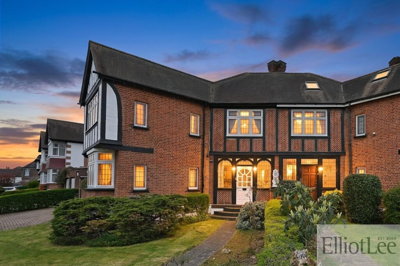
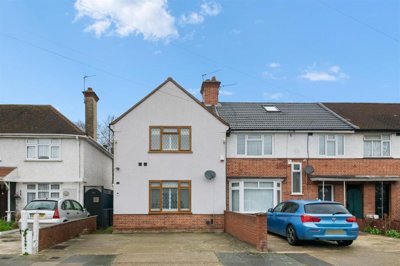
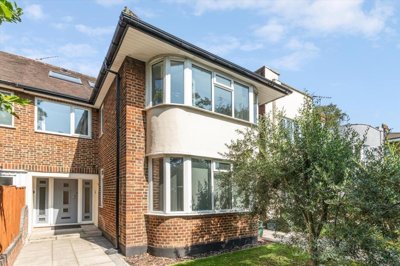
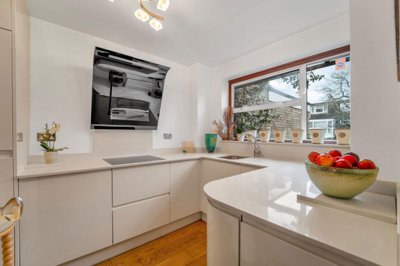
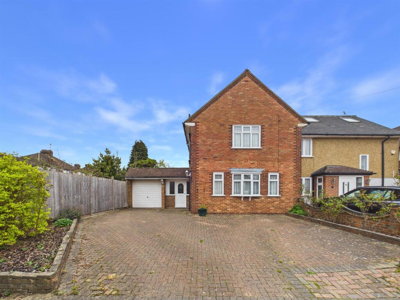
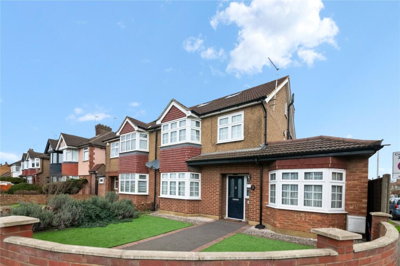
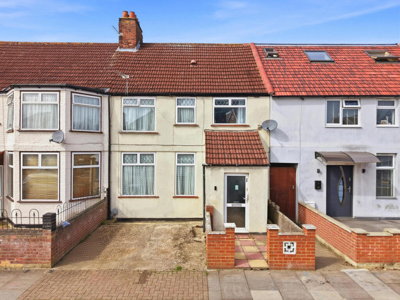
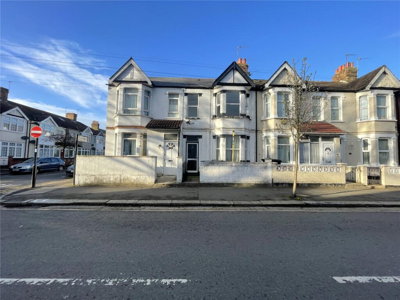
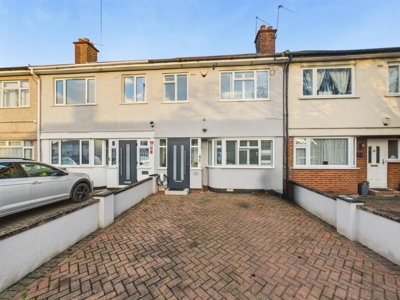
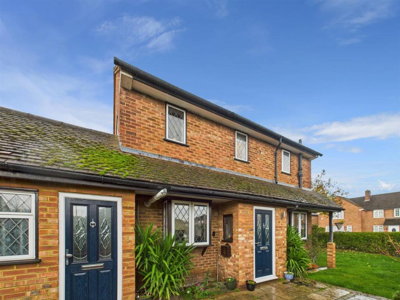
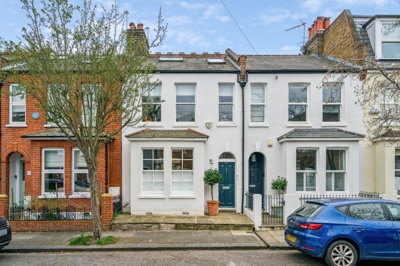
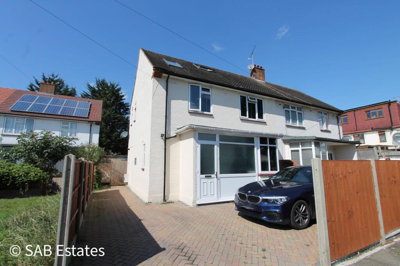
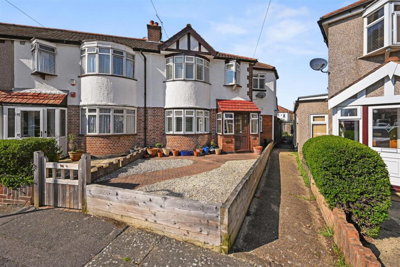
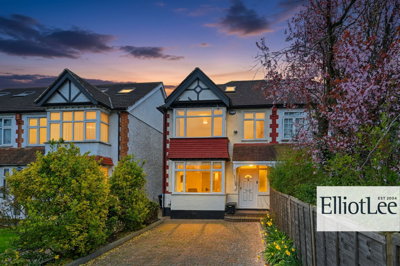
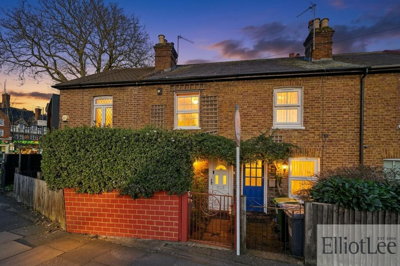
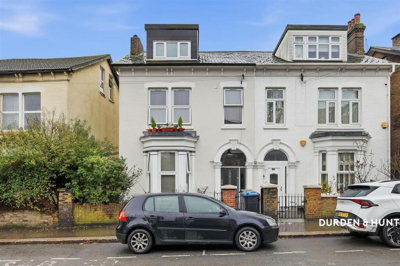
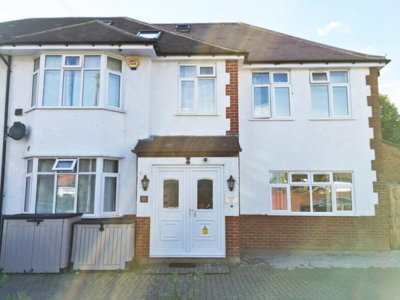
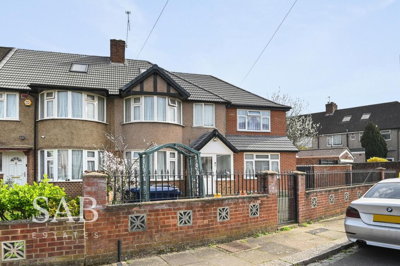
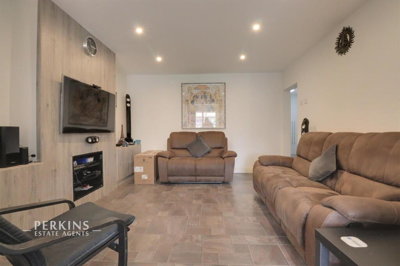
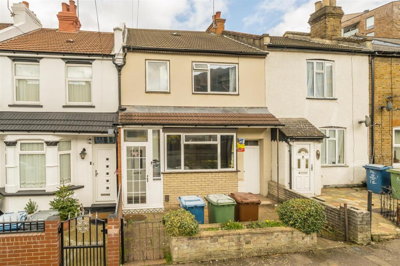
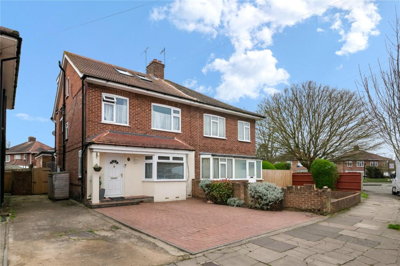
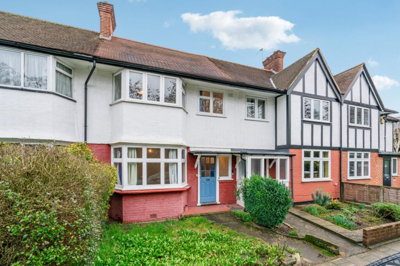
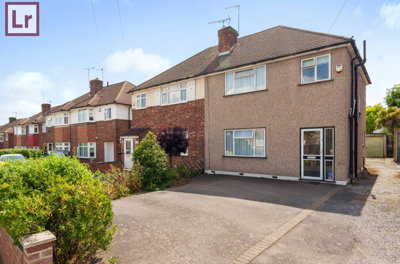
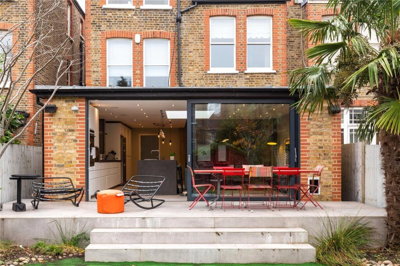
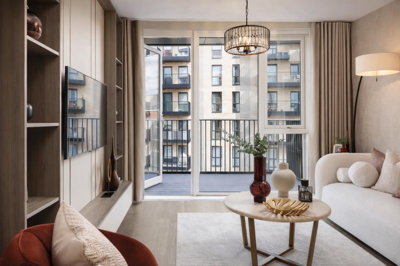
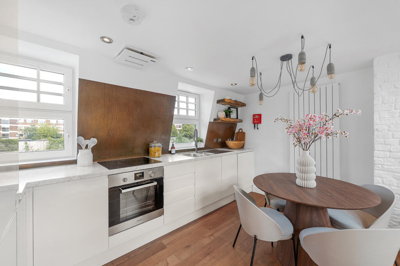
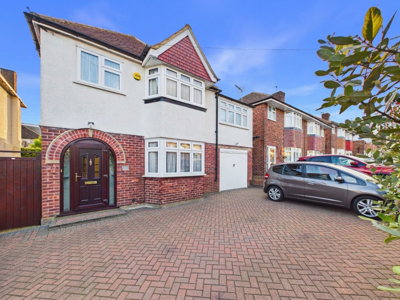
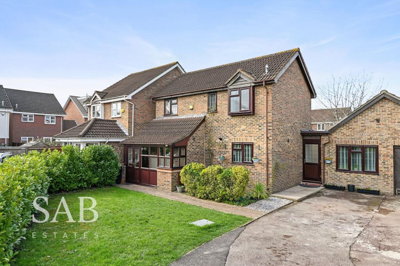
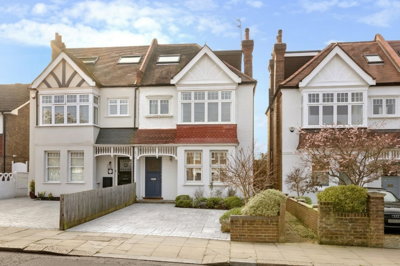
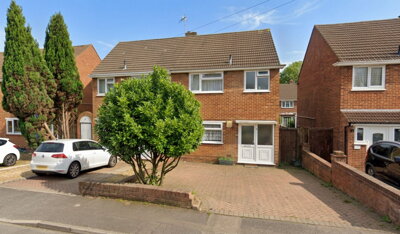
Browse 3,370 homes for sale in London Borough of Ealing from local estate agents.
The London Borough Of Ealing property market offers detached, semi-detached, and terraced houses spanning various price ranges and neighbourhoods. Each listing includes detailed property information, photographs, and direct contact with the marketing agent.
The Ealing property market has demonstrated steady resilience, with overall prices rising by 1.6% in the year to December 2025 according to ONS data, reaching an average of £576,000. More recent figures from the London Property Guide show year-on-year growth of 4.32%, with average prices now standing at approximately £576,695. Despite some national market uncertainty, Ealing has maintained its appeal, with the borough recording 671 property sales in the past year according to Property Solvers data. The market has seen particular strength in the semi-detached and terraced sectors, with prices rising by 10.63% and 8.24% respectively on a year-on-year basis according to the London Property Guide.
Property types in Ealing cater to a wide range of budgets and preferences. Detached properties command the highest prices, averaging around £1,351,000, while semi-detached homes are available at approximately £861,000. Terraced properties, which form a significant portion of the borough's housing stock, average £695,000, making them popular among families seeking more space than a flat offers. Flats and maisonettes provide the most accessible entry point to the Ealing market, with average prices around £405,000, though these have seen some price compression with a 6.08% year-on-year decrease according to London Property Guide data.
The market composition in Ealing shows that flats and apartments account for the majority of sales at 56.1% according to recent data, making them the most common property type available. Terraced houses represent 25.9% of transactions, while semi-detached properties make up 13.9% and detached homes just 4.1% of the market. This distribution means that buyers seeking terraced or semi-detached houses may face more competition given the relatively limited supply of these property types compared to apartments.

The London Borough of Ealing encompasses a rich variety of neighbourhoods, each with its own distinct character and appeal. Ealing Broadway serves as the main commercial centre, featuring the Broadway Shopping Centre, an excellent selection of restaurants, cafes, and the famous Ealing Studios, one of the oldest working film studios in the world. The area has a vibrant cultural scene, with regular events at Ealing Town Hall and the beautiful Walpole Park providing a green oasis in the heart of the borough. The Saturday farmers market in Dickens Yard draws visitors from across West London, showcasing local produce and artisan goods in a lively community atmosphere.
Ealing's architectural heritage is evident throughout the borough, with significant portions of the housing stock dating from the Victorian and Edwardian periods. Traditional London brickwork characterises many properties, including the distinctive red brick mansion blocks that remain popular with buyers seeking period features combined with modern living. The borough contains numerous conservation areas that help preserve the special character of neighbourhoods like Pitshanger, Ealing Village, and sections of Ealing Common. Green spaces are plentiful, with Perivale Common, Northolt Lane Wood, and the Grand Union Canal providing opportunities for recreation and relaxation. The River Brent flows through the borough, threading past Hanwell and into the wider area.
The borough has benefited from significant regeneration in recent years, particularly around Ealing Broadway where new developments have added contemporary housing options alongside traditional stock. New-build apartments in areas like Dickens Yard have attracted young professionals and investors, while maintaining the character that makes Ealing appealing. Community facilities include libraries, sports centres, and parks that serve residents across all neighbourhoods, from the quieter residential streets of Greenford to the busier areas around Ealing Broadway station.

Education provision in the London Borough of Ealing is a significant factor for families considering a move to the area. The borough maintains a strong network of primary schools, with several achieving outstanding Ofsted ratings. Primary schools such as Vicar's Green Primary School in Ealing Broadway, NorthEaling Primary School, and Gifford Primary School in Greenford serve their local communities with good reputations for academic achievement and pupil welfare. Many parents particularly value the community atmosphere of Ealing's primary schools, where smaller class sizes and dedicated teaching staff create positive learning environments for children in their formative years.
Secondary education in Ealing offers a mix of community schools, academy converters, and faith schools. Notable secondary schools include Drayton Manor High School, which has specialist status in science and mathematics, and Dormers Wells School, which received a good Ofsted rating at its most recent inspection. The borough also features several highly regarded independent schools, providing families with additional educational choices. For sixth-form and further education, Ealing has routes for students to progress to A-levels and vocational qualifications at local colleges. Parents researching properties should note that school catchment areas can significantly impact property values, and properties in the catchment areas of outstanding schools often command a premium.
The proximity of good schools can significantly influence both the desirability and price of properties in Ealing. Areas around Vicar's Green Primary and NorthEaling Primary are particularly popular with families, and properties in these neighbourhoods often attract strong interest from buyers with children. Researching current catchment boundaries and school performance data before purchasing is advisable, as these can change and directly affect which schools serve a particular property. The borough's investment in education facilities continues to support its appeal to families seeking quality schooling options in West London.
Ealing boasts excellent transport connections that make it highly attractive to commuters working in Central London and beyond. The Elizabeth line provides direct access to key destinations including Heathrow Airport, Bond Street, Liverpool Street, and beyond, with Ealing Broadway station serving as a major interchange. Ealing Broadway also connects to the Central and District lines of the London Underground, while nearby West Ealing and Drayton Green stations provide additional National Rail services. Journey times to central London are highly competitive, with Ealing Broadway to Bond Street taking approximately 20 minutes, making the borough an excellent choice for professionals who need easy access to the City and West End.
Bus services throughout the borough provide comprehensive local connections, with routes linking Ealing to surrounding areas including Shepherd's Bush, Hammersmith, and Southall. For drivers, the A40 Western Avenue provides direct access to the M25 motorway network, while the A406 North Circular Road offers connections to North London. Cycle infrastructure has improved in recent years, with the borough investing in safer cycling routes and bike storage facilities at major transport hubs. For air travel, Heathrow Airport is accessible via the Elizabeth line or by road, typically within 30-40 minutes. Parking availability varies by neighbourhood, with some areas offering permit parking schemes that residents should investigate before purchasing a property.
The Elizabeth line has been particularly transformative for Ealing, significantly reducing journey times to key employment centres and improving connectivity across the borough. These infrastructure improvements have enhanced the appeal of Ealing for commuters and residents who work in central London but prefer the space and value that the borough offers compared to inner-city neighbourhoods. The combination of tube, rail, and bus services means that most areas of Ealing are well-served by public transport, reducing reliance on cars for daily commuting.
Spend time exploring different neighbourhoods within Ealing, from the bustling streets around Ealing Broadway to the quieter residential areas of Greenford and Northolt. Consider factors like commute times, local schools, and amenities that matter most to your household. Each neighbourhood offers different advantages, whether you prioritse access to parks, proximity to stations, or the character of period properties.
Contact a mortgage broker or lender to obtain an agreement in principle before starting your property search. This strengthens your position when making offers and demonstrates to sellers that you are a serious buyer with confirmed borrowing capacity. With average prices around £576,000 in Ealing, most buyers will need significant mortgages, so understanding your budget early helps narrow your search.
Use Homemove to browse the full range of properties for sale in Ealing, setting up alerts for new listings that match your criteria. View multiple properties to compare locations, conditions, and value before deciding on your preferred choice. Given the variety of property types from flats to detached houses, taking time to view several options helps you understand what represents good value in the current market.
Once you find your ideal home, submit an offer through the estate agent. At the same time, instruct a conveyancing solicitor to handle the legal aspects of your purchase, including searches, contracts, and land registry checks. With properties in Ealing ranging from £405,000 for flats to over £1.3 million for detached homes, legal fees will vary accordingly.
Arrange a RICS Level 2 Survey to assess the property condition, particularly important given the prevalence of older properties in Ealing that may have issues with damp, roofing, or foundations. After satisfactory survey results, exchange contracts and set a completion date with your solicitor. The London Clay geology in some areas means properties should be checked for signs of subsidence, and a survey helps identify any concerns before purchase.
On completion day, collect your keys from the estate agent and begin your new life in the London Borough of Ealing. Take time to familiarise yourself with local services, register with doctors and dentists, and explore everything your new neighbourhood has to offer. The borough's excellent transport links, green spaces, and community facilities make it a great place to settle.
Properties in the London Borough of Ealing encompass a wide range of ages and construction types, which means buyers should be aware of specific issues associated with different property types. Many Victorian and Edwardian properties feature traditional brick construction with solid walls, which may require different maintenance approaches compared to modern cavity wall construction. These period properties often retain original features such as fireplaces, cornicing, and sash windows that add character but may need careful preservation. A thorough RICS Level 2 Survey is particularly valuable for older properties, as it can identify potential problems with damp, roof condition, and structural issues before you commit to the purchase.
The geology of the Ealing area, characterised by London Clay, creates specific considerations for property buyers. Clay soils are prone to shrink-swell movement, which can lead to subsidence or heave, especially in properties with shallow foundations and nearby mature trees. Buyers should look for signs of cracking to walls, doors that stick, or uneven floors, which may indicate foundation movement. Properties in areas close to the River Brent should also be checked for flood risk, with buyers advised to review Environment Agency flood maps and consider the property's flood resilience measures. If the property has been underpinned or had previous structural work, documentation should be requested from the seller.
The borough has numerous conservation areas where planning restrictions apply to alterations and extensions. Buyers purchasing period properties in conservation areas should be aware that permissions may be required for changes that would normally be permitted development elsewhere, including dormer extensions, outbuildings, and some types of windows. Service charges and ground rent are important considerations for flat buyers, as these can vary significantly between developments and may increase over time. Leasehold properties should be checked for remaining lease terms, with shorter leases potentially requiring extension. Freehold properties are generally preferred by buyers, though many terraced and semi-detached houses in Ealing are sold freehold.
Common defects found in Ealing's older properties include rising damp, penetrating damp through solid walls, roof deterioration with slipped tiles or worn felt, outdated electrical wiring that may not meet current standards, and timber issues such as rot or woodworm. Given that a significant portion of the housing stock was built before 1945, these age-related issues are prevalent throughout the borough. A comprehensive survey helps identify these problems early, allowing you to factor potential repair costs into your offer or negotiate with the seller.
The average property price in the London Borough of Ealing is approximately £576,000 according to the latest ONS data from December 2025, with more recent valuations from estate agents placing the average closer to £576,695. Prices vary significantly by property type, with detached homes averaging around £1,351,000, semi-detached properties at £861,000, terraced houses at £695,000, and flats at £405,000. The market has shown steady growth with year-on-year increases of around 1.6% to 4.3% depending on the data source, though flat prices have experienced some compression with a 6.08% year-on-year decrease.
Council tax bands in the London Borough of Ealing follow the standard England banding system from A to H, with most residential properties falling into bands B through E. The exact band depends on the property's assessed value, with flats typically in bands B to D and larger family houses in bands E to G. Ealing Council sets the annual council tax rates, and buyers can check specific bands on the Valuation Office Agency website before purchasing. Properties in higher bands pay more, but also generally command higher values and tend to be larger homes in established neighbourhoods.
The London Borough of Ealing has several highly regarded primary and secondary schools. Primary schools such as Vicar's Green Primary and NorthEaling Primary have earned good Ofsted ratings and strong reputations among local parents. Secondary options include Drayton Manor High School with specialist science status and Dormers Wells School. The borough also offers various faith schools and independent options. School performance data is available through the gov.uk schools database, and parents should verify current Ofsted ratings and catchment area boundaries, as these can change and directly impact which schools serve a property.
Ealing is exceptionally well connected, with Ealing Broadway station offering Elizabeth line, Central line, and District line services plus National Rail connections. The Elizabeth line provides direct access to Heathrow Airport, Bond Street, Liverpool Street, and beyond with journey times to central London typically under 25 minutes. Bus services operate throughout the borough with routes to Shepherd's Bush, Hammersmith, and Southall. The A40 Western Avenue and A406 North Circular Road provide road connections, while the Grand Union Canal offers scenic walking and cycling routes to other parts of West London.
The London Borough of Ealing remains attractive to property investors due to its combination of strong transport links, ongoing regeneration projects, and relative value compared to central London boroughs. Price growth has been steady at around 2-5% annually, with semi-detached and terraced properties showing particularly strong performance at over 8% year-on-year growth. Rental demand is supported by commuters, young professionals, and families seeking more space. The Elizabeth line has enhanced connectivity, which typically positively impacts property values in surrounding areas. However, investors should be aware of market conditions, potential service charge increases on leasehold flats, and local planning policies.
Stamp Duty Land Tax rates for standard buyers start at 0% on the first £250,000 of property value, then 5% on the portion from £250,001 to £925,000. For properties between £925,001 and £1.5 million, the rate is 10%, with 12% applying above £1.5 million. First-time buyers benefit from relief on the first £425,000, paying 5% on amounts between £425,001 and £625,000. The Ealing property market's average price of £576,000 means most buyers purchasing around this value would pay approximately £13,000 in SDLT as a standard buyer, while first-time buyers would pay around £7,550.
Period properties in Ealing, which make up a significant portion of the housing stock, come with specific risks that buyers should investigate. The London Clay geology creates potential for subsidence, particularly where mature trees are present near foundations. Older properties commonly have issues with damp, outdated electrical wiring, and roof condition that require attention. Many Victorian and Edwardian houses retain original features that may need costly restoration. Properties in conservation areas face planning restrictions on alterations. A RICS Level 2 Survey is essential for identifying these issues before purchase, allowing buyers to negotiate repairs or price adjustments as needed.
Beyond the property price and stamp duty, buyers in Ealing should budget for solicitor fees typically ranging from £500 to £2,000, plus search fees, land registry fees, and teleport fees that add several hundred pounds. A RICS Level 2 Survey costs from approximately £350 for a standard property, rising for larger homes or those requiring more detailed inspection. Mortgage arrangement fees, valuation fees, and broker fees can add another £500 to £2,000. Removal costs vary according to distance and volume of belongings. For a typical Ealing property at £576,000, total additional costs beyond the purchase price and stamp duty typically range from £2,000 to £4,000 depending on circumstances.
Understanding the full costs of buying property in the London Borough of Ealing is essential for budgeting effectively. Beyond the property price, buyers should budget for Stamp Duty Land Tax, which for a typical Ealing property at the borough average of £576,000 would amount to approximately £13,000 for standard buyers. First-time buyers purchasing at this price point would pay around £7,550, as relief applies to the first £425,000. For higher-value properties such as the semi-detached homes averaging £861,000, SDLT increases to approximately £30,550 for standard buyers, making the relief valuable for eligible first-time buyers.
Additional purchasing costs include solicitor fees for conveyancing, typically ranging from £500 to £2,000 depending on the complexity of the transaction and whether the property is freehold or leasehold. Search fees, land registry fees, and teleport fees add several hundred pounds to legal costs. Survey costs should also be factored in, with a RICS Level 2 Survey priced from approximately £350 for a standard property, rising for larger homes or those requiring more detailed inspection. Mortgage arrangement fees, valuation fees, and broker fees can add another £500 to £2,000. Removal costs vary according to distance and volume of belongings. Bank transfers and insurance products should also be arranged.
Buyers should ensure they have sufficient funds not just for the deposit and purchase costs but also for immediate post-purchase expenses such as furnishing and any urgent repairs identified during survey. Properties in Ealing with significant age may require updates to heating systems, redecoration, or repairs that were not visible during viewings. Setting aside a contingency fund of around 5-10% of the property value for post-purchase expenses is prudent, particularly when buying older period properties that may have hidden defects.
Properties for Sale In London

Properties for Sale In Plymouth

Properties for Sale In Liverpool

Properties for Sale In Glasgow

Properties for Sale In Sheffield

Properties for Sale In Edinburgh

Properties for Sale In Coventry

Properties for Sale In Bradford

Properties for Sale In Manchester

Properties for Sale In Birmingham

Properties for Sale In Bristol

Properties for Sale In Oxford

Properties for Sale In Leicester

Properties for Sale In Newcastle

Properties for Sale In Leeds

Properties for Sale In Southampton

Properties for Sale In Cardiff

Properties for Sale In Nottingham

Properties for Sale In Norwich

Properties for Sale In Brighton

Properties for Sale In Derby

Properties for Sale In Portsmouth

Properties for Sale In Northampton

Properties for Sale In Milton Keynes

Properties for Sale In Bournemouth

Properties for Sale In Bolton

Properties for Sale In Swansea

Properties for Sale In Swindon

Properties for Sale In Peterborough

Properties for Sale In Wolverhampton

Enter your details to see if this property is within your budget.
Loans, cards, car finance
Estimated property budget
Borrowing + deposit
You could borrow between
Typical borrowing
Monthly repayment
Est. at 4.5%
Loan-to-value
This is an estimate only. Your actual budget may vary depending on interest rates, credit history, and personal circumstances. For an accurate affordability assessment, speak to one of our free mortgage advisors.
This calculator provides estimates for illustrative purposes only and does not constitute financial advice. Your home may be repossessed if you do not keep up repayments on your mortgage. Estimates based on 4.5% interest rate, repayment mortgage. Actual rates depend on your circumstances.
Homemove is a trading name of HM Haus Group Ltd (Company No. 13873779, registered in England & Wales). Homemove Mortgages Ltd (Company No. 15947693) is an Appointed Representative of TMG Direct Limited, trading as TMG Mortgage Network, which is authorised and regulated by the Financial Conduct Authority (FRN 786245). Homemove Mortgages Ltd is entered on the FCA Register as an Appointed Representative (FRN 1022429). You can check registrations at NewRegister or by calling 0800 111 6768.

We use cookies to show you personalised content and improve your experience of our website. Find out more in our Privacy policy and Cookie policy.