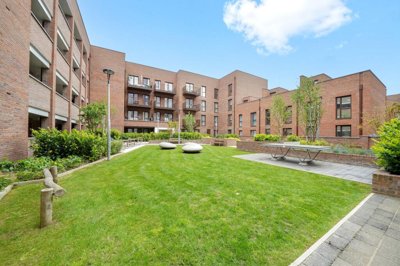
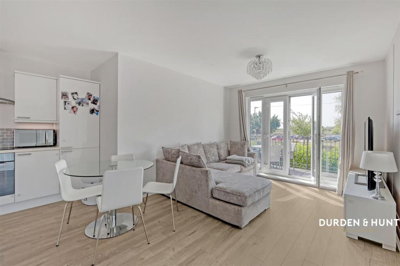
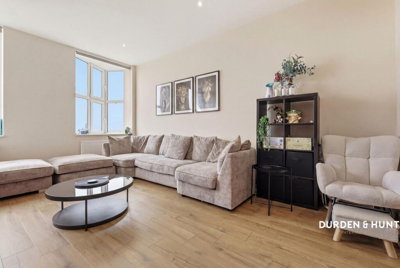
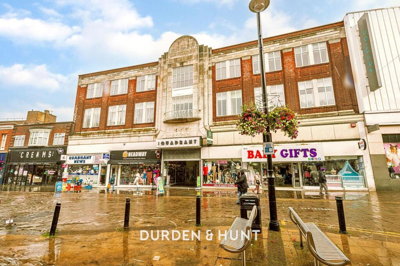
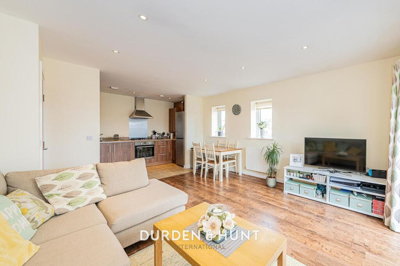
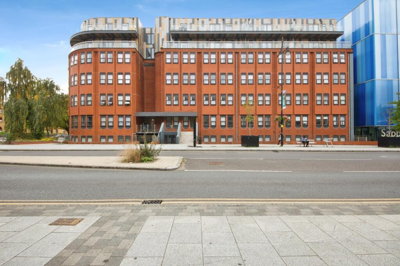
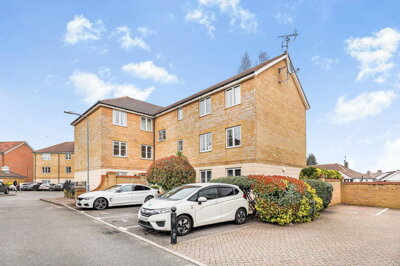
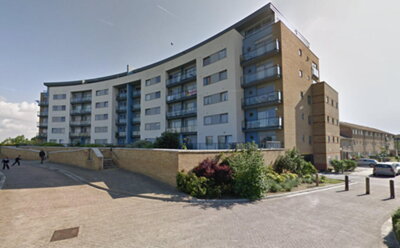
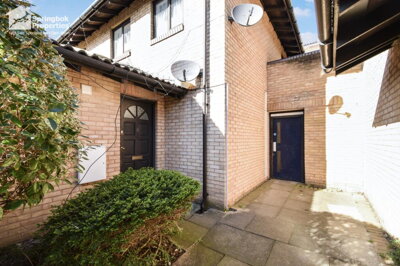
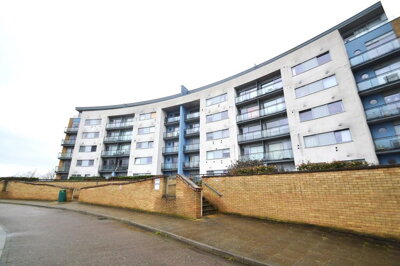
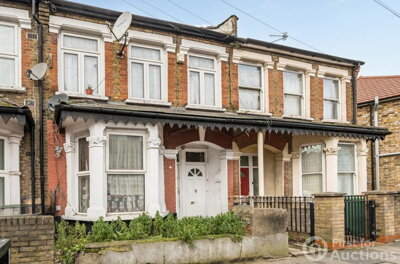
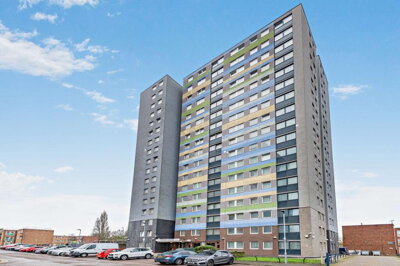
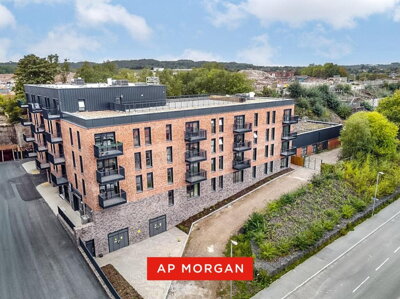
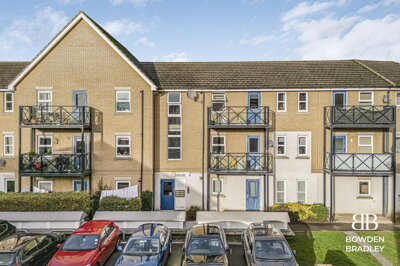
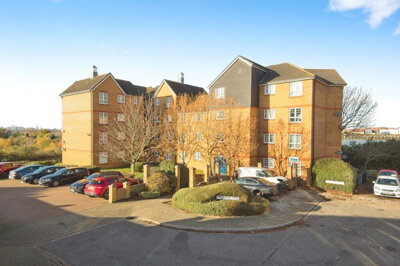
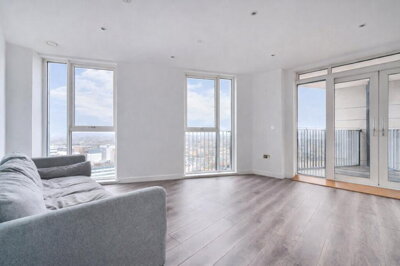
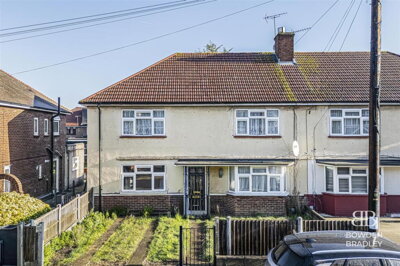
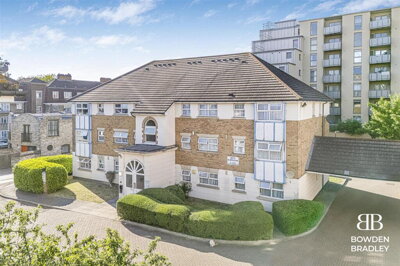
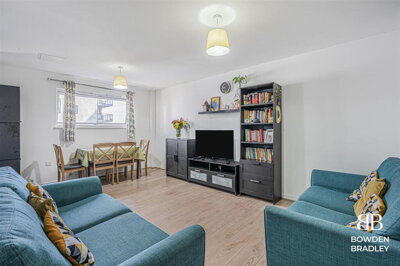
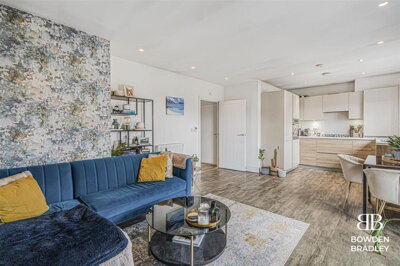
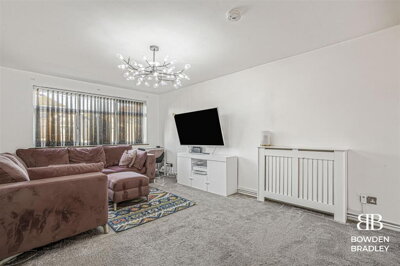
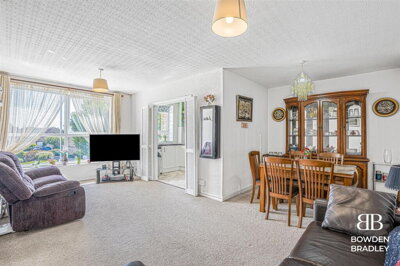
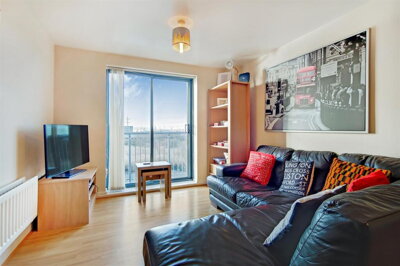
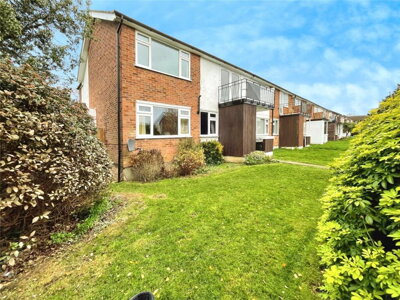
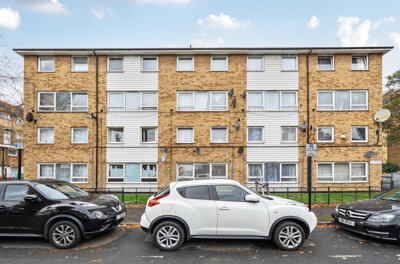
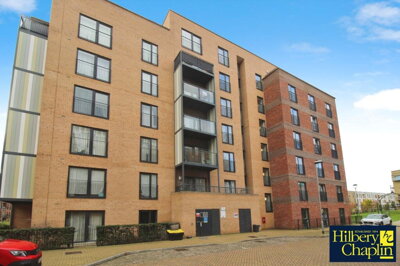
Browse 645 homes for sale in London Borough of Barking and Dagenham from local estate agents.
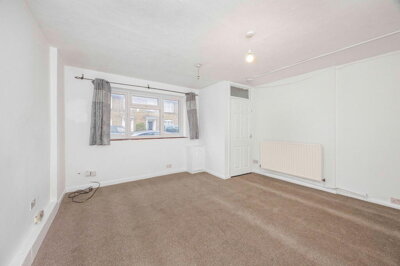
The 2 bed flat sector typically includes two separate bedrooms, dedicated living areas, and bathroom facilities. Properties in London Borough Of Barking And Dagenham span purpose-built blocks, converted period houses, and modern apartment complexes on various floors.
The Barking and Dagenham property market offers excellent value compared to many other London boroughs, with an overall average house price of £350,757 as of February 2026. Property prices have shown a modest decline of 1.4% over the past 12 months, creating opportunities for buyers seeking to enter the London market at a more accessible price point. The borough saw 1,481 property sales in the last year, indicating a healthy level of market activity with properties ranging from compact flats to spacious family homes. This combination of affordability and transaction volume makes Barking and Dagenham particularly attractive to first-time buyers and investors alike.
When examining property types, detached houses in the borough command an average price of £600,000, while semi-detached properties average £426,875. Terraced houses, which form the largest segment of the housing stock at 42.1% according to ONS Census 2021 data, average £360,000. Flats and maisonettes, representing 35.8% of homes, offer the most affordable entry point at around £250,000 on average. This pricing structure means families can often access larger properties with gardens in Barking and Dagenham than would be possible in many other parts of London, where the same budget might only secure a smaller flat.
Price trends over the past year show consistent but modest declines across all property types. Detached properties saw the largest decrease at 1.6%, followed by semi-detached at 1.6%, terraced at 1.4%, and flats at just 1.1%. The relative stability in flat prices suggests sustained demand for affordable housing options, while the larger declines in detached properties may reflect reduced demand for premium homes in the current market conditions. For buyers with larger budgets, this creates an opportunity to negotiate on properties that might have commanded higher prices in previous years.

The borough is experiencing significant regeneration, with several major new build developments transforming former industrial sites into residential communities. Barking Riverside stands as the most prominent of these projects, a joint venture between L&Q and the Greater London Authority located along the River Thames in the IG11 0XX and RM10 7XX postcodes. This extensive development offers a mix of 1, 2, 3, and 4-bedroom apartments and houses, with 1-bedroom apartments starting from approximately £290,000 and houses ranging upwards of £450,000. The development benefits from sustainable drainage systems and will eventually include a new London Overground station, making it an attractive option for both owner-occupiers and investors seeking modern accommodation.
Weavers Quarter forms part of the Gascoigne Estate regeneration in Barking, developed by Countryside Partnerships in partnership with Barking and Dagenham Council at East Street, IG11 8EQ. This scheme provides 1, 2, and 3-bedroom apartments, with many units allocated for affordable rent or shared ownership schemes. The development is revitalising an area that previously suffered from social challenges, creating a fresh community with improved amenities and public spaces. Prospective buyers interested in shared ownership should contact the developer directly for current availability and eligibility criteria.
Beam Park represents another significant regeneration project spanning the border of Barking and Dagenham and the neighbouring borough of Havering. Developed by Countryside Partnerships and L&Q at Beam Park, Dagenham, RM10 0FN, this development offers 1 and 2-bedroom apartments alongside 2, 3, and 4-bedroom houses. The scheme is transforming the former industrial area into a new neighbourhood with green spaces, community facilities, and improved transport connections. Buyers considering Beam Park should note that while the development straddles two borough boundaries, the portion within Barking and Dagenham offers access to local services and schools in the borough.
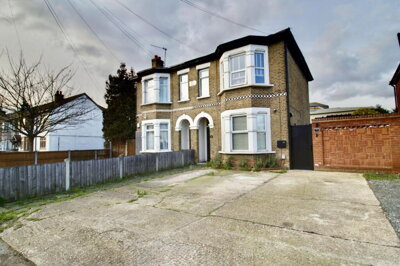
Barking and Dagenham is a borough of contrasts, where Victorian streets meet twenty-first century developments and industrial heritage sits alongside thriving town centres. The area has deep historical roots, with Old Dagenham Village and Eastbrook retaining much of their traditional character through designated Conservation Areas. Valence House Museum and Eastbury Manor House, the latter a Grade I listed building, stand as testament to the borough's heritage and offer cultural attractions for residents. The predominant brick construction of inter-war and post-war housing gives many neighbourhoods a distinctive uniform appearance, with tree-lined residential streets creating pleasant environments for families.
The local economy has evolved significantly from its industrial origins, with the Ford Dagenham plant now focused on engine production rather than vehicle manufacturing. Healthcare and education now represent major employers, particularly through the Barking, Havering and Redbridge University Hospitals NHS Trust. The ongoing regeneration programmes at Barking Riverside and Beam Park are transforming former industrial sites into residential communities, bringing new retail, leisure, and employment opportunities. For residents, this means growing local amenities, improved public spaces, and an increasing sense of community pride. The borough's proximity to central London, combined with more affordable housing, continues to attract young professionals and families seeking to establish themselves in the capital.
The borough's character varies significantly between neighbourhoods. Barking town centre offers the convenience of multiple shopping options, restaurants, and excellent transport links, making it popular with commuters and young families alike. The riverside area near Barking station has seen particular investment, with improved public realm creating more attractive spaces for residents. Away from the town centre, residential streets like those in Chadwell Heath and Collier Row offer quieter suburban environments while maintaining good connections to local amenities and transport infrastructure.

Education provision in Barking and Dagenham serves a growing population of families, with the borough home to numerous primary and secondary schools. The housing stock's age, with 81.1% of properties built before 1980, means many local schools have long-established catchment areas tied to specific neighbourhoods. Parents researching the market should check individual school performance data and Ofsted ratings, as these can significantly impact property values in certain streets. The borough continues to invest in educational facilities, with new primary schools included in major regeneration schemes like Barking Riverside to accommodate the growing population.
For secondary education, the borough offers a mix of comprehensive schools and academies, with some families also considering grammar school options in neighbouring boroughs. Several schools in Barking and Dagenham have achieved notable academic results in recent years, contributing to the borough's improving reputation as a place for families. Sixth form provision is available at secondary schools and colleges, with Barking and Dagenham College offering further education courses. When purchasing a property in the borough, understanding the local school landscape is essential, as proximity to good schools can be a significant factor in both quality of life and long-term property values.
The property age distribution in the borough has implications for families, as many homes in traditional residential areas have been occupied by families for generations, creating stable school communities. However, new developments like Barking Riverside are bringing new families into the area, increasing demand for school places. Our team always recommends that buyers with school-age children investigate current catchment areas carefully, as boundaries can change and competition for places at popular schools can be intense in certain postcodes.
Barking and Dagenham benefits from excellent transport connections that make commuting into central London straightforward and affordable. The borough is served by the District line and Hammersmith and City line on the London Underground network, with Barking station providing direct access to the City, West End, and East London. From Barking station, journey times to destinations such as Whitechapel take approximately 25 minutes, while reaching Tottenham Court Road involves a change but typically takes under 45 minutes. This connectivity has been a major factor in attracting commuters who want to live in London without paying premium central prices.
For drivers, the borough is well-connected to the road network, with easy access to the A12, A13, and the M25 orbital motorway. However, parking provision varies across neighbourhoods, and residents should be aware that some areas have permit restrictions. Rail services via c2c provide additional commuting options from Barking, Upminster, and other stations to Fenchurch Street and Liverpool Street. The emerging Barking Riverside development will eventually include a new London Overground station, further improving public transport access to this growing community. Bus services operated by Transport for London connect neighbourhoods within the borough and provide links to surrounding areas in East London and Essex.
Upminster station in the eastern part of the borough provides another option for commuters, with c2c services running to Fenchurch Street and Liverpool Street. Dagenham Dock station also serves the area, though options from this station are more limited. For those working in Canary Wharf or the Docklands area, the combination of rail and Underground services from Barking provides a practical journey, typically taking around 35-40 minutes door to door. The improving transport infrastructure, particularly the planned Overground extension to Barking Riverside, suggests that connectivity will continue to improve in the coming years.
Spend time exploring different areas within Barking and Dagenham to find the neighbourhood that best suits your lifestyle, whether you prefer the character of Old Dagenham Village, the convenience of Barking town centre, or the modern amenities at Barking Riverside. Consider factors like commute times, local schools, and proximity to parks and amenities.
Before viewing properties, obtain a mortgage agreement in principle from a lender to understand your budget and demonstrate your seriousness to sellers. With average prices at £350,757, most buyers in Barking and Dagenham will need a mortgage, and having finance in place gives you a competitive edge when making an offer.
View multiple properties across different price ranges and property types to understand what is available in your budget. Remember that flats average £250,000 while terraced houses average £360,000, so your budget will significantly influence your options. Take notes and photographs during viewings to help compare properties later.
Given that 81.1% of properties in Barking and Dagenham were built before 1980, a RICS Level 2 Survey is essential to identify any structural issues, damp problems, or roof defects common in older properties. Survey costs typically range from £400 to £700 depending on property size and type, with flats at the lower end (£350-£550) and detached homes at the higher end (£550-£800+). This investment can save you thousands by revealing issues before you commit to purchase.
Once your offer is accepted, instruct a conveyancing solicitor to handle the legal aspects of your purchase. Your solicitor will conduct searches, handle land registry documentation, and manage the exchange of contracts. For properties in flood risk areas near the Thames, your solicitor should specifically check flood risk assessments and any historical flooding records.
After satisfactory survey results and legal checks, you will exchange contracts and pay your deposit, typically 10% of the purchase price. Completion usually follows within 2-4 weeks, at which point you will receive your keys and take ownership of your new Barking and Dagenham home.
Buying property in Barking and Dagenham requires attention to several area-specific factors that may not be concerns in other parts of London. The underlying London Clay geology creates a moderate to high risk of subsidence and heave, particularly for properties with shallow foundations or those near trees. When viewing properties, look for signs of structural movement such as cracking to walls, sticking doors or windows, and uneven floors. A thorough RICS Level 2 Survey will assess foundation condition and identify any subsidence risk, which is especially important given that 81.1% of the housing stock predates 1980.
Flood risk is another critical consideration, particularly for properties in the southern parts of the borough near the River Thames. Areas close to the river and its tributaries, including the River Roding and Beam River, are designated Flood Zone 2 or 3, indicating medium to high probability of flooding. Surface water flooding can also affect urban areas with extensive impermeable surfaces. When viewing properties, ask about any historical flooding and check whether the property has flood resilience measures in place. For new developments like Barking Riverside, sustainable drainage systems have been incorporated into the design, but buyers should still understand the specific flood risk for their chosen plot.
Given the borough's housing stock, common defects to watch for include damp issues. Rising damp, penetrating damp, and condensation are frequent problems in older properties, especially those with inadequate damp-proof courses or poor ventilation. Roof condition is another concern in properties over 50 years old, with wear to tiles and slates, defective flashings, and guttering issues being common findings in our surveyors' reports. Many older homes may also have original or partially updated electrical wiring and plumbing systems that do not meet current standards, requiring significant upgrades. Timber defects, including wet rot, dry rot, and woodworm infestations, can affect older timber elements if not properly maintained.
Conservation areas in Barking Town Centre, Eastbrook, and Old Dagenham Village impose specific planning restrictions on alterations and extensions. If you are considering a period property within one of these designated areas, be aware that permitted development rights may be limited and planning permission could be required for changes that would otherwise be allowed elsewhere. Listed buildings such as Eastbury Manor House require Listed Building Consent for any works, making specialist surveys and specialist advice essential. For leasehold properties, which are common in the borough's flats representing 35.8% of homes, review the lease terms carefully, including ground rent obligations and service charge levels.
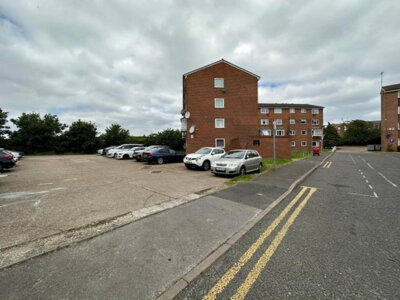
Understanding the construction of properties in Barking and Dagenham helps buyers appreciate both the character of homes and potential maintenance considerations. The predominant building material is brick, often in red or brown tones, reflecting the area's historical development from the Victorian era through to the post-war period. Properties built before 1920 typically feature solid brick walls, while those constructed from the inter-war period onwards generally utilise cavity wall construction, which offers better thermal performance and moisture resistance.
Traditional masonry construction is prevalent across the older housing stock, with timber roofs typically covered by tiles or slates. Concrete foundations are common in properties from the mid-twentieth century onwards. The post-war council estates that form a significant part of the borough's character sometimes utilised pre-fabricated concrete elements or system-built approaches, which can have their own specific defects related to the construction methods of that era. When surveying these properties, our inspectors pay particular attention to the condition of pre-fabricated components and any signs of movement or deterioration.
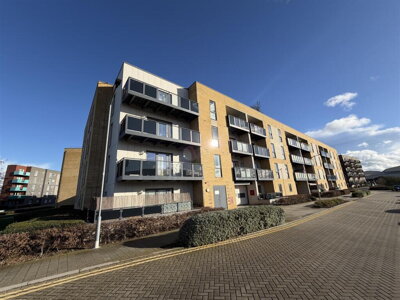
Newer developments like Barking Riverside employ contemporary construction techniques, often incorporating steel frames, modern cladding systems, and composite materials alongside traditional brick. These properties may benefit from improved thermal efficiency and modern building standards, but buyers should still commission a thorough survey to assess the quality of construction and identify any defects that may not be apparent during a visual inspection. The variety of construction types across the borough means that a RICS Level 2 Survey is valuable for any purchase, regardless of property age.
The average house price in Barking and Dagenham was £350,757 as of February 2026, according to property market data. Detached houses average £600,000, semi-detached properties £426,875, terraced houses £360,000, and flats £250,000. Prices have decreased by 1.4% over the past 12 months, making this an opportune time for buyers to enter the market at a relatively accessible price point compared to other London boroughs. The modest price correction has brought more properties within reach for first-time buyers who may have been priced out during previous market peaks.
Council tax bands in Barking and Dagenham are set by Barking and Dagenham London Borough Council. Bands range from A through to H, with most residential properties falling within bands A to D. Band A properties typically have the lowest council tax charges while band D represents the midpoint. You can check the specific band for any property through the Valuation Office Agency website or by contacting the council directly, as bands affect your annual council tax bill. Properties in newer developments like Barking Riverside may fall into higher bands due to their modern construction and higher values.
Barking and Dagenham has numerous primary and secondary schools serving its population of 218,973 residents. The borough has seen improvements in educational outcomes in recent years, with several schools achieving good or outstanding Ofsted ratings. When buying in the area, research individual school performance data, Ofsted reports, and catchment area boundaries, as school quality can vary significantly between neighbourhoods. The proximity to good schools often influences property values, so this is worth investigating before purchasing. Schools in established residential areas like Chadwell Heath and near Valence Avenue tend to be particularly popular with families.
Barking and Dagenham has excellent public transport connections, with Barking station offering Underground services on the District and Hammersmith and City lines, as well as c2c rail services to Fenchurch Street and Liverpool Street. Journey times to central London typically range from 30-45 minutes depending on your destination. The borough is also well-served by London bus routes connecting neighbourhoods within Barking and Dagenham and to surrounding areas. The future London Overground station at Barking Riverside will further improve connectivity for residents in the southern part of the borough, with services expected to link directly to Gospel Oak.
Barking and Dagenham offers compelling investment potential due to its relative affordability within London, ongoing regeneration programmes, and improving transport connections. Major developments like Barking Riverside and Beam Park are transforming the borough and attracting new residents, which can support property values. The modest price decline of 1.4% over the past year may represent a buying opportunity before prices stabilise or increase. However, as with any investment, buyers should research specific locations, consider rental demand, and factor in costs like Stamp Duty and ongoing maintenance when assessing potential returns. Areas benefiting from the upcoming Overground extension may see particular appreciation.
Stamp Duty Land Tax rates for 2024-25 start at 0% for properties up to £250,000, then 5% on the portion from £250,001 to £925,000. For properties priced between £925,001 and £1.5 million, the rate is 10%, rising to 12% for properties over £1.5 million. First-time buyers benefit from relief on the first £425,000, paying 5% on the portion between £425,001 and £625,000, with no relief above £625,000. Given the average property price of £350,757 in Barking and Dagenham, most buyers would pay Stamp Duty on the portion above £250,000, with first-time buyers potentially qualifying for relief on properties up to £425,000.
From 3.84%
Finding the right mortgage for your Barking and Dagenham purchase
From £499
Expert legal services for your property purchase
From £400
Thorough property survey for Barking and Dagenham homes
From £80
Energy performance certificate for your new home
Understanding the full costs of buying property in Barking and Dagenham is essential for budgeting effectively. The Stamp Duty Land Tax thresholds for 2024-25 mean that a first-time buyer purchasing a property at the borough average of £350,757 would pay 5% on the amount above £425,000, resulting in Stamp Duty of approximately £0 for the first £425,000 if qualifying for first-time buyer relief, then 5% on the £50,000 portion above that threshold. For those who do not qualify as first-time buyers, Stamp Duty would be calculated at 5% on the £100,757 portion above £250,000, totalling approximately £5,038. Always verify your eligibility for first-time buyer relief as there are specific criteria that must be met.
Beyond Stamp Duty, buyers should budget for solicitor conveyancing fees, which typically range from £500 to £1,500 depending on complexity and whether the property is freehold or leasehold. Search fees specific to the London Borough of Barking and Dagenham, including local authority searches, drainage searches, and environmental checks, can add several hundred pounds. A RICS Level 2 Survey, which is particularly important given 81.1% of properties in the borough were built before 1980, costs between £400 and £700 depending on property size, with flats typically at the lower end of this range and detached properties at the upper end.
Mortgage arrangement fees, broker fees, and moving costs should also be factored into your total budget. For leasehold properties, which represent 35.8% of homes in the borough, expect to pay ground rent and service charges that vary significantly between developments. Newer apartment complexes like those at Barking Riverside typically have service charges that reflect the facilities provided, while older blocks may have lower charges but potentially higher maintenance costs. Being thorough with your budget planning ensures there are no unexpected surprises as you progress through your purchase. Our team recommends setting aside a contingency fund of at least 1-2% of the purchase price for unforeseen expenses that may arise during the conveyancing process or after moving in.
Properties for Sale In London

Properties for Sale In Plymouth

Properties for Sale In Liverpool

Properties for Sale In Glasgow

Properties for Sale In Sheffield

Properties for Sale In Edinburgh

Properties for Sale In Coventry

Properties for Sale In Bradford

Properties for Sale In Manchester

Properties for Sale In Birmingham

Properties for Sale In Bristol

Properties for Sale In Oxford

Properties for Sale In Leicester

Properties for Sale In Newcastle

Properties for Sale In Leeds

Properties for Sale In Southampton

Properties for Sale In Cardiff

Properties for Sale In Nottingham

Properties for Sale In Norwich

Properties for Sale In Brighton

Properties for Sale In Derby

Properties for Sale In Portsmouth

Properties for Sale In Northampton

Properties for Sale In Milton Keynes

Properties for Sale In Bournemouth

Properties for Sale In Bolton

Properties for Sale In Swansea

Properties for Sale In Swindon

Properties for Sale In Peterborough

Properties for Sale In Wolverhampton

Enter your details to see if this property is within your budget.
Loans, cards, car finance
Estimated property budget
Borrowing + deposit
You could borrow between
Typical borrowing
Monthly repayment
Est. at 4.5%
Loan-to-value
This is an estimate only. Your actual budget may vary depending on interest rates, credit history, and personal circumstances. For an accurate affordability assessment, speak to one of our free mortgage advisors.
This calculator provides estimates for illustrative purposes only and does not constitute financial advice. Your home may be repossessed if you do not keep up repayments on your mortgage. Estimates based on 4.5% interest rate, repayment mortgage. Actual rates depend on your circumstances.
Homemove is a trading name of HM Haus Group Ltd (Company No. 13873779, registered in England & Wales). Homemove Mortgages Ltd (Company No. 15947693) is an Appointed Representative of TMG Direct Limited, trading as TMG Mortgage Network, which is authorised and regulated by the Financial Conduct Authority (FRN 786245). Homemove Mortgages Ltd is entered on the FCA Register as an Appointed Representative (FRN 1022429). You can check registrations at NewRegister or by calling 0800 111 6768.

We use cookies to show you personalised content and improve your experience of our website. Find out more in our Privacy policy and Cookie policy.