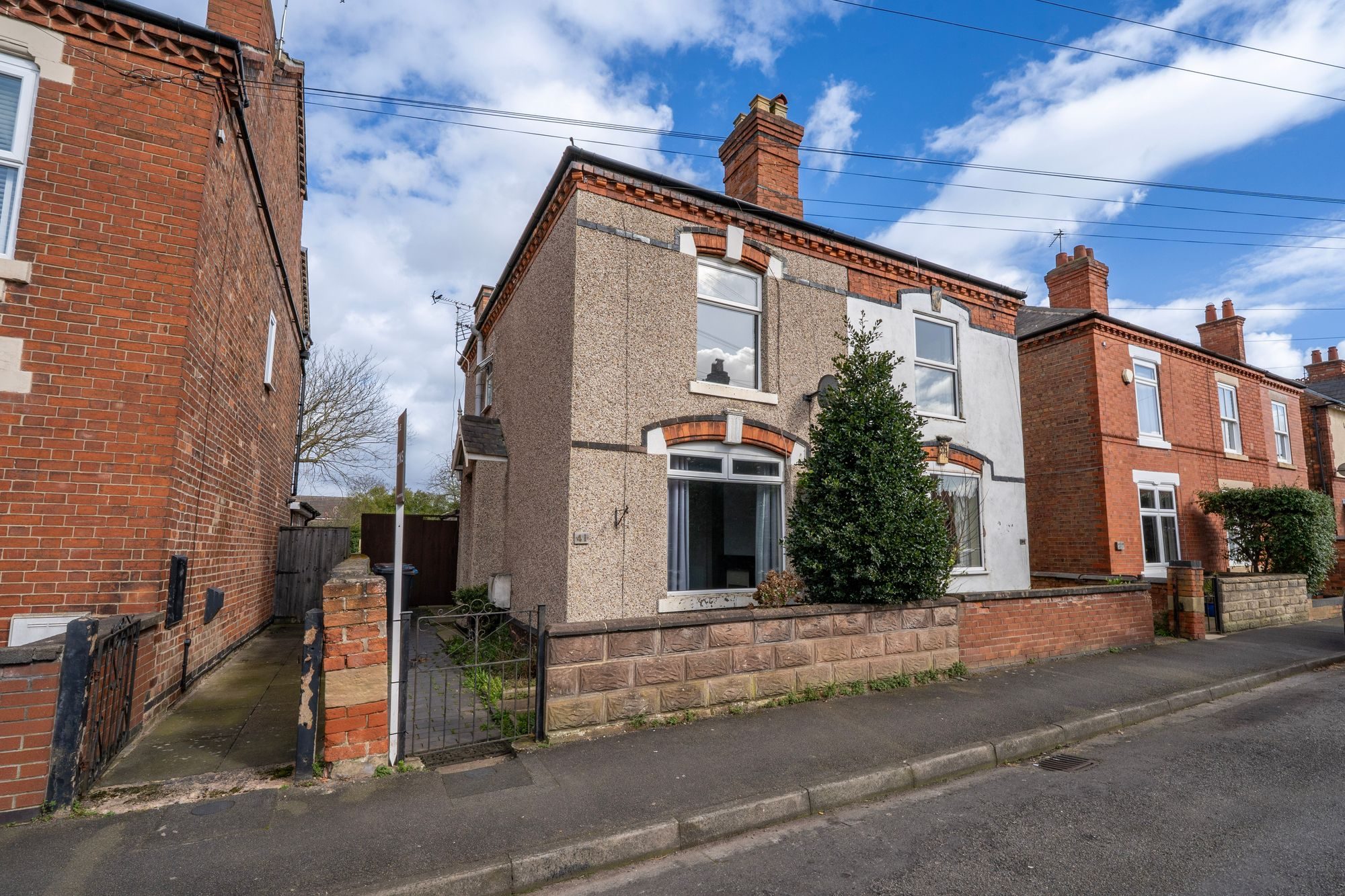
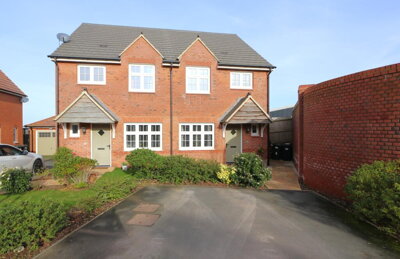
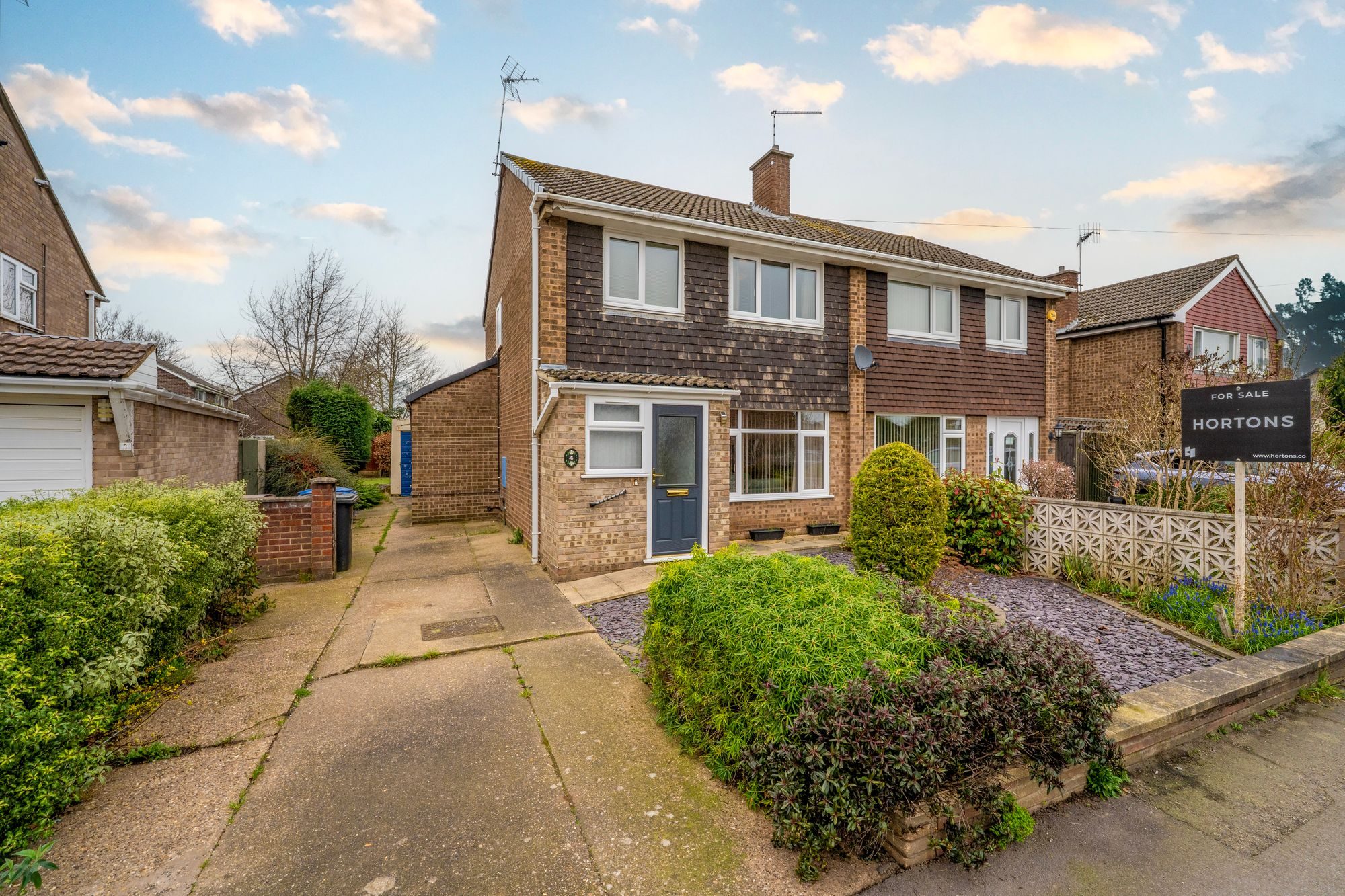
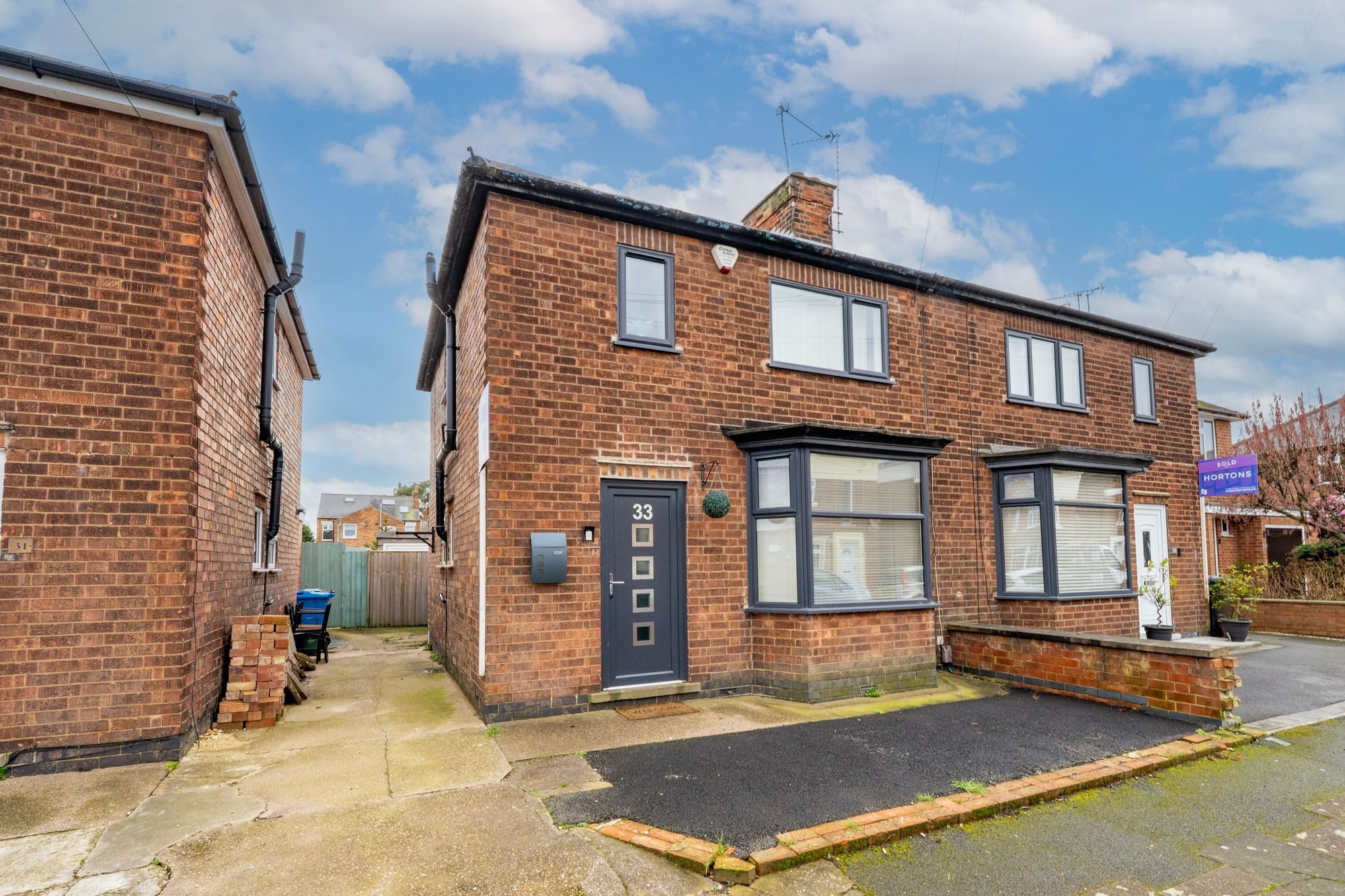
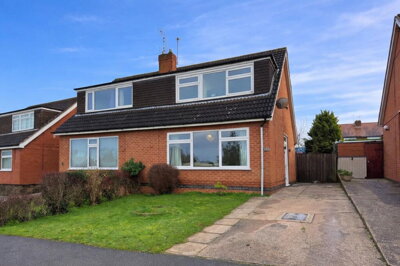
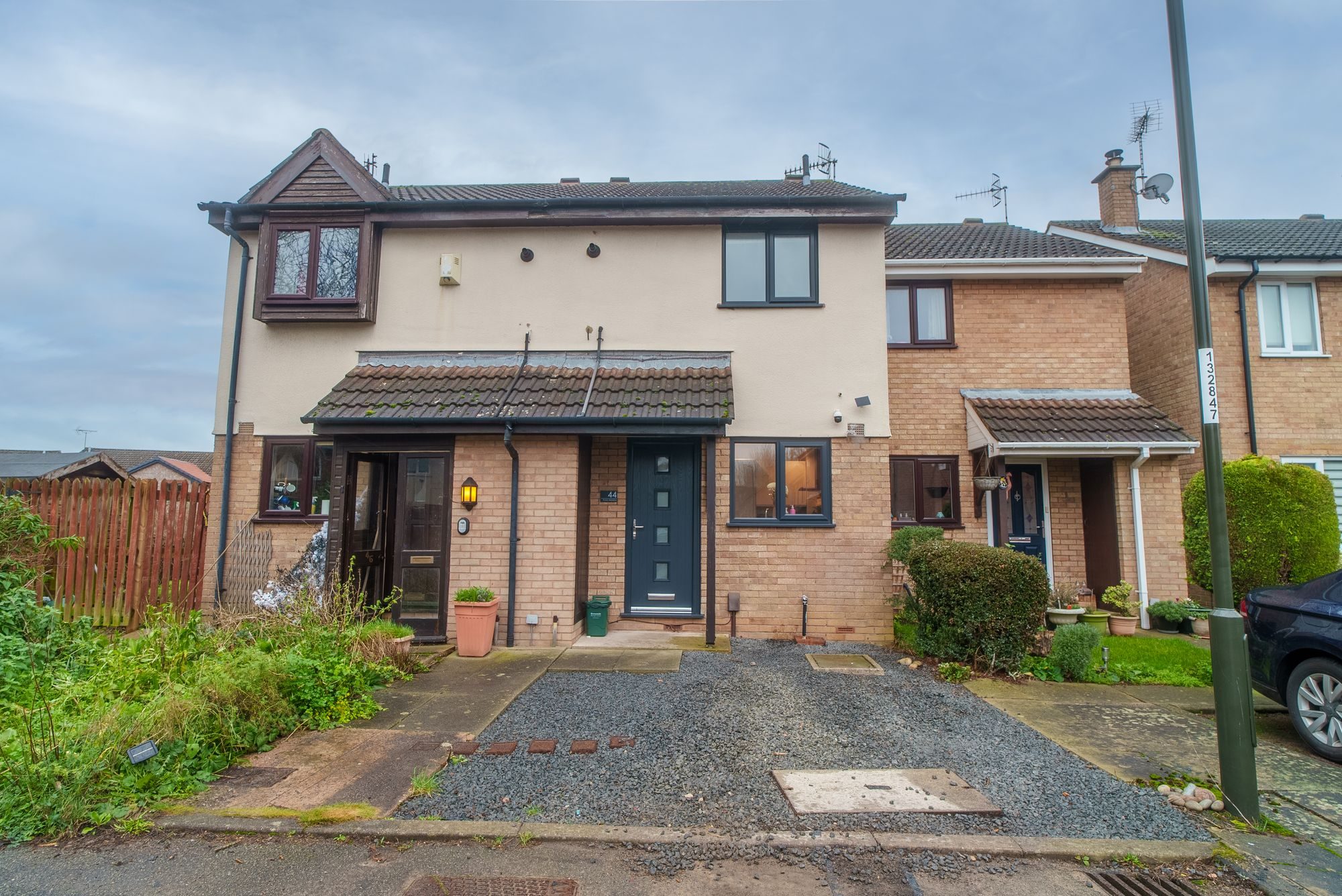
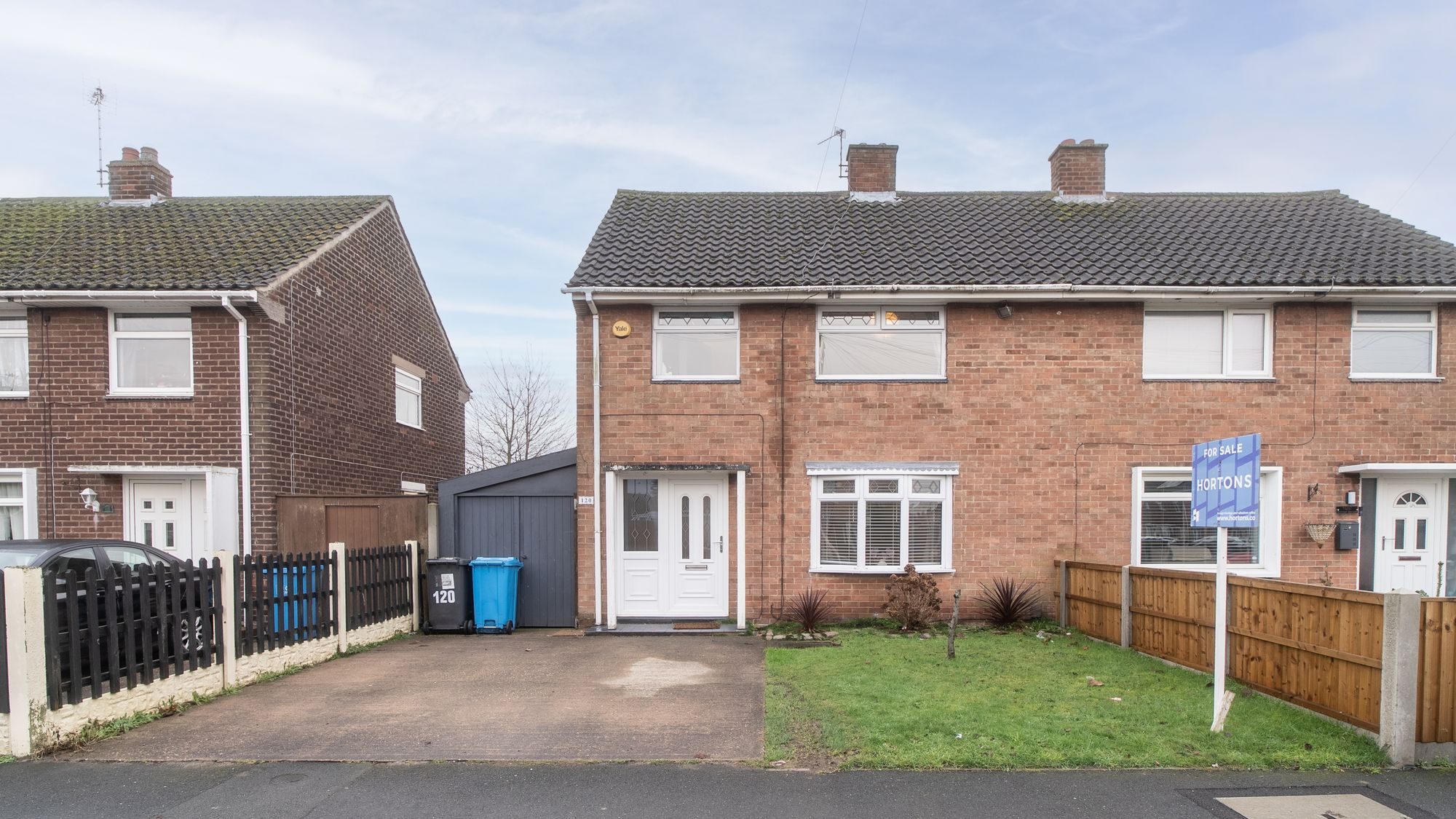
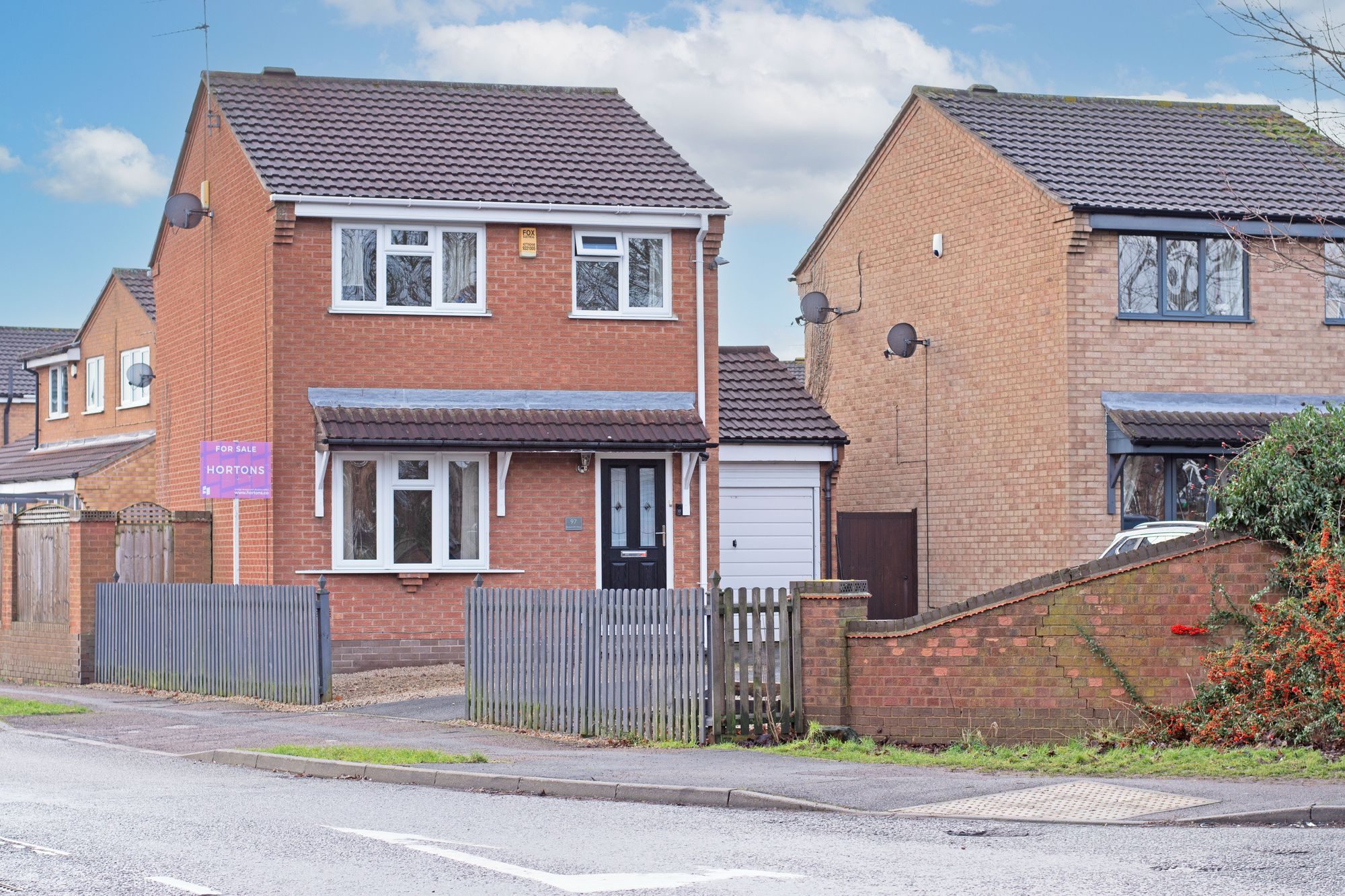
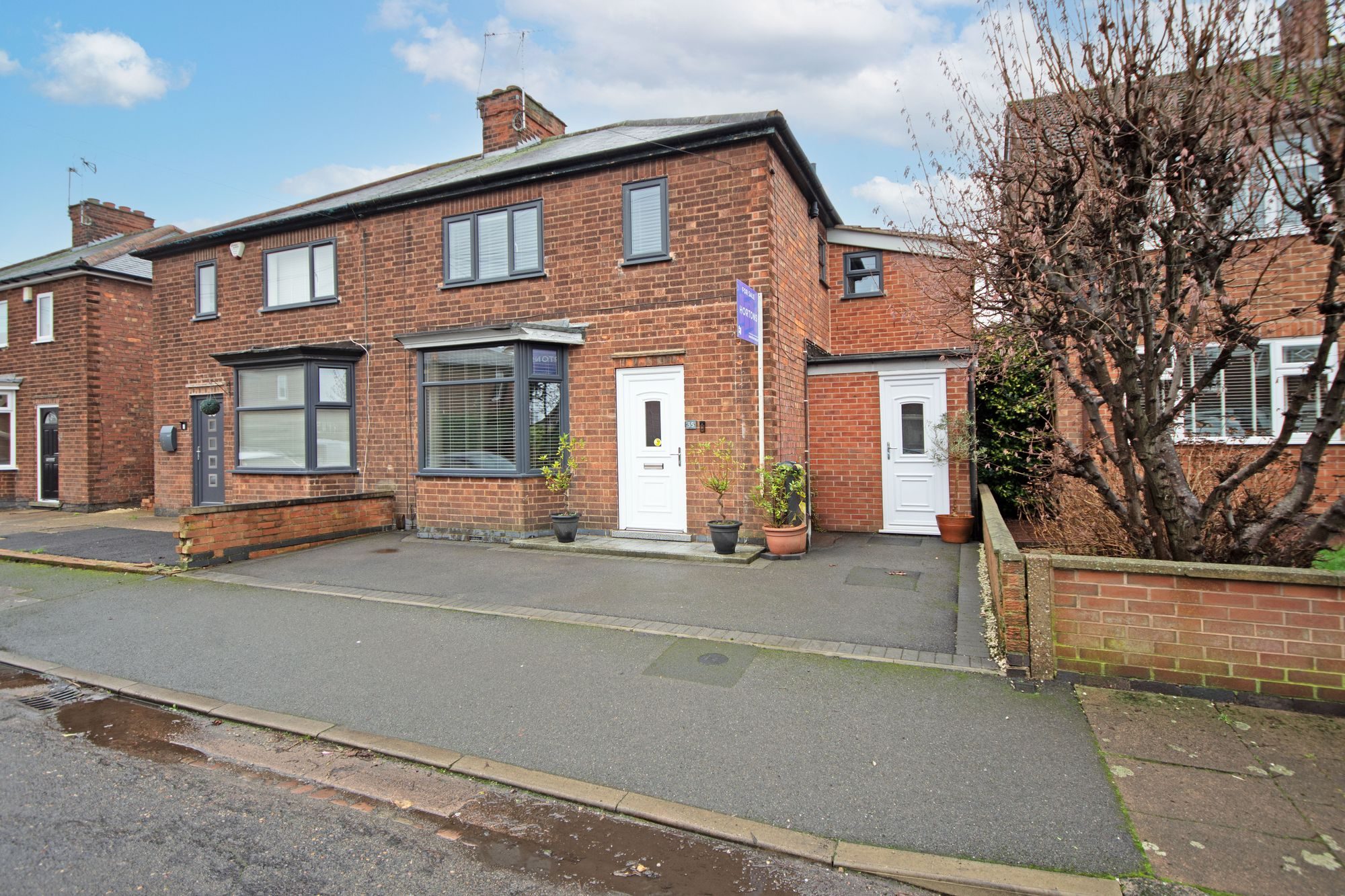
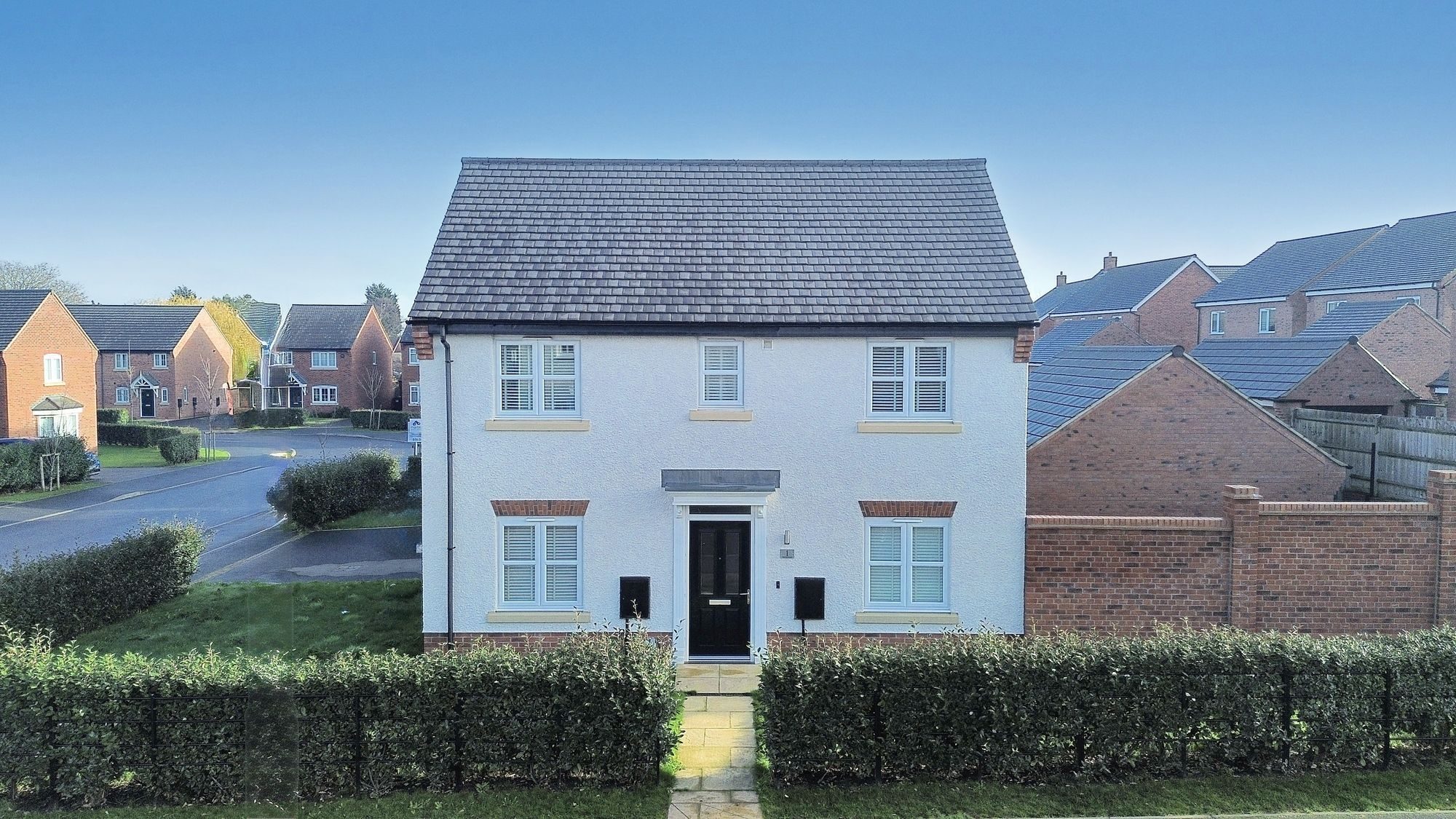
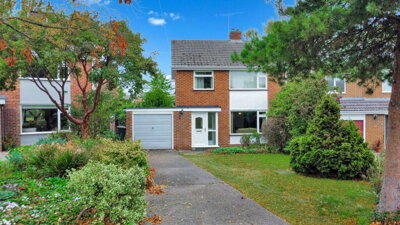
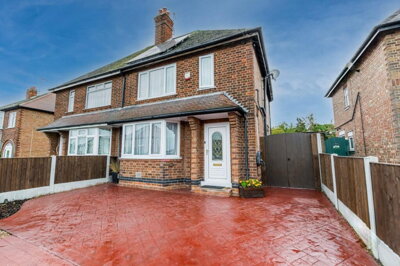
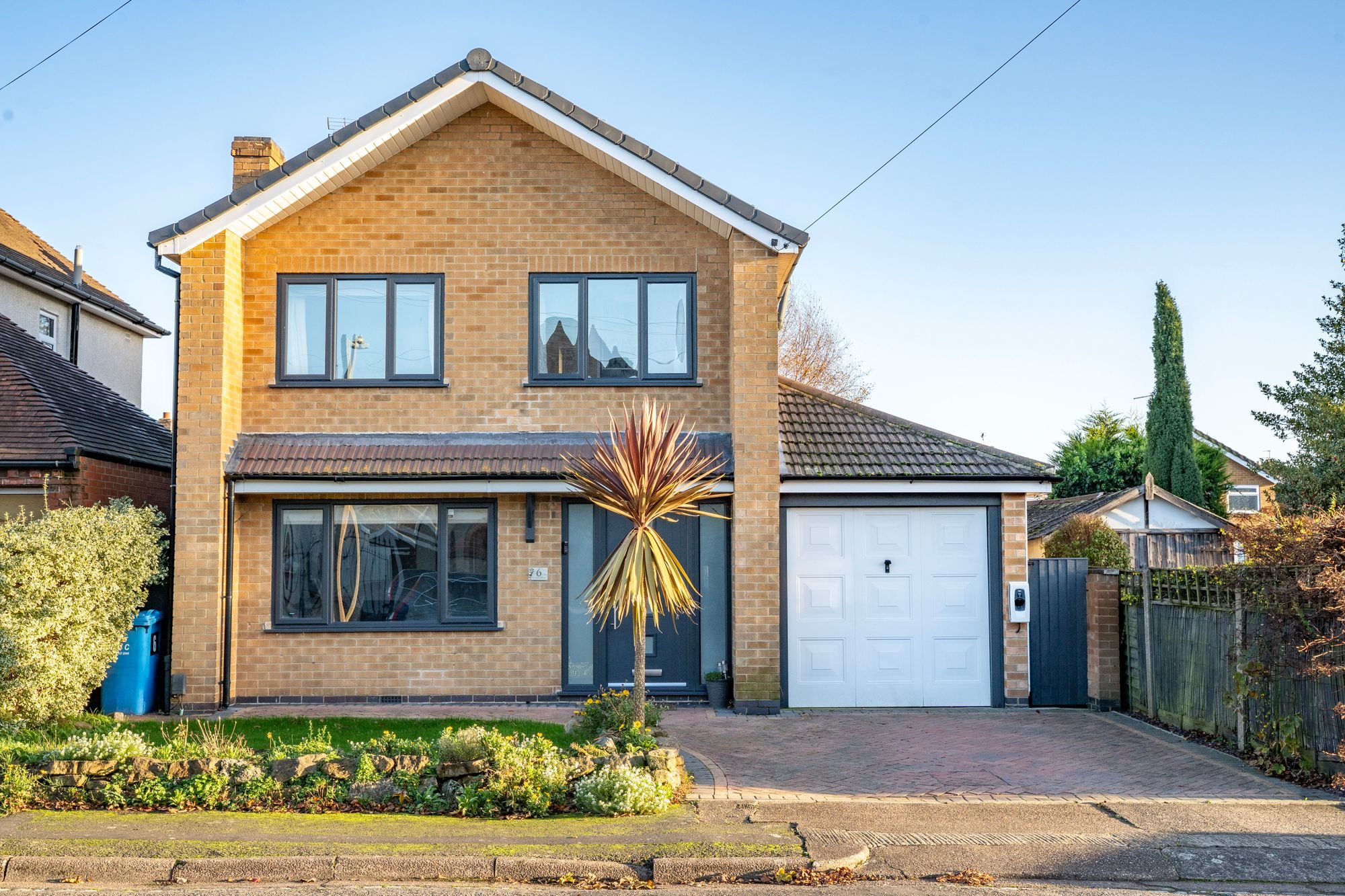
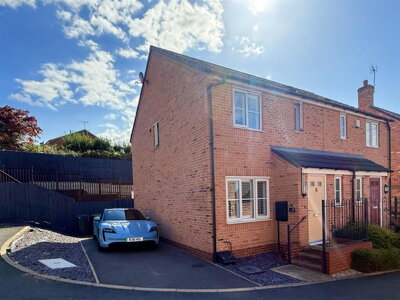
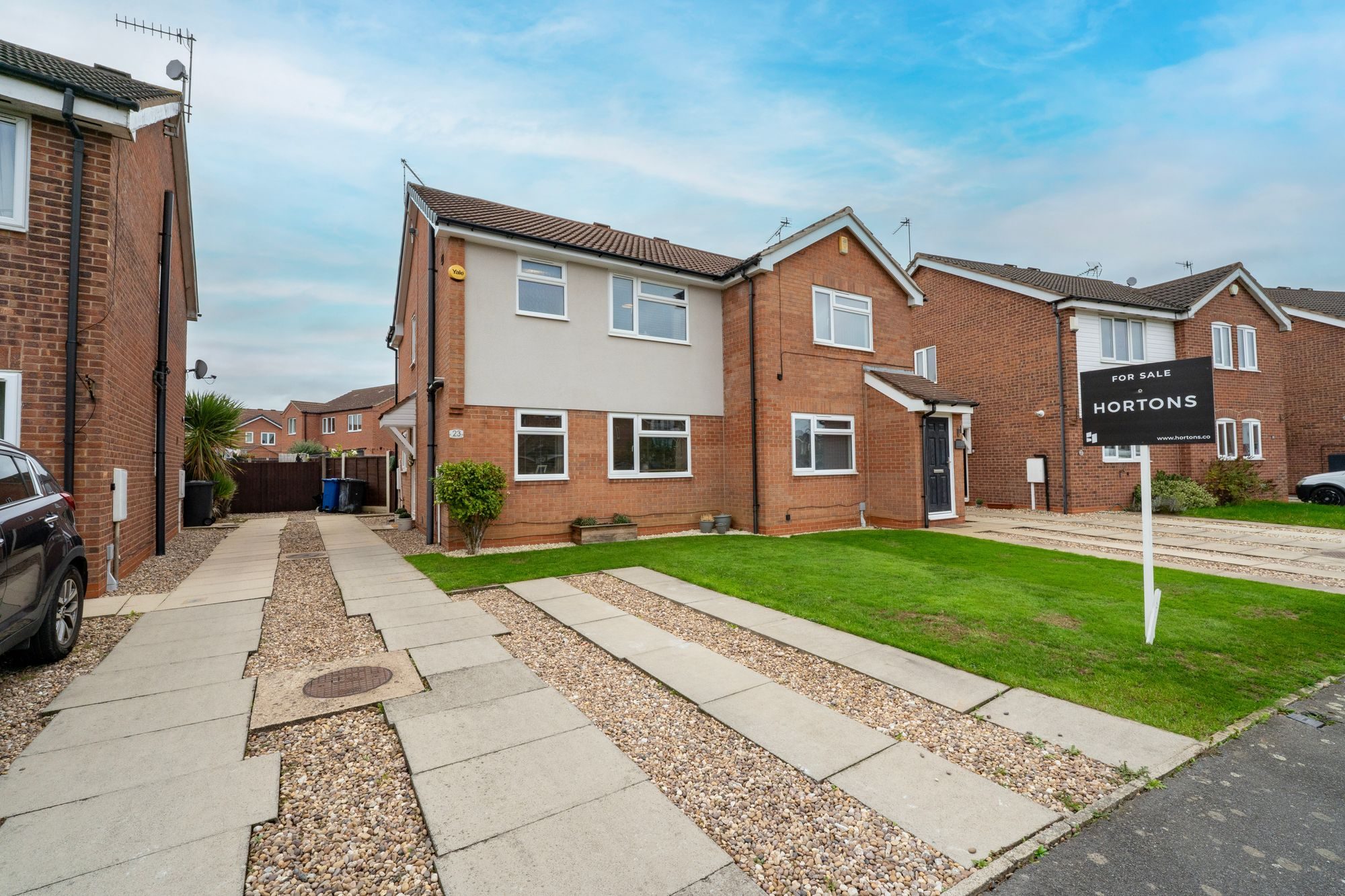
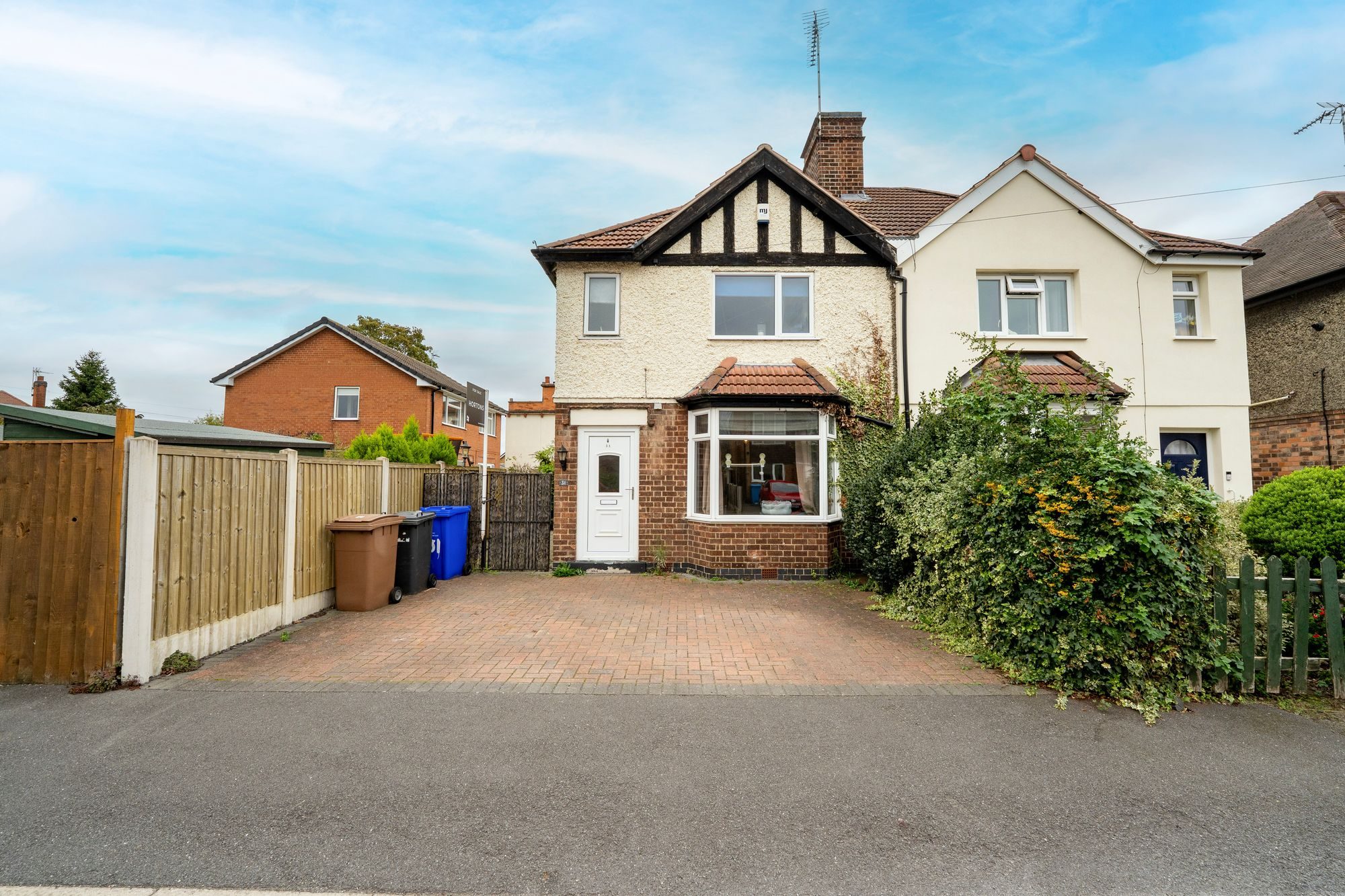
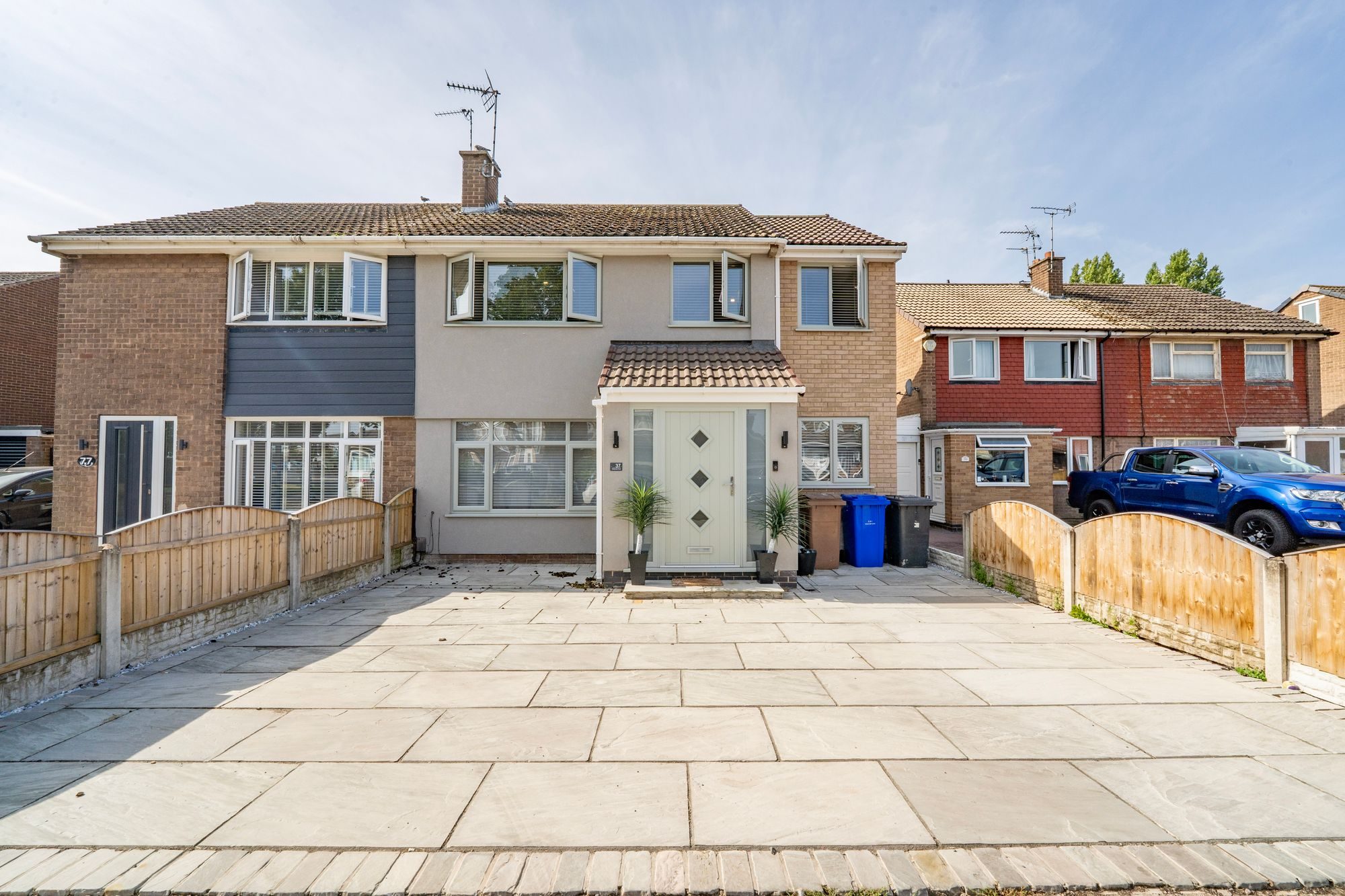
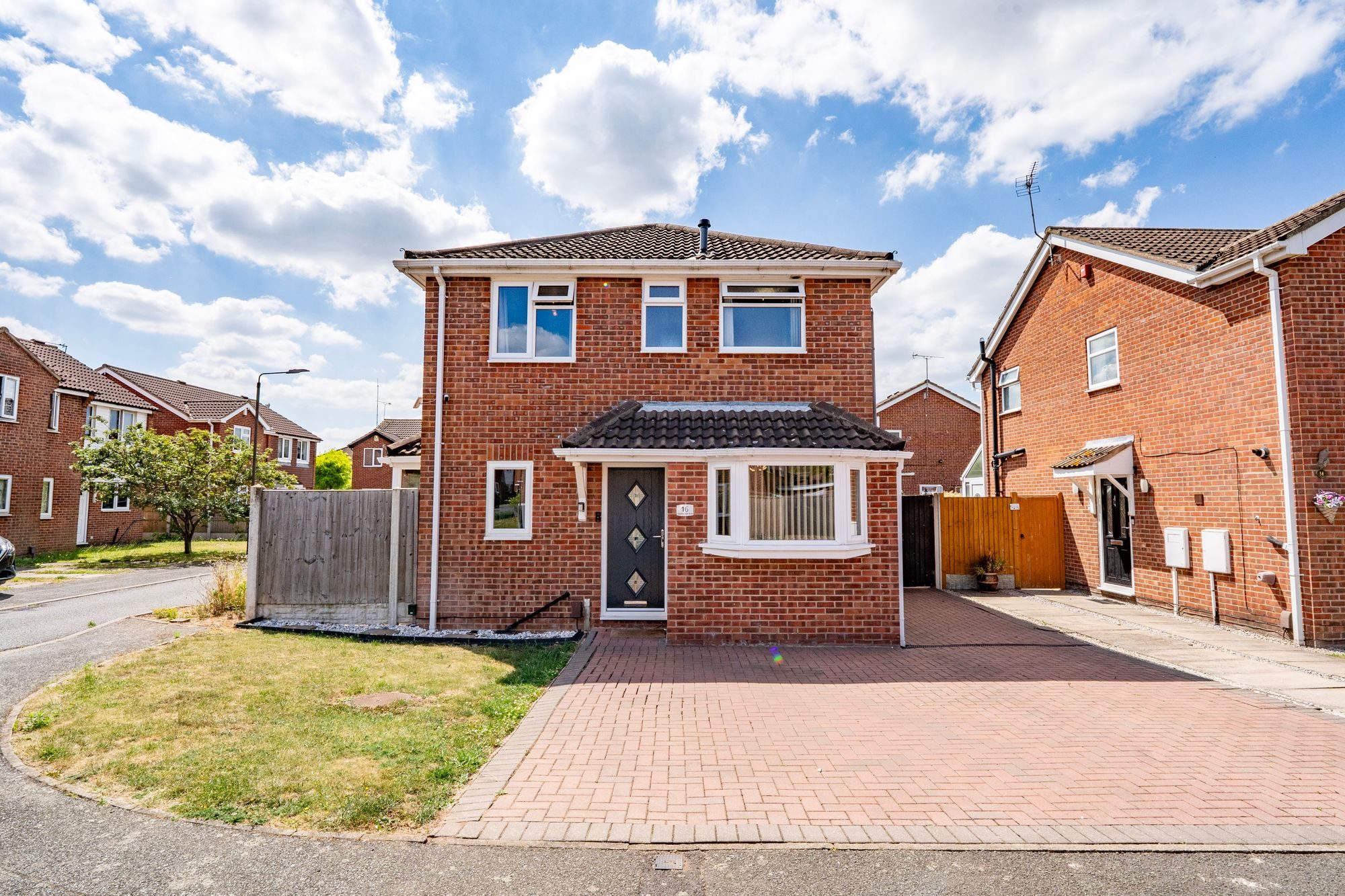
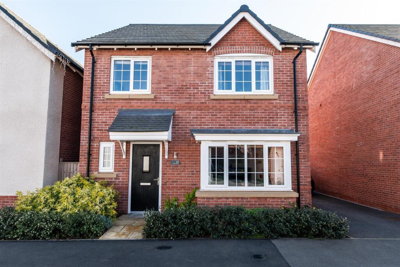
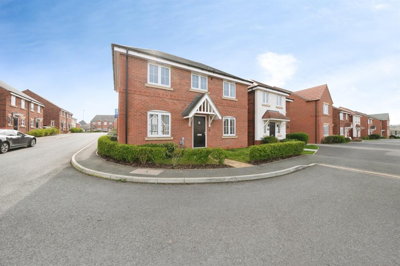
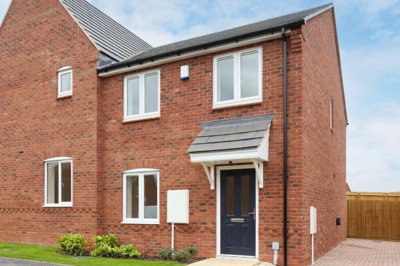
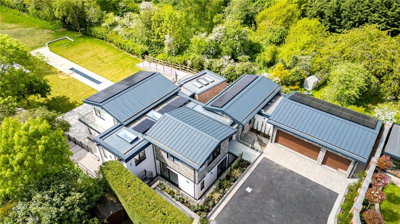
Browse 352 homes for sale in Lockington-Hemington from local estate agents.
The property market in Kirkby Underwood reflects the broader trend of rising house prices across rural Lincolnshire, with the village experiencing a 12.3% increase in property values over the past twelve months according to Land Registry data. This growth places Kirkby Underwood among the stronger-performing smaller villages in the region, driven by buyers seeking more space for their money compared to urban centres while maintaining reasonable commute times to larger employment hubs. The village's proximity to Bourne, just 4 miles south, means residents benefit from market town amenities while enjoying the peace and character of a smaller community. Rightmove data corroborates this upward trajectory, reporting prices approximately 12% higher than the previous year, suggesting sustained demand for properties in this particular corner of South Kesteven.
Property types available in Kirkby Underwood cater primarily to families and those seeking larger homes with gardens. Semi-detached properties have achieved notable sale prices, with recent transactions averaging around £290,000, indicating strong demand for family-sized accommodation with practical outdoor space. Detached properties, which represent a significant portion of the local housing stock, typically start from £165,000 and can exceed this for homes with larger plots or recent renovations. The village's older properties, many dating back to the Victorian or earlier periods, offer tremendous character but may require updating, making them ideal for buyers who appreciate period features and are prepared to invest in their future home. New build activity in the immediate village remains limited, though planning permissions for single dwellings demonstrate continued interest in residential development within the parish.

Life in Kirkby Underwood centres around community spirit and the gentle rhythms of rural English living. With approximately 80 households and a population of just 193 residents, the village fosters a close-knit atmosphere where neighbours know one another and community events bring people together throughout the year. The village's agricultural heritage remains evident in the surrounding countryside, where rolling farmland stretches toward the Fens to the east and the landscape is punctuated by traditional field patterns and hedgerows. The church of St Mary and All Saints, a Grade I listed building with parts dating back to the 13th century, stands as both a spiritual centre and the village's long history, its embattled western tower having graced the skyline for over five centuries.
Daily life in Kirkby Underwood requires a short journey to Bourne for most essential services, with the market town located just 4 miles south along the A15 corridor. Bourne itself offers a range of amenities including supermarkets, independent shops, restaurants, and a twice-weekly market, ensuring that residents never feel too isolated from urban conveniences. The village pub, Ye Olde Three Tuns, reputedly one of the oldest buildings in the parish apart from the church with origins dating to the 18th century, provides a traditional setting for socialising and enjoying locally prepared food and drink. The surrounding countryside offers excellent opportunities for walking, cycling, and enjoying the natural beauty of South Kesteven, with public footpaths crisscrossing the agricultural landscape and providing access to neighbouring villages and beauty spots.
The agricultural character of Kirkby Underwood has shaped the village's development over centuries, with farming remaining an important part of the local economy and landscape. The flat terrain of the surrounding area, characteristic of south Lincolnshire, makes cycling and walking popular recreational activities, while the proximity to Bourne provides access to larger retail centres and specialist shops. Village life is supported by a strong sense of community, with events and gatherings throughout the year bringing residents together in this tight-knit neighbourhood. For those moving from urban areas, the pace of life represents a significant adjustment, but one that many find rewarding as they become absorbed into the rhythms of rural Lincolnshire living.

Families considering a move to Kirkby Underwood will find educational provision primarily concentrated in the nearby market town of Bourne, approximately 4 miles from the village. Bourne Primary School serves younger children from the village and surrounding area, providing a solid foundation in literacy, numeracy, and core subjects within a supportive village school environment. For secondary education, Bourne Grammar School and other secondary schools in the Bourne area offer a range of academic and vocational pathways, with the town providing comprehensive educational options for families who value the combination of village living and access to quality schooling. Parents should always verify current catchment areas and admission policies with Lincolnshire County Council, as these can change and may influence school allocation for specific postcodes.
The broader South Kesteven district offers additional educational opportunities, with grammar schools in Grantham and selective schools in surrounding towns providing pathways for academically able students. For sixth form and further education, Bourne Community College and other nearby institutions offer A-level courses and vocational qualifications, while Grantham College provides a wider range of further and higher education programmes accessible to residents of Kirkby Underwood. The village's intimate scale means that parents often build strong relationships with teachers and school staff, and the close community often creates valuable networks for families with children of all ages. Transport arrangements for secondary school pupils typically involve school buses connecting Kirkby Underwood with schools in Bourne and surrounding towns.
For families prioritising educational outcomes, the proximity of Kirkby Underwood to Bourne's school network represents a significant advantage. The town has developed a strong reputation for academic provision at both primary and secondary levels, with Bourne Grammar School consistently performing well in national league tables. Parents considering property purchase in Kirkby Underwood should research current Ofsted ratings and admission criteria, as school catchment boundaries can change and may affect future access to preferred schools. The relatively short journey to Bourne schools, typically around 10-15 minutes by car, is manageable for most families and compares favourably with longer school runs in larger towns where traffic congestion can significantly extend journey times.
Kirkby Underwood enjoys convenient access to the A15 trunk road, which passes approximately 1 mile east of the village and provides the primary transport artery connecting Lincolnshire communities. The A15 offers direct routes south to Peterborough, approximately 20 miles away, where connections to the East Coast Main Line railway station provide fast services to London King's Cross in around 45 minutes. Travelling north, the A15 connects to Lincoln, approximately 25 miles distant, opening up access to the cathedral city's employment opportunities, cultural attractions, and regional services. For commuters working in Bourne, the journey takes approximately 10 minutes by car, while Grantham is accessible within around 25 minutes via the A15 and A52 routes.
Public transport options serving Kirkby Underwood include bus routes connecting the village with Bourne and surrounding market towns, providing essential services for those without private vehicles. The Stagecoach bus network operates services along the A15 corridor, though rural bus provision typically offers limited frequency, making car ownership practically essential for most residents who work or study beyond the village. For rail travel, Peterborough station on the East Coast Main Line is approximately 20 miles away, providing fast services to London and the north. Most residents of Kirkby Underwood rely on private vehicle ownership as their primary means of transport.
The strategic position of Kirkby Underwood relative to major transport routes makes it practical for commuters who need to travel to employment centres in Peterborough, Lincoln, or Grantham. The journey to Peterborough, where the East Coast Main Line offers regular services to London, Cambridge, and the north, takes approximately 25-30 minutes by car under normal traffic conditions. For those working in London but living in Kirkby Underwood, the combined commute of driving to Peterborough and catching the train represents a viable, if lengthy, daily routine. Many residents have adapted to the rural transport situation by working locally or remotely, while others factor the commuting requirements into their decision to purchase property in this attractive village location.
Before arranging viewings in Kirkby Underwood, spend time exploring the village at different times of day and week to understand the community atmosphere, noise levels, and traffic patterns. Visit local amenities in Bourne, check Ofsted ratings for nearby schools, and drive the commute to your potential workplace to ensure the location meets your daily needs.
Contact a mortgage broker or lender to obtain an Agreement in Principle before viewing properties. This demonstrates to sellers that you are a serious buyer with financing secured, strengthening your offer position in what can be a competitive market. With average prices around £227,500 in Kirkby Underwood, most buyers will require a mortgage of £180,000-230,000 depending on their deposit.
Work with local estate agents to arrange viewings of properties that match your criteria. Kirkby Underwood's limited housing stock means opportunities can arise quickly, so be prepared to view properties promptly and ask detailed questions about the property's condition, age, recent renovations, and any planning permissions granted in the vicinity.
Given that many properties in Kirkby Underwood date from the Victorian era or earlier, a comprehensive RICS Level 2 Homebuyers Survey is essential to identify any structural issues, damp problems, or roof defects before purchase. With properties potentially containing original features, outdated electrics, or traditional construction methods, professional survey advice protects your investment.
Once your offer is accepted, instruct a solicitor experienced in rural property transactions to handle the legal aspects of your purchase. They will conduct local authority searches, check for planning restrictions, investigate the title, and coordinate with your mortgage lender to ensure a smooth transaction through to completion.
Your solicitor will exchange contracts once all searches are satisfactory and conditions are met, committing both parties to the transaction. Completion typically follows within 2-4 weeks, at which point you will receive the keys to your new Kirkby Underwood home and can begin unpacking and settling into village life.
Properties in Kirkby Underwood present unique surveying challenges due to their age and traditional construction methods. The village's heritage of red brick construction, exemplified by landmarks such as The Manor House built in the late 19th century, means that many homes feature solid walls rather than modern cavity construction. Solid wall properties lack the built-in insulation and moisture barriers found in contemporary buildings, making them more susceptible to damp penetration and heat loss. Our inspectors frequently identify rising damp, penetrating damp, and condensation issues in older Kirkby Underwood properties, particularly where original lime mortar pointing has deteriorated or where modern cement-based mortars have been incorrectly applied, trapping moisture within the wall structure.
The roofing on period properties in Kirkby Underwood requires careful inspection, as many homes feature traditional roof coverings that have exceeded their expected lifespan. Blue Collyweston slate, noted on historic properties in the village, represents a premium roofing material but can become brittle and prone to cracking with age. Flashing details around chimneys, valleys, and roof intersections frequently show signs of deterioration, leading to water ingress that may not become apparent until significant timber damage has occurred. Our team has identified numerous cases where delayed roof maintenance has resulted in costly structural repairs, highlighting the importance of commissioning a thorough survey before completing your purchase.
Electrical systems in older Kirkby Underwood properties represent another significant concern for prospective buyers. Electricity only reached the village around 1952, meaning that many properties contain wiring installed during or before that period. Such legacy installations frequently fail to meet modern safety standards and may pose fire risks, particularly where insulation has degraded or where additions have been made without professional oversight. Lead pipework, another common feature in period homes, can affect water quality and may require replacement. A RICS Level 2 Survey will identify these issues, allowing you to budget for necessary upgrades or negotiate a reduction in the purchase price to account for remediation costs.
Buyers considering properties in Kirkby Underwood should pay particular attention to the age and construction of buildings, as many homes in this historic village date from the 18th and 19th centuries. The village's heritage of red brick construction, exemplified by landmarks such as The Manor House built in the late 19th century, means that properties may feature solid walls rather than modern cavity construction, traditional lime mortar pointing, and original features that require specific maintenance approaches. A thorough RICS Level 2 Survey becomes particularly valuable for older properties, as issues such as rising damp, timber decay, and outdated electrical systems are commonly encountered in Victorian and earlier properties that have not undergone comprehensive modernisation.
The local geology of Lincolnshire means that clay-rich soils are present in the region, potentially creating shrink-swell risk during periods of drought or heavy rainfall. Buyers should inspect properties for signs of structural movement, including cracking to walls, sticking doors or windows, and uneven floors, particularly in older properties with traditional shallow foundations. Properties within the conservation area, which includes a small section of Kirkby Underwood Road according to South Kesteven District Council records, may be subject to specific planning controls that restrict external alterations or extensions. Similarly, any properties with listed building status, such as The Old Rectory, require Listed Building Consent for modifications, adding complexity to renovation projects that buyers should factor into their plans and budgets.
The building materials used in Kirkby Underwood reflect the local industrial heritage, with red bricks likely manufactured in the nearby Bourne area, which historically had a thriving brick industry. Properties featuring ashlar surrounds with stone lintels and sills often indicate higher-quality construction, but these details require inspection for signs of weathering, cracking, or movement. The transition from thatch to tile roofing is evident in buildings like Ye Olde Three Tuns, where a former thatched roof was replaced following a fire. Our inspectors understand these local building characteristics and can advise on maintenance requirements, potential defects, and the implications for your intended use of the property.
Flood risk, while not severe in Kirkby Underwood, warrants consideration given the village's Lincolnshire location and proximity to the Fens. Historical flooding in March 1999 following overnight snow demonstrates that exceptional weather events can affect the area, and low-lying land near watercourses may be susceptible during periods of heavy rainfall or snowmelt. Surface water flooding can occur after intense rainfall, particularly in areas with poor drainage. Prospective buyers should request a property-specific flood risk assessment during conveyancing and verify whether any flood warnings or insurance requirements apply to properties they are considering purchasing.
The overall average house price in Kirkby Underwood stands at approximately £227,500 according to recent market data, with property prices rising by 12.3% over the past twelve months. Semi-detached properties typically sell for around £290,000, while detached homes start from approximately £165,000 depending on size, condition, and location within the village. Prices can vary significantly based on the property's age, plot size, and whether any modernisation has been undertaken, with period homes in good condition commanding premium prices. The limited housing stock in this small village means that properties meeting buyer criteria can attract competitive interest, potentially driving prices above initial expectations.
Properties in Kirkby Underwood fall under South Kesteven District Council and Lincolnshire County Council for council tax purposes. Most residential properties in the village, which range from period cottages to family homes, typically fall within council tax bands A through D, with the specific band depending on the property's assessed value. Prospective buyers should check the exact council tax band for any specific property through the Valuation Office Agency website or their solicitor during the conveyancing process. Council tax contributions fund essential local services including education, highway maintenance, and refuse collection, all of which benefit Kirkby Underwood residents despite the village's small population.
Kirkby Underwood itself has limited formal educational facilities, with families primarily relying on schools in the nearby town of Bourne, approximately 4 miles away. Bourne Primary School serves younger children from the village, while Bourne Grammar School and Bourne Community College provide secondary education options. Parents should verify current admission policies, Ofsted ratings, and catchment area boundaries with Lincolnshire County Council, as these can change and directly affect school placements for specific postcodes. The journey to Bourne schools typically takes around 10-15 minutes by car, with school bus services available for secondary pupils. Grantham's grammar schools offer additional options for academically able students, though these involve longer journeys.
Kirkby Underwood is served by limited public transport options, with bus services connecting the village to Bourne and surrounding towns along the A15 corridor. However, service frequencies are typical of rural Lincolnshire provision and may not suit those who require daily commuting to major employment centres without a car. For rail travel, Peterborough station on the East Coast Main Line is approximately 20 miles away, providing fast services to London and the north. Most residents of Kirkby Underwood rely on private vehicle ownership as their primary means of transport, though the village's proximity to the A15 makes car journeys to surrounding towns relatively straightforward under normal traffic conditions.
Kirkby Underwood has shown strong property price growth of 12.3% over the past year, indicating healthy demand for homes in this rural South Kesteven location. The village's proximity to Bourne, relatively affordable average prices compared to larger towns, and the character of its period housing stock make it attractive to buyers seeking value for money and village lifestyle. However, investors should consider the limited rental market in such a small community, the importance of maintaining period properties to a high standard, and the potential for slower sales in a village with limited housing stock turnover. Capital appreciation in rural Lincolnshire villages has historically tracked broader regional trends, with periods of strong growth followed by consolidation.
Stamp Duty Land Tax on a Kirkby Underwood property follows standard UK thresholds: there is no SDLT on purchases up to £250,000, 5% on the portion from £250,001 to £925,000, 10% up to £1.5 million, and 12% above that. First-time buyers benefit from relief on properties up to £625,000, paying 0% on the first £425,000 and 5% on the remainder between £425,001 and £625,000. Given the average price of £227,500 in Kirkby Underwood, many properties fall within the nil-rate band for standard buyers or qualify for first-time buyer relief, making the village particularly attractive for those entering the property market for the first time.
While Kirkby Underwood is not in a high-risk flood zone, the village's location in Lincolnshire and proximity to the Fens means surface water and fluvial flooding can occur after heavy rainfall or during periods of snowmelt. Historical flooding was reported in the village in March 1999 following overnight snow, and low-lying areas near watercourses may be susceptible during exceptional weather events. A property-specific flood risk assessment should be requested during the conveyancing process, and buyers should verify whether any flood insurance requirements or warnings apply to specific properties they are considering. Most standard buildings insurance policies in the area do not exclude flood cover, but properties in known flood risk areas may face higher premiums.
Kirkby Underwood contains several listed buildings that affect the property purchasing process for prospective buyers. The Anglican church of St Mary and All Saints holds Grade I listed status, reflecting its exceptional national importance and architectural or historical interest dating back to the 13th century. The Old Rectory, dating from 1840, is a Grade II listed building, meaning it holds special interest warranting preservation. Any residential properties with listed status require Listed Building Consent for modifications, adding complexity and potential costs to renovation projects. A small section of Kirkby Underwood Road falls within a conservation area, where planning controls restrict external alterations to preserve the area's character. Buyers should factor these heritage considerations into their property search and renovation budgets.
From 4.5%
Compare mortgage rates from leading lenders
From £499
Expert property solicitors for Kirkby Underwood purchases
From £400
Thorough inspection of the property condition
From £60
Energy performance certificate for your new home
Purchasing a property in Kirkby Underwood involves several costs beyond the purchase price itself, with Stamp Duty Land Tax representing one of the most significant expenses for buyers. For a property priced at the village average of £227,500, standard buyers would pay no SDLT as this falls within the nil-rate threshold. First-time buyers purchasing properties up to £625,000 also benefit from relief, meaning most transactions in Kirkby Underwood would attract no stamp duty at all. However, for properties priced above £250,000, buyers should budget for the 5% rate on the portion between £250,001 and £925,000, which for a £290,000 semi-detached property would amount to £2,000 in SDLT.
Beyond stamp duty, buyers should budget for professional services including a RICS Level 2 Survey, which typically costs between £400 and £800 depending on the property size and complexity. Given the age of many Kirkby Underwood properties, with homes dating from the 18th and 19th centuries, investing in a comprehensive survey is particularly important to identify any structural issues, damp problems, or maintenance requirements before completion. Solicitor conveyancing costs typically range from £500 to £1,500 for a standard transaction, plus disbursements for searches, which in South Kesteven may include drainage and water searches, local authority searches, and environmental searches. Mortgage arrangement fees, ranging from £0 to £2,000 depending on the lender and product chosen, should also be factored into the overall budget. Removal costs, potential renovation or decoration expenses, and building insurance should complete your financial planning for the move to your new Kirkby Underwood home.
Properties for Sale In London

Properties for Sale In Plymouth

Properties for Sale In Liverpool

Properties for Sale In Glasgow

Properties for Sale In Sheffield

Properties for Sale In Edinburgh

Properties for Sale In Coventry

Properties for Sale In Bradford

Properties for Sale In Manchester

Properties for Sale In Birmingham

Properties for Sale In Bristol

Properties for Sale In Oxford

Properties for Sale In Leicester

Properties for Sale In Newcastle

Properties for Sale In Leeds

Properties for Sale In Southampton

Properties for Sale In Cardiff

Properties for Sale In Nottingham

Properties for Sale In Norwich

Properties for Sale In Brighton

Properties for Sale In Derby

Properties for Sale In Portsmouth

Properties for Sale In Northampton

Properties for Sale In Milton Keynes

Properties for Sale In Bournemouth

Properties for Sale In Bolton

Properties for Sale In Swansea

Properties for Sale In Swindon

Properties for Sale In Peterborough

Properties for Sale In Wolverhampton

Enter your details to see if this property is within your budget.
Loans, cards, car finance
Estimated property budget
Borrowing + deposit
You could borrow between
Typical borrowing
Monthly repayment
Est. at 4.5%
Loan-to-value
This is an estimate only. Your actual budget may vary depending on interest rates, credit history, and personal circumstances. For an accurate affordability assessment, speak to one of our free mortgage advisors.
This calculator provides estimates for illustrative purposes only and does not constitute financial advice. Your home may be repossessed if you do not keep up repayments on your mortgage. Estimates based on 4.5% interest rate, repayment mortgage. Actual rates depend on your circumstances.
Homemove is a trading name of HM Haus Group Ltd (Company No. 13873779, registered in England & Wales). Homemove Mortgages Ltd (Company No. 15947693) is an Appointed Representative of TMG Direct Limited, trading as TMG Mortgage Network, which is authorised and regulated by the Financial Conduct Authority (FRN 786245). Homemove Mortgages Ltd is entered on the FCA Register as an Appointed Representative (FRN 1022429). You can check registrations at NewRegister or by calling 0800 111 6768.

We use cookies to show you personalised content and improve your experience of our website. Find out more in our Privacy policy and Cookie policy.