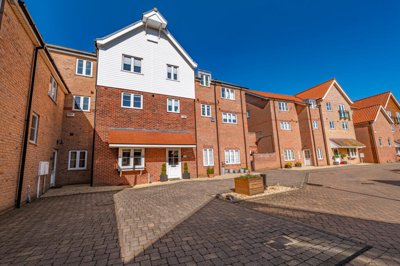
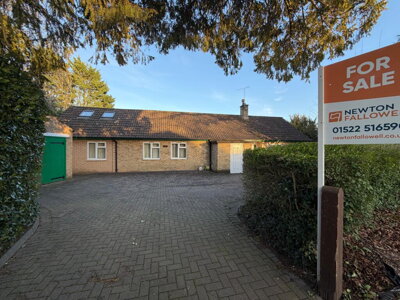
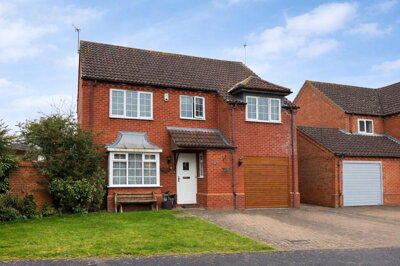
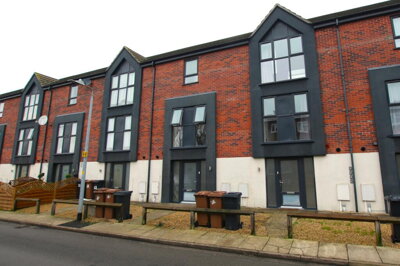
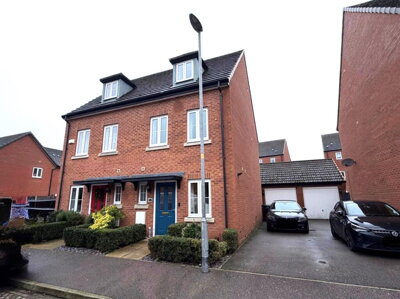
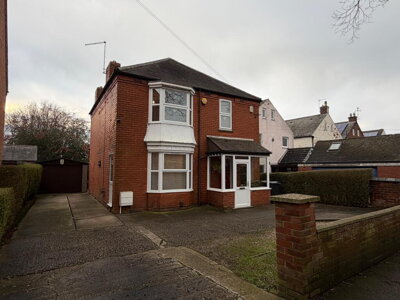
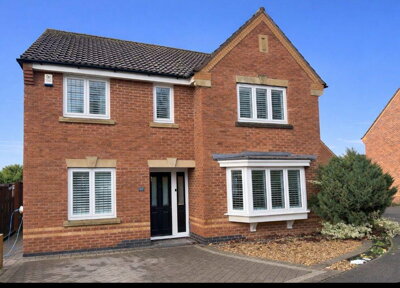
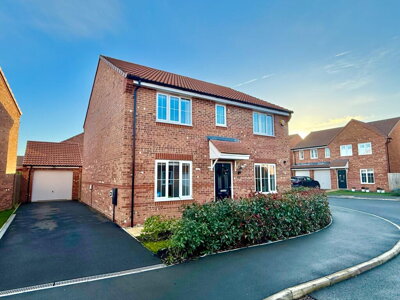
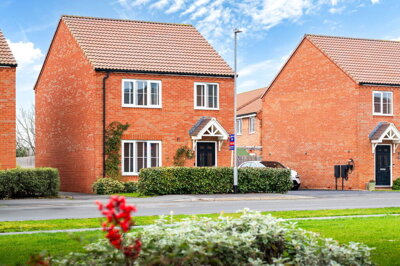
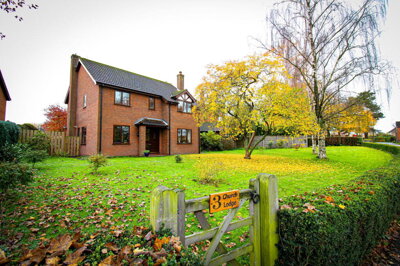
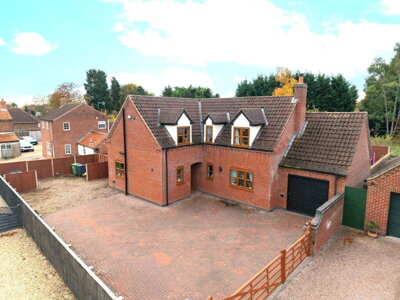
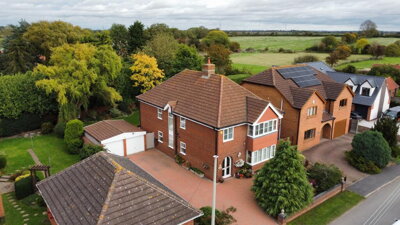
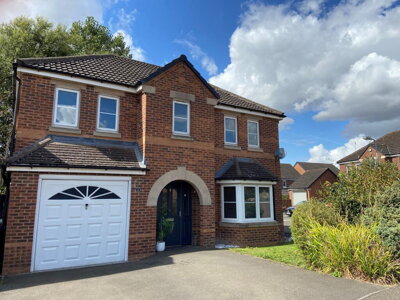
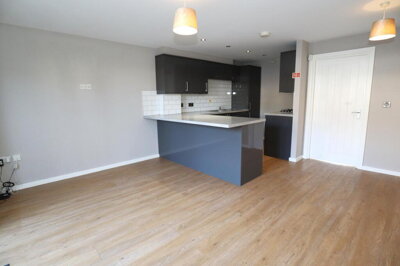
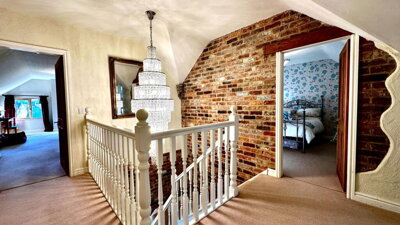
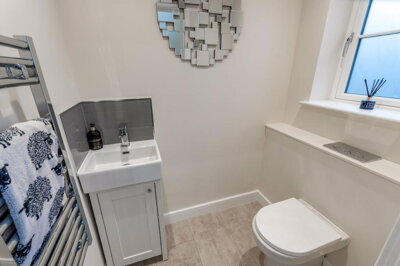
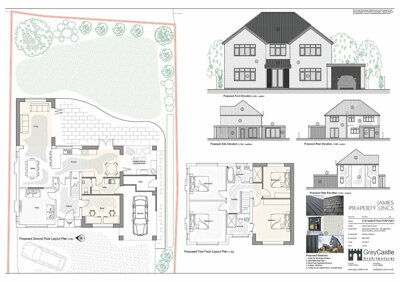
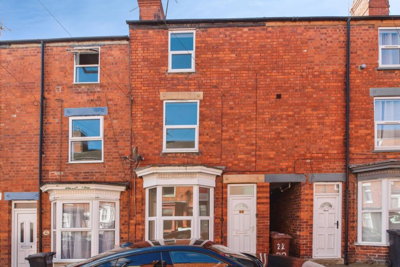
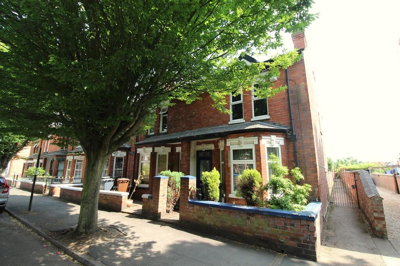
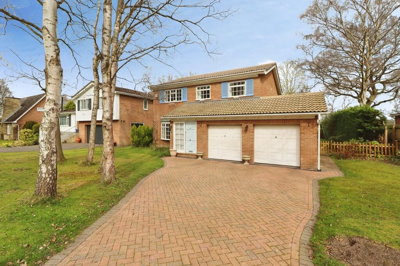
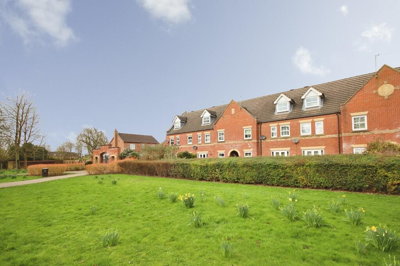
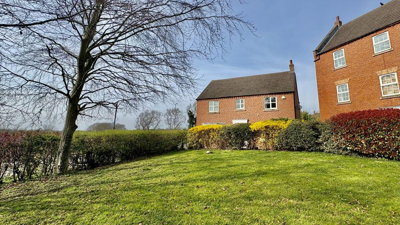
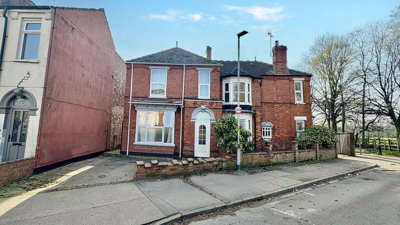
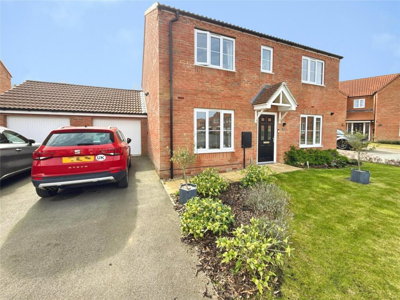
Browse 196 homes for sale in LN1 from local estate agents.
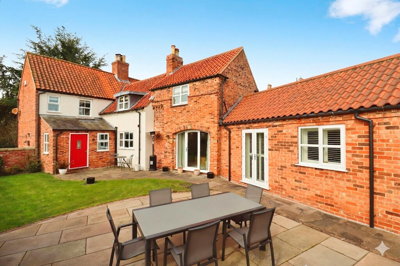
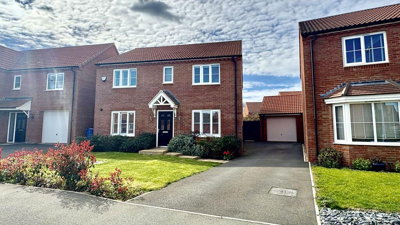
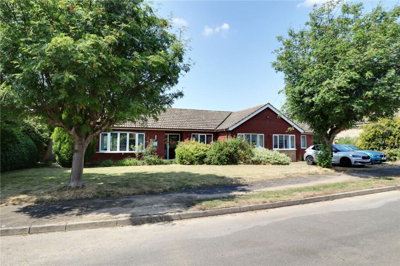
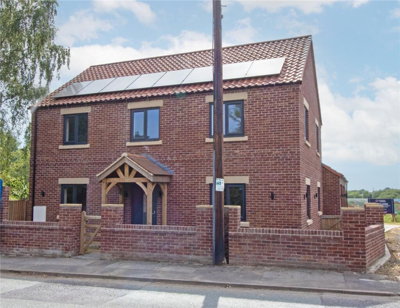
The larger property sector typically features multiple bathrooms, substantial reception space, and private gardens or off-street parking. Four bedroom houses in LN1 span detached, semi-detached, and occasionally terraced configurations, with styles ranging from period properties to modern executive homes.
£385k
74
6
156
Source: home.co.uk
Showing 74 results for 4 Bedroom Houses for sale in LN1. 6 new listings added this week. The median asking price is £385,000.
Source: home.co.uk
Detached
46 listings
Avg £472,918
Terraced
16 listings
Avg £278,244
Semi-Detached
12 listings
Avg £287,667
Source: home.co.uk
Source: home.co.uk
The Lincoln property market has demonstrated steady growth over recent years, with properties in the LN1 area showing consistent appreciation over the longer term. One notable example saw a property in LN1 3TZ sell for £160,000 in December 2025, having changed hands for £150,000 in February 2016 and just £95,500 in December 2003, representing significant capital growth over two decades. This trajectory reflects Lincoln's growing appeal as a regional centre offering strong fundamentals for property investment. The city's relative affordability compared to larger urban centres has attracted buyers priced out of markets like Nottingham and Sheffield, supporting demand across all property segments.
Property types available in Lincoln cater to diverse buyer requirements, from Victorian and Georgian terraces in established residential neighbourhoods to modern semi-detached homes in popular suburbs. Semi-detached properties average £223,845, providing excellent value for families seeking generous living space without the premium associated with larger cities. The mix of property ages means buyers can choose between character properties requiring varying levels of maintenance and modern homes offering turnkey accommodation. New build activity continues to add contemporary options to the market, with developments like College Mews on Holmes Road providing alternatives for buyers prioritising newer construction and energy efficiency.
The Lincoln housing market benefits from strong employment fundamentals, with the city serving as the primary employment centre for Central Lincolnshire. Key sectors including healthcare, education, and public administration provide stable employment that supports household formation and housing demand. The University of Lincoln adds to this dynamic, creating ongoing demand for rental properties from students and staff while contributing to the city's youthful atmosphere. For investors, the combination of affordable purchase prices and strong rental demand from the university, NHS Lincoln County Hospital, and other major employers makes Lincoln an attractive option for buy-to-let investments.

Lincoln operates as the cultural and commercial heart of Central Lincolnshire, with a district population of approximately 103,813 residents according to the 2021 census, expanding to around 127,540 in the broader urban area. The city enjoys a thriving economy centred on healthcare and nursing, education and childcare, and administrative sectors, providing diverse employment opportunities that attract workers from across the region. This economic foundation supports a robust housing market while ensuring the city remains vibrant and self-sustaining as a residential destination. The presence of major employers like the NHS and University of Lincoln provides particular stability for the local property market.
The character of Lincoln varies dramatically from neighbourhood to neighbourhood, offering residents the choice between bustling city centre living and quieter suburban streets. The historic Cathedral Quarter and Bailgate area showcase medieval architecture, independent boutiques, and characterful pubs that draw visitors from across the region. Properties in this area include listed buildings with unique architectural features, though these require careful consideration regarding maintenance obligations and planning restrictions. The uphill area around the cathedral offers a distinctive living environment with stunning views across the city and easy access to cultural attractions including Lincoln Castle and the Magna Carta.
Meanwhile, areas like Bracebridge and other surrounding districts offer family-friendly environments with parks, local schools, and community facilities. Bracebridge Heath has seen significant residential development in recent years, with Taylor Wimpey's Bracebridge Heights development adding new homes to the area. Other established suburbs including North Hykeham and Waddington provide alternatives for buyers seeking more suburban or village-character living while remaining within easy reach of the city centre. Green spaces including Lincoln's parks and proximity to the Lincolnshire Wolds provide ample opportunities for outdoor recreation, while the city centre delivers comprehensive shopping, dining, and entertainment options through the LINCOLN and St. Mary's Guildhall shopping centres.

Education provision in Lincoln serves students of all ages, with a range of primary and secondary schools that make the city attractive to families. The city's educational landscape includes both state and independent options, with several schools consistently performing well in regional assessments. The presence of grammar schools in Lincoln provides academic selective options for secondary-aged students, with Priory Academy LSST and The King's School being notable examples serving families across the LN1 area. Parents relocating to Lincoln often cite the quality of educational provision as a key factor in their decision, alongside the more affordable property prices compared to larger metropolitan areas.
Primary schools in Lincoln include St. Mary's Catholic Primary School, after which children often progress to The Priory Academy LSST for secondary education. Other well-regarded primaries include West School, with many families prioritising catchment areas when selecting properties. The distribution of good primary schools across different neighbourhoods means that proximity to specific schools can significantly influence property values and desirability in certain streets. Researching school catchments before committing to a property purchase is advisable, as admission policies operate on geographic proximity in most cases.
Beyond school-level education, Lincoln offers further and higher education opportunities through colleges and the University of Lincoln. The university has expanded significantly in recent years, attracting students from across the UK and internationally, which contributes to the city's youthful atmosphere and vibrant cultural scene. The campus area around the Brayford waterfront has transformed the southern approach to the city, adding modern architecture and leisure facilities alongside student accommodation. This academic presence supports local businesses and adds to the diverse character of the city, particularly in areas close to the campus. For families planning their move to Lincoln, researching specific school catchments and admission criteria is essential, as catchment areas can significantly impact which properties prove most suitable for your circumstances.
Lincoln benefits from excellent transport connections that make it accessible for commuters and visitors alike. The city sits at the junction of major roads including the A46 and A57, providing straightforward access to Nottingham approximately 40 miles to the west and Lincoln's coastal neighbours to the east. The Lincoln bypass allows drivers to navigate around the city centre efficiently, connecting residential areas with employment zones and retail destinations without necessarily entering the historic core. Connection to the A1 trunk road provides straightforward access to the north-south corridor, making cities like Newark and Grantham accessible within 30 minutes for those requiring longer-distance travel.
Rail services from Lincoln Central station offer direct connections to major destinations including Nottingham, Sheffield, and Leeds, with the East Midlands Railway network providing regular services throughout the day. Commuters working in Nottingham can typically reach the city in under an hour by train, making Lincoln a viable option for those who split their working week between home and office. The station has undergone significant redevelopment in recent years, improving facilities and accessibility for passengers. Services to London St Pancras via Nottingham and Leicester provide access to the capital within approximately two hours, connecting Lincoln with the national rail network.
Local bus services operated by various carriers connect Lincoln with surrounding towns and villages, serving the wider travel-to-work area effectively. Stagecoach and other operators provide regular services to destinations including Sleaford, Gainsborough, and Newark, supporting commuting and leisure travel across the region. For air travel, East Midlands Airport is accessible within approximately 90 minutes by road, offering connections to European destinations and beyond. Robin Hood Airport Doncaster Sheffield also provides an alternative for longer-haul flights within reasonable driving distance. The improving transport infrastructure supports Lincoln's role as a regional centre and enhances the viability of the city for commuters who work in surrounding areas.
Begin by exploring property listings across the LN1 postcode area to understand what your budget can secure. With detached properties averaging £318,624 and terraced homes around £200,920, comparing different neighbourhoods and property types will help you identify where your priorities lie. Our platform aggregates listings from local estate agents, giving you a comprehensive view of available properties. Consider registering for property alerts to stay informed about new listings matching your criteria, as properties in popular areas can sell quickly.
Before arranging viewings, obtain a mortgage agreement in principle from a lender to confirm your borrowing capacity. This strengthens your position when making offers and demonstrates to sellers that you are a serious buyer with financing already considered. Our mortgage comparison tool helps you explore current rates and find suitable lenders. With average property prices in Lincoln significantly below the national mean, buyers may find they can access more property for their money compared to cities like Leeds or Sheffield.
Visit properties that match your requirements, paying attention to the condition of the building, neighbouring properties, and the general character of each neighbourhood. Properties in Lincoln range from modern developments to Victorian and Edwardian homes with original features, each requiring different considerations regarding maintenance and potential renovation work. When viewing period properties, check for signs of damp, examine the roof from outside, and enquire about recent renovations and planned maintenance.
Once your offer is accepted, instruct a qualified surveyor to conduct a Level 2 HomeBuyer Report before completing. This survey identifies structural issues, damp, roof conditions, and other defects that may not be visible during viewings. Given Lincoln's mix of older properties including Victorian terraces and historic buildings, a professional survey provides essential protection and negotiation leverage if issues are discovered. Properties in flood-risk areas require particular attention to drainage and any flood mitigation measures that may have been installed.
Your solicitor will handle the legal aspects of your purchase, conducting searches with Lincolnshire County Council, reviewing the property's title, and coordinating with your mortgage lender. They will manage correspondence between parties and ensure all documentation is in order for completion. Our conveyancing service connects you with experienced property lawyers familiar with Lincoln transactions. Local solicitors understand the specific issues affecting properties in the area, including flood risk zones and conservation area restrictions that may apply to properties in the Cathedral Quarter.
Once all searches are satisfactory and financing is confirmed, you will exchange contracts and pay your deposit. Completion typically follows within days or weeks, at which point you will receive the keys to your new Lincoln home. Your solicitor will notify HM Land Registry and arrange for your mortgage to be registered against the property title. Budget for additional costs including stamp duty, survey fees, legal costs, and moving expenses when planning your purchase budget.
Properties in Lincoln encompass a wide range of ages and construction types, from medieval buildings in the historic core to twentieth-century suburban homes and contemporary new builds. Older properties in areas like the Cathedral Quarter and Bailgate may include listed buildings with unique architectural features, but these require careful consideration regarding maintenance obligations and planning restrictions. If you are considering a period property, factor in potential renovation costs and verify whether any permitted development rights apply to the property. Listed buildings require consent for many alterations that would be routine for other properties, adding complexity and cost to any future modifications.
Flood risk awareness is important when buying in Lincoln, as the city has experienced flooding from various water sources including Salt Creek, Stevens Creek, Oak Creek, Middle Creek, and Antelope Creek flowing through the urban area. Properties in flood-risk zones may face higher insurance premiums and potential difficulties when remortgaging in future. Review the Environment Agency flood maps for specific locations and consider requesting a flood risk assessment as part of your conveyancing searches. Properties with positive flood mitigation measures installed may present acceptable risk levels, but insurance costs should be factored into your overall budget when comparing properties in different zones.
Construction materials vary across Lincoln's housing stock, with Victorian and Edwardian properties typically featuring solid brick walls and timber floors, while post-war homes may incorporate cavity wall construction and concrete foundations. Older properties require ongoing maintenance and may have outdated electrical systems, period features that need specialist care, and potential issues with damp penetration that a thorough survey will identify. Our RICS Level 2 surveys in Lincoln examine these specific construction types and identify defects common to properties of each era, providing you with detailed information to inform your purchase decision.
For buyers considering apartments in Lincoln, understanding leasehold terms is essential. Review the remaining lease term, annual service charges, and ground rent obligations carefully before committing. Flats averaging around £164,696 can offer excellent value, but hidden costs in leasehold arrangements have caught out many buyers. Our conveyancing solicitors will explain any concerning terms and advise whether lease extension or amendment provisions are reasonable. Service charges can vary significantly between developments, so obtain the most recent service charge budget and any planned major works contributions before committing to a purchase.
The average house price in the LN1 postcode area is approximately £226,381, according to recent market data. Detached properties command higher prices averaging £318,624, while semi-detached homes typically sell for around £223,845. Terraced properties average £200,920 and flats start from approximately £164,696. These prices reflect Lincoln's position as an affordable alternative to larger UK cities, offering excellent value for buyers seeking spacious homes within a historic and well-connected city. The price differential compared to Nottingham and Sheffield means buyers can often access larger properties or more desirable locations for equivalent budgets.
Properties in Lincoln fall under North Kesteven District Council or City of Lincoln Council depending on location within the LN1 area. Council tax bands range from A through to H, with most residential properties falling in bands A through D. The exact band depends on the property's assessed value as of April 1991, and buyers can verify the current banding via the Valuation Office Agency website. These bands determine the annual council tax charge payable to the relevant local authority. Properties in newer developments or larger detached homes may fall into higher bands, so checking the specific banding for any property you are considering is advisable.
Lincoln offers a range of educational options across all levels, with several primary and secondary schools that have achieved strong Ofsted ratings. The city provides grammar school options for academically selective students, with The Priory Academy LSST being a notable secondary school serving families across the area. Primary schools including St. Mary's Catholic Primary and West School serve their respective catchments, with admission policies based on geographic proximity. Parents should research specific catchments as admission policies are determined by home address. The University of Lincoln provides higher education opportunities locally, making the city attractive to families planning for the longer term.
Lincoln Central station provides regular rail services to Nottingham, Sheffield, Leeds, and other major destinations via the East Midlands Railway network. Journey times to Nottingham typically take under an hour, making Lincoln viable for commuters working in the larger city. Direct services to London St Pancras take approximately two hours, connecting Lincoln with the capital for business or leisure travel. Local bus services connect the city with surrounding towns and villages across Lincolnshire, with Stagecoach operating services to destinations including Sleaford, Gainsborough, and Newark. For car travel, the A46 bypass and connections to the A1 trunk road provide straightforward access to destinations across the region. East Midlands Airport is accessible within approximately 90 minutes.
Lincoln's property market has demonstrated consistent long-term growth, with properties appreciating significantly over the past two decades as illustrated by sales history in areas like LN1 3TZ. The city's role as the main centre for Central Lincolnshire, with a travel-to-work area of approximately 300,000 people, provides fundamental demand drivers that support the housing market. Strong employment sectors in healthcare, education, and administration support household formation, while the relative affordability compared to larger cities attracts buyers seeking value. The University of Lincoln creates ongoing demand for rental properties from students and staff, supporting the buy-to-let market in areas close to the campus.
Stamp Duty Land Tax rates from April 2025 start at 0% on the first £250,000 of residential property purchases. The rate increases to 5% on the portion between £250,001 and £925,000, then 10% up to £1.5 million, and 12% above that threshold. For standard buyers purchasing a property at the LN1 average price of £226,381, no stamp duty would be payable. First-time buyers benefit from relief on the first £425,000, meaning most first-time buyers in Lincoln would pay no SDLT whatsoever on average-priced properties. Your solicitor will calculate the exact SDLT liability based on your purchase price and buyer status.
Lincoln has experienced flooding from multiple water sources including Salt Creek, Stevens Creek, Oak Creek, and Middle Creek that flow through the urban area. Properties near these watercourses or in low-lying areas may face elevated flood risk, which can affect insurance premiums and future saleability. The Environment Agency publishes detailed flood maps showing risk levels for specific locations, and your conveyancing solicitor will include appropriate searches to identify any flood warnings or historical flooding affecting the property. Properties that have installed flood mitigation measures such as property-level barriers or non-return valves may present acceptable risk profiles despite their location.
New build activity in Lincoln includes developments like College Mews on Holmes Road and larger schemes such as Bracebridge Heights by Taylor Wimpey in nearby Bracebridge Heath. These developments offer modern construction, energy-efficient designs, and typically come with NHBC or similar warranties providing protection for buyers. New build properties may command a premium over equivalent older properties, but buyers benefit from modern building regulations compliance and reduced maintenance requirements in the early years of ownership. Several other developments are available across Lincoln, with Chapel Wharf and other schemes adding contemporary options to the market.
Understanding the full costs of buying property in Lincoln extends beyond the purchase price to include stamp duty, legal fees, survey costs, and moving expenses. From April 2025, Stamp Duty Land Tax applies at 0% on the first £250,000 of residential purchases, meaning a typical Lincoln property at the average price of £226,381 would attract no SDLT for standard buyers. This threshold represents a significant saving compared to properties in higher-value areas where buyers routinely pay thousands in stamp duty. The higher threshold particularly benefits buyers in Lincoln, where average property prices fall comfortably below the SDLT nil-rate band.
First-time buyers purchasing property in Lincoln receive additional relief, with SDLT waived on the first £425,000 of their purchase. This means a first-time buyer purchasing an average-priced property in LN1 would pay no stamp duty whatsoever. Between £425,001 and £625,000, the first-time buyer rate applies at 5%, reverting to standard rates above £625,000 where no relief is available. These thresholds make Lincoln particularly attractive for those taking their first steps on the property ladder, as the combination of lower property prices and generous SDLT relief significantly reduces upfront purchase costs compared to cities with higher average prices.
Beyond stamp duty, budget approximately £500 to £1,500 for conveyancing fees covering legal work, local authority searches with Lincolnshire County Council, and Land Registry registration. Additional costs may include environmental searches to identify any contamination risks and drainage searches to confirm connection to public utilities. A RICS Level 2 HomeBuyer Report typically costs from £350 depending on property value, providing essential protection when purchasing a property, particularly given Lincoln's mix of older housing stock where defects may not be immediately apparent. An Energy Performance Certificate adds around £85 to £120 and is required for all sales. Moving costs vary based on distance and volume, but setting aside 1% to 2% of the property price for total buying costs provides a reasonable contingency for the transaction.
From 4.5%
Compare mortgage deals from leading lenders
From £499
Experienced property solicitors for Lincoln purchases
From £350
Detailed inspection by qualified surveyors
From £85
Energy Performance Certificate for your property
Properties for Sale In London

Properties for Sale In Plymouth

Properties for Sale In Liverpool

Properties for Sale In Glasgow

Properties for Sale In Sheffield

Properties for Sale In Edinburgh

Properties for Sale In Coventry

Properties for Sale In Bradford

Properties for Sale In Manchester

Properties for Sale In Birmingham

Properties for Sale In Bristol

Properties for Sale In Oxford

Properties for Sale In Leicester

Properties for Sale In Newcastle

Properties for Sale In Leeds

Properties for Sale In Southampton

Properties for Sale In Cardiff

Properties for Sale In Nottingham

Properties for Sale In Norwich

Properties for Sale In Brighton

Properties for Sale In Derby

Properties for Sale In Portsmouth

Properties for Sale In Northampton

Properties for Sale In Milton Keynes

Properties for Sale In Bournemouth

Properties for Sale In Bolton

Properties for Sale In Swansea

Properties for Sale In Swindon

Properties for Sale In Peterborough

Properties for Sale In Wolverhampton

Enter your details to see if this property is within your budget.
Loans, cards, car finance
Estimated property budget
Borrowing + deposit
You could borrow between
Typical borrowing
Monthly repayment
Est. at 4.5%
Loan-to-value
This is an estimate only. Your actual budget may vary depending on interest rates, credit history, and personal circumstances. For an accurate affordability assessment, speak to one of our free mortgage advisors.
This calculator provides estimates for illustrative purposes only and does not constitute financial advice. Your home may be repossessed if you do not keep up repayments on your mortgage. Estimates based on 4.5% interest rate, repayment mortgage. Actual rates depend on your circumstances.
Homemove is a trading name of HM Haus Group Ltd (Company No. 13873779, registered in England & Wales). Homemove Mortgages Ltd (Company No. 15947693) is an Appointed Representative of TMG Direct Limited, trading as TMG Mortgage Network, which is authorised and regulated by the Financial Conduct Authority (FRN 786245). Homemove Mortgages Ltd is entered on the FCA Register as an Appointed Representative (FRN 1022429). You can check registrations at NewRegister or by calling 0800 111 6768.

We use cookies to show you personalised content and improve your experience of our website. Find out more in our Privacy policy and Cookie policy.