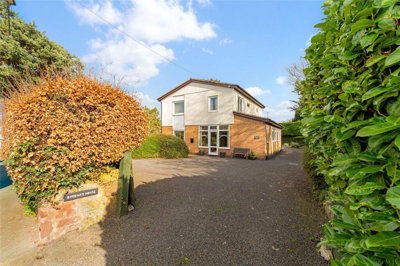
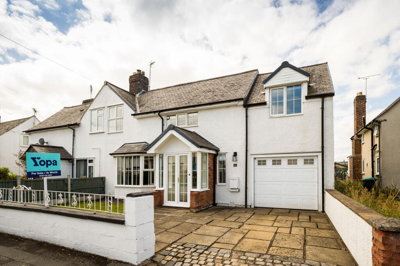
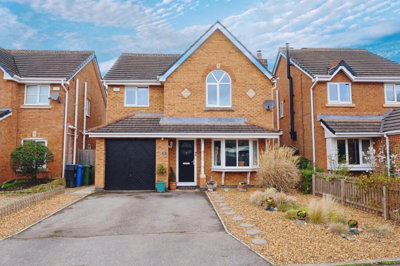
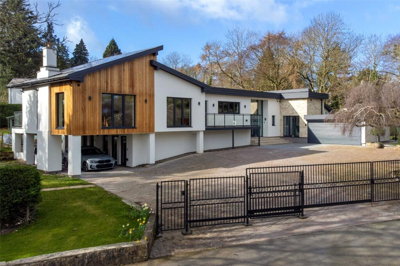
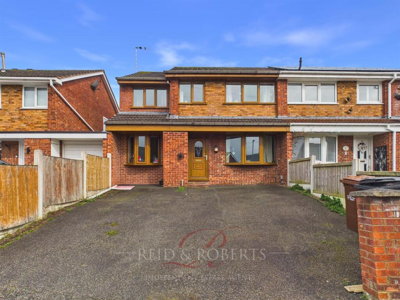
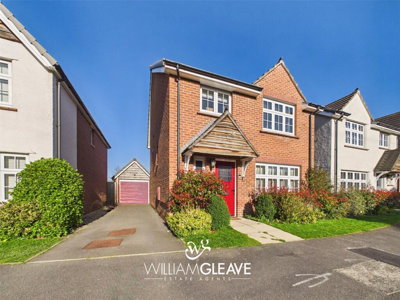
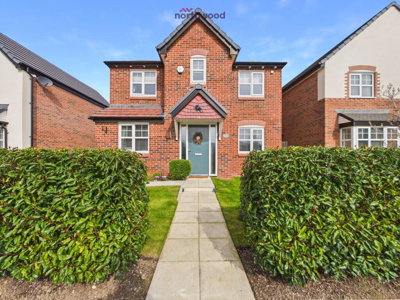
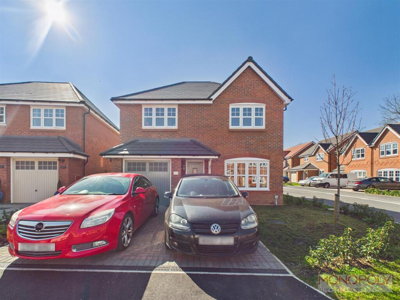
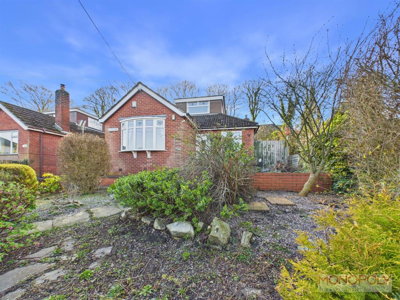
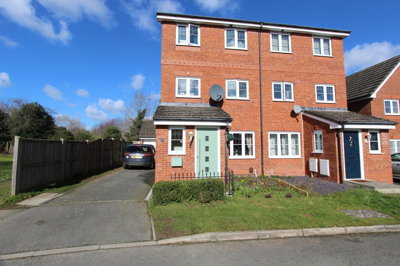
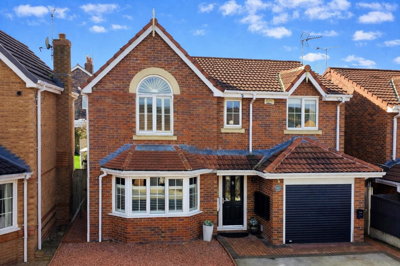
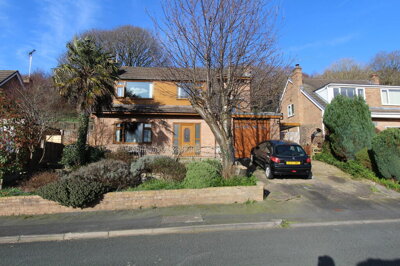
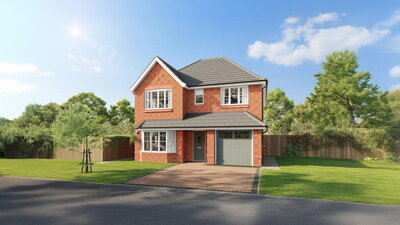
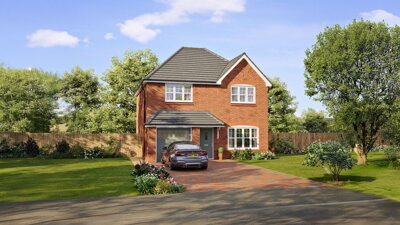
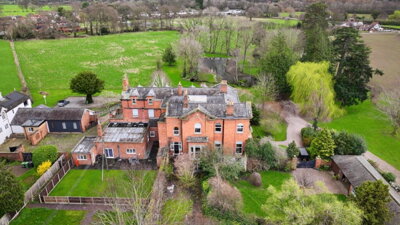
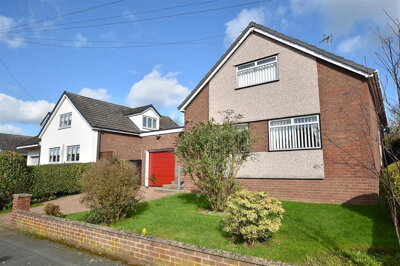
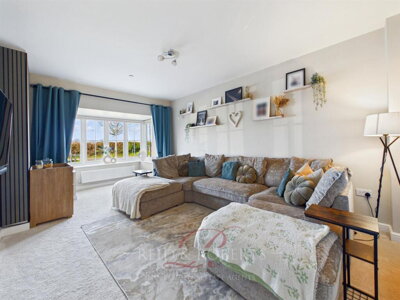
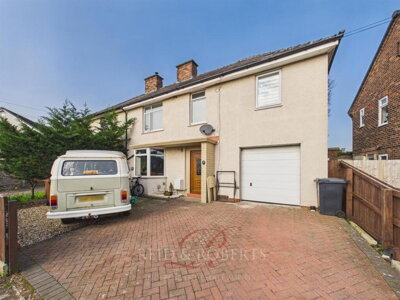
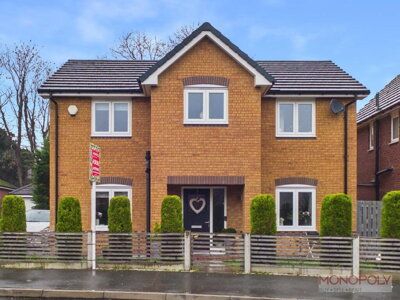
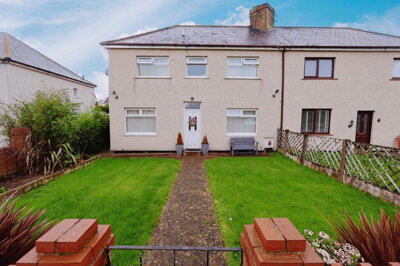
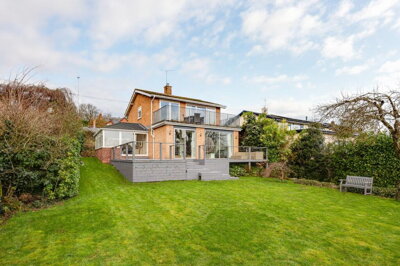
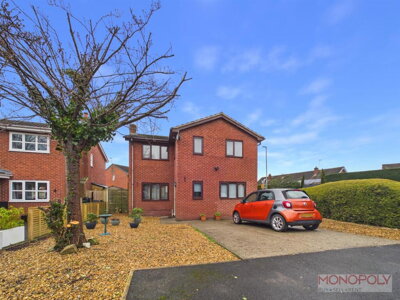
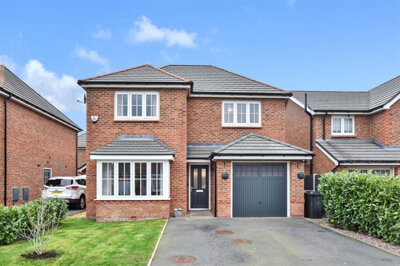
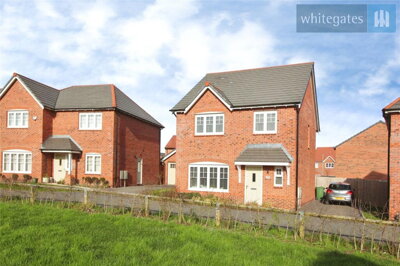
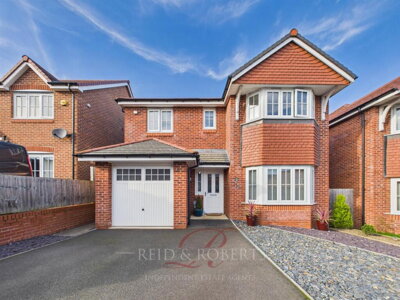
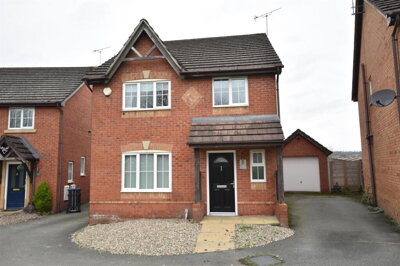
Browse 90 homes for sale in Llay, Wrexham from local estate agents.
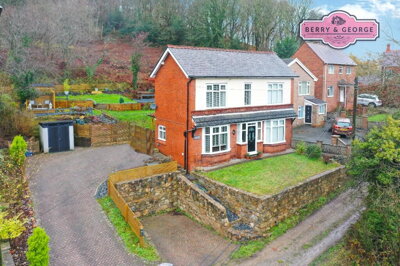
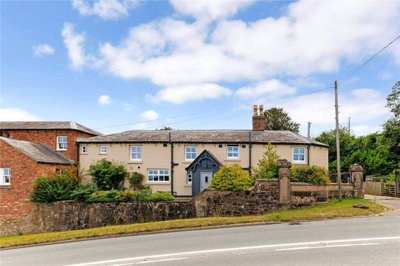
The larger property sector typically features multiple bathrooms, substantial reception space, and private gardens or off-street parking. Four bedroom houses in Llay span detached, semi-detached, and occasionally terraced configurations, with styles ranging from period properties to modern executive homes.
£345k
7
0
67
Source: home.co.uk
Showing 7 results for 4 Bedroom Houses for sale in Llay, Wrexham. The median asking price is £345,000.
Source: home.co.uk
Detached
6 listings
Avg £345,833
Semi-Detached
1 listings
Avg £210,000
Source: home.co.uk
Source: home.co.uk
Llay's property market has demonstrated steady growth over the past year, with the overall average house price increasing by 1.92% to reach £247,030 as of February 2026. The detached property sector has performed strongest among all property types, rising by 2.53% to an average of £339,010, reflecting sustained demand for family-sized homes with gardens and off-street parking. Semi-detached properties, which represent the largest proportion of Llay's housing stock at 39.8%, have seen a more modest increase of 1.64%, bringing the average to £209,706. These figures indicate a healthy market where demand is growing but prices remain accessible for buyers seeking value in the Wrexham area.
Two significant new build developments are currently active in Llay, offering modern homes for buyers who prefer contemporary construction. Llay Park View, developed by Castle Green Homes off Straight Mile Road, features 3 and 4 bedroom detached and semi-detached homes priced from £234,995 to £369,995. Maes-y-Rhedyn, delivered by Bellway off Gresford Road, offers similar 3 and 4-bedroom homes ranging from £239,995 to £339,995. Both developments are constructing properties within the LL12 postcode area, providing options for buyers seeking the energy efficiency and modern layouts of new build homes. For those preferring character properties, terraced homes average £165,116 while flats remain the most affordable option at around £101,800, making Llay accessible for first-time buyers and investors alike.
The housing stock in Llay spans several distinct periods, each with its own characteristics and potential considerations for buyers. Semi-detached properties dominate the landscape at nearly 40% of all homes, with detached houses comprising 30.5% of the stock. Terraced properties account for 20.4% of homes, predominantly found in the older areas near the village centre, while flats represent just 8.8% of accommodation. This mix provides options across different budgets and lifestyle preferences, from families seeking spacious semi-detached homes to first-time buyers looking at terraced starter homes or flats.

Llay's origins as a coal mining community have left a lasting imprint on the village's character, though its economy has diversified significantly in the decades since the last colliery closed in 1966. Today, the village serves primarily as a residential community for workers employed at Wrexham Industrial Estate and surrounding areas. The local population stands at 5,648 residents across 2,347 households according to the 2021 Census, creating a tight-knit atmosphere where community spirit remains strong. Local amenities include convenience shops, pubs, and recreational facilities, while the nearby town of Wrexham offers comprehensive retail, dining, and entertainment options just minutes away by car.
The housing landscape in Llay reflects its evolution through different eras of construction. Properties built between 1945 and 1980 comprise the largest portion at 38.1% of the housing stock, representing the post-war expansion period when the village grew substantially. A further 30.2% of properties were constructed after 1980, including the newer estates and the current new build developments. Older properties from the pre-1919 and interwar periods account for 31.7% combined, offering traditional stone and brick construction with original features for buyers seeking period character. The predominant construction materials are brick, often with rendered sections, while traditional Welsh slate or modern concrete tiles cover the roofs.
Construction methods in Llay vary considerably depending on the age of the property. Pre-1919 buildings typically feature solid brick construction, sometimes incorporating stone elements particularly in older terraces along the main village roads. These properties generally have slate roofs and timber floor structures that may show signs of wear after more than a century of use. Properties from the interwar and post-war periods through to 1980 predominantly use cavity wall construction, with brick or block inner leaves and brick outer skins, concrete tiled roofs, and either timber or concrete floor slabs. Modern properties built after 1980 follow contemporary building standards with improved insulation and modern building materials, though even these newer homes should be subject to thorough inspection to identify any construction defects or maintenance issues.

Education provision in Llay serves families with children of all ages, with several primary schools located within the village itself and the surrounding area. Parents should research individual school performance through Ofsted reports and Welsh Government league tables to identify the best options for their children, as school catchment areas can significantly impact property values and availability in this part of Wrexham. The village maintains good access to secondary education, with options including schools in Wrexham town centre accessible via the A483, typically within 15-20 minutes by car.
Beyond primary and secondary education, post-16 options in the region include sixth forms at local secondary schools and further education colleges in Wrexham town centre. The Glyndwr University campus in Wrexham provides higher education opportunities locally, while students seeking university study elsewhere can access major universities in Chester, Manchester, and Liverpool via the excellent road connections from Llay. Parents with younger children will find nursery and early years provision within the village, with additional childcare options available in nearby villages and in Wrexham itself.
When purchasing property in Llay, confirming your position within the relevant school catchment areas is essential, as property demand along popular school routes remains consistently high. Properties in streets near well-performing primary schools often command a premium, and rental demand from families seeking catchments can be strong. Our platform allows you to search for properties by proximity to individual schools, helping families identify homes that fall within their preferred catchment zones. We recommend visiting potential schools and speaking with the admissions teams to understand the current catchment boundaries before committing to a purchase.
Llay benefits from excellent road connections that make it attractive to commuters working across North Wales and the North West of England. The A483 dual carriageway runs through the nearby area, providing direct access to Wrexham town centre to the south and connecting to the M56 motorway at Chester, which continues to Manchester and the wider motorway network. This strategic position has made Llay increasingly popular with buyers who work in Chester, Manchester, or Liverpool but prefer the more affordable property prices and village character of the Wrexham area. Journey times to major employment centres are competitive, with Chester accessible in approximately 30 minutes by car, Manchester in around 60-75 minutes, and Liverpool in approximately 75-90 minutes depending on traffic conditions.
Public transport options connect Llay to the surrounding area though frequencies may be limited compared to larger urban centres. Bus services operate routes connecting Llay to Wrexham and nearby towns, though passengers travelling to employment hubs or rail stations should check timetables carefully. For air travel, Liverpool John Lennon Airport and Manchester Airport are both accessible via the motorway network, typically within 60-90 minutes by car. The nearest major rail station is in Wrexham, offering connections on various routes, with Chester station providing access to Virgin Trains services to London Euston, reaching the capital in approximately two hours. Residents commuting by bike should assess individual route suitability, as cycling infrastructure varies throughout the village and along the A483.
Buyers considering property in Llay should be aware of several area-specific factors that can affect purchasing decisions and future resale value. The village's mining heritage is an important consideration, as Llay's coal mining history means some properties may be located in areas where past mining activities have affected ground stability. Commissioning a mining report from the Coal Authority before completing a purchase is strongly recommended, particularly for properties in certain postcodes. This additional research can identify any subsidence risks or historical mining features that might not be apparent during a standard property survey. A mining search typically costs around £25 through your conveyancing solicitor and can reveal whether the property sits above old mine workings, shafts, or recorded coal seams.
The local geology presents another factor to consider when evaluating properties. Llay sits on glacial till deposits over Carboniferous bedrock, with clay-rich soils that create a moderate to high shrink-swell risk. This risk is particularly relevant for properties with mature trees, where root systems can draw moisture from clay soils during dry periods, causing the ground to contract and potentially affecting foundations. Properties with large trees within proximity should be carefully assessed for any signs of ground movement or subsidence that may manifest as cracking in walls or doors and windows sticking in their frames.
Given that nearly 70% of Llay's housing stock was built before 1980, issues such as damp, outdated electrics, and timber defects are commonly found in older properties and should be assessed before purchase. Common defects in pre-1980 properties include rising damp in solid-walled construction, worn slate or tile roofs with failed felt underlays, outdated electrical wiring that may not meet current standards, and timber defects such as woodworm or wet rot in floor joists and roof structures. Properties built before 2000 may contain asbestos in textured coatings, pipe lagging, or insulation materials, which should be identified and managed appropriately by qualified specialists. A RICS Level 2 Survey, priced locally for a 3-bedroom semi-detached property between approximately £450 and £600, can identify any signs of subsidence, heave, or structural movement that may be present.
Before searching for properties in Llay, research the local market thoroughly using current data. Our platform provides real-time listings alongside average price information, helping you understand what your budget can achieve. Consider additional costs including Land Transaction Tax, solicitor fees, survey costs, and moving expenses when setting your maximum offer price. Review the specific property types available in your budget range, whether that is a modern flat under £120,000, a Victorian terraced home around £165,000, or a spacious detached family home approaching £340,000.
Contact a mortgage broker to obtain an Agreement in Principle before arranging viewings. This document confirms how much a lender is prepared to offer you, strengthening your position when making offers on properties. Our mortgage comparison tool helps you compare rates from different providers to find the most competitive deal for your circumstances. For properties at Llay's average price of £247,030, most buyers will require a mortgage of approximately £200,000 to £220,000, though this varies based on deposit size.
Use our platform to schedule viewings on properties that match your requirements. When visiting properties in Llay, pay attention to signs of damp, roof condition, and the quality of any renovations undertaken. Properties in older construction periods may require more maintenance, while new builds on developments like Llay Park View or Maes-y-Rhedyn offer modern layouts with guarantees. Take measurements and photos to assess whether furniture and belongings will fit, and check for any signs of structural issues such as cracking or subsidence.
Once your offer has been accepted, instruct a RICS Level 2 Survey to assess the property's condition thoroughly. Given Llay's mining history and the prevalence of clay soils, this survey is particularly valuable for identifying subsidence risk, damp issues, and structural concerns that might not be visible during a standard viewing. For a typical 3-bedroom property, expect to pay between £450 and £600, while larger 4-bedroom detached homes may cost £550 to £750 or more.
Your solicitor will handle the legal aspects of your purchase, including conducting searches with Wrexham Council, investigating title deeds, and exchanging contracts. For properties in Llay, searches should include local authority records, drainage and water searches, and an environmental search that may reveal ground conditions. Request a mining report specifically, as this is not always included in standard environmental searches but is particularly important in Llay.
Once all searches are satisfactory and your mortgage offer is confirmed, your solicitor will arrange for contracts to be signed and the deposit to be paid. On completion day, the remaining funds are transferred and you receive the keys to your new home in Llay. We recommend arranging buildings insurance before completion and organising utilities transfers to ensure a smooth move into your new property.
Property investors considering Llay will find a market characterised by steady price growth and strong rental demand driven by the area's employment connections. The proximity to Wrexham Industrial Estate, which hosts major employers including Avara Pharmaceuticals and Fujifilm Diosynth Biotechnologies, creates consistent demand from renting professionals seeking more affordable accommodation than Wrexham or Chester town centres. The village's improving amenities and continued new build activity suggest ongoing investment in local infrastructure that may support future capital growth. Current price trends showing modest but consistent growth of around 2% annually indicate a stable market rather than speculative rapid appreciation.
For landlords, terraced properties and flats offer the lowest entry points, with average prices of £165,116 and £101,800 respectively. These property types typically command competitive monthly rents relative to their purchase prices, delivering attractive yields for investors prioritising rental income over capital growth. A two-bedroom flat at around £101,800 could potentially achieve monthly rents of £550-700, while a three-bedroom terraced home at approximately £165,000 might attract £650-800 per month from professional tenants or small families.
Semi-detached family homes, which represent nearly 40% of the housing stock, appeal to families and longer-term tenants, potentially offering more stable tenancies with lower void periods. Detached properties, though more expensive with an average price of £339,010, may suit investors seeking to accommodate key workers or professionals relocating for assignments at Wrexham Industrial Estate. When evaluating investment opportunities, factor in the additional costs associated with Llay's specific circumstances, including potential mining reports and the need for thorough surveys on older properties.
The overall average house price in Llay was £247,030 as of February 2026, based on data from 83 properties sold in the preceding 12 months. Detached properties averaged £339,010, semi-detached homes reached £209,706, terraced properties stood at £165,116, and flats averaged £101,800. Price trends over the past year show steady growth across all property types, with detached properties recording the strongest increase at 2.53%, reflecting sustained demand for family-sized accommodation in the Wrexham area.
Properties in Llay fall under Wrexham Council's jurisdiction, and council tax bands are assigned by the Valuation Office Agency based on property value. Most properties in Llay typically fall within Bands A through D, which are among the lower council tax bands in Wales. Band A properties, the lowest value homes, pay around £1,200-1,400 annually, while Band D properties typically pay £1,600-1,900 per year. Prospective buyers should check the specific band with the estate agent or during conveyancing, as council tax contributions fund local services including education, waste collection, and social care.
Llay offers primary education options within the village itself, with several schools serving the local community. Secondary school options are available in the surrounding area, including schools in Wrexham town centre accessible via the A483. Parents should research individual school performance through Ofsted reports and Welsh Government league tables to identify the most suitable choices. School catchment areas can significantly influence property values in specific streets, so confirming your position within your preferred school's boundary before purchasing is advisable. Properties on streets within popular school catchments often experience sustained demand from families.
Llay is primarily served by bus routes connecting the village to Wrexham town centre and surrounding areas, though service frequencies may be lower than in larger urban centres. The nearest railway station is in Wrexham, providing connections across the regional network, while Chester station offers Virgin Trains services to London Euston in approximately two hours. For commuting to employment centres in Chester, Manchester, or Liverpool, road transport via the A483 and M56 is the most practical option, with Chester accessible in around 30 minutes and Manchester in 60-75 minutes by car.
Llay offers several characteristics that make it attractive for property investment, including relatively affordable prices compared to nearby Chester and Manchester, proximity to major employment at Wrexham Industrial Estate, and steady price growth averaging around 2% annually. Rental demand is supported by key workers and professionals seeking more affordable housing than larger cities, with tenants drawn to the village's character and excellent road connections. The village's mining heritage and clay soil conditions should be factored into investment calculations through appropriate surveys and reports, but these factors are generally manageable with proper due diligence and add only modest costs to the purchase process.
Land Transaction Tax rates for standard purchases in Wales start at 0% on the first £250,000 of property value, rising to 5% on amounts between £250,001 and £925,000. For properties above £925,000, rates increase further. First-time buyers in Wales may benefit from Land Transaction Tax relief on properties up to £225,000, paying 0% on the first £180,000 and reduced rates thereafter. At Llay's average price of £247,030, a typical buyer would pay no tax on the first £250,000, making the overall Land Transaction Tax liability zero for most purchases at average prices. Your solicitor will calculate the exact amount due based on your circumstances and the purchase price.
Llay has areas with surface water flood risk, particularly along lower-lying routes and near smaller watercourses that run through the village. While major river flood risk from the River Dee or River Severn is generally low, fluvial flooding from local brooks and streams can affect certain areas during periods of heavy rainfall. Properties in lower-lying areas near watercourses should be assessed more carefully, and we recommend requesting an environmental search during conveyancing that specifically identifies the flood risk classification for your property. Buildings insurance costs may reflect the local flood history, so obtaining insurance quotes before completing your purchase is advisable.
Llay's coal mining history means that past mining activities may have affected ground stability in some areas, particularly in locations above old mine workings or near former colliery sites. The main colliery in Llay closed in 1966, but the legacy of mining means buyers should commission a mining report from the Coal Authority before completing a purchase. This report, typically obtained through your conveyancing solicitor for around £25, will identify any recorded mining features, past mine workings, or subsidence risks associated with coal mining beneath the property. Properties in certain postcodes within the LL12 area have a higher likelihood of being affected by historical mining, making this report a worthwhile investment for any buyer.
From 3.94%
Compare mortgage rates from leading lenders
From £499
Expert conveyancing solicitors for your Llay purchase
From £450
Thorough condition survey for your new home
From £25
Coal Authority mining report for Llay properties
Beyond the property purchase price, buyers in Llay should budget for several additional costs that form part of the total investment. Land Transaction Tax, collected by the Welsh Revenue Authority on residential property purchases, is calculated on a tiered system where no tax is due on the first £250,000 of value. For purchases between £250,001 and £925,000, the rate increases to 5%, with further increases for higher value properties. First-time buyers purchasing properties up to £225,000 can claim Land Transaction Tax relief, significantly reducing their upfront costs compared to those who have previously owned property.
Solicitors and licensed conveyancers handling your purchase in Llay typically charge between £499 and £1,500 depending on the complexity of the transaction and property value. Their fees cover title investigation, contract preparation, liaison with the seller's solicitors, and registration of your ownership at the Land Registry. Additional search fees, including local authority searches with Wrexham Council, drainage and water searches, and environmental searches, typically total £250 to £400. We strongly recommend adding a mining search for properties in Llay, which costs approximately £25 through the Coal Authority and should be specifically requested as it may not be included in standard environmental search packages.
Survey costs for a RICS Level 2 Survey on a typical 3-bedroom property in Llay range from approximately £450 to £600, with larger detached homes potentially costing £550 to £750 or more. Mortgage arrangement fees vary by lender but often range from £0 to £2,000, so comparing the overall mortgage package including fees is advisable. Removal costs, mortgage valuation fees, and Buildings Insurance should also be factored into your moving budget. For a property at Llay's average price of £247,030, total additional costs including tax, legal fees, surveys, and moving expenses can amount to £8,000 to £12,000, so factoring these into your overall financial planning is essential.
Properties for Sale In London

Properties for Sale In Plymouth

Properties for Sale In Liverpool

Properties for Sale In Glasgow

Properties for Sale In Sheffield

Properties for Sale In Edinburgh

Properties for Sale In Coventry

Properties for Sale In Bradford

Properties for Sale In Manchester

Properties for Sale In Birmingham

Properties for Sale In Bristol

Properties for Sale In Oxford

Properties for Sale In Leicester

Properties for Sale In Newcastle

Properties for Sale In Leeds

Properties for Sale In Southampton

Properties for Sale In Cardiff

Properties for Sale In Nottingham

Properties for Sale In Norwich

Properties for Sale In Brighton

Properties for Sale In Derby

Properties for Sale In Portsmouth

Properties for Sale In Northampton

Properties for Sale In Milton Keynes

Properties for Sale In Bournemouth

Properties for Sale In Bolton

Properties for Sale In Swansea

Properties for Sale In Swindon

Properties for Sale In Peterborough

Properties for Sale In Wolverhampton

Enter your details to see if this property is within your budget.
Loans, cards, car finance
Estimated property budget
Borrowing + deposit
You could borrow between
Typical borrowing
Monthly repayment
Est. at 4.5%
Loan-to-value
This is an estimate only. Your actual budget may vary depending on interest rates, credit history, and personal circumstances. For an accurate affordability assessment, speak to one of our free mortgage advisors.
This calculator provides estimates for illustrative purposes only and does not constitute financial advice. Your home may be repossessed if you do not keep up repayments on your mortgage. Estimates based on 4.5% interest rate, repayment mortgage. Actual rates depend on your circumstances.
Homemove is a trading name of HM Haus Group Ltd (Company No. 13873779, registered in England & Wales). Homemove Mortgages Ltd (Company No. 15947693) is an Appointed Representative of TMG Direct Limited, trading as TMG Mortgage Network, which is authorised and regulated by the Financial Conduct Authority (FRN 786245). Homemove Mortgages Ltd is entered on the FCA Register as an Appointed Representative (FRN 1022429). You can check registrations at NewRegister or by calling 0800 111 6768.

We use cookies to show you personalised content and improve your experience of our website. Find out more in our Privacy policy and Cookie policy.