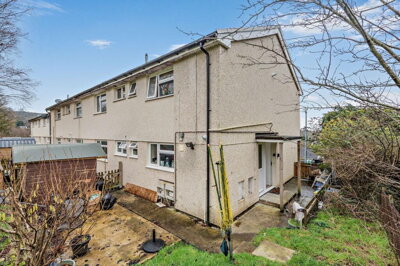
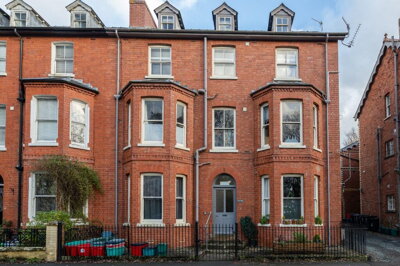
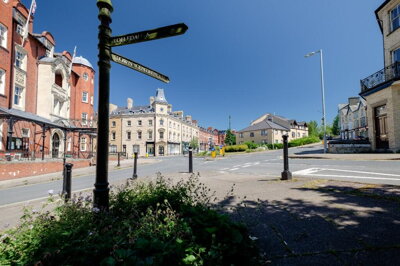
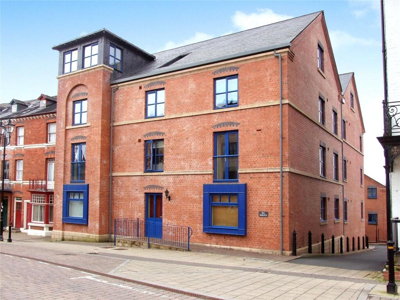
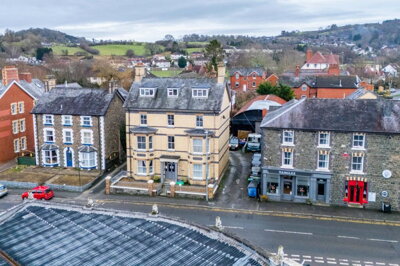
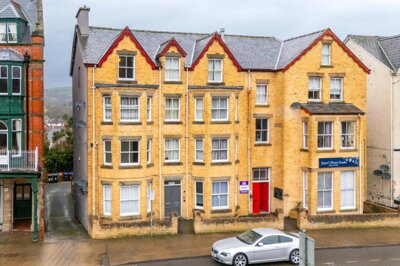
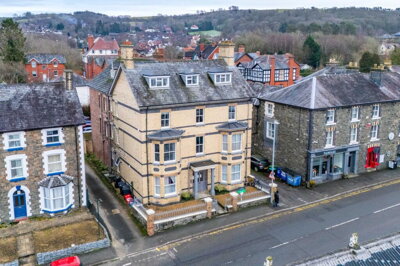
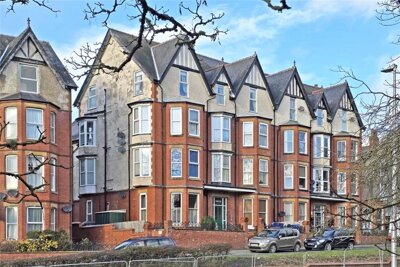
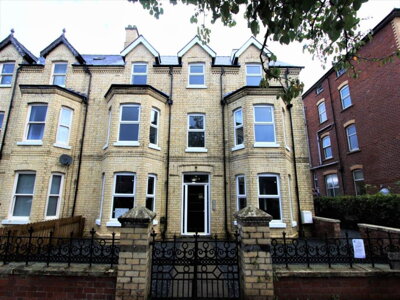
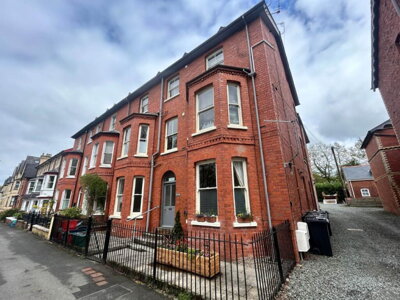
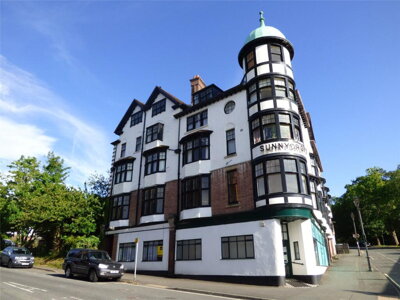
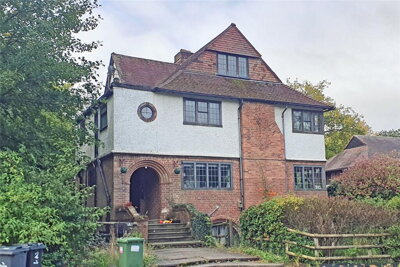
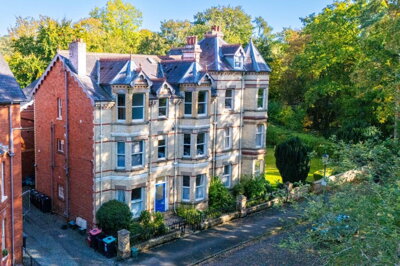
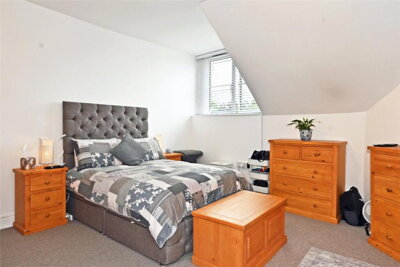
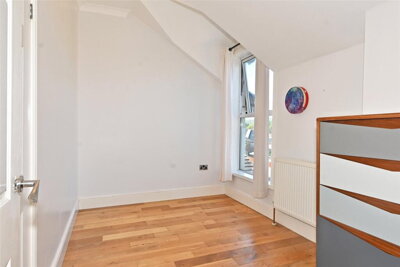
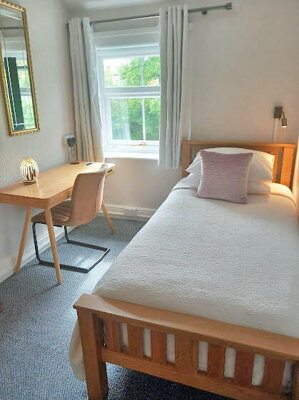
Browse 18 homes for sale in Llanyre, Powys from local estate agents.
Studio apartments feature open-plan living spaces without separate bedrooms, incorporating sleeping, living, kitchen, and bathroom facilities. The Llanyre studio market includes properties in modern apartment complexes, converted Victorian and Georgian buildings, and purpose-built developments.
£0k
0
0
0
Source: home.co.uk
Showing 0 results for Studio Flats for sale in Llanyre, Powys.
The Wacton property market presents a distinctive picture of rural Norfolk living, with detached properties commanding the highest prices at an average of £407,500 for recent sales. Terraced properties in the village have sold for around £250,000 on average, while the broader South Norfolk district shows semi-detached homes averaging £278,000 and flats at approximately £135,000. The NR15 2UH postcode area, which covers Wacton and its immediate surroundings, has recorded 79 property transactions over the past three decades, with the most recent sale completing in March 2025. This relatively modest transaction volume reflects the village's small scale and the long-term nature of home ownership in this established community.
Market dynamics in Wacton have shifted considerably over the past two years, with prices currently sitting 39% below the 2023 peak of £582,500 and 34% lower than the previous year. However, this local downward trend contrasts with the broader South Norfolk district, where average prices reached £313,000 in December 2025, representing a 2.8% increase from the previous year. For buyers, this distinction between local village prices and district trends is significant when considering long-term investment potential. The majority of properties sold in the postcode area are detached homes, accounting for approximately 52% of transactions, which reflects the rural character of the housing stock and buyer preferences for space and privacy.
No new build developments have been verified within the Wacton parish boundary itself, though several new housing projects are underway in neighbouring villages across South Norfolk. Developments in nearby Tibenham, Tivetshall St. Margaret, and Brooke are all within easy driving distance of Wacton, offering options for buyers who prefer newer construction. This scarcity of new supply within the village itself means buyers are largely looking at existing properties, many of which carry significant heritage value. The Wacton conservation area designation ensures that any future development will need to respect the village's historic character, protecting property values for those investing in the existing housing stock.

Wacton presents itself as a quintessential South Norfolk village where the pace of life moves gently and community bonds remain strong. The village's population of 343 residents, as recorded in the 2021 census, creates an intimate atmosphere where neighbours frequently know one another by name. Historical records from the 1870s mention just 54 houses across Wacton Magna and Wacton Parva combined, though the village has grown modestly since then while retaining its essential character. The settlement's rural economy was traditionally centered on agriculture, and the surrounding farmland continues to define the landscape, with public footpaths and country lanes offering peaceful walks through the Norfolk countryside.
The village centre features several notable historic buildings that contribute to Wacton's distinctive character. The Grade I listed Church of All Saints stands as the village's medieval origins, featuring a rare round tower that distinguishes it among Norfolk churches - one of only a handful surviving from the Norman period in this part of East Anglia. The Grade II* listed Wacton Hall, a 16th-century timber-framed manor house with its black glazed pantile roof, represents the architectural heritage that defines much of the village. Twenty-one listed buildings in total populate the conservation area, creating an environment where centuries of architectural history are visible in every street scene. Properties such as Pigeon's Farmhouse, Grange Farmhouse, and Stuart House showcase the traditional construction methods that have shaped the village's appearance.
The predominant building materials reflect Norfolk's vernacular traditions, with clay pantiles in red and black glazed finishes covering many roofs, while thatch remains a feature of several properties including White Cottage and Thatcher's Pride. Timber-framed structures with plastered walls, such as Wilderness Cottage, demonstrate the construction techniques that served local builders for generations. Flint, a stone widely used throughout Norfolk, appears in various buildings and boundary walls, tying the built environment to the local geology. These traditional materials require specific maintenance knowledge, and prospective buyers should factor in the expertise needed to care for historic properties when considering their purchase. Properties like Crossways, a Victorian red brick house, demonstrate how different eras have contributed distinct architectural styles to the village's streetscape.
For day-to-day living, Wacton residents benefit from proximity to Long Stratton, approximately one mile away, where basic shopping facilities and NHS services are available. Norwich, reachable in around 25-30 minutes by car, provides access to major supermarkets, retail parks, hospitals, and employment opportunities. The village's rural location means a car is effectively essential for most daily activities, though the quiet country lanes make cycling pleasant for shorter local journeys.

Families considering a move to Wacton will find educational facilities available in the nearby town of Long Stratton, approximately one mile from the village centre. Long Stratton Primary School serves younger children from the local area, providing a convenient option for Wacton families who wish to avoid long school runs during the working week. The primary school offers a community-focused education with relatively small class sizes, reflecting the rural nature of the catchment area. For secondary education, students typically travel to schools in surrounding towns, with bus services connecting Wacton to options across South Norfolk.
The proximity to Norwich opens access to a wider range of educational institutions, including grammar schools, independent schools, and further education colleges. The University of East Anglia, located in Norwich, provides higher education opportunities within reasonable commuting distance for older family members considering their options. When purchasing property in Wacton, prospective buyers with school-age children should verify current catchment area arrangements and admission policies, as these can change and may influence which schools take priority for enrollment. The rural nature of the Wacton catchment means competition for places at popular schools in nearby towns can be significant, making early research essential.
Parents should note that school transport arrangements can affect property choices within the village, with some families needing to arrange private transportation for younger children if school bus services are limited. The travel time to secondary schools in Norwich or surrounding towns should be factored into daily schedules, particularly during winter months when road conditions may be more challenging on rural routes.
Wacton's position in South Norfolk offers reasonable connectivity to larger urban centres, though the village maintains its rural character without direct rail access. The nearest railway stations are located in Norwich and Diss, both offering connections to London Liverpool Street, with journey times to the capital typically ranging from around 90 minutes to two hours depending on the service. Norwich station provides access to Cambridge, Birmingham, and Liverpool, while also connecting to the East Anglian coastal route. For Wacton residents, a car remains the primary means of daily transport, with the A140 road providing direct access to Norwich approximately 13 miles to the southwest.
Long Stratton, just one mile away, offers bus services connecting Wacton residents to surrounding towns and villages, though frequencies are limited compared to urban routes. The bus network serves those working locally or accessing amenities without driving, though timetable planning is essential given the rural nature of services. For commuters working in Norwich, the daily drive takes approximately 25-30 minutes under normal traffic conditions, making Wacton a viable base for those employed in the city while preferring countryside living. The Norfolk road network connects to the broader region via the A11, A14, and M11, providing routes to Cambridge, Ipswich, and beyond for longer-distance travel.
Cycling infrastructure in the area consists primarily of country lanes and designated public rights of way, offering pleasant routes for recreational cycling and occasional commuting for the more adventurous. The Norfolk Broads and coastline are accessible for day trips, though reaching these destinations typically requires driving. Parking within Wacton itself is generally straightforward given the low traffic volumes and generous property boundaries, a contrast to the parking challenges found in nearby towns. For air travel, Norwich International Airport provides domestic and limited European connections, located approximately 20 miles from Wacton.
Explore current listings on Homemove to understand what properties are available at what price points. Given the village's 16.6% price reduction over the past year, compare current asking prices against recent sold prices to identify genuinely competitive properties. Consider whether older, listed properties align with your renovation capacity and budget. Our platform aggregates listings from local estate agents, giving you a complete picture of the market in one place.
Before arranging viewings, obtain a mortgage agreement in principle from a lender to confirm your borrowing capacity. With Wacton properties averaging £355,000, you will need to factor in deposit requirements and lender criteria. This strengthens your position when making offers and demonstrates seriousness to sellers in a village market where vendors often know buyers personally.
Visit properties that match your requirements, paying particular attention to construction materials and condition given Wacton's prevalence of timber-framed, thatched, and historic properties. View at different times of day to assess light, noise levels, and the village atmosphere. Take photographs and notes to compare properties afterward. Consider attending viewings with a notepad specifically for noting construction details and potential maintenance concerns.
Once your offer is accepted, arrange a RICS Level 2 Survey before proceeding to completion. Given Wacton's significant number of historic properties, the survey will assess common issues including damp in timber-framed buildings, thatch or pantile roof condition, potential subsidence risks from local clay geology, and the condition of outdated electrics and plumbing systems. For listed buildings or properties in poor condition, a RICS Level 3 Building Survey may be more appropriate.
Appoint a solicitor experienced in rural property transactions to handle legal work including local searches, title verification, and coordination with your mortgage lender. Properties within the Wacton conservation area may have additional considerations requiring specialist knowledge of planning conditions and listed building consents. Your solicitor should conduct drainage and flood risk searches given the village's history of surface water flooding.
Once all searches are satisfactory and mortgage finance is confirmed, your solicitor will arrange the exchange of contracts and set a completion date. On completion day, keys are released, and you become the official owner of your Wacton home. Budget additional time for the conveyancing process as rural properties sometimes require additional investigation of rights of way, common land, or farming-related covenants.
Properties in Wacton require careful inspection given the prevalence of historic construction methods and the village's conservation area status. Timber-framed buildings, which make up a significant portion of the housing stock, may show signs of movement or timber decay that require professional assessment. The plaster rendering common on older properties can hide underlying structural issues, and the presence of damp proof courses should be verified, particularly in older structures. Wacton Hall underwent complete rewiring and replumbing during renovations in 1994, highlighting how historic properties often require significant systems updates that new buyers should anticipate.
Thatch and pantile roofs demand specialist knowledge and ongoing maintenance that differs substantially from modern roofing materials. Thatched properties, including several listed buildings in Wacton, require rethatching every 20-40 years depending on the material quality and workmanship, a significant expense that buyers should factor into their budget. Clay pantile roofs, while durable, can suffer from slipped or broken tiles, and the condition of the underlying timber structure should be assessed by someone experienced with historic roofing. The black glazed pantiles seen on Wacton Hall and similar properties are distinctive but require matching materials if repairs become necessary. Properties with clay lump construction, common in 19th-century Norfolk farm buildings and cottages, may present specific structural considerations that differ from timber-framed properties.
Surface water and groundwater flooding have affected Wacton in recent years, particularly during wet winters, leading to sewer flooding incidents that buyers should investigate before purchasing. The South Norfolk District Surface Water Management Plan identifies areas at risk from surface water flooding, and a drainage and flood risk assessment should form part of your property research. Properties on clay geology may be susceptible to shrink-swell movement as soil moisture levels change seasonally, and foundations should be checked for signs of cracking or subsidence movement. Buildings within the conservation area are subject to specific planning controls that restrict alterations, extensions, and exterior changes, requiring permission from South Norfolk Council before work commences.
When viewing properties, pay particular attention to the condition of flint and brick boundary walls, which are characteristic features throughout the village but can be prone to frost damage and structural movement. Ground floor levels relative to external ground should be assessed, particularly for properties with basements or cellars which may be prone to dampness in this clay geology area. Electrical consumer units should be checked for modern circuit protection, as older properties frequently have outdated wiring that predates current safety standards.
The average house price in Wacton over the past year was £355,000, based on recorded property sales. Detached properties averaged £407,500 while terraced properties sold for around £250,000. House prices in Wacton have fallen by 16.6% over the past twelve months and sit 39% below the 2023 peak of £582,500, which may present buying opportunities for those seeking value in this historic South Norfolk village. The broader South Norfolk district averaged £313,000 in December 2025, showing a 2.8% annual increase that suggests different market dynamics between the village and the wider area.
Properties in Wacton fall under South Norfolk Council's jurisdiction for council tax purposes. Specific banding depends on the property valuation, but homes in this rural village typically range across bands A through E, with the majority of older properties likely falling in the lower to mid bands due to historical valuations. You can verify the exact council tax band for any specific property through the Valuation Office Agency website using the property address. Budget approximately £1,400-£2,000 annually for council tax depending on your property's band.
Wacton itself does not have a school within the village boundary, with the nearest primary provision being Long Stratton Primary School approximately one mile away. The school serves a rural catchment area and has historically achieved reasonable inspection ratings, though families should verify current performance data on the Ofsted website. Secondary school options in the surrounding area include schools in Norwich, which is accessible by bus or car. Long Stratton offers the advantage of shorter daily journeys for primary-age children, while families with secondary students should consider the travel commitments and available school transport when choosing a property in Wacton. The University of East Anglia campus in Norwich provides higher education options within commuting distance for older family members.
Public transport options in Wacton are limited due to its rural nature. Bus services connect the village to Long Stratton and surrounding villages, though frequencies are low compared to urban areas and weekday-only services may apply on some routes. The nearest railway stations are in Norwich and Diss, both offering services to London Liverpool Street with journey times of approximately 90 minutes to two hours. Norwich station also provides connections to Cambridge, Birmingham, and the East Anglian coastal route. For daily commuting, a car is effectively essential, with Norwich accessible in approximately 25-30 minutes by road via the A140.
Wacton offers potential for buyers seeking long-term value in a characterful rural location. The recent price correction of 16.6% has brought values closer to historical norms after the 2023 peak, though the village's small scale means transaction volumes are low with typically only a handful of sales per year. The village's conservation area status and 21 listed buildings help preserve property character, while the 93% owner-occupancy rate indicates a stable, settled community. The absence of new build development within the parish boundary may support existing property values, though the market's liquidity should be considered - properties can take longer to sell in small villages where buyer pools are limited.
Stamp duty land tax on a Wacton property depends on purchase price and your buyer status. Standard rates start at 0% on the first £250,000, then 5% on the portion from £250,001 to £925,000. First-time buyers pay 0% on the first £425,000, then 5% on the portion from £425,001 to £625,000. A £355,000 property would incur no SDLT for a first-time buyer but approximately £5,250 for a subsequent buyer. Additional SDLT of 3% applies for second homes or buy-to-let investments over £40,000.
Wacton has experienced surface water and groundwater flooding incidents, particularly during wet winters such as October 2023 to March 2024 when sewer flooding was reported. The South Norfolk District Surface Water Management Plan maps areas at risk from surface water flooding, and buyers should request this information through their conveyancing solicitor. Coastal flooding is not a risk as Wacton is an inland village, but the local clay geology can contribute to drainage challenges and potential ground movement. Properties in low-lying areas of the village or those with large private drainage systems should be inspected carefully before purchase.
From 4.5%
Expert mortgage advice for your Wacton property purchase
From £499
Specialist solicitors for rural property transactions
From £350
Professional survey for your Wacton home
From £80
Energy performance certificate for Wacton properties
Purchasing a property in Wacton involves several costs beyond the purchase price, with stamp duty land tax representing a significant consideration for most buyers. The current SDLT thresholds for 2024-25 apply 0% tax on the first £250,000 of residential property purchases, rising to 5% on the portion between £250,001 and £925,000. For a typical Wacton property at the village average of £355,000, a non-first-time buyer would pay £5,250 in stamp duty, calculated as 5% of the £105,000 above the £250,000 threshold.
First-time buyers benefit from more generous thresholds, paying 0% on the first £425,000 and 5% on the portion between £425,001 and £625,000. This means a first-time buyer purchasing a £355,000 property in Wacton would pay no SDLT at all, representing a saving of £5,250 compared to those who have previously owned property. Properties priced above £625,000 do not receive first-time buyer relief on the portion above this threshold, so higher-value Wacton properties attract SDLT at standard rates. An additional 3% SDLT surcharge applies to second homes and buy-to-let purchases, meaning investors should budget for approximately £10,650 on a £355,000 property.
Beyond stamp duty, buyers should budget for solicitor conveyancing costs, typically ranging from £500 to £1,500 depending on complexity and whether the property involves a conservation area or listed building status. Survey costs for a RICS Level 2 Survey typically range from £380 to £629 nationally, with properties above £500,000 attracting higher fees due to increased inspection complexity. Given Wacton's prevalence of historic and listed properties, you may wish to budget for a more detailed RICS Level 3 Building Survey if structural concerns arise. Removal costs, mortgage arrangement fees, and potential renovation expenses for older properties should also be factored into your total budget before committing to a purchase in this historic South Norfolk village.
Properties for Sale In London

Properties for Sale In Plymouth

Properties for Sale In Liverpool

Properties for Sale In Glasgow

Properties for Sale In Sheffield

Properties for Sale In Edinburgh

Properties for Sale In Coventry

Properties for Sale In Bradford

Properties for Sale In Manchester

Properties for Sale In Birmingham

Properties for Sale In Bristol

Properties for Sale In Oxford

Properties for Sale In Leicester

Properties for Sale In Newcastle

Properties for Sale In Leeds

Properties for Sale In Southampton

Properties for Sale In Cardiff

Properties for Sale In Nottingham

Properties for Sale In Norwich

Properties for Sale In Brighton

Properties for Sale In Derby

Properties for Sale In Portsmouth

Properties for Sale In Northampton

Properties for Sale In Milton Keynes

Properties for Sale In Bournemouth

Properties for Sale In Bolton

Properties for Sale In Swansea

Properties for Sale In Swindon

Properties for Sale In Peterborough

Properties for Sale In Wolverhampton

Enter your details to see if this property is within your budget.
Loans, cards, car finance
Estimated property budget
Borrowing + deposit
You could borrow between
Typical borrowing
Monthly repayment
Est. at 4.5%
Loan-to-value
This is an estimate only. Your actual budget may vary depending on interest rates, credit history, and personal circumstances. For an accurate affordability assessment, speak to one of our free mortgage advisors.
This calculator provides estimates for illustrative purposes only and does not constitute financial advice. Your home may be repossessed if you do not keep up repayments on your mortgage. Estimates based on 4.5% interest rate, repayment mortgage. Actual rates depend on your circumstances.
Homemove is a trading name of HM Haus Group Ltd (Company No. 13873779, registered in England & Wales). Homemove Mortgages Ltd (Company No. 15947693) is an Appointed Representative of TMG Direct Limited, trading as TMG Mortgage Network, which is authorised and regulated by the Financial Conduct Authority (FRN 786245). Homemove Mortgages Ltd is entered on the FCA Register as an Appointed Representative (FRN 1022429). You can check registrations at NewRegister or by calling 0800 111 6768.

We use cookies to show you personalised content and improve your experience of our website. Find out more in our Privacy policy and Cookie policy.