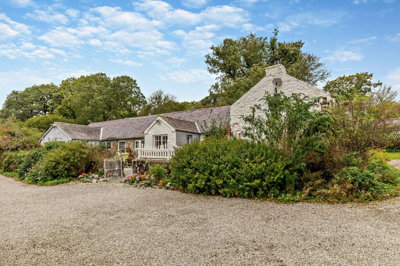
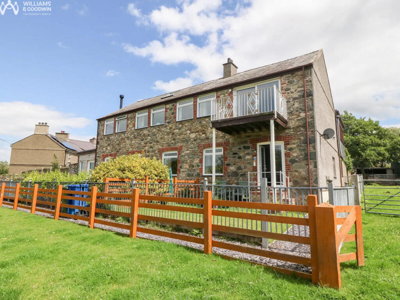
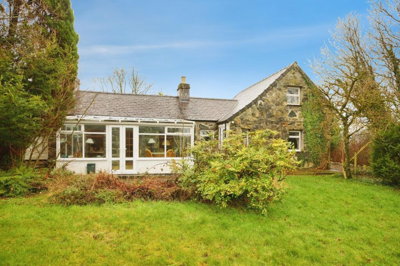
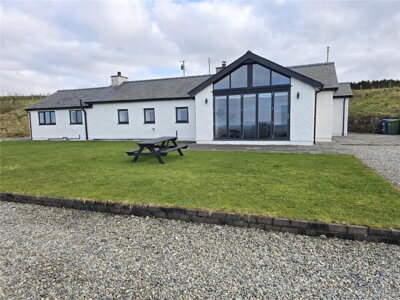
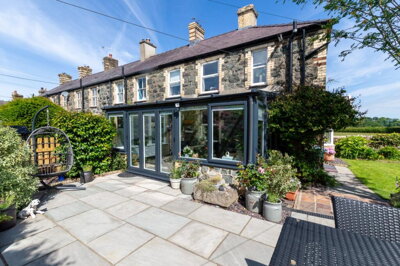
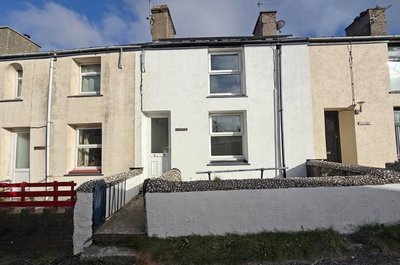
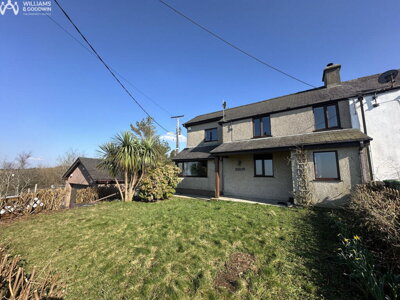
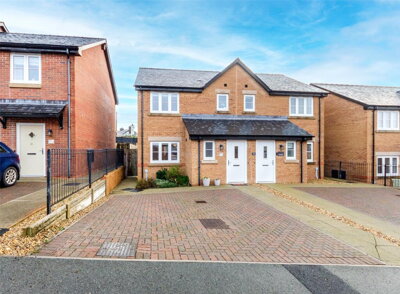
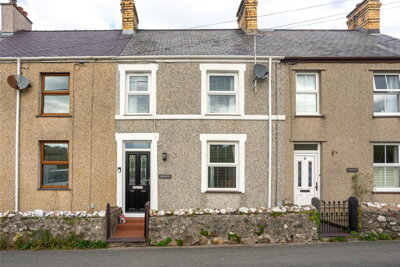
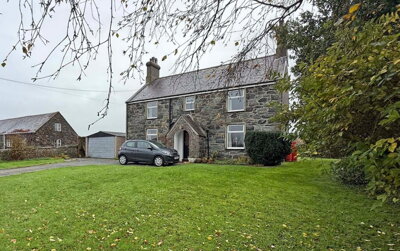
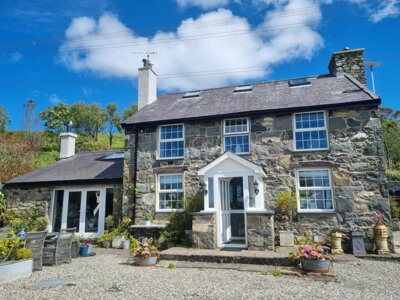
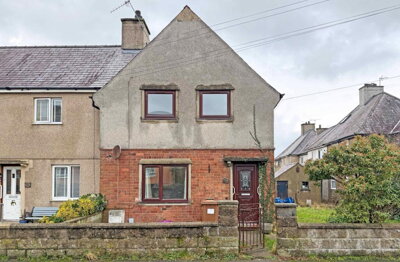
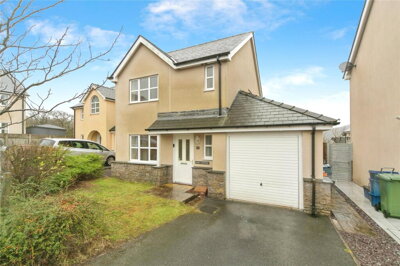
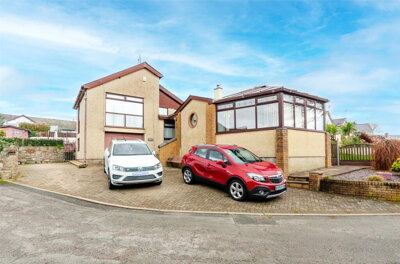
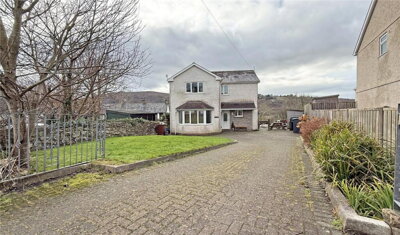
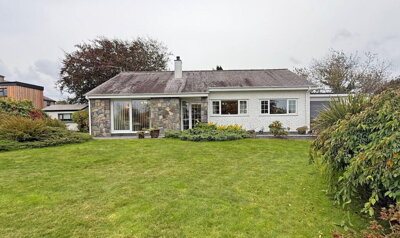
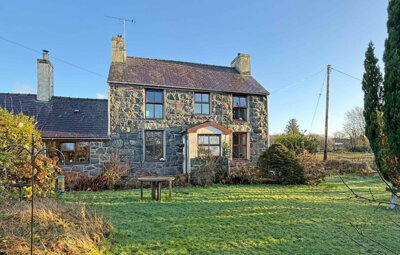
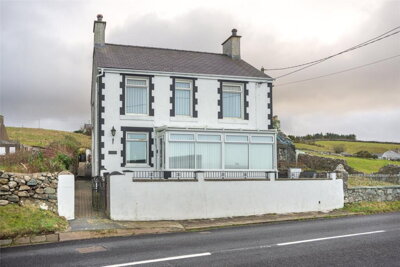
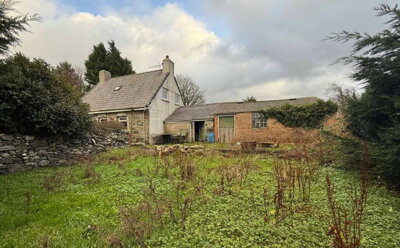
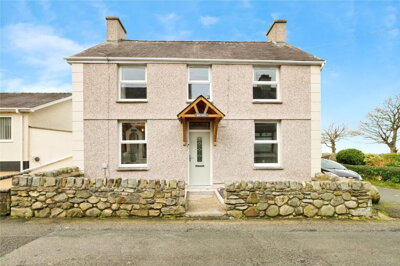
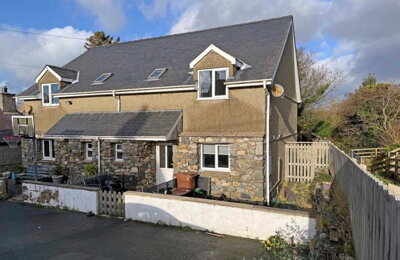
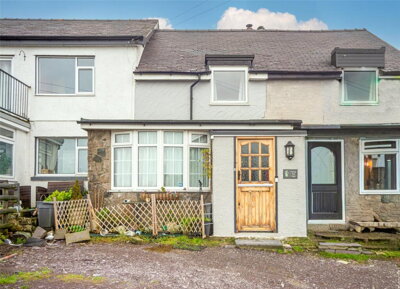
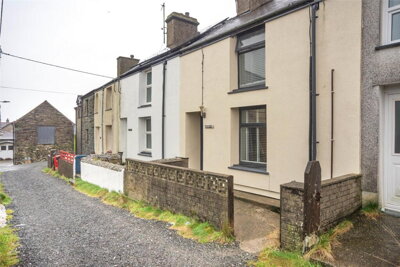
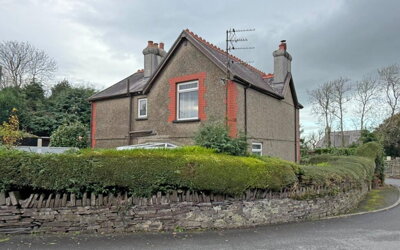
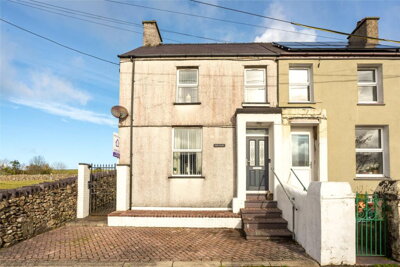
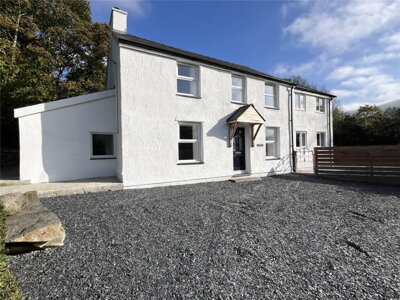
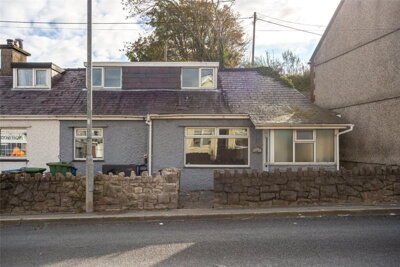
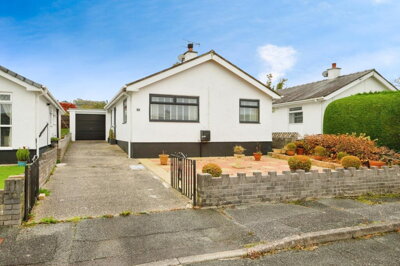
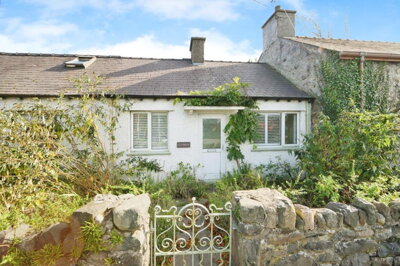
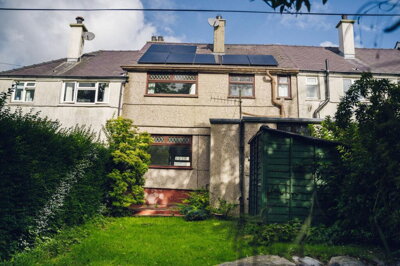
Browse 70 homes for sale in Llanwnda, Gwynedd from local estate agents.
£285k
16
0
222
Source: home.co.uk
Source: home.co.uk
Detached
7 listings
Avg £380,000
Bungalow
3 listings
Avg £393,650
End of Terrace
2 listings
Avg £237,475
Terraced
2 listings
Avg £168,750
House
1 listings
Avg £395,000
Semi-Detached
1 listings
Avg £279,950
Source: home.co.uk
Source: home.co.uk
The Wytham property market operates as a small but distinguished segment of the Oxfordshire housing landscape. Zoopla records indicate approximately 27 properties have sold in the Wytham OX2 postcode area over recent years, though the tight-knit nature of this village community means turnover is infrequent and opportunities arise rarely. The village's position within a loop of the River Thames, combined with its conservation area status and proximity to Oxford, creates a market where scarcity drives sustained interest from prospective buyers seeking authentic Cotswold village living.
Recent transactions illustrate the value held by properties here: a flat at The Stable House on Wytham Estate sold for £375,000 in March 2016, while a converted flat in the same complex achieved £210,000 in January 2010, demonstrating the sustained appeal of character conversions in this location. Properties across Keepers Cottage, The Bothy, and Rollers Barn have also changed hands over the years, though specific recent sale prices were not available at time of writing. The OX2 postcode area encompassing Wytham and parts of Oxford's western suburbs shows higher average values than many surrounding areas, with buyers expecting to pay substantially more than comparable village properties in less prestigious locations.
New build activity in Wytham is essentially non-existent, reflecting both the village's strict conservation protections and the limited development land available within this designated conservation area. Properties here are overwhelmingly character homes, with the historic building stock predominantly constructed using coursed and un-coursed limestone rubble, ashlar stone quoins, and traditional lime mortar joints. The village's architectural heritage includes buildings dating from around 1500, with Wytham Abbey representing perhaps the most significant local landmark, its origins tracing back centuries with alterations documented through to 1830. Buyers seeking modern specifications may need to look elsewhere, but those seeking authentic Cotswold stone character will find Wytham exceptionally rewarding.

Life in Wytham revolves around the ancient village centre, where the Church of All Saints and the historic White Hart Inn anchor a community that has evolved over centuries while retaining its essential character. The Grade II listed White Hart Inn provides the village's primary social hub, offering pub fare and a gathering place for residents in an establishment whose origins stretch back through British brewing tradition. The village contains numerous other listed buildings including Church Cottage, Hill View, Home Farmhouse, and properties along the main thoroughfare, creating an streetscape where every building tells a story of rural English heritage.
The defining natural feature of Wytham is undoubtedly Wytham Woods, a 1000-acre estate that represents one of the most studied landscapes in British ecological science. Owned by the University of Oxford, the woodland contains ancient forest, secondary woodland dating from the seventeenth century, and modern plantations established in the 1950s and 60s. A field station located north of the village supports ongoing climate change and ecological research, making Wytham a living laboratory for scientists and providing a subtle but significant economic link to Oxford's academic world. Residents enjoy access to miles of public footpaths through the estate, with stunning views across the Oxfordshire countryside and opportunities to observe wildlife that would be impossible in more urban settings.
The village sits within the Vale of White Horse district, enjoying the benefits of rural Oxfordshire while maintaining excellent connections to Oxford city centre. The surrounding landscape transitions from the limestone capped Wytham Hill, where sandstone bands beneath give way to Oxford Clay on the lower slopes, creating the characteristic undulating terrain of this part of the county. Wytham Hill is capped with limestone, with a band of sandstone beneath and Oxford Clay mudstone on the lower slopes, resulting in soils with characteristic textures including clay, sand, and limestone. The proximity to the River Thames, with the Seacourt Stream flowing along the eastern edge of the conservation area, adds both visual appeal and practical considerations regarding flood risk that prospective buyers should understand.

Families considering Wytham will find educational options centred primarily on Oxford's renowned school network, with the village's small population meaning local primary provision is limited to smaller village schools in surrounding communities. The historic Church of All Saints, standing as a Grade II listed building, has traditionally served the village's pastoral and community needs, though formal schooling requires travel to nearby settlements. Oxford offers an exceptional concentration of educational establishments, with the city's schools consistently achieving strong results in national league tables.
For secondary education, students typically travel to Oxford where they may sit entrance examinations for the city's grammar schools, including Oxford High School, founded in 1875, and other well-regarded comprehensives serving the wider area. The University of Oxford's presence, though not directly accessible to school-age children, creates an educational atmosphere that permeates the entire region, with further and higher education options in Oxford second to none. Wytham's proximity to Oxford means that families can access some of Britain's most prestigious educational institutions within a reasonable commute, making the village attractive to academically-minded parents willing to arrange transportation.
Wytham's own historical connection to education through Wytham Woods and the University of Oxford's research station introduces children to scientific thinking and environmental awareness from a young age. The field station occasionally offers outreach programmes and educational visits, providing unique learning opportunities unavailable in most English villages. Primary-aged children may attend schools in nearby Botley, Cumnor, or other surrounding villages, with catchment areas varying by school. Parents should check current admissions policies and catchment boundaries before committing to a purchase.
Despite its village setting, Wytham enjoys excellent transport connections that make commuting to Oxford entirely practical for daily workers. The village lies approximately three miles northwest of Oxford city centre, with regular bus services operating along the A40 corridor connecting Oxford with the surrounding towns and villages. The A40 provides direct access to Oxford's ring road, linking to the A34 motorway that runs north-south through Oxfordshire, connecting Oxford to Birmingham and the M40 to London.
Oxford railway station offers direct services to London Paddington, with journey times of approximately one hour to the capital, making Wytham viable for commuters working in London while enjoying village living. Birmingham can be reached in around two hours by rail, while the comprehensive coach services from Oxford provide additional travel options. For air travel, Birmingham Airport lies approximately 45 miles to the north, and London Heathrow is accessible via the M40, typically within 90 minutes by car depending on traffic conditions.
Within the village itself, car ownership remains necessary for most daily activities, as is typical for rural Oxfordshire settlements of this size. Parking within the village can be limited during peak visitor periods when Wytham Woods attracts walkers and researchers. Cyclists benefit from the scenic country lanes surrounding Wytham, though the hilly terrain requires reasonable fitness. The Seacourt Stream and River Thames create natural boundaries that influence some route options, and the flood plain areas require consideration during periods of high water.
Start by exploring current listings on Homemove to understand what properties are available in this small village market. Given the limited turnover in Wytham, patience is often required, and setting up search alerts ensures you hear about new listings quickly. The village's tight-knit community means properties can sell discreetly before reaching wider platforms, making local agent relationships particularly valuable.
Contact local estate agents familiar with the Wytham area to arrange viewings. Properties here are often sold through specialist country agencies with deep knowledge of the conservation area. Prepare to view properties promptly when they become available, as village homes in conservation areas attract strong interest from buyers seeking authentic Cotswold character.
Obtain a mortgage agreement in principle before making offers. Wytham's premium location means properties command higher prices than comparable village homes elsewhere, so ensure your borrowing capacity matches the local market. Speak to our mortgage partners who understand Oxfordshire property values and can advise on borrowing options suitable for period properties.
Properties in Wytham are predominantly older construction, often listed buildings or within the conservation area. A RICS Level 2 Survey is strongly recommended to assess the condition of traditional buildings, including stone walls, thatched or slate roofs, and any signs of movement in historic structures. Our survey partners offer competitive rates for Wytham properties and understand the specific construction methods used in historic Oxfordshire buildings.
The legal process for buying in a conservation village with listed buildings requires specialist conveyancing experience. Your solicitor will need to address planning conditions, listed building consents, and any restrictions registered against the title. Our conveyancing partners understand these requirements and can guide you through the additional considerations that apply to Wytham properties.
Once searches are satisfactory and your mortgage is finalized, you can proceed to exchange contracts and set a completion date. Given the small community, coordinate with your solicitor regarding timing and any village-specific requirements that may apply. Conservation area status may require additional searches and notifications to the local planning authority.
Properties in Wytham require careful inspection due to their age and conservation status. The predominant building material is limestone rubble, which requires specific maintenance approaches that differ from brick or modern construction. Look carefully at the condition of stone walls, checking for signs of erosion, biological growth, or previous repairs using inappropriate materials. The use of traditional lime mortar rather than cement is essential for the long-term health of historic stonework, and improper repairs can cause significant damage over time. Red brick and clay tile roofs, typically seen in later extensions or more recent buildings, should be assessed separately from the original construction.
Flood risk deserves serious consideration given Wytham's position on the Seacourt Stream and within a loop of the River Thames. The village sits at altitudes ranging from 60 metres on the river flood plain, meaning lower-lying properties face genuine flood risk during periods of high water. The Seacourt Stream runs along the eastern edge of the conservation area, and the entire site is encompassed by a loop of the River Thames. Investigate the flood history of any specific property, check the Environment Agency flood maps, and consider whether the property has appropriate flood resilience measures installed. Surface water flooding is also a concern given the local topography and clay soils that can impede drainage during heavy rainfall.
The presence of Oxford Clay in the local geology creates potential for shrink-swell movement that can affect property foundations. Wytham Hill has Oxford Clay mudstone on the lower slopes, with deep, heavy soils that are often waterlogged in winter. Look for signs of subsidence or heave damage, particularly in properties showing cracking to walls, doors or windows that stick, or uneven floors. A thorough RICS Level 2 Survey will assess the property's foundations and identify any areas of concern. Conservation area restrictions may limit your ability to make alterations, and listed building status imposes additional requirements that must be understood before purchase.
Leasehold versus freehold tenure varies across the village, with some properties being leasehold holdings on the Wytham Estate. Properties like The Stable House, The Bothy, Keepers Cottage, and Rollers Barn may have unique leasehold arrangements specific to the estate. Understanding exactly what your tenure arrangements involve, including any service charges, ground rent obligations, and consent requirements from the freeholder, is essential. Properties within the estate may be subject to agricultural or estate covenants that affect their use. Your solicitor should investigate the title thoroughly before you commit to purchase.
Specific average house price data for Wytham as a whole is not published separately, but properties in this sought-after Oxfordshire village command significant premiums reflecting the location's rarity and character. Recent sales data shows flats at The Stable House achieving £375,000, with other converted properties selling at comparable levels. The OX2 postcode area encompassing Wytham and parts of Oxford's western suburbs shows higher average values than many surrounding areas, and buyers should expect to pay substantially more than comparable village properties in less prestigious locations.
Wytham falls under the Vale of White Horse District Council, which sets council tax rates for the village. Properties are assessed individually into bands A through H based on their 1991 value. Given Wytham's historic and often substantial period properties, many fall into higher bands. Exact banding depends on the specific property, and buyers should check the Valuation Office Agency website or request the banding from the vendor's solicitor during conveyancing.
Wytham itself has no primary or secondary schools within the village, with children typically travelling to schools in nearby Oxford or surrounding villages. Oxford offers an excellent selection of schools including the Oxford grammar schools, highly performing comprehensives, and independent schools. Primary-aged children may attend schools in nearby Botley, Cumnor, or other surrounding villages, with catchment areas varying by school. Parents should check current admissions policies and catchment boundaries before committing to a purchase.
Wytham has limited but functional public transport links. Bus services operate along the A40 corridor connecting Oxford with nearby towns, though frequencies may not suit all commuters. Oxford railway station provides direct services to London Paddington in approximately one hour, with Birmingham reachable in about two hours. For daily commuting, most residents rely on private vehicles, with the village being approximately three miles from Oxford city centre.
Wytham offers several characteristics that make it attractive to investors, including the rarity of properties coming to market, the prestigious location near Oxford, and the consistent demand from buyers seeking village living with city access. The University of Oxford's presence through Wytham Woods creates a stable demand driver for certain buyer profiles. However, the conservation area restrictions limit development potential, and the small village size means the rental market is very limited. Capital growth may be slower than in more active markets, but the fundamental scarcity of opportunities suggests resilient values.
Stamp Duty Land Tax applies to all purchases in England, including Wytham. For residential purchases, the current thresholds (2024-25) are: 0% on the first £250,000, 5% on £250,001 to £925,000, 10% on £925,001 to £1.5 million, and 12% above £1.5 million. First-time buyers receive relief on the first £425,000, with 5% applying between £425,001 and £625,000. Given Wytham's property values, most purchases will fall into the 5% bracket at minimum. Your solicitor will calculate the exact SDLT liability as part of the purchase process.
Wytham faces significant river flood risk from both the Seacourt Stream and the River Thames, with the village sitting at altitudes from 60 metres on the flood plain. Properties in lower-lying areas near the watercourses carry genuine flood risk during high water periods. Surface water flooding is also possible given the local clay geology and topography. Environment Agency maps show flood zones affecting parts of the village, and buyers should request a thorough flood risk assessment, particularly for properties adjacent to the stream or river.
Purchasing property in Wytham involves several costs beyond the purchase price itself, with stamp duty land tax representing the most significant additional expense for most buyers. At current rates for 2024-25, buyers pay nothing on the first £250,000 of a residential purchase, 5% on the portion between £250,001 and £925,000, rising to 10% on amounts between £925,001 and £1.5 million, and 12% on anything exceeding £1.5 million. Given Wytham's property values, where many period homes will exceed £500,000, stamp duty costs of £12,500 or more should be anticipated on standard purchases.
First-time buyers enjoy enhanced thresholds, paying 0% on the first £425,000 and 5% on amounts between £425,001 and £625,000, though this relief does not apply above £625,000. Properties in Wytham frequently exceed this threshold, meaning many first-time buyers will still face a stamp duty bill even with the enhanced relief. Your solicitor will calculate the precise liability based on the purchase price and your circumstances, with SDLT returns required to be filed with HMRC within 14 days of completion.
Additional costs to budget for include survey fees, with a RICS Level 2 Survey typically costing from £350 depending on property size, conveyancing fees from £499 upwards for standard transactions but potentially higher for properties involving listed building consents or complex titles, and mortgage arrangement fees that vary by lender. Search fees through the local authority and drainage authorities typically total a few hundred pounds. Buildings insurance should be arranged from exchange of contracts, and removals costs vary based on distance and volume. Overall, buyers should budget an additional 3-5% of the purchase price to cover these costs.
Properties for Sale In London

Properties for Sale In Plymouth

Properties for Sale In Liverpool

Properties for Sale In Glasgow

Properties for Sale In Sheffield

Properties for Sale In Edinburgh

Properties for Sale In Coventry

Properties for Sale In Bradford

Properties for Sale In Manchester

Properties for Sale In Birmingham

Properties for Sale In Bristol

Properties for Sale In Oxford

Properties for Sale In Leicester

Properties for Sale In Newcastle

Properties for Sale In Leeds

Properties for Sale In Southampton

Properties for Sale In Cardiff

Properties for Sale In Nottingham

Properties for Sale In Norwich

Properties for Sale In Brighton

Properties for Sale In Derby

Properties for Sale In Portsmouth

Properties for Sale In Northampton

Properties for Sale In Milton Keynes

Properties for Sale In Bournemouth

Properties for Sale In Bolton

Properties for Sale In Swansea

Properties for Sale In Swindon

Properties for Sale In Peterborough

Properties for Sale In Wolverhampton

Enter your details to see if this property is within your budget.
Loans, cards, car finance
Estimated property budget
Borrowing + deposit
You could borrow between
Typical borrowing
Monthly repayment
Est. at 4.5%
Loan-to-value
This is an estimate only. Your actual budget may vary depending on interest rates, credit history, and personal circumstances. For an accurate affordability assessment, speak to one of our free mortgage advisors.
This calculator provides estimates for illustrative purposes only and does not constitute financial advice. Your home may be repossessed if you do not keep up repayments on your mortgage. Estimates based on 4.5% interest rate, repayment mortgage. Actual rates depend on your circumstances.
Homemove is a trading name of HM Haus Group Ltd (Company No. 13873779, registered in England & Wales). Homemove Mortgages Ltd (Company No. 15947693) is an Appointed Representative of TMG Direct Limited, trading as TMG Mortgage Network, which is authorised and regulated by the Financial Conduct Authority (FRN 786245). Homemove Mortgages Ltd is entered on the FCA Register as an Appointed Representative (FRN 1022429). You can check registrations at NewRegister or by calling 0800 111 6768.

We use cookies to show you personalised content and improve your experience of our website. Find out more in our Privacy policy and Cookie policy.