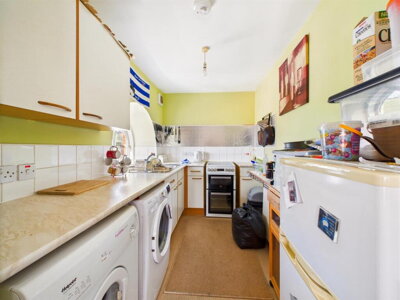
Browse 1 home for sale in Llansantffraid, Powys from local estate agents.
Studio apartments feature open-plan living spaces without separate bedrooms, incorporating sleeping, living, kitchen, and bathroom facilities. The Llansantffraid studio market includes properties in modern apartment complexes, converted Victorian and Georgian buildings, and purpose-built developments.
£0k
0
0
0
Source: home.co.uk
Showing 0 results for Studio Flats for sale in Llansantffraid, Powys.
The Llansantffraid property market reflects the character of this rural Powys village, with a housing mix that includes traditional stone cottages, Victorian and Edwardian semis, and more recent developments. Our listings show detached properties averaging £280,000, semi-detached homes at around £195,000, and terraced properties from £165,000, providing options across different budgets and family sizes. Over the past 12 months, property prices in the area have shown a modest decline of 1.1%, creating potential opportunities for buyers seeking value in the Mid Wales property market while the underlying demand for rural village properties remains steady.
New build activity in Llansantffraid includes The Meadows development by Primesave Properties, offering 3 and 4-bedroom detached and semi-detached homes from £219,950. This development at SY22 6AQ provides modern specifications within the village boundary, appealing to buyers who prefer the guarantees and energy efficiency of new construction. Mid Wales Housing Association also delivers the Maes-y-Llan scheme at SY22 6AA, providing essential affordable housing options including 1 and 2-bedroom bungalows and family homes for those seeking more modest accommodation or downsizing opportunities.
The local housing stock spans several construction eras, with a significant proportion of properties built before 1945 using traditional methods. Many older homes feature solid stone walls with lime mortar pointing, original timber elements, and slate roofing that characterise the village's built environment. Properties from the mid-century period often incorporate cavity wall construction and concrete tiles, while post-1980 homes meet modern building standards. This variety means buyers should consider property age carefully when assessing maintenance requirements and potential renovation projects.

Llansantffraid-ym-Mechain serves as a welcoming community hub for approximately 1,029 residents across the surrounding rural area, offering a genuine sense of village life that larger towns cannot replicate. The community maintains several essential services including Llansantffraid C.P. School, a local shop, and the village pub, while larger facilities in Welshpool provide access to supermarkets, healthcare, and retail therapy. The stunning Mechain valley scenery surrounds the village, with the River Vyrnwy flowing through and offering fishing rights, riverside walks, and wildlife observation opportunities throughout the year.
The local economy draws from agriculture, tourism, and services, with many residents commuting to employment centres in Welshpool, Oswestry, and Shrewsbury for broader career opportunities. Agriculture remains significant in the surrounding rural Montgomeryshire area, while tourism benefits from the village's proximity to Lake Vyrnwy and the Glyndŵr's Way National Trail. Weekend markets in Welshpool and annual community events foster the strong social connections that define rural Welsh village living, with the village hall hosting regular activities for all ages.
The village architecture reflects its historical roots, with St Ffraid's Church (Grade II*) standing as the architectural centrepiece alongside various listed farmhouses and cottages built from local Montgomeryshire stone. Properties throughout the village demonstrate traditional Welsh building techniques, with rendered stone walls and natural slate roofing common features. The absence of a designated conservation area does not diminish the architectural quality of the village centre, where several historic properties contribute to the attractive street scene that appeals to buyers seeking period character.

Families considering Llansantffraid will find Llansantffraid C.P. School serving the village and surrounding area as the primary educational establishment, providing education for children from reception through to Year 6. The school operates within Powys County Council's education framework, with approximately 430 households in the community meaning the school serves a focused catchment area. Secondary education is typically accessed at Welshpool High School in Welshpool or at establishments in Oswestry for those living near the border, with school transport arrangements varying based on catchment boundaries.
Parents should verify current catchment areas and admissions policies with Powys County Council before purchasing property, as these boundaries can affect school placement eligibility. The admissions process considers catchment proximity, sibling connections, and other criteria set by the local education authority, making early verification essential for families with school-age children. Welshpool High School provides secondary education for most Llansantffraid residents, with the journey requiring bus transport along the A495 corridor.
For families seeking faith-based education or independent schooling, options exist within commuting distance in towns like Shrewsbury and Newtown. The nearest further education colleges are located in Newtown and Shrewsbury, providing A-levels, vocational qualifications, and higher education pathways for older students. Extra-curricular activities are well-supported in the village, with youth clubs, sports teams, and community groups complementing academic education and helping children develop friendships and skills outside the classroom. Parents moving to Llansantffraid from urban areas may find the smaller scale of local education an advantage, with closer teacher-pupil relationships and stronger community connections.

Transport connections from Llansantffraid centre travellers via the A495 road, which provides direct access to Welshpool approximately 8 miles away where the Cambrian Line railway station offers services to Shrewsbury, Birmingham, and the Welsh coast. The journey to Welshpool takes around 20 minutes by car, while reaching Oswestry requires approximately 25 minutes, and Shrewsbury is accessible within 45 minutes via the A483. These connections make Llansantffraid practical for those who work in larger towns but wish to enjoy rural village living without the daily stress of long urban commutes.
Bus services operate along the A495 corridor, connecting Llansantffraid with surrounding villages and Welshpool, though service frequency is limited compared to urban areas, making car ownership practically essential for most residents. The Welshpool railway station provides connections to regional and national rail networks, with services to Shrewsbury connecting to Birmingham, Manchester, and London. For air travel, Liverpool John Lennon Airport and Manchester Airport are within reasonable driving distance, offering international destinations for business and leisure travel.
The surrounding Montgomeryshire countryside offers excellent opportunities for cycling and walking, with quiet country lanes providing scenic routes for leisure cycling throughout the Mechain valley. Lake Vyrnwy scenic drives attract visitors from across the region, while the proximity to Glyndŵr's Way National Trail provides access to long-distance walking routes. However, commuters cycling to Welshpool or beyond requires careful route planning and appropriate fitness levels, as the A495 does not have dedicated cycling infrastructure throughout.

Spend time exploring Llansantffraid at different times of day and week before committing to a purchase. Visit local amenities including the village shop, pub, and primary school to understand practical daily life. Check journey times to your workplace in Welshpool, Oswestry, or Shrewsbury, and speak with residents about village life and any concerns about flooding or rural living. Understanding the community feel and practical logistics helps confirm whether this Powys village suits your lifestyle and employment requirements.
Speak with lenders about your borrowing capacity before viewing properties in Llansantffraid. An agreement in principle strengthens your position when making offers and demonstrates to sellers that you have financing secured. Multiple quote services help you compare rates and find the most suitable mortgage product for your circumstances, with current rates available from various providers. Given the rural nature of the village, some lenders may have different criteria for properties near flood risk areas, so discussing these considerations early is advisable.
View multiple properties across different price ranges and property types in Llansantffraid to build a clear picture of what your budget achieves in this local market. Consider how each home meets your requirements for space, condition, and character, paying particular attention to the construction type and age of properties you view. Older properties featuring traditional stone walls and slate roofs may require more maintenance but offer traditional features and solid construction that newer homes lack. Newer properties at developments like The Meadows provide modern standards, warranties, and energy efficiency that can reduce ongoing maintenance costs.
Commission a RICS Level 2 Survey for properties over 50 years old or where concerns arise from the inspection. Given many Llansantffraid properties feature traditional construction with stone walls and slate roofs, a professional survey identifies any structural issues, damp, or timber defects before you commit to purchase. Our surveyors are experienced with local construction methods and can advise on appropriate repairs using traditional materials where required. Survey costs typically range from £400 to £800 depending on property size and complexity, with larger detached homes commanding higher fees.
Choose a solicitor experienced in Welsh property transactions to handle the legal work for your Llansantffraid purchase. They will conduct local searches including drainage and environmental searches, review contracts, and coordinate with your lender to ensure the transaction progresses smoothly through to completion. Given the rural location and presence of listed buildings in the village, your solicitor should also check for any relevant consents or restrictions that may affect the property. Search costs typically range from £200 to £400, with solicitor fees varying based on transaction complexity.
Once all searches are satisfactory and financing is confirmed, you will exchange contracts and pay your deposit, typically 10% of the purchase price. Completion follows, typically within weeks, when you receive the keys and take ownership of your new Llansantffraid home. Your solicitor will notify Land Registry and arrange the transfer of utility accounts to your name. Moving day logistics require careful planning given the rural location, with removal companies potentially charging premium rates for access to mid-Wales villages.
Flood risk requires careful consideration when purchasing in Llansantffraid, as the village sits on the River Vyrnwy floodplain and has experienced significant flooding events historically. The village's location on the river means properties near the watercourse face higher flood risk, with surface water flooding also occurring in low-lying areas where drainage capacity may be exceeded during heavy rainfall. Request any flood risk assessments from vendors, check the property's past flood history through the EA Flood Map, and ensure adequate flood resilience measures are in place. Properties near the river may face higher insurance premiums or difficulty obtaining mortgages without specialist insurers, so factor these potential costs into your decision.
The presence of listed buildings throughout Llansantffraid means that if your purchase involves a Grade II or Grade II* listed property such as St Ffraid's Church or one of the historic farmhouses, you will need to obtain Listed Building Consent for most alterations or improvements. These properties often require specialist surveys and maintenance using traditional materials and methods, which can increase ongoing costs compared to standard construction. Check whether your chosen property falls within any areas of architectural significance and budget accordingly for any planned works. Our surveyors can advise on listed building considerations during the inspection process.
Many properties in Llansantffraid feature traditional construction including solid stone walls built with local Montgomeryshire stone, lime mortar pointing, and original timber elements that require specific knowledge to maintain correctly. The local geology comprises Silurian mudstones and sandstones with superficial glacial till deposits along the river valley, meaning shrink-swell clay risk is generally low away from areas with significant clay-rich deposits. Verify the condition of slate roofs, timber windows, and any original features you value, watching for signs of slipped slates, timber decay, or deteriorating mortar. Properties that have been updated to meet modern standards for insulation and energy efficiency may have lower running costs than those still relying on original construction methods.

Properties in Llansantffraid dating from before 1945 often display characteristics common to traditional Welsh rural construction that buyers should understand before purchasing. Solid stone walls without cavity insulation can be susceptible to penetrating damp, particularly where render has trapped moisture or where lime mortar pointing has deteriorated and requires repointing. Our surveyors check for these issues during inspections and can advise on appropriate remedies using breathable materials suitable for traditional construction.
Slate roofs on older properties throughout the village may show signs of deterioration including slipped or broken slates, failed flashings, and deterioration of associated timber work. The freeze-thaw cycles experienced in the Mid Wales climate can accelerate deterioration of older roofing materials, making roof condition assessment essential for any pre-war property. Properties with original timber windows may require restoration or replacement, with double-glazing retrofits requiring care to maintain the character of period properties.
Damp and timber defects remain common concerns in older rural properties, with rising damp affecting some properties lacking modern damp-proof courses and penetrating damp occurring where wall integrity has been compromised. Woodworm and other timber defects can affect structural elements including floor joists, roof timbers, and window frames, particularly where moisture has been present. Electrical wiring and plumbing in properties built before the 1980s may require updating to meet current standards, with consumer unit replacements and rewire costs forming part of renovation budgets for older properties. Asbestos-containing materials may be present in properties built before 2000, requiring specialist identification and removal by licensed contractors.

The average house price in Llansantffraid stands at approximately £230,230, based on recent Rightmove sales data covering the past 12 months. Detached properties average around £280,000, semi-detached homes at £195,000, and terraced properties from £165,000, with prices influenced by location within the village, property condition, and proximity to the River Vyrnwy. Over the past 12 months, prices have shown a modest 1.1% decrease, reflecting a stable market in this rural Powys village despite wider national fluctuations. New build properties at The Meadows development by Primesave Properties start from £219,950 for 3 and 4-bedroom homes, offering modern specifications at competitive prices compared to period properties of similar size.
Properties in Llansantffraid-ym-Mechain fall under Powys County Council's jurisdiction and are subject to council tax based on their bandings from A to H. Specific bandings vary by property based on assessed value, with smaller terraced cottages and 1-bedroom bungalows typically in Bands A to C (currently £1,000 to £1,400 per year), and larger detached family homes in Bands D to F (currently £1,500 to £2,200 per year). You can check the exact council tax band for any specific property through the Valuation Office Agency website using the property address or postcode SY22.
Llansantffraid C.P. School serves the village as the local primary school, providing education for children aged 4 to 11 within the Powys education system and serving the community catchment area around the village. Secondary education is accessed at Welshpool High School in Welshpool or at establishments in Oswestry for those living near the Shropshire border, with catchment areas determining placement eligibility. Parents should verify school catchment boundaries with Powys County Council before purchasing property, as catchment area changes can affect school placement for families with children already enrolled.
Llansantffraid has limited public transport options, with bus services connecting the village to Welshpool and surrounding communities along the A495 corridor, though service frequency is significantly reduced compared to urban areas. The nearest railway station is Welshpool, approximately 8 miles away, offering Cambrian Line services to Shrewsbury with connections to Birmingham and beyond. Most residents rely on private vehicles for daily commuting and essential travel, making car ownership practically necessary for most households in this rural Powys location.
Llansantffraid offers potential for property investment, particularly given the limited new housing supply in rural Powys and the ongoing demand from buyers seeking village lifestyles within commuting distance of employment centres. The Maes-y-Llan affordable housing development by Mid Wales Housing Association indicates continued local demand, while the village's Mechain valley setting and character appeal to those prioritising quality of life over urban convenience. Properties near the river require careful consideration regarding flood risk, which can affect future resale values and insurability, so flood resilience measures should factor into any purchase decision.
Stamp Duty Land Tax applies to property purchases in Llansantffraid at standard England and Wales rates. For properties purchased at the current average price of £230,230, a buyer moving from another property would pay approximately £2,116 in SDLT, calculated on the portion above £250,000 at 5%. First-time buyers purchasing properties up to £425,000 may qualify for relief, reducing costs significantly on a typical Llansantffraid property. Above £625,000, first-time buyer relief does not apply, and standard SDLT rates prevail for the portion between £625,001 and £925,000 at 10% and above £925,000 at 12%.
Llansantffraid-ym-Mechain sits on the River Vyrnwy floodplain, meaning properties close to the river face the highest flood risk from river flooding during periods of heavy rainfall upstream. The village has experienced significant flooding events in the past, with the most severe events causing damage to properties in low-lying areas near the watercourse. Surface water flooding can also occur in areas where drainage systems are overwhelmed during exceptional rainfall events. Before purchasing any property in Llansantffraid, we recommend checking the Environment Agency flood risk maps, requesting any flood history information from current owners, and considering the potential impact on buildings insurance premiums.
From 4.5% APRC
Compare mortgage deals from leading lenders for your Llansantffraid purchase
From £499
Expert solicitors handling your Llansantffraid property transaction
From £400
Professional property survey covering common defects in Llansantffraid homes
From £85
Energy performance certificate for your new Llansantffraid home
Purchasing a property in Llansantffraid involves several costs beyond the purchase price, with Stamp Duty Land Tax being a significant consideration for most buyers. At current SDLT rates, buyers pay nothing on the first £250,000 of the purchase price, then 5% on the portion between £250,001 and £925,000. For a typical Llansantffraid property averaging £230,230, a buyer who already owns property would pay approximately £2,116 in stamp duty, while first-time buyers may pay around £1,161 or potentially nothing if purchasing within the relief threshold.
Additional buying costs include solicitor fees for conveyancing, typically ranging from £500 to £1,500 depending on complexity and whether any title issues require additional work. Search costs for drainage checks, environmental searches, and local authority enquiries usually add £200 to £400 to your legal costs. Survey costs for a RICS Level 2 Survey on a Llansantffraid property typically range from £400 to £800 depending on property size, age, and construction type. Given many village properties feature traditional stone construction and slate roofs, a thorough survey is particularly valuable to identify any structural concerns or maintenance requirements before completion.
Mortgage arrangement fees, valuation fees, and land registry registration costs add further expenses to your budget, so planning for approximately £3,000 to £5,000 in addition to your deposit and stamp duty is prudent for most buyers. Buildings insurance should be arranged from the point of exchange, with premiums potentially higher for properties near flood risk areas or those with thatched roofs. Removal costs for moving to a rural village location may also exceed urban quotes due to the distance involved and potential access constraints for larger vehicles.
Properties for Sale In London

Properties for Sale In Plymouth

Properties for Sale In Liverpool

Properties for Sale In Glasgow

Properties for Sale In Sheffield

Properties for Sale In Edinburgh

Properties for Sale In Coventry

Properties for Sale In Bradford

Properties for Sale In Manchester

Properties for Sale In Birmingham

Properties for Sale In Bristol

Properties for Sale In Oxford

Properties for Sale In Leicester

Properties for Sale In Newcastle

Properties for Sale In Leeds

Properties for Sale In Southampton

Properties for Sale In Cardiff

Properties for Sale In Nottingham

Properties for Sale In Norwich

Properties for Sale In Brighton

Properties for Sale In Derby

Properties for Sale In Portsmouth

Properties for Sale In Northampton

Properties for Sale In Milton Keynes

Properties for Sale In Bournemouth

Properties for Sale In Bolton

Properties for Sale In Swansea

Properties for Sale In Swindon

Properties for Sale In Peterborough

Properties for Sale In Wolverhampton

Enter your details to see if this property is within your budget.
Loans, cards, car finance
Estimated property budget
Borrowing + deposit
You could borrow between
Typical borrowing
Monthly repayment
Est. at 4.5%
Loan-to-value
This is an estimate only. Your actual budget may vary depending on interest rates, credit history, and personal circumstances. For an accurate affordability assessment, speak to one of our free mortgage advisors.
This calculator provides estimates for illustrative purposes only and does not constitute financial advice. Your home may be repossessed if you do not keep up repayments on your mortgage. Estimates based on 4.5% interest rate, repayment mortgage. Actual rates depend on your circumstances.
Homemove is a trading name of HM Haus Group Ltd (Company No. 13873779, registered in England & Wales). Homemove Mortgages Ltd (Company No. 15947693) is an Appointed Representative of TMG Direct Limited, trading as TMG Mortgage Network, which is authorised and regulated by the Financial Conduct Authority (FRN 786245). Homemove Mortgages Ltd is entered on the FCA Register as an Appointed Representative (FRN 1022429). You can check registrations at NewRegister or by calling 0800 111 6768.

We use cookies to show you personalised content and improve your experience of our website. Find out more in our Privacy policy and Cookie policy.