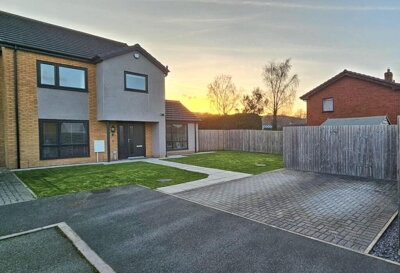
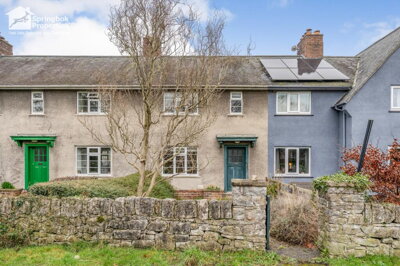
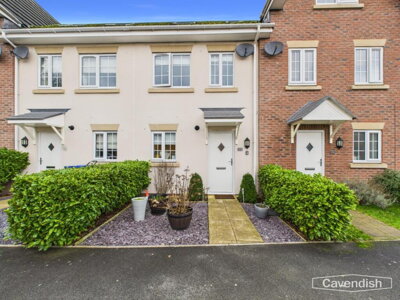
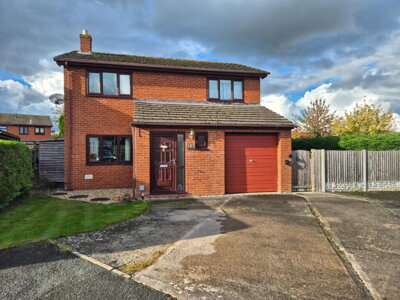
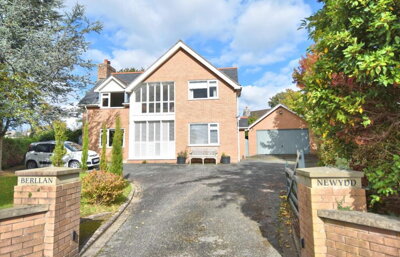
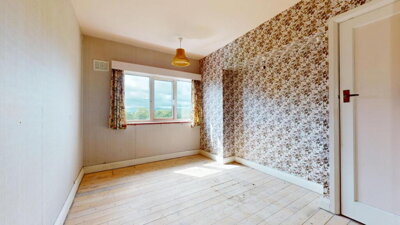
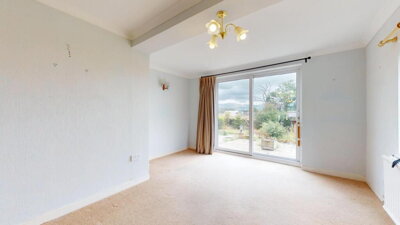
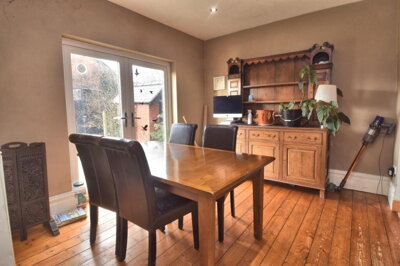
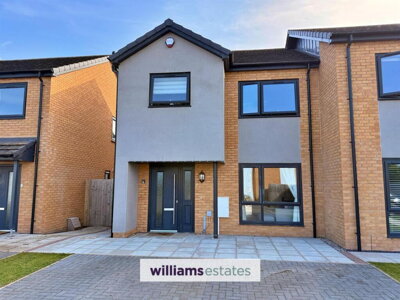
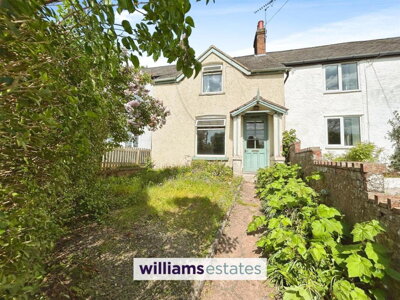
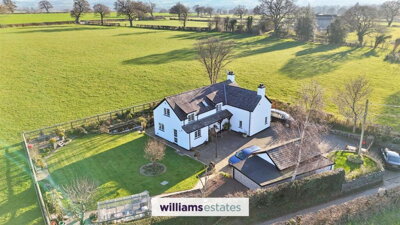
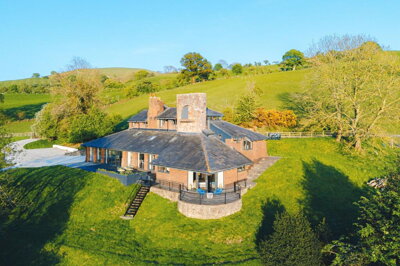
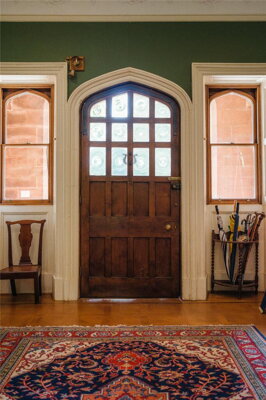
Browse 21 homes for sale in Llangynhafal, Denbighshire from local estate agents.
£635k
5
0
258
Source: home.co.uk
Source: home.co.uk
Detached
2 listings
Avg £750,000
Barn Conversion
1 listings
Avg £500,000
Detached Bungalow
1 listings
Avg £680,000
House
1 listings
Avg £635,000
Source: home.co.uk
Source: home.co.uk
The Woodton property market has demonstrated impressive growth momentum, with the average house price currently standing between £373,750 and £532,000 depending on the data source consulted. OnTheMarket and Zoopla report an average of £532,000 for properties sold in the village over recent months, while Rightmove figures suggest a more conservative £373,750 average over the twelve-month period. The discrepancy reflects the mix of property types traded and the relatively low transaction volumes typical of smaller rural villages, where individual high-value sales can significantly influence headline averages.
Property type significantly influences pricing in Woodton, with detached homes commanding premium values of approximately £462,500 on average. Semi-detached properties typically sell for around £320,000, offering excellent value for families seeking generous accommodation without the higher costs associated with fully detached homes. Terraced properties provide the most affordable entry point at approximately £250,000, though these homes represent a smaller portion of available stock. The market shows a positive trajectory, with OnTheMarket noting significant rises in sold prices over the past year, though prices remain approximately 25% below the 2022 peak of £496,250, potentially creating opportunities for buyers who act decisively.
New build activity continues to enhance the village's housing offer, with exclusive small village developments bringing contemporary family homes to the area. Zoopla listings reference executive-style four-bedroom detached family homes within exclusive developments, alongside brand new high specification residences that appeal to buyers seeking modern construction methods and energy efficiency. While specific developer information for these developments remains limited, the presence of new build stock indicates continued investment in the village and options for buyers who prefer move-in-ready properties over renovation projects.
The Norfolk property market as a whole experienced a 2% decline in average prices over the twelve months from January 2025 to December 2025, with county-wide sales volumes dropping by 14.1% representing approximately 2,000 fewer transactions. However, Woodton's 14% annual price increase positions the village as an outperformer within the regional market, suggesting strong fundamental demand for village properties in this particular South Norfolk location. This performance differential indicates that buyers recognise the premium quality of life and investment characteristics that Woodton offers compared to broader Norfolk averages.

Woodton embodies the essence of quintessential English village life, offering residents a peaceful rural existence within easy reach of essential amenities. As a civil parish in South Norfolk, the village maintains a strong sense of community identity while benefiting from proximity to the larger market town of Bungay. The settlement's rural economy likely reflects traditional influences from agriculture alongside local service provision, with residents enjoying the lifestyle benefits that come from village living without complete isolation from urban conveniences.
The housing stock in Woodton reflects its historical heritage, with properties spanning multiple architectural periods from Georgian and Victorian cottages through to mid-twentieth century construction and contemporary developments. The presence of Grade II listed thatched houses in the village adds significant character and charm, showcasing traditional building techniques that have endured for generations. These historic properties often feature characteristic brick, timber, and thatch construction, materials that contribute to the village's distinctive appearance and which buyers should factor into ongoing maintenance considerations.
The village setting within South Norfolk provides attractive rolling countryside views and excellent walking opportunities, appealing to those who value outdoor recreation and connection with natural landscapes. The surrounding Norfolk countryside offers numerous public footpaths and bridleways that connect Woodton to neighbouring villages including Bedingham and Pulham St Mary, creating excellent options for countryside walks without requiring car travel. The proximity to the Broads National Park to the northeast provides additional recreational opportunities including boating, wildlife watching, and coastal access within reasonable driving distance.
Local amenities within and near Woodton include traditional pub establishments, village hall facilities, and access to everyday services in nearby Bungay. The market town of Bungay, approximately five miles to the southeast, offers comprehensive shopping facilities including independent retailers, restaurants, and professional services that serve the wider surrounding area. This combination of village tranquility and practical access to urban amenities represents a key factor in Woodton's continued appeal to buyers seeking the best of both settings within South Norfolk.

Families considering a move to Woodton will find educational provision available through nearby settlements, with primary schooling accessible in the surrounding villages and the market town of Bungay. The rural nature of South Norfolk means that school catchment areas can extend across wider geographic areas than urban settings, and prospective buyers should verify specific school allocations with Norfolk County Council before committing to a purchase. State primary schools in the vicinity typically serve pupils from reception through to Year 6, providing essential early years and Key Stage 1-2 education within manageable travelling distance.
Primary schools in the Bungay area include St Mary's Junior School and Archbishop Sancroft High School, which serves secondary students from across the surrounding villages including Woodton. These establishments provide education for pupils from Year 7 through to Sixth Form, offering comprehensive secondary curriculum within daily commuting distance of the village. The wider South Norfolk area includes additional primary schools in villages such as Pulham Market and Harleston, providing options for families seeking alternatives to the immediate local provision.
Norfolk maintains a selective education system, with grammar schools available in certain areas for academically capable students who pass entrance examinations. Schools in Norwich and other larger towns provide options for families prioritising selective education, though these typically require longer daily journeys from Woodton. Parents should research specific school performance data, including recent Ofsted inspection outcomes and public examination results, to identify the most suitable educational options for their children before committing to a property purchase in the village.
Further and higher education opportunities are accessible through sixth form colleges and further education establishments in larger Norfolk towns including Norwich, which offers comprehensive university-level provision and vocational training courses. Norwich is home to the University of East Anglia and Norwich University of the Arts, alongside further education colleges providing vocational pathways. The proximity of Norwich, approximately 15-20 miles from Woodton, ensures that older students have access to diverse educational pathways without necessarily requiring relocation to the city. For families prioritising educational provision, the availability of good schools within daily commuting range of Woodton represents a significant factor in the village's appeal to family buyers.
Transport connectivity from Woodton relies primarily on road infrastructure, with the village positioned northwest of Bungay and accessible via local roads connecting to the wider Norfolk road network. The A146 provides an important arterial route through the area, linking Bungay with Norwich and Lowestoft, while smaller country lanes serve inter-village connections. Driving remains the dominant transport mode for residents accessing employment, shopping, and services throughout South Norfolk and beyond.
Bus services operated by various providers including First Group and local operators connect Woodton with Bungay and surrounding villages, though frequencies are limited compared to urban services. Route 61 and similar services provide connections to Bungay market town, where residents can access additional onward connections to Norwich and other Norfolk towns. These rural bus services typically operate on two-hourly or less frequent schedules that suit occasional journeys rather than daily commuting requirements.
Public transport options in rural villages like Woodton are naturally more limited than urban alternatives, with bus services typically operating on less frequent schedules that may not align with traditional working patterns. The nearest railway stations are located in larger towns, with Norwich offering the most comprehensive rail connections including East Anglian services to London Liverpool Street, with journey times of approximately two hours. Diss station on the East Anglian main line provides an alternative rail access point for Woodton residents, offering similar connections with potentially shorter road transfer distances.
The proximity of Woodton to Bungay provides convenient access to local services without requiring journeys to larger centres, reducing dependence on car travel for everyday needs. The market town offers essential shopping, healthcare facilities including GP surgeries and pharmacies, and recreational amenities within approximately five miles, representing manageable driving distance for most purposes. For residents working in Norwich, the city lies approximately 15-20 miles east of Woodton, with typical journey times of 30-40 minutes by car depending on traffic conditions and specific destination within the city. Commuters should factor in the practical requirements of car ownership when considering a move to Woodton, while appreciating that the village's peaceful setting more than compensates for reduced public transport frequency.
Spend time exploring available properties in Woodton and neighbouring villages to understand pricing, property types, and typical asking prices. Consider engaging with local estate agents who have specialist knowledge of the South Norfolk market and can alert you to new listings before they appear on major portals. Our platform aggregates listings from multiple sources including Rightmove, Zoopla, and OnTheMarket to provide comprehensive market coverage.
Before arranging viewings, obtain a mortgage agreement in principle from a lender to confirm your borrowing capacity and strengthen your position when making offers. Having finance in place demonstrates serious intent to sellers and their agents, particularly important in sought-after villages where properties may attract multiple interested parties. Several mortgage brokers operate across Norfolk and can provide specialist advice on rural property borrowing requirements.
Visit properties that match your criteria, assessing not only the accommodation itself but also the surrounding neighbourhood, nearby amenities, and travel times to work and services. Take notes and photographs to help compare properties later, and don't hesitate to arrange second viewings of particularly promising homes. For period properties in Woodton, pay particular attention to construction materials, roof condition, and signs of damp or structural movement that may require remedial work.
For properties over 50 years old, which represent a significant proportion of Woodton's housing stock, a Level 2 Survey provides essential inspection of construction, condition, and potential defects. The presence of period cottages dating back to 1845, listed buildings, and thatched properties means professional survey advice is particularly valuable before committing to purchase. Our team offers competitive RICS Level 2 Survey pricing starting from £350, with experienced surveyors who understand local construction methods.
Appoint a solicitor with experience handling rural property transactions to manage legal work, searches, and contract negotiation. Local knowledge of Norfolk properties and common issues in South Norfolk can prove invaluable during the conveyancing process, particularly for non-standard construction or listed properties. Conveyancing services are available from £499 through our recommended providers.
Once all surveys, searches, and mortgage arrangements are satisfactory, proceed to exchange contracts and pay your deposit. Completion typically follows within days or weeks, at which point you receive the keys and take ownership of your new Woodton home. Our conveyancing partners will guide you through the final stages, ensuring all documentation is completed correctly and funds are transferred securely.
Purchasing property in a village like Woodton requires attention to specific local factors that may not arise in urban property transactions. The age of many properties means that traditional construction methods, including potential presence of asbestos in properties built before the 1980s, should be considered during survey and renovation planning. Older properties in South Norfolk commonly feature solid wall construction rather than cavity insulation, which affects thermal performance and may require specialist damp assessment. A thorough RICS Level 2 Survey will identify these construction characteristics and flag any maintenance concerns.
Buyers should verify the presence of traditional features such as thatch roofing on listed properties, understanding that specialist maintenance skills and potentially Listed Building Consent may be required for alterations. Grade II listed properties in Woodton are protected under planning legislation, meaning exterior modifications, extensions, and even some internal alterations require approval from South Norfolk Council planning department. These restrictions preserve property character but add complexity to renovation projects that buyers should understand before purchase.
Flood risk assessment deserves attention despite the village's inland position within South Norfolk, as properties in rural Norfolk locations can occasionally face surface water or groundwater issues during periods of heavy rainfall. While specific flood risk data for Woodton was not detailed in available research, buyers should request drainage surveys for properties in low-lying positions or those with known historical water ingress. Comprehensive building surveys should include evaluation of drainage, roofing condition, and any signs of damp or water ingress, particularly in period properties with solid walls rather than cavity construction.
Tenure arrangements require careful verification, with freehold properties predominating in rural villages but leasehold arrangements occasionally encountered in newer developments or converted properties. Service charges and ground rent obligations on leasehold homes should be clearly understood before purchase, with lease terms and remaining duration reviewed by your solicitor. The presence of new build developments in the village means some properties will carry remaining NHBC or similar warranty coverage, providing protection against structural defects on recently constructed homes. Buyers of newer properties should request warranty documentation and verify that any completed snagging issues are addressed before completion.
Average house prices in Woodton currently range from £373,750 according to Rightmove data over the past year to approximately £532,000 based on OnTheMarket and Zoopla figures. The variation reflects different methodologies and the mix of properties sold, with detached homes averaging around £462,500 and semi-detached properties at approximately £320,000. Prices have risen 14% over the past year, though they remain around 25% below the 2022 peak of £496,250, suggesting potential value opportunities for buyers who act before the market fully recovers.
Properties in Woodton fall under South Norfolk Council for council tax purposes, with specific bands ranging from A through to H depending on property value and type. Band A properties typically attract charges of around £1,200-1,400 per year, while higher band properties proportionately increase. Prospective buyers should verify the specific council tax band of any property they are considering, as this forms part of the ongoing cost of ownership alongside mortgage payments, utilities, and maintenance.
Primary education is available through schools in nearby villages and Bungay, with families advised to verify specific catchment areas and admission arrangements with Norfolk County Council. St Mary's Junior School and Archbishop Sancroft High School serve secondary students from across the surrounding villages including Woodton. School performance data and recent Ofsted inspections should be researched to identify the most suitable options for your children before committing to a property purchase.
Public transport connectivity in Woodton reflects its rural village location, with limited bus services including Route 61 operating on frequencies suited to occasional rather than daily commuting use. The nearest railway stations are located in larger towns, with Norwich providing comprehensive rail connections including services to London Liverpool Street taking approximately two hours. Diss station provides an alternative rail access point with similar connections to London. Residents generally require car ownership for practical daily transportation, though the village setting reduces dependence on travel compared to more isolated rural locations.
Woodton offers several factors that may appeal to property investors, including the village's desirable rural location, strong community atmosphere, and proximity to the market town of Bungay. The 14% annual price increase demonstrates market strength, while demand for quality homes in South Norfolk suggests potential for continued appreciation. However, rural village properties may experience longer marketing periods than urban equivalents, and investors should consider rental demand, void periods, and maintenance requirements for period properties before committing investment capital.
Stamp duty land tax applies to property purchases in England, with current thresholds starting at 0% for properties up to £250,000 for standard buyers. Properties priced between £250,000 and £925,000 attract 5% duty on the amount exceeding £250,000, with higher rates applying to more expensive properties. For a typical Woodton property at £400,000, this results in SDLT of £7,500. First-time buyers benefit from relief on purchases up to £625,000, with 0% payable on the first £425,000 and 5% on the remainder. Your solicitor will calculate the exact SDLT liability based on your circumstances and the property price.
Woodton offers a diverse range of property types including detached family homes, semi-detached houses, terraced cottages, and new build properties within exclusive village developments. The village features period properties dating back to 1845, mid-twentieth century homes built around 1971, and contemporary constructions, providing options across different architectural styles and price points. Grade II listed thatched properties add character to the housing stock, though these may require specialist maintenance and consent for alterations. Detached properties dominate the available stock, reflecting the village's prosperous character and generous plot sizes typical of South Norfolk residential development.
Woodton contains Grade II listed thatched properties that are protected under planning legislation, indicating the presence of historically significant buildings within the village. These listed properties showcase traditional Norfolk construction techniques including brick, timber, and thatch materials that contribute to the village's distinctive character. Buyers considering listed properties should budget for specialist maintenance requirements and obtain Listed Building Consent for any works affecting the building's character or structure. South Norfolk Council planning department administers these designations and can provide guidance on permitted development rights and application procedures for listed properties.
The property buying process in Woodton typically takes between eight and twelve weeks from offer acceptance to completion, though this can vary depending on mortgage lender requirements, solicitor availability, and whether the property is freehold or leasehold. Chain-free transactions can sometimes complete more quickly, while purchases involving chains or complex legal issues may require additional time. Key stages include mortgage application, survey commissioning, local authority searches, exchange of contracts, and final completion. Our recommended conveyancing solicitors have experience handling South Norfolk property transactions and can provide more accurate timelines based on individual circumstances.
From 4.5%
Specialist mortgage advice for Woodton buyers from local brokers
From £499
Experienced property solicitors handling Norfolk transactions
From £350
Professional surveys for Woodton properties
From £60
Energy performance certificates for all properties
Understanding the full costs of purchasing property in Woodton extends beyond the asking price to encompass stamp duty, legal fees, survey costs, and moving expenses. For a property priced at the village average of approximately £400,000, a standard buyer would pay SDLT at 5% on the amount above £250,000, resulting in liability of £7,500. First-time buyers would benefit from relief on the first £425,000 of purchase price, eliminating SDLT entirely on qualifying purchases up to that threshold.
Additional purchase costs typically include solicitor fees for conveyancing, which generally range from £500 to £1,500 depending on complexity and whether the property is freehold or leasehold. A RICS Level 2 Survey costs from approximately £350 for a standard property, rising for larger homes or those requiring more detailed inspection due to property age or complexity. An Energy Performance Certificate is a mandatory requirement for all sales, available from certified assessors from around £60. Mortgage arrangement fees, typically 0-2% of the loan amount, should also be factored into the total cost calculation.
Ongoing costs of ownership in Woodton include mortgage repayments, buildings insurance, council tax, utility bills, and maintenance or service charge obligations. South Norfolk Council tax for band A properties costs approximately £1,200-1,400 annually, with higher bands proportionately more. Properties in new build developments may have annual service charges for communal maintenance, while period properties require budgeting for maintenance of traditional construction elements including thatch roofing, timber framing, and solid wall insulation. Factoring these ongoing costs into your affordability assessment ensures you can comfortably maintain your Woodton home for years to come.
Budgeting for unexpected repairs is particularly important for period properties in Woodton, where traditional construction methods may require specialist tradespeople and materials. Thatch roofing, for example, typically requires re-ridging every 10-15 years and full re-thatching every 30-40 years, representing significant expenditure that buyers should anticipate. Solid wall properties may benefit from external wall insulation or other thermal upgrade works that improve energy efficiency but require capital investment. Setting aside 1-2% of property value annually for maintenance and repairs represents prudent financial planning for village property owners.
Properties for Sale In London

Properties for Sale In Plymouth

Properties for Sale In Liverpool

Properties for Sale In Glasgow

Properties for Sale In Sheffield

Properties for Sale In Edinburgh

Properties for Sale In Coventry

Properties for Sale In Bradford

Properties for Sale In Manchester

Properties for Sale In Birmingham

Properties for Sale In Bristol

Properties for Sale In Oxford

Properties for Sale In Leicester

Properties for Sale In Newcastle

Properties for Sale In Leeds

Properties for Sale In Southampton

Properties for Sale In Cardiff

Properties for Sale In Nottingham

Properties for Sale In Norwich

Properties for Sale In Brighton

Properties for Sale In Derby

Properties for Sale In Portsmouth

Properties for Sale In Northampton

Properties for Sale In Milton Keynes

Properties for Sale In Bournemouth

Properties for Sale In Bolton

Properties for Sale In Swansea

Properties for Sale In Swindon

Properties for Sale In Peterborough

Properties for Sale In Wolverhampton

Enter your details to see if this property is within your budget.
Loans, cards, car finance
Estimated property budget
Borrowing + deposit
You could borrow between
Typical borrowing
Monthly repayment
Est. at 4.5%
Loan-to-value
This is an estimate only. Your actual budget may vary depending on interest rates, credit history, and personal circumstances. For an accurate affordability assessment, speak to one of our free mortgage advisors.
This calculator provides estimates for illustrative purposes only and does not constitute financial advice. Your home may be repossessed if you do not keep up repayments on your mortgage. Estimates based on 4.5% interest rate, repayment mortgage. Actual rates depend on your circumstances.
Homemove is a trading name of HM Haus Group Ltd (Company No. 13873779, registered in England & Wales). Homemove Mortgages Ltd (Company No. 15947693) is an Appointed Representative of TMG Direct Limited, trading as TMG Mortgage Network, which is authorised and regulated by the Financial Conduct Authority (FRN 786245). Homemove Mortgages Ltd is entered on the FCA Register as an Appointed Representative (FRN 1022429). You can check registrations at NewRegister or by calling 0800 111 6768.

We use cookies to show you personalised content and improve your experience of our website. Find out more in our Privacy policy and Cookie policy.