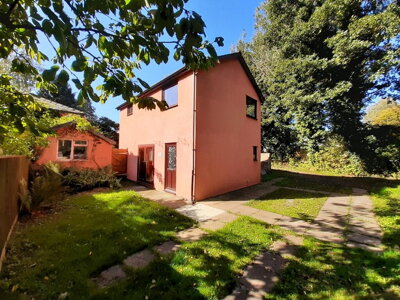
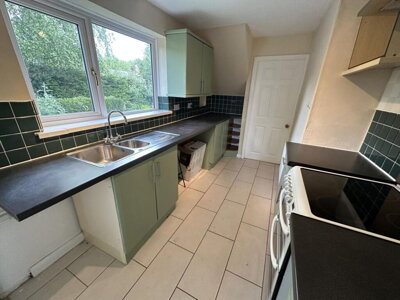
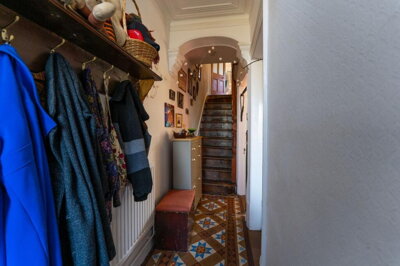
Browse 5 homes for sale in Llangors, Powys from local estate agents.
The 2 bed house market features detached, semi-detached, and terraced properties with two separate bedrooms plus living spaces. Properties in Llangors range from Victorian and Edwardian period homes to modern new builds, with pricing varying across different neighbourhoods.
£0k
0
0
0
Source: home.co.uk
Showing 0 results for 2 Bedroom Houses for sale in Llangors, Powys.
The Llangors property market reflects the character of this rural Brecon Beacons village, offering a distinctive range of property types that cater to different buyer needs. Detached homes dominate the local housing stock, commanding an average price of around £375,000 and providing generous gardens and countryside views that are highly sought after by families and retirees alike. These properties often feature traditional stone construction using local sandstone or limestone, reflecting the building heritage of the region and offering solid, characterful homes that stand the test of time. The village's position within the National Park means that many detached properties enjoy protected views across open countryside or towards Llangors Lake.
Semi-detached properties in Llangors typically sell for approximately £220,000, presenting a more accessible entry point to the local property market while still benefiting from the village's exceptional natural setting. Terraced cottages, averaging around £190,000, represent excellent value for first-time buyers or those seeking a manageable property in a truly beautiful location. The market has seen a slight softening of 1.5 percent over the past twelve months, suggesting balanced conditions where buyers can take time to find the right property without the pressure of rapidly escalating prices seen in more urban areas. This market equilibrium gives purchasers the opportunity to view multiple properties and make informed decisions based on quality rather than speed.
New build activity within the LD3 postcode area remains limited, with no active developments verified within Llangors itself. However, buyers seeking modern homes may find new build options in neighbouring towns such as Brecon or Crickhowell, where larger housing developments occasionally become available. The absence of new construction within the village has helped preserve the traditional character of Llangors, though it does mean that buyers should be prepared for the characteristically older housing stock that defines the area. Many properties in the village date from the pre-1919 period, featuring construction methods and materials that differ significantly from modern standards.

Life in Llangors revolves around the stunning natural landscape that surrounds this community of approximately 1,000 to 1,200 residents across 400 to 500 households. The village takes its name from Llangors Lake, a magnificent expanse of water that attracts sailors, kayakers, and wildlife enthusiasts throughout the year. The lake and its surrounding wetlands provide habitat for significant bird populations, including breeding ospreys that draw ornithologists from across the United Kingdom. This connection to nature defines daily life in the village, where morning walks along the lake shore and evening stargazing under dark skies are simply part of ordinary life.
The local economy centres on agriculture, tourism, and small-scale local businesses that serve both residents and visitors to the Brecon Beacons National Park. The village pub provides a focal point for community gatherings, while small shops and services meet everyday needs without requiring journeys to larger towns. The proximity to Brecon, approximately ten miles away, means that larger supermarkets, medical facilities, and additional shopping options remain within easy reach for those who need them. Many residents combine the peace of village life with commuting to work in Brecon or further afield in Abergavenny, taking advantage of the improved road connections via the A40.
Llangors contains several Listed Buildings that speak to its long history, including the Grade I listed St. Paulinus Church and numerous historic farmhouses and cottages scattered throughout the village. Living in Llangors means being part of a community that values its heritage while embracing contemporary rural life. The Brecon Beacons National Park designation means that planning controls protect the landscape and built environment, ensuring that future development enhances rather than diminishes the character that makes this village so appealing to buyers seeking an authentic Welsh countryside experience. These protections help maintain property values while preserving the village's essential character for future generations.

Properties in Llangors showcase the traditional building methods that have characterised this part of the Brecon Beacons for centuries. Local sandstone and limestone, quarried from the surrounding hills, form the foundation of most historic properties, creating walls that are typically solid construction rather than the cavity walls found in modern buildings. These traditional materials breathe naturally, regulating humidity levels within properties but also requiring different approaches to insulation and heating compared with newer construction. Understanding these construction methods helps buyers appreciate both the character and the practical considerations of owning an older property in the village.
Roof construction throughout Llangors predominantly features natural slate, either from local Welsh quarries or salvaged from earlier incarnations of the buildings themselves. Timber roof trusses, often hand-cut and assembled using traditional carpentry techniques, support these slate coverings. In older farmhouses and cottages, you may find collar beam roofs or cruck frames, which represent some of the oldest structural forms used in British domestic architecture. These traditional roof structures can contain significant amounts of hidden timber, which may be susceptible to woodworm or fungal decay if not properly maintained.
The foundations of Llangors properties reflect the local geology, with properties built on stable Old Red Sandstone or Carboniferous Limestone typically enjoying robust ground conditions. However, areas where glacial till deposits are present may have clay-rich soils that experience shrink-swell movement with changes in moisture content. This shrink-swell risk is particularly relevant for properties with nearby trees, whose roots can extract moisture from clay soils during dry periods, causing ground movement that affects foundations over time. A thorough survey before purchase will identify any signs of past movement and assess foundation conditions, which is especially important for older properties where original foundations may be shallow by modern standards.
Families considering a move to Llangors will find educational provision available within the village and the surrounding area, though options are necessarily limited by the rural nature of the community. Llangors Primary School serves the village and surrounding rural catchment, providing education for children from Reception through to Year 6. For secondary education, pupils typically travel to schools in nearby towns such as Brecon, where King Henry VIII School offers comprehensive secondary education, or to schools in Abergavenny for those living closer to that direction. The journey times involved mean that families should factor school transport arrangements into their planning when considering specific properties.
Parents should note that school catchment areas can significantly affect property values and buyer interest, with homes falling within desirable school zones commanding premium prices. Transport arrangements for secondary school pupils typically involve school buses that run from Llangors to nearby towns, though families should verify current arrangements and journey times when considering specific properties. The travel involved can mean early mornings for secondary pupils, particularly during winter months when dark mornings add to the challenge. Some families choose to base their property search on school catchment areas, prioritising proximity to bus routes or the optimal timing of school transport pickups.
For families with older children seeking sixth form education, Brecon College or the sixth form provision at secondary schools in Abergavenny offer further education opportunities within reasonable travelling distance. The rural setting of Llangors means that outdoor education forms a natural part of school life, with proximity to the Brecon Beacons providing exceptional opportunities for geography, biology, and physical education. Many families are drawn to the area precisely because of this connection to nature, where children can benefit from fresh air, open spaces, and a sense of community that smaller class sizes in village schools can provide. When purchasing property in Llangors, families should confirm current school admissions policies and any planned changes to school catchments or transport arrangements.
Transport connectivity from Llangors reflects its status as a small rural village within the Brecon Beacons National Park, with residents accustomed to planning journeys and appreciating the scenic routes that connect the village to larger centres. The nearest railway station is located in Abergavenny, approximately eighteen miles away, providing regular services to Cardiff, Bristol, and London Paddington for those who need to commute to major cities. This journey typically involves a drive or bus connection to the station, making car ownership practically essential for most residents. The Abergavenny line offers regular services throughout the day, connecting commuters to employment opportunities in larger cities while allowing them to enjoy rural village life.
For commuters working in Brecon, the journey of approximately ten miles takes around twenty to thirty minutes by car, following the A40 through attractive countryside. Many residents who work in Brecon find this an acceptable daily commute, particularly when contrasted with the pressures of city centre living. The A40 also provides access to the M50 and M4 motorway network for those travelling further afield, connecting Llangors to Bristol, Birmingham, and the national motorway network. The drive to the M4 at Newport takes approximately an hour, opening up wider employment opportunities for those willing to commute longer distances on an occasional basis.
Cycling is popular among residents for local journeys, with the relatively flat terrain around Llangors Lake and the surrounding lanes suitable for cyclists of various abilities. The Brecon Beacons themselves offer challenging routes for experienced cyclists, while the canal towpaths and quiet country lanes provide gentler options for family cycling. Parking in the village is generally straightforward, with most properties benefiting from driveways or garages, a significant advantage over urban living where parking can be a constant concern. The community's scale means that most everyday destinations, including the local shop, pub, and school, are accessible on foot or by bicycle for those who prefer to leave their cars at home.
Start by exploring current property listings in Llangors on Homemove, paying attention to price trends and property types. With average prices around £325,000 and limited new build options, understanding what is available will help you set realistic expectations and identify good value when it appears. Take time to understand the different property types available, from traditional stone farmhouses to more recent constructions, and consider which best suits your needs and budget.
Once you have identified properties of interest, arrange viewings through estate agents listing homes in Llangors. Viewing properties at different times of day will give you a better feel for the neighbourhood and its traffic patterns, noise levels, and overall atmosphere. Take notes and photographs to help compare properties later, and consider visiting the village at various times to understand what daily life would be like in different seasons and weather conditions.
Before making an offer, secure a mortgage agreement in principle from a lender. This demonstrates your financial readiness to sellers and estate agents, strengthening your position in negotiations. Homemove offers access to mortgage advisors who can help you find competitive rates suitable for rural properties. Having your financing arranged before making offers puts you in a strong position in what can be a competitive market.
Given that the majority of properties in Llangors are over fifty years old and built from traditional materials, a RICS Level 2 Survey is strongly recommended before completing your purchase. Expect to pay approximately £500 to £800 for a typical three-bedroom property. This survey will identify defects such as damp, roof issues, or structural movement common in older stone buildings, allowing you to make an informed decision and potentially negotiate repairs or price adjustments with the seller before completing.
Choose a conveyancing solicitor with experience handling rural property transactions, particularly those involving properties within National Parks or with Listed Building status. Your solicitor will handle searches, contracts, and the legal transfer of ownership. Homemove can connect you with conveyancing specialists who understand the nuances of buying in protected rural areas, including the additional planning searches that may be required for properties within the Brecon Beacons National Park.
Once all searches are satisfactory and financing is confirmed, you will exchange contracts and pay your deposit. Completion typically follows within weeks, after which you will receive the keys to your new home in Llangors. Plan your move carefully, particularly if you are moving from a distance, as logistics in rural areas require additional planning. Consider arranging utility connections, broadband installation, and any necessary home improvements well in advance of your move-in date.
Purchasing property in Llangors requires attention to several factors specific to this Brecon Beacons location, where the age of the housing stock and the National Park setting create both opportunities and considerations for buyers. Properties built from traditional stone, prevalent throughout the village, often feature solid walls without modern cavity insulation, which can affect energy efficiency and heating costs. The solid wall construction that gives these properties their traditional character also means that insulation improvements require careful consideration to avoid causing damage to historic fabric while still achieving reasonable energy performance. Buyers should assess the condition of roofs, many of which feature slate that may be original or salvaged, and enquire about recent maintenance history.
The geology of the Llangors area presents specific considerations for property buyers. The underlying Old Red Sandstone and Carboniferous Limestone geology, combined with glacial till deposits in some areas, creates conditions where clay-rich soils can experience shrink-swell movement. This risk is particularly relevant for properties with nearby trees or those built on or near areas of superficial deposits. A thorough survey will assess foundation conditions and identify any signs of past or present movement, providing valuable information before committing to purchase. Properties with mature trees nearby should be examined carefully, as root systems can affect ground conditions over time.
Flood risk requires careful evaluation when buying in Llangors, particularly for properties located near Llangors Lake or the Afon Llynfi watercourse. Properties close to water should be checked for Flood Risk Assessments and any history of flooding. Surface water flooding in low-lying areas can also occur during periods of heavy rainfall when ground becomes saturated. Additionally, the Brecon Beacons National Park designation imposes planning restrictions that affect what modifications owners can make to properties, a consideration particularly relevant for Listed Buildings or properties in sensitive locations. Buyers should verify permitted development rights and any planning conditions attached to properties of interest, as restrictions in National Parks can be more stringent than those applying in other areas.
The average property price in Llangors stands at approximately £325,000, based on recent market activity in the area. Detached properties command higher prices averaging around £375,000, while semi-detached homes typically sell for approximately £220,000 and terraced cottages for around £190,000. The market has shown a slight softening of 1.5 percent over the past twelve months, creating balanced conditions where buyers have time to make considered decisions rather than facing the intense competition typical of more urban markets. This price stability makes Llangors an attractive option for buyers who want to enter the property market without the pressure of rapid price escalation.
Properties in Llangors fall under Powys County Council administration, with council tax bands ranging from A through to H depending on property value and type. Rural properties in the village typically fall within bands A to D, reflecting the generally lower property values compared to urban centres. Most traditional stone cottages and smaller terraced properties fall into bands A or B, while larger detached family homes may be in bands C or D. Prospective buyers should check specific bandings for individual properties through the Valuation Office Agency website or request this information during the conveyancing process.
Llangors Primary School serves the village community for children aged four to eleven, offering education within the village itself and benefiting from smaller class sizes than many urban schools. Secondary education options include schools in Brecon such as King Henry VIII School, typically accessed via school transport arrangements that run daily from the village. For sixth form education, Brecon College and schools in Abergavenny provide further education opportunities within reasonable travelling distance. Parents should verify current catchment areas and admissions policies, as these can change and may significantly affect schooling options for their children depending on where specific properties fall within catchment boundaries.
Public transport options in Llangors are limited due to the rural nature of the village, with bus services operating at frequencies that make them impractical as a primary means of transport for most residents. The nearest railway station is in Abergavenny, approximately eighteen miles away, providing connections to major cities including Cardiff and London. Most residents rely on private car ownership, with the village well-positioned for access to the A40 trunk road connecting to Brecon and the broader motorway network including the M4. For those commuting to London, the journey from Abergavenny station takes approximately two hours, making day commuting feasible for those with flexible working arrangements.
Llangors offers several factors that make it attractive to property investors, including its location within the Brecon Beacons National Park, proximity to Llangors Lake as a tourism asset, and the character of its traditional housing stock. Demand for properties in the village is supported by buyers seeking rural lifestyles, outdoor enthusiasts, and those looking to escape larger urban areas. However, the limited rental market in such a small village and potential planning restrictions within the National Park should be carefully considered before committing to an investment purchase. Properties in the village benefit from the protections afforded by National Park status, which limits new development and helps maintain property values over the long term.
Stamp Duty Land Tax rates for 2024-25 apply to all properties in Llangors as follows: zero percent on the first £250,000 of purchase price, five percent on the portion between £250,001 and £925,000, ten percent on the portion between £925,001 and £1.5 million, and twelve percent on any amount above £1.5 million. First-time buyers benefit from relief on the first £425,000, with five percent applying between £425,001 and £625,000. For most Llangors properties averaging £325,000, a first-time buyer would pay no stamp duty while a subsequent buyer would pay £3,750. Additional three percent surcharge applies for second homes and buy-to-let purchases.
As a village within the Brecon Beacons National Park, Llangors is subject to planning policies designed to protect the natural landscape and built environment. These policies are administered by the Brecon Beacons National Park Authority and are typically more restrictive than those in non-National Park areas. Permitted development rights may be limited, particularly for Listed Buildings which require consent for any external alterations. Extensions, outbuildings, and modifications that might be permitted under general permitted development rights may require formal planning permission in Llangors. Buyers should satisfy themselves about any planning conditions attached to a property before purchase, particularly if they have plans for alterations or extensions.
Properties near Llangors Lake or the Afon Llynfi watercourse should be assessed for flood risk, as these areas can experience river flooding during periods of heavy rainfall. Surface water flooding in low-lying areas can also occur when ground becomes saturated. The underlying geology includes areas of glacial till with clay-rich soils that may be susceptible to shrink-swell movement, particularly where trees are present. Unlike some parts of Wales, Llangors is not located in a former coal mining area, so mining subsidence is not a significant concern. Quarrying for local stone has occurred historically, but this would only affect specific properties on or near historical quarry sites.
Understanding the full costs of buying property in Llangors helps you budget accurately and avoid surprises during the transaction process. Beyond the purchase price, buyers should budget for Stamp Duty Land Tax, solicitor fees, survey costs, and various other expenses that together can add several thousand pounds to the total investment. For a typical Llangors property priced at the village average of £325,000, these additional costs typically range from £3,000 to £5,000 depending on individual circumstances and the services chosen. First-time buyers may find that their costs are reduced, as relief on Stamp Duty applies to properties up to £425,000.
Stamp Duty Land Tax represents a significant cost for many buyers, though first-time buyers purchasing properties up to £425,000 benefit from relief that reduces or eliminates this charge. For the average Llangors property at £325,000, a first-time buyer would pay no SDLT while a buyer purchasing as a second home or buy-to-let investment would pay the three percent surcharge on the entire amount, resulting in £9,750. All buyers should factor SDLT into their financial planning and ensure they have sufficient funds available beyond the deposit and mortgage requirements. Using a stamp duty calculator can help you understand exactly what you will need to pay based on your circumstances.
Solicitor conveyancing fees for rural property transactions in Llangors typically range from £499 to £1,500 depending on the complexity of the transaction and whether the property involves Listed Building status or other special circumstances. Additional searches specific to the area may include drainage and water searches, environmental searches covering potential flooding and ground conditions, and planning searches related to the Brecon Beacons National Park. These searches typically cost between £200 and £400. A RICS Level 2 Survey for a typical three-bedroom property in Llangors costs between £500 and £800, though this investment is particularly valuable given the age and construction methods of many local properties. By planning for these costs from the outset, buyers can approach their Llangors purchase with confidence and clarity about the full financial commitment involved.
Properties for Sale In London

Properties for Sale In Plymouth

Properties for Sale In Liverpool

Properties for Sale In Glasgow

Properties for Sale In Sheffield

Properties for Sale In Edinburgh

Properties for Sale In Coventry

Properties for Sale In Bradford

Properties for Sale In Manchester

Properties for Sale In Birmingham

Properties for Sale In Bristol

Properties for Sale In Oxford

Properties for Sale In Leicester

Properties for Sale In Newcastle

Properties for Sale In Leeds

Properties for Sale In Southampton

Properties for Sale In Cardiff

Properties for Sale In Nottingham

Properties for Sale In Norwich

Properties for Sale In Brighton

Properties for Sale In Derby

Properties for Sale In Portsmouth

Properties for Sale In Northampton

Properties for Sale In Milton Keynes

Properties for Sale In Bournemouth

Properties for Sale In Bolton

Properties for Sale In Swansea

Properties for Sale In Swindon

Properties for Sale In Peterborough

Properties for Sale In Wolverhampton

Enter your details to see if this property is within your budget.
Loans, cards, car finance
Estimated property budget
Borrowing + deposit
You could borrow between
Typical borrowing
Monthly repayment
Est. at 4.5%
Loan-to-value
This is an estimate only. Your actual budget may vary depending on interest rates, credit history, and personal circumstances. For an accurate affordability assessment, speak to one of our free mortgage advisors.
This calculator provides estimates for illustrative purposes only and does not constitute financial advice. Your home may be repossessed if you do not keep up repayments on your mortgage. Estimates based on 4.5% interest rate, repayment mortgage. Actual rates depend on your circumstances.
Homemove is a trading name of HM Haus Group Ltd (Company No. 13873779, registered in England & Wales). Homemove Mortgages Ltd (Company No. 15947693) is an Appointed Representative of TMG Direct Limited, trading as TMG Mortgage Network, which is authorised and regulated by the Financial Conduct Authority (FRN 786245). Homemove Mortgages Ltd is entered on the FCA Register as an Appointed Representative (FRN 1022429). You can check registrations at NewRegister or by calling 0800 111 6768.

We use cookies to show you personalised content and improve your experience of our website. Find out more in our Privacy policy and Cookie policy.