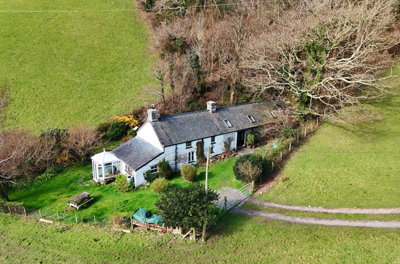
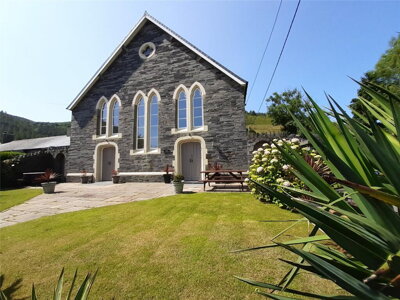
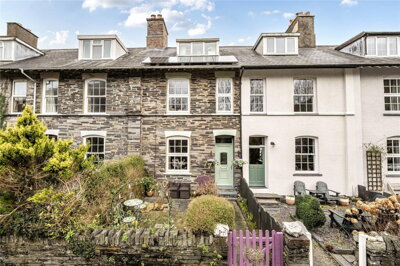
Browse 3 homes for sale in Llanfihangel-y-Pennant from local estate agents.
The larger property sector typically features multiple bathrooms, substantial reception space, and private gardens or off-street parking. Four bedroom houses in Llanfihangel Y Pennant span detached, semi-detached, and occasionally terraced configurations, with styles ranging from period properties to modern executive homes.
The property market in Llanfihangel-y-Pennant reflects its status as a premium rural location within Snowdonia National Park. Recent sales data indicates an average property price of £300,000 over the past twelve months, with detached properties averaging £269,871 based on 23 sales recorded since 2018. The market has shown resilience despite limited inventory, with approximately 12 recorded sales in the vicinity in recent years. Notable transactions include a semi-detached property at Tyn Y Fach sold for £190,000 in March 2024 and a substantial detached bungalow at Gernos achieving £456,000 in November 2022, demonstrating the range of property values within this sought-after area.
Property types in Llanfihangel-y-Pennant include traditional Welsh cottages, semi-detached homes, and substantial detached residences, many featuring the characteristic local construction using coursed stone rubble and Welsh slate roofing. The housing stock skews heavily towards older properties, with numerous listed buildings indicating construction dating back centuries in many cases. New build activity within the village itself remains minimal, as planning restrictions within Snowdonia National Park limit extensive development. Buyers seeking newly constructed homes may wish to explore surrounding towns such as Tywyn, Barmouth, or Criccieth, where larger developments occasionally become available.
The scarcity of available properties in Llanfihangel-y-Pennant creates a competitive environment where well-presented homes attract multiple enquiries quickly. Our team monitors new listings across major property portals including Rightmove, Zoopla, and OnTheMarket to ensure you have access to the latest opportunities before they appear on general search platforms. Properties in this price range often include land parcels, agricultural outbuildings, or grazing rights, which add complexity to transactions but also increase the appeal for buyers seeking a rural lifestyle. The premium location within a national park does influence both availability and pricing, as planning consent for new dwellings is tightly controlled to preserve the natural landscape.

Life in Llanfihangel-y-Pennant offers an enviable quality of life for those who cherish proximity to nature, Welsh heritage, and peaceful rural living. The hamlet sits within the community of Dolbenmaen, surrounded by the mountains and valleys that make Snowdonia one of Britain's most beloved national parks. The former parish records indicate a population of 665 residents in 1851, and while modern population figures remain modest, the community maintains a strong sense of identity and mutual support among its residents. The local economy draws from traditional sectors including agriculture and the growing tourism industry, with visitors drawn to the area's exceptional natural beauty and walking opportunities throughout the surrounding hills and valleys.
The village and its surrounding area are characterised by traditional buildings constructed from locally sourced materials, with stone walling and slate roofs predominating throughout the landscape. St Michael's Church, a Grade II* listed building dating from the 13th century, stands as the area's rich ecclesiastical heritage, while numerous other listed buildings including Tyn-y-fach, Tyn-y-bryn, and Pen-y-meini contribute to the village's distinctive character. The Grade II listed lychgate at St Michael's Church represents another heritage feature that exemplifies the careful craftsmanship found throughout the settlement. The surrounding landscape offers extensive walking routes, from gentle valley walks following the Afon Dyfi tributary streams to challenging mountain scrambles across the Rhinogydd foothills, making the area particularly attractive to outdoor enthusiasts and those seeking an active lifestyle in spectacular natural surroundings.
The Welsh language remains an important part of daily life in Llanfihangel-y-Pennant, with many residents speaking both Welsh and English. Community events, local notices, and church services often reflect the bilingual nature of the area, providing newcomers with opportunities to engage with traditional Welsh culture. The nearby village of Abergynolwyn on Heol Tan-y-bryn features additional listed buildings that demonstrate the broader heritage character of the surrounding settlements within the Dolbenmaen community area. Seasonal visitors swell the population during summer months and holiday periods, supporting local businesses including the nearby cafes and pubs that serve the tourism trade. Many properties in the area function as holiday lets or second homes, contributing to the local economy while also affecting the availability of permanent residences for families seeking to relocate.
Education provision for families considering a move to Llanfihangel-y-Pennant centres on primary schooling within the local community and surrounding villages, with secondary education available in nearby market towns accessible by public transport. The small-scale schooling available in rural Gwynedd places strong emphasis on the Welsh language and culture, providing children with a bilingual education that reflects the heritage of the region. Primary schools in the surrounding area typically serve small catchment areas, allowing for personalised attention and close community involvement in educational provision. Parents should verify current school placements and catchment boundaries with Gwynedd Council, as these can change and may be subject to availability.
For secondary education, pupils typically travel to schools in towns such as Tywyn, which hosts secondary schooling facilities serving the surrounding rural communities of southern Gwynedd. The journey from Llanfihangel-y-Pennant to Tywyn involves travel along the A493 coast road, with school bus services operating on designated routes for pupils residing in the hamlet and surrounding settlements. The local education authority maintains information on school performance, inspection reports, and admission arrangements through Gwynedd Council's education department. Students requiring sixth form education generally progress to larger institutions in towns like Bangor or Caernarfon, which offer broader curriculum choices and specialist subject options that may not be available in smaller sixth forms.
Families moving to the area should contact Gwynedd Council directly to confirm current school allocations and any transportation arrangements available for pupils residing in more isolated locations. The council provides home-to-school transport for pupils meeting distance criteria, though timings and routes should be verified before committing to a property purchase. Early years education is available through Welsh-medium settings in surrounding villages, providing immersive language learning opportunities for young children. The bilingual nature of local schools means children develop fluency in both Welsh and English, valuable skills that serve them well in later life given Wales' strong cultural commitment to the Welsh language.
Transport connections from Llanfihangel-y-Pennant reflect its rural location within Snowdonia, with the nearest railway station situated in Tywyn, providing access to the Cambrian Coast line running between Pwllheli and Aberystwyth. This scenic rail route connects residents to broader rail networks, with regular services linking the Gwynedd coast to major cities including Birmingham and London via Shrewsbury. The Cambrian Coast railway is renowned for its spectacular coastal views, passing through tunnels and across viaducts that showcase some of the most dramatic railway engineering in Britain. Bus services operating in the area provide essential connectivity for those without private vehicles, though frequencies are limited compared to urban routes and timetable information should be verified with local operators. The A493 coast road provides the primary vehicular route connecting Llanfihannel-y-Pennant to surrounding villages and towns, offering spectacular coastal views between Tywyn and Dolgellau.
For those commuting to work or accessing services requiring travel to larger centres, the journey to Bangor takes approximately one hour by car, while Chester and Liverpool are accessible within two to two and a half hours. The nearest major airport with scheduled international flights is Liverpool John Lennon Airport, approximately two hours drive away, with Manchester Airport reachable in approximately two and a half hours for a broader range of destinations. Many residents of Llanfihangel-y-Pennant work remotely, taking advantage of the peaceful environment and improved broadband connectivity that has transformed the viability of rural working in recent years. The A470 trunk road provides access to North Wales coastal towns and the A55 expressway running toward England, though this requires routing via Dolgellau or through the mountain passes.
Parking availability is generally good given the low population density, though narrow country lanes require confident driving in larger vehicles. The B4405 road provides access to the village from the A493, winding through the valley landscape that characterises the approach to the hamlet. Winter driving conditions can present challenges, with snow and ice affecting higher elevation roads and mountain passes. Local residents are generally well-prepared for seasonal weather variations, and properties typically feature adequate parking and turning spaces for everyday use. Those considering regular commuting should factor in journey times and ensure their vehicle is suitable for rural road conditions throughout the year.
Understanding the predominant construction methods in Llanfihangel-y-Pennant helps prospective buyers appreciate both the character and the maintenance requirements of properties in this area. Buildings in the hamlet and surrounding Welsh mountain areas predominantly feature stone walling and slate roofs, constructed using traditional techniques refined over centuries. St Michael's Church exemplifies the quality of local coursed stone rubble work, while Ty'n-y-bryn demonstrates the use of squared rubble with replaced slate roofs and yellow-grey slate lintels characteristic of the area. Pont Ystumanner and similar bridges in the vicinity showcase the skilled rubble stonework employed by historical builders working with locally available materials.
Traditional buildings throughout South-West Wales generally used natural materials including stone, earth, brick, wood, and lime for mortars, renders, and paints, with solid walls providing the structural envelope. These solid wall constructions differ significantly from modern cavity wall builds, affecting insulation properties, moisture management, and renovation options. The solid stone walls found throughout Llanfihangel-y-Pennant properties require breathability in any remedial work or insulation upgrades, as inappropriate materials can trap moisture and cause deterioration of the historic fabric. Specialist contractors familiar with traditional building techniques are essential for any significant works, and our team can recommend appropriate professionals for properties requiring specialist stone or slate work.
The Welsh slate used throughout local roofs represents a premium roofing material, with original slate roofs often lasting well over a century when properly maintained. Replacement slates should match the original in both appearance and mineral composition to maintain the visual coherence of the village. Many properties feature prominent chimneys, steep roof pitches, and generous eaves that reflect the substantial rainfall experienced in this part of Snowdonia. Valley locations and properties near watercourses require particular attention to drainage and ground water management, with appropriate guttering and downpipe maintenance essential to prevent water ingress into stone walls.

Before viewing properties, obtain a mortgage agreement in principle from a lender to understand your budget and demonstrate your seriousness to sellers. Contact our mortgage partners at Homemove for competitive quotes tailored to rural Welsh properties. Properties in Llanfihangel-y-Pennant may require specialist valuation approaches due to their unique characteristics, so discussing your mortgage requirements with lenders familiar with rural and listed properties is advisable.
Explore property listings in Llanfihangel-y-Pennant and surrounding areas, understanding price trends, property types available, and the distinct character of different neighbourhoods within this rural community. Our platform provides comprehensive search tools and market data, including recent sales comparisons and average price trends for different property types. Understanding the difference between listed and unlisted properties, and the implications for future renovations, should form part of your research before committing to viewings.
Schedule viewings of properties that match your criteria, taking time to assess the condition of traditional buildings, noting any listed building restrictions, and understanding the implications of stone and slate construction for maintenance. Our inspectors recommend viewing properties at different times of day and in varying weather conditions to appreciate light levels, heating efficiency, and how the building performs during rainfall. Take particular note of the grounds, boundaries, and any adjacent land or outbuildings included in the sale.
Before completing your purchase, instruct a qualified surveyor to conduct a Level 2 home buyer report, identifying any structural concerns, maintenance needs, or issues specific to older Welsh properties. Survey costs typically range from £416 to £639 nationally, though properties with complex construction or heritage features may require additional specialist assessment. Our surveyors are familiar with the common defect patterns found in traditional Welsh stone buildings, including moisture penetration through solid walls, structural movement in older foundations, and the condition of original slate roofing.
Appoint a solicitor with experience in rural Welsh property transactions to handle the legal aspects of your purchase, including local searches, title verification, and any conservation area considerations. Homemove offers conveyancing services from £499, with additional work required for listed building searches and Snowdonia National Park planning history investigations. The solicitor should verify rights of way, drainage arrangements, and any planning conditions that affect the property.
Once all searches are satisfactory and finances are confirmed, your solicitor will coordinate the exchange of contracts and final completion, transferring ownership of your new Llanfihangel-y-Pennant home. The completion date is typically set to allow time for moving logistics, and we recommend arranging building insurance from the point of contract exchange. Upon completion, collect the keys from the selling agent and begin your new life in this remarkable corner of Snowdonia.
Purchasing a property in Llanfihangel-y-Pennant requires careful consideration of factors specific to rural Welsh homes and their historic construction. The prevalence of listed buildings in the area means that many properties carry statutory protections requiring Listed Building Consent for alterations, renovations, or extensions. Prospective buyers should verify the listed status of any property of interest and understand the obligations this places on ownership, including maintenance responsibilities and restrictions on modifications. The traditional construction methods using stone walls and slate roofs, while contributing to the area's distinctive character, require ongoing maintenance and may present challenges including damp penetration, structural movement, and the need for specialist repair contractors.
Flood risk in the area should be investigated through appropriate searches, as properties located near watercourses or in valley locations may be subject to flooding during periods of heavy rainfall. The tributaries feeding into the River Dyfi system pass through the valley occupied by the village, and properties at lower elevations should be subject to thorough drainage and flood risk assessment. Buyers should review the Welsh Government's natural resources flood risk maps and request information from Gwynedd Council regarding any historic flooding incidents in the locality. Ground conditions in certain areas of Snowdonia can include shrinkable clay soils, which may affect the foundations of older properties and should be assessed during the survey process.
Service charges and maintenance contributions for any shared amenities should be clearly established, particularly for converted properties or those within estate boundaries. The peaceful nature of the location also means that certain land uses, including agricultural activities and tourism operations, may generate noise and traffic during different seasons. Properties bordering farmland may experience tractor movements during harvest, while tourist traffic on minor roads increases substantially during summer months. Understanding the rhythm of rural life and its seasonal variations helps buyers set realistic expectations for their new home in Llanfihangel-y-Pennant. Our inspectors can advise on the specific considerations relevant to individual properties during the survey process.
The average sold price for properties in Llanfihangel-y-Pennant over the past twelve months is approximately £300,000, based on recorded sales data from major property portals. Detached properties have averaged £269,871 since 2018, though individual property values vary significantly depending on size, condition, location within the community, and whether the property is listed. Recent sales have ranged from £70,000 for smaller detached properties like Troed Y Bryn sold in May 2021, to over £456,000 for substantial detached bungalows with land such as Gernos sold in November 2022. The semi-detached property at Tyn Y Fach achieved £190,000 in March 2024, demonstrating the range across different property types in this small community.
Properties in Llanfihangel-y-Pennant fall under Gwynedd Council's jurisdiction and are assigned council tax bands based on their value and characteristics. As the area contains predominantly older, traditional properties including numerous listed buildings, many fall into lower bands due to their historical construction and smaller size. Detached properties with land or recently modernised homes typically occupy higher bands. Prospective buyers should verify the specific council tax band of any property through Gwynedd Council's online portal or during the conveyancing process, as bands can affect ongoing housing costs. The current council tax rates for Gwynedd Council properties can be confirmed through their official website or by contacting the local authority directly.
Llanfihangel-y-Pennant is served by small primary schools in the surrounding villages, providing intimate class sizes and strong community connections. Children typically attend primary schools within the Dolbenmaen community area, with Welsh-medium education available in nearby villages. Secondary education is available at schools in nearby towns such as Tywyn, with students travelling by school bus from the hamlet along the A493 coast road. The area offers bilingual education reflecting Gwynedd's strong Welsh language heritage, and inspectors from Estyn (Her Majesty's Inspectorate for Education and Training in Wales) regularly assess local schools. Parents should contact Gwynedd Council's education department to confirm current school allocations and catchment areas for their specific location, as these can affect which school a child may attend.
Public transport options from Llanfihangel-y-Pennant are limited but functional, reflecting its rural location within Snowdonia National Park. The nearest railway station is in Tywyn, approximately 8 miles away, providing access to the Cambrian Coast line connecting coastal communities between Pwllheli and Aberystwyth. Direct rail services run to Birmingham and London via Shrewsbury, making occasional city visits feasible without private vehicle ownership. Bus services operate on the A493 route connecting villages and towns along the coast, though journey frequencies are reduced compared to urban areas, with some routes operating only on limited days per week. Many residents rely on private vehicles for daily transport, though the road network provides reasonable access to larger towns for shopping, healthcare, and other services.
Property in Llanfihangel-y-Pennant represents a sound investment for those seeking a primary residence in an area of outstanding natural beauty or a holiday let opportunity. The scarcity of available properties combined with strong demand from buyers seeking rural Welsh homes supports property values over the longer term. Properties within Snowdonia National Park attract premium valuations due to their protected location and limited planning consent for new development. The tourism economy creates opportunities for holiday let income, with visitors paying premium rates for traditional Welsh cottages with mountain views. However, investors should be aware of planning restrictions within the national park, the seasonal nature of tourism income, the responsibilities of maintaining historic listed properties, and the limited tenant pool for long-term rental in such a small rural community.
Land Transaction Tax rates for Welsh residential purchases apply to properties in Llanfihangel-y-Pennant, as Wales operates its own land tax system separate from England. The current rates are nil rate up to £225,000, then 5% on the portion from £225,001 to £400,000, 7.5% up to £750,000, 10% up to £1.5 million, and 12% above that threshold. For a typical property priced around the £300,000 average, this results in LTT of approximately £3,750. First-time buyers in Wales may qualify for relief on the nil rate band, though conditions apply including purchase price limits and previous property ownership restrictions. Your solicitor will advise on the applicable tax regime and calculate your liability based on your circumstances and purchase price.
Llanfihangel-y-Pennant contains a notable concentration of listed buildings reflecting its historic importance within the Dolbenmaen community area. St Michael's Church holds Grade II* listed status as a significant medieval ecclesiastical building, while its lychgate is separately Grade II listed. Other Grade II listed buildings include Tyn-y-fach, Tyn-y-bryn, and Pen-y-meini, representing traditional Welsh farmhouses and cottages constructed in the local vernacular style. The Grade II listed status of properties on Heol Tan-y-bryn in the nearby village of Abergynolwyn indicates the broader heritage character of surrounding settlements. Purchasing a listed building brings additional responsibilities including requirements for Listed Building Consent for alterations and obligations to maintain the property in good repair to preserve its historic character.
Insuring a property in Llanfihangel-y-Pennant requires consideration of several factors specific to rural Welsh homes and historic buildings. Listed building status affects insurance requirements, as specialist policies that cover the cost of matching traditional materials and techniques for repairs are advisable. Properties in valley locations near watercourses may face higher premiums due to flood risk, and excess amounts can be substantial for flood-related claims. The remote location can also affect insurance, with some providers applying loadings for properties located significant distances from emergency services. Our team can recommend insurance providers experienced in covering rural and listed properties in Gwynedd.
From 4.5%
Competitive mortgage rates tailored to rural Welsh properties
From £499
Expert solicitors handling rural Welsh property transactions
From £416
Comprehensive survey for traditional Welsh properties
From £80
Energy performance certificate for your new home
Understanding the costs associated with purchasing property in Llanfihangel-y-Pennant is essential for budgeting effectively. The primary government tax is Land Transaction Tax for Welsh residential purchases, which applies to properties in Wales rather than Stamp Duty Land Tax used in England. The current LTT rates are nil rate up to £225,000, then 5% on the portion from £225,001 to £400,000, 7.5% up to £750,000, 10% up to £1.5 million, and 12% above that threshold. For a typical property priced around the £300,000 average, this would result in LTT of approximately £3,750, calculated as 5% of the amount between £225,000 and £300,000. First-time buyers in Wales may qualify for relief on the nil rate band, though conditions apply based on purchase price and previous property ownership.
Beyond the purchase price and tax, buyers should budget for solicitor conveyancing costs typically ranging from £500 to £1,500 depending on complexity, with rural and listed properties potentially requiring additional work for title investigations and planning searches. Our conveyancing partners offer services from £499, with rural property specialists who understand the particular requirements of transactions involving properties within Snowdonia National Park. Survey costs for a RICS Level 2 home buyer report average around £455 nationally, with typical ranges between £416 and £639 based on property size and value, with higher fees applying to larger or more complex traditional buildings.
Local authority searches through Gwynedd Council generally cost between £150 and £300, while additional environmental searches for flood risk and ground conditions add further modest costs. For properties near watercourses in the Llanfihangel-y-Pennant valley, a specific drainage and flooding search is advisable, adding approximately £50 to £100 to the search costs. Land Registry fees, mortgage arrangement fees, and moving costs including van hire or removal company charges complete the typical budget for a property purchase in this Gwynedd village. We recommend budgeting an additional 5% above the purchase price to cover all associated costs and contingencies, particularly for older properties where survey findings may require negotiation or remedial works.
Properties for Sale In London

Properties for Sale In Plymouth

Properties for Sale In Liverpool

Properties for Sale In Glasgow

Properties for Sale In Sheffield

Properties for Sale In Edinburgh

Properties for Sale In Coventry

Properties for Sale In Bradford

Properties for Sale In Manchester

Properties for Sale In Birmingham

Properties for Sale In Bristol

Properties for Sale In Oxford

Properties for Sale In Leicester

Properties for Sale In Newcastle

Properties for Sale In Leeds

Properties for Sale In Southampton

Properties for Sale In Cardiff

Properties for Sale In Nottingham

Properties for Sale In Norwich

Properties for Sale In Brighton

Properties for Sale In Derby

Properties for Sale In Portsmouth

Properties for Sale In Northampton

Properties for Sale In Milton Keynes

Properties for Sale In Bournemouth

Properties for Sale In Bolton

Properties for Sale In Swansea

Properties for Sale In Swindon

Properties for Sale In Peterborough

Properties for Sale In Wolverhampton

Enter your details to see if this property is within your budget.
Loans, cards, car finance
Estimated property budget
Borrowing + deposit
You could borrow between
Typical borrowing
Monthly repayment
Est. at 4.5%
Loan-to-value
This is an estimate only. Your actual budget may vary depending on interest rates, credit history, and personal circumstances. For an accurate affordability assessment, speak to one of our free mortgage advisors.
This calculator provides estimates for illustrative purposes only and does not constitute financial advice. Your home may be repossessed if you do not keep up repayments on your mortgage. Estimates based on 4.5% interest rate, repayment mortgage. Actual rates depend on your circumstances.
Homemove is a trading name of HM Haus Group Ltd (Company No. 13873779, registered in England & Wales). Homemove Mortgages Ltd (Company No. 15947693) is an Appointed Representative of TMG Direct Limited, trading as TMG Mortgage Network, which is authorised and regulated by the Financial Conduct Authority (FRN 786245). Homemove Mortgages Ltd is entered on the FCA Register as an Appointed Representative (FRN 1022429). You can check registrations at NewRegister or by calling 0800 111 6768.

We use cookies to show you personalised content and improve your experience of our website. Find out more in our Privacy policy and Cookie policy.