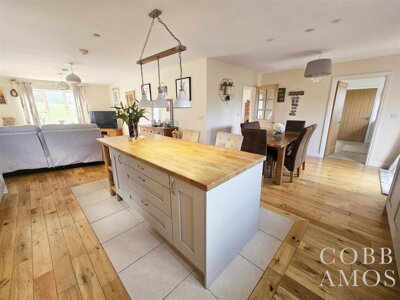
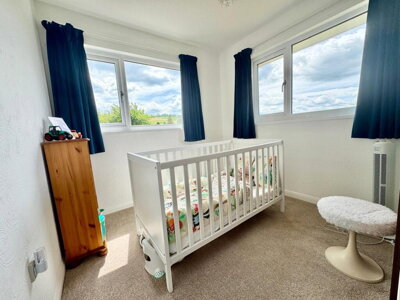
Browse 2 homes for sale in Llanfihangel Rhydieithon from local estate agents.
The larger property sector typically features multiple bathrooms, substantial reception space, and private gardens or off-street parking. Four bedroom houses in Llanfihangel Rhydieithon span detached, semi-detached, and occasionally terraced configurations, with styles ranging from period properties to modern executive homes.
The property market in Llanfihangel Rhydieithon has shown encouraging resilience and growth in recent years. Our data indicates that house prices in the area have risen 15% over the past twelve months, building on a previous peak of £216,834 recorded in 2022. This upward trajectory reflects growing interest in rural Welsh properties as buyers increasingly prioritise space, natural surroundings, and value for money over proximity to major employment centres. The market here tends to favour those seeking character properties and countryside settings rather than modern new-build estates.
Property types in the village and surrounding community include traditional stone-built cottages, period farmhouses, and more modern detached family homes. The average price for detached properties at £317,429 reflects the premium placed on space and privacy in this rural setting, while semi-detached homes at around £212,370 offer an accessible entry point for first-time buyers or those downsizing. Flats in the area are less common, with an average price of £92,694, though they represent a small portion of available stock. New build activity within the community has been limited to small-scale developments and conversions, with recent planning applications focusing on individual dwellings, barn conversions, and holiday let opportunities rather than large residential estates.

Llanfihangel Rhydieithon is a small but close-knit community set within the sweeping landscape of mid-Wales. With a population of 207 according to the 2021 Census, rising to an estimated 246 by 2024, the village maintains a population density of just 10.16 persons per square kilometre. This exceptionally low density ensures that residents enjoy ample space, unspoiled views, and a pace of life far removed from urban pressures. The village centres around its historic church, which was rebuilt in 1838 and overlooks the Maes Brook, a tributary of the River Aran that flows through the valley before joining the River Ithon nearby.
The character of the area reflects traditional Welsh rural life, with properties ranging from centuries-old farmhouses to more recent additions built during the latter part of the twentieth century. Wales as a whole has the oldest housing stock in the United Kingdom, with approximately 26% of properties built before 1919, and Llanfihangel Rhydieithon exemplifies this heritage with its collection of historic buildings. Lower House Farm, a Grade II listed cruck-framed house dating from the fifteenth century with seventeenth and eighteenth-century additions, stands as testament to the area's long architectural history. The village also features the parish hall, a converted toll house from around 1800 that is itself Grade II listed, providing community facilities rooted in the settlement's transport heritage.
Families considering a move to Llanfihangel Rhydieithon will find that the village operates within the Powys local education authority, which manages schools across this large rural county. The community falls within the catchment area for primary schools in the surrounding villages, with the nearest primary education typically available within a short drive. Secondary education is provided by schools in nearby towns, with pupils generally travelling to Llandrindod Wells or similar settlements for Year 7 onwards. Parents are advised to check current catchment areas and school capacities with Powys County Council, as these can affect placement availability.
The broader Powys area hosts several well-regarded schools, with the county consistently working to maintain educational standards across its dispersed rural communities. For families seeking faith-based education or specialist options, surrounding towns offer additional choices including Catholic primary schools and schools with sixth form facilities. Further education opportunities are available at colleges in Llandrindod Wells and Newtown, providing vocational and academic courses for students progressing beyond GCSE. Given the rural nature of the area, home-to-school transport arrangements are an important consideration, and the local authority operates transport policies to support pupils attending their nearest appropriate school.
Transport connections from Llanfihangel Rhydieithon reflect its position as a rural Welsh village, with residents typically relying on private vehicles as their primary means of transport. The A438 and surrounding country roads provide access to the wider road network, connecting the village to Llandrindod Wells to the north and the market towns of the Welsh borders to the east. For those commuting to larger employment centres, the journey to Shrewsbury takes approximately one hour by car, while Cardiff and Birmingham are reachable within two to two and a half hours under normal traffic conditions.
Public transport options are more limited, as is typical for small rural communities, with bus services operating on reduced frequencies compared to urban routes. The nearest railway stations are found in larger towns, providing connections to the national rail network for longer-distance travel. Many residents of similar Powys villages choose to work partially from home where their employment permits, taking advantage of the connectivity provided by modern broadband services. Cycling and walking are popular for local journeys, with the surrounding countryside offering scenic routes for recreation and active travel.
Start by exploring current listings in Llanfihangel Rhydieithon and the surrounding Dolau area. Understanding the price range for different property types, from traditional cottages to modern detached homes, will help you set realistic expectations. Our platform provides detailed information on properties currently available, including price trends and neighbourhood insights specific to this Powys community.
Once you have identified properties of interest, arrange viewings through the listed estate agents. In a tight-knit rural community, agents often have valuable local knowledge about properties before they reach wider markets. Consider visiting at different times of day and, if possible, speak with neighbours to gain a fuller picture of village life and any upcoming developments.
Before making an offer, secure a mortgage agreement in principle from a lender. This demonstrates to sellers that you are a serious buyer with financing in place. Given the age and character of properties in Llanfihangel Rhydieithon, some lenders may require detailed surveys, so having your financial position confirmed strengthens your offer significantly.
Given the age of housing stock in this rural Welsh community, a thorough property survey is essential. We recommend a RICS Level 2 Survey for most properties, which typically costs between £400 and £800 depending on property size and value. For older or listed buildings, a more detailed Level 3 survey may be advisable to assess structural condition and historic features.
Once your offer is accepted, instruct a conveyancing solicitor to handle the legal aspects of your purchase. Your solicitor will conduct searches, handle land registry queries, and manage the transfer of ownership. For properties near watercourses like the Maes Brook or River Aran, your solicitor should arrange appropriate environmental searches.
The final steps involve signing contracts, exchanging deposits, and completing your purchase. On completion day, you will receive the keys to your new home in Llanfihangel Rhydieithon. Allow time for the registration process with HM Land Registry and remember to update your address with banks, utilities, and local authorities.
Purchasing a property in a rural Welsh village like Llanfihangel Rhydieithon requires careful consideration of factors that may not feature in standard urban property searches. The age of the local housing stock means that many properties will have historic features, some of which may be protected under listed building legislation. If you are considering a Grade II listed property such as a cruck-framed farmhouse or converted toll house, be aware that permitted development rights may be more limited, and any alterations will require consent from the local planning authority.
Flood risk is another important consideration in this area. Properties situated near the Maes Brook, River Aran, or River Ithon should be researched thoroughly before purchase. While not all properties face significant risk, the presence of watercourses means that appropriate searches and surveys are essential. Your solicitor should arrange a flood risk search as part of the standard conveyancing process, and you may wish to discuss any concerns with the property surveyor. Buildings insurance costs can be higher in flood-risk areas, so obtaining quotes before completing your purchase is prudent.
The rural setting also means that septic tanks or private drainage systems serve many properties rather than mains sewerage. If the property you are purchasing has a private drainage system, verify its condition and compliance with current regulations. Shared drainage arrangements with neighbouring properties should be documented in the title deeds. Additionally, many rural properties in Powys sit on private water supplies rather than mains water, which requires regular testing and maintenance. These factors contribute to the character and self-sufficiency of rural living but warrant careful investigation before committing to a purchase.
The average house price in Llanfihangel Rhydieithon currently stands at approximately £237,933 based on recent sales data. Detached properties command an average of £317,429, reflecting the premium for space and privacy in this rural setting. Semi-detached homes average around £212,370, while flats in the area average approximately £92,694. The market has shown strong growth, with prices rising 15% over the past twelve months and now sitting 10% above the previous 2022 peak of £216,834.
Properties in Llanfihangel Rhydieithon fall under Powys County Council's jurisdiction for council tax purposes. Specific bandings depend on the property's assessed value, with bands ranging from A through to H. Rural properties with historic features or agricultural land may have additional considerations reflected in their banding. You can check the current council tax band for any specific property through the Valuation Office Agency website or by contacting Powys County Council directly.
The village falls within the Powys local education authority, with primary schools serving the surrounding villages and secondary education available in nearby towns such as Llandrindod Wells. Specific school performance should be checked through Estyn reports and league tables, as these provide detailed assessments of educational quality. School transport arrangements are important considerations for families, and Powys County Council operates transport policies to support pupils attending their nearest appropriate school.
Public transport options in Llanfihangel Rhydieithon reflect its rural nature, with bus services operating on limited frequencies compared to urban areas. The nearest railway stations are located in larger towns, providing connections to the national rail network. Most residents rely on private vehicles for daily transport, though many take advantage of home-working opportunities enabled by modern broadband services. Journey times by car to Llandrindod Wells are approximately 20-30 minutes, while Shrewsbury and larger cities are accessible within one to two hours.
The Llanfihangel Rhydieithon property market has demonstrated consistent growth, with prices rising 15% over the past year and now exceeding previous peaks. The broader trend of buyers seeking rural properties with more space supports demand in communities like this Powys village. However, property investment in small rural communities requires careful consideration of factors including liquidity, maintenance costs for older properties, and potential planning restrictions on listed buildings. Properties with holiday let potential may offer additional income opportunities given the area's scenic rural appeal.
Stamp duty land tax rates for residential property purchases from April 2024 are as follows: 0% on the first £250,000 of purchase price, 5% on the portion from £250,001 to £925,000, 10% on the portion from £925,001 to £1,500,000, and 12% on any amount above £1,500,000. First-time buyers benefit from relief on the first £425,000, with 5% applying between £425,001 and £625,000. Given the average property price of around £237,933 in Llanfihangel Rhydieithon, most buyers would pay no stamp duty at all, making this an attractive proposition for first-time purchasers.
Properties near the Maes Brook, River Aran, or River Ithon should be subject to thorough flood risk investigation before purchase. While specific flood risk maps for the immediate Llanfihangel Rhydieithon area were not available in our research, the presence of these watercourses indicates potential river flooding risk in adjacent areas. Your solicitor should arrange appropriate environmental searches, and we strongly recommend a detailed survey for properties in low-lying positions near water. Buildings insurance should be confirmed as available and affordable before completing your purchase.
From 4.5% APR
Compare mortgage rates and find the best deal for your Llanfihangel Rhydieithon purchase
From £499
Expert solicitors to handle your property purchase
From £400
Homebuyer report recommended for properties in this rural area
From £85
Energy performance certificate required for all property sales
One of the most attractive aspects of purchasing property in Llanfihangel Rhydieithon is the relatively low stamp duty exposure given current average prices. With the average property in the area priced at approximately £237,933, many buyers will fall entirely below the standard residential threshold of £250,000, meaning zero stamp duty liability under current rates. Even at the average detached property price of £317,429, the stamp duty bill would apply only to the portion above £250,000, resulting in a charge of approximately £3,371. This compares favourably with property purchases in more expensive regions of the UK.
First-time buyers enjoy enhanced relief, with stamp duty not applying to the first £425,000 of purchase price for qualifying properties. This means a first-time buyer purchasing at the average price of £237,933 would pay no stamp duty whatsoever. For those purchasing above £625,000, first-time buyer relief phases out, though the property must be your main residence to qualify. Beyond stamp duty, your total buying costs will include solicitor fees typically ranging from £500 to £1,500 depending on complexity, survey costs of £400-£800 for a Level 2 survey, and search fees of approximately £250-£400. Factor in removal costs, potential mortgage arrangement fees, and a buffer for unexpected expenses, and you should budget an additional 2-3% of the purchase price for these transaction costs.
Properties for Sale In London

Properties for Sale In Plymouth

Properties for Sale In Liverpool

Properties for Sale In Glasgow

Properties for Sale In Sheffield

Properties for Sale In Edinburgh

Properties for Sale In Coventry

Properties for Sale In Bradford

Properties for Sale In Manchester

Properties for Sale In Birmingham

Properties for Sale In Bristol

Properties for Sale In Oxford

Properties for Sale In Leicester

Properties for Sale In Newcastle

Properties for Sale In Leeds

Properties for Sale In Southampton

Properties for Sale In Cardiff

Properties for Sale In Nottingham

Properties for Sale In Norwich

Properties for Sale In Brighton

Properties for Sale In Derby

Properties for Sale In Portsmouth

Properties for Sale In Northampton

Properties for Sale In Milton Keynes

Properties for Sale In Bournemouth

Properties for Sale In Bolton

Properties for Sale In Swansea

Properties for Sale In Swindon

Properties for Sale In Peterborough

Properties for Sale In Wolverhampton

Enter your details to see if this property is within your budget.
Loans, cards, car finance
Estimated property budget
Borrowing + deposit
You could borrow between
Typical borrowing
Monthly repayment
Est. at 4.5%
Loan-to-value
This is an estimate only. Your actual budget may vary depending on interest rates, credit history, and personal circumstances. For an accurate affordability assessment, speak to one of our free mortgage advisors.
This calculator provides estimates for illustrative purposes only and does not constitute financial advice. Your home may be repossessed if you do not keep up repayments on your mortgage. Estimates based on 4.5% interest rate, repayment mortgage. Actual rates depend on your circumstances.
Homemove is a trading name of HM Haus Group Ltd (Company No. 13873779, registered in England & Wales). Homemove Mortgages Ltd (Company No. 15947693) is an Appointed Representative of TMG Direct Limited, trading as TMG Mortgage Network, which is authorised and regulated by the Financial Conduct Authority (FRN 786245). Homemove Mortgages Ltd is entered on the FCA Register as an Appointed Representative (FRN 1022429). You can check registrations at NewRegister or by calling 0800 111 6768.

We use cookies to show you personalised content and improve your experience of our website. Find out more in our Privacy policy and Cookie policy.