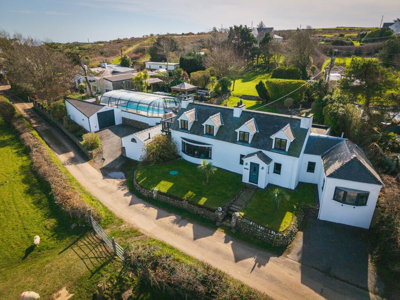
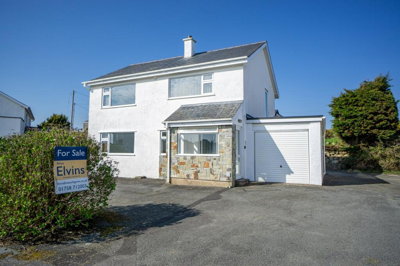
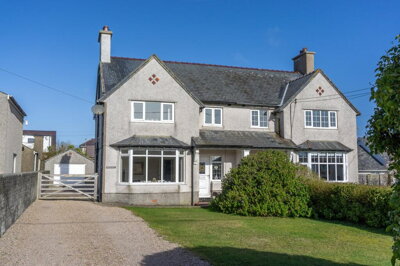
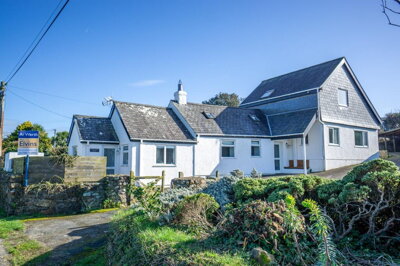
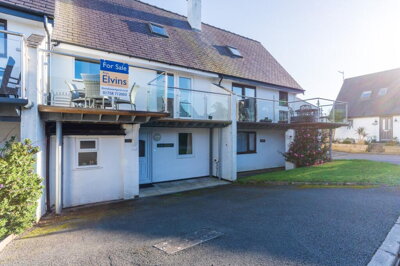
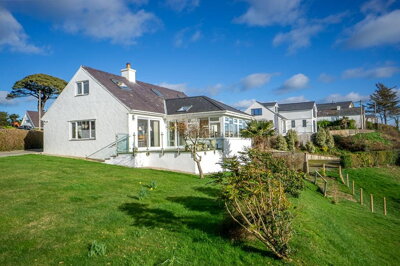
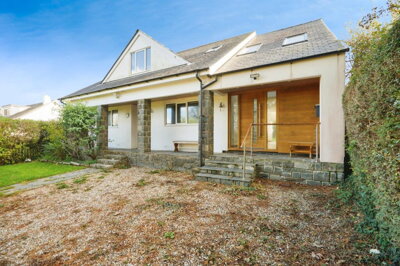
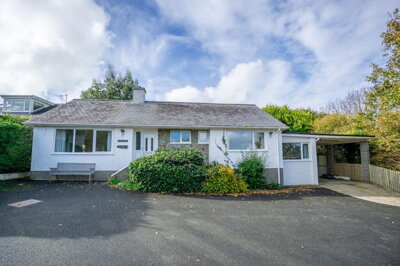
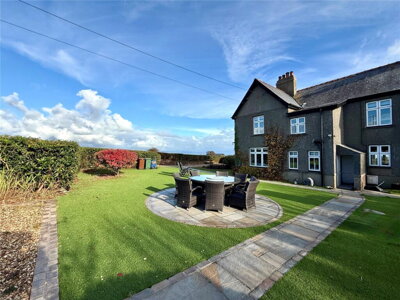
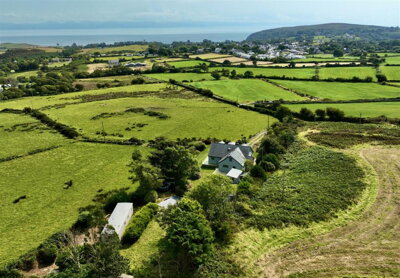
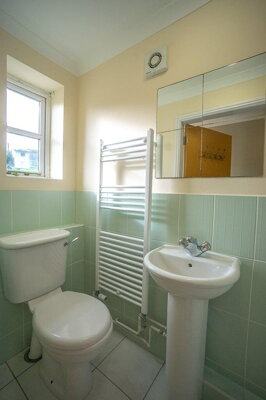
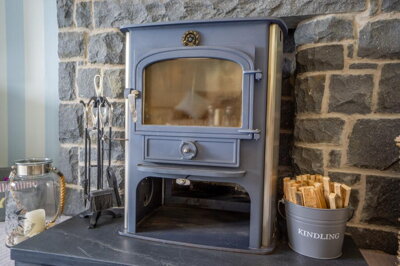
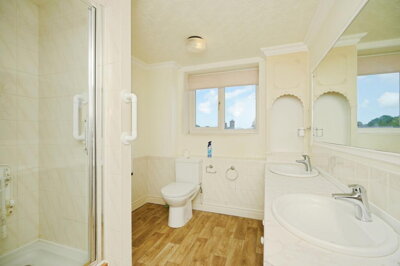
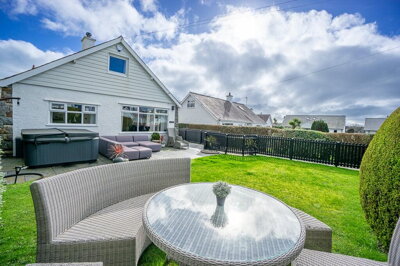
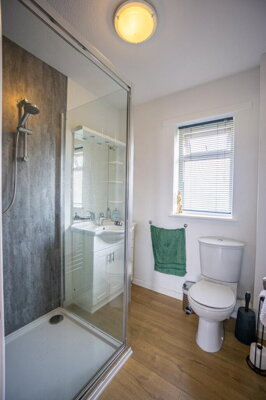
Browse 26 homes for sale in Llanengan, Gwynedd from local estate agents.
The larger property sector typically features multiple bathrooms, substantial reception space, and private gardens or off-street parking. Four bedroom houses in Llanengan span detached, semi-detached, and occasionally terraced configurations, with styles ranging from period properties to modern executive homes.
£610k
12
1
234
Source: home.co.uk
Showing 12 results for 4 Bedroom Houses for sale in Llanengan, Gwynedd. 1 new listing added this week. The median asking price is £610,000.
Source: home.co.uk
Detached
7 listings
Avg £744,286
Semi-Detached
4 listings
Avg £690,000
Terraced
1 listings
Avg £355,000
Source: home.co.uk
Source: home.co.uk
The Llanengan property market reflects the unique dynamics of coastal Wales, where demand from both permanent residents and holiday home buyers creates an active trading environment. Our data shows 95 properties have sold in the LL53 postcode area over the past twelve months, indicating healthy market activity despite broader national trends. Property prices in the wider LL53 area have experienced an 11% reduction compared to the previous year, and sit 24% below the 2022 peak of £351,536, which presents opportunities for buyers seeking value in a traditionally premium location. However, long-term growth remains positive, with the LL53 7LH postcode area showing a 44.8% increase in sales values over the past decade.
Breaking down by property type, detached homes in the LL53 area command an average price of £340,975, reflecting the premium associated with spacious coastal properties with sea views. Semi-detached properties average £247,334, offering solid family homes at more accessible price points, while terraced properties average £194,736, making them particularly attractive for first-time buyers or those seeking holiday lets. The market includes traditional stone-built cottages that characterise the Welsh vernacular architecture, alongside more recent constructions. New build activity within Llanengan village itself remains limited, though surrounding villages have seen selective developments including the Cae Bodlondeb project in nearby Chwilog, offering 3 and 4-bedroom executive homes.
The housing stock in Llanengan itself skews heavily towards period properties, with 12 of the 14 identified properties in the LL53 7LH postcode area dating from between 1800 and 1911. This predominance of historic stone-built cottages shapes the character of the village and means most transactions involve properties requiring careful inspection before purchase. Flats are notably scarce in the village itself, reflecting the predominantly low-density residential character where most properties stand as individual or semi-detached dwellings with their own gardens.

Life in Llanengan embodies the appeal of coastal Welsh living, where community spirit thrives alongside outstanding natural beauty. The village sits on the western edge of the Llŷn Peninsula, an Area of Outstanding Natural Beauty that draws visitors from across the UK and beyond. The local landscape features a mix of farmland, heathland, and dramatic coastline, with the village itself centred around its historic church and traditional cottages built from local stone. The census data for the broader Wales region indicates terraced properties account for 36% of the housing stock, semi-detached 28.9%, detached 27.4%, and flats 7.8%, suggesting a predominantly traditional village character with low-density housing prevalent throughout the area.
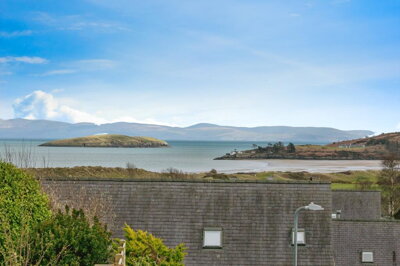
The proximity to Abersoch, approximately 2 miles distant, provides residents with access to additional amenities, sandy beaches popular with sailors and surfers, and a thriving social scene during the summer months. Tourism significantly shapes the local economy, with many residents involved in hospitality, outdoor activities, and services catering to visitors. Despite this seasonal influx, Llanengan itself maintains a peaceful atmosphere, ideal for those seeking respite from urban life. The local area offers excellent walking and cycling opportunities, with the Wales Coast Path passing nearby and numerous beaches within easy reach. The community hosts various events throughout the year, fostering connections between permanent residents and those who return seasonally.
The village itself contains 22 households in the LL53 7LG postcode area, contributing to an intimate community where neighbours often know one another by name. The strong Welsh language heritage of Gwynedd means that Welsh is spoken widely in daily life, with local signage, events, and services reflecting the bilingual nature of the community. For newcomers, this presents an opportunity to immerse themselves in Welsh culture, though English remains widely understood for those still learning the language.

Families considering a move to Llanengan will find educational provision centred on primary level within the immediate vicinity, with secondary education accessed in nearby towns. The local primary school serves the village and surrounding hamlets, providing education through the medium of Welsh and English, reflecting Gwynedd's strong bilingual heritage. Parents should research current catchment areas and admission arrangements with Gwynedd Council, as these can influence school placement for those living at the village periphery. The nearest secondary schools are located in Pwllheli, approximately 8 miles away, which hosts both comprehensive schools and specialist provision.
For families prioritising educational excellence, investigating individual school performance data through Estyn reports is advisable before committing to a property purchase. The broader Llŷn Peninsula also offers opportunities for Welsh language education, with several schools promoting bilingualism as a core feature. Further education options are available in Pwllheli and the university city of Bangor is accessible for older students pursuing higher education. Transport arrangements for secondary school pupils typically involve school buses serving the coastal villages, though arrangements should be confirmed with the local authority as these can vary based on distance from schools.
Parents should note that primary school class sizes in rural Gwynedd can sometimes be smaller than in urban areas, providing more individual attention for pupils. However, this also means that schools may have limited capacity, making early enquiry about enrolment essential for families moving from outside the immediate area. The school calendar in Wales follows Welsh Government guidance, with INSET days and term times potentially differing slightly from England.
Transport connections from Llanengan reflect its position on a peninsula, with road travel forming the primary means of accessing the wider region. The A499 runs along the Llŷn Peninsula, connecting Llanengan to Pwllheli to the north and eventually linking to the A55 North Wales Expressway for journeys to Chester and beyond. The journey to Bangor takes approximately 45 minutes by car, while Chester can be reached in around two hours under normal traffic conditions. For those travelling to work in larger cities, the road network provides access to rail connections from Bangor and Holyhead, the latter offering services to Dublin via ferry.
Public transport options include bus services operating along the peninsula, though frequencies are limited compared to urban areas and are reduced during evening periods and Sundays. The nearest railway station is in Pwllheli, offering connections on the Cambrian Coast line running between Pwllheli and Machynlleth, with interchange available for services to Birmingham and beyond. For air travel, Liverpool John Lennon Airport and Manchester Airport are the most practical options for international destinations, both approximately two to two and a half hours drive from Llanengan. Daily commuting to major employment centres is not practical from Llanengan, making it more suitable for those working locally, retired individuals, or remote workers who can conduct their professional activities from home.
For those reliant on public transport, the seasonal nature of tourism on the Llŷn Peninsula does bring some benefits in terms of additional bus services during summer months when visitors increase demand. However, this same seasonality means that off-peak services may be more limited than year-round urban provision. Planning a property purchase in Llanengan requires honest assessment of your transport needs and realistic acknowledgement that car ownership is effectively essential for daily life in this beautiful but remote corner of Wales.
Understanding the construction methods prevalent in Llanengan helps buyers appreciate the character of local properties and anticipate maintenance requirements. The overwhelming majority of older properties in the village are constructed from local stone, typically using whatever stone was available from the surrounding fields and hillside. These traditional construction methods create the distinctive appearance that makes Welsh coastal villages so appealing, but they also bring specific considerations for buyers. The stone walls, often thick and solid, provide excellent thermal mass but may require repointing over time as the mortar between stones deteriorates through exposure to coastal weather.
Many of the stone cottages in Llanengan feature traditional slate roofs, which were historically sourced from the quarries of north Wales. These roofs are generally durable and long-lasting when properly maintained, but buyers should look for signs of slipped slates, damaged ridges, or inadequate ventilation in the roof space. The age of properties dating from the Victorian era and earlier means that many will have been subject to various renovations and improvements over the decades, sometimes using materials and techniques that differ from original construction. Our inspectors frequently note that combinations of old and new building materials can create junction points where moisture ingress may occur if flashings and seals have degraded.
Ground floor construction in older properties typically uses suspended timber floors rather than solid concrete, which introduces potential issues with rot, woodworm, and ventilation beneath the property. Buyers should be aware that properties near the coastline may experience accelerated weathering of external elements due to salt exposure, affecting everything from external timber frames to metal fixings and hardware. Modern extension and renovation work in the village has sometimes introduced different construction approaches, including cavity wall insulation in more recent additions, which should be verified for compliance with building regulations at the time of installation.
Property surveys play an especially important role in the Llanengan market, where the age and construction methods of most properties mean that hidden defects are more likely than in newer housing stock. With 12 of every 14 properties in the LL53 7LH postcode built between 1800 and 1911, the likelihood of encountering issues such as damp, structural movement, or outdated services is significantly higher than in modern developments. Our inspectors bring specific experience with period stone properties on the Llŷn Peninsula, understanding how coastal exposure affects building materials differently than inland locations.
A RICS Level 2 HomeBuyer Report is suitable for most conventional properties in good apparent condition, providing a thorough inspection of accessible areas and flagging any matters requiring attention. For older stone cottages, larger properties, or those where the inspection reveals non-standard construction, a RICS Level 3 Building Survey offers more comprehensive assessment of the structure, materials, and potential future maintenance requirements. Our team will check the condition of walls, floors, ceilings, roof structure, and all visible installations, providing you with the detailed information needed to negotiate on price or require repairs before completion.
The coastal environment around Llanengan creates particular concerns that our surveyors are trained to identify. Salt exposure accelerates corrosion of metal elements, while the combination of wind, rain, and occasional flooding episodes can compromise building materials over time. We check for signs of penetrating damp, particularly in south and west facing walls that bear the brunt of prevailing weather, and assess whether properties have appropriate ventilation to prevent condensation issues within the stone fabric. For those considering holiday letting, the survey can also identify any potential limitations on property use or conversion that might affect your plans.
Before committing to a purchase, spend time exploring Llanengan across different seasons. The summer months bring significant tourist traffic, while winter reveals the true character of the community. Visit local amenities, speak with residents, and understand the implications of living in a coastal location prone to seasonal population fluctuations.
Obtain a mortgage agreement in principle before beginning property viewings. This demonstrates your seriousness to sellers and agents, and helps you understand your true budget. With terraced properties averaging £194,736 and detached homes at £340,975, understanding your borrowing capacity is essential before falling in love with a property.
Work with estate agents operating specifically in the Llŷn Peninsula and Gwynedd area. They possess invaluable knowledge of individual properties, local market conditions, and can alert you to new listings before they appear on major portals. Our platform aggregates listings from multiple agents, giving you comprehensive market coverage.
View multiple properties before making any decision. Pay attention to construction materials (note the prevalence of stone-built cottages), property age (many homes date from the Victorian era or earlier), and proximity to the coastline. Consider factors such as flood risk and drainage, particularly for lower-lying properties.
Given that 12 of 14 properties in the LL53 7LH postcode were built between 1800 and 1911, surveys are particularly important. A RICS Level 2 HomeBuyer Report is recommended for most properties, while older or non-standard construction may require a Level 3 Building Survey. This identifies any structural issues, damp problems, or roof concerns common in period properties.
Once your offer is accepted, instruct a conveyancing solicitor to handle the legal process. They will conduct searches with Gwynedd Council, handle land registry documentation, and manage the transfer of funds. Exchange and completion typically takes 4-8 weeks, though delays can occur, particularly during busy periods.
Purchasing property in Llanengan requires attention to factors specific to coastal locations in north Wales. The age of the housing stock is a primary consideration, with many properties dating from the Victorian period or earlier, built using traditional methods and materials. Stone construction is prevalent, requiring buyers to assess the condition of pointing, the presence of damp, and the adequacy of modern insulation. Older properties may have outdated electrical systems that require updating, and anyone considering a property should commission a thorough survey to identify any structural concerns before proceeding.
The tourism economy on the Llŷn Peninsula creates opportunities for holiday letting income, which may influence your purchasing decision and mortgage arrangements. Some properties may be subject to planning conditions or covenants restricting their use, so legal searches should investigate any such matters thoroughly. Flood risk, while not specifically documented for Llanengan, should be considered for properties in low-lying coastal areas, and insurance costs should be factored into your budget. Properties near agricultural land may be affected by noise, smells, or practices associated with farming, and prospective buyers should consider whether these factors align with their lifestyle expectations. Finally, understanding the local community dynamic between permanent residents and those who maintain holiday homes will help set realistic expectations for life in this coastal village.
Drainage and septic systems deserve particular attention in rural properties around Llanengan, as many homes will not be connected to mains drainage. Understanding the age, condition, and capacity of any septic tank or cesspit is essential before purchase, with potential costs of several thousand pounds for replacement if the existing system fails regulations. We also recommend checking the condition of window frames and external doors, which face constant exposure to coastal weather and may require painting or replacement more frequently than in sheltered locations.
The average price paid for properties in Llanengan was £225,000 as of early 2026. For the broader LL53 postcode area, the average house price stands at £265,588 over the past twelve months. Detached properties average £340,975, semi-detached properties £247,334, and terraced properties £194,736 in the surrounding area. Prices have moderated from the 2022 peak of £351,536 in the postcode area, offering improved affordability compared to recent years. The LL53 7LH postcode specifically has shown 44.8% growth over the past decade, demonstrating long-term value appreciation despite recent market corrections.
Properties in Llanengan fall under Gwynedd Council's jurisdiction. Council tax bands are assigned based on property valuation, and specific bands vary by individual property. You can check the current council tax band for any specific property through the Valuation Office Agency website or by contacting Gwynedd Council directly. As a general guide, smaller terraced cottages typically fall in bands A to C, while larger detached properties may be in bands D to F. Council tax rates in Gwynedd are broadly similar to other Welsh local authorities, though prospective buyers should factor these ongoing costs into their budget alongside mortgage payments and maintenance.
Llanengan is served by local primary education facilities, with the nearest primary school serving the village and surrounding hamlets. Secondary education is accessed in Pwllheli, approximately 8 miles away, where you will find comprehensive school provision. For detailed information on school performance, catchment areas, and admission arrangements, consult Estyn reports and contact Gwynedd Council's education department. Welsh medium education is widely available in the area, reflecting the strong bilingual character of Gwynedd. Parents moving to Llanengan should note that school transport arrangements for secondary pupils are managed by the local authority, with eligibility typically based on distance from home to school.
Public transport connections from Llanengan are limited, reflecting its position on a peninsula. Bus services operate along the A499 route through the Llŷn Peninsula, connecting to Pwllheli and surrounding villages, though frequencies are reduced on evenings and Sundays. The nearest railway station is in Pwllheli, offering Cambrian Coast line services. For daily commuting to major employment centres, a car is essential. The village is approximately 45 minutes from Bangor and two hours from Chester via road connections.
The Llanengan property market has demonstrated long-term resilience, with prices in the LL53 7LH postcode showing 44.8% growth over ten years despite recent modest corrections. The Llŷn Peninsula's appeal as a holiday destination creates potential for rental income, though this is subject to seasonal fluctuations and regulatory considerations around holiday lets. The area's inclusion in an Area of Outstanding Natural Beauty supports long-term demand, though buyers should consider that property values may be more sensitive to economic conditions than those in major urban areas. Properties near the coast and within walking distance of beaches command premiums, particularly those with sea views or outdoor space suitable for families.
Stamp Duty Land Tax (SDLT) applies based on the purchase price of your property. For standard purchases, the thresholds are: 0% on the first £250,000, 5% on the portion from £250,001 to £925,000, 10% on the portion from £925,001 to £1.5 million, and 12% on any amount above £1.5 million. First-time buyers benefit from relief: 0% on the first £425,000 and 5% on the portion from £425,001 to £625,000, with no relief above £625,000. Given average property prices in Llanengan, most purchases will fall within the 0-5% bands, minimising SDLT costs compared to property purchases in more expensive regions.
The Llanengan property market features a mix of traditional stone-built cottages, some dating from the Victorian era and earlier, alongside semi-detached and detached family homes. Terraced properties average £194,736, offering the most accessible entry point to the local market. Detached homes with prices averaging £340,975 provide more spacious accommodation, often with gardens and sea glimpses. Flats are less prevalent in the village itself, reflecting the predominantly low-density residential character of the area. The historic housing stock includes 12 properties in the LL53 7LH postcode alone that were built between 1800 and 1911.
New build activity within Llanengan village itself is limited, with most recent development occurring in surrounding villages on the Llŷn Peninsula. Nearby developments include Cae Bodlondeb in Chwilog, offering 3 and 4-bedroom executive homes, and completed projects such as Palmyra in Abersoch. If new build property is your preference, expanding your search to nearby villages on the peninsula may yield options, though availability remains constrained by the area's limited development land and planning restrictions within the Area of Outstanding Natural Beauty. Holiday lodges at Gelliwig Farm Holiday Park and The Warren Resort in Pwllheli offer alternative options for those seeking newer properties, though these are typically designated as holiday accommodation rather than primary residences.
Understanding the full costs of purchasing property in Llanengan extends beyond the advertised asking price. Stamp Duty Land Tax represents a significant upfront cost, though with average property prices in Llanengan sitting at £225,000, most buyers will benefit from the zero-rate threshold covering the first £250,000. For a typical £225,000 purchase, SDLT would amount to zero under current thresholds, placing Llanengan property within reach for first-time buyers who can also access first-time buyer relief, which raises the zero-rate band to £425,000. Those purchasing at the higher end of the market, such as premium detached properties averaging £340,975, would incur SDLT on the portion above £250,000.
Beyond stamp duty, buyers should budget for solicitor conveyancing costs, typically ranging from £500 to £1,500 depending on complexity and property value. Searches with Gwynedd Council, local water authority, and environment agency will add several hundred pounds, while electronic registration and land registry fees cover the official documentation of your ownership. A mortgage arrangement fee, often 0-1% of the loan amount, may be added to your mortgage or paid upfront. For older properties like the many Victorian stone cottages in Llanengan, a RICS Level 2 HomeBuyer Report starting from £350 is money well spent to identify any structural issues, damp, or roof concerns before completion. Factor in removal costs, potential renovation expenses, and the initial period of furnishing your new home, and you should aim to hold back savings equivalent to 10-15% of your property purchase price for these associated costs.
Properties for Sale In London

Properties for Sale In Plymouth

Properties for Sale In Liverpool

Properties for Sale In Glasgow

Properties for Sale In Sheffield

Properties for Sale In Edinburgh

Properties for Sale In Coventry

Properties for Sale In Bradford

Properties for Sale In Manchester

Properties for Sale In Birmingham

Properties for Sale In Bristol

Properties for Sale In Oxford

Properties for Sale In Leicester

Properties for Sale In Newcastle

Properties for Sale In Leeds

Properties for Sale In Southampton

Properties for Sale In Cardiff

Properties for Sale In Nottingham

Properties for Sale In Norwich

Properties for Sale In Brighton

Properties for Sale In Derby

Properties for Sale In Portsmouth

Properties for Sale In Northampton

Properties for Sale In Milton Keynes

Properties for Sale In Bournemouth

Properties for Sale In Bolton

Properties for Sale In Swansea

Properties for Sale In Swindon

Properties for Sale In Peterborough

Properties for Sale In Wolverhampton

Enter your details to see if this property is within your budget.
Loans, cards, car finance
Estimated property budget
Borrowing + deposit
You could borrow between
Typical borrowing
Monthly repayment
Est. at 4.5%
Loan-to-value
This is an estimate only. Your actual budget may vary depending on interest rates, credit history, and personal circumstances. For an accurate affordability assessment, speak to one of our free mortgage advisors.
This calculator provides estimates for illustrative purposes only and does not constitute financial advice. Your home may be repossessed if you do not keep up repayments on your mortgage. Estimates based on 4.5% interest rate, repayment mortgage. Actual rates depend on your circumstances.
Homemove is a trading name of HM Haus Group Ltd (Company No. 13873779, registered in England & Wales). Homemove Mortgages Ltd (Company No. 15947693) is an Appointed Representative of TMG Direct Limited, trading as TMG Mortgage Network, which is authorised and regulated by the Financial Conduct Authority (FRN 786245). Homemove Mortgages Ltd is entered on the FCA Register as an Appointed Representative (FRN 1022429). You can check registrations at NewRegister or by calling 0800 111 6768.

We use cookies to show you personalised content and improve your experience of our website. Find out more in our Privacy policy and Cookie policy.