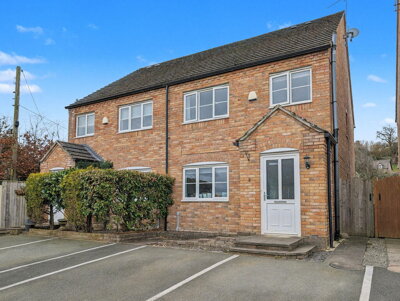
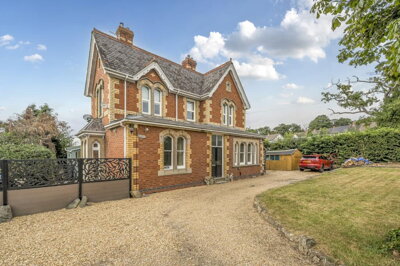
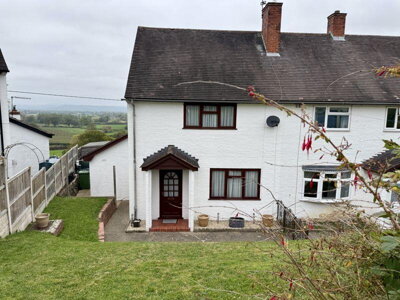
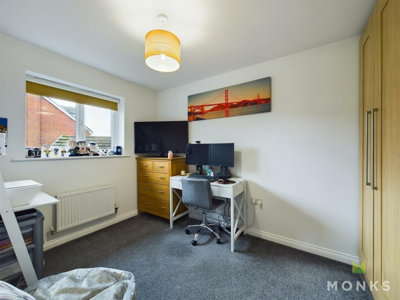
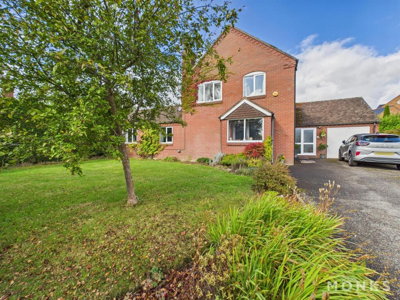
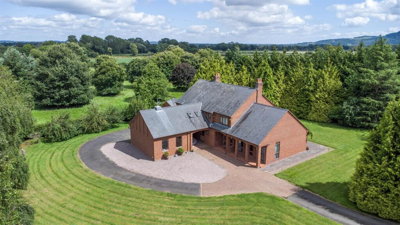
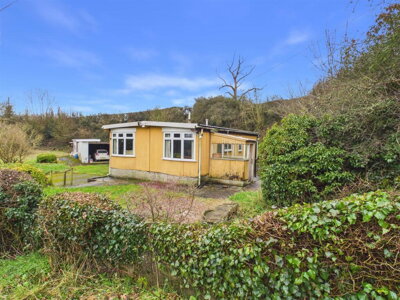
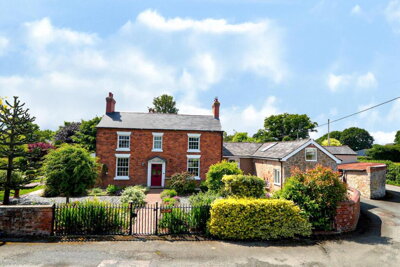
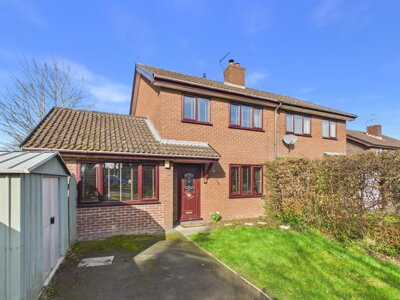
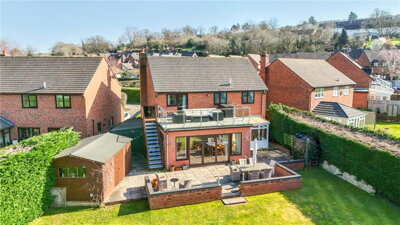
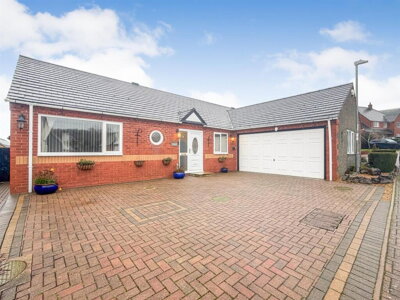
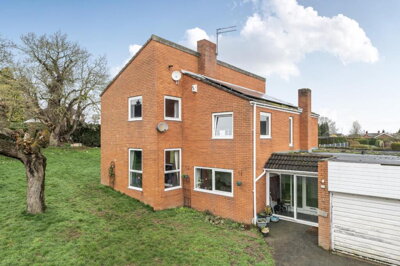
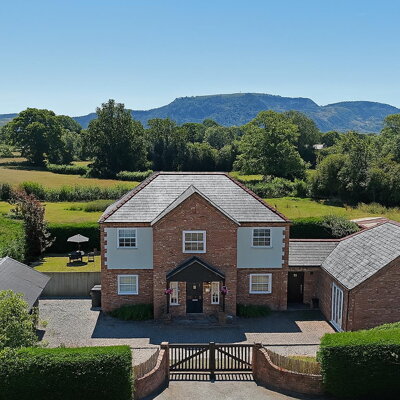
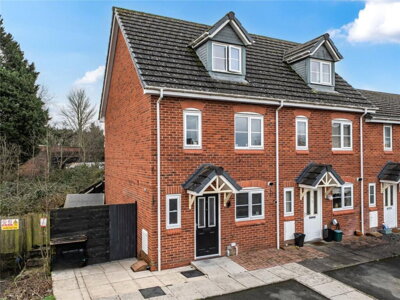
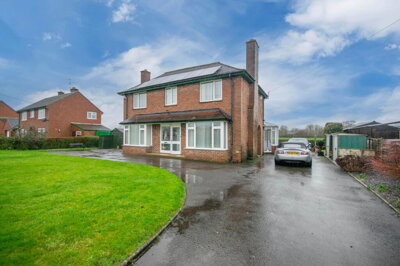
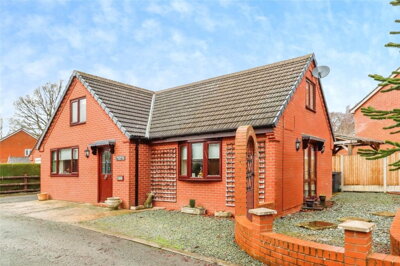
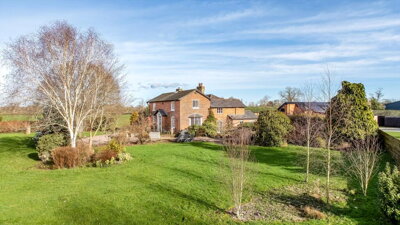
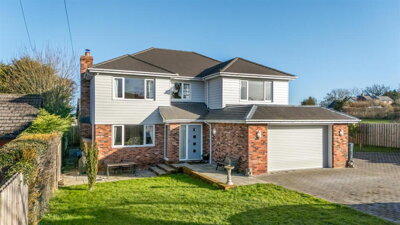
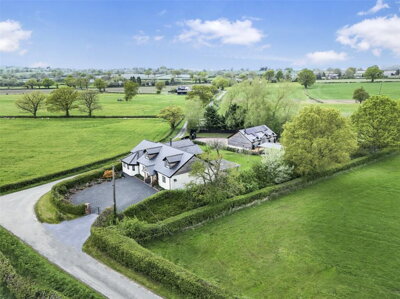
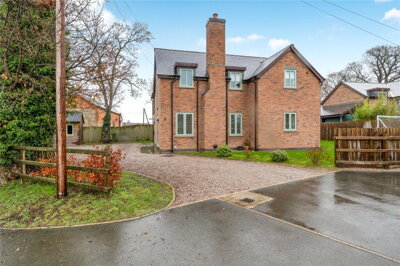
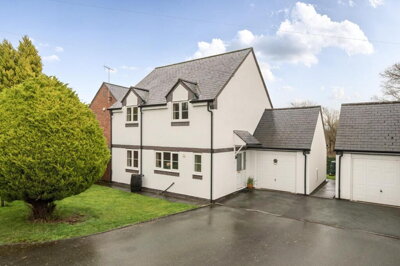
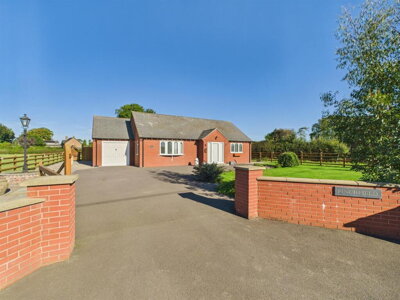
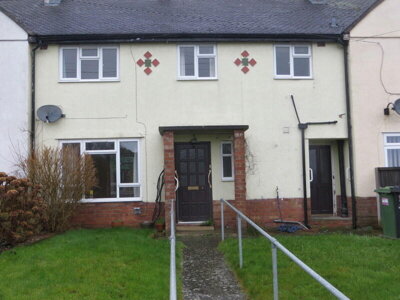
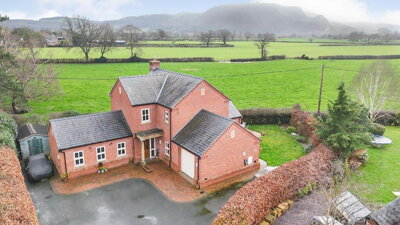
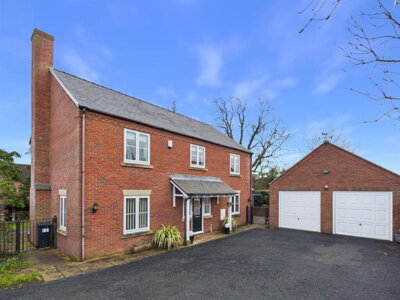
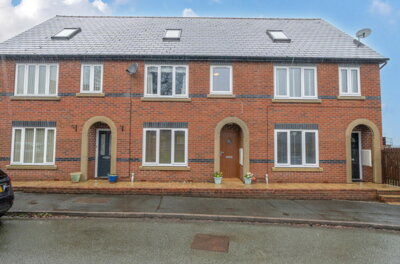
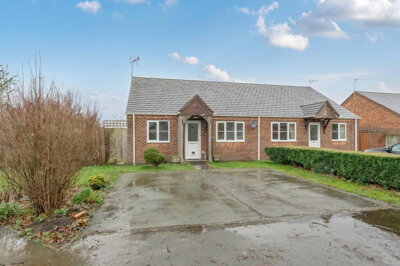
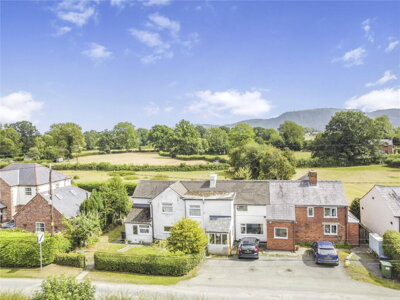
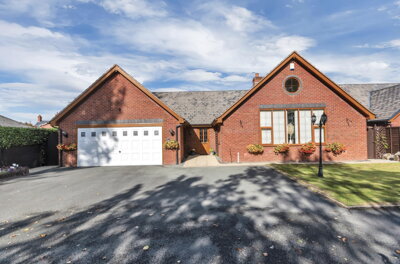
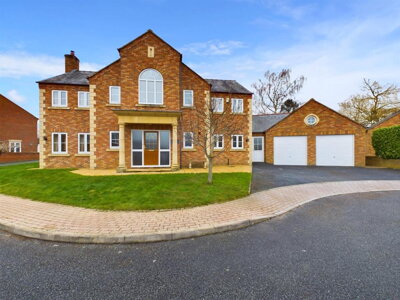
Browse 70 homes for sale in Llandrinio, Powys from local estate agents.
The Llandrinio property market offers detached, semi-detached, and terraced houses spanning various price ranges and neighbourhoods. Each listing includes detailed property information, photographs, and direct contact with the marketing agent.
£380k
15
0
186
Source: home.co.uk
Showing 15 results for Houses for sale in Llandrinio, Powys. The median asking price is £380,000.
Source: home.co.uk
Detached
15 listings
Avg £436,630
Source: home.co.uk
Source: home.co.uk
The Walterstone property market reflects the character of this small rural community, with detached properties commanding the majority of available listings and sales. Recent transaction data from the HR2 postcode area reveals a diverse range of property values, from more affordable traditional cottages to premium period homes worth well over £1 million. A detached house on Walterstone's High Street sold for £855,400 in September 2021, while other notable sales include properties achieving £630,000 and £580,000 for family-sized accommodation. These figures demonstrate that Walterstone attracts buyers willing to invest significantly in the right property, particularly those seeking period features and generous outdoor space.
Property types in Walterstone primarily consist of detached houses and bungalows, with occasional semi-detached cottages appearing on the market. The village's housing stock skews heavily towards older properties, with many homes dating back to the 16th and 17th centuries based on the prevalence of listed buildings throughout the area. This age profile means that buyers should expect traditional construction methods using local stone and timber framing, features that contribute significantly to the character and value of properties here. New build activity in Walterstone remains minimal to non-existent, making the village particularly attractive to those seeking an authentic rural English living experience free from modern developments.
The construction of period properties in Walterstone typically features local sandstone and limestone sourced from Herefordshire quarries, combined with timber frames and lime mortar pointing. These traditional materials require specialist understanding during survey and maintenance work, as modern cement-based mortars can trap moisture within solid walls and cause deterioration. Properties built before 1900 often incur a 20-40% increase in survey costs due to their complex construction and the potential for hidden defects. Our inspectors at Homemove understand these local building traditions and can identify issues specific to period properties in this part of Herefordshire.

Life in Walterstone offers a pace of life that feels increasingly rare in modern Britain, with the village's tiny population of approximately 97 residents creating an intimate community atmosphere. The village sits within a landscape characterised by rolling Herefordshire countryside, with the River Monnow flowing to the south-east and providing both scenic beauty and occasional flood considerations for property owners. Walterstone's proximity to the Welsh border opens up additional recreational opportunities, while the nearby Brecon Beacons National Park offers extensive walking, cycling, and outdoor activities within easy reach. The village maintains its traditional character through several historic buildings, most notably the Grade II listed Allt Yr Ynys manor house dating from the 16th century and the parish church of St Mary with its notable Grade II* churchyard cross.
The local area supports everyday needs through nearby market towns, with larger settlements providing supermarkets, medical facilities, and a wider range of shops and restaurants within a short drive. Walterstone's position in rural Herefordshire means that residents typically rely on personal transport for most daily requirements, though this is offset by the tranquility and natural beauty of the surroundings. The community spirit in villages of this size tends to be strong, with local events and gatherings providing opportunities for social connection. Demographics in small rural villages like Walterstone often include a mix of long-established families and newcomers drawn by the quality of life and property character that only a place with such historic pedigree can offer.
The River Monnow, which flows to the south-east of the village, represents both an environmental asset and a practical consideration for prospective buyers. While the river contributes to the scenic beauty of the area and supports local wildlife, its proximity means that some properties may fall within potential flood risk zones. The Environment Agency flood mapping should be consulted for any property purchase in the Walterstone area, particularly those situated at lower elevations or with gardens extending toward the riverbank. Despite these considerations, properties in the village benefit from the amenity value that the river provides, with riverside walks and fishing opportunities available to residents.

Families considering a move to Walterstone will find educational options available in the surrounding Herefordshire area, though the village itself does not host its own school. Primary education is typically accessed through schools in nearby villages and towns, with many rural schools serving small cohorts and offering personalised attention for children. The local education authority for Herefordshire manages a network of primary schools across the region, with catchment areas determining placement for younger children. Parents should research specific school performance data and Ofsted ratings when planning a family move to the area, as distances to available schools will vary depending on exact property location within the Walterstone postcode area.
Secondary education options in Herefordshire include both comprehensive schools and grammar schools, with the nearest secondary institutions located in the market towns surrounding Walterstone. For families seeking private education, several independent schools operate across Herefordshire and the Welsh border region, providing additional choices for those with the means and inclination. Further and higher education facilities are concentrated in Hereford city and Worcester, both accessible via the road network for older students pursuing advanced qualifications. The rural setting of Walterstone does mean that school transport arrangements merit careful consideration, as daily journeys to educational facilities may involve significant distances.
The closest primary schools to Walterstone typically serve villages within a 5-10 mile radius, with some families choosing to drive rather than rely on limited school bus services. Schools in nearby Pontrilas, Kentchurch, and the market town of Hay-on-Wye serve the local area, each offering different academic focuses and extracurricular activities. Secondary school pupils often travel to schools in Hereford, Abergavenny, or Brecon, with journey times of 30-45 minutes being common for daily travel. Parents should factor these transportation requirements into their property search, particularly if working from home arrangements are being considered alongside school commitments.
Transport connectivity from Walterstone reflects its rural character, with residents typically dependent on private vehicles for the majority of journeys. The village sits within easy reach of the A465 heads of the valleys road, providing access to industrial South Wales and cities including Cardiff and Newport. Hereford city lies approximately 20 miles to the east, offering mainline railway services connecting to Birmingham, London, and the broader national rail network. The nearest railway stations include Hereford and Abergavenny, both offering regular services and parking facilities for those commuting further afield. Road travel within Herefordshire is generally straightforward, with the scenic nature of local routes offsetting the additional journey times compared to urban areas.
Public transport options serving Walterstone are limited, consistent with the pattern experienced in many small rural communities across Britain. Bus services connect the village to nearby towns on specific routes, though frequency is likely to be low compared to urban areas. Residents planning a move to Walterstone should factor in the practical implications of car ownership, including parking at the property and storage for bicycles or outdoor equipment. Cycling infrastructure in the surrounding area varies, though the quieter rural lanes make cycling a pleasant option for local journeys and leisure rides. For those working remotely or with flexible arrangements, the peaceful setting of Walterstone provides an attractive base away from the distractions of urban life.
The A465 heads of the valleys road provides particularly good connectivity toward South Wales, making cities such as Cardiff accessible within approximately 90 minutes by car. Newport and its associated train station can be reached in around an hour, offering connections to the national rail network beyond Wales. The journey to Hereford city takes approximately 35-40 minutes, where mainline services to Birmingham New Street typically run every 30 minutes and direct trains to London Paddington take around three hours. For professionals commuting to major employment centres, these journey times should be factored into any property decision in the Walterstone area.
Understanding the construction methods used in Walterstone properties proves essential for any prospective buyer, given the predominantly old building stock in this rural village. Properties dating from the 16th and 17th centuries typically feature solid stone walls constructed from local Herefordshire sandstone or limestone, often 400-600mm thick, which provide excellent thermal mass but require different treatment compared to modern cavity wall construction. Lime mortar pointing was standard practice in historic buildings, allowing walls to breathe and moisture to evaporate, whereas modern cement-based mortars can trap moisture and cause deterioration of the underlying stonework.
Timber framing represents another characteristic feature of period properties in the Walterstone area, with oak beams and wooden structural frames forming the skeleton of many historic homes. These timber elements can be susceptible to woodworm infestation and fungal decay if moisture penetrates the building fabric, requiring regular inspection and maintenance. Our surveyors understand these traditional construction methods and pay particular attention to roof structures, where exposed timber beams may show signs of movement or deterioration after centuries of service.
Dampness represents one of the most common defects identified in period properties of this type, arising from various causes including failed damp-proof courses, rising damp through solid floors, and condensation within poorly ventilated spaces. Buildings constructed before modern building standards may lack adequate waterproofing, while solid walls with inappropriate cement renders can trap moisture and cause salt efflorescence on internal surfaces. A thorough RICS Level 2 survey will identify these issues and recommend appropriate remediation measures using sympathetic traditional materials.
Begin your property search by exploring current listings in Walterstone and reviewing recent sales data for the HR2 postcode area. Understanding the range of properties available, from period cottages to substantial detached houses, will help you establish realistic expectations and budget accordingly. Our platform provides access to current property listings and recent transaction data to support your research.
Before arranging viewings, obtain a mortgage agreement in principle from a lender to confirm your borrowing capacity. Given the higher property values typical of rural Herefordshire, ensure your deposit and financing are firmly in place before commencing your property search. Our partner mortgage brokers can help you find competitive rates suited to your circumstances and the specific requirements of high-value rural properties.
Schedule visits to properties matching your criteria, taking time to assess the condition of older properties carefully. Many homes in Walterstone will be period properties requiring specialist understanding of traditional building methods and potential maintenance needs. We recommend visiting properties at different times of day to assess light levels, noise, and access arrangements before making an offer.
Before proceeding with a purchase, arrange for a professional survey to assess the property condition. Given the age of housing stock in Walterstone, a RICS Level 2 survey is typically appropriate for standard properties, while a Level 3 Building Survey may be advisable for listed buildings or those of non-standard construction. Pre-1900 properties often require more detailed assessment due to their traditional construction methods.
Choose a conveyancing specialist familiar with rural properties to handle the legal aspects of your purchase. They will conduct searches, review title documents, and manage the transfer of ownership through to completion. Rural properties may require additional searches regarding rights of way, agricultural land uses, and local planning restrictions that affect permitted development rights.
Once all searches are satisfactory and financing confirmed, your solicitor will exchange contracts and agree a completion date. On completion day, the remaining funds are transferred and you receive the keys to your new Walterstone home. We recommend arranging building insurance to commence before completion and planning your removal logistics well in advance.
Purchasing a property in Walterstone requires careful attention to matters specific to rural Herefordshire and the age of properties in the area. Many homes will be constructed using traditional methods predating modern building regulations, with features such as lime mortar, solid walls, and timber framing that require different maintenance approaches compared to newer properties. Listed building status applies to several properties in the village, including the notable 16th-century manor house and parish church, meaning that surrounding properties may also carry restrictions affecting permitted development rights and alteration works. Before purchasing, establish whether the property is listed and understand the implications for future renovation or extension plans.
Flood risk represents a practical consideration for properties in Walterstone, given the proximity of the River Monnow to the village. Potential buyers should investigate the flood history of any property under consideration and review Environment Agency flood mapping data. Properties at lower elevations or with gardens extending toward watercourses merit particular attention, as surface water flooding can also affect rural areas during periods of heavy rainfall. Buildings constructed before modern damp-proofing standards may show signs of moisture penetration, while older roof structures and foundations can exhibit movement or deterioration over decades of service.
Foundation conditions in older properties deserve careful scrutiny during any survey assessment. Properties with shallow foundations on clay soils can be susceptible to subsidence, particularly where trees are located nearby and draw moisture from the ground during dry periods. The shrink-swell potential of underlying clay soils should be considered when assessing the structural condition of period properties, as seasonal moisture variations can cause subtle movement in foundations over time. Given the significant investment required for properties in this sought-after rural location, commissioning a thorough survey before purchase provides essential protection and valuable insight into the condition of your potential new home.
While specific average price data for Walterstone is not published, recent sales in the HR2 postcode area provide useful benchmarks. Detached properties have sold for between £400,000 and £1.595 million, with family homes typically falling in the £500,000 to £850,000 range. A detached bungalow sold for £450,000 in March 2022, while larger period properties have achieved significantly higher values. The rural location and period character of properties in Walterstone attract premium pricing compared to more urban areas of Herefordshire. Properties with substantial land holdings or premium features can command prices well in excess of £1 million, as demonstrated by a detached house sale at £1.595 million in October 2021.
Properties in Walterstone fall under Herefordshire Council's jurisdiction for council tax purposes. Specific bandings depend on property value and characteristics, with most detached houses and period properties in rural Herefordshire typically falling into bands D through H. Larger properties with significant values may attract higher bandings, while smaller cottages might fall into band C or D depending on their assessed value. You can verify the council tax band for any specific property through the HM Land Registry or the Herefordshire Council website using the property address.
Walterstone itself does not have a school, so families will need to consider options in surrounding villages and towns. Primary schools in the wider Herefordshire area include several rated good or outstanding by Ofsted, though catchment areas and travel distances vary significantly depending on exact property location. For secondary education, schools in Hereford city and nearby market towns serve the region, with journey times of 30-45 minutes being typical for daily school runs. We recommend researching current Ofsted ratings and admission policies when planning a family move to the area, as catchment boundaries can change and school capacity varies throughout the year.
Public transport options in Walterstone are limited, reflecting the pattern typical of small rural villages. Bus services connecting to nearby towns operate but with low frequency, making private vehicle ownership essential for most residents. The nearest railway stations at Hereford and Abergavenny offer mainline services to major cities including Birmingham and London, with Hereford providing direct trains to the capital taking approximately three hours. The village is well-positioned for road travel, with the A465 providing access to South Wales and the A49 connecting to regional centres throughout Herefordshire and beyond.
Walterstone offers several characteristics that appeal to property investors, including the scarcity of available properties, the premium placed on period features, and the enduring appeal of rural Herefordshire living. Properties with listed building status or significant land often hold their value well, though the limited pool of potential buyers for high-value rural homes should be considered when calculating expected returns. The village's proximity to the Brecon Beacons and Welsh border enhances its appeal for those seeking a tranquil lifestyle investment, while the shortage of new build development in the area supports values for existing stock. Investment returns in rural villages like Walterstone typically come from capital appreciation over longer holding periods rather than rental yield.
Stamp duty land tax rates for 2024-25 apply as follows: 0% on purchases up to £250,000, 5% on the portion from £250,001 to £925,000, 10% from £925,001 to £1.5 million, and 12% above £1.5 million. First-time buyers benefit from relief on the first £425,000, paying 5% between £425,001 and £625,000. Given typical property values in Walterstone, most purchases will attract the 5% rate on some portion of the purchase price, with higher-value properties potentially entering the 10% bracket for amounts above £925,000. Our partner conveyancers can provide a precise calculation for your specific situation.
Period properties in Walterstone commonly exhibit defects related to their age and traditional construction methods. Dampness represents the most frequently identified issue, arising from inadequate waterproofing, failed damp-proof courses, or solid walls without cavity barriers. Roof deterioration affects many older properties, with slipped tiles, perished mortar, and timber rot requiring attention. Timber decay and woodworm can compromise structural beams, while outdated plumbing and electrical systems often need updating to meet modern standards. Our RICS Level 2 surveys specifically address these common defects and provide detailed recommendations for remediation.
Properties in Walterstone should be assessed for flood risk given the proximity of the River Monnow to the village. While the river enhances the scenic character of the area, properties situated at lower elevations or with gardens extending toward watercourses face elevated flood risk during periods of heavy rainfall. We recommend reviewing Environment Agency flood mapping data for any specific property under consideration and requesting information about the flood history of the property from the vendor. Properties in higher positions within the village generally face lower flood risk, though surface water flooding can affect rural areas more broadly during exceptional weather events.
Buying a property in Walterstone involves several costs beyond the purchase price itself, with stamp duty land tax representing one of the most significant expenses for higher-value properties. The current SDLT thresholds for 2024-25 set the zero-rate band at £250,000 for standard purchases, rising to £425,000 for first-time buyers. Given that most properties in Walterstone sell for considerably more than these thresholds, budget carefully for the 5% rate applying to the portion of purchase price between £250,000 and £925,000. For a property priced at £600,000, for example, SDLT would amount to £17,500 on the portion above £250,000.
Additional buying costs include solicitor fees for conveyancing, typically ranging from £500 to £2,000 depending on complexity and property value. Rural properties may incur additional legal costs due to the need for specialist searches regarding agricultural land uses, rights of way, and local planning matters. Survey costs should also be factored in, with a RICS Level 2 survey averaging around £455 for properties in the typical price range for Walterstone. Older or larger properties may require more comprehensive assessments, with RICS Level 3 Building Surveys costing more but providing detailed analysis of structural condition.
Removal costs, valuation fees, and mortgage arrangement charges complete the picture of upfront expenses. For properties valued above £500,000, survey costs typically average around £586, with period properties requiring additional time and specialist assessment. We recommend obtaining quotes from multiple providers and budgeting conservatively to avoid financial surprises during your purchase. Setting aside a contingency fund of at least 5% of the purchase price for unexpected costs represents prudent financial planning for any property purchase in this price range.
From 4.5%
Finance your Walterstone property purchase
From £499
Legal services for your property purchase
From £455
Comprehensive survey for standard properties
From £85
Energy performance certificate
Properties for Sale In London

Properties for Sale In Plymouth

Properties for Sale In Liverpool

Properties for Sale In Glasgow

Properties for Sale In Sheffield

Properties for Sale In Edinburgh

Properties for Sale In Coventry

Properties for Sale In Bradford

Properties for Sale In Manchester

Properties for Sale In Birmingham

Properties for Sale In Bristol

Properties for Sale In Oxford

Properties for Sale In Leicester

Properties for Sale In Newcastle

Properties for Sale In Leeds

Properties for Sale In Southampton

Properties for Sale In Cardiff

Properties for Sale In Nottingham

Properties for Sale In Norwich

Properties for Sale In Brighton

Properties for Sale In Derby

Properties for Sale In Portsmouth

Properties for Sale In Northampton

Properties for Sale In Milton Keynes

Properties for Sale In Bournemouth

Properties for Sale In Bolton

Properties for Sale In Swansea

Properties for Sale In Swindon

Properties for Sale In Peterborough

Properties for Sale In Wolverhampton

Enter your details to see if this property is within your budget.
Loans, cards, car finance
Estimated property budget
Borrowing + deposit
You could borrow between
Typical borrowing
Monthly repayment
Est. at 4.5%
Loan-to-value
This is an estimate only. Your actual budget may vary depending on interest rates, credit history, and personal circumstances. For an accurate affordability assessment, speak to one of our free mortgage advisors.
This calculator provides estimates for illustrative purposes only and does not constitute financial advice. Your home may be repossessed if you do not keep up repayments on your mortgage. Estimates based on 4.5% interest rate, repayment mortgage. Actual rates depend on your circumstances.
Homemove is a trading name of HM Haus Group Ltd (Company No. 13873779, registered in England & Wales). Homemove Mortgages Ltd (Company No. 15947693) is an Appointed Representative of TMG Direct Limited, trading as TMG Mortgage Network, which is authorised and regulated by the Financial Conduct Authority (FRN 786245). Homemove Mortgages Ltd is entered on the FCA Register as an Appointed Representative (FRN 1022429). You can check registrations at NewRegister or by calling 0800 111 6768.

We use cookies to show you personalised content and improve your experience of our website. Find out more in our Privacy policy and Cookie policy.