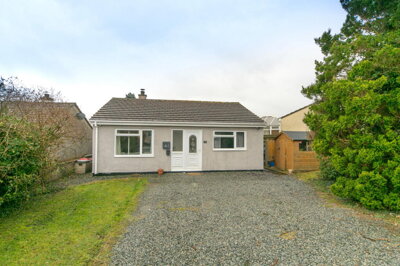
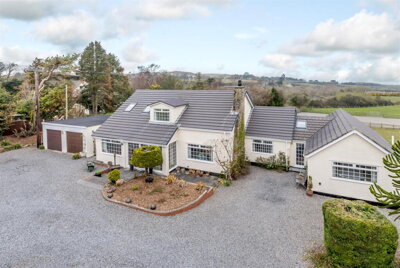
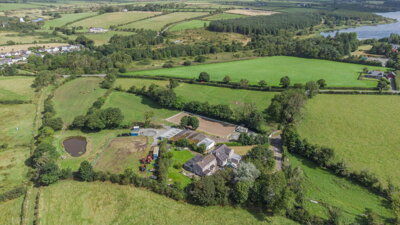
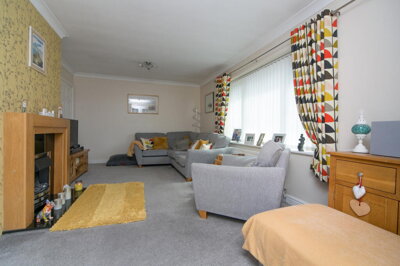
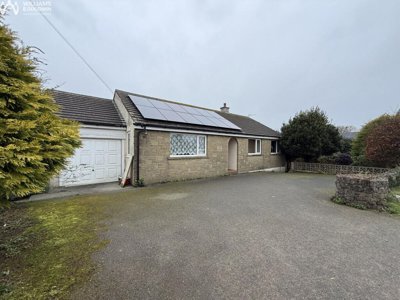
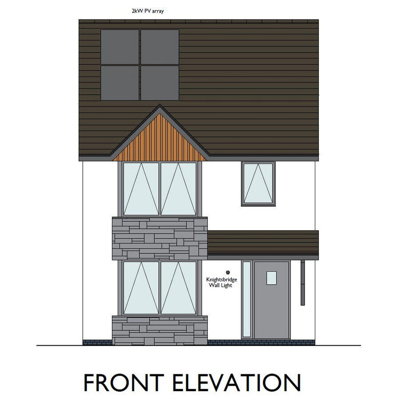
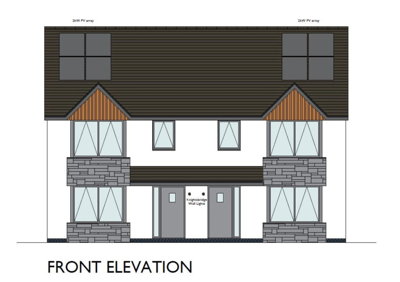
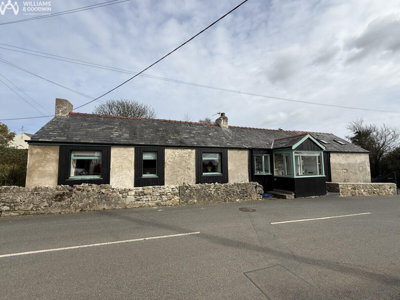
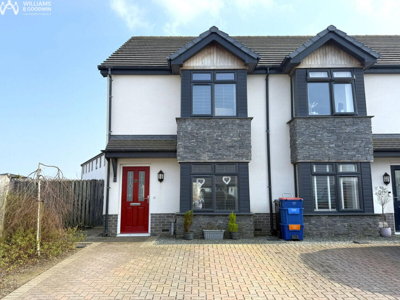
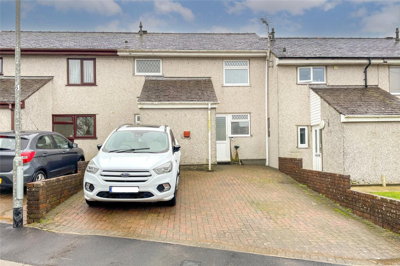
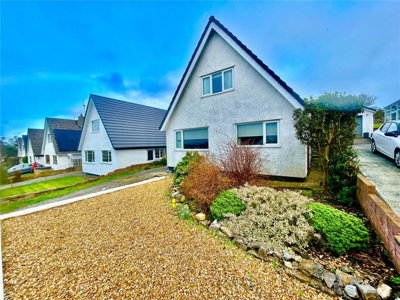
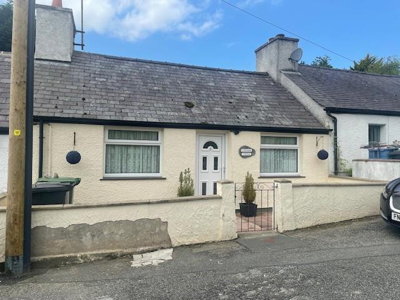
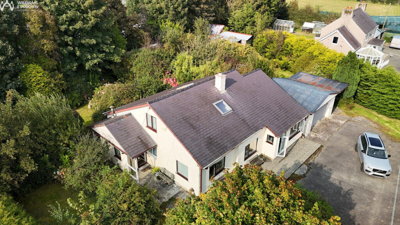
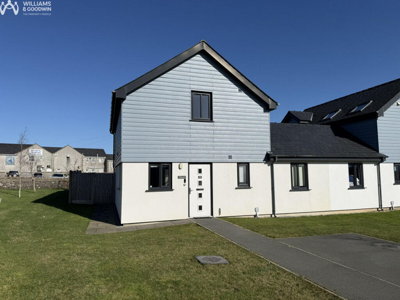
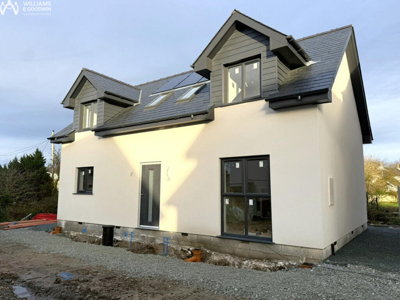
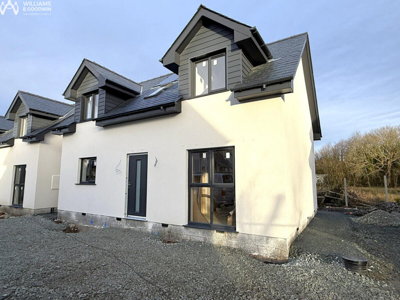
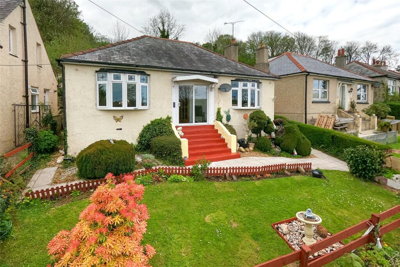
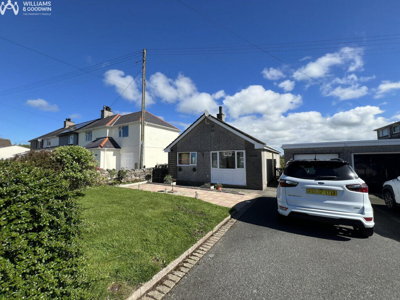
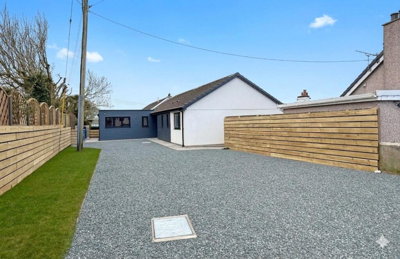
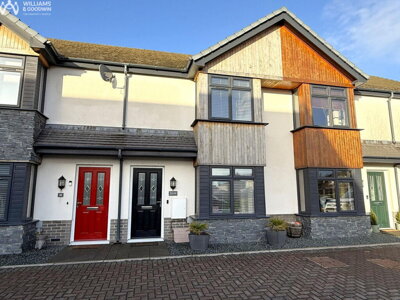
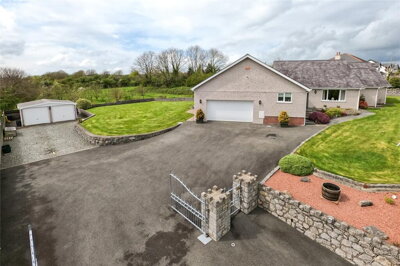
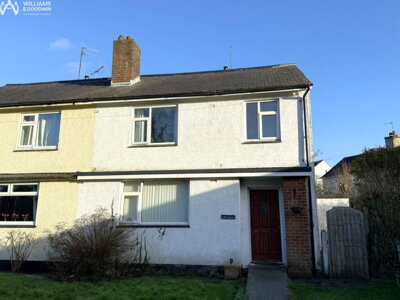
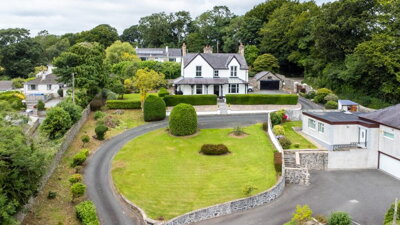
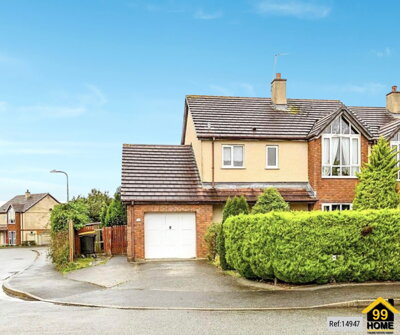
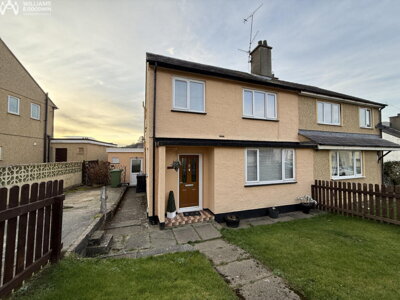
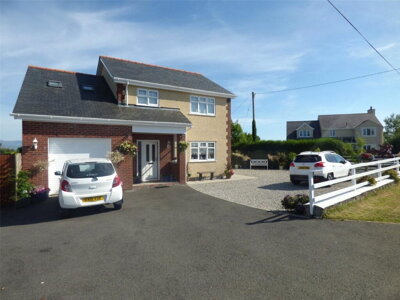
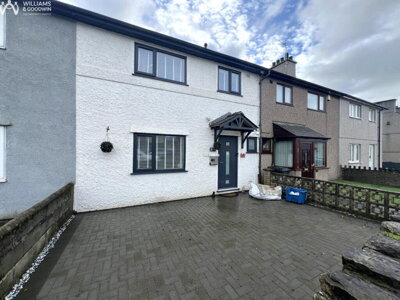
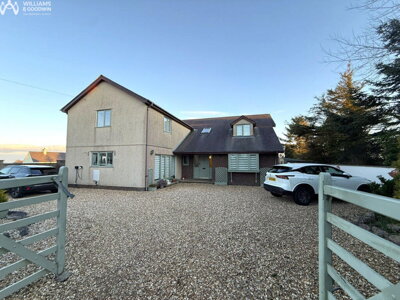
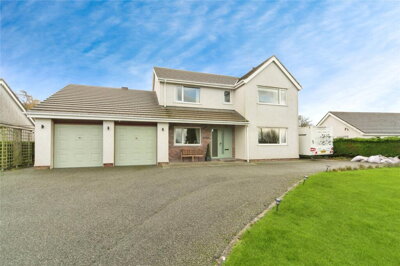
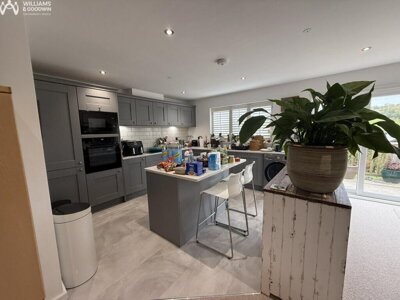
Browse 114 homes for sale in Llanddyfnan, Ynys Môn / Isle of Anglesey from local estate agents.
The Llanddyfnan property market offers detached, semi-detached, and terraced houses spanning various price ranges and neighbourhoods. Each listing includes detailed property information, photographs, and direct contact with the marketing agent.
£545k
9
0
299
Source: home.co.uk
Showing 9 results for Houses for sale in Llanddyfnan, Ynys Môn / Isle of Anglesey. The median asking price is £545,000.
Source: home.co.uk
Detached
8 listings
Avg £626,244
Semi-Detached
1 listings
Avg £250,000
Source: home.co.uk
Source: home.co.uk
Direct property price data for Llanddyfnan specifically remains limited on major property portals, with statistics typically aggregated at the broader Isle of Anglesey level or for nearby towns such as Llangefni and Benllech. The LLANDDYFNAN Parish website maintains price paid data for all properties sold within the parish since 2018, including average prices by property type, which provides valuable insight for serious buyers researching the local market. Property listings across the community area demonstrate a range of prices reflecting the variety of property types available, from traditional cottages to detached family homes with land. For precise current pricing, consulting local estate agents familiar with the Llanddyfnan market or accessing the parish price data directly would provide the most accurate figures for your property search.
The housing stock in Llanddyfnan shows significant variation in age and style, with many properties dating back centuries given the area's rich history. Listed buildings including Plas Llanddyfnan, a 16th-century manor house extensively reconstructed in subsequent centuries, alongside 17th-century farmhouses such as Hendre Howell and Bodeilio, demonstrate the enduring quality of traditional Welsh construction. Saint Dyfnan's Church in the village was rebuilt in 1847, reflecting the ongoing investment in property and community infrastructure that has characterised this settlement for generations. Property listings for the broader area include detached, semi-detached, and terraced houses as well as bungalows, with prices varying considerably based on condition, size, and the presence of land or outbuildings.

Llanddyfnan sits within a landscape shaped by millennia of human habitation and the distinctive geology of Anglesey, an island with one of the most complex geological histories in Britain. The community extends from the rural interior down to the shores of Red Wharf Bay, offering residents access to both productive agricultural land and stunning coastal scenery. The local limestone quarries historically provided building materials for the village and surrounding areas, with the Llanddyfnan Standing Stone, a prehistoric menhir, standing as testament to the area's ancient heritage. The stone itself is composed of mica schist or gneiss, materials not locally sourced, hinting at prehistoric trade networks or ceremonial significance that drew stone from elsewhere on the island.
The community encompasses several smaller settlements including Tregaian and Llangwyllog, each with their own historic churches that form the spiritual and architectural heart of rural Welsh life. Saint Caian's Church at Tregaian dates from at least the 14th century, while Saint Cwyllog's Church at Llangwyllog is thought to predate 1200, making it one of the oldest ecclesiastical sites in the area. This concentration of medieval and early modern heritage creates an environment where history is not merely preserved behind glass but forms an integral part of daily life, surrounded by buildings that have witnessed centuries of Welsh history unfold. The agricultural landscape surrounding these settlements remains productive, with farms continuing to shape the visual character and economy of the community area.

Families considering a move to Llanddyfnan will find a range of educational options within the community and the wider Anglesey area. The Isle of Anglesey County Council maintains a network of primary schools serving rural communities, with secondary education available at schools in nearby towns accessible by school transport. For specific information about school catchments serving the Llanddyfnan area, prospective buyers should consult the local authority's school admission policies and catchment area maps, which detail which schools serve specific addresses within this rural community. Early Years education and childcare facilities are also available across the island, supporting families at all stages of their educational journey.
The wider Anglesey area includes Ysgol Syr Thomas Jones in Amlwch, Ysgol Gyfun Llangefni for secondary education, and the acclaimed Ysgol University campus at Holyhead, which provides higher education opportunities closer to home. The Welsh language education pathway is well-established across Anglesey, offering parents the choice of Welsh-medium schooling if desired. Parents are encouraged to visit potential schools, meet staff, and understand the admissions process well in advance of any property purchase, as catchment areas can influence placement decisions significantly. The rural nature of Llanddyfnan means that school transport arrangements are an important consideration when evaluating the practicalities of daily family life in the village.
Transport connections from Llanddyfnan reflect its position as a rural community on an island, requiring some planning for longer journeys but offering excellent quality of life for those who value countryside living. The village sits within reasonable distance of major roads including the A55 North Wales Expressway, which runs across Anglesey connecting Holyhead to the mainland via the Britannia Bridge. The A55 provides access to regional centres including Bangor and Chester, while the Merseyrail and Virgin Trains services from Holyhead and Bangor offer connections to Manchester, Liverpool, and London. The island's geography means that some journeys require ferry crossings, but the reliability of Irish Sea ferry services from Holyhead maintains excellent connectivity to Dublin and beyond.
Local bus services operated by Anglesey County Council and private operators connect Llanddyfnan to nearby towns including Llangefni, the island's administrative centre, and Beaumaris on the east coast. These services support daily travel for shopping, appointments, and social activities without requiring private vehicle ownership. For commuters working in the energy sector, which forms a growing part of Anglesey's economy including offshore wind projects in the Irish Sea, the island's positioning offers relatively convenient access to project sites and port facilities. Cycling is popular across Anglesey, with dedicated routes and quiet country lanes making cycling a viable option for shorter journeys. Parking at local stations is generally available for those combining rail travel with private vehicle storage.
Explore property listings across multiple platforms including Homemove, local estate agents such as Dafydd Hardy and Beresford Adams, and the LLANDDYFNAN Parish website which maintains comprehensive price paid data since 2018. Understanding average prices by property type and recent transaction volumes will help you identify realistic expectations and recognise genuine value when it appears. Take time to understand the seasonality of the market, as rural coastal properties often see increased interest during spring and summer months.
Contact local estate agents to arrange viewings of properties that match your criteria. Given the rural nature of Llanddyfnan and the historic character of many properties, viewings allow you to assess not only the property itself but also the neighbourhood, nearby amenities, and the practical realities of daily life in this corner of Anglesey. Take time to visit at different times of day if possible, and consider the accessibility of the property during different weather conditions given the coastal location.
Before making any offer, secure a mortgage agreement in principle from a lender. This demonstrates your financial readiness to sellers and their agents, strengthening your position in negotiations. Rural properties can sometimes involve complex lending considerations, so discussing your plans with a mortgage advisor familiar with the Anglesey market is advisable. Properties with non-standard construction or listed status may require additional documentation from surveyors before lenders will finalise offers.
Given the age and character of properties in Llanddyfnan, with many homes predating 1900, a thorough RICS Level 2 Survey is essential. These surveys identify common issues in historic properties including damp, timber defects, roof condition, and potential structural concerns. In North Wales, Level 2 surveys typically range from £400-£600 depending on property value, with older properties potentially incurring premium rates of 20-40% above standard pricing. For listed buildings or properties with complex historic fabric, consider whether a more detailed RICS Level 3 Survey would be appropriate.
Appoint a solicitor experienced in Welsh property transactions to handle the legal aspects of your purchase. They will conduct local searches including flood risk assessments, as Llanddyfnan falls within Anglesey's flood risk management planning area and extends to Red Wharf Bay where coastal flooding requires specific investigation. Your solicitor will manage the Land Registry and Land Transaction Tax requirements on your behalf, including the Welsh-specific tax bands that differ from the rest of the UK.
Once all searches are satisfactory and mortgage offer is confirmed, your solicitor will arrange contract exchange and set a completion date. On completion day, the remaining balance is transferred and keys are released. Welsh-specific considerations include Land Transaction Tax which replaced Stamp Duty Land Tax in Wales, with different thresholds and bands that your solicitor will calculate based on the purchase price.
Properties in Llanddyfnan showcase the traditional building methods that have shaped Welsh rural architecture for centuries. The predominant construction material is rubble masonry, typically using local limestone sourced from quarries that have operated in the area for generations. These stone walls are often limewashed rather than painted, a traditional approach that allows the masonry to breathe and helps manage moisture within the building fabric. Gritstone dressings detail doorways, windows, and corners, adding structural strength and visual character to these historic properties. The traditional slate roofs found on many buildings reflect the local geology, with Welsh slate quarries providing durable roofing materials that have protected these homes through centuries of coastal weather.
Anglesey's geology is notably complex, with the island's foundation formed by the Monian Supergroup of polydeformed metasediments and meta-igneous rocks. The Gwna Melange, a distinctive geological formation on Anglesey, consists of mud-rich sediment containing rounded boulders, which suggests some clay content in the wider area. While this clay-rich geology can potentially contribute to ground movement in some conditions, the limestone bedrock prevalent in the Llanddyfnan area generally provides stable foundations for traditional construction. Properties built on or near former limestone quarries may have variable ground conditions that warrant specific investigation during surveys, particularly for any structures that have been modified or extended over time.
The traditional construction methods used in Llanddyfnan create homes of considerable character but require understanding from prospective buyers. Thick stone walls provide excellent thermal mass, helping to regulate indoor temperatures throughout the year, though insulation upgrades may be needed to meet modern standards. Traditional timber-framed elements, including floors and roof structures, require assessment for decay or pest infestation, issues that a thorough survey will identify. The maintenance of lime-based mortars and renders differs significantly from modern cement-based products, and buyers planning renovation works should budget for specialist tradespeople familiar with historic building conservation methods.
The environmental setting of Llanddyfnan brings several considerations that buyers should investigate before purchasing property in this area. The community lies near the River Cefni and extends to Red Wharf Bay, placing it within the Isle of Anglesey County Council's Local Flood Risk Management Strategic Plan coverage area. Natural Resources Wales provides interactive flood risk mapping tools that allow postcode-level assessment of river, coastal, surface water, and reservoir flood risks. Climate change predictions indicate that flood risk in Anglesey is expected to increase over coming decades, making thorough investigation of flood history and any existing mitigation measures particularly important for properties in lower-lying areas near the bay or watercourses.
Coastal erosion represents a consideration for properties extending toward Red Wharf Bay, as coastal processes continually shape the shoreline around Anglesey. The Welsh Government and Natural Resources Wales publish maps showing areas at risk from coastal erosion, and buyers with properties near the coastline should review these resources and discuss any local knowledge with neighbours or the local authority. The presence of former limestone quarries in the area may have implications for ground stability in very localised spots, though no widespread mining issues were identified for the Llanddyfnan community area during research. Properties on or adjacent to former quarry sites may warrant specific ground investigation as part of the survey process.
The geology of Anglesey, while generally stable, includes areas where clay-rich formations could contribute to subsidence risk through shrink-swell movement during periods of drought or heavy rainfall. The complexity of the island's geological history means that ground conditions can vary considerably within short distances, making professional survey assessment particularly valuable. Our team understands these local conditions and ensures that surveyors commissioning reports for Llanddyfnan properties are briefed on the specific environmental factors relevant to each location, from coastal flood risk near the bay to ground stability considerations inland.
Properties in Llanddyfnan present several considerations specific to their age, construction, and location that buyers should carefully evaluate before committing to a purchase. The prevalence of traditional construction methods, including rubble masonry walls with gritstone dressings, means that properties often feature thick walls and traditional building techniques that differ significantly from modern construction. These features contribute to the character that makes homes in the area so desirable but may also require ongoing maintenance and specialist understanding during renovation or improvement works. Buyers should assess the condition of limewashed elevations, the integrity of traditional slate roofs, and the presence of any modern interventions that may have altered the original character.
Flood risk requires specific investigation given Llanddyfnan's geography. The community lies near the River Cefni and extends to Red Wharf Bay, placing it within the Isle of Anglesey County Council's Local Flood Risk Management Strategic Plan coverage area. Natural Resources Wales provides interactive flood risk mapping tools that allow postcode-level assessment of river, coastal, surface water, and reservoir flood risks. Climate change predictions indicate that flood risk in Anglesey is expected to increase over coming decades, making thorough investigation of flood history and mitigation measures particularly important. Properties in lower-lying areas near the bay or watercourses warrant especially careful evaluation.
The presence of numerous listed buildings throughout the community means that buyers may encounter properties with Grade II or Grade II* listed status, which brings specific obligations under planning and listed building consent requirements. Three churches within the Llanddyfnan community hold Grade II* listing: Saint Caian's Church at Tregaian dating from at least the 14th century, Saint Cwyllog's Church at Llangwyllog dating from around 1200, and Saint Dyfnan's Church in the village dating from the 14th century. Any alterations, extensions, or significant works to listed properties require consent from the planning authority, adding complexity and cost to any renovation projects. For buyers considering older properties, understanding the implications of listed status and budgeting for specialist repair work using appropriate materials and contractors is essential. Insurance costs for listed buildings may also differ from standard properties, and some mainstream insurers may decline coverage, requiring specialist historic building insurance providers.
Specific average house price data for Llanddyfnan itself is not published on major property portals, as figures are typically aggregated at the broader Isle of Anglesey level. The LLANDDYFNAN Parish website maintains comprehensive price paid data for all properties sold in the parish since 2018, including averages by property type, which provides the most accurate local picture. Property listings across the community area show a range reflecting the variety available, from traditional cottages to detached family homes with land. For precise current pricing, consulting local estate agents familiar with the Llanddyfnan market or accessing the parish price data directly would provide the most accurate figures for your property search.
Properties in Llanddyfnan fall under Anglesey County Council's jurisdiction for council tax purposes. Council tax bands in Wales range from Band A (lowest value properties) through to Band I (highest), with the band determined by the property's value as assessed in 2003. Rural and traditionally constructed properties in Llanddyfnan may be valued across various bands depending on their size, condition, and location. Prospective buyers can check the current council tax band for any specific property through the Valuation Office Agency website using the property address or council tax reference number.
The Llanddyfnan area is served by primary schools within the community and nearby villages, with secondary education available at schools in towns such as Llangefni. Specific school performance data, including recent Estyn inspection results, can be found on the Estyn website or through Anglesey County Council's education department. The island offers both English and Welsh-medium education pathways. School catchment areas directly affect admission eligibility, so parents should verify which schools serve their specific address before purchasing property. Transport arrangements for pupils living in rural areas like Llanddyfnan are coordinated through the local authority.
Public transport from Llanddyfnan consists primarily of bus services operated by Anglesey County Council and private operators, connecting the village to nearby towns including Llangefni and Beaumaris. The A55 provides road access to the rest of Anglesey and the mainland, with the Britannia Bridge connecting to Gwynedd. Rail services are available at stations in Holyhead and Bodorgan, offering connections to Bangor, Chester, Manchester, and London. Ferry services from Holyhead connect to Dublin and Ireland. While a private vehicle remains advantageous for daily life in this rural community, public transport options are adequate for occasional travel and commuting with appropriate planning.
Property investment in Llanddyfnan appeals to buyers prioritising lifestyle, heritage, and long-term value over rapid capital growth. The rural character, historic built environment, and coastal location at Red Wharf Bay create consistent demand from buyers seeking the Welsh countryside lifestyle. The Isle of Anglesey's economy is diversifying with investment in renewable energy projects, including offshore wind developments in the Irish Sea, which may support long-term employment and economic growth. Properties with land, traditional character, or holiday let potential may offer particular investment appeal. However, buyers should recognise that rural markets can be less liquid than urban areas, and any rental or holiday let plans should comply with planning regulations and licensing requirements.
As Llanddyfnan is in Wales, buyers pay Land Transaction Tax rather than Stamp Duty Land Tax. The current thresholds for residential property (2024-25) are: zero rate up to £225,000, then 5% on the portion from £225,001 to £400,000, 7.5% from £400,001 to £750,000, 10% from £750,001 to £1,500,000, and 12% above £1,500,000. First-time buyers in Wales do not receive separate relief, though certain transactions may qualify for other exemptions or reliefs. Your conveyancing solicitor will calculate the exact amount due based on your circumstances and the property purchase price.
🏠
A thorough inspection ideal for conventional properties, identifying defects common in traditional construction. From £400
🏠
A comprehensive building survey recommended for older, larger, or non-standard properties in Llanddyfnan's historic housing stock. From £600
🏠
Energy performance certificate required for all property sales. From £60
🏠
Expert property solicitors handling your legal work including local searches for Anglesey flood risk areas. From £499
Understanding the full costs of purchasing property in Llanddyfnan requires awareness of Welsh-specific taxes and local considerations that differ from the rest of the UK. Land Transaction Tax (Treth Trafnidiaeth) replaced Stamp Duty Land Tax in Wales and applies to all residential property purchases. The rates are Bands A through I, with zero rate applying to purchases up to £225,000. Above this threshold, rates progress from 5% through to 12% for properties above £1,500,000. First-time buyers do not receive a separate relief band in Wales, though certain transactions including purchases of new leasehold properties may qualify for other reliefs or exemptions depending on circumstances.
Beyond the purchase price and Land Transaction Tax, buyers should budget for additional costs including solicitor fees for conveyancing (typically £500-£1,500 depending on complexity), local searches including flood risk assessments relevant to Anglesey's coastal and river locations, mortgage arrangement fees, survey costs, and removal expenses. For properties in Llanddyfnan, additional considerations include specialist survey costs for older or listed properties, where the age and traditional construction may require more detailed assessment. RICS Level 2 surveys in North Wales typically range from £400-£600 depending on property value and complexity, with older properties potentially incurring premium rates of 20-40% above standard pricing due to their construction complexity. Budgeting 3-5% of the purchase price for additional costs beyond the property price itself is a reasonable guideline for first-time buyers entering the Llanddyfnan market.
Properties for Sale In London

Properties for Sale In Plymouth

Properties for Sale In Liverpool

Properties for Sale In Glasgow

Properties for Sale In Sheffield

Properties for Sale In Edinburgh

Properties for Sale In Coventry

Properties for Sale In Bradford

Properties for Sale In Manchester

Properties for Sale In Birmingham

Properties for Sale In Bristol

Properties for Sale In Oxford

Properties for Sale In Leicester

Properties for Sale In Newcastle

Properties for Sale In Leeds

Properties for Sale In Southampton

Properties for Sale In Cardiff

Properties for Sale In Nottingham

Properties for Sale In Norwich

Properties for Sale In Brighton

Properties for Sale In Derby

Properties for Sale In Portsmouth

Properties for Sale In Northampton

Properties for Sale In Milton Keynes

Properties for Sale In Bournemouth

Properties for Sale In Bolton

Properties for Sale In Swansea

Properties for Sale In Swindon

Properties for Sale In Peterborough

Properties for Sale In Wolverhampton

Enter your details to see if this property is within your budget.
Loans, cards, car finance
Estimated property budget
Borrowing + deposit
You could borrow between
Typical borrowing
Monthly repayment
Est. at 4.5%
Loan-to-value
This is an estimate only. Your actual budget may vary depending on interest rates, credit history, and personal circumstances. For an accurate affordability assessment, speak to one of our free mortgage advisors.
This calculator provides estimates for illustrative purposes only and does not constitute financial advice. Your home may be repossessed if you do not keep up repayments on your mortgage. Estimates based on 4.5% interest rate, repayment mortgage. Actual rates depend on your circumstances.
Homemove is a trading name of HM Haus Group Ltd (Company No. 13873779, registered in England & Wales). Homemove Mortgages Ltd (Company No. 15947693) is an Appointed Representative of TMG Direct Limited, trading as TMG Mortgage Network, which is authorised and regulated by the Financial Conduct Authority (FRN 786245). Homemove Mortgages Ltd is entered on the FCA Register as an Appointed Representative (FRN 1022429). You can check registrations at NewRegister or by calling 0800 111 6768.

We use cookies to show you personalised content and improve your experience of our website. Find out more in our Privacy policy and Cookie policy.