Browse 1 home for sale in Llanbister, Powys from local estate agents.
The 2 bed house market features detached, semi-detached, and terraced properties with two separate bedrooms plus living spaces. Properties in Llanbister range from Victorian and Edwardian period homes to modern new builds, with pricing varying across different neighbourhoods.
£0k
0
0
0
Source: home.co.uk
Showing 0 results for 2 Bedroom Houses for sale in Llanbister, Powys.
The Llanbister property market presents a compelling opportunity for buyers seeking rural Welsh living with strong long-term value. Recent sales data shows detached properties commanding prices ranging from £185,000 for bungalows to £650,000 for substantial family homes, demonstrating the variety available within the local market. Our platform aggregates listings from estate agents across the region, giving you access to everything from quaint stone cottages dating back centuries to more recent constructions that blend modern comfort with traditional aesthetics. The 10-year price appreciation of 47-49% in surrounding areas underscores the investment potential of properties in this part of Powys.
Property types in Llanbister predominantly consist of detached houses and traditional Welsh cottages, reflecting the agricultural heritage of the area. The village features several notable listed buildings, including six protected structures that form an important part of the local architectural heritage. These range from the Grade II* listed Church of St Cynllo, a 13th-century gem that stands as the area's long history, to traditional farmhouses and cottages scattered throughout the parish. For buyers interested in character properties, Llanbister offers the chance to own a piece of Welsh history, with numerous farms and dwellings dating back to the 15th and 16th centuries still standing strong today.
The Powys housing market has demonstrated particular resilience in rural areas, with demand consistently outstripping supply in villages like Llanbister where limited property availability creates competitive conditions. The postcode area LD1 encompasses not only Llanbister but also neighbouring communities, with Llanbister Road itself seeing activity on the Heart of Wales Line. Recent sales records indicate a detached house achieving £650,000 in June 2023, while a detached bungalow sold for £185,000 in March 2023, demonstrating the range of entry points into this market. Buyers should note that property turnover in villages of this size tends to be lower than in urban areas, making early registration with local agents advisable.

Life in Llanbister revolves around community spirit and a deep connection to the surrounding natural landscape. The village serves as a hub for approximately 381 residents who enjoy a pace of life that contrasts sharply with urban existence. The Lion Hotel, a Victorian-era public house and bed and breakfast, remains a focal point for social gatherings and provides comfortable accommodation for visitors to the area. The community hall hosts regular events throughout the year, from seasonal celebrations to educational workshops and village meetings, ensuring that residents of all ages have opportunities to connect and engage with their neighbours.
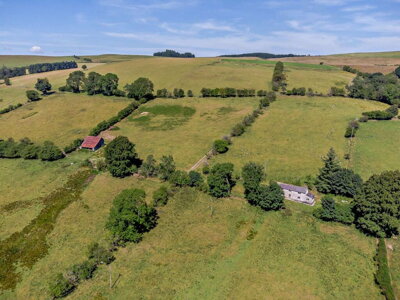
The River Ithon flows gently through the village, offering residents idyllic riverside walks and fishing opportunities that draw visitors from across the region. The surrounding countryside comprises a patchwork of farmland, meadows, and woodland that forms part of the beautiful Radnorshire Hills. Outdoor enthusiasts will find an abundance of walking trails, cycling routes, and bridleways that crisscross the area, providing access to some of Mid Wales most spectacular scenery. The low population density of just 6.5 residents per square kilometre ensures that residents enjoy space and tranquility that is increasingly rare in modern Britain, while the strong sense of community means that newcomers are quickly made to feel welcome.
Local amenities in Llanbister, while modest, cater well to everyday needs and reflect the self-sufficient nature of traditional Welsh village life. The primary school provides education for younger children, while the community hall serves as a versatile venue for everything from parish council meetings to wedding receptions and charity events. For more extensive shopping, healthcare, and recreational facilities, residents travel to Llandrindod Wells, the county town of Powys, which lies approximately 20 minutes away by car. The twice-weekly livestock markets in surrounding market towns continue traditions dating back centuries and remain important social occasions for the rural community.

Education in Llanbister is anchored by Llanbister C P School, a community primary school that serves young learners from the village and surrounding rural areas. The school provides a nurturing environment where children receive quality education while developing strong ties to their local community and Welsh heritage. For secondary education, students typically travel to schools in nearby towns such as Llandrindod Wells, which offers a range of secondary options including comprehensive schools that prepare pupils for further education and vocational pathways.
The wider Powys area maintains a reputation for strong educational standards, with schools consistently performing well in national assessments and examinations. Sixth form provision is available in nearby Llandrindod Wells, providing post-16 students with access to A-level courses and vocational qualifications. For families considering relocation to Llanbister, the presence of quality educational establishments within reasonable travelling distance makes the village an attractive option for parents at all stages of their family journey. The Welsh-medium education option is also available in the region, allowing children to develop fluency in both English and Welsh languages.
School transport arrangements for secondary pupils are coordinated through Powys County Council, with bus services connecting Llanbister to schools in Llandrindod Wells and surrounding towns. Parents should factor these transport arrangements into their daily routines, as school runs will involve travel time regardless of which secondary institution their children attend. The educational journey for children in Llanbister typically progresses from the village primary school through to secondary education in the nearest town, before opportunities for further and higher education at institutions across Wales and the wider UK.
Llanbister Road railway station, located approximately 5 miles to the east of the village, provides direct rail connections to major destinations including Shrewsbury, where passengers can access the broader national rail network. The Heart of Wales Line operates through Llanbister Road station, offering scenic journeys through the Welsh countryside to destinations such as Swansea and Crewe. This regular service enables residents to balance rural living with commuting requirements, with journey times to Shrewsbury taking approximately one hour, opening up employment opportunities in the West Midlands and beyond.
Road transport relies primarily on the A488 and surrounding B-roads, which connect Llanbister to market towns in the region. The journey to Llandrindod Wells takes approximately 20 minutes by car, while the larger town of Newtown is reachable within 30 minutes. For residents requiring access to major motorway networks, the route to the M54 and M6 via Shrewsbury represents the most practical option, with typical journey times of around 90 minutes to two hours depending on destination. Local bus services operate on limited schedules, reflecting the rural nature of the area, so prospective residents should consider the importance of private vehicle ownership when evaluating daily transport requirements.
The Heart of Wales Line provides an underrated commuting option for those working remotely or in professional roles that require occasional travel to larger cities. The line connects Llanbister Road station to Shrewsbury in one direction, where Virgin Trains services provide fast connections to Birmingham, Manchester, and London. In the other direction, the line continues through the Welsh heartland to Swansea, with its comprehensive regional transport links. For buyers evaluating Llanbister as a base for hybrid working arrangements, the combination of rural tranquility and reasonable rail connectivity makes the village an increasingly attractive proposition.
Understanding the local geology is essential for anyone considering purchasing property in Llanbister, as the underlying ground conditions directly affect property construction, maintenance requirements, and long-term structural integrity. The village sits within the historic county of Radnorshire in Powys, where the underlying geology is dominated by Lower Palaeozoic rocks of Silurian age, with some Ordovician strata present in the surrounding hills. These ancient rock formations, formed hundreds of millions of years ago, provide the solid foundation upon which traditional Welsh farmsteads and cottages have stood for centuries.
Of particular relevance to property buyers is the presence of clay soils in the Llanbister area, which pose a shrink-swell risk that can affect building foundations. Expansive clay groups, such as smectites, exhibit significant volumetric changes in response to moisture content variations, leading to ground movement that may cause structural issues including subsidence, cracking in walls, and displaced masonry. The British Geological Survey provides national assessments of shrink-swell susceptibility that can help buyers understand the specific risks for individual properties, particularly those with mature trees nearby or foundations in older properties that may not have been designed with modern engineering standards.
The Welsh Borderland Fault Zone transects the region, running through the hills surrounding Llanbister and influencing the local topography and drainage patterns. While this geological feature does not present significant risks to property structures, it does contribute to the varied terrain and excellent drainage characteristics that make the area suitable for agriculture and outdoor pursuits. Properties in Llanbister benefit from the generally stable geology of the region, with few records of significant mining activity in the immediate vicinity. The Tanat Valley, also in Powys, has historical extraction of lead, barytes, phosphates, and building materials, but these activities are concentrated in different areas from Llanbister.
Properties in Llanbister present specific defect patterns that prospective buyers should understand before committing to a purchase. Given that a significant proportion of the housing stock dates from the 15th and 16th centuries, with many traditional farmhouses and cottages built using historic construction methods, older properties in the village frequently exhibit issues related to their age and original building techniques. Our inspectors regularly identify damp problems in traditional Welsh buildings, whether rising damp due to failed or absent damp-proof courses, penetrating damp from weathered stonework or degraded pointing, or condensation damp resulting from modern living patterns in buildings designed for very different lifestyles.
Roof conditions warrant careful assessment in any Llanbister property, as traditional slate roofs age over time and may develop leaks, displaced tiles, or structural movement. The quality of Welsh slate used in historic properties is generally excellent, with many roofs lasting well over a century, but eventual replacement becomes necessary and represents a significant expense. Our team examines roof structures from both inside and outside, assessing the condition of rafters, battens, flashing, and parapets to provide buyers with accurate information about immediate and future maintenance requirements. Properties with complex rooflines, dormer windows, or parapet details require particular scrutiny as these features are prone to water ingress.
Outdated electrical systems are commonly found in historic Llanbister properties, with many still operating on fuse boards and wiring installed decades ago. Current electrical standards require significant upgrades including consumer units with residual current devices, adequate earthing, and circuits of sufficient capacity for modern appliances. Properties that have not been rewired in the past 25-30 years should be assumed to require electrical upgrading, and buyers should budget accordingly. Similarly, heating systems in older properties often rely on solid fuel agas, older oil boilers, or coal-fired systems that may be inefficient and costly to operate by contemporary standards.
Flood risk in Llanbister is classified as very low, with less than 0.1% annual chance of flooding from rivers, surface water, or small watercourses. The village's position alongside the River Ithon means that specific properties close to the watercourse warrant individual assessment, and we recommend reviewing the Gov.uk flood risk checking tool for any particular address of interest. Powys has experienced recorded flood events historically, with fluvial flooding along river corridors generally confined to the immediate vicinity of watercourses during periods of extreme weather. Properties elevated above the river level or set back from water features benefit from natural protection, while low-lying areas near the Ithon require more careful evaluation.
Subsidence presents a more significant consideration for Llanbister property buyers, primarily due to the presence of shrink-swell clay soils in the area. Properties with trees planted close to structures face particular risk as tree roots extract moisture from clay soils, causing the ground to shrink during dry periods and swell again during wet weather. This seasonal movement can destabilise foundations, particularly those of older properties that may have been constructed with less robust engineering than modern standards require. Our surveyors examine properties for signs of subsidence including diagonal cracking in walls, sticking doors and windows, and rippling wallpaper patterns that indicate underlying structural movement.
Drainage and plumbing conditions in older Llanbister properties deserve careful attention during any property assessment. Aging clay drains can fracture, displace, or become blocked with roots, leading to water accumulation that softens surrounding ground and contributes to subsidence problems. Many traditional properties in the area operate on private drainage systems including septic tanks and private water supplies, which require different maintenance approaches and regulatory compliance than mains-connected urban properties. Buyers should arrange for drains to be surveyed using CCTV equipment and have private water supplies tested for quality before completing any purchase in rural Llanbister.
Start by exploring current property listings in Llanbister on Homemove and familiarise yourself with price trends in the surrounding LD1 postcode area. Understanding that average prices have risen by nearly 50% over the past decade will help you set realistic expectations and identify properties that represent good value within the current market. Register with multiple estate agents active in the area to receive early notification of new listings, as properties in villages like Llanbister can attract multiple enquiries quickly.
Before arranging viewings, contact lenders to obtain a mortgage agreement in principle. This document demonstrates your financial readiness to sellers and estate agents, strengthening your position when making offers on properties in this competitive rural market where properties can sell quickly. Consider speaking with a whole-of-market mortgage broker who can access products from multiple lenders, including those with experience in lending against older and non-standard properties that make up much of Llanbister's housing stock.
Contact local estate agents to arrange viewings of properties that match your requirements. Given Llanbister's small population and limited property turnover, acting promptly when suitable properties become available is essential. Take time to assess the condition of properties, paying particular attention to the age of buildings and potential maintenance requirements. View properties at different times of day to assess lighting, noise levels, and the general atmosphere of the neighbourhood.
For properties in Llanbister, a RICS Level 2 Home Survey is strongly recommended, particularly given the age of many properties in the area. Survey costs for properties in Powys typically range from £450 to £700 depending on value and size. This survey will identify any structural issues, damp problems, or defects that may affect your purchase decision or provide valuable negotiation leverage. For listed buildings or properties of unusual construction, consider whether a more detailed RICS Level 3 Survey would provide appropriate additional scrutiny.
Once your offer is accepted, instruct a solicitor with experience in rural Welsh property transactions to handle the legal aspects of your purchase. Your solicitor will conduct searches, review contracts, and coordinate with the Land Registry to ensure a smooth transfer of ownership. Searches should include drainage and water authority enquiries, local authority planning records, and environmental searches covering flood risk and ground conditions specific to Powys.
After satisfactory survey results and completed searches, your solicitor will arrange for contract exchange, at which point your deposit becomes payable and the completion date is fixed. On completion day, the remaining funds are transferred and you receive the keys to your new Llanbister home. Allow buffer time around the completion date for any final negotiations that may arise from outstanding survey findings or search results.
Purchasing a property in rural Llanbister requires careful consideration of several factors specific to the area's geography and property stock. Properties in this part of Powys are predominantly built using traditional methods, with many homes constructed using local stone and featuring slate roofs that reflect the building heritage of Mid Wales. When viewing properties, examine roof conditions carefully, as older roofs may show signs of wear, missing slates, or structural movement that could require significant investment. The presence of clay soils throughout the region means that subsidence should be considered, particularly for properties with trees or those that have experienced periods of drought.
Flood risk in Llanbister is classified as very low, with less than 0.1% annual chance of flooding from rivers or surface water. However, the village's position on the River Ithon means that prospective buyers should review specific property flood history and elevation when considering properties close to the watercourse. Drainage and plumbing in older properties warrant particular attention, as aging clay drains can contribute to ground instability and subsidence issues. For buyers considering one of the six listed buildings in Llanbister, understanding the implications of listed building status is essential, as any alterations require consent and specialist surveys may be necessary.
The age of properties in Llanbister should be a primary consideration, given that many homes date from the 15th and 16th centuries. These historic properties carry significant charm and character but may present challenges including outdated electrics, inadequate insulation, and dated heating systems. Budget accordingly for potential upgrades while respecting planning requirements that protect the character of listed and traditional buildings. Service charges and maintenance costs for larger rural properties with extensive grounds should also factor into your overall cost calculations when evaluating different property types.
The average sold house price in Llanbister over the past 12 months stands at approximately £725,000, based on recorded sales data. Individual property prices vary considerably depending on type and condition, with recent sales including a detached bungalow at £185,000 and larger detached houses at £650,000. The local market has shown strong performance over the past decade, with surrounding postcode areas recording price increases of approximately 47-49%, indicating robust demand for rural properties in this part of Powys. The LD1 postcode area, which encompasses Llanbister and surrounding villages, has experienced consistent price growth that reflects the broader appeal of rural Mid Wales living.
Properties in Llanbister fall under Powys County Council jurisdiction for council tax purposes. Specific bandings depend on property value and characteristics, with individual properties assessed across Bands A through H. For accurate banding information on specific properties, prospective buyers should consult the Valuation Office Agency website or contact Powys County Council directly. Rural properties with land or outbuildings may attract different considerations depending on their specific features, and some agricultural exemptions may apply to farmland included with residential purchases.
Llanbister C P School serves the village and surrounding area at primary level, providing education for children in the early years through to Key Stage 2. For secondary education, families typically access schools in Llandrindod Wells, which offers several options including comprehensive schools serving the wider Powys area. The region maintains good standards of education, and Welsh-medium schooling is available for families wishing to utilise this option. Transport arrangements for secondary pupils are coordinated through the local education authority, with school buses connecting Llanbister to secondary schools in surrounding towns.
Llanbister Road railway station, situated approximately 5 miles east of the village, provides access to the Heart of Wales Line with services connecting to Shrewsbury, Swansea, and the national rail network. The station offers regular services though schedules reflect the rural nature of the line. Local bus services operate on limited routes, making private vehicle ownership practical necessity for most residents. Road connections via the A488 provide access to nearby market towns, with Llandrindod Wells reachable in around 20 minutes by car.
Property in Llanbister represents a sound investment for buyers seeking long-term value in rural Welsh real estate. The area has experienced significant price appreciation of nearly 50% over the past decade, demonstrating sustained demand for properties in this attractive rural location. Limited housing supply, combined with ongoing interest in countryside living, suggests potential for continued price stability. Properties in conservation-sensitive areas with listed building status may offer additional investment characteristics, though buyers should understand the responsibilities and restrictions associated with owning historic properties.
Stamp Duty Land Tax rates for residential properties in England and Wales (applying to buyers from outside Wales) start at 0% on the first £250,000 of purchase price, rising to 5% on the portion between £250,001 and £925,000. For properties priced above £925,000, rates of 10% apply up to £1.5 million, with 12% on amounts exceeding this threshold. First-time buyers benefit from the increased relief threshold, paying 0% up to £425,000 and 5% between £425,001 and £625,000. As Llanbister properties typically exceed £425,000, most buyers should budget for SDLT costs when calculating total purchase expenditure.
Older properties in Llanbister, many dating from the 15th and 16th centuries, present specific risks that buyers should understand before committing to a purchase. Structural movement related to clay soil shrink-swell behaviour affects properties across the area, particularly those with trees planted close to buildings or foundations of inadequate depth for modern engineering standards. Damp problems commonly affect traditional Welsh buildings with solid walls and original construction, whether rising damp from failed damp-proof courses, penetrating damp from degraded stonework, or condensation damp from modern living patterns in historic structures. A thorough RICS Level 2 Survey will identify these issues and allow buyers to make informed decisions or renegotiate terms before completing their purchase.
Llanbister has six listed buildings including the Grade II* Church of St Cynllo, and any property with listed building status requires additional consideration beyond a standard RICS survey. While a RICS Level 2 or Level 3 Survey can be instructed for listed buildings, buyers should understand that these surveys focus on condition rather than historical significance. For properties where the architectural or historical interest is a significant factor in the purchase decision, a specialist Historic Building Survey may provide more appropriate assessment of the building's fabric, construction, and recommended maintenance approach. Listed Building Consent is required for any alterations that might affect the special character of these properties, and specialist surveyors can advise on what works might be permissible and what obligations come with ownership.
Budgeting for property purchase in Llanbister requires careful consideration of Stamp Duty Land Tax alongside other associated costs. With the average property price in the area standing at approximately £725,000, most buyers should anticipate SDLT charges under standard residential rates. For a property at this price point, buyers from England and Wales would pay 0% on the first £250,000, then 5% on the remaining £475,000, resulting in a SDLT liability of £23,750. First-time buyers may benefit from the increased relief threshold, though this relief phases out for purchases exceeding £625,000.
Beyond stamp duty, purchasing a property in rural Llanbister involves additional costs that should be factored into your financial planning. Conveyancing fees in Powys typically range from £500 to £1,500 depending on property complexity and transaction type. Survey costs for the area, particularly RICS Level 2 Home Surveys recommended for older properties, range from £450 for lower-value homes to £700 or more for properties valued above £600,000. Local search fees, Land Registry registration costs, and electronic money transfer charges add further modest amounts to the overall expenditure. Mortgage arrangement fees, valuation costs, and broker charges should also be considered, particularly given current interest rate environments affecting borrowing costs across the UK property market.
Properties in Llanbister often involve additional costs related to their rural and historic nature that urban buyers may not immediately anticipate. Listed building status may necessitate specialist surveys and consents that add to the professional fees involved in a purchase. Properties on private water supplies or septic tanks require testing and legal checks that differ from standard conveyancing requirements. Properties with extensive grounds or agricultural land may attract different council tax banding and planning considerations that affect ongoing costs. Thorough budgeting should account for these potential additional expenses to avoid financial pressure during or after the purchase process.
From 4.5%
Expert mortgage advice from independent brokers
From £499
specialist property solicitors
From £450
Professional home survey for Llanbister properties
From £600
Detailed structural survey for older properties
From £60
Energy performance certificate
Properties for Sale In London

Properties for Sale In Plymouth

Properties for Sale In Liverpool

Properties for Sale In Glasgow

Properties for Sale In Sheffield

Properties for Sale In Edinburgh

Properties for Sale In Coventry

Properties for Sale In Bradford

Properties for Sale In Manchester

Properties for Sale In Birmingham

Properties for Sale In Bristol

Properties for Sale In Oxford

Properties for Sale In Leicester

Properties for Sale In Newcastle

Properties for Sale In Leeds

Properties for Sale In Southampton

Properties for Sale In Cardiff

Properties for Sale In Nottingham

Properties for Sale In Norwich

Properties for Sale In Brighton

Properties for Sale In Derby

Properties for Sale In Portsmouth

Properties for Sale In Northampton

Properties for Sale In Milton Keynes

Properties for Sale In Bournemouth

Properties for Sale In Bolton

Properties for Sale In Swansea

Properties for Sale In Swindon

Properties for Sale In Peterborough

Properties for Sale In Wolverhampton

Enter your details to see if this property is within your budget.
Loans, cards, car finance
Estimated property budget
Borrowing + deposit
You could borrow between
Typical borrowing
Monthly repayment
Est. at 4.5%
Loan-to-value
This is an estimate only. Your actual budget may vary depending on interest rates, credit history, and personal circumstances. For an accurate affordability assessment, speak to one of our free mortgage advisors.
This calculator provides estimates for illustrative purposes only and does not constitute financial advice. Your home may be repossessed if you do not keep up repayments on your mortgage. Estimates based on 4.5% interest rate, repayment mortgage. Actual rates depend on your circumstances.
Homemove is a trading name of HM Haus Group Ltd (Company No. 13873779, registered in England & Wales). Homemove Mortgages Ltd (Company No. 15947693) is an Appointed Representative of TMG Direct Limited, trading as TMG Mortgage Network, which is authorised and regulated by the Financial Conduct Authority (FRN 786245). Homemove Mortgages Ltd is entered on the FCA Register as an Appointed Representative (FRN 1022429). You can check registrations at NewRegister or by calling 0800 111 6768.

We use cookies to show you personalised content and improve your experience of our website. Find out more in our Privacy policy and Cookie policy.