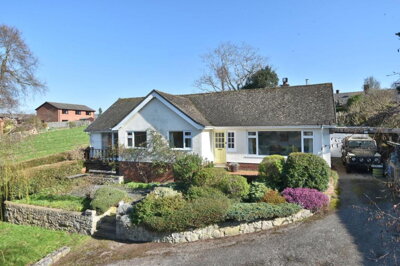
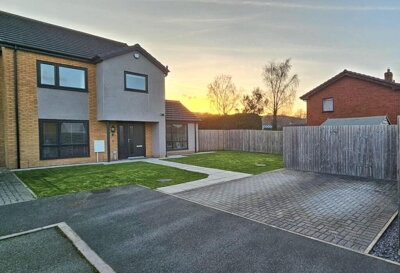
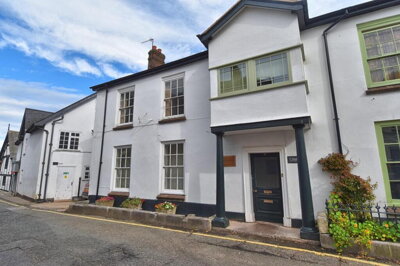
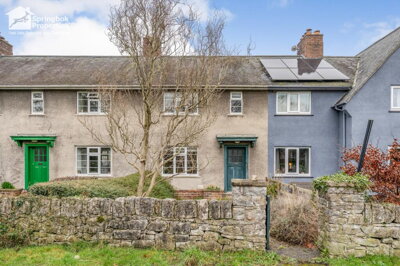
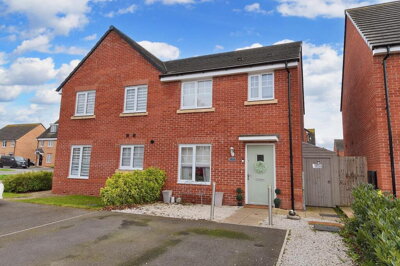
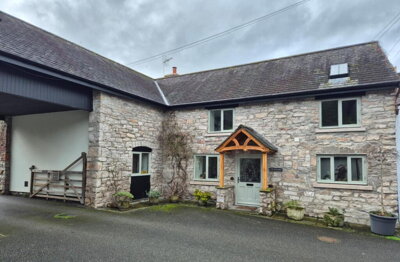
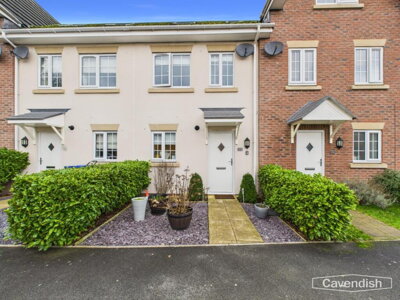
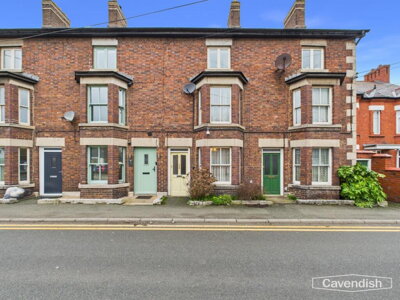
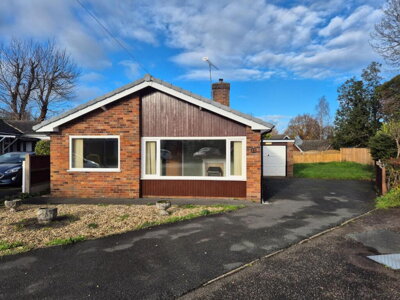
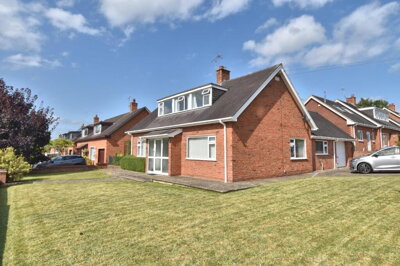
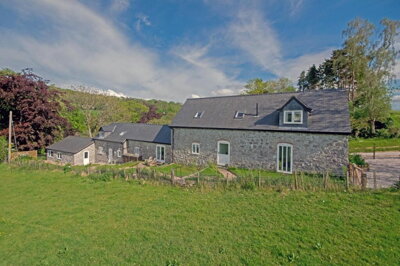
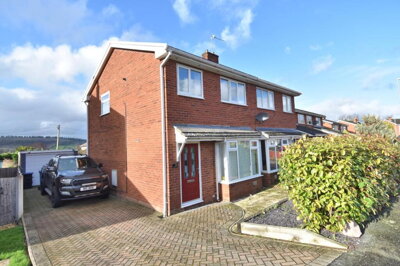
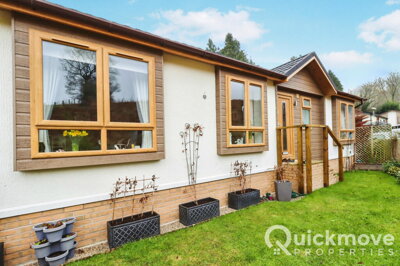
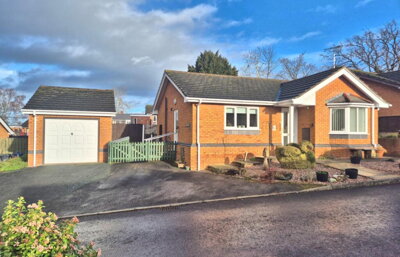
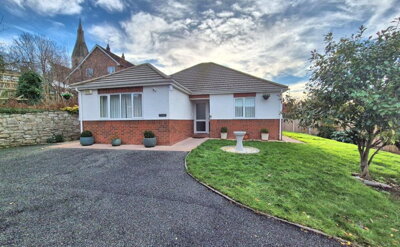
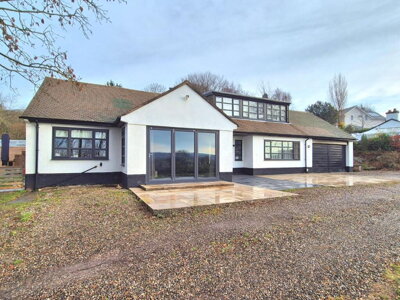
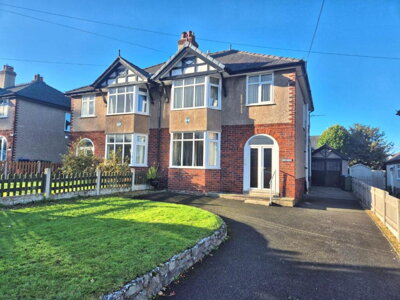
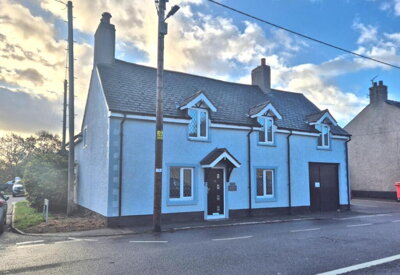
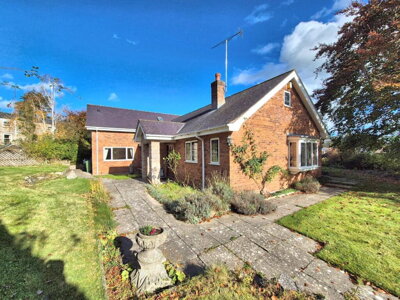
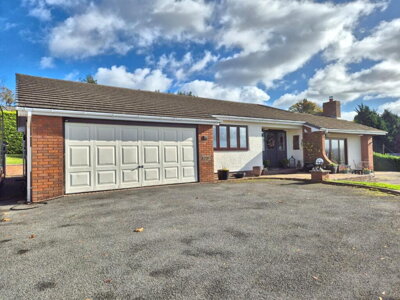
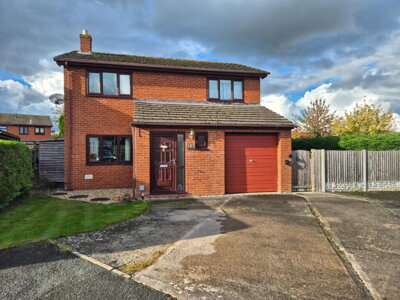
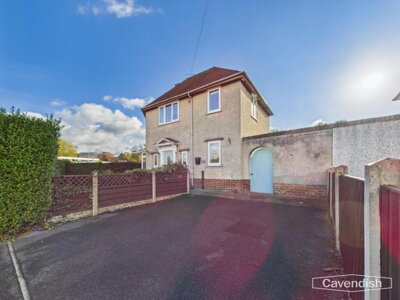
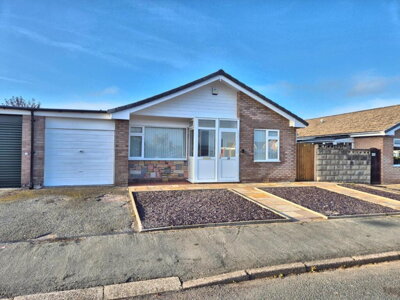
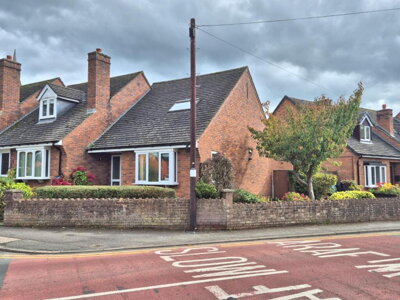
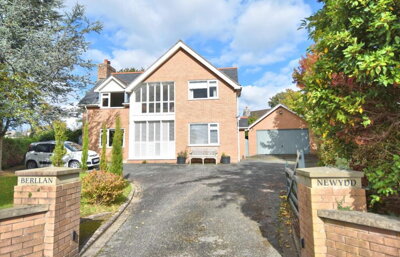
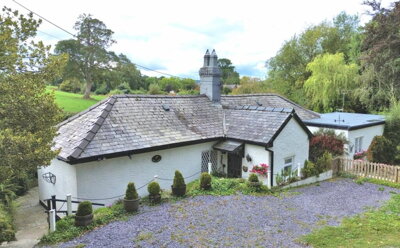
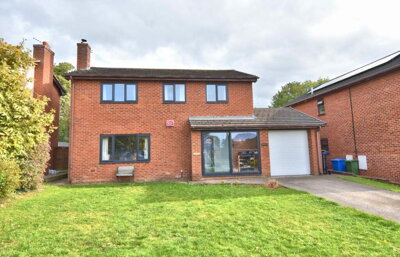
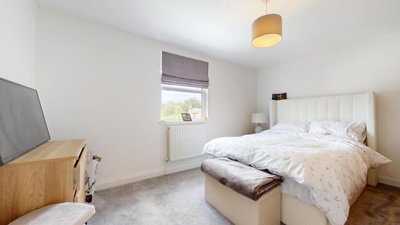
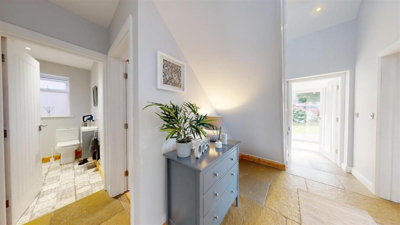
Browse 127 homes for sale in Llanbedr Dyffryn Clwyd from local estate agents.
The Wood Dalling property market is characterised by its preponderance of detached family homes and traditional period properties. Sales data from individual postcode sectors reveals a strong market for larger detached properties, with recent transactions including Low Farm on Church Lane selling for £970,000 in September 2024 and Hill Farm on Crabgate Lane South achieving £803,500 in August 2024. These figures position Wood Dalling firmly within the premium rural Norfolk property sector, where discerning buyers are willing to pay a significant premium for the village atmosphere and historic character that the parish offers.
Semi-detached and terraced properties provide more accessible entry points to the local market, with examples such as Linnets on Corpusty Road selling for £545,000 in October 2023 and the more modest 9 Church Lane achieving £258,000 in July 2023. Churchgate Cottage on Briston Road sold for £343,500 in January 2021, demonstrating the range of terraced options available. The variation in prices across property types reflects the diversity of housing stock available, from substantial working farms and manor houses to modest village cottages. The market has shown resilience over the longer term, with NR11 6SQ recording a 34.4% increase in property values over the past decade, indicating sustained demand for homes in this attractive corner of Norfolk.
New build activity within the village itself remains limited, with most development taking the form of barn conversions rather than large-scale new housing estates. A traditional barn with a pending planning application has been noted by local agents, suggesting some opportunity for newly converted properties to enter the market. For buyers seeking brand new homes, the broader NR11 postcode area offers options including converted barn developments at Abbey Farm Barns in nearby Alby, where eight converted barns and a farmhouse are available with guide prices from £695,000. We can help you explore both village properties and these nearby alternatives.

Wood Dalling is a small rural parish with a population of approximately 200 residents distributed across 91 households, according to the most recent census data. The village maintains a close-knit community atmosphere, with a village hall serving as the focal point for local activities and events. A post office at Norton Corner provides essential day-to-day services, while the surrounding countryside offers extensive opportunities for walking, cycling, and enjoying the natural beauty of North Norfolk. The parish church of St Andrew, dating from medieval times and listed at Grade I, stands as both a spiritual centre and an architectural landmark that anchors the village identity.
The local economy of Wood Dalling has historical roots in agriculture, with the fertile Norfolk countryside supporting farming enterprises that continue to shape the landscape today. The presence of several working farms within the parish boundary reflects this agricultural heritage, while the proximity to Reepham provides access to additional local services including shops, schools, and professional services. Many residents of Wood Dalling commute to employment centres in Norwich or the wider Norfolk area, benefiting from the village's peaceful setting while maintaining access to urban job markets. The balance between rural tranquility and connectivity makes this an attractive location for families and professionals alike.
The broader North Norfolk coast lies within reasonable driving distance, offering residents access to popular seaside towns and beaches that attract visitors throughout the year. The rural tourism economy of Norfolk contributes to the vibrancy of village communities, supporting local businesses and seasonal employment opportunities. For families considering relocation, Wood Dalling offers a tranquil environment with strong community connections, where children can enjoy outdoor pursuits and the natural environment while being within reach of urban amenities. We have helped numerous buyers discover the unique character of this parish and find their ideal home here.

Families moving to Wood Dalling will find educational options available both within the immediate area and in the surrounding market towns. The village itself falls within the catchment area for primary schools in nearby communities, with Reepham being the nearest town offering schooling at both primary and secondary levels. Our team has worked with many families relocating to Wood Dalling, and we can confirm that Reepham's schools have built strong reputations for providing solid educational foundations, serving families who appreciate the balance between village living and access to quality schooling. For secondary education, students typically travel to schools in Holt, Aylsham, or Norwich, with school transport arrangements supporting these daily commutes.
Independent schooling options are available in Norfolk, with several well-regarded private schools situated within comfortable driving distance of Wood Dalling. These establishments offer alternative educational pathways for families seeking particular pedagogical approaches or broader curricula. For families with younger children, the early years education provision in nearby villages includes nurseries and preschool facilities that support early childhood development. We recommend parents research specific school catchment areas and admission policies, as these can vary and may influence property selection within the parish. Many buyers we work with specifically choose their property based on school catchment boundaries.
Further education opportunities are readily accessible in Norwich, where the city hosts college campuses and the University of East Anglia. Students from Wood Dalling can progress to A-level study or vocational courses at Norwich institutions, maintaining family connections to the village while pursuing educational advancement. The availability of these progression routes adds to the long-term appeal of Wood Dalling as a family home, offering educational pathways from early years through to higher education without requiring relocation to distant boarding schools. We always advise families to verify current catchment boundaries with Norfolk County Council before purchasing, as these can change over time.
Transport connections from Wood Dalling centre around road travel, with the village situated along minor country lanes that connect to the broader Norfolk road network. The A1067 runs through nearby villages, providing a direct route towards Norwich to the south and the North Norfolk coast to the north. For residents who need to commute regularly, car travel is the primary option, with journey times to Norwich city centre typically taking around 35 to 45 minutes depending on traffic conditions. We find that many buyers working in Norwich are comfortable with this commute, particularly those who can benefit from flexible working arrangements.
Public transport options are more limited, reflecting the rural nature of the village. Bus services operate on routes connecting smaller communities to market towns, though frequencies are typically reduced compared to urban services. For those working in Norwich, the nearest railway stations with regular services are located in the city itself, offering connections to London Liverpool Street, Cambridge, and Birmingham. Norwich railway station provides East Anglian mainline services with journey times of approximately two hours to London. Some residents choose to combine cycling with public transport, with secure bike storage available at Norwich station for those completing multi-modal commutes. Our experience shows that most Wood Dalling residents regard a car as essential for daily life.
For international travel, Norwich International Airport offers flights to a selection of European destinations, providing convenient access for business travellers and holidaymakers alike. The airport is situated on the northern edge of Norwich, approximately 25 miles from Wood Dalling. For long-haul travel and greater flight choices, London Stansted and London Luton airports are accessible via road, though these represent longer journeys of approximately two to two and a half hours by car. We often remind buyers that the peaceful rural setting of Wood Dalling does come with the trade-off of reduced public transport connectivity, and prospective residents should factor this into their decision-making process.
Spend time exploring Wood Dalling at different times of day and week to understand the community atmosphere. Review recent sales data and property listings to understand current market conditions and price trends in the NR11 postcode area. Our inspectors have conducted surveys on numerous properties throughout the village, giving us unique insights into property conditions across different street names and developments.
Contact a mortgage broker or lender to obtain an agreement in principle before beginning property viewings. Having your financing secured strengthens your position when making offers on desirable properties in this competitive rural market. Given the property values in Wood Dalling, which typically exceed £600,000 for detached homes, securing appropriate mortgage financing is essential before embarking on viewings.
Work with local estate agents familiar with the Wood Dalling area to arrange viewings of suitable properties. Take detailed notes and photographs during visits, paying particular attention to the condition of older properties with their traditional construction methods. Our team can recommend local agents who specialise in the NR11 postcode area and have detailed knowledge of available stock.
For any property you consider purchasing, arrange a RICS Level 2 survey to assess condition and identify any defects. Given the age of many properties in Wood Dalling and the presence of clay lump construction and traditional materials, a professional survey is essential. We offer RICS Level 2 surveys in Wood Dalling starting from £395, with pricing based on property size and value.
Choose a conveyancing solicitor with experience handling rural property transactions in Norfolk. They will manage searches, contracts, and the legal transfer of ownership through to completion. Rural transactions often involve additional considerations such as rights of way, agricultural drainage, and listed building compliance that require specialist legal knowledge.
Once all searches are satisfactory and finances are confirmed, exchange contracts with the seller and agree a completion date. On completion day, your solicitor transfers the remaining funds and you receive the keys to your new Wood Dalling home. We recommend arranging buildings insurance from the point of exchange to protect your investment.
Properties in Wood Dalling include numerous listed buildings and historic homes that require careful consideration before purchase. The village contains several Grade II listed properties alongside the Grade I listed Church of St Andrew and the Grade II* Wood Dalling Hall. Listed status carries legal restrictions on alterations and improvements, requiring planning permission and listed building consent for works that might otherwise be permitted under standard planning rules. Our surveyors regularly inspect heritage properties in the village and understand the implications of listed status for maintenance and renovation.
The local geology presents particular considerations for prospective buyers. The Norfolk landscape around Wood Dalling includes clay-rich soils that are susceptible to shrink-swell movement, which can affect foundations and cause structural issues over time. Our inspectors have identified foundation movement in several properties across the broader NR11 area, particularly in homes with large trees nearby that extract moisture from the soil during drought cycles. A thorough survey should assess foundation conditions and any signs of historic movement, cracking, or subsidence. Surface water flooding represents a general risk across Norfolk during heavy rainfall events, and buyers should review any available flood risk information for specific properties.
Traditional building materials prevalent in the area include red brick, pantile roofing, and clay lump construction, each with their own maintenance requirements and potential issues. Clay lump, a traditional East Anglian building method using earth blocks mixed with straw, requires careful maintenance and specialist understanding for any repairs. Properties with solid walls rather than cavity construction may lack modern damp-proof courses and insulation, potentially leading to condensation and heat loss issues. Our inspectors pay close attention to these traditional materials when surveying properties in Wood Dalling, noting any signs of deterioration or inadequate maintenance.
When viewing older properties, pay attention to signs of damp, roof condition, and the presence of modern services including updated electrical systems and plumbing. Many historic homes in the village may retain original wiring or pipework that does not meet current safety standards. We recommend budgeting for potential upgrades when purchasing older properties, and our survey reports provide detailed cost estimates for any necessary works identified during inspection. Properties like Home Farmhouse, Palm Farmhouse at Norton Corner, and Wood House represent the characterful older stock that defines Wood Dalling, but each comes with its own maintenance considerations.
Property values in Wood Dalling vary by postcode and property type, with average prices estimated between £645,000 and £765,000 for the primary NR11 postcode sectors serving the village. NR11 6SG covering Wood Dalling Road shows an average of £645,416, while NR11 6RN on Front Road averages £703,365, and NR11 6SQ on Church Lane reaches £765,738. Detached properties typically command prices from £625,000 to over £970,000 for substantial period homes, while smaller cottages and terraced properties can be found from around £258,000 to £545,000. The market has shown steady growth, with some postcode areas recording increases of around 5% over the past year and longer-term gains of 34% over the past decade in NR11 6SQ.
Wood Dalling falls within the Broadland District Council area, and council tax bands are assigned based on property value as assessed by the Valuation Office Agency. Specific bands for individual properties can be obtained from the Valuation Office Agency website or your solicitor during conveyancing. As a general guide, the higher property values in Wood Dalling suggest that many homes fall into middle to upper council tax bands, though the exact band depends on the individual property assessment. We recommend checking specific properties on the Valuation Office Agency website before budgeting for ongoing costs.
Wood Dalling does not have its own school, but falls within catchment areas for primary schools in nearby communities including Reepham, approximately 3 miles away, where Our inspectors have surveyed numerous family homes. Secondary education options include schools in Holt, Aylsham, and Norwich, with the closest secondary schools typically accessible by school transport. Several well-regarded independent schools in Norfolk are within driving distance, and the University of East Anglia in Norwich provides higher education opportunities. Parents should verify current catchment boundaries and admission policies with Norfolk County Council before purchasing, as school admissions can be competitive in popular areas.
Public transport options from Wood Dalling are limited, reflecting its status as a small rural village. Bus services connect to nearby market towns, though frequencies are reduced compared to urban areas. The nearest railway stations with regular services are in Norwich, offering East Anglian mainline connections to London and other major cities. Most residents rely on private car travel for daily commuting and essential journeys, making a vehicle essential for comfortable village living in Wood Dalling. Norwich station is approximately 35-45 minutes away by car, with London Liverpool Street reachable in around two hours.
Wood Dalling has demonstrated consistent property value growth over the past decade, with the 34.4% increase recorded in NR11 6SQ indicating sustained demand for homes in this desirable rural location. The combination of historic village character, proximity to Norwich, and access to the Norfolk countryside supports long-term appeal. However, buyers should note that the rural location means slower market activity compared to urban areas, and properties may take longer to sell in future if market conditions change. As with any property investment, local market conditions, property condition, and personal circumstances should guide decision-making. Our team can provide current market analysis to help inform your purchase decision.
Stamp Duty Land Tax rates for 2024-25 are 0% on the first £250,000 of residential property purchase price, 5% on £250,001 to £925,000, 10% on £925,001 to £1.5 million, and 12% on any amount above £1.5 million. First-time buyers benefit from relief on the first £425,000, with 5% charged between £425,001 and £625,000. Given the property values in Wood Dalling, most purchases will attract SDLT in the 5% bracket, though higher-value period homes may incur rates in the 10% bracket. Your solicitor will calculate the exact amount due based on your circumstances and purchase price.
The main risks associated with older properties in Wood Dalling include structural movement related to clay shrink-swell soils, damp penetration in solid-walled construction lacking modern damp-proof courses, and the maintenance requirements of traditional materials such as clay lump and pantile roofing. Listed buildings carry additional compliance requirements for any works, and unauthorised alterations can result in criminal prosecution. Surface water flooding represents a general risk across Norfolk during heavy rainfall. Our inspectors regularly encounter these issues when surveying properties in the village, and our comprehensive reports identify specific risks and recommended actions for each property.
New build activity within Wood Dalling itself remains limited, with most development taking the form of barn conversions rather than large-scale new housing estates. A traditional barn with planning permission pending has been noted in the village, suggesting potential for newly converted properties to enter the market. For buyers specifically seeking brand new homes, the broader NR11 postcode area offers options including converted barn developments at Abbey Farm Barns in Alby, where eight barns and a farmhouse are available from approximately £695,000. We can help you explore both village properties and nearby new build alternatives to find the right option for your circumstances.
From £395
A detailed inspection of the property condition, ideal for traditional homes in Wood Dalling
From £600
Comprehensive building survey recommended for listed properties and older homes
From £85
Energy performance certificate required for all property sales
From £499
Expert legal services for your property transaction
From 4.5%
Competitive mortgage rates for Norfolk properties
Budgeting for property purchase in Wood Dalling requires careful consideration of stamp duty and additional costs beyond the purchase price itself. For a typical detached home in the £600,000 to £700,000 range, a standard buyer would expect to pay stamp duty calculated at 5% on the amount above £250,000. This means a property priced at £650,000 would incur SDLT of £20,000 on the first £250,000 free of tax, with 5% charged on the remaining £400,000, totalling £20,000. First-time buyers purchasing properties up to £625,000 may qualify for relief that increases the nil-rate band to £425,000, reducing the SDLT burden significantly. We recommend using a stamp duty calculator specific to your circumstances to get an accurate figure.
Beyond stamp duty, buyers should budget for solicitor fees which typically range from £500 to £2,000 depending on complexity and property value. Search fees for local authority, drainage, and environmental searches in Broadland District typically cost between £200 and £400. A mortgage arrangement fee, if applicable, may add £500 to £2,000 depending on the lender and product chosen. Survey costs for a RICS Level 2 HomeBuyer Report typically start from £395 for standard properties, rising to £500 to £800 for larger homes or those valued above £500,000. Given the premium property values and older housing stock in Wood Dalling, we recommend budgeting generously for surveys and potential repair costs identified during the survey process.
Moving costs, removals, and potential renovation expenses should also feature in your budget planning. Many properties in Wood Dalling are historic homes that may require updating of heating systems, electrical rewiring, or improvements to insulation standards. Buildings insurance should be arranged from the point of exchange, and life and income protection insurance can provide valuable security for mortgage repayments. Speaking with an independent financial adviser can help you understand the full cost of purchase and ensure your budget accommodates all necessary expenses from reservation through to moving day. Our team can provide guidance on typical costs encountered by buyers in the Wood Dalling area.
Properties for Sale In London

Properties for Sale In Plymouth

Properties for Sale In Liverpool

Properties for Sale In Glasgow

Properties for Sale In Sheffield

Properties for Sale In Edinburgh

Properties for Sale In Coventry

Properties for Sale In Bradford

Properties for Sale In Manchester

Properties for Sale In Birmingham

Properties for Sale In Bristol

Properties for Sale In Oxford

Properties for Sale In Leicester

Properties for Sale In Newcastle

Properties for Sale In Leeds

Properties for Sale In Southampton

Properties for Sale In Cardiff

Properties for Sale In Nottingham

Properties for Sale In Norwich

Properties for Sale In Brighton

Properties for Sale In Derby

Properties for Sale In Portsmouth

Properties for Sale In Northampton

Properties for Sale In Milton Keynes

Properties for Sale In Bournemouth

Properties for Sale In Bolton

Properties for Sale In Swansea

Properties for Sale In Swindon

Properties for Sale In Peterborough

Properties for Sale In Wolverhampton

Enter your details to see if this property is within your budget.
Loans, cards, car finance
Estimated property budget
Borrowing + deposit
You could borrow between
Typical borrowing
Monthly repayment
Est. at 4.5%
Loan-to-value
This is an estimate only. Your actual budget may vary depending on interest rates, credit history, and personal circumstances. For an accurate affordability assessment, speak to one of our free mortgage advisors.
This calculator provides estimates for illustrative purposes only and does not constitute financial advice. Your home may be repossessed if you do not keep up repayments on your mortgage. Estimates based on 4.5% interest rate, repayment mortgage. Actual rates depend on your circumstances.
Homemove is a trading name of HM Haus Group Ltd (Company No. 13873779, registered in England & Wales). Homemove Mortgages Ltd (Company No. 15947693) is an Appointed Representative of TMG Direct Limited, trading as TMG Mortgage Network, which is authorised and regulated by the Financial Conduct Authority (FRN 786245). Homemove Mortgages Ltd is entered on the FCA Register as an Appointed Representative (FRN 1022429). You can check registrations at NewRegister or by calling 0800 111 6768.

We use cookies to show you personalised content and improve your experience of our website. Find out more in our Privacy policy and Cookie policy.