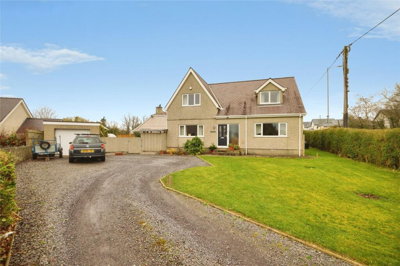
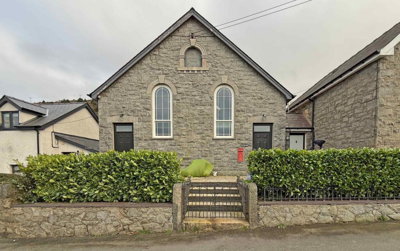
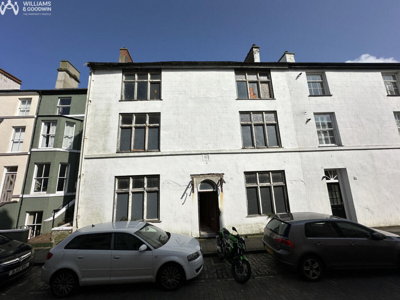
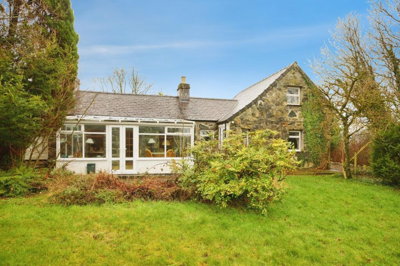
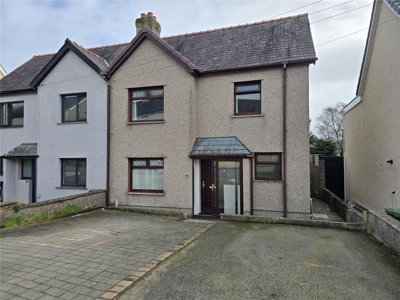
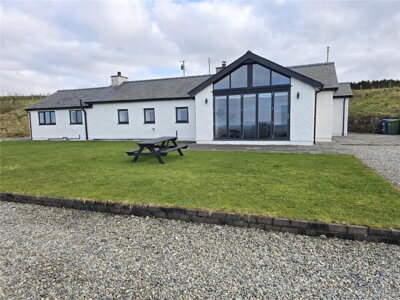
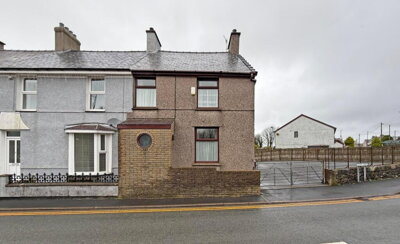
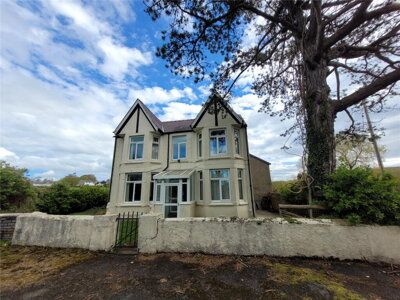
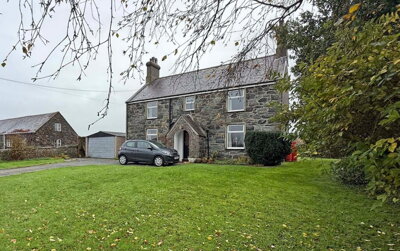
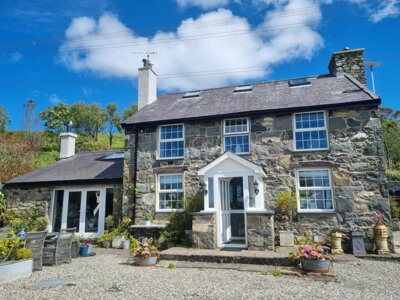
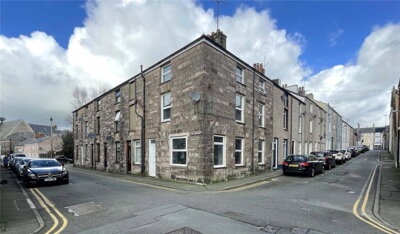
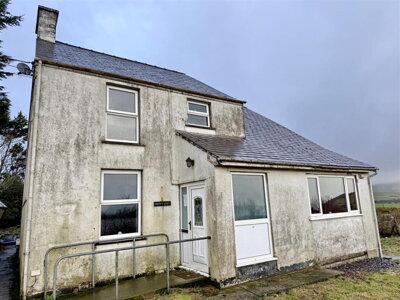
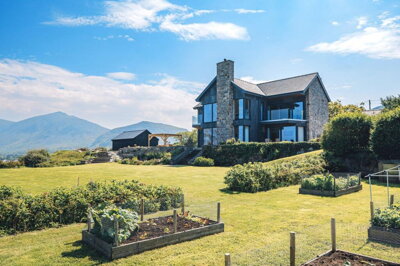
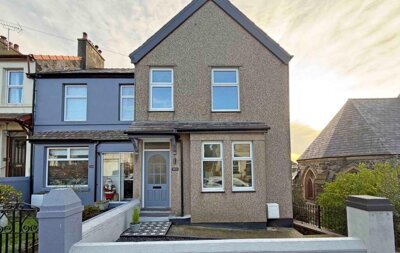
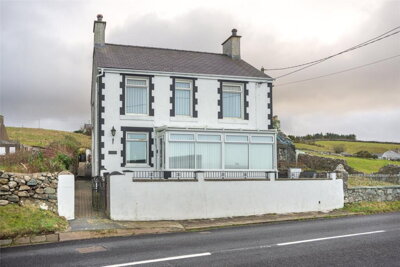
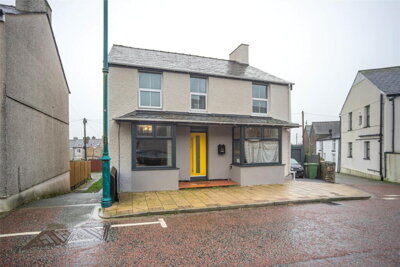
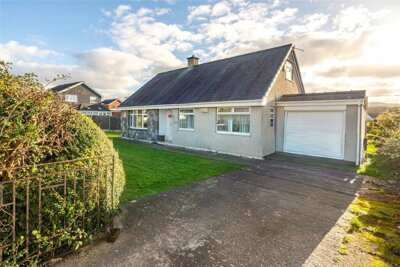
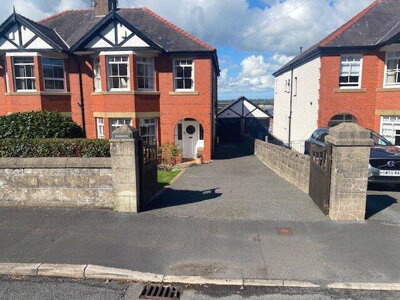
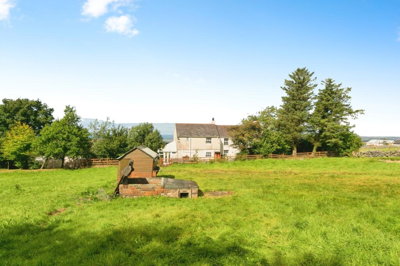
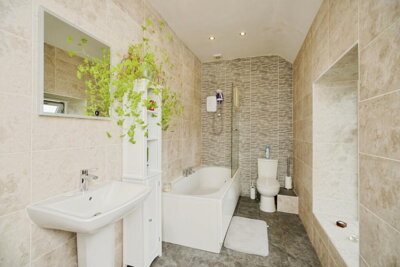
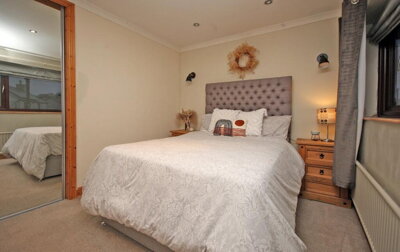
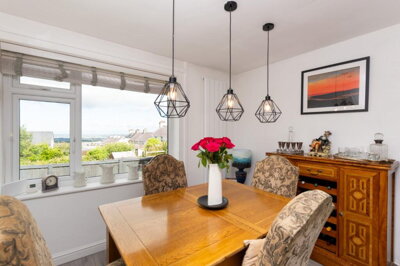
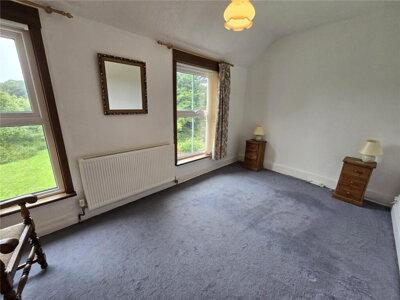
Browse 37 homes for sale in LL54 from local estate agents.
The larger property sector typically features multiple bathrooms, substantial reception space, and private gardens or off-street parking. Four bedroom houses in LL54 span detached, semi-detached, and occasionally terraced configurations, with styles ranging from period properties to modern executive homes.
£378k
16
1
225
Source: home.co.uk
Showing 16 results for 4 Bedroom Houses for sale in LL54. 1 new listing added this week. The median asking price is £377,500.
Source: home.co.uk
Detached
13 listings
Avg £490,377
Semi-Detached
3 listings
Avg £351,650
Source: home.co.uk
Source: home.co.uk
The LL54 property market reflects the diverse character of this North West Wales postcode, with property types spanning traditional Welsh cottages to contemporary new-build homes. Detached properties command the highest prices, averaging around £350,000, while semi-detached homes offer more accessible entry points at approximately £220,000. Terraced properties, many of which feature the distinctive character of the region with slate facades and original features, typically sell for around £180,000, making them particularly attractive to first-time buyers seeking a foothold in this desirable area.
New-build activity in LL54 continues to expand the housing offer, with several significant developments currently under construction across the postcode. Maes y Bryn by Anwyl Homes off Ffordd Caernarfon in Llanwnda (LL54 5DL) presents 3 and 4-bedroom detached and semi-detached homes priced from £250,000 to £380,000, catering to families seeking modern specifications within a traditional setting. Cae Bodawen in Groeslon (LL54 7EE) offers 2, 3 and 4-bedroom homes from approximately £190,000 to £320,000 through Cartrefi Cymru, while Parc y Ffynnon in Penygroes (LL54 6LY) provides affordable housing options through Adra for those meeting eligibility criteria.
According to recent census data, the housing stock across Gwynedd and the LL54 area comprises approximately 30-35% detached properties, 30-35% semi-detached homes, 20-25% terraced properties, and just 5-10% flats and apartments. This mix reflects the semi-rural character of the postcode, where larger family homes on generous plots remain prevalent alongside the historic centre of Caernarfon town itself.

The LL54 postcode encompasses a collection of communities set against the dramatic backdrop of Snowdonia and the Menai Strait, where approximately 9,000 to 10,000 residents call this picturesque corner of Gwynedd home across roughly 3,500 to 4,000 households. Caernarfon, the historic county town, serves as the commercial and cultural hub, boasting an impressive castle that was once a royal palace and fortress and now a UNESCO World Heritage Site. The town's waterfront location on the Menai Strait has shaped its maritime heritage and continues to define its character, with fishing boats and sailing vessels dotting the harbour throughout the year.
The local economy of LL54 draws strength from several key sectors that provide employment across the area. Tourism remains vital, with visitors drawn to the proximity of Snowdonia National Park, the stunning North Wales coast, and the region's rich Welsh heritage. Agriculture continues as a traditional employer in the rural villages, while the public sector, including the NHS, education services, and Gwynedd Council, provides stable employment for many residents. Small and medium-sized enterprises in retail, services, and light industry contribute to economic diversity, while the strong Welsh language presence shapes daily life in LL54, influencing local services, community events, and the distinctive cultural identity that permeates everything from school life to chapel services and local businesses.
The blend of traditional and modern creates a unique living experience across LL54. Historic farmhouses and converted agricultural buildings dot the countryside surrounding the main towns, many retaining their original slate stone construction and thick walls that speak to the building techniques of previous centuries. In contrast, post-war housing estates in areas like Penygroes provide more contemporary accommodation with the benefits of modern insulation and updated utilities. This variety means buyers in LL54 can choose between character-rich period properties requiring some maintenance understanding and newer homes offering turn-key convenience.

Understanding local construction methods helps buyers appreciate the properties they view across LL54. Traditional properties built before 1919, representing an estimated 30-40% of the housing stock, typically feature solid wall construction using local stone sourced from the surrounding hillsides. These walls, often constructed from slate, granite, or rubble stone and finished with traditional lime render, measure between 300-500mm thick and provide excellent thermal mass but limited insulation by modern standards.
The geology of LL54 consists predominantly of igneous and metamorphic rocks, with areas of glacial till and alluvium in river valleys such as those following the Afon Gwyrfai. This geology means the risk of shrink-swell subsidence from clay soils remains generally low across much of the postcode, though localised pockets of clay-rich superficial deposits may exist near watercourses. Properties along river corridors or in valleys carved by glacial activity may encounter different ground conditions that a thorough survey can identify.
Mid-century properties built between 1945 and 1980, accounting for approximately 25-30% of the housing stock, commonly feature cavity wall construction with brick or blockwork often rendered externally. These homes typically have pitched roofs covered with concrete or clay tiles rather than the natural slate seen on older properties. More recent construction from the 1980s onwards uses modern cavity wall insulation and a variety of external finishes including brick, render, and timber cladding, with many developers opting for slate-effect tiles to maintain aesthetic continuity with the local building tradition.
Natural slate remains the defining roofing material across LL54 regardless of property age. Our inspectors frequently find that slate roofs on period properties require careful assessment, as individual slates can slip or crack over time, particularly on south and west-facing slopes exposed to prevailing Atlantic weather systems. Lead flashing around chimneys, valleys, and parapets also demands close attention, as deterioration can lead to water ingress that affects roof timbers and ceiling joists below.
A significant proportion, likely 60-70%, of properties in LL54 exceed 50 years in age, making thorough pre-purchase surveys particularly valuable for prospective buyers. Our inspectors regularly identify damp as a primary concern across the local housing stock, with both penetrating damp caused by exposed locations facing Irish Sea weather systems and rising damp affecting older properties with inadequate or deteriorated damp proof courses presenting ongoing challenges for homeowners.
Timber defects represent another common finding during property surveys in LL54. Wet and dry rot can develop when moisture penetrates building fabric through defective flashing, slipped slates, or inadequate ventilation. Properties that have undergone modernisations without proper attention to airflow often suffer from condensation issues that lead to timber decay in hidden areas such as floor voids and roof spaces. Woodworm activity may also be present, particularly in properties with existing damp issues or original softwood construction.
Electrical and plumbing systems in older properties frequently require updating to meet current standards. Many homes built before the 1970s still contain original wiring that would not pass modern testing, and our surveyors commonly recommend full rewiring before purchase. Similarly, lead or galvanised steel plumbing found in period properties often requires replacement with modern copper and plastic systems. Asbestos-containing materials may be present in properties built or renovated before 2000, requiring specialist assessment and handling during any renovation work.
Properties very close to the Menai Strait coastline face additional considerations including potential coastal erosion risks that can affect foundations and overall stability over time. While direct mining subsidence risk in LL54 remains generally lower than in former coal mining areas, old slate quarry workings scattered throughout the surrounding hillsides could pose localised ground stability issues that a careful survey would identify.
Education provision across the LL54 postcode serves families at every stage of their children's development, from nursery through to further education. Caernarfon hosts several primary schools serving the town and surrounding villages, with many operating through the medium of Welsh to reflect the bilingual character of the area. Parents should research specific catchment areas when considering properties, as school admissions in Gwynedd are determined primarily by geographic proximity, and securing a place at preferred schools often influences property choices in this desirable region.
Secondary education in LL54 is served by secondary schools in Caernarfon and nearby towns, providing comprehensive education with strong GCSE and A-level programmes. The area's schools benefit from the stunning natural environment, with outdoor education forming an integral part of the curriculum and taking advantage of the mountain, coastal, and countryside settings. For families considering Sixth Form options, the nearby colleges in Bangor and Caernarfon offer extensive A-level and vocational programmes, while the University of Wales, Bangor provides higher education opportunities within reasonable commuting distance for older students remaining in the family home.
The Welsh language plays a significant role in local education, with many schools offering either Welsh-medium instruction or bilingual programmes that support fluency in both Welsh and English. Parents moving to LL54 from outside Wales often find this an enriching opportunity for their children to gain fluency in a language that forms a central part of the region's cultural identity. Several primary schools in the area, particularly those serving the more rural villages, operate predominantly through the medium of Welsh, which families may wish to consider when selecting their preferred location.
Beyond formal education, the area offers various extracurricular opportunities through local sports clubs, music schools, and youth organisations based in village halls and community centres throughout LL54. Thement Centres in Caernarfon and Penygroes provide after-school and holiday activities, while outdoor pursuit centres take advantage of the mountain and coastal environment to offer activities including climbing, sailing, and hiking that form part of the lifestyle appeal for families moving to the area.
The LL54 postcode offers reasonable connectivity to major cities and employment centres, though the rural nature of the area means travel planning requires consideration. The A487 runs through the heart of the area, connecting Caernarfon with Bangor to the north-east and Pwllheli to the west, while the A499 provides access to the Llŷn Peninsula. For those commuting to larger cities, Bangor lies approximately 20 miles from Caernarfon and offers direct rail services to London Euston, with journey times of around 3 hours 30 minutes, while Chester can be reached in approximately 1 hour 30 minutes by car.
Public transport options within LL54 include bus services operated by Arriva Buses Wales and local operators, connecting the main towns and villages throughout the day, though frequencies reduce significantly in the evenings and on Sundays. Caernarfon railway station, while modest in scale, provides connections to the broader rail network via Bangor, and the nearby port of Holyhead offers ferry services to Ireland. For residents working from home or maintaining local employment, the excellent access to the natural environment makes cycling and walking practical for daily commutes within the area, with the coastal and mountain paths providing exceptional recreational routes.
The dispersed nature of communities across LL54 means that car ownership remains important for most residents to access services, schools, and employment. Village locations such as Groeslon and Llanwnda benefit from their position along the A487, providing relatively straightforward access to Caernarfon and the wider road network. Parking availability varies across the area, with Caernarfon town centre offering public car parks while rural villages typically rely on on-street parking that can be limited during peak visiting seasons when tourist numbers increase.
For professionals commuting to employment in Manchester, Liverpool, or Birmingham, the proximity of the M56 and M6 motorways via the A55 makes day commuting feasible although time-intensive, with total journey times to Manchester city centre typically around 2 hours 45 minutes. Many residents who previously commuted daily have transitioned to hybrid working patterns that reduce the frequency of longer journeys while maintaining employment in major cities. The improved broadband infrastructure across Gwynedd supports this shift, making LL54 increasingly attractive to remote workers seeking the quality of life that North Wales provides.
Contact a mortgage broker to obtain an agreement in principle before viewing properties. This demonstrates your financial readiness to estate agents and sellers, strengthening your position in a competitive market where traditional stone cottages and family homes attract multiple enquiries. We recommend speaking with a broker familiar with the Welsh property market who can advise on specific products available in the area.
Spend time exploring the villages and neighbourhoods within LL54, from the historic streets of Caernarfon to the peaceful communities of Penygroes and Groeslon. Understanding local amenities, school catchments, and transport links will help you narrow your search to areas that genuinely match your lifestyle requirements. Consider visiting at different times of day and week to appreciate the character of each community.
Contact local estate agents to arrange viewings of properties that match your criteria. Take time to assess each property carefully, considering not only the internal condition but also the surrounding neighbourhood, neighbouring properties, and proximity to local services and transport connections. We suggest viewing properties in various weather conditions to identify any potential issues with damp or drainage that might not be apparent during summer visits.
Once your offer is accepted, instruct a RICS Level 2 Survey to assess the property condition thoroughly. For the older stone properties common across LL54, this survey is particularly valuable as it can identify issues such as damp, slate roof condition, and timber defects that are prevalent in properties of this age and construction type. Budget around £450-£650 for a typical three-bedroom property, with larger detached homes potentially costing more.
Appoint a solicitor experienced in Gwynedd property transactions to handle the legal aspects of your purchase. They will conduct searches, handle contracts, and coordinate with your mortgage lender to ensure a smooth transaction through to completion. We recommend choosing a solicitor familiar with local issues including flood risk searches for properties near rivers or the coast, and any planning conditions attached to historic properties.
Properties across the LL54 postcode display construction characteristics that buyers should understand before committing to a purchase. Many older properties, particularly those built before 1919 and representing an estimated 30-40% of the housing stock, feature solid wall construction using local stone and slate, often with original timber features and traditional building techniques. These properties possess considerable charm and solidity but require understanding of their maintenance needs, including potential damp issues arising from their age and exposed locations facing the Irish Sea.
Flood risk represents a consideration for certain properties within LL54, particularly those located near the Afon Gwyrfai and other rivers flowing into the Menai Strait, as well as coastal areas with tidal flooding potential. Surface water flooding can affect various locations during heavy rainfall due to local topography and drainage systems. Prospective buyers should request flood risk searches and consider properties in elevated positions where this is a concern, while ensuring that any existing damp or water damage has been properly addressed by previous owners.
Several villages within LL54, including parts of Llanwnda and Penygroes, contain conservation areas where planning restrictions apply to preserve the historic character of the streetscape. Properties in these areas may be subject to additional requirements for exterior alterations, and buyers should factor this into any renovation plans. Listed buildings, including historic farmhouses and chapels, require specialist surveys and consent for significant works, and standard mortgage valuations may require supplementary assessments by specialists familiar with traditional construction methods.
When viewing properties in LL54, we recommend paying particular attention to the condition of slate roofs, which are ubiquitous across the area. Check for slipped, missing, or damaged slates, particularly on west-facing slopes exposed to prevailing winds and rain. Inspect lead flashing around chimneys and in roof valleys for signs of deterioration. Inside properties, look for evidence of damp on walls, particularly in corners and behind furniture, and check that modern damp proof courses have been installed in older properties. Electrical consumer units should show recent dates, and any visible wiring from before the 1970s warrants investigation by a qualified electrician before purchase.
The average property price in the LL54 postcode area stands at approximately £245,000 as of early 2026, with the market showing steady growth of around 2.5% over the past twelve months. Detached properties average £350,000, semi-detached homes around £220,000, terraced properties approximately £180,000, and flats around £140,000. The area offers good value compared to coastal hotspots in England, particularly given the stunning natural setting within easy reach of Snowdonia National Park and the Menai Strait coastline.
Council tax in the LL54 area is administered by Gwynedd Council, with property bands assessed individually at the point of sale. Most properties in the area fall within bands A through D, which are among the lower council tax rates in Wales. Prospective buyers can check specific bandings on the Welsh Government website or request confirmation from the vendor's solicitor during the conveyancing process. Banding affects both the annual council tax liability and the valuation assumptions made by mortgage lenders when assessing borrowing requirements for the purchase.
The LL54 postcode contains several well-regarded primary schools operating in both English and Welsh medium, with Caernarfon serving as a hub for secondary education provision in Gwynedd. Families should research specific catchment areas as admissions are determined by geographic proximity within the local authority. The area benefits from strong community involvement in education and access to outdoor learning opportunities afforded by the Snowdonia landscape and coastal environment. Parents are advised to visit schools directly and consult local authority admissions information when making property decisions, as catchment boundaries can affect access to preferred schools.
The LL54 postcode is served by bus routes connecting Caernarfon to Bangor, Pwllheli, and surrounding villages, with services operated by Arriva Buses Wales and local operators. Rail connections are accessed via Bangor station, approximately 20 miles away, offering direct services to London Euston, Manchester, and Birmingham. The Port of Holyhead provides ferry connections to Dublin for those requiring international travel. Within the area, car travel remains the most practical option for daily commuting and accessing services in dispersed rural communities, particularly during evenings and weekends when bus frequencies reduce significantly.
The LL54 property market has demonstrated consistent growth, with prices rising approximately 2.5% over the past year and around 150 property sales recorded annually. The area benefits from strong lifestyle appeal that continues to attract relocators from English cities, supporting demand for quality family homes and character properties. Tourism and the growing remote working trend have boosted interest in properties offering home office potential and proximity to recreational amenities. As with any property investment, prospective buyers should consider their specific circumstances, intended holding period, and local market conditions before committing, and we always recommend consulting a qualified financial advisor regarding investment decisions.
Stamp duty land tax rates for 2024-25 in Wales start at 0% on the first £225,000 of residential property purchases, rising to 5% on the portion between £225,000 and £400,000, 7.5% between £400,000 and £750,000, and 10% between £750,000 and £1.5 million, with 12% above that threshold. First-time buyers in Wales benefit from Land Transaction Tax relief on purchases up to £260,000, eliminating tax on the first £180,000 and reducing it on the portion up to £260,000. Buyers purchasing additional properties, such as second homes or buy-to-let investments, face a 4% supplement on all applicable rates.
Given that 60-70% of properties in LL54 exceed 50 years old, a RICS Level 2 Survey provides essential protection for buyers investing in the local housing stock. Our inspectors frequently identify defects specific to the area's construction, including damp in solid wall properties, deteriorating slate roofs, timber decay from inadequate ventilation, and outdated electrical systems requiring modernisation. Properties near the coast or rivers may have additional considerations including flood damage history or coastal erosion risks that searches can reveal. The relatively modest cost of a survey (typically £450-£650 for a standard property) provides valuable negotiating leverage if defects are identified and can prevent costly surprises after purchase.
Understanding the full costs of purchasing property in LL54 helps buyers budget accurately and avoid unexpected expenses during the transaction process. The primary cost consideration is Land Transaction Tax, Wales's equivalent of stamp duty, which applies at rates ranging from 0% to 12% depending on the purchase price and whether you are a first-time buyer or purchasing an additional property. For a typical LL54 property at the area average of £245,000, a standard buyer would pay approximately £1,000 in Land Transaction Tax, while first-time buyers would pay nothing on the first £180,000 of their purchase.
Beyond the purchase price and Land Transaction Tax, buyers should budget for professional services including mortgage arrangement fees, which often range from £500 to £2,000 depending on the lender and product chosen. RICS Level 2 Survey costs for properties in LL54 typically range from £450 to £650 for a standard three-bedroom home, though larger detached properties may cost more. Solicitors' fees for conveyancing in Gwynedd generally start from around £499 for standard transactions, rising for leasehold properties, repossessions, or transactions involving complications such as listed building status or planning conditions attached to the sale.
Additional costs to factor into your budget include Land Registry fees for title registration, local authority search fees typically between £100 and £200, and mortgage valuation fees that some lenders charge separately. Buildings insurance should be in place from the point of exchange, and removals costs vary significantly depending on the distance and volume of belongings. For properties in conservation areas or listed buildings, additional specialist survey costs may apply, and planning consent fees for any intended renovations should also be considered before committing to purchase.
Properties for Sale In London

Properties for Sale In Plymouth

Properties for Sale In Liverpool

Properties for Sale In Glasgow

Properties for Sale In Sheffield

Properties for Sale In Edinburgh

Properties for Sale In Coventry

Properties for Sale In Bradford

Properties for Sale In Manchester

Properties for Sale In Birmingham

Properties for Sale In Bristol

Properties for Sale In Oxford

Properties for Sale In Leicester

Properties for Sale In Newcastle

Properties for Sale In Leeds

Properties for Sale In Southampton

Properties for Sale In Cardiff

Properties for Sale In Nottingham

Properties for Sale In Norwich

Properties for Sale In Brighton

Properties for Sale In Derby

Properties for Sale In Portsmouth

Properties for Sale In Northampton

Properties for Sale In Milton Keynes

Properties for Sale In Bournemouth

Properties for Sale In Bolton

Properties for Sale In Swansea

Properties for Sale In Swindon

Properties for Sale In Peterborough

Properties for Sale In Wolverhampton

Enter your details to see if this property is within your budget.
Loans, cards, car finance
Estimated property budget
Borrowing + deposit
You could borrow between
Typical borrowing
Monthly repayment
Est. at 4.5%
Loan-to-value
This is an estimate only. Your actual budget may vary depending on interest rates, credit history, and personal circumstances. For an accurate affordability assessment, speak to one of our free mortgage advisors.
This calculator provides estimates for illustrative purposes only and does not constitute financial advice. Your home may be repossessed if you do not keep up repayments on your mortgage. Estimates based on 4.5% interest rate, repayment mortgage. Actual rates depend on your circumstances.
Homemove is a trading name of HM Haus Group Ltd (Company No. 13873779, registered in England & Wales). Homemove Mortgages Ltd (Company No. 15947693) is an Appointed Representative of TMG Direct Limited, trading as TMG Mortgage Network, which is authorised and regulated by the Financial Conduct Authority (FRN 786245). Homemove Mortgages Ltd is entered on the FCA Register as an Appointed Representative (FRN 1022429). You can check registrations at NewRegister or by calling 0800 111 6768.

We use cookies to show you personalised content and improve your experience of our website. Find out more in our Privacy policy and Cookie policy.