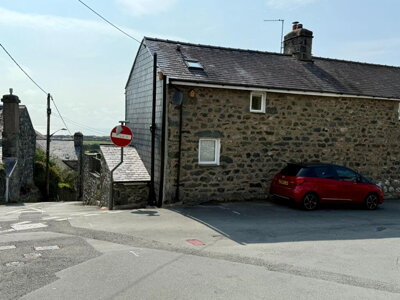
Browse 5 homes for sale in LL43 from local estate agents.
The 2 bed house market features detached, semi-detached, and terraced properties with two separate bedrooms plus living spaces. Properties in LL43 range from Victorian and Edwardian period homes to modern new builds, with pricing varying across different neighbourhoods.
£0k
0
0
0
Source: home.co.uk
Showing 0 results for 2 Bedroom Houses for sale in LL43.
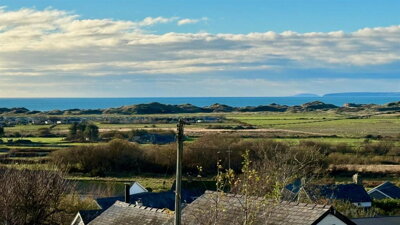
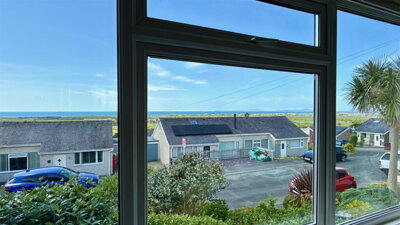
The LL43 property market reflects the character of Barmouth itself - a mix of traditional Welsh architecture and the practical requirements of a living, working coastal town. Detached properties command the highest prices here, averaging around £431,882, which typically reflects the premium attached to homes with panoramic estuarine or mountain views. These larger homes often occupy elevated positions on the hills surrounding the town centre, offering generous gardens and the kind of outdoor space that city dwellers can only dream about.
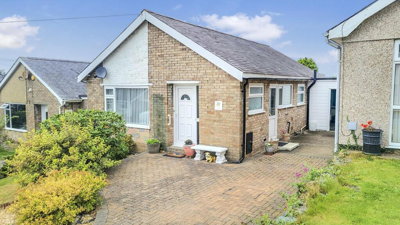
Semi-detached homes in Barmouth average £275,000, making them an attractive option for families looking to establish themselves in this beautiful part of Wales without the premium associated with detached properties. Terraced houses, many dating from the Victorian era when Barmouth flourished as a seaside resort, average £215,000 and represent the most accessible entry point to the local property market. These characterful homes often feature the traditional Welsh slate roofs and stone walls that give the town its distinctive appearance. Flats in LL43 average around £145,000, though prices vary considerably depending on position, aspect, and whether the property benefits from sea views.
The market has shown a slight cooling over the past twelve months, with average prices declining by approximately 1.5 percent. This modest correction follows national trends and may present opportunities for buyers who have been watching the market, though the fundamental appeal of Barmouth as a place to live remains strong. New build activity in LL43 is limited, with no active developments confirmed within the postcode at the time of research, which means buyers seeking modern homes may need to look at properties constructed in the latter decades of the twentieth century or consider properties requiring some modernisation.
Understanding the breakdown of property types helps buyers calibrate their expectations when searching in LL43. The town centre features a high concentration of terraced houses and flats, many converted from larger Victorian properties, while the outskirts and hill areas contain more semi-detached and detached homes. The age of the housing stock means that a significant proportion of properties predate 1919, with all the character and potential maintenance considerations that come with historic buildings. This makes the variety of available properties one of the strengths of the local market, as buyers can choose between move-in-ready homes and properties with renovation potential.

Life in Barmouth revolves around the extraordinary landscape that surrounds it, with the Cader Idris mountain range rising dramatically behind the town and the expanse of Cardigan Bay stretching westwards into the Atlantic. The town itself has a population of approximately 2,000 to 2,500 residents, creating an intimate community atmosphere where neighbours tend to know one another and local businesses rely heavily on the support of regular customers. This scale of settlement offers a pace of life that feels a world away from the pressures of larger urban centres, yet the town provides most everyday amenities including shops, pubs, restaurants, and essential services.
The local economy of Barmouth is significantly shaped by tourism, with visitors drawn to the area throughout the year for walking, sailing, and the simple pleasure of spending time by the sea. This seasonal dimension affects the character of the town, with some properties operated as holiday lets and the local business community calibrating its offerings to serve both residents and visitors. The presence of holiday homes and second properties in LL43 influences the overall property market, creating demand that supports prices while also affecting the character of certain neighbourhoods at different times of year. For buyers seeking a primary residence, this dynamic means considering how particular streets and areas fit with their lifestyle expectations.
The traditional building materials of Barmouth reflect its geological setting and Victorian heritage. Properties here commonly feature Welsh slate roofs, a material that has protected buildings in this region for generations, alongside stone walls and rendered facades that give the town its cohesive architectural character. The geology of the surrounding area, characterised by Cambrian and Ordovician rocks including slates, grits, and sandstones, explains both the building traditions and the dramatic landscape that makes this part of Wales so visually striking. For property buyers, understanding these local characteristics helps when assessing maintenance requirements and the long-term durability of different property types.
Day-to-day life in Barmouth offers a comfortable balance of amenities and tranquility. The high street provides essential shopping including a Co-op supermarket, while independent shops sell local produce and Welsh crafts. Several pubs and restaurants line the seafront, offering fresh seafood and local ales with views across the estuary. The harbour area remains active with fishing boats and pleasure vessels, and the nearby train station connects the town to the wider region without requiring car ownership for those who prefer not to drive.

Families considering a move to Barmouth will find educational provision that serves the local community well, though the range of options reflects the small scale of the town. Ysgol Gynradd Barmouth serves as the main primary school, providing education for children from the local area with the curriculum delivered through the medium of Welsh alongside English. The school plays an important role in the community, and parents frequently cite the benefit of children growing up bilingual in an area where Welsh language and culture remain integral to daily life. For families relocating from elsewhere in the UK, this bilingual environment offers a distinctive educational dimension that is highly valued by many.
Secondary education is available at Ysgol Ardudwy in Harlech, approximately eight miles north of Barmouth, which serves students from the surrounding area including Barmouth itself. The school provides secondary education through to sixth form, with students able to continue their studies locally rather than travelling further afield. For families considering the move to LL43, understanding the catchment areas and transport arrangements for secondary education is an important practical consideration, particularly given the rural nature of the surrounding area and the distances involved in some journeys. School transport arrangements are managed by Gwynedd Council, with bus services connecting Barmouth with secondary schools in surrounding towns.
Further and higher education options typically require travel to larger towns such as Bangor or Aberystwyth, though the presence of online learning options has expanded opportunities for residents pursuing higher qualifications without leaving the area. Parents of younger children will appreciate the community-focused nature of education in this part of Gwynedd, where schools maintain close connections with their local communities and class sizes tend to be smaller than in urban settings. The presence of outdoor education centres in the surrounding area also provides additional learning opportunities focused on adventure, environment, and Welsh culture. Several primary-aged children from Barmouth also attend Ysgol Craig yr Wylfa, another Welsh-medium primary in the town, providing additional educational choice for families.
Barmouth sits at the western end of the Cambrian Coast railway line, providing direct rail connections that rank among the most scenic commuter routes in Britain. Trains run regular services connecting Barmouth with major destinations including Birmingham, via intermediate stations along the coast and through the mountains to the east. The journey by rail to Birmingham takes approximately three to four hours, positioning Barmouth as a viable option for remote workers or those whose employers offer flexible working arrangements that allow occasional commuting. The coastal railway itself is something of a marvel, with the line threading between mountains and sea in a manner that transforms every journey into an event.
Road access to Barmouth is via the A496, which runs along the coast connecting the town with Dolgellau to the east and Harlech to the north. The journey to Dolgellau takes approximately twenty minutes, while reaching the larger town of Porthmadog takes around forty minutes. For everyday purposes, a car remains practically essential for most residents, given the limited public transport options within the surrounding area and the distances between amenities. Parking in Barmouth itself is relatively straightforward compared to many coastal towns, with several car parks serving the town centre and seafront areas.
For those who enjoy outdoor activities, the surrounding area offers exceptional walking and cycling opportunities, with the Wales Coast Path passing through Barmouth and numerous mountain routes accessible from the town. The proximity of the Snowdonia National Park means that residents have world-class outdoor recreation on their doorstep, reducing the practical necessity of frequent long-distance travel for leisure purposes. Daily commuting to major employment centres is not realistic from Barmouth given the travel times involved, but the growth of hybrid and remote working has made the town an increasingly attractive proposition for those whose work can be done digitally. The nearest major airport is at Liverpool John Lennon, approximately two hours drive away, providing connections to UK and international destinations.
Start by exploring property listings across major portals and our comprehensive search to understand what is available within your budget in LL43. Given the modest number of properties changing hands, with approximately 30 sales in the past year, patience may be required to find the right property. Consider working with local estate agents who may have access to properties before they appear on national portals. Setting up property alerts ensures you receive notifications immediately when new listings match your criteria.
Once you have identified properties of interest, arrange viewings through our platform or directly with listing agents. Viewing properties in person is essential, particularly given the age of much of the housing stock in Barmouth where Victorian and earlier properties are common. Consider the property's position relative to flood risk areas, particularly for properties in lower-lying parts of the town near the estuary. Take photographs during viewings to help compare properties later and note any questions to ask the seller or agent.
Before making an offer, secure a mortgage agreement in principle from a lender. This demonstrates your financial credibility to sellers and estate agents, strengthening your position in negotiations. Local brokers familiar with the LL43 market can advise on products suitable for properties in this price range, from terraced houses at £215,000 to detached homes approaching £432,000. Having your finances arranged before viewing properties focused your search on achievable purchases and speeds up the process once you find the right home.
Given the age and coastal location of many properties in Barmouth, a thorough survey is essential. RICS Level 2 Surveys in the LL43 area typically cost between £450 and £800 depending on property size and complexity. The survey should check for common issues including damp, timber decay, roof condition, and any signs of movement, as well as assessing the property's condition relative to its age and construction type. For listed buildings or properties in poor condition, a more detailed RICS Level 3 Building Survey may be more appropriate.
Once your offer is accepted, instruct a solicitor to handle the legal aspects of your purchase. They will conduct searches with Gwynedd Council, investigate title deeds, and manage the transfer of ownership. Given the flood risk in parts of LL43, searches should specifically address flooding history and any flood defence arrangements affecting the property. Budget approximately two to three months for the conveyancing process, though complex transactions or leasehold properties may take longer.
After satisfactory searches and mortgage offer, you will exchange contracts and pay your deposit, typically ten percent of the purchase price. Completion usually follows within a few weeks, at which point you will receive the keys to your new home in Barmouth. Ensure you have buildings insurance in place from the point of exchange, as this is a lender requirement. Arrange final utility readings and redirect your mail ahead of the move to ensure a smooth transition to your new property.
Purchasing property in Barmouth requires particular attention to several factors that are specific to coastal locations and the local building traditions. Flood risk represents the most significant environmental consideration for buyers, given the town's position at the mouth of the Mawddach Estuary and its exposure to Cardigan Bay. Low-lying properties near the waterfront and estuary should be investigated carefully, with particular attention to any history of flooding, existing flood defences, and the adequacy of drainage. While the risk should not necessarily preclude a purchase, it should be fully understood and reflected in your decision-making and insurance arrangements.
The age of Barmouth's housing stock means that many properties will have been constructed using traditional methods that predate modern building regulations. Solid stone or brick walls, traditional slate roofs, and timber construction elements are common and, while sound, require different maintenance approaches than modern cavity-wall construction. A thorough survey is particularly valuable for these older properties, identifying any areas of concern before you commit to purchase. Common issues in the local housing stock include penetrating and rising damp, which affects many solid-wall properties, along with roof defects and timber decay that can result from the moist coastal air.
Barmouth has a designated Conservation Area, meaning that many properties fall under additional planning controls that affect permitted development rights and exterior alterations. If you are considering purchasing a property in the Conservation Area, particularly a listed building, you should understand these restrictions before committing. Listed buildings may require Listed Building Consent for various alterations and are subject to more stringent maintenance obligations. These requirements protect the character of the town but represent an additional consideration for buyers who may want to make significant changes to their property in the future.
The geology of the surrounding area, characterised by Cambrian and Ordovician rocks, means that shrink-swell risk from clay soils is generally low, which is reassuring for buyers concerned about subsidence. However, properties built on made-up ground or steep slopes may have different considerations, and a survey will flag any areas of concern. The presence of traditional construction methods also means that electrical and plumbing systems in older properties may require updating to meet current standards, which should be factored into renovation budgets when considering properties that require modernisation.
The average house price in LL43 currently sits at £321,805, based on recent sales data. Property types command significantly different prices, with detached homes averaging £431,882, semi-detached properties at £275,000, terraced houses around £215,000, and flats averaging £145,000. The market has shown a slight softening over the past twelve months, with prices declining by approximately 1.5 percent. Given the limited number of sales in this postcode area, averaging around 30 transactions per year, individual properties can deviate substantially from these averages based on their specific location, condition, and features such as sea views or proximity to the town centre.
Properties in the LL43 postcode area fall under Gwynedd Council's jurisdiction. Council tax bands in this part of Wales follow the standard England and Wales banding system from Band A through to Band H. Most terraced properties and smaller flats tend to fall into Bands A to C, while larger detached homes with higher values typically occupy Bands D to F. Prospective buyers should check the specific band for any property they are considering, as this will affect ongoing running costs. Band information is available through the Valuation Office Agency website or the property listing details.
The main primary school in Barmouth is Ysgol Gynradd Barmouth, which provides education through the medium of Welsh and English for children from Reception through to Year 6. For secondary education, pupils typically attend Ysgol Ardudwy in Harlech, which serves the wider area including Barmouth and offers education through to sixth form level. Both schools are valued by the local community and provide education within the intimate setting that characterises schooling in this part of Gwynedd. Parents should verify current catchment arrangements and admission policies directly with the schools or Gwynedd Council before purchasing property in LL43.
Barmouth benefits from regular rail services on the Cambrian Coast line, providing direct connections to destinations including Birmingham and intermediate towns along the coast. The station sits within the town centre, making rail travel accessible without relying on car transport. Bus services operate within the town and connect Barmouth with surrounding villages and towns, though frequencies are limited compared to urban areas. For daily commuting to major employment centres, rail services are viable for those with flexible working arrangements, though the three to four hour journey time to Birmingham means daily commuting is not practical for most workers.
Barmouth and the wider LL43 area offer particular investment considerations that differ from mainstream property markets. Tourism supports a holiday let market, with some buyers purchasing properties specifically to generate rental income during the peak visitor season from spring through to autumn. The presence of holiday homes in the area reflects this demand, though it also affects the character of certain neighbourhoods. Property prices in LL43 are relatively modest by national standards, which may appeal to investors seeking lower entry costs, though capital growth prospects are likely more modest than in areas with stronger economic drivers. Any investment purchase should factor in the seasonal nature of tourist demand, potential void periods, and the practical considerations of managing property from a distance.
Stamp Duty Land Tax rates for England and Northern Ireland apply to properties in the LL43 postcode area. For standard purchases, there is no SDLT on properties up to £250,000, with rates of five percent on the portion between £250,001 and £925,000, ten percent up to £1.5 million, and twelve percent above that threshold. First-time buyers receive enhanced relief, paying no SDLT on the first £425,000 of a purchase up to £625,000, with five percent on amounts between £425,001 and £625,000. Properties above £625,000 do not qualify for first-time buyer relief. Your solicitor will manage SDLT submission and payment following completion.
Flood risk is a material consideration for property buyers in Barmouth, given the town's coastal position and proximity to the Mawddach Estuary. Low-lying areas near the waterfront are susceptible to both coastal flooding from Cardigan Bay and river flooding from the estuary during periods of high water and severe weather. Surface water flooding can also occur during heavy rainfall, particularly in areas with poor drainage. Properties in higher positions on the hills surrounding the town generally face lower flood risk, though this should be assessed on an individual basis. The Environment Agency provides flood risk maps that can help identify areas of concern, and your solicitor should conduct appropriate searches as part of the conveyancing process.
From £450
A detailed inspection of the property condition, essential for older properties in Barmouth
From £600
Comprehensive building survey recommended for older or listed properties
From 4.5% APRC
Finance your Barmouth property purchase
From £499
Legal services for your property purchase
Understanding the full costs of purchasing property in Barmouth requires careful attention to Stamp Duty Land Tax alongside other expenses that quickly accumulate during a transaction. For a property purchased at the current LL43 average price of £321,805, a standard buyer without first-time buyer status would pay SDLT at five percent on the amount above £250,000, which works out to approximately £3,590. First-time buyers purchasing below the £625,000 threshold would benefit from relief on the first £425,000, meaning no SDLT would be due on this average-priced property. These calculations should be verified with your solicitor, as individual circumstances can affect liability.
Beyond SDLT, buyers should budget for survey costs, legal fees, and various searches that form part of the conveyancing process. RICS Level 2 Surveys in the LL43 area typically range from £450 for smaller properties to £800 for larger or more complex homes, reflecting the additional time required to assess older properties thoroughly. Conveyancing fees generally start from around £499 for straightforward transactions, rising for leasehold properties or those with complex titles. Searches with Gwynedd Council typically cost between £200 and £300, covering matters such as planning history, highways, and environmental factors that are particularly relevant in this coastal location.
Additional costs to factor into your budget include mortgage arrangement fees, which can range from nothing to several hundred pounds depending on the product chosen, along with valuation fees charged by your lender. Buildings insurance should be arranged from the point of exchange, and removals costs will vary significantly depending on the volume of belongings and distance of the move. For leasehold properties, ground rent and service charge arrangements should be investigated carefully, as these ongoing costs can be substantial in some developments. Creating a comprehensive budget before commencing your property search helps avoid surprises during the transaction and ensures you know exactly how much you can afford to offer within your financial constraints.
Properties for Sale In London

Properties for Sale In Plymouth

Properties for Sale In Liverpool

Properties for Sale In Glasgow

Properties for Sale In Sheffield

Properties for Sale In Edinburgh

Properties for Sale In Coventry

Properties for Sale In Bradford

Properties for Sale In Manchester

Properties for Sale In Birmingham

Properties for Sale In Bristol

Properties for Sale In Oxford

Properties for Sale In Leicester

Properties for Sale In Newcastle

Properties for Sale In Leeds

Properties for Sale In Southampton

Properties for Sale In Cardiff

Properties for Sale In Nottingham

Properties for Sale In Norwich

Properties for Sale In Brighton

Properties for Sale In Derby

Properties for Sale In Portsmouth

Properties for Sale In Northampton

Properties for Sale In Milton Keynes

Properties for Sale In Bournemouth

Properties for Sale In Bolton

Properties for Sale In Swansea

Properties for Sale In Swindon

Properties for Sale In Peterborough

Properties for Sale In Wolverhampton

Enter your details to see if this property is within your budget.
Loans, cards, car finance
Estimated property budget
Borrowing + deposit
You could borrow between
Typical borrowing
Monthly repayment
Est. at 4.5%
Loan-to-value
This is an estimate only. Your actual budget may vary depending on interest rates, credit history, and personal circumstances. For an accurate affordability assessment, speak to one of our free mortgage advisors.
This calculator provides estimates for illustrative purposes only and does not constitute financial advice. Your home may be repossessed if you do not keep up repayments on your mortgage. Estimates based on 4.5% interest rate, repayment mortgage. Actual rates depend on your circumstances.
Homemove is a trading name of HM Haus Group Ltd (Company No. 13873779, registered in England & Wales). Homemove Mortgages Ltd (Company No. 15947693) is an Appointed Representative of TMG Direct Limited, trading as TMG Mortgage Network, which is authorised and regulated by the Financial Conduct Authority (FRN 786245). Homemove Mortgages Ltd is entered on the FCA Register as an Appointed Representative (FRN 1022429). You can check registrations at NewRegister or by calling 0800 111 6768.

We use cookies to show you personalised content and improve your experience of our website. Find out more in our Privacy policy and Cookie policy.