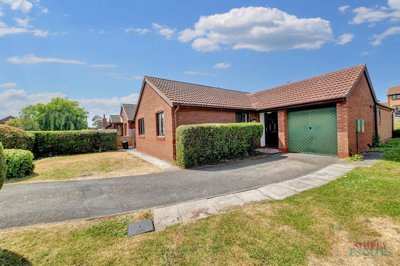
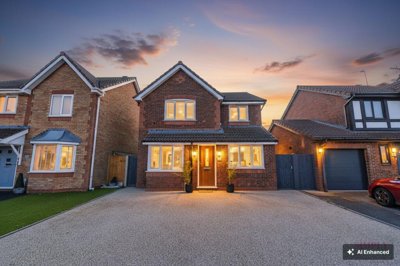
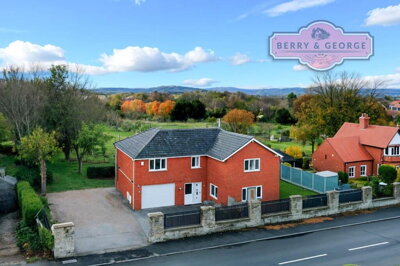
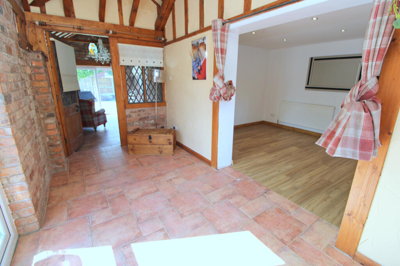
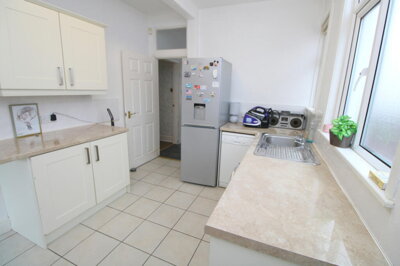
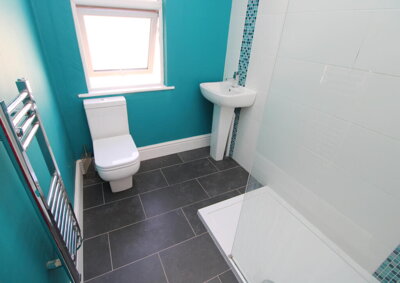
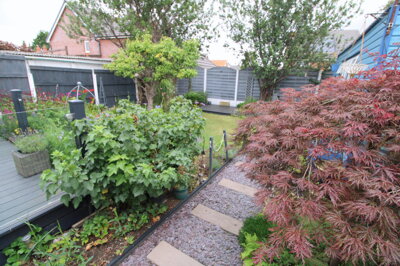
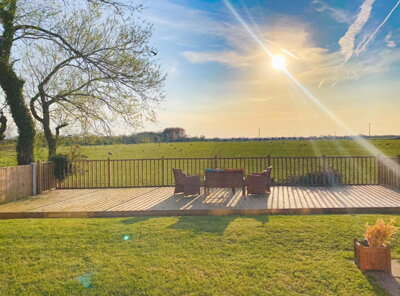
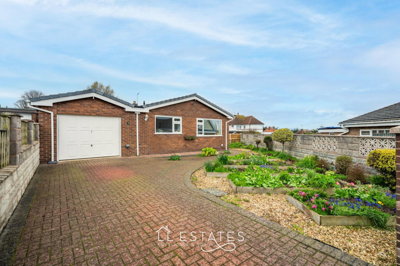
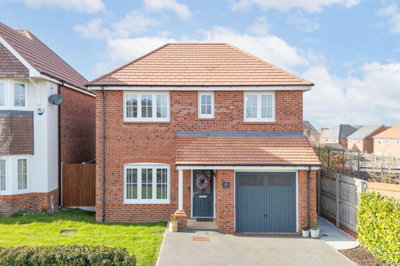
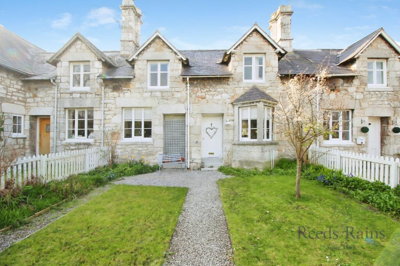
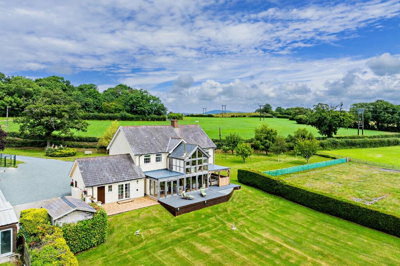
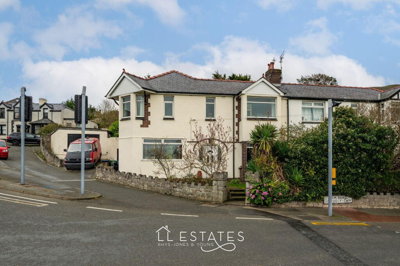
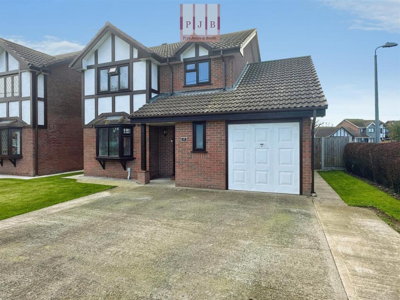
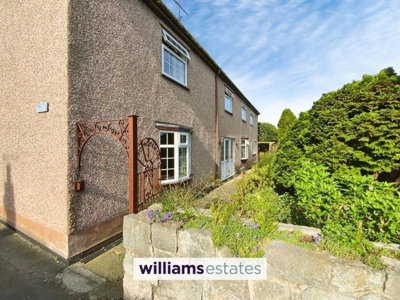
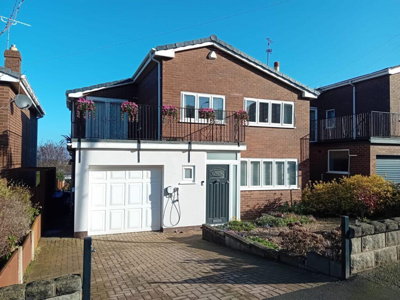
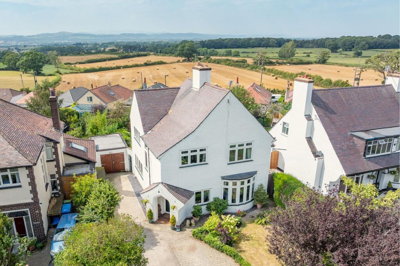
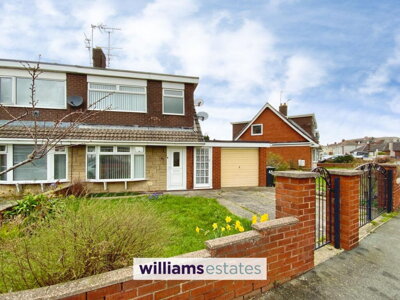
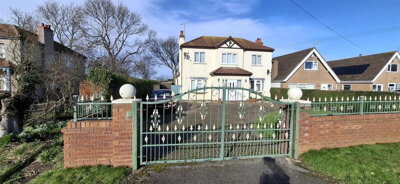
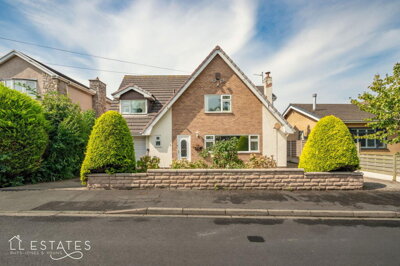
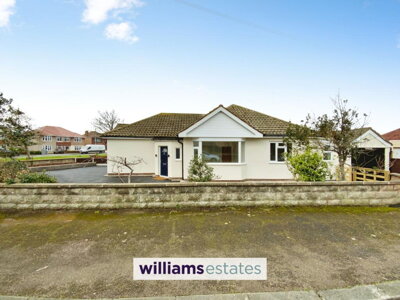
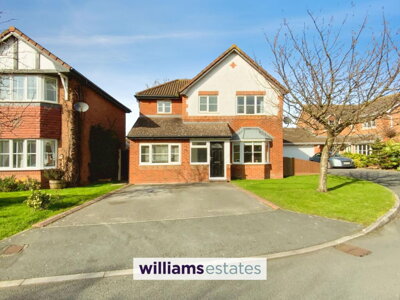
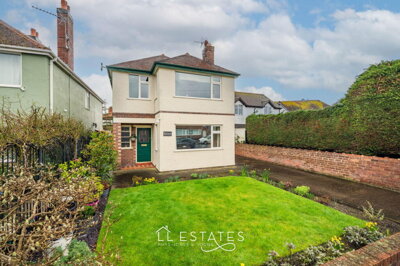
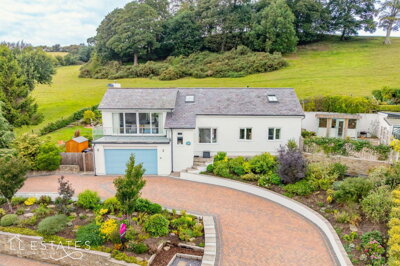
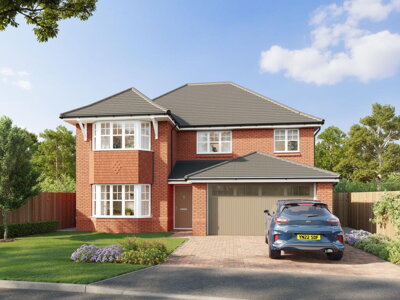
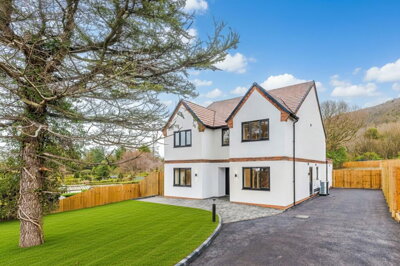
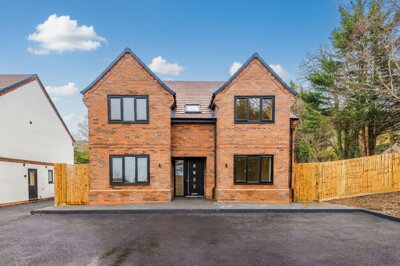
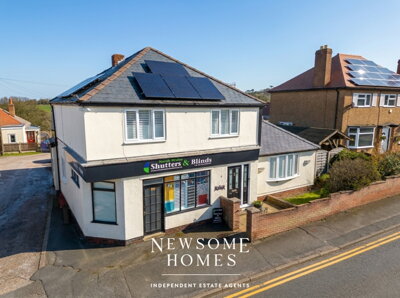
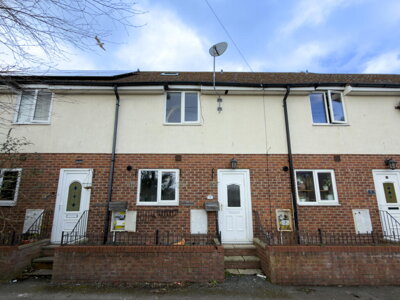
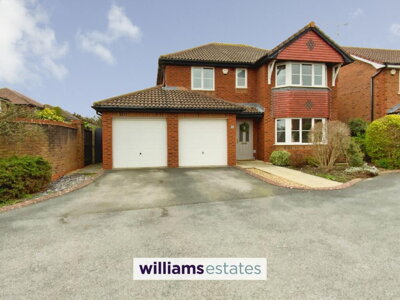
Browse 134 homes for sale in LL18 from local estate agents.
The larger property sector typically features multiple bathrooms, substantial reception space, and private gardens or off-street parking. Four bedroom houses in LL18 span detached, semi-detached, and occasionally terraced configurations, with styles ranging from period properties to modern executive homes.
£335k
30
3
141
Source: home.co.uk
Showing 30 results for 4 Bedroom Houses for sale in LL18. 3 new listings added this week. The median asking price is £335,000.
Source: home.co.uk
Detached
22 listings
Avg £333,066
Semi-Detached
6 listings
Avg £297,408
Terraced
2 listings
Avg £188,500
Source: home.co.uk
Source: home.co.uk
The LL18 property market presents a diverse mix of housing types to suit different budgets and lifestyles. Our current listings include detached homes averaging around £229,000, semi-detached properties in the region of £168,000 to £180,000, and terraced houses typically priced between £137,000 and £140,000. Flats represent the most affordable entry point, with average prices around £113,000. This range means first-time buyers can find suitable options without stretching their finances to breaking point.
Recent market activity shows 416 residential property sales completed in LL18 over the past twelve months, though this represents a decrease of approximately 36% compared to the previous year. Despite reduced transaction volumes, prices have remained resilient, with the overall average increasing by around 2% year-on-year and climbing 5% above the 2022 peak of £190,252. The most active price band is the £156,000 to £192,000 range, which accounted for 104 sales, followed by the £120,000 to £156,000 bracket with 86 transactions. For buyers seeking value in the current market, these mid-range properties offer the most choice and competitive pricing.
The housing stock in LL18 reflects the town's evolution from Victorian seaside resort to established residential community. Victorian and Edwardian terraces dominate many streets near the town centre, while semi-detached houses from the interwar period are common in residential areas like Cystic and Bodforisd. Newer developments have added contemporary options, including properties built by regional developers in recent years. This variety means buyers can choose between characterful period properties requiring some modernisation and more recent constructions offering contemporary layouts and specifications.

Rhyl carries the unmistakable character of a Victorian seaside resort that evolved into a thriving residential community. The town centre features a designated Conservation Area spanning from Abbey Road to Bath Street and from West Parade down to the railway station, preserving 76 listed buildings including the striking Town Hall built from grey rubble stone and the distinctive Apollo Cinema. Walking along the prom and West Parade, you will see the architectural heritage that defines Rhyl: red brick buildings constructed from locally-made bricks during the Victorian boom years, often finished with white render and stucco contrasting against black mouldings.
The local economy supports employment across retail, healthcare, hospitality, and manufacturing sectors. Major employers include the Royal Alexandra Hospital, various retail operations including Iceland and Aldi, and manufacturing facilities in the nearby Tir Llwyd Industrial Estate. This employment diversity helps sustain the local housing market and provides job opportunities for residents without requiring lengthy commutes to larger cities. For those working in manufacturing or logistics, the A55 expressway provides straightforward access to employment hubs across North Wales and into Cheshire.
For leisure and recreation, Rhyl offers direct access to the beach and seafront attractions, while the surrounding North Wales countryside provides opportunities for coastal walks and outdoor activities. The town has seen ongoing regeneration efforts aimed at enhancing its appeal as a place to live and visit, though some areas continue to face challenges common to traditional seaside resorts. The demographic profile reflects a mix of families, retirees, and young couples drawn to the affordable housing stock and coastal lifestyle. Community facilities include swimming pools, sports centres, and social clubs, while the nearby town of St Asaph offers additional retail and dining options within a short drive.

Families considering a move to LL18 will find a range of educational options across all levels. Primary education is served by several schools within the postcode area, including Rhyl Primary School and several others within easy reach. Secondary schools in the wider Denbighshire area cater to older children, with notable options including Rhyl High School. Given Rhyl's status as a larger town in North Wales, catchment areas for specific schools can significantly impact which properties are most suitable for families with school-age children. Parents are advised to research current catchment boundaries and admission policies before committing to a purchase, as these can change and may affect resale value.
The town also hosts further education opportunities, with colleges in nearby towns providing vocational and academic courses for post-16 students. For those seeking alternative educational paths, Rhyl and the surrounding Denbighshire area offer various specialist schools and learning centres. With a significant proportion of the housing stock built before 1919 during the Victorian and Edwardian periods, families should note that some school catchment areas may include older properties that require particular attention during the buying process, especially regarding condition and potential maintenance requirements.
Estyn, the Welsh education inspectorate, provides reports on all schools which parents can consult to assess current performance standards. League tables offering comparison data across different schools and age groups are available through various online platforms. For families prioritising educational outcomes, researching these resources alongside catchment area maps will help identify which neighbourhoods within LL18 best match your requirements. Some parents also consider faith schools or schools with specific specialisms, which may involve additional application criteria.
Connectivity from LL18 makes it practical for commuters and those who travel for work or leisure. Rhyl railway station provides direct rail services connecting the town to major destinations, with regular trains running along the North Wales Coast line. Liverpool Lime Street is reachable within approximately two hours, while Manchester Piccadilly can be accessed in around two and a half hours, making day trips to these larger cities feasible for work or entertainment purposes. The station itself is a Grade II listed building, reflecting its Victorian heritage as a key arrival point for seaside visitors.
Road access is provided primarily via the A548, which runs along the coast connecting Rhyl to Prestatyn in the west and the A55 Expressway inland. The A55 provides a faster route to Chester and the wider motorway network, with the English border reachable in around 30 to 40 minutes by car depending on traffic conditions. Local bus services operate throughout Rhyl and connect to surrounding towns and villages, while parking availability varies by location, with some town centre areas offering public car parks. For those working in nearby towns like St Asaph or Bodelwyddan, the short distances involved make daily commuting entirely practical.
For air travel, Liverpool John Lennon Airport and Manchester Airport are both accessible within approximately two to three hours by public transport, offering connections to destinations across the UK and internationally. The proximity to the A55 also makes Manchester Airport reachable by car in around two and a half hours, which is comparable to many northern English cities. Cyclists will find some dedicated routes along the coast, though the hilly terrain of inland North Wales requires more effort for those commuting by bike to towns like Denbigh or Colwyn Bay.
Before viewing properties in LL18, obtain a mortgage agreement in principle from a lender. This confirms your borrowing capacity and strengthens your position when making offers on homes ranging from £113,000 flats to £230,000 detached properties. Given the varied price points across different property types in Rhyl, having your finances clearly established will help you focus your search on properties within your actual budget rather than wasting time on homes outside your reach.
Explore different neighbourhoods within the LL18 postcode, from the Conservation Area around Bath Street to newer developments near the seafront. Consider factors like flood risk, proximity to schools, and transport links that matter most to your household. Use our listings to identify streets and developments that match your priorities, and spend time in the area at different times of day to get a genuine feel for the neighbourhood and its amenities.
Use Homemove to browse listings and arrange viewings with local estate agents. When viewing Victorian or Edwardian properties common in Rhyl, look specifically for signs of damp, roof condition, and the state of original features like sash windows and fireplaces. Take photographs and notes during each viewing, and ask the agent about the vendor's circumstances, any offers already received, and how long the property has been on the market.
Given Rhyl's significant stock of pre-1919 properties, a RICS Level 2 HomeBuyer Report is strongly recommended before proceeding to purchase. This survey identifies defects specific to older buildings, including damp issues, structural movement, and outdated electrical systems that may not be visible during viewings. For properties in the Conservation Area or those that are listed buildings, you may want to consider a more comprehensive RICS Level 3 Building Survey instead.
Once your offer is accepted, instruct a solicitor to handle the legal work. They will conduct searches specific to LL18, including flood risk assessments from Natural Resources Wales and checks on the Conservation Area status, before proceeding to exchange contracts and completion. Your solicitor will also handle the Land Registry registration and ensure all property boundaries and rights of access are correctly documented.
Prospective buyers in LL18 should be aware of several area-specific factors that can affect property condition and long-term investment value. Flood risk is perhaps the most significant environmental consideration. Parts of the LL18 area fall within Flood Zones 2 and 3, with certain locations like Wellington Road identified as being in Flood Zone C1 with high risk of fluvial flooding. The East Denbighshire coast is designated as a Flood Warning Area, and climate projections suggest coastal flooding could impact low-lying areas in coming decades. Buyers should review Natural Resources Wales flood maps for their specific property location and factor any mitigation measures or insurance implications into their decision.
The underlying geology around Rhyl includes Silurian bedrock with overlying glacial deposits, giving rise to mixed ground conditions across the postcode area. While the British Geological Survey indicates generally low shrink-swell clay hazard ratings for most of LL18, local variations in soil composition can still affect foundations, particularly for properties with trees nearby or those with older, less deep foundation systems. If you are considering a property with significant vegetation, particularly large trees close to the building, a specialist geotechnical assessment may be warranted.
The presence of the Rhyl Conservation Area brings both opportunities and responsibilities. Properties within this designated area benefit from character and heritage value, but owners face restrictions on alterations and extensions that require planning permission and possibly listed building consent. The town centre contains 76 Grade II listed buildings, and any work to these properties must preserve their special architectural interest. For buyers considering renovation projects, understanding these constraints is essential before purchase.
Construction-related issues also warrant attention given the local building heritage. Properties built between 1860 and 1940 were typically constructed using locally-made red brick from the clay pits that operated on the edge of town, with traditional masonry techniques and often without modern damp-proof courses. This makes dampness a common issue in older properties, manifesting as rising damp, penetrating damp through aging brickwork, or condensation from poor ventilation. Roof defects are also frequently encountered, with missing tiles, sagging rooflines, and deteriorated mortar on chimney stacks among the typical problems found in Victorian and Edwardian houses. Electrical and plumbing systems in period properties often require updating to meet current safety standards.
The average house price in LL18 is approximately £194,249 according to recent data, with Zoopla and Rightmove reporting figures between £191,000 and £200,000. Detached properties average around £229,000 to £230,000, semi-detached homes approximately £168,000 to £180,000, terraced houses about £138,000, and flats around £113,000. Prices have increased by roughly 9% over the past five years and around 2% year-on-year, showing steady but moderate growth in this coastal postcode.
Properties in LL18 fall under Denbighshire County Council jurisdiction. Council tax bands range from A to I depending on property value, with most terraced homes and smaller flats typically falling into bands A to C, while larger detached properties may be in higher bands D through F. Exact bands can be checked via the Valuation Office Agency website using the property address, as Denbighshire sets its council tax rates annually. The relatively modest property values in LL18 mean that many homes attract lower council tax charges than equivalent properties in more expensive UK regions.
Rhyl has several primary schools serving the LL18 area, with secondary schools including Rhyl High School in the wider Denbighshire region. Specific school performance varies, and parents should consult current Estyn (Welsh education inspectorate) reports and league tables to identify top-performing schools in their preferred areas. School catchment areas are determined by Denbighshire County Council and can significantly affect which properties are most suitable for families, so checking your prospective property against current catchment maps is essential before committing to a purchase.
Rhyl railway station provides direct services along the North Wales Coast line, with journey times of around two hours to Liverpool Lime Street and approximately two and a half hours to Manchester Piccadilly. Local bus services connect Rhyl to surrounding towns including Prestatyn and St Asaph, while the A548 runs through the area providing road connections to coastal destinations. The nearby A55 expressway gives access to Chester and the wider motorway network within 30 to 40 minutes for those who drive.
LL18 offers relatively affordable entry prices compared to many UK locations, with the average property around £194,000 and flats available from approximately £113,000. The area has seen 9% price growth over five years, indicating a stable if modest upward trend. Rental demand exists from local workers, students, and holidaymakers, though flood risk in some areas and the regeneration challenges facing traditional seaside resorts should be factored into investment calculations. Properties in the Conservation Area with heritage appeal may hold value particularly well given their limited supply and protected status.
For standard purchases in England, stamp duty land tax applies at 0% on the first £250,000 of property value, 5% on £250,001 to £925,000, 10% on £925,001 to £1.5 million, and 12% above £1.5 million. First-time buyers qualify for relief on the first £425,000 (0% rate), paying 5% between £425,001 and £625,000, with no relief above that threshold. Given LL18 average prices of around £194,000, most purchases by first-time buyers would attract little or no stamp duty, making this an attractive market for those taking their first steps onto the property ladder.
Before purchasing in LL18, you should check the flood risk for your specific property using Natural Resources Wales flood maps, as some areas fall within Flood Zones 2 and 3 with high risk of fluvial flooding from the River Clwyd. If the property is in the Conservation Area or is listed, verify what restrictions apply to alterations and extensions, as works may require both planning permission and possibly listed building consent. Given the age of much of the housing stock, a thorough building survey is essential to check for damp, roof condition, and outdated electrics and plumbing. You should also confirm whether the property is freehold or leasehold, as leasehold flats may have ground rent and service charge implications.
Understanding the full costs of buying property in LL18 helps you budget accurately for your purchase. The stamp duty land tax (SDLT) rates for standard buyers purchasing residential property in England are 0% on the first £250,000, 5% on the portion from £250,001 to £925,000, 10% on £925,001 to £1.5 million, and 12% on any amount above £1.5 million. With the average LL18 property priced at approximately £194,000, most buyers purchasing at or near the average price would pay no stamp duty at all under the standard thresholds.
First-time buyers receive enhanced relief, paying 0% on the first £425,000 and 5% between £425,001 and £625,000. Given that even detached properties in LL18 average around £229,000, most first-time buyers purchasing typical properties in this postcode would still fall within the zero-rate band or pay stamp duty only on amounts above £425,000. This makes LL18 particularly accessible for those taking their first steps onto the property ladder.
Beyond stamp duty, budget for solicitor conveyancing fees typically starting from around £499 for standard transactions, plus local search fees, land registry fees, and mortgage arrangement costs. Survey costs should also be factored in, with RICS Level 2 surveys for properties in LL18 ranging from approximately £384 for a one-bedroom flat to £495 or more for larger four-bedroom homes, reflecting the property size and complexity of surveying older construction. First-time buyers should also account for moving costs, furniture purchases if the property is empty, and potential immediate maintenance or renovation works identified during survey.
Understanding how properties in Rhyl were constructed helps buyers appreciate why certain defects occur and what maintenance they might face. During the Victorian and Edwardian boom periods, Rhyl's brick buildings were predominantly constructed using locally-made red brick from four clay pits that operated on the edge of town. This local sourcing meant that brickwork often varied in quality and colour between batches, creating the distinctive appearance that characterises many streets in the Conservation Area today.
Traditional Victorian construction in Rhyl typically used solid brick walls without cavity insulation, meaning these properties rely on breathability rather than modern damp-proof courses to manage moisture. When original features like lime mortar pointing are replaced with cement, or when internal walls are painted with non-breathable paints, moisture can become trapped within the fabric of the building, leading to damp issues that may not be immediately obvious during viewings. This is why a thorough survey by a qualified RICS surveyor is particularly valuable for older properties in the LL18 area.
The underlying geology of the area, including Silurian bedrock overlaid with glacial deposits, affects ground conditions across the postcode. Most Victorian foundations were constructed using strip footings at relatively shallow depths, which means properties with large nearby trees may be susceptible to ground movement as tree roots extract moisture from clay-rich soils. Properties in areas with more stable ground conditions, such as those built on firmer rock formations, typically show fewer signs of structural movement over time.
Roof construction across the period housing stock predominantly uses slate, which was locally available from Welsh quarries and remains a durable roofing material when properly maintained. However, the method of fixing slates using nails driven directly into timber battens means that over time, nail fixings can corrode and slates may slip or crack. Regular inspection and maintenance of roof coverings is essential for older properties, and any work to listed buildings or those in the Conservation Area may require planning permission or consent from Denbighshire County Council.
Properties for Sale In London

Properties for Sale In Plymouth

Properties for Sale In Liverpool

Properties for Sale In Glasgow

Properties for Sale In Sheffield

Properties for Sale In Edinburgh

Properties for Sale In Coventry

Properties for Sale In Bradford

Properties for Sale In Manchester

Properties for Sale In Birmingham

Properties for Sale In Bristol

Properties for Sale In Oxford

Properties for Sale In Leicester

Properties for Sale In Newcastle

Properties for Sale In Leeds

Properties for Sale In Southampton

Properties for Sale In Cardiff

Properties for Sale In Nottingham

Properties for Sale In Norwich

Properties for Sale In Brighton

Properties for Sale In Derby

Properties for Sale In Portsmouth

Properties for Sale In Northampton

Properties for Sale In Milton Keynes

Properties for Sale In Bournemouth

Properties for Sale In Bolton

Properties for Sale In Swansea

Properties for Sale In Swindon

Properties for Sale In Peterborough

Properties for Sale In Wolverhampton

Enter your details to see if this property is within your budget.
Loans, cards, car finance
Estimated property budget
Borrowing + deposit
You could borrow between
Typical borrowing
Monthly repayment
Est. at 4.5%
Loan-to-value
This is an estimate only. Your actual budget may vary depending on interest rates, credit history, and personal circumstances. For an accurate affordability assessment, speak to one of our free mortgage advisors.
This calculator provides estimates for illustrative purposes only and does not constitute financial advice. Your home may be repossessed if you do not keep up repayments on your mortgage. Estimates based on 4.5% interest rate, repayment mortgage. Actual rates depend on your circumstances.
Homemove is a trading name of HM Haus Group Ltd (Company No. 13873779, registered in England & Wales). Homemove Mortgages Ltd (Company No. 15947693) is an Appointed Representative of TMG Direct Limited, trading as TMG Mortgage Network, which is authorised and regulated by the Financial Conduct Authority (FRN 786245). Homemove Mortgages Ltd is entered on the FCA Register as an Appointed Representative (FRN 1022429). You can check registrations at NewRegister or by calling 0800 111 6768.

We use cookies to show you personalised content and improve your experience of our website. Find out more in our Privacy policy and Cookie policy.