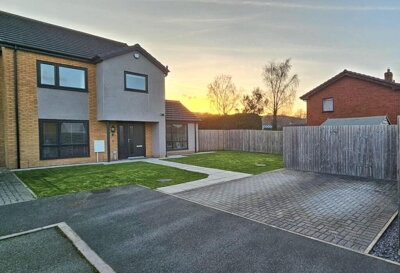
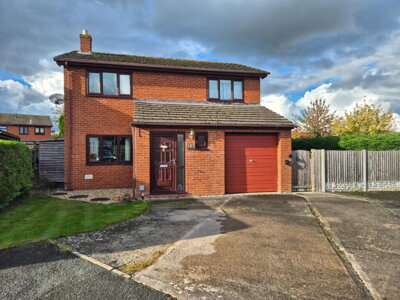
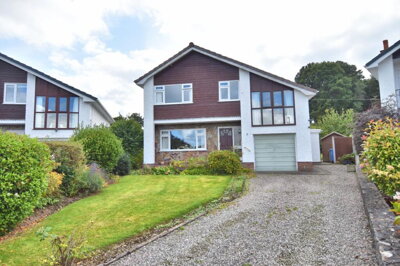
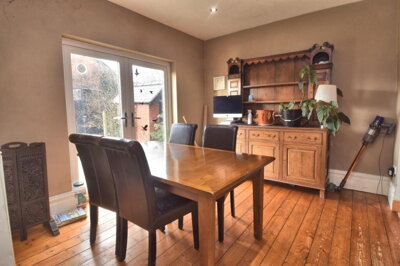
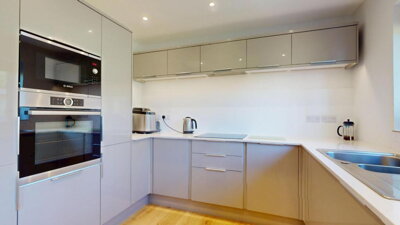
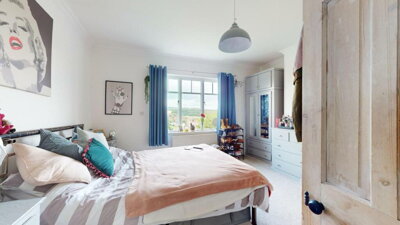
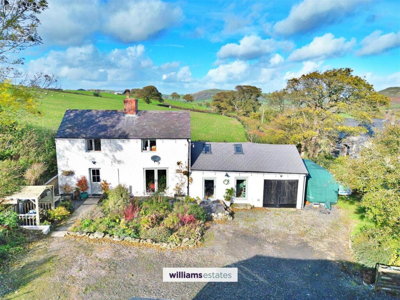
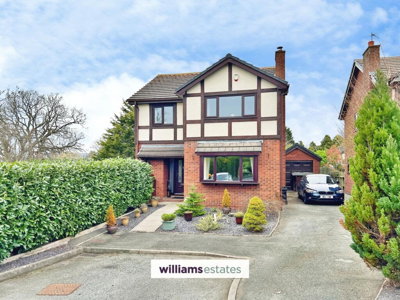
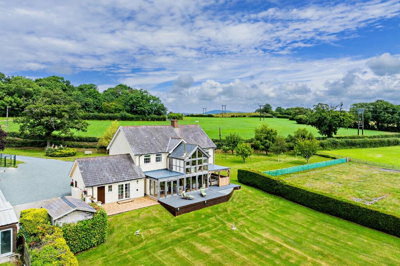
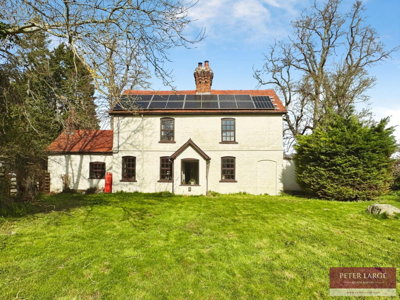
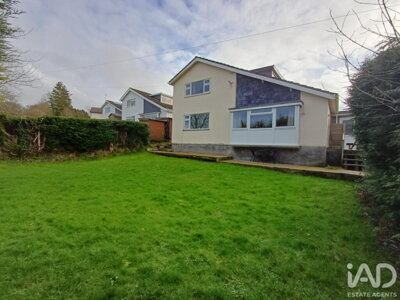
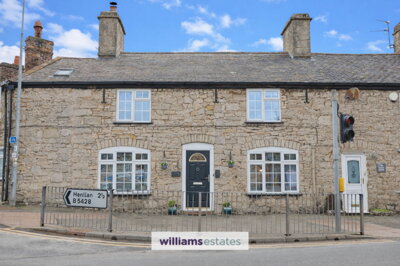
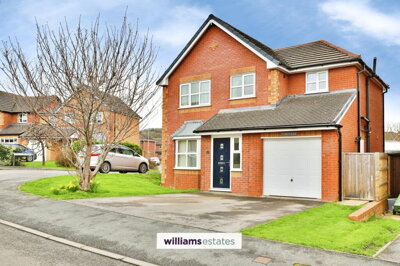
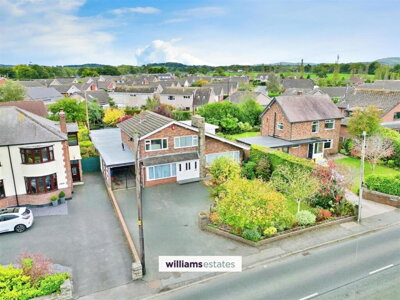
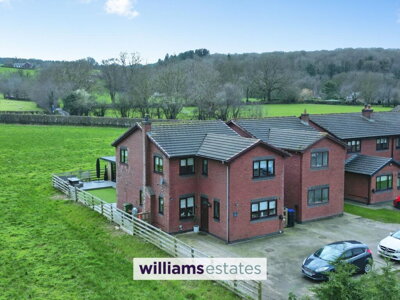
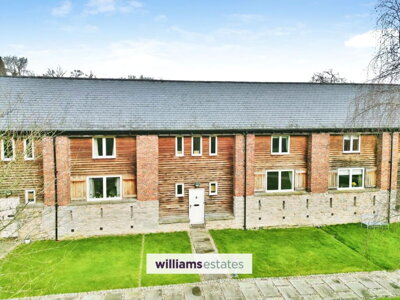
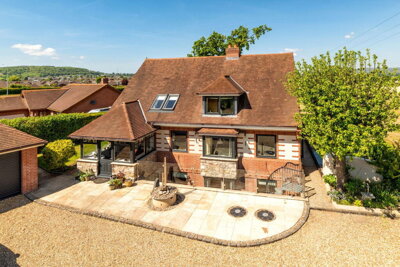
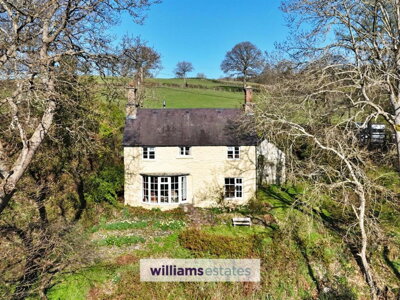
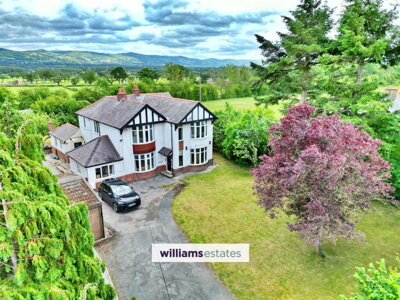
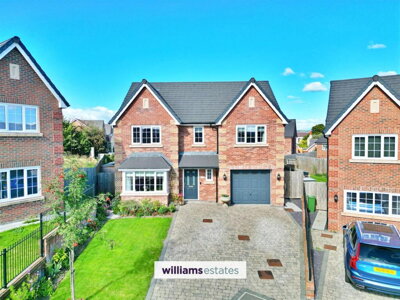
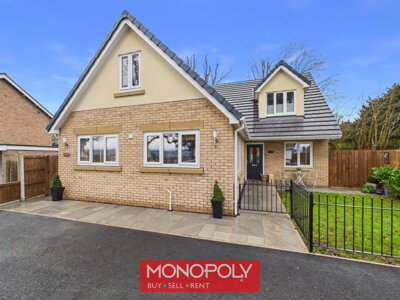
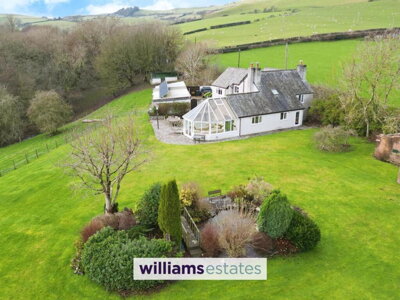
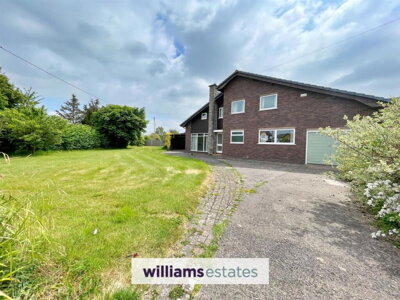
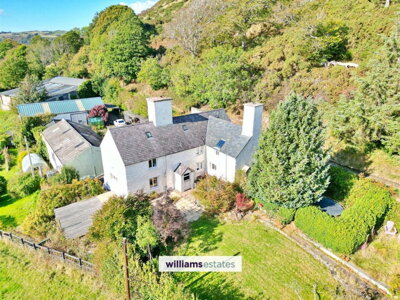
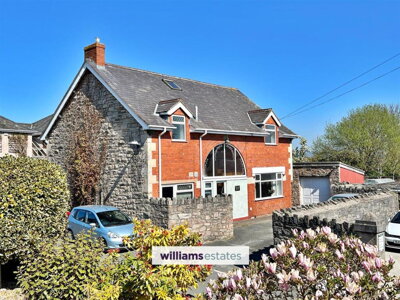
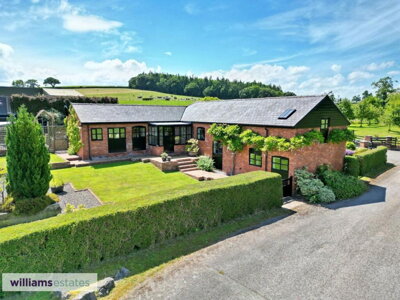
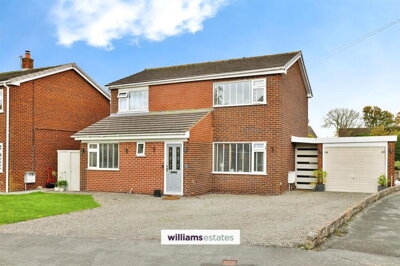
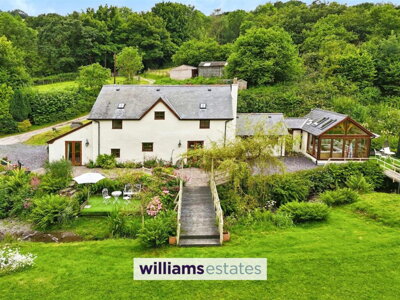
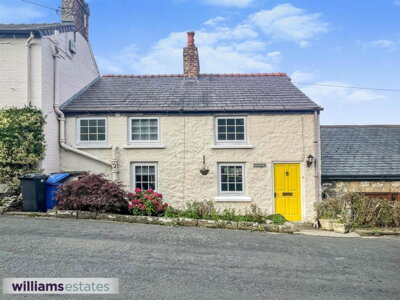
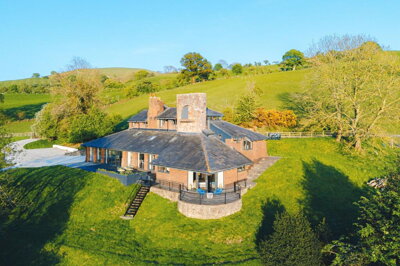
Browse 48 homes for sale in LL16 from local estate agents.
The larger property sector typically features multiple bathrooms, substantial reception space, and private gardens or off-street parking. Four bedroom houses in LL16 span detached, semi-detached, and occasionally terraced configurations, with styles ranging from period properties to modern executive homes.
£475k
17
2
151
Source: home.co.uk
Showing 17 results for 4 Bedroom Houses for sale in LL16. 2 new listings added this week. The median asking price is £475,000.
Source: home.co.uk
Detached
13 listings
Avg £552,996
Terraced
4 listings
Avg £352,363
Source: home.co.uk
Source: home.co.uk
The LL16 property market reflects a stable and balanced local economy driven by residents who appreciate Denbigh's unique blend of heritage and natural beauty. Our current data shows 101 properties have changed hands in the past twelve months, indicating steady activity in this North Wales market. Price trends show modest movement of around minus one percent across most property types over the past year, suggesting a market that has settled following earlier periods of adjustment.
Detached properties command the highest prices in LL16, with averages reaching approximately £319,250. These larger family homes often feature generous gardens and driveways, appealing to buyers seeking space for children or home working. Semi-detached homes, averaging around £200,000, represent excellent value for families looking to enter the housing market in a desirable North Wales location. Terraced properties at approximately £165,000 and flats starting from £100,000 provide accessible entry points for first-time buyers and those seeking a lock-up-and-leave lifestyle.
Property type availability in Denbigh roughly mirrors the national picture, with detached properties comprising around 30.6 percent of housing stock, semi-detached at 29.5 percent, terraced at 20.8 percent, and flats and maisonettes at 10.8 percent. This mix provides genuine choice across all buyer categories, from growing families requiring space to downsizers seeking manageable properties in a beautiful setting.

Denbigh serves as the commercial and cultural heart of the surrounding rural area, with a population of approximately 8,983 residents across 3,923 households according to the 2021 census. The town centre features a charming mix of independent retailers, artisan bakeries, and traditional Welsh pubs where locals gather for evening meals and weekend socialising. The weekly market, a tradition dating back centuries, continues to bring fresh local produce and crafts to the town every Friday.
The geology of the Denbighshire area plays a significant role in the character and condition of local properties. The underlying Carboniferous Limestone and Silurian mudstones and sandstones have shaped both the landscape and the construction methods used historically. Valley areas may contain clay-rich superficial deposits that present a shrink-swell risk for properties with shallow foundations, making ground condition surveys particularly valuable for homes in lower-lying areas near the River Clwyd.
Many properties in Denbigh date from the pre-1919 period, constructed from local limestone and featuring traditional slate roofs that lend the town its distinctive appearance. The presence of a designated Conservation Area around the historic core preserves this character for future generations, though buyers should note that any exterior alterations to period properties may require planning permission and potentially Listed Building Consent from Denbighshire County Council.
Local employers include healthcare facilities serving the wider Vale of Clwyd, educational establishments at primary and secondary levels, retail businesses serving both residents and visitors, and public administration roles. Tourism contributes significantly to the local economy, with Denbigh Castle attracting visitors throughout the year and providing employment in hospitality and heritage sectors. The proximity to Chester and Liverpool, accessible via the A55, also supports a growing commuter population who choose Denbigh for its quality of life while working in larger cities.

Families considering a move to LL16 will find a comprehensive selection of educational establishments serving all age groups. Denbigh hosts several primary schools within the town itself, including St Marys Catholic VA Primary School, Denbigh Primary School, and Ysgol Bryn Collen, providing education for children from reception through to year six with good access from residential areas throughout the postcode. These schools typically serve their local catchment areas, meaning property location directly influences which school your children will attend.
Secondary education in the area centres on Denbigh High School, which serves students from year seven through to sixth form and offers a range of GCSE and A-level subjects. The school plays a central role in the community, with its facilities used for evening classes and community events beyond regular school hours. Parents should research current catchment boundaries and any applicable oversubscription criteria before committing to a property purchase, as school admissions can be competitive in popular areas.
For families seeking alternative educational approaches, the wider Denbighshire area offers various options including faith schools and schools with specialist provisions. Ysgol Glan Clwyd in nearby St Asaph provides another secondary option for families willing to travel slightly further. Transport arrangements for secondary students living in surrounding villages typically involve school bus services, while families in the town centre can often manage without cars for daily school runs. Planning your property search around school catchment areas ensures your children can walk or cycle to education, reducing daily logistics pressures for the whole family.
Denbigh occupies a strategic position in North Wales, with the A55 expressway running nearby and connecting the town to Chester in approximately 45 minutes by car. This makes Denbigh an attractive option for professionals who work in larger cities but prefer living in a smaller, more affordable community. The A55 provides dual carriageway access eastwards towards Manchester and Liverpool, while heading west connects to Bangor and the ferry port at Holyhead for services to Ireland.
Local bus services operated by Arriva and other providers link Denbigh with surrounding villages and towns including St Asaph, Ruthin, and Rhyl. These services allow residents without cars to access supermarkets, medical appointments, and employment in nearby towns. Bus routes through the town centre make it possible to travel to larger retail centres and healthcare facilities without relying on private vehicles. The nearest railway station at Rhyl offers connections to the mainline network, with regular services to London Euston via Birmingham New Street and Manchester Piccadilly. Rail travel times to London typically range from three to four hours.
For cyclists and walkers, the local rights of way network provides scenic routes through the Vale of Clwyd and towards the Clwydian Range Area of Outstanding Natural Beauty. The terrain around Denbigh varies from flat valley bottom walks to more challenging hillside paths, catering for all fitness levels. The Offas Dyke Path national trail passes near Denbigh, offering long-distance walking opportunities for residents who enjoy exploring the borderlands between England and Wales. Parking in Denbigh town centre is generally straightforward compared to larger towns, with several public car parks and on-street options available throughout the day.
Obtain a mortgage agreement in principle before beginning your property search, as this strengthens your position when making offers. Denbigh's average prices of around £246,743 mean most buyers will need mortgages of £200,000 or more, so understanding what lenders will offer you is essential preparation. Getting pre-approved also helps you set realistic expectations about your search range.
Browse available homes on Homemove and set up instant alerts for new listings matching your criteria. With around 100 properties typically available in LL16, patience and persistence help you find the right home. Consider both established properties and new build options such as Maes-y-Dderwen and Parc Bwthyn developments currently under construction in the area.
Visit properties in person to assess their condition, check the neighbourhood, and envision yourself living there. Take notes on each property and compare against your requirements. Ask about the council tax band, any planned developments nearby, and the length of time the property has been on the market. For period properties, enquire about recent renovations and any building regulation sign-offs.
Commission a RICS Level 2 Survey before completing your purchase to identify any structural issues or needed repairs. In LL16, survey costs typically range from £400 to £700 depending on property size and type. Older stone-built properties and those in the Conservation Area particularly benefit from professional surveys, as do homes near the River Clwyd that may be at risk from flooding.
Choose a solicitor experienced in North Wales property transactions to handle the legal work. They will conduct searches, manage the exchange of contracts, and ensure your ownership transfers correctly. Budget around £500 to £1,500 for conveyancing fees plus additional disbursement costs for local authority searches, environmental searches, and Land Registry fees.
Once all searches are satisfactory and financing is confirmed, you will exchange contracts and pay your deposit. Completion typically occurs one to four weeks later, when you receive the keys and can move into your new Denbigh home. Our team can recommend local removal firms and tradespeople to help settle into your property after completion.
Properties in LL16 require careful inspection due to the prevalence of older construction methods and traditional building materials. Stone walls, while characterful and durable, may lack modern damp-proof courses, making rising damp a concern in properties of certain ages. Lime mortar was traditionally used in older buildings and requires different maintenance approaches than modern cement, so understanding the construction history helps you plan future maintenance. Our inspectors frequently identify damp issues in pre-1919 properties throughout Denbigh where original damp-proofing has deteriorated or was never installed.
Roof condition deserves particular attention given the prevalence of slate roofing throughout Denbigh. Original Welsh slate, while long-lasting, eventually requires replacement or repair, and slipped slates can allow water ingress that causes timber decay and damp problems internally. Check for any sagging rooflines, damaged leadwork around chimneys, and signs of moss or vegetation growing on roof surfaces. Properties with flat roof extensions often show weathering and require ongoing maintenance. Leadwork deterioration is particularly common where flashings have been installed using modern materials rather than traditional code-compliant lead.
The varied geology of Denbighshire creates specific considerations for property buyers. Properties built on clay-rich superficial deposits in valley areas may experience shrink-swell movement affecting foundations, particularly during periods of drought or unusual rainfall. While significant subsidence is not widespread in LL16, our surveyors recommend checking for cracking near windows and door frames, uneven floor levels, and doors that stick or do not close properly, as these can indicate foundation movement. Properties near mature trees or in areas with historical mining activity warrant particularly careful investigation.
Flood risk affects certain parts of LL16, particularly areas close to the River Clwyd and its tributaries. Request information about previous flooding incidents and check the Environment Agency flood maps before committing to a purchase. Surface water flooding can also occur in urbanised areas during heavy rainfall, so understanding drainage patterns and the property's position relative to watercourses is essential for managing this risk. Properties in flood risk zones may face higher insurance premiums and may require flood resilience measures.
If you are considering a listed building or a property within the Denbigh Conservation Area, be aware that permitted development rights may be restricted. Any exterior alterations, extensions, or significant internal changes may require planning permission and potentially Listed Building Consent from Denbighshire County Council. These requirements protect the town's character but can limit future renovation options, so factor them into your decision-making process. Properties with restricted development rights may benefit from a RICS Level 3 Building Survey rather than a standard Level 2, as the more detailed assessment provides better insight into traditional building methods and materials.
The average house price in LL16 currently stands at approximately £246,743 according to recent market data. Detached properties average around £319,250, semi-detached homes around £200,000, terraced properties approximately £165,000, and flats starting from £100,000. Price trends over the past twelve months show modest reductions of around one percent across most property types, indicating a stable market rather than significant price movement. New build properties at developments like Maes-y-Dderwen and Parc Bwthyn typically command premiums above these averages, with prices ranging from £259,995 to £369,995.
Council tax bands in Denbighshire, which administers the LL16 area, range from Band A for the lowest valued properties up to Band H for the most expensive homes. Most terraced properties and smaller semi-detached homes fall into Bands A to C, while larger detached properties often occupy Bands E to G. You can check the specific band for any property through the Valuation Office Agency website using the property address. Properties in the Conservation Area may span various bands depending on their assessed value.
Denbigh offers good educational provision at all levels, with several primary schools serving local catchment areas including St Marys Catholic VA Primary School, Denbigh Primary School, and Ysgol Bryn Collen. Denbigh High School provides secondary education through to sixth form, serving students from year seven onwards. Families should research current catchment boundaries and admission criteria before purchasing, as school places are allocated based on proximity and other factors. The town also benefits from various extracurricular activities and youth organisations supporting children's development beyond the classroom.
Denbigh has regular bus services connecting the town to surrounding villages and larger towns including St Asaph, Ruthin, and Rhyl. The nearest railway station at Rhyl provides access to the national rail network with connections to Chester, Birmingham, and London Euston. For car travel, the A55 expressway is easily accessible, providing dual carriageway access to Chester in around 45 minutes and Manchester in approximately 90 minutes. Many residents appreciate that the town avoids the heavy congestion found in larger North Wales towns while maintaining good regional connectivity.
Denbigh offers several attractions for property investors, including relatively affordable prices compared to larger North Wales towns and strong rental demand from professionals working locally or commuting to nearby cities. The presence of healthcare and education employers provides a stable tenant base, while the town's tourism economy and historic attractions support demand for holiday lets. Properties in the Conservation Area may appreciate due to restricted supply and the desirability of period features, though renovation options are more limited. The new build developments at Maes-y-Dderwen and Parc Bwthyn offer different investment characteristics, with modern construction and energy efficiency appealing to different tenant demographics.
Stamp Duty Land Tax rates for standard buyers start at zero percent on the first £250,000 of purchase price, then five percent on the portion between £250,001 and £925,000. For a property priced at the LL16 average of £246,743, a standard buyer would pay no Stamp Duty. Properties priced above £925,000 incur ten percent up to £1.5 million, with twelve percent on any amount above that. First-time buyers benefit from relief on the first £425,000, paying five percent on the portion between £425,001 and £625,000, with no relief above that threshold. Always verify your tax position with a financial adviser, as rates and thresholds can change with each Budget.
Given Denbigh's wealth of older properties, our surveyors frequently identify damp issues including rising damp, penetrating damp, and condensation problems in pre-1919 buildings lacking modern damp-proof courses. Slate roofs often require attention due to slipped tiles, deteriorated leadwork, or moss accumulation. Timber defects including woodworm and wet or dry rot affect floor joists, roof timbers, and window frames in older properties. Outdated electrical wiring and plumbing systems that do not meet current standards are common in properties built before the 1980s. Properties with flat roof extensions often show signs of weathering and water ingress requiring maintenance or replacement.
Yes, two significant new housing developments are currently active in the Denbigh area. Maes-y-Dderwen, developed by Anwyl Homes, is located on Gronant Road and offers three and four-bedroom homes priced from £259,995 to £369,995. Parc Bwthyn, built by Castle Green Homes, is situated in the LL16 3UR postcode area with similar house types and pricing. Both developments provide modern construction with contemporary insulation standards and layout designs, though they command premiums above the existing property average in the area.
From 4.5%
Compare rates from leading lenders for your LL16 purchase
From £499
Local solicitors experienced in Denbighshire property transactions
From £400
Professional survey identifying defects in your potential new home
From £80
Energy performance certificate required for all property sales
Understanding the full costs of buying a property in LL16 helps you budget accurately and avoid financial surprises during the transaction. Beyond the purchase price, buyers should account for Stamp Duty Land Tax, solicitor fees, survey costs, and various other disbursements that accumulate throughout the process. In Denbigh, with average property prices around £246,743, most buyers will pay SDLT on the portion of price above the relevant threshold.
For a property priced at the LL16 average of £246,743, a standard buyer would pay no Stamp Duty on the first £250,000, resulting in zero SDLT liability. First-time buyers purchasing at this price point would similarly pay nothing, as their relief extends to £425,000. Buyers purchasing more expensive properties, such as the new homes at Maes-y-Dderwen ranging from £259,995 to £369,995, would incur SDLT starting at approximately £500 to £6,000 depending on their buyer status. Properties above £925,000 face significantly higher SDLT bills, with ten percent charged on the portion between £925,001 and £1.5 million.
Solicitor fees for conveyancing in the Denbigh area typically range from £500 to £1,500, plus disbursements such as Land Registry fees, local authority searches, environmental searches, and bankruptcy checks. Survey costs for a RICS Level 2 Survey in LL16 generally fall between £400 and £700 depending on property size and value, with larger detached homes at the higher end of this range. A RICS Level 3 Building Survey, recommended for period properties or listed buildings, typically costs more due to the increased inspection detail involved.
Mortgage arrangement fees, if applicable, can add another £500 to £2,000 to your costs, though some lenders offer fee-free mortgages. Building insurance must be in place from completion day, and you should budget for moving costs, immediate repairs, and any furnishings required for your new home. Setting aside a contingency fund equivalent to ten percent of purchase price is prudent for covering unexpected costs discovered after moving in, particularly relevant given the prevalence of older properties in Denbigh that may require ongoing maintenance.
Properties for Sale In London

Properties for Sale In Plymouth

Properties for Sale In Liverpool

Properties for Sale In Glasgow

Properties for Sale In Sheffield

Properties for Sale In Edinburgh

Properties for Sale In Coventry

Properties for Sale In Bradford

Properties for Sale In Manchester

Properties for Sale In Birmingham

Properties for Sale In Bristol

Properties for Sale In Oxford

Properties for Sale In Leicester

Properties for Sale In Newcastle

Properties for Sale In Leeds

Properties for Sale In Southampton

Properties for Sale In Cardiff

Properties for Sale In Nottingham

Properties for Sale In Norwich

Properties for Sale In Brighton

Properties for Sale In Derby

Properties for Sale In Portsmouth

Properties for Sale In Northampton

Properties for Sale In Milton Keynes

Properties for Sale In Bournemouth

Properties for Sale In Bolton

Properties for Sale In Swansea

Properties for Sale In Swindon

Properties for Sale In Peterborough

Properties for Sale In Wolverhampton

Enter your details to see if this property is within your budget.
Loans, cards, car finance
Estimated property budget
Borrowing + deposit
You could borrow between
Typical borrowing
Monthly repayment
Est. at 4.5%
Loan-to-value
This is an estimate only. Your actual budget may vary depending on interest rates, credit history, and personal circumstances. For an accurate affordability assessment, speak to one of our free mortgage advisors.
This calculator provides estimates for illustrative purposes only and does not constitute financial advice. Your home may be repossessed if you do not keep up repayments on your mortgage. Estimates based on 4.5% interest rate, repayment mortgage. Actual rates depend on your circumstances.
Homemove is a trading name of HM Haus Group Ltd (Company No. 13873779, registered in England & Wales). Homemove Mortgages Ltd (Company No. 15947693) is an Appointed Representative of TMG Direct Limited, trading as TMG Mortgage Network, which is authorised and regulated by the Financial Conduct Authority (FRN 786245). Homemove Mortgages Ltd is entered on the FCA Register as an Appointed Representative (FRN 1022429). You can check registrations at NewRegister or by calling 0800 111 6768.

We use cookies to show you personalised content and improve your experience of our website. Find out more in our Privacy policy and Cookie policy.