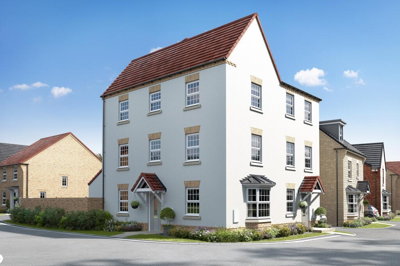
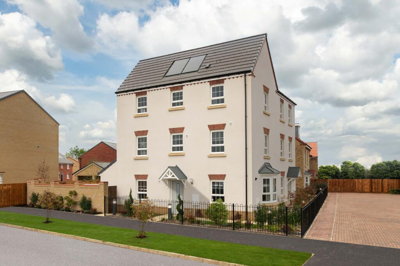
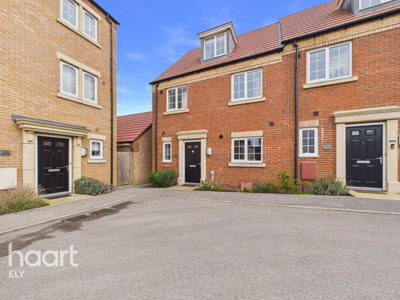
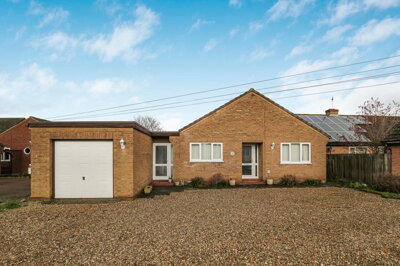
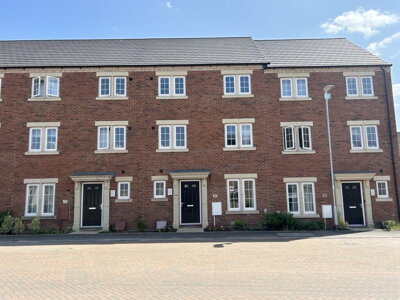
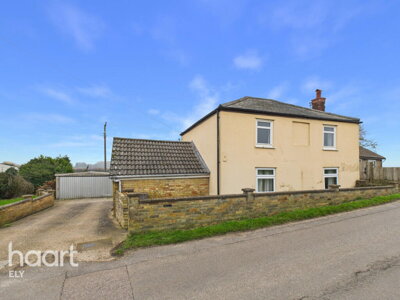
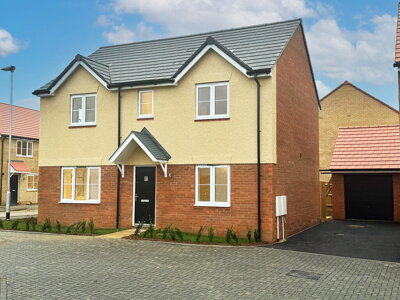
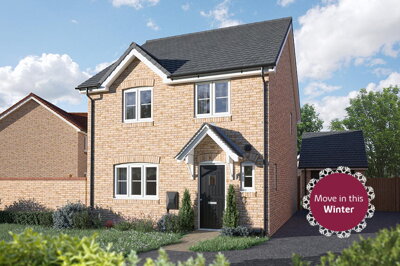
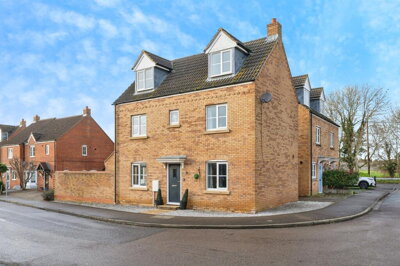
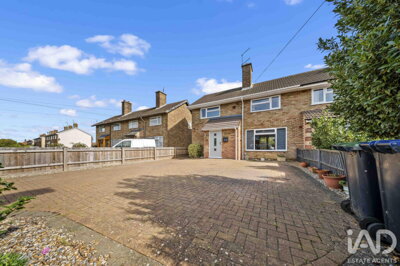
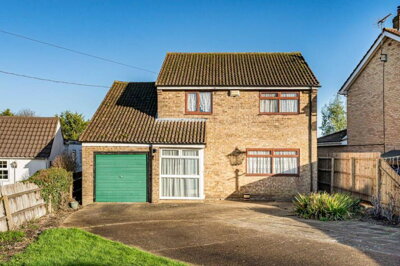
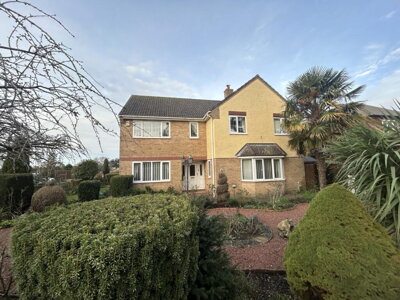
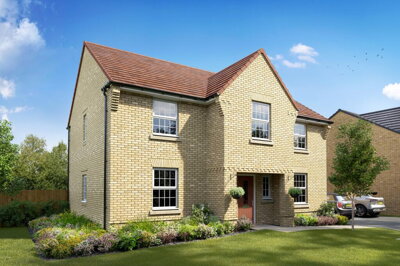
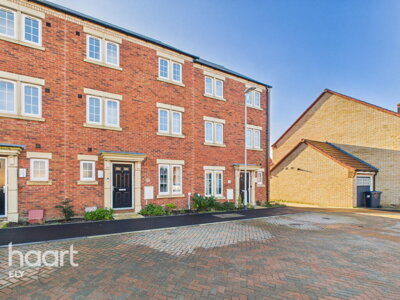
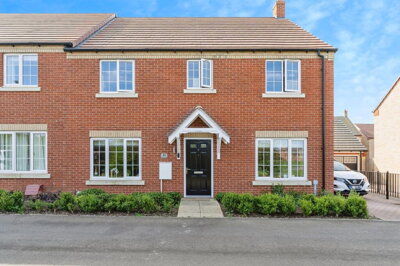
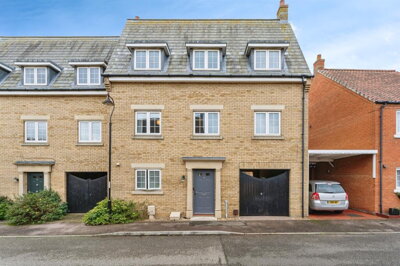
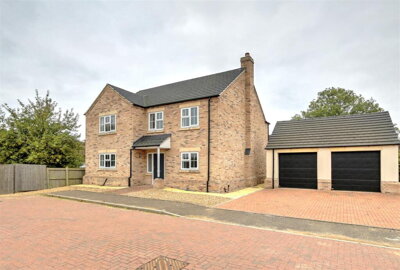
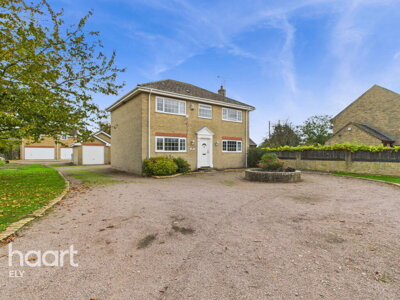
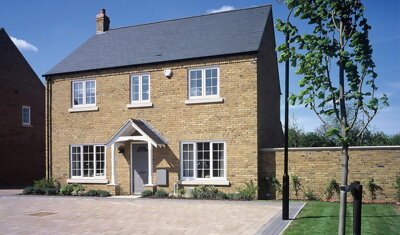
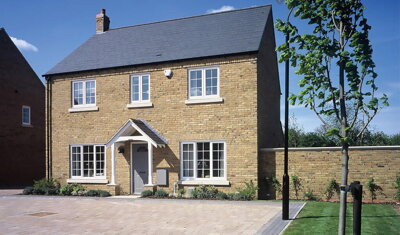
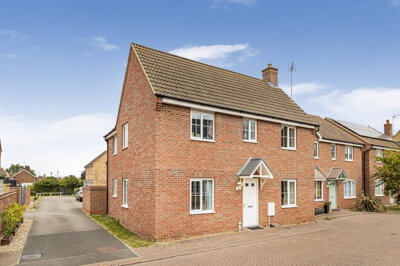
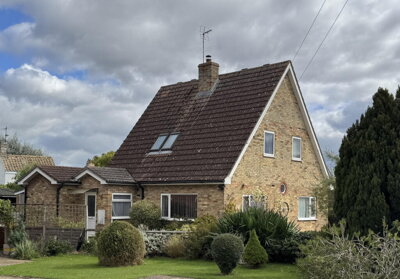
Browse 51 homes for sale in Littleport, East Cambridgeshire from local estate agents.
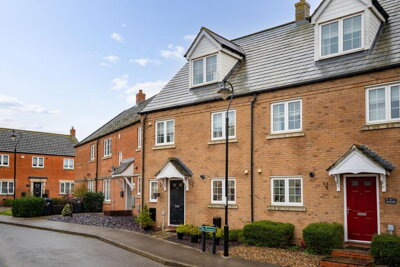
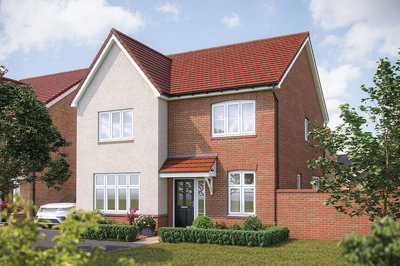
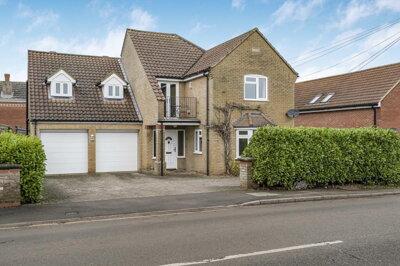
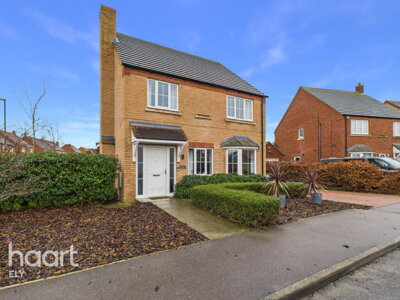
The larger property sector typically features multiple bathrooms, substantial reception space, and private gardens or off-street parking. Four bedroom houses in Littleport span detached, semi-detached, and occasionally terraced configurations, with styles ranging from period properties to modern executive homes.
£435k
26
3
144
Source: home.co.uk
Showing 26 results for 4 Bedroom Houses for sale in Littleport, East Cambridgeshire. 3 new listings added this week. The median asking price is £435,000.
Source: home.co.uk
Detached
21 listings
Avg £450,951
Semi-Detached
5 listings
Avg £374,799
Source: home.co.uk
Source: home.co.uk
The Littleport property market has demonstrated steady resilience, with average house prices increasing by approximately 1-3% over the past 12 months according to Rightmove and Zoopla data. This modest growth reflects the village's growing popularity as a commuter location and the ongoing investment in new housing developments that have expanded the village's housing stock. Approximately 100 to 120 property sales have been recorded in Littleport over the past year, indicating healthy market activity for a settlement of its size. The market benefits from its proximity to Cambridge while maintaining more accessible price points than the city itself, making it particularly attractive to first-time buyers and growing families.
Property types in Littleport reflect its diverse character, with the housing stock split roughly equally between detached homes (30-35%), semi-detached properties (30-35%), terraced houses (20-25%), and flats (5-10%) according to ONS Census data. First-time buyers will find terraced properties available from approximately £220,000 to £240,000, while families seeking more space can explore semi-detached homes priced between £270,000 and £290,000. Detached family homes in Littleport typically range from £400,000 to £420,000, with the premium end of the market offering substantial accommodation and generous gardens typical of fenland properties. The variety of property ages also adds to market diversity, with Victorian and Edwardian terraces in the Conservation Area sitting alongside post-war semis and contemporary new builds.

Littleport has seen significant new housing development in recent years, with three major active developments currently offering homes for sale. The Orchards, developed by Cannon Kirk Homes, provides 2, 3, and 4 bedroom homes priced from approximately £270,000 for a 2-bedroom property up to over £400,000 for a 4-bedroom home. This development is located in the CB6 1RA postcode area and offers modern construction with energy-efficient specifications that appeal to buyers seeking low running costs and contemporary living spaces. Properties at The Orchards typically feature the cavity wall construction and updated building regulations standards that characterise modern fenland development.
Highfields, from developer Laragh Homes, offers additional choice with 2, 3, and 4 bedroom properties ranging from approximately £275,000 to £450,000 or more depending on size and specification. For buyers seeking premium accommodation, Littleport Grange from David Wilson Homes (part of Barratt Developments) represents the higher end of the market with 3, 4, and 5 bedroom homes priced from approximately £350,000 to over £600,000. These new build properties typically come with the benefit of remaining warranties and modern construction methods that address some of the common issues found in older properties, including improved insulation, updated electrical systems with contemporary wiring standards, and modern plumbing throughout. NHBC or similar warranties on these properties provide additional protection for buyers during the initial years of ownership.
Littleport offers residents a distinctive quality of life shaped by its unique fenland location and its evolution from agricultural village to commuter settlement. The village has a population of approximately 8,500 to 9,000 residents across roughly 3,500 to 3,800 households according to 2021 Census data, creating a close-knit community atmosphere while providing sufficient population to support local amenities. The flat landscape of the surrounding fenland creates expansive skies and an open character that many residents find appealing, with the village sitting just above sea level in this reclaimed agricultural land. Walking or cycling along the network of footpaths across the surrounding farmland reveals the distinctive flat horizons that define the fenland character.
The historic core of Littleport centres around St George's Church, a Grade I listed building that anchors the Conservation Area encompassing parts of Main Street and Victoria Street. This historic character contrasts with the post-war expansion areas and modern developments that have extended the village significantly. Local amenities include shops, pubs, and services that serve the day-to-day needs of residents, while the nearby market town of Ely provides additional shopping, dining, and cultural attractions including Ely Cathedral, which draws visitors from across the region. The village community spirit is evident in local events and the range of clubs and organisations that operate throughout the year, making Littleport an attractive option for buyers seeking both connectivity and community. The annual Littleport Show and other village events provide opportunities for new residents to integrate into community life.
Families considering a move to Littleport will find primary education available at Littleport Primary School, which serves the village's younger residents with a curriculum focused on building foundational skills. The school has expanded over the years to accommodate the growing population, reflecting the village's evolution as a commuter settlement. For younger children, several nurseries and pre-school settings operate in the village, providing early years education and childcare options for working parents. Parents should verify current catchment areas and admissions policies, as these are reviewed periodically by Cambridgeshire County Council and can affect school allocations for specific addresses.
Secondary education options in the area include Witchford Village College, which serves as the main secondary school for many Littleport residents and offers a comprehensive curriculum for students aged 11-16. Students from parts of Littleport may also be eligible for places at schools in Ely or the surrounding Cambridgeshire villages, depending on availability and admission criteria. The presence of the nearby universities and colleges in Cambridge means that older students have excellent progression options for higher education, with good transport connections making this feasible for daily commuting or as a base for further study. Parents should research current Ofsted ratings and specific admission arrangements, as these can change and directly impact the suitability of properties for families with school-age children.
Transport connectivity is one of Littleport's strongest attributes, with the village benefiting from its own railway station offering regular services to Cambridge and Ely. The train journey to Cambridge takes approximately 20-30 minutes, making Littleport particularly attractive to commuters who work in the city but prefer the space and affordability of a village location. East Cambridgeshire District Council offices and other public sector employers are based in Ely, which is easily accessible by train or road, while the broader Cambridgeshire employment market is within reasonable reach. The station has seen increased usage in recent years as remote and hybrid working patterns have developed, with residents appreciating the flexibility to commute when needed while living in a more spacious setting.
Road connections from Littleport provide access to the A10, which runs through the village and connects to Cambridge to the south-west and King's Lynn to the north-east. The flat terrain of the fenland means cycling is popular for shorter journeys, though the wind exposure from the open landscape can make cycling less comfortable during inclement weather. Bus services operate within Littleport and connect to surrounding villages and Ely, providing options for those who prefer not to drive. For international travel, Cambridge Airport offers limited commercial flights while Stansted Airport and London airports provide broader connectivity with road and rail access from the area. The A14 trunk road, accessible via the A10 and surrounding routes, provides connections to the wider eastern region and the midlands.
The fenland geology of the Littleport area creates specific challenges for property condition that buyers should understand before purchasing. The underlying clay deposits, part of the alluvium layer over chalk bedrock, create a moderate to high shrink-swell risk that can affect property foundations. This is particularly relevant for older properties with potentially shallow foundations or those with large trees nearby, as the clay contracts in dry conditions and expands when wet. Signs of foundation movement can include cracking to walls, particularly diagonal cracks near corners and windows, doors that stick or don't close properly, and rippling or cracking to plaster internally. A thorough survey should identify any signs of subsidence or heave that may require attention or affect the property's value.
Damp issues are among the most common defects found in Littleport's older properties, which make up a significant proportion of the housing stock. Properties built before the 1970s often lack adequate damp-proof courses or have original systems that have failed over time. Rising damp occurs when moisture travels up through solid brick or stone foundations into walls, while penetrating damp results from defective rainwater goods, damaged rendering, or deteriorating brickwork. Signs include tide marks on walls, peeling paint or wallpaper, musty smells, and in severe cases, black mould growth. Older properties may also contain asbestos-containing materials in textured coatings, insulation boards, or pipe lagging, particularly those built before 2000.
Roof condition is another frequent concern, especially for Victorian and Edwardian properties in Littleport's Conservation Area where original features may be reaching the end of their serviceable life. Common issues include slipped or broken tiles, degraded pointing to ridge tiles, failing felt underlays, and problems with lead flashings around chimneys and valleys. Properties built during the post-war period may have concrete tile roofs that have experienced frost damage or become porous over decades. Timber defects including wet rot and dry rot can affect roof structures, particularly where ventilation is poor or where leaks have allowed prolonged dampness. Ground floor timber joists and suspended timber floors in older properties may also be affected by rot or woodworm activity.
Understanding local construction methods helps buyers appreciate the characteristics and potential issues of different property types in Littleport. Properties built before 1919 in the Conservation Area typically feature solid brick walls, often using the distinctive local gault brick or red brick, with lime-based mortars that allow the structure to breathe. These properties usually have timber floor joists, sometimes with very shallow foundations by modern standards, and pitched roofs covered with natural slate or clay tiles. The solid wall construction means these properties have no cavity for insulation, though internal wall insulation systems can be installed subject to Heritage England guidance for listed buildings.
Post-war properties built between 1945 and 1980 brought cavity wall construction to Littleport, with properties typically featuring outer brick leaves and inner blockwork cavities. Ground floors during this period were often concrete, replacing the timber suspended floors of earlier properties. Roofs from this era commonly use concrete tiles, which proved durable but can deteriorate over time, particularly in freeze-thaw conditions. Electrical and plumbing systems in properties from this era frequently require upgrading to meet modern standards, as original installations may not cope with contemporary power demands and lead pipework or old rubber insulation may still be present.
Contemporary properties built since 1980, including those in modern developments like The Orchards, Highfields, and Littleport Grange, benefit from current building regulations including deeper foundations appropriate for the underlying clay geology, cavity wall insulation, and modern electrical and plumbing systems. These newer properties typically require less maintenance and fewer immediate repairs, though they may lack the character and solid construction of older homes. For buyers considering any property in Littleport, understanding the construction era and its implications for condition, maintenance requirements, and potential defects helps set realistic budgets and expectations.
Beyond the standard property considerations, buyers in Littleport should pay specific attention to flood risk given the village's low-lying fenland position near the River Great Ouse and its tributaries. The Environment Agency provides detailed flood risk mapping that potential buyers should consult, particularly for properties in identified flood zones. Surface water flooding can also occur due to the flat terrain and drainage challenges in this landscape, especially after periods of heavy rainfall when the ground's capacity to absorb water is exceeded. Insurance costs may be higher for properties with significant flood risk, and buyers should factor this into their budget along with potential future changes to insurance availability.
Drainage issues warrant careful inspection in Littleport properties due to the flat nature of the terrain. Properties may have septic tanks or private drainage systems in areas not connected to mains sewerage, requiring maintenance and periodic emptying costs. The condition of drainage channels, soakaways, and any pumping stations should be assessed during survey. Properties on lower ground or those at the bottom of the local topography may be more susceptible to surface water accumulation, and buyers should ask vendors about any historical flooding or drainage problems that have affected the property or neighbouring homes.
Energy efficiency varies significantly across Littleport's diverse housing stock. Older Victorian and Edwardian properties in the Conservation Area may have solid walls with minimal insulation, resulting in higher heating costs, while modern new builds typically achieve much better SAP ratings due to cavity insulation and double glazing. Gas, electricity, and water supply arrangements should be verified, with particular attention to shared supplies in flats or terraced properties. For leasehold properties, understanding the service charge structure, ground rent obligations, and any planned major works or reserve fund contributions is essential before committing to a purchase.

Contact local estate agents in Littleport to understand current listings, attend open viewings, and get a mortgage agreement in principle before making offers. Factor in local property prices ranging from £220,000 for terraced homes to £420,000 for detached properties, and consider additional costs including solicitor fees, stamp duty, and survey costs. Understanding your complete budget including these costs helps avoid disappointment later in the process.
Use Homemove to search homes for sale in Littleport, filtering by price, property type, and number of bedrooms. Consider both older properties in the Conservation Area around St George's Church and Main Street, with their characterful brick construction and period features, and new builds at The Orchards, Highfields, or Littleport Grange developments with their modern specifications and warranties. Visiting at different times of day and speaking to current residents helps build a complete picture of each neighbourhood.
Once you find a property, arrange a viewing and if proceeding, book a RICS Level 2 Survey. For a typical 3-bedroom semi-detached in Littleport, surveys range from £450 to £650. Listed or Conservation Area properties may need the more detailed RICS Level 3 Survey due to their age and unique construction. The survey will flag issues including damp, subsidence risk from the underlying clay geology, roof condition, and any electrical or plumbing concerns that require attention.
Once satisfied with the property and survey findings, make an offer through the estate agent. Negotiate on price if appropriate, particularly if the survey reveals issues requiring attention such as the drainage concerns, roof repairs, or electrical upgrades common in older Littleport properties. Having your mortgage in principle and survey in hand strengthens your negotiating position with sellers.
Choose a conveyancing solicitor to handle the legal aspects of your purchase. They will conduct searches including local authority, drainage, and environmental searches relevant to the fenland location, handle contracts, and manage the transfer of ownership. Exchange contracts and set a completion date that suits both parties, typically allowing four weeks from instruction to exchange for straightforward transactions.
Once completion is confirmed, collect your keys and move into your new Littleport home. Take time to explore the village, meet neighbours, and settle into your new community. Register with the local GP surgery, explore the range of clubs and organisations, and discover the network of footpaths and cycling routes across the surrounding fenland farmland.
The average property price in Littleport sits between £290,000 and £300,000 based on recent market data from Rightmove and Zoopla. Detached homes average £400,000 to £420,000, semi-detached properties around £270,000 to £290,000, terraced homes from £220,000 to £240,000, and flats typically between £140,000 and £160,000. Prices have increased by approximately 1-3% over the past 12 months, reflecting steady demand for this Cambridge commuter village location with its direct rail links taking around 20-30 minutes to reach the city.
Council tax in Littleport is set by East Cambridgeshire District Council, with bands typically ranging from A through H depending on property value. Most terraced homes and smaller semi-detached properties fall into bands A to C, while larger detached homes may be in bands D to F. Prospective buyers should check the specific banding for any property they are considering, as this affects ongoing running costs and varies significantly between property types and locations within the village.
Littleport Primary School serves the village's younger children, while Witchford Village College is the main secondary school for many local families. The schools serve specific catchment areas based on residence, and parents should check current Ofsted ratings and Cambridgeshire County Council admission policies to confirm eligibility for their address. Ely offers additional secondary options for families who prefer schools in the market town, with good bus and rail connections making this feasible for students.
Littleport railway station provides regular train services to Cambridge in approximately 20-30 minutes and to Ely in around 15 minutes, making it an excellent commuter location for those working in either town. Bus services connect the village to surrounding Cambridgeshire communities, and the A10 road provides direct access to Cambridge to the southwest and King's Lynn to the northeast. The flat fenland terrain makes cycling viable for shorter local journeys, though wind exposure from the open landscape can be challenging during certain weather conditions.
Littleport offers several factors that make it attractive for property investment, including its proximity to Cambridge, good transport links via the train station, and ongoing new build development that expands the housing stock and attracts new residents. The village has seen consistent modest price growth of around 1-3% annually, with demand supported by commuters working in Cambridge or Ely and local workers seeking quality accommodation. Rental demand is likely to remain stable given the balance of tenant types attracted to the village. As with any investment, buyers should research specific locations within Littleport and consider factors like tenant demand for different property types and potential maintenance costs for older stock.
Stamp duty land tax (SDLT) rates for 2024-25 are 0% on the first £250,000 of property value, 5% on the portion from £250,001 to £925,000, 10% on £925,001 to £1.5 million, and 12% above £1.5 million. First-time buyers receive relief on the first £425,000 with 0% rate, with 5% applied between £425,001 and £625,000. For a typical £290,000 property in Littleport, standard buyers would pay £2,000 in stamp duty, while first-time buyers purchasing up to £425,000 would pay nothing.
The primary risks for Littleport property buyers include flood risk due to the low-lying fenland location near the River Great Ouse, which affects insurance costs and property values in certain areas. Foundation movement from shrink-swell clay geology affects some properties, particularly those with shallow foundations or large nearby trees. Older properties may have damp issues, outdated electrics, or asbestos-containing materials that require remediation. Drainage challenges from the flat terrain can cause surface water flooding after heavy rainfall. A thorough RICS Level 2 Survey should identify any of these issues before you commit to purchase.
RICS Level 2 Surveys in Littleport typically cost between £450 and £650 for a standard 3-bedroom semi-detached property. Flats and smaller terraced homes are generally at the lower end of this range at approximately £350-£550, while larger detached homes may cost £550-£800 or more depending on size and complexity. Properties in the Conservation Area or listed buildings may require the more comprehensive RICS Level 3 Survey, which provides detailed analysis of construction and defects but costs significantly more. These survey costs are a worthwhile investment given the common defects found in Littleport's diverse housing stock.
From 4.5% APR
Expert mortgage advice for Littleport buyers with access to lenders across the market
From £499
Local conveyancing solicitors handling Littleport property transactions
From £450
Professional property survey identifying defects in Littleport homes
From £600
Comprehensive building survey for older or complex Littleport properties
From £85
Energy performance certificate for Littleport properties
Understanding the full costs of buying property in Littleport helps buyers budget accurately and avoid surprises during the purchase process. The stamp duty land tax (SDLT) will be a significant cost for most buyers, with standard rates starting at 0% for the first £250,000 of the purchase price. For a typical Littleport property at the village average of £290,000, a standard buyer would pay approximately £2,000 in SDLT after the nil-rate threshold. First-time buyers purchasing properties up to £425,000 pay no SDLT, making the market particularly accessible for those taking their first steps onto the property ladder.
Beyond stamp duty, buyers should budget for solicitor conveyancing fees which typically start from around £499 for standard transactions in the East Cambridgeshire area, though complex purchases involving leasehold properties, new builds with NHBC requirements, or listed buildings may cost more. A RICS Level 2 Survey costs between £450 and £650 for a typical 3-bedroom semi-detached home in Littleport, with terraced properties and flats generally at the lower end of this range and larger detached homes potentially costing £800 or more. Property searches, including local authority, drainage, and environmental searches relevant to the fenland location, usually total around £250 to £350.
Buildings insurance should be arranged from the point of exchange, and buyers moving to fenland properties should specifically query flood risk coverage with their insurer given the low-lying location of parts of Littleport. Land registry fees, mortgage arrangement fees, and valuation costs from your lender add further to the budget. These combined costs typically add 2-4% to the purchase price above the property value itself, so for a £290,000 property, buyers should budget an additional £5,800 to £11,600 for these purchase costs. For new build properties, developers may also charge admin fees for documentation provision and may require reservation deposits, typically £500-£1,000, which are usually deducted from the final purchase price.
Properties for Sale In London

Properties for Sale In Plymouth

Properties for Sale In Liverpool

Properties for Sale In Glasgow

Properties for Sale In Sheffield

Properties for Sale In Edinburgh

Properties for Sale In Coventry

Properties for Sale In Bradford

Properties for Sale In Manchester

Properties for Sale In Birmingham

Properties for Sale In Bristol

Properties for Sale In Oxford

Properties for Sale In Leicester

Properties for Sale In Newcastle

Properties for Sale In Leeds

Properties for Sale In Southampton

Properties for Sale In Cardiff

Properties for Sale In Nottingham

Properties for Sale In Norwich

Properties for Sale In Brighton

Properties for Sale In Derby

Properties for Sale In Portsmouth

Properties for Sale In Northampton

Properties for Sale In Milton Keynes

Properties for Sale In Bournemouth

Properties for Sale In Bolton

Properties for Sale In Swansea

Properties for Sale In Swindon

Properties for Sale In Peterborough

Properties for Sale In Wolverhampton

Enter your details to see if this property is within your budget.
Loans, cards, car finance
Estimated property budget
Borrowing + deposit
You could borrow between
Typical borrowing
Monthly repayment
Est. at 4.5%
Loan-to-value
This is an estimate only. Your actual budget may vary depending on interest rates, credit history, and personal circumstances. For an accurate affordability assessment, speak to one of our free mortgage advisors.
This calculator provides estimates for illustrative purposes only and does not constitute financial advice. Your home may be repossessed if you do not keep up repayments on your mortgage. Estimates based on 4.5% interest rate, repayment mortgage. Actual rates depend on your circumstances.
Homemove is a trading name of HM Haus Group Ltd (Company No. 13873779, registered in England & Wales). Homemove Mortgages Ltd (Company No. 15947693) is an Appointed Representative of TMG Direct Limited, trading as TMG Mortgage Network, which is authorised and regulated by the Financial Conduct Authority (FRN 786245). Homemove Mortgages Ltd is entered on the FCA Register as an Appointed Representative (FRN 1022429). You can check registrations at NewRegister or by calling 0800 111 6768.

We use cookies to show you personalised content and improve your experience of our website. Find out more in our Privacy policy and Cookie policy.