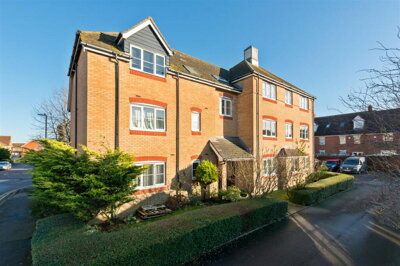
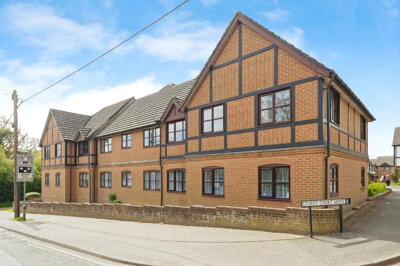
Browse 2 homes for sale in Littlebourne, Canterbury from local estate agents.
One bed apartments provide a separate bedroom alongside distinct living space, bathroom, and kitchen areas. Properties in Littlebourne are available in various building types including mansion blocks, contemporary developments, and house conversions.
£0k
0
0
0
Source: home.co.uk
Showing 0 results for 1 Bedroom Flats for sale in Littlebourne, Canterbury.
The Littlebourne property market reflects the broader trends affecting East Kent, with house prices showing a 12.7% adjustment over the past twelve months according to OnTheMarket data. This shift has brought the average sale price to approximately £326,727, creating opportunities for buyers who may have previously found the Kent market beyond their reach. The market correction follows a period of sustained growth and positions Littlebourne as a location where strategic purchases can still be made within a historically valuable area.
Property types available in the village span a satisfying range of configurations. Detached homes command the highest prices at around £475,000, offering generous garden space and the privacy that families often prioritise. Semi-detached properties average £326,286, representing the most commonly sold type in the village according to Rightmove transaction data. Terraced homes, including the charming Victorian Jubilee cottages mentioned in the Littlebourne Village Design Statement, typically sell for £278,333, providing an affordable route into village life for first-time buyers and downsizers alike.
New build activity has been limited in recent years following the completion of The Laurels development by Leath Park Developments and MOAT Housing, which delivered a mix of 3, 4, and 5-bedroom homes alongside affordable housing provision. A significant proposed development of up to 300 homes by Gladman Homes on land at The Hill has been subject to planning consideration, with the scheme likely to proceed following the council's decision not to defend their refusal at appeal. This future development may gradually increase housing supply in the area.

Understanding the construction methods used in Littlebourne properties helps buyers appreciate the character and maintenance requirements of different housing types. The village's older properties predominantly feature traditional masonry construction, with painted brick walls and old tiled roofs being particularly common along the High Street and surrounding roads. Many of the Grade II listed cottages display characteristic tile-hung elevations, a traditional Kent technique that provided weather protection while adding visual interest to upper storeys.
The historic building stock includes some notable examples of timber-framed construction, most impressively demonstrated by the Grade I listed 14th-century Barn at Littlebourne Court. This exceptional structure is built entirely of timber with oak tree trunks as supporting posts and a complete thatched covering, representing medieval agricultural architecture at its finest. Properties of this era often have shallower foundations than modern equivalents, making them more susceptible to ground movement in certain soil conditions.
More recent development has followed conventional modern building practices, with The Laurels using traditional masonry construction for its new homes. The lime-rich soils underlying much of the Little Stour valley have historically influenced local building materials, with chalk and rag stone used in earlier periods and brick becoming predominant from the Georgian era onwards. Properties built before 1919, which constitute a significant proportion of the village's housing stock given the presence of 60 listed buildings, may require particular attention to electrical wiring, insulation standards, and potential damp issues when purchasing.
Life in Littlebourne centres on the gentle rhythms of a traditional English village, where community ties remain strong despite the proximity to Canterbury. The village takes its name from the Little Stour river that winds through its heart, a watercourse fed by the intermittent Nailbourne stream and characterised by the chalk geology that underlies much of South East Kent. This landscape of shallow, lime-rich soils and gently rolling farmland has shaped both the architecture and character of the settlement over centuries.
The village contains an impressive heritage asset in the form of 60 listed buildings recorded in the National Heritage List for England, ranging from the Grade I listed 14th-century Barn at Littlebourne Court to the 18th-century Littlebourne Court House itself. The Church of St Vincent also holds Grade I listing, serving as a focal point for the community. A designated Conservation Area protects the historic core, particularly along the A257 and surrounding streets, ensuring that new development respects the village's architectural character. Properties within this area require Heritage Statements as part of any planning application, preserving the vernacular aesthetic that makes Littlebourne distinctive.
Local amenities include a primary school serving the village's younger residents, while the village hall hosts community events throughout the year. The local pub provides a traditional gathering place for evening meals and social occasions, and the occasional farmer's market brings fresh local produce to the village centre. For everyday shopping, residents typically travel to Canterbury, approximately 5 miles distant, where comprehensive retail and leisure facilities await. Howletts Animal Park, located nearby in Bekesbourne, adds an element of local interest and provides employment for some residents. Historically an agricultural community with hop gardens and oast houses, Littlebourne's economy has evolved, with Canterbury now serving as the primary employment hub for many residents who commute the short distance for work.
Education provision in Littlebourne is anchored by the local primary school, which serves families with children of Key Stage 1 and Key Stage 2 ages. The presence of a village primary school removes the need for daily commutes to Canterbury for younger children, though parents should verify current catchment arrangements and any planned admissions policy changes. For families considering primary education, arranging property viewings well ahead of the academic year is advisable, as popular village schools can have waiting lists even for those living within the immediate area.
Secondary education options include schools in Canterbury, accessible via the regular bus services that connect Littlebourne with the city. Several secondary schools in Canterbury and surrounding areas have established reputations for academic achievement and strong GCSE results, with both comprehensive and grammar school options available. Parents should research individual school performance data, Ofsted ratings, and admissions criteria when evaluating properties for their secondary-age children. The selection process for selective grammar schools in Kent requires specific entrance testing, and proximity to these schools does not guarantee admission under the county's coordinated admissions scheme.
For sixth form and further education, Canterbury offers Canterbury College and other sixth form providers with diverse A-level and vocational pathways. The University of Kent campus on the outskirts of Canterbury provides higher education opportunities within commuting distance of Littlebourne, with regular bus services making the journey feasible for students without private transport. Families moving from outside Kent should note that the county operates a coordinated admissions scheme for school places, and understanding these procedures before committing to a property purchase helps avoid disappointment with school allocations.
Connectivity from Littlebourne benefits substantially from the village's position on the A257, a historic route linking Canterbury with the coastal towns of Whitstable and Herne Bay. The A257 passes directly through the village, providing direct road access to Canterbury city centre approximately 5 miles distant. Journey times by car to Canterbury typically take between 15 and 20 minutes depending on traffic conditions, with the route passing through attractive countryside that makes even routine commutes pleasant.
Public transport options include bus services operated by Stagecoach and other regional providers, connecting Littlebourne with Canterbury and surrounding villages. These services are essential for residents who prefer not to rely on private vehicles, including students, retirees, and those working in the city without parking facilities. Canterbury railway station provides connections to London Victoria via Chatham, with journey times to the capital typically around 90 minutes, and to the High Speed line at Canterbury West for faster services to London St Pancras.
For commuters working in London or other major centres, the relatively manageable journey from Canterbury combined with Littlebourne's village setting creates an attractive balance. The nearby town of Whitstable also offers direct Southeastern railway services to London Victoria in approximately 75 minutes. Cycling infrastructure has improved in recent years, with the flat terrain of the Little Stour valley making bicycle commuting viable for the more energetic, though the A257 route can be busy at peak times and requires care. Parking availability in Canterbury varies by location, with city centre car parks serving those commuting by train.
Begin by exploring the Littlebourne property market in depth. Review current listings, understand the price ranges for different property types, and research the local area including flood risk areas along the Little Stour, the extent of the Conservation Area, and any planned developments. Visiting the village at different times of day helps gauge the community atmosphere, and speaking with residents can provide invaluable insights into village life that no listing can convey.
Before arranging viewings, obtain a mortgage agreement in principle from a lender. This confirms your borrowing capacity and strengthens your position when making offers. Several surveyors serving Littlebourne offer competitive rates, and having finance in place demonstrates seriousness to sellers in what can be a competitive market where multiple offers may be received on desirable properties.
View multiple properties in Littlebourne to compare condition, character, and value. Pay particular attention to properties in the Conservation Area, where planning restrictions may affect future modifications. Note the construction materials of older properties, as traditional painted brick and timber-framed buildings have different maintenance requirements to modern construction, and factor any necessary upgrades into your budget.
Before completing your purchase, arrange a comprehensive survey from a qualified RICS surveyor. Given Littlebourne's mix of historic properties, the Level 2 Home Survey provides valuable assessment of condition, identifying issues such as damp, roof problems, and structural movement that are common in older properties. Costs typically range from £400 to £600 depending on property value and size, with the average survey in the area around £455 for properties in the £300,000 to £400,000 range.
Choose a conveyancing solicitor with experience handling rural Kent property transactions. They will conduct searches including local authority, drainage and water, and environmental searches. Given Littlebourne's flood risk profile, ensure your solicitor obtains specific flood risk information and advises on appropriate insurance provisions before completion.
Once surveys are satisfactory and legal searches are returned, you can proceed to exchange contracts and set a completion date. On completion day, your solicitor transfers the remaining funds and you receive the keys to your new Littlebourne home. We recommend arranging buildings insurance from this date and planning your move carefully, as removal firms in Kent can be busy during peak periods.
Prospective buyers should carefully consider Littlebourne's flood risk profile before committing to a purchase. The village sits within the Little Stour at Littlebourne flood warning area, with the river and associated Nailbourne watercourse historically causing flooding events including significant incidents in 2000 and 2001. Improvements to channel capacity and culverts have since been implemented, including a diversion channel, and there are currently no active flood warnings in force. However, a Groundwater flooding alert remains in place for East Kent, and surface water runoff from the surrounding hills can affect lower-lying properties. Requesting the property's flood history from the vendor and checking the Environment Agency flood risk maps is essential due diligence.
The extent of the Conservation Area requires attention from buyers planning any modifications to their property. Any external alterations or extensions within the Conservation Area require a Heritage Statement as part of the planning application, and consent may be refused for works that would harm the area's character. Listed buildings carry additional requirements, as works both inside and outside these properties require Listed Building Consent, and specialist conservation expertise may be needed for appropriate repairs using traditional materials and techniques.
Ground conditions in Kent present particular considerations for property buyers. The South East region is identified as susceptible to shrink-swell subsidence, where clay soils contract and expand with moisture changes, potentially affecting property foundations. While Littlebourne's underlying chalk geology is generally permeable, the presence of lime-rich soils suggests some clay content. The British Geological Survey warns of an increasing threat of shrink-swell damage to properties in London and the South East due to climate change. Buyers should inspect properties for signs of structural movement, particularly in older buildings with potentially shallower foundations, and ensure buildings insurance covers subsidence risk appropriately.

The average house price in Littlebourne is currently around £326,727 according to recent market data. Detached properties command the highest prices at approximately £475,000, while semi-detached homes average £326,286 and terraced properties typically sell for £278,333. The market has experienced a 12.7% reduction over the past twelve months, which may present opportunities for buyers considering the village's proximity to Canterbury and the strong historical demand for properties in this sought-after Kent location.
Properties in Littlebourne fall under Canterbury City Council's jurisdiction for council tax purposes. Banding depends on the property's valuation as of April 1991, and you can obtain the specific banding from the Valuation Office Agency website or your solicitor during conveyancing. Canterbury generally offers competitive council tax rates compared with London boroughs while maintaining comprehensive local services including waste collection, street cleaning, and support for vulnerable residents.
Littlebourne has a primary school serving the village and surrounding area, with families advised to research current Ofsted ratings and catchment arrangements before purchasing. For secondary education, parents typically consider schools in Canterbury, which include both comprehensive and grammar school options with varying academic specialisms. Researching individual school performance data, GCSE results, and admissions criteria will help identify the most suitable options for your children. The county's selective education system means grammar school places require passing the Kent Test, which should factor into your relocation planning if academic selective schooling is important to your family.
Littlebourne is served by bus routes connecting the village with Canterbury and surrounding villages, operated by Stagecoach and other regional providers. Canterbury railway station offers services to London Victoria and the High Speed line to London St Pancras from Canterbury West. The A257 provides direct road access to Canterbury city centre in approximately 15 to 20 minutes by car. The flat terrain of the Little Stour valley also makes cycling viable for shorter journeys when weather permits, though the A257 route can be busy at peak times.
Littlebourne offers several factors that appeal to property investors and homeowners alike. The village's proximity to Canterbury supports consistent demand, with residents valuing the combination of rural character and city accessibility. The proposed Gladman Homes development of 300 properties may eventually increase housing supply in the area, though this could also bring more families to the community. Properties in the Conservation Area with their protected character may hold their value well, though any modifications require careful navigation of planning requirements. The village's population growth from 1,529 in 2011 to over 1,600 in recent estimates indicates sustained demand for housing in this location.
Stamp Duty Land Tax rates for standard purchases start at 0% on the first £250,000 of property value, rising to 5% on the portion between £250,001 and £925,000, 10% up to £1.5 million, and 12% on amounts exceeding £1.5 million. First-time buyers benefit from relief on the first £425,000, with 5% charged between £425,001 and £625,000. Given that the average Littlebourne property is priced below £400,000, most purchases by first-time buyers would incur no stamp duty, while standard buyers would typically pay only on amounts exceeding the £250,000 threshold.
Littlebourne is located in the Little Stour at Littlebourne flood warning area, with the river and its tributary the Nailbourne capable of causing flooding from direct watercourses, rising groundwater and emerging springs, and surface water runoff from surrounding hills and valleys. Flooding events in 2000 and 2001 led to infrastructure improvements including channel widening and a diversion channel. While no active flood warnings exist currently, a Groundwater flooding alert remains in force for East Kent, and sewer surcharging can also occur during heavy rainfall. Prospective buyers should obtain flood risk information from the Environment Agency and ensure buildings insurance covers flood damage adequately.
Broadband speeds in Littlebourne have improved in recent years following investment in digital infrastructure, though speeds can vary depending on proximity to the village's exchange and local cabinet. Properties in newer developments like The Laurels typically benefit from faster fibre connections, while older properties in more rural parts of the village may rely on slower copper-based services. We recommend checking specific addresses with internet service providers before committing to a purchase, particularly if you work from home or have household members who require reliable high-speed connectivity for streaming, gaming, or video conferencing.
A significant planning application by Gladman Homes for up to 300 residential dwellings on land at The Hill has progressed through the planning system and is likely to proceed following the council's decision not to defend their refusal at appeal. This development would substantially increase Littlebourne's housing stock and potentially affect property values in the vicinity, though the timeline for construction and eventual completion remains uncertain. The completed The Laurels development by Leath Park Developments and MOAT Housing delivered new homes including affordable and shared ownership options, demonstrating that the village has accommodated growth in recent years.
From 4.5%
Competitive mortgage rates available from our panel of lenders
From £499
Expert property solicitors handling your legal work
From £400
Professional survey by qualified RICS inspectors
From £60
Energy performance certificate for your property
Budgeting for your Littlebourne purchase requires careful consideration of all associated costs beyond the property price itself. Stamp Duty Land Tax represents a significant outgoing, with standard rates applying 0% to the first £250,000 of purchase price, 5% between £250,001 and £925,000, 10% up to £1.5 million, and 12% on any amount exceeding that threshold. Given that the average Littlebourne property price of £326,727 falls within this range, a typical purchase would attract stamp duty of approximately £3,836 at standard rates.
First-time buyers purchasing in Littlebourne benefit from increased thresholds, paying nothing on the first £425,000 and 5% on amounts between £425,001 and £625,000. For most first-time buyers purchasing at average Littlebourne prices, no stamp duty would be payable. Those purchasing above £625,000 receive no first-time buyer relief on any portion of the price. Your solicitor will calculate the exact liability and ensure payment is made to HMRC within 14 days of completion.
Additional purchase costs include mortgage arrangement fees typically ranging from £500 to £2,000 depending on the lender and deal selected. Survey costs for a RICS Level 2 Home Survey average around £455 for properties in the £300,000 to £400,000 range, though prices vary based on property size and value. Conveyancing fees for a straightforward transaction in Littlebourne typically start from £499 plus disbursements, with searches and registration fees adding several hundred pounds more. Buildings insurance should be budgeted from completion day onwards, and you may wish to consider life insurance and contents cover simultaneously.
Properties for Sale In London

Properties for Sale In Plymouth

Properties for Sale In Liverpool

Properties for Sale In Glasgow

Properties for Sale In Sheffield

Properties for Sale In Edinburgh

Properties for Sale In Coventry

Properties for Sale In Bradford

Properties for Sale In Manchester

Properties for Sale In Birmingham

Properties for Sale In Bristol

Properties for Sale In Oxford

Properties for Sale In Leicester

Properties for Sale In Newcastle

Properties for Sale In Leeds

Properties for Sale In Southampton

Properties for Sale In Cardiff

Properties for Sale In Nottingham

Properties for Sale In Norwich

Properties for Sale In Brighton

Properties for Sale In Derby

Properties for Sale In Portsmouth

Properties for Sale In Northampton

Properties for Sale In Milton Keynes

Properties for Sale In Bournemouth

Properties for Sale In Bolton

Properties for Sale In Swansea

Properties for Sale In Swindon

Properties for Sale In Peterborough

Properties for Sale In Wolverhampton

Enter your details to see if this property is within your budget.
Loans, cards, car finance
Estimated property budget
Borrowing + deposit
You could borrow between
Typical borrowing
Monthly repayment
Est. at 4.5%
Loan-to-value
This is an estimate only. Your actual budget may vary depending on interest rates, credit history, and personal circumstances. For an accurate affordability assessment, speak to one of our free mortgage advisors.
This calculator provides estimates for illustrative purposes only and does not constitute financial advice. Your home may be repossessed if you do not keep up repayments on your mortgage. Estimates based on 4.5% interest rate, repayment mortgage. Actual rates depend on your circumstances.
Homemove is a trading name of HM Haus Group Ltd (Company No. 13873779, registered in England & Wales). Homemove Mortgages Ltd (Company No. 15947693) is an Appointed Representative of TMG Direct Limited, trading as TMG Mortgage Network, which is authorised and regulated by the Financial Conduct Authority (FRN 786245). Homemove Mortgages Ltd is entered on the FCA Register as an Appointed Representative (FRN 1022429). You can check registrations at NewRegister or by calling 0800 111 6768.

We use cookies to show you personalised content and improve your experience of our website. Find out more in our Privacy policy and Cookie policy.