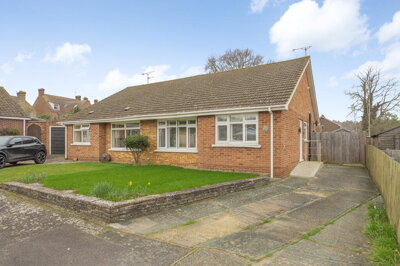
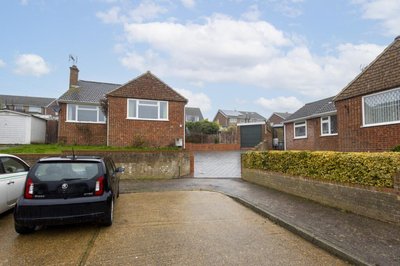
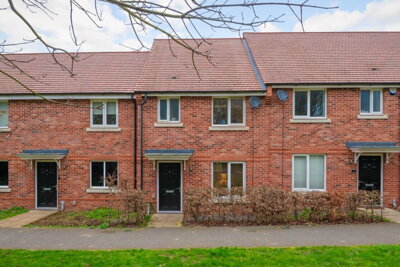
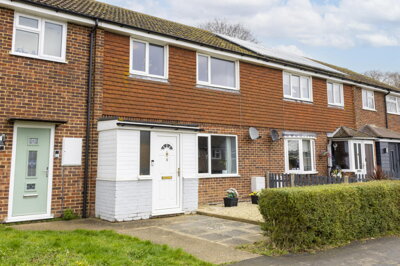
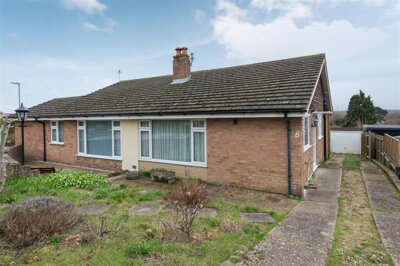
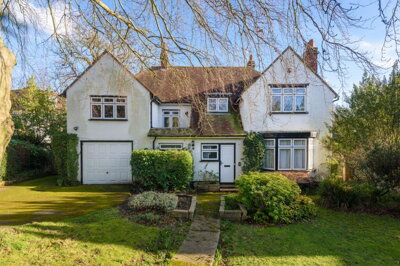
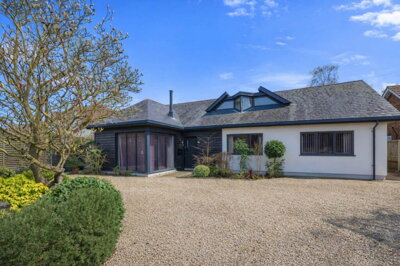
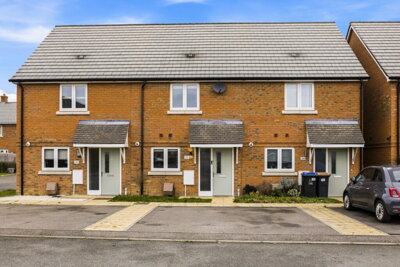
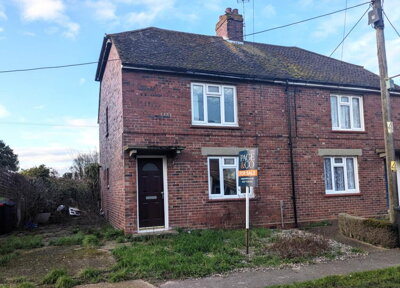
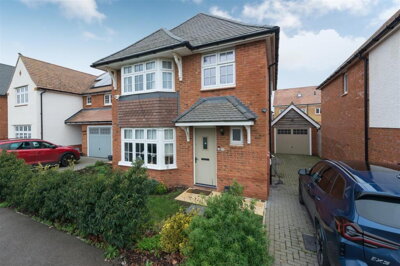
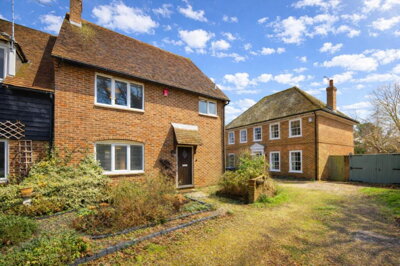
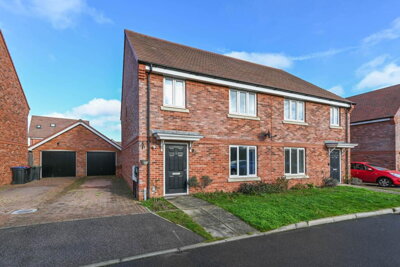
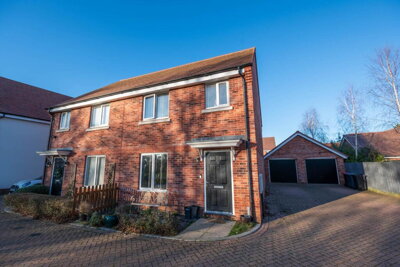
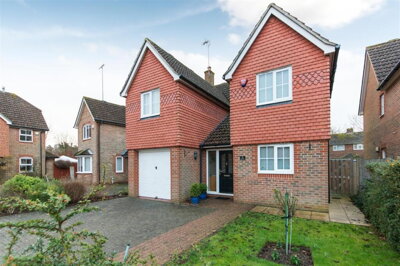
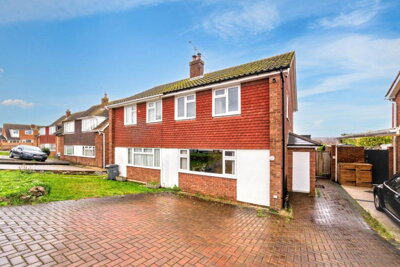
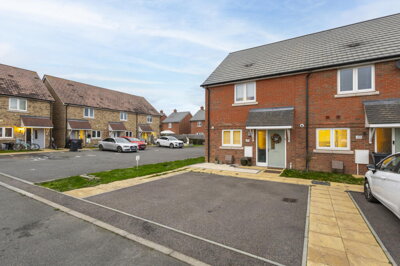
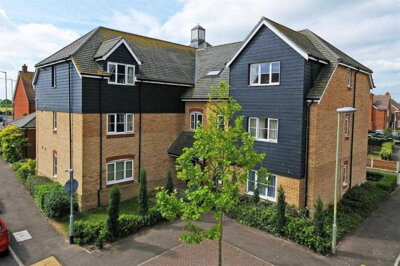
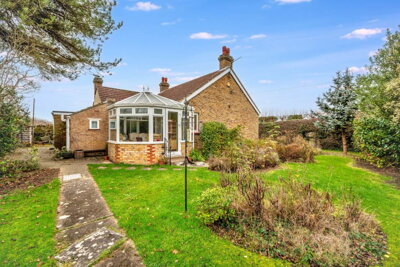
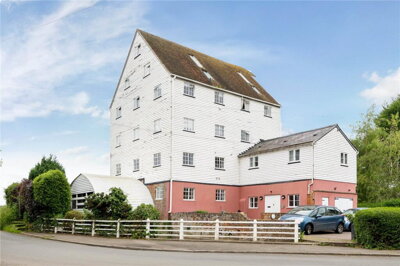
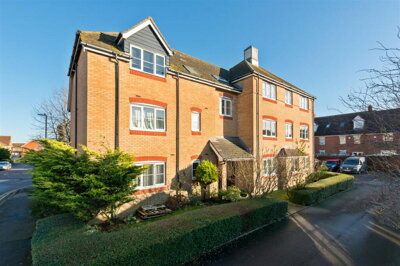
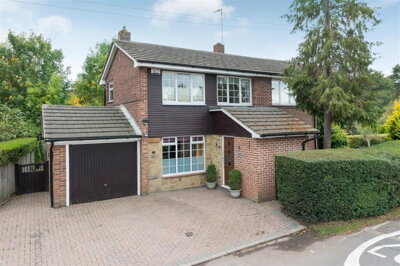
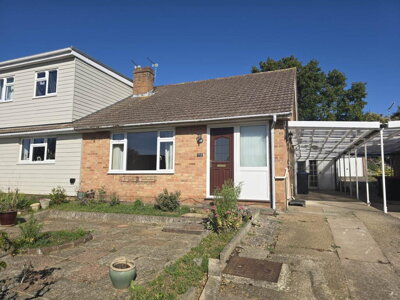
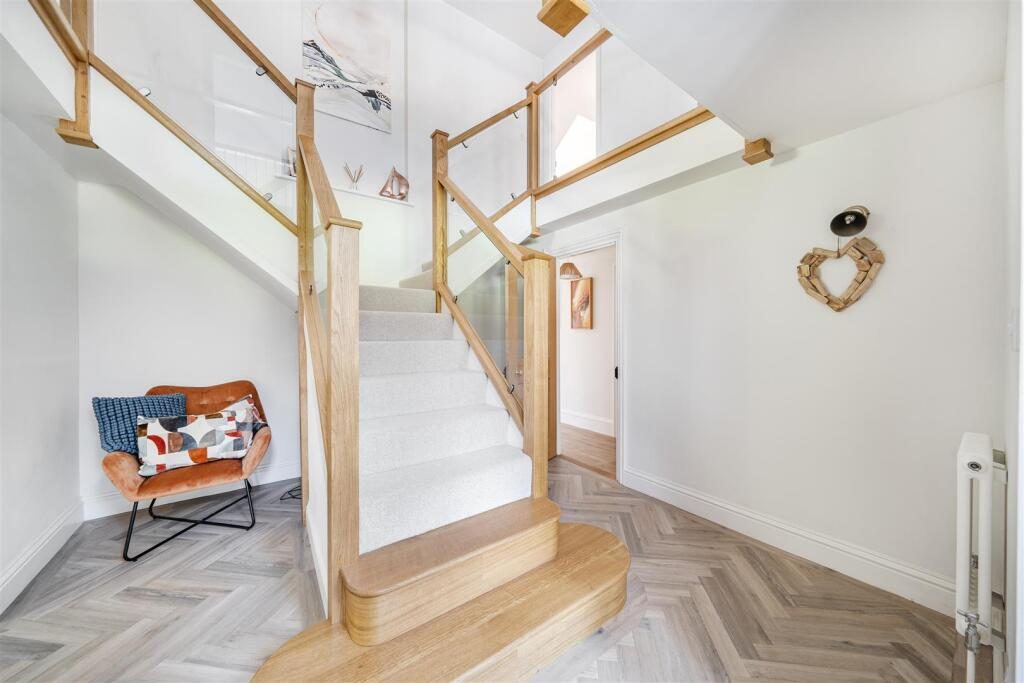
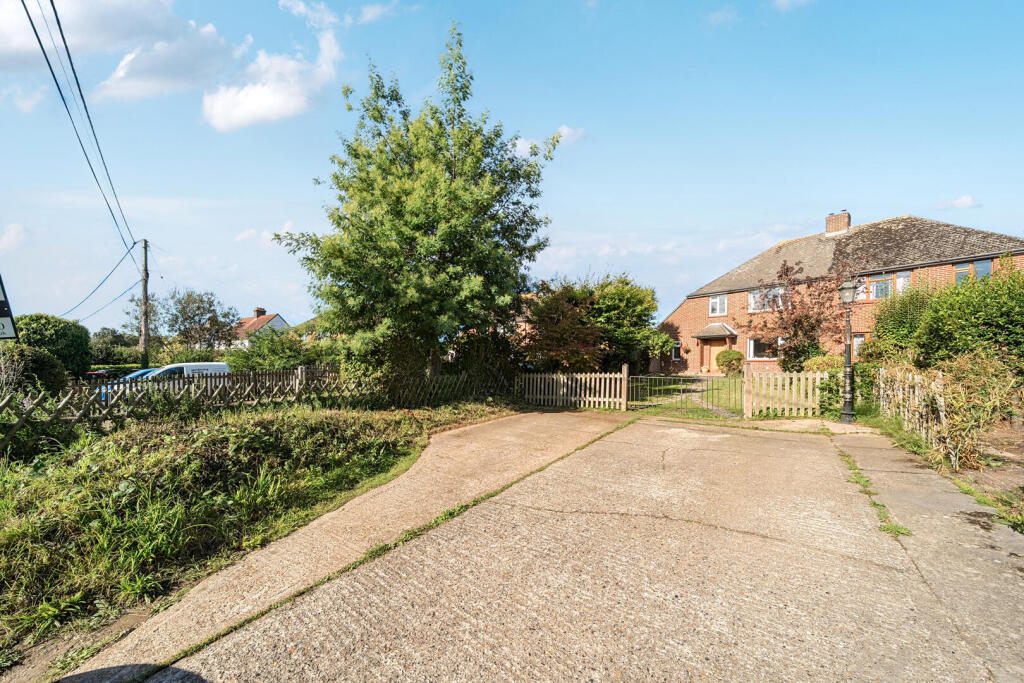
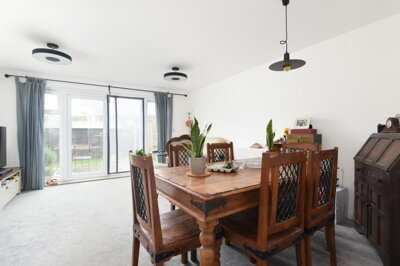
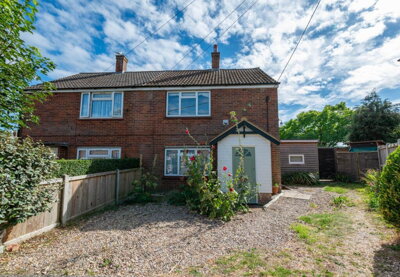
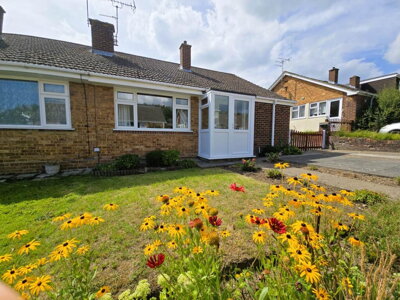
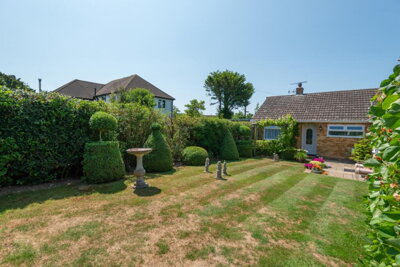
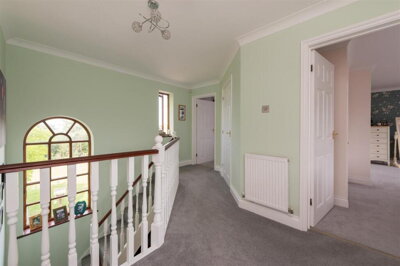
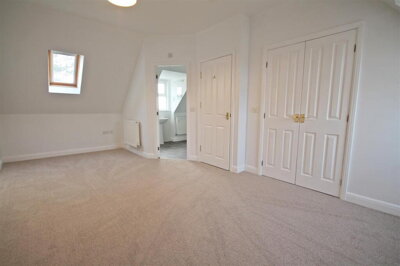
Browse 154 homes for sale in Littlebourne, Canterbury from local estate agents.
£513k
14
1
133
Source: home.co.uk
Source: home.co.uk
Detached
8 listings
Avg £758,750
Detached Bungalow
2 listings
Avg £462,500
Semi-Detached
2 listings
Avg £350,000
Terraced
1 listings
Avg £275,000
detached
1 listings
Avg £1.30M
Source: home.co.uk
Source: home.co.uk
The Compton property market reflects the character of the village itself - established, stable, and highly sought after by buyers who appreciate the rare combination of rural charm and accessibility. Our listings currently feature properties across all major categories, from traditional terraced cottages priced around £390,000 to impressive detached family homes reaching £825,000. The overall average property price stands at £604,500, with semi-detached homes typically commanding around £465,000 and flats available from approximately £250,000. This pricing structure makes Compton competitive within the wider Chichester district while offering excellent value compared to more metropolitan areas of the South East where similar property types command significantly higher prices.
Over the past twelve months, the Compton market has shown remarkable stability with an overall price change of 0%. Detached properties have seen modest growth of 1%, suggesting continued confidence in larger family homes within the area and reinforcing the appeal of Compton as a location for those seeking space and privacy. Semi-detached and terraced properties have experienced slight corrections of 1-2%, which may present opportunities for buyers seeking more affordable entry points to this desirable village location without compromising on the benefits of village life. With approximately 10 properties sold in the PO18 9 postcode sector over the past year, the market moves at a measured pace, allowing buyers time to make considered decisions without the pressure often found in urban markets where properties can sell within days of listing.

Life in Compton offers an enviable quality of life that draws buyers seeking respite from the pressures of city living and a return to community values. The village sits comfortably within the South Downs National Park, providing residents with immediate access to rolling countryside, scenic walking trails including the Monarch's Way and South Downs Way, and the natural beauty that defines this corner of West Sussex. The local community maintains a village atmosphere where neighbours know one another, and local events bring residents together throughout the year including village fetes, quiz nights, and seasonal celebrations that strengthen community bonds.
The demographics of Compton reflect a balanced mix of families, professionals, and longer-term residents who have appreciated the area for decades. The population of 1,000-1,500 residents creates an intimate community while still supporting a viable local economy with village amenities. Employment in the area typically links to agriculture, local services including the traditional village pub, and commuting to larger nearby towns including Chichester, Petersfield, and Portsmouth where major employers are based. The A3 road provides convenient access to London and the south coast, making Compton practical for those who need to commute while enjoying rural living.
The tourism sector also plays a role in the local economy, with visitors drawn to the area's walking routes, scenic landscapes, and the historic character of the village itself. St Mary's Church, a notable Listed Building the village, attracts visitors interested in architecture and local history. For buyers prioritising lifestyle and environment, Compton represents an exceptional choice that continues to appreciate in intangible quality-of-life terms while maintaining strong underlying property values. The village's Conservation Area status ensures that future development will be sensitive to the historic character that makes this location special.
The architectural heritage of Compton stands as one of its most distinctive features, with a village landscape dominated by traditional brick and flint construction that speaks to centuries of local building craft. Properties here commonly feature local red and brown bricks alongside flint detailing, creating the characteristic appearance that defines West Sussex villages and differentiates Compton from other settlements in the region. Rendered finishes adorn many older properties, while newer constructions thoughtfully combine brick with render to maintain visual harmony with the historic core. Roofs throughout the village typically feature slate or clay tiles, reflecting the traditional materials that have served these homes for generations and contribute to the vernacular character.
The predominant housing stock in Compton consists of detached properties, comprising an estimated 50-60% of all homes and reflecting the village's generous plot sizes and suburban feel. Semi-detached houses account for 20-30% of the housing mix, with terraced properties making up 10-15% and flats comprising less than 5%, demonstrating that Compton is predominantly a village of family homes rather than higher-density housing. A significant proportion of properties predate 1919, establishing the village's historic character through Georgian and Victorian-era architecture that includes substantial farmhouses, estate workers' cottages, and the occasional grander residence.
Limited development occurred between 1945 and 1980, preserving the village's essential character during the post-war building boom that transformed many other villages in the South East. Post-1980 construction has been minimal, primarily comprising individual custom builds or small clusters that blend sensitively with existing architecture rather than dominating the streetscene. The village's Conservation Area designation and concentration of Listed Buildings, including St Mary's Church and numerous historic cottages and farmhouses, underscore the commitment to preserving Compton's architectural heritage for future generations. Properties within these designations require sensitive maintenance and may restrict certain alterations, factors that buyers should factor into their purchasing decisions and renovation budgets.

Understanding the local geology of Compton provides valuable insights for prospective buyers considering property purchase in the area, particularly regarding foundation conditions and potential structural issues. The underlying geology consists primarily of chalk, part of the South Downs geological formation, with overlying areas of clay and sand deposits that vary across the village. Chalk formations generally provide stable foundations for buildings, though the presence of clay in certain areas introduces considerations around shrink-swell behaviour that can affect building foundations over time and cause structural movement if not properly managed.
Clay soils present a moderate to high shrink-swell risk in affected areas, particularly during prolonged dry spells when moisture loss from the ground can cause contraction and subsidence beneath building foundations. This risk is especially relevant for properties located near significant trees where root systems extract moisture from shrinkable clay soils during summer months, potentially causing ground movement that manifests as cracks or structural movement in the building above. Prospective buyers should commission appropriate surveys to assess foundation conditions, and any RICS Level 2 Survey should specifically address trees on or near the property and their potential impact on foundations. Properties with large, established trees within falling distance of structures should receive particular scrutiny.
Flood risk assessment for Compton reveals a generally favourable profile given the village's inland position away from major rivers and the coast. The village sits comfortably above flood plains, eliminating river flooding concerns that affect some villages in West Sussex. Coastal flood risk does not apply given the distance from the sea. Surface water flood risk represents the primary environmental consideration, with moderate to high risk areas identified in lower-lying parts of the village and near minor watercourses or drainage ditches that may struggle with heavy rainfall. These risks typically manifest during periods of intense rainfall rather than representing persistent threats, and adequate building insurance coverage should reflect the local risk profile. Your solicitor should conduct appropriate drainage and water searches with Chichester District Council as part of the conveyancing process.
Given that well over 70-80% of properties in Compton exceed 50 years of age, understanding common defects in the local housing stock is essential for prospective buyers. The village's predominantly older construction means that issues such as damp, roof deterioration, and timber defects occur frequently and require careful assessment before purchase. Our inspectors regularly encounter rising damp in solid-walled properties where original damp-proof courses have failed or were never installed, particularly in properties built before the mid-20th century when building regulations were less stringent about moisture protection.
Roof condition represents another significant concern in Compton properties, with issues including slipped tiles, failing leadwork around chimneys and valleys, deteriorated underfelt, and timber decay in roof structures all commonly identified during surveys. The traditional slate and clay tile coverings found on most period properties have finite lifespans, and many roofs in the village will have exceeded their expected service life without comprehensive replacement. Prospective buyers should budget for potential roof work when calculating the total cost of purchasing and improving a Compton property.
Timber defects including woodworm, wet rot, and dry rot frequently affect floor timbers, roof structures, and joinery throughout the village, particularly in properties with poor ventilation or a history of damp issues. Properties with solid floors rather than suspended timber floors may hide structural issues, while those with suspended floors require careful inspection of joists and bearing walls for signs of decay or insect activity. Outdated electrical systems and plumbing are almost certain to be present in properties without recent renovation, requiring buyers to budget for upgrades to meet current standards and ensure safety compliance.
Begin by exploring current listings in Compton and understanding price trends across different property types. With limited stock available and approximately 10 properties selling annually in the PO18 9 sector, patience and preparation are essential. Register with Homemove for instant alerts when new properties matching your criteria become available, and set up saved searches to monitor the market proactively.
Once you have identified properties of interest, arrange viewings through our platform and visit the village to experience the area firsthand at different times of day and week. Before making offers, obtain a mortgage agreement in principle from a lender to demonstrate your purchasing capacity to sellers and agents. This step strengthens your position in a competitive market where multiple buyers may be pursuing the same properties.
Given that well over 70-80% of properties in Compton exceed 50 years of age, a thorough survey is essential before committing to purchase. RICS Level 2 Surveys in the PO18 area typically cost between £450-900 depending on property size and complexity, with larger detached homes and those with historic extensions commanding higher fees. This investment identifies issues such as damp, roof condition, timber defects, and potential subsidence risks associated with clay soils, allowing you to negotiate repairs or price adjustments before completing your purchase. For Listed Buildings or properties with significant alterations planned, a more detailed RICS Level 3 Building Survey may be appropriate.
Engage a conveyancing solicitor to handle the legal aspects of your purchase and protect your interests throughout the transaction. Your solicitor will conduct searches with Chichester District Council, verify property ownership, and manage the transfer of funds at completion. Given the presence of Listed Buildings and Conservation Areas in Compton, your solicitor should also verify any planning restrictions or listed building consents that may affect your plans for the property, as unauthorised alterations could result in enforcement action.
Once all searches return satisfactory results and your mortgage offer is confirmed, you will exchange contracts and pay your deposit, legally committing to the purchase. Completion typically follows within weeks, at which point you will receive the keys to your new Compton home and can begin settling into village life. The entire process from offer acceptance to completion usually spans 8-12 weeks, though this timeline can vary depending on chain dynamics, mortgage provider requirements, and property-specific complexities such as listed building status or unusual title arrangements.
Purchasing a property in Compton requires careful attention to the specific characteristics of the local housing stock, many of which differ significantly from newer properties or those in urban areas. The prevalence of traditional construction methods, including solid wall buildings often dating back over a century, means that insulation standards may fall below modern expectations and energy costs may be higher than buyers anticipate. Many properties feature single-glazed windows, solid floors without underfloor insulation, and uninsulated roofs, creating both a charming period aesthetic and potential challenges for energy efficiency and comfort.
The presence of clay soils throughout parts of Compton introduces subsidence considerations that merit careful investigation during the survey process and before committing to purchase. Properties with large trees nearby face elevated risk, as tree roots can extract moisture from shrinkable clay soils during summer months, causing ground movement that manifests as cracks or structural movement in the building above. This risk can persist even after trees have been pruned or partially removed, as ground heave may occur as soils rehydrate. Surveyors will assess trees on and adjacent to properties, noting species, height, and proximity to structures, and may recommend further investigation or monitoring.
Properties with historic extensions or alterations should be assessed for the quality of original construction and any subsequent modifications, as workmanship in older properties can vary considerably. Original extensions built alongside the main property may have different foundation depths or construction methods, potentially leading to differential movement or damp penetration at the junction between old and new. Listed Buildings and properties within the Conservation Area may require consent for alterations, so understanding these restrictions before purchase prevents costly surprises and ensures that your planned improvements can be lawfully carried out. Service charges and ground rent provisions should be verified for any leasehold properties, as these costs can vary significantly and affect overall affordability.
The average house price in Compton, West Sussex, currently stands at £604,500 according to recent market data for the PO18 postcode area. Detached properties average £825,000, semi-detached homes around £465,000, terraced properties approximately £390,000, and flats from £250,000. The market has shown stability over the past twelve months with an overall price change of 0%, with detached properties showing modest 1% growth while terraced properties experienced a 2% correction. This stability reflects the consistent demand for Compton properties from buyers seeking village life within easy reach of Chichester and the South Downs National Park.
Properties in Compton fall under Chichester District Council's jurisdiction and are subject to council tax at bands ranging from A through to H, reflecting the variety of property sizes and values present in this diverse village. Band D typically represents the median council tax band for the area, though specific properties may fall higher or lower depending on their assessed value under the Valuation Office Agency's banding system. Prospective buyers should verify the exact band for any property of interest, as this cost forms part of ongoing ownership expenses alongside mortgage payments, building insurance, and maintenance reserves. Current rates can be confirmed through Chichester District Council's online portal or by contacting the authority directly.
Compton residents benefit from access to primary schools in surrounding villages including those in the wider Chichester area, with several good and outstanding primary schools within reasonable driving distance. Primary-aged children typically attend schools in nearby villages such as Funtington or Lavant, or travel to Chichester for primary education at established primary schools serving the local community. Secondary education options include schools in Chichester, with excellent grammar schools and comprehensive schools serving the wider area including. The proximity to the South Downs also provides educational opportunities through outdoor learning centres and the National Park's interpretation services. Parents should verify current catchment areas and admissions policies, as these can change annually and may influence school placement decisions.
Compton benefits from connections to the wider transport network through nearby railway stations in Chichester and Petersfield, providing direct services to London Victoria, Brighton, and Portsmouth that serve commuters and leisure travellers alike. Local bus services connect the village to these towns and surrounding villages, though frequency may be limited given the rural setting with services perhaps running every hour or less on certain routes. Many residents rely on private vehicles for daily commuting, with the A3 providing access to London and the south coast within approximately 90 minutes. The village's position near the South Downs National Park also offers excellent cycling and walking routes for those seeking active travel alternatives, with the national cycle network passing through nearby areas.
Compton represents a sound investment given its desirable location on the edge of the South Downs National Park and proximity to Chichester, a historic city with excellent amenities and employment opportunities. Property values have remained stable over the past year, with detached properties showing modest growth of 1%, suggesting continued confidence in the local market from buyers and investors alike. The limited development potential within the village, constrained by the National Park designation and Conservation Area status, combines with strong ongoing demand from buyers seeking rural lifestyles to support long-term value retention. Properties in Conservation Areas and Listed Buildings carry additional character value that appeals to certain buyers, though buyers should budget for potential maintenance costs and restrictions on alterations that come with historic property ownership.
Stamp Duty Land Tax applies to all purchases above £250,000 at standard rates of 5% on the portion between £250,001 and £925,000, 10% up to £1.5 million, and 12% above that threshold. First-time buyers benefit from relief on the first £425,000 of properties up to £625,000, reducing rates to 0% on the first £425,000 and 5% on amounts between £425,001 and £625,000. Given Compton's average property price of £604,500, a standard buyer would pay approximately £17,725 in stamp duty, while a first-time buyer purchasing at this level would pay approximately £8,750 after relief. Your solicitor will calculate the exact amount due based on your circumstances and ensure payment is made to HMRC within the required timeframe following completion.
With over 70-80% of properties in Compton exceeding 50 years of age, a RICS Level 2 Survey provides essential protection for buyers investing in the village's older housing stock. These properties commonly exhibit defects including damp, roof deterioration, timber decay, and potential subsidence issues related to clay soils that may not be apparent during a casual viewing. A professional survey identifies these issues before you commit to purchase, allowing you to renegotiate the price, request repairs, or withdraw from the transaction if concerns prove insurmountable. For Listed Buildings within Compton's Conservation Area, a more detailed RICS Level 3 Building Survey may be recommended to assess the property's special architectural features and advise on appropriate conservation maintenance.
From 3.5%
Specialist mortgage advice for Compton properties
From £499
Solicitors experienced in Chichester district transactions
From £450
Comprehensive survey for Compton's older properties
From £650
Detailed building survey for Listed Buildings
From £80
Energy performance certificate for Compton homes
Understanding the full cost of purchasing property in Compton extends beyond the advertised asking price to encompass various taxes and fees that can add substantially to your budget. Stamp Duty Land Tax represents the most significant additional cost, with current thresholds applying 0% to the first £250,000 of any purchase before the standard rates apply. For a typical Compton property at the average price of £604,500, a standard buyer would pay stamp duty calculated at 5% on £354,500, equating to £17,725. First-time buyers benefit from more favourable thresholds, with relief applying up to £625,000 and reduced rates that would lower their stamp duty liability to approximately £8,750, making a meaningful difference to upfront costs.
Beyond stamp duty, buyers should budget for survey costs, legal fees, and various third-party charges that accompany every property purchase in England and Wales. RICS Level 2 Survey costs in the Compton area range from £450-900 depending on property size and complexity, with larger detached properties and those with historic extensions commanding higher fees. Conveyancing fees typically start from around £499 for straightforward transactions, rising for leasehold properties, Listed Buildings, or those with complex titles that require additional investigation. Local search fees with Chichester District Council, drainage and water searches, and land registry fees typically total £200-400 depending on the searches required by your mortgage lender and solicitor.
A mortgage arrangement fee may apply depending on your lender, often ranging from £0-2,000 depending on the deal selected, and this fee is often negotiable so worth discussing with your broker. Survey and mortgage broker fees may be subject to VAT, adding 20% to the base cost. Combined, these costs typically add 2-3% to the purchase price, meaning buyers of a £604,500 property should budget an additional £12,000-18,000 beyond their mortgage deposit. Factor in removals costs, potential renovation works, and a contingency fund equivalent to at least 10% of the property price for unexpected issues that surveys may not fully reveal, particularly in older properties with concealed defects.
Properties for Sale In London

Properties for Sale In Plymouth

Properties for Sale In Liverpool

Properties for Sale In Glasgow

Properties for Sale In Sheffield

Properties for Sale In Edinburgh

Properties for Sale In Coventry

Properties for Sale In Bradford

Properties for Sale In Manchester

Properties for Sale In Birmingham

Properties for Sale In Bristol

Properties for Sale In Oxford

Properties for Sale In Leicester

Properties for Sale In Newcastle

Properties for Sale In Leeds

Properties for Sale In Southampton

Properties for Sale In Cardiff

Properties for Sale In Nottingham

Properties for Sale In Norwich

Properties for Sale In Brighton

Properties for Sale In Derby

Properties for Sale In Portsmouth

Properties for Sale In Northampton

Properties for Sale In Milton Keynes

Properties for Sale In Bournemouth

Properties for Sale In Bolton

Properties for Sale In Swansea

Properties for Sale In Swindon

Properties for Sale In Peterborough

Properties for Sale In Wolverhampton

Enter your details to see if this property is within your budget.
Loans, cards, car finance
Estimated property budget
Borrowing + deposit
You could borrow between
Typical borrowing
Monthly repayment
Est. at 4.5%
Loan-to-value
This is an estimate only. Your actual budget may vary depending on interest rates, credit history, and personal circumstances. For an accurate affordability assessment, speak to one of our free mortgage advisors.
This calculator provides estimates for illustrative purposes only and does not constitute financial advice. Your home may be repossessed if you do not keep up repayments on your mortgage. Estimates based on 4.5% interest rate, repayment mortgage. Actual rates depend on your circumstances.
Homemove is a trading name of HM Haus Group Ltd (Company No. 13873779, registered in England & Wales). Homemove Mortgages Ltd (Company No. 15947693) is an Appointed Representative of TMG Direct Limited, trading as TMG Mortgage Network, which is authorised and regulated by the Financial Conduct Authority (FRN 786245). Homemove Mortgages Ltd is entered on the FCA Register as an Appointed Representative (FRN 1022429). You can check registrations at NewRegister or by calling 0800 111 6768.

We use cookies to show you personalised content and improve your experience of our website. Find out more in our Privacy policy and Cookie policy.