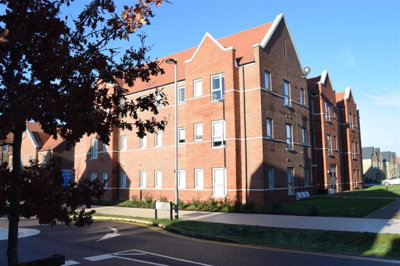
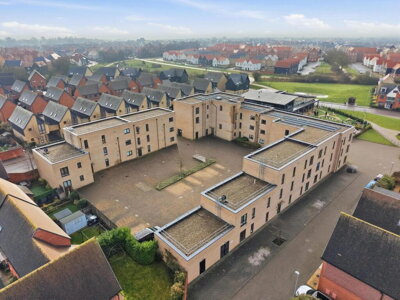
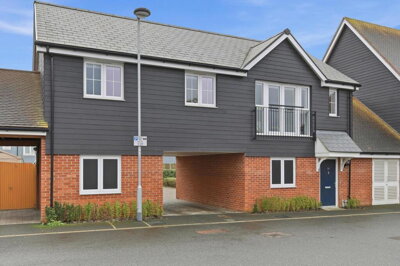
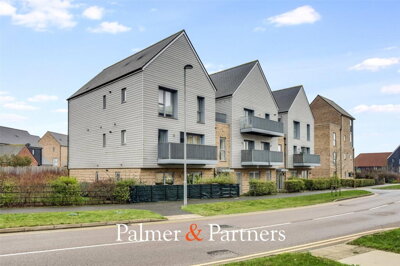
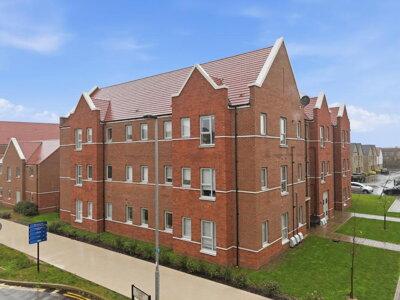
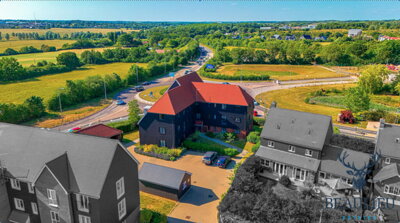
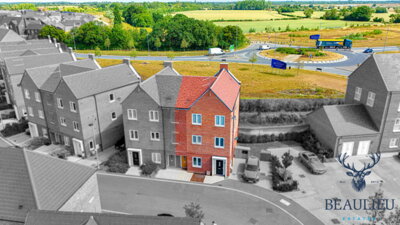
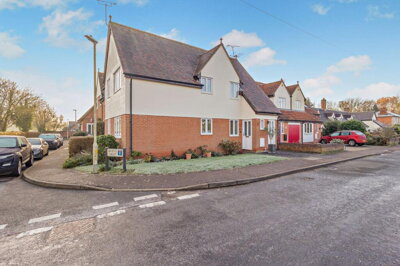
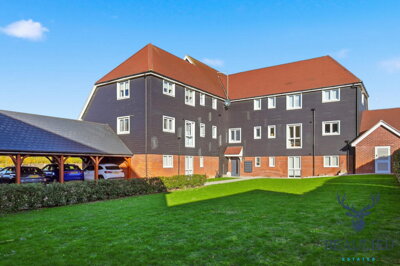
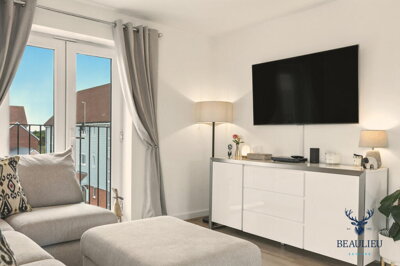
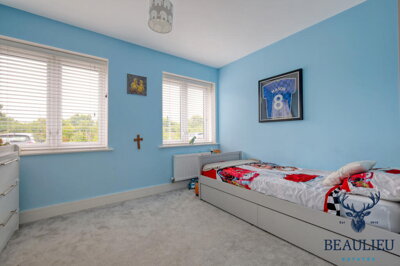
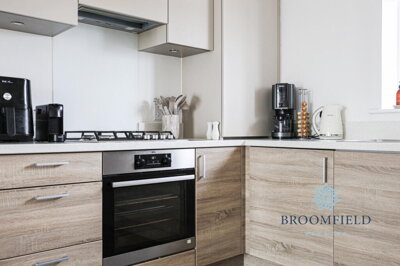
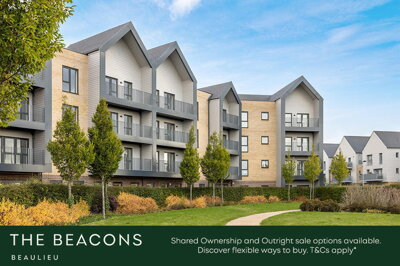
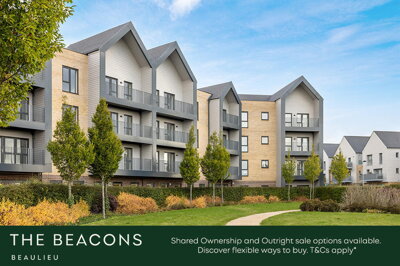
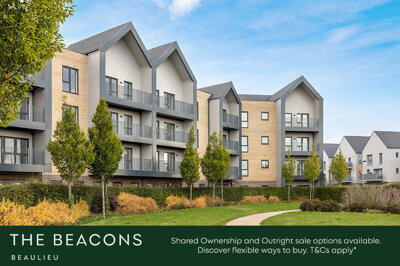
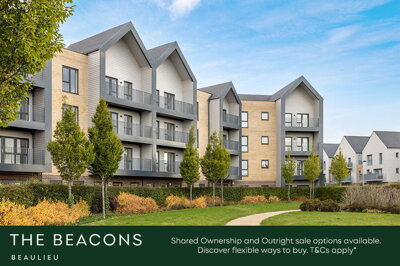
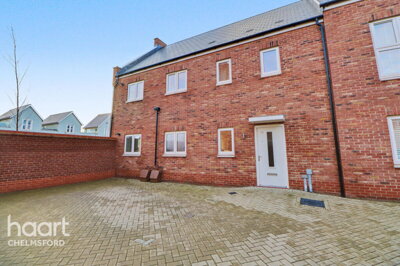
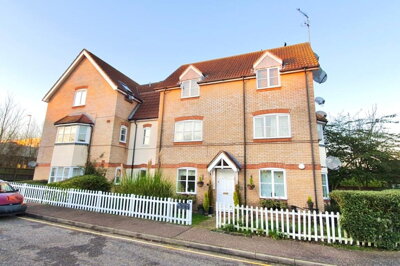
Browse 48 homes for sale in Little Waltham from local estate agents.
Studio apartments feature open-plan living spaces without separate bedrooms, incorporating sleeping, living, kitchen, and bathroom facilities. The Little Waltham studio market includes properties in modern apartment complexes, converted Victorian and Georgian buildings, and purpose-built developments.
Wardington's housing stock is predominantly composed of period properties, with detached homes representing the largest segment of recent sales at 40% of transactions. These substantial family homes typically feature generous gardens, multiple reception rooms, and the kind of solid construction that has endured for centuries. Properties such as those found along the village's main thoroughfare demonstrate the characteristic features that make Wardington properties so sought after, including high ceilings, original fireplaces, and thick stone walls that provide natural temperature regulation throughout the year.
Terraced and semi-detached properties offer more accessible entry points to the Wardington market, with terraced homes achieving a median price of £280,000 across recent sales. These cottages often retain period features such as exposed beam ceilings, flagstone floors, and inglenook fireplaces that add character and value. The village's collection of stone-built barn conversions provides a particularly attractive option for buyers seeking character properties that have been thoughtfully updated while retaining their original agricultural heritage. These conversions typically combine vaulted ceilings, exposed stone walls, and modern fittings to excellent effect.
Flats remain exceptionally rare in Wardington, with no recent sales data available, reflecting the village's overwhelmingly residential character. The limited flat supply means that those seeking lower-maintenance accommodation or buy-to-let opportunities may need to broaden their search to Banbury, where a broader range of property types and price points exists. This scarcity of flats also means that terraced cottages and small semi-detached properties often serve as the village's most affordable options, typically priced between £250,000 and £350,000 depending on condition and features.
The Wardington property market has demonstrated impressive strength over the past twelve months, with house prices rising by between 17.5% and 24.1% according to different data sources. The overall average sold price currently sits at around £411,313, with PropertyResearch.uk recording 10 completed sales in 2025 at a median price of £338,750. This upward momentum reflects strong demand for village properties in this part of Oxfordshire, where the supply of homes for sale remains limited relative to buyer interest. The village's position within the OX17 postal area and its accessibility from the M40 motorway continue to attract buyers from London and Birmingham seeking better value than metropolitan markets provide.
Detached properties command the highest values in Wardington, with the average price reaching £536,875 and the 2025 median standing at £552,500 across four recorded sales. These spacious family homes with generous gardens represent the premium end of the local market and are particularly sought after by families looking to escape larger towns and cities. Semi-detached homes sold at a median of £290,000 across three transactions in 2025, while terraced properties achieved a median of £280,000. The relatively narrow spread between semi-detached and terraced prices suggests strong demand across all property types as buyers compete for the limited supply of village homes available.
New build activity within Wardington itself is minimal, with no verified active developments currently under construction in the village. Those seeking brand new homes in the area may wish to explore neighbouring villages such as Great Bourton, where eco-inspired barn conversions have been completed. The scarcity of new supply adds to the appeal of existing properties, particularly period homes with character that cannot be replicated in modern construction. Buyers should be aware that properties in Wardington change hands relatively infrequently, making early viewing essential when suitable homes do become available on the market.

Wardington embodies the quintessential English village experience, with a heritage that stretches back several centuries. The village takes its name from the Ward family, who held the manor from the 13th century, and evidence of this long history remains visible throughout the settlement. Properties like Old Bonham's and Judges date from the 17th century, while Aubrey Hall began life as a 17th-century farmhouse and Wardington Lodge reflects 19th-century elegance. Bazeleys Farm, dated 1699, stands as one of the village's most historically significant buildings, its age inscribed above the door in testament to centuries of continuous occupation. Sundial House and High Wardington House, with its 17th-century foundations, further illustrate the village's architectural depth and historical importance.
The village architecture reflects traditional Oxfordshire building practices, with local ironstone and brick construction predominant throughout. Stone-built barn conversions offer particularly attractive options for buyers seeking character properties that have been thoughtfully updated while retaining their original features. The village's potential conservation areas, suggested by the concentration of historic buildings including The Old School which served the community from 1845 to 1991, help preserve the character that makes Wardington so appealing to buyers seeking authenticity and permanence in their home environment. Properties in such areas often benefit from restrictions that prevent inappropriate alterations, helping to maintain the village's distinctive appearance over time.
Day-to-day life in Wardington is characterised by community spirit and access to excellent countryside. The local pub serves as a social hub, while village events and seasonal activities bring residents together throughout the year. For comprehensive amenities, residents travel to Banbury, which offers supermarkets, independent shops, restaurants, and leisure facilities including the Spiceball Leisure Centre. The surrounding countryside provides ample opportunities for walking, cycling, and exploring the English landscape, with the Oxfordshire Cotswolds and Warwickshire accessible for day trips and weekend adventures. The village's position near the Grand Union Canal also offers scenic walking routes and connects Wardington to the broader canal network popular with boaters and walkers alike.

Families considering a move to Wardington will find a reasonable selection of educational options within comfortable reach. The village falls within the Cherwell district, which maintains a network of primary schools serving surrounding villages and rural communities. Primary school aged children typically attend establishments in nearby villages or in Banbury, with the specific school available depending on catchment areas and admission policies. Parents are advised to check current catchment boundaries and admission criteria when considering properties in Wardington, as these can influence school placement significantly. The closest primary schools include facilities in Adderbury and Bloxham, both of which have established reputations within the local community.
Secondary education in the area is well served by schools in Banbury, including both state and independent options. The town has several secondary schools with strong reputations, offering a range of curricula and extracurricular activities. The Warriner School in Bloxham serves many village families and regularly achieves above-average examination results. For families considering private education, Oxfordshire and the surrounding counties offer a selection of independent schools catering to all age groups, with several notable establishments within reasonable commuting distance. The Dragon School in Oxford is particularly prestigious, though parents should factor travel time into their decision-making process.
Early years and preschool facilities are typically based in nearby villages or in Banbury, with several options available to Wardington families. Parents should research availability and booking requirements, as village and small town childcare can have waiting lists that extend for several months. For families with children at different educational stages, the spread of available schooling across multiple year groups is a practical consideration when evaluating the area for a family move. The quality of education in Cherwell and Oxfordshire is generally rated positively, with schools regularly performing well in national assessments and examinations. Parents can access performance data through the gov.uk website to compare schools based on their specific needs and priorities.
Wardington benefits from its position in north Oxfordshire, offering relatively straightforward access to the national motorway network and rail connections. The village lies within easy reach of the M40 motorway, which provides a direct route south to Oxford and London, and north to Birmingham and the wider Midlands. This connectivity makes Wardington particularly attractive to commuters who work in major cities but wish to enjoy village life and lower property prices than would be available closer to the capital. The journey to Oxford takes approximately 40 minutes by car, while London can be reached in around 90 minutes depending on traffic conditions.
Banbury railway station provides direct services to London Marylebone in approximately one hour, making it practical for regular commuters to work in the capital while living in Wardington. The station also offers connections to Birmingham Moor Street and Snow Hill, Oxford, and other regional destinations. For those working in Oxford, the journey by car or bus takes approximately 40 minutes under normal traffic conditions, while commuting to Milton Keynes or Northampton is similarly feasible given the motorway access available nearby. The station has undergone significant improvements in recent years, adding additional services and enhanced facilities.
Local bus services connect Wardington with Banbury, providing public transport options for those without cars or for journeys where parking is inconvenient. The village's position within the OX17 postal area places it within the Oxfordshire public transport network, with services linking surrounding villages to market towns and larger centres. Stagecoach and other operators run regular services along the main routes, though weekend and evening frequencies may be reduced compared to urban areas. Cycling is popular in the area, with quiet country lanes offering scenic routes for recreational and commuting purposes, though the undulating Oxfordshire countryside does require a reasonable fitness level for longer journeys. The Banbury Canal run and surrounding bridleways provide additional options for those seeking car-free travel.
Begin by exploring current property listings in Wardington and understanding recent sales prices through websites such as Rightmove, Zoopla, and OnTheMarket. With prices rising by around 24% year-on-year, having up-to-date information is essential for making competitive offers. Familiarise yourself with the different property types available, from detached farmhouses to terraced cottages, and understand how prices vary across these categories.
Before viewing properties, obtain a mortgage agreement in principle from a lender. This demonstrates your financial readiness to sellers and agents, strengthening your position in a market where village properties attract significant interest. Given Wardington's average price of around £413,812, most buyers will require a substantial mortgage, so comparing rates from multiple lenders is advisable. Speak to a mortgage broker if you need guidance on the best products for your circumstances.
View multiple properties in Wardington to understand what different price ranges offer. Pay attention to property condition, as many homes are period properties with characteristic features and potential maintenance considerations. When viewing, look beyond cosmetic finishes to assess the condition of roofs, walls, and foundations. Take photographs and notes during viewings to help compare properties afterwards.
Given Wardington's predominantly older housing stock, a RICS Level 2 HomeBuyer Report is highly recommended. This survey identifies issues like damp, roof condition, and outdated electrics common in period properties. For older or listed properties, a more comprehensive RICS Level 3 Building Survey may be more appropriate. The cost of a survey is small relative to the property price and can reveal issues that justify renegotiation or provide valuable bargaining leverage.
Choose a conveyancing solicitor to handle the legal aspects of your purchase. They will conduct searches, including local authority checks with Cherwell District Council, drainage and water searches, and environmental searches to identify any potential issues affecting the property. Given Wardington's historic properties, additional checks on listed building status and any planning conditions may be required.
Once surveys are satisfactory and legal checks are complete, you can exchange contracts and set a completion date. On completion, you receive the keys to your new Wardington home. Ensure you have buildings insurance in place from the completion date, as this is a legal requirement and mortgage lenders will require evidence of cover before releasing funds.
Properties in Wardington require careful inspection due to their predominantly historic construction. The village's collection of 17th, 18th, and 19th-century buildings means that many homes will have characteristic period features alongside potential issues associated with age. Damp is a common concern in older properties, particularly those with solid walls rather than cavity wall construction. Prospective buyers should look for signs of damp such as tide marks on walls, musty odours, and peeling wallpaper or paint, especially in ground floor rooms and basements. Solid wall properties also tend to have higher heating costs, so energy efficiency should be considered alongside purchase price when evaluating overall affordability.
Roof condition is another critical consideration when purchasing in Wardington. Period properties often have original or early roof structures that may have been partially repaired over the years. Look for slipped or missing tiles, sagging rooflines, and signs of water penetration in loft spaces. The presence of thatch or traditional slate or clay tile roofing, common in historic village properties, affects both maintenance requirements and insurance costs. Thatched properties in particular require specialist insurers and more frequent maintenance than standard roofs, costs that should be factored into your budget. A thorough survey will identify any structural concerns with the roof that might require significant investment.
Electrical systems in older properties frequently require updating to meet modern standards and accommodate contemporary power demands. Wiring that dates from the mid-20th century or earlier may not be suitable for homes equipped with multiple appliances, charging devices, and entertainment systems common in 21st-century households. Check the consumer unit for signs of recent replacement and ask about the age of the wiring throughout the property. Listed buildings or properties within conservation areas may have restrictions on alterations, requiring specialist advice before purchasing. Our inspectors frequently find that older properties in Wardington have electrical systems that would benefit from complete rewire, a cost typically ranging from £3,000 to £8,000 depending on property size.
Foundation and subsidence considerations are important when buying period properties in any Oxfordshire village. The underlying geology of north Oxfordshire can include clay soils that are susceptible to shrink-swell movement, particularly in areas with trees and hedgerows that draw moisture from the ground during dry periods. Look for signs of cracking around door and window frames, uneven floors, and doors that stick or fail to close properly. Our surveyors assess these factors carefully when inspecting properties, and any concerns will be documented in the survey report along with recommended actions.
The average house price in Wardington is approximately £413,812 based on recent sales data, with some sources reporting averages of £411,313 or £399,000 depending on the date and methodology. Detached properties command premium prices averaging £536,875, with the 2025 median at £552,500, while terraced homes average around £291,000 and semi-detached properties average approximately £290,000. House prices in Wardington have risen significantly, with increases of between 17.5% and 24.1% over the past twelve months, indicating strong ongoing demand for village properties in this part of Oxfordshire.
Properties in Wardington fall under Cherwell District Council for council tax purposes. Banding depends on the property's assessed value, with most period properties in the village typically falling into bands C through E. Band D properties in Cherwell currently pay around £1,800 to £2,000 per year, though exact amounts vary depending on property valuation and any applicable discounts. Prospective buyers should check the specific banding for any property they are considering, as council tax costs form part of the ongoing cost of homeownership and can be verified through the Valuation Office Agency website.
Wardington is served by primary schools in surrounding villages and Banbury, with the specific school available depending on catchment areas. The closest primary schools include facilities in Adderbury and Bloxham, both well-regarded village schools with good reputations. Secondary education is available at The Warriner School in Bloxham, which serves many local villages and achieves consistently strong examination results. For families seeking private education, independent schools are accessible in Oxfordshire and neighbouring counties, including the prestigious Dragon School and St Edward's in Oxford.
Wardington has reasonable connectivity for a village location, with regular bus services linking the village to Banbury where mainline railway services provide direct trains to London Marylebone in approximately one hour. The X8 bus service operated by Stagecoach connects Wardington with Banbury town centre and railway station throughout the day. The M40 motorway is accessible for car travel, providing routes to Oxford, London, Birmingham, and the national motorway network. Local services are less frequent than in urban areas, so those relying on public transport should check specific timetables for their needs, particularly for weekend travel.
Wardington has demonstrated strong price growth of around 24% over the past year, indicating robust demand for property in the village. The limited supply of homes for sale, combined with the appeal of village living within reach of major cities, suggests continued interest from buyers. Period properties in the village benefit from the rarity of similar homes, while the historic character and conservation considerations help maintain property values. However, property investment carries risks and buyers should consider their personal circumstances, financing arrangements, and long-term plans before committing to a purchase. Rental demand in Wardington is likely limited given the scarcity of flats and smaller properties.
Stamp duty land tax (SDLT) in England is calculated based on the property purchase price. For standard purchases, there is no SDLT on the first £250,000 of the purchase price, 5% on the portion from £250,001 to £925,000, 10% on the portion from £925,001 to £1.5 million, and 12% on any amount above £1.5 million. First-time buyers purchasing properties up to £625,000 pay no SDLT on the first £425,000, with 5% on the portion between £425,001 and £625,000. Given Wardington's average price of around £413,812, most buyers would pay minimal or no stamp duty, with first-time buyers typically paying nothing at all on average-priced properties.
Wardington contains several historic buildings that are likely listed or located within a conservation area, including properties dating from the 17th century such as Old Bonham's, Judges, and Bazeleys Farm (1699). The Old School building, which served the village from 1845 to 1991, is another feature of historic interest. Properties with listed building status may have restrictions on alterations and renovations, requiring planning permission or listed building consent from Cherwell District Council. These restrictions can affect future renovation plans and insurance requirements, so buyers should clarify the status of any property they are considering through the planning portal or their solicitor.
The main risks associated with buying period properties in Wardington include hidden defects that may not be apparent during viewings, such as damp, structural movement, or outdated electrical and plumbing systems. Older properties may also have higher maintenance costs than modern equivalents, and solid wall construction provides less insulation than cavity walls. The limited property supply in village locations means that resale may take longer than in urban areas. However, these risks can be managed through proper surveys and budgeting for maintenance. A RICS Level 2 survey is strongly recommended for all period properties in Wardington to identify any issues before purchase.
When purchasing a property in Wardington, understanding the full cost of buying is essential for budgeting effectively. The stamp duty land tax (SDLT) bill depends on the purchase price and your buyer status. For a property at Wardington's average price of £413,812, a standard buyer purchasing as a main residence would pay no SDLT on the first £250,000 and 5% on the remaining £163,812, resulting in a total SDLT of £8,190.60. First-time buyers purchasing properties up to £625,000 would pay no SDLT on the first £425,000, meaning they would owe nothing on a property at this average price. SDLT must be paid within 14 days of contract completion, and your solicitor typically handles this on your behalf.
Beyond stamp duty, buyers should budget for solicitor conveyancing costs, which typically start from around £499 for a straightforward transaction but can increase depending on complexity. Search fees, including local authority searches with Cherwell District Council, drainage and water searches, and environmental searches, add several hundred pounds to the legal costs. For properties near the Grand Union Canal or in areas with nearby farmland, additional searches may be required to identify any potential contamination or flooding risks. A RICS Level 2 survey is strongly recommended for properties in Wardington given the prevalence of period construction, with costs starting from around £350 depending on property size.
Additional costs include mortgage arrangement fees, which vary by lender but often range from £500 to £2,000, and valuation fees, which are typically required by lenders before approving a mortgage. Survey and valuation costs are separate requirements, though some lenders offer combined packages. Buildings insurance must be in place from the day of completion, while removals costs, furnishing, and any immediate repairs or renovations should also be factored into your budget. For properties in Wardington's conservation areas or those with listed building status, planning and heritage consents may add further costs and considerations before undertaking any works. Careful financial planning ensures a smooth path to completing your Wardington purchase without unexpected shortfalls that could delay or jeopardise your transaction.
Properties for Sale In London

Properties for Sale In Plymouth

Properties for Sale In Liverpool

Properties for Sale In Glasgow

Properties for Sale In Sheffield

Properties for Sale In Edinburgh

Properties for Sale In Coventry

Properties for Sale In Bradford

Properties for Sale In Manchester

Properties for Sale In Birmingham

Properties for Sale In Bristol

Properties for Sale In Oxford

Properties for Sale In Leicester

Properties for Sale In Newcastle

Properties for Sale In Leeds

Properties for Sale In Southampton

Properties for Sale In Cardiff

Properties for Sale In Nottingham

Properties for Sale In Norwich

Properties for Sale In Brighton

Properties for Sale In Derby

Properties for Sale In Portsmouth

Properties for Sale In Northampton

Properties for Sale In Milton Keynes

Properties for Sale In Bournemouth

Properties for Sale In Bolton

Properties for Sale In Swansea

Properties for Sale In Swindon

Properties for Sale In Peterborough

Properties for Sale In Wolverhampton

Enter your details to see if this property is within your budget.
Loans, cards, car finance
Estimated property budget
Borrowing + deposit
You could borrow between
Typical borrowing
Monthly repayment
Est. at 4.5%
Loan-to-value
This is an estimate only. Your actual budget may vary depending on interest rates, credit history, and personal circumstances. For an accurate affordability assessment, speak to one of our free mortgage advisors.
This calculator provides estimates for illustrative purposes only and does not constitute financial advice. Your home may be repossessed if you do not keep up repayments on your mortgage. Estimates based on 4.5% interest rate, repayment mortgage. Actual rates depend on your circumstances.
Homemove is a trading name of HM Haus Group Ltd (Company No. 13873779, registered in England & Wales). Homemove Mortgages Ltd (Company No. 15947693) is an Appointed Representative of TMG Direct Limited, trading as TMG Mortgage Network, which is authorised and regulated by the Financial Conduct Authority (FRN 786245). Homemove Mortgages Ltd is entered on the FCA Register as an Appointed Representative (FRN 1022429). You can check registrations at NewRegister or by calling 0800 111 6768.

We use cookies to show you personalised content and improve your experience of our website. Find out more in our Privacy policy and Cookie policy.